

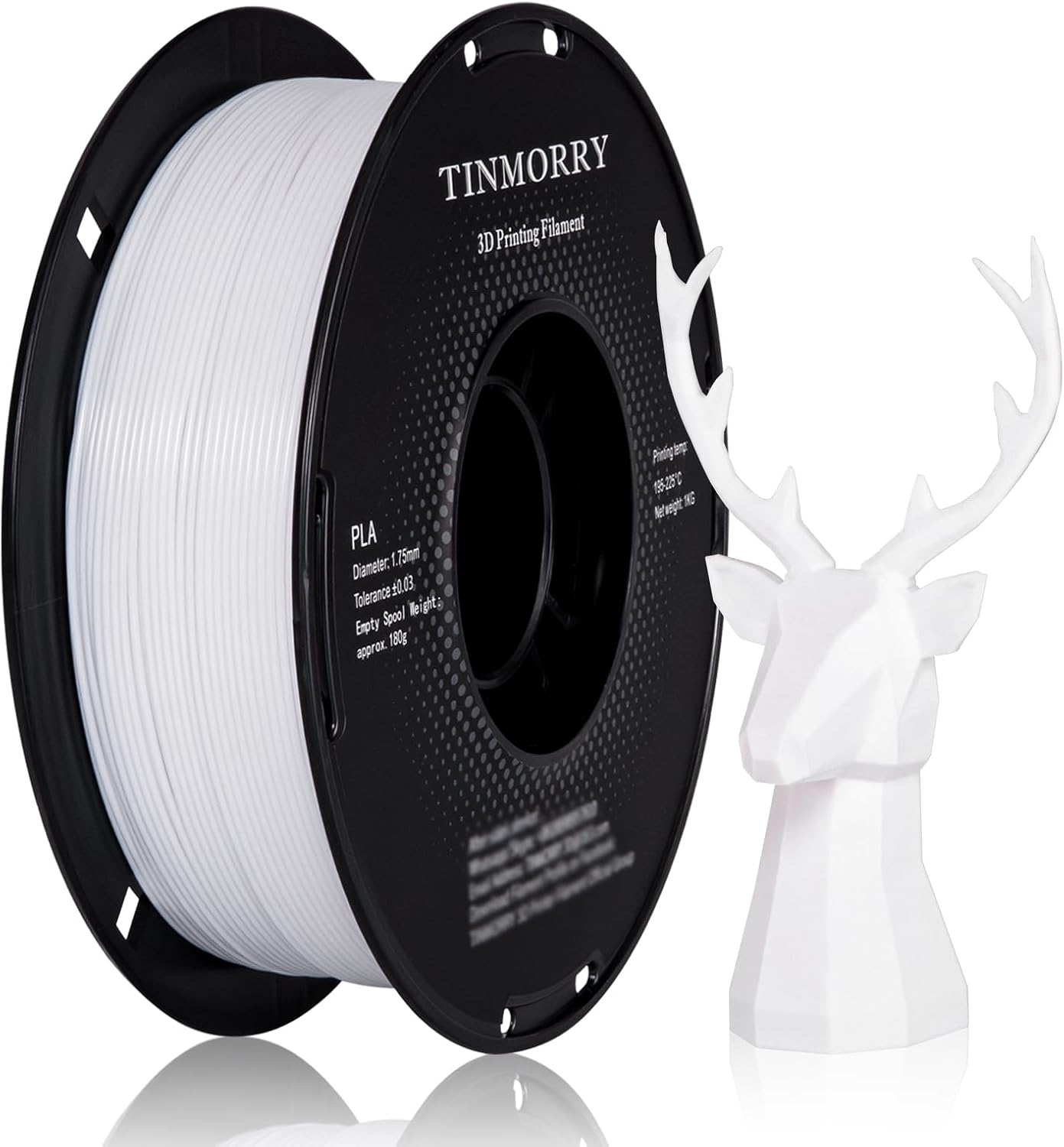
TINMORRY Galaxy PLA 1.75mm 1kg filament (Galaxy Brown) for FDM 3D printers
Product description
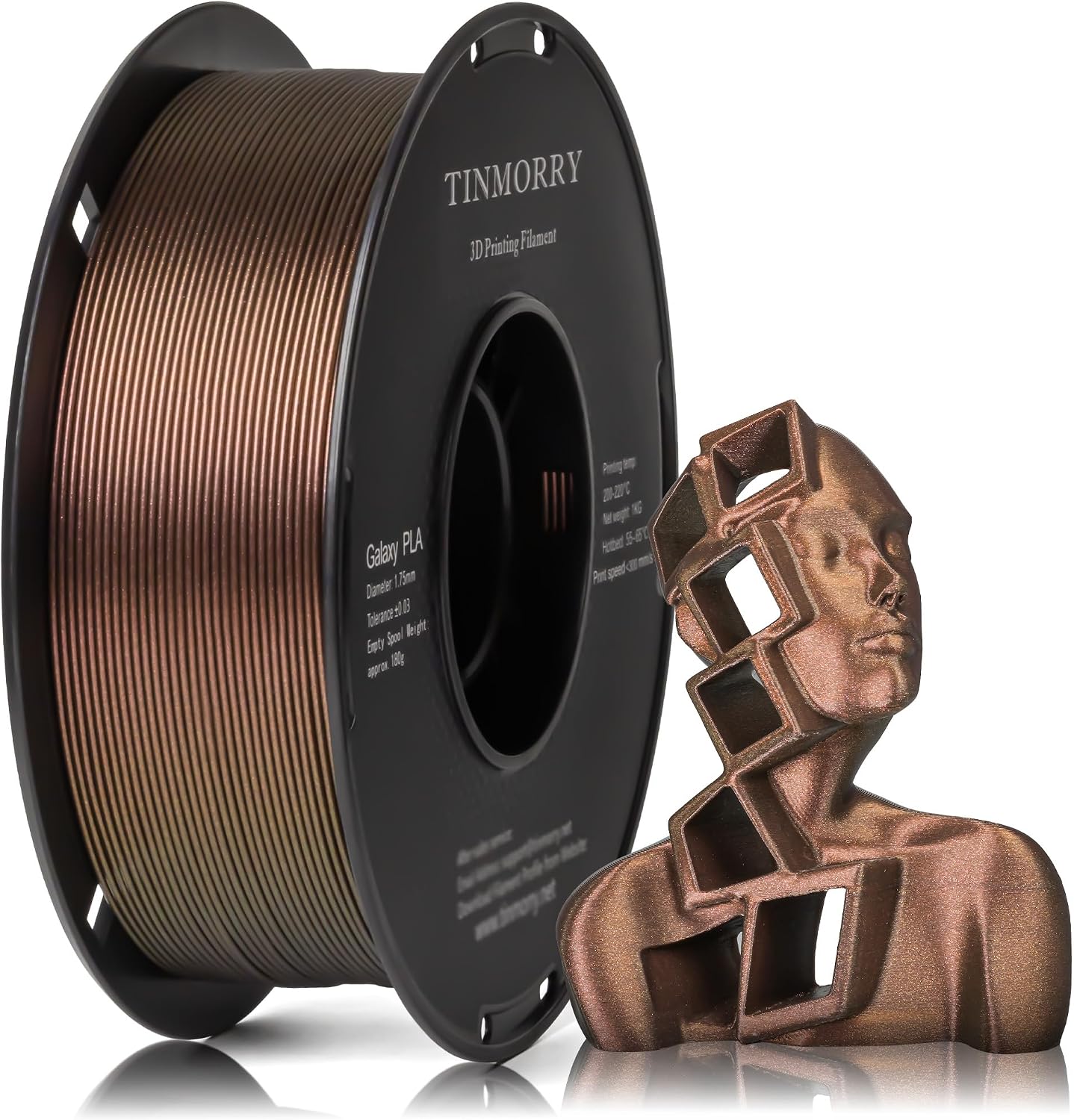
If you want PLA with a visual “wow” finish, this TINMORRY Galaxy PLA filament is built around one thing: prints that catch the light. The galaxy effect is meant to look like a sparkling texture reminiscent of the night sky, with subtle changes depending on the lighting angle.
It’s also designed to be fairly straightforward to run on most FDM-style setups, which matters if you’re not chasing the most demanding materials. Still, it’s not perfect for every job—more on that below.
The essentials
TINMORRY Galaxy PLA is a 1.75mm PLA filament supplied as 1kg on a single spool, aimed at FDM 3D printers. The “Galaxy Brown” colour is the base tone, while the surface effect is what you’ll notice after printing: a decorative, glitter-like look rather than plain matte plastic. The manufacturer’s positioning here is creative and decorative—things where finish matters.
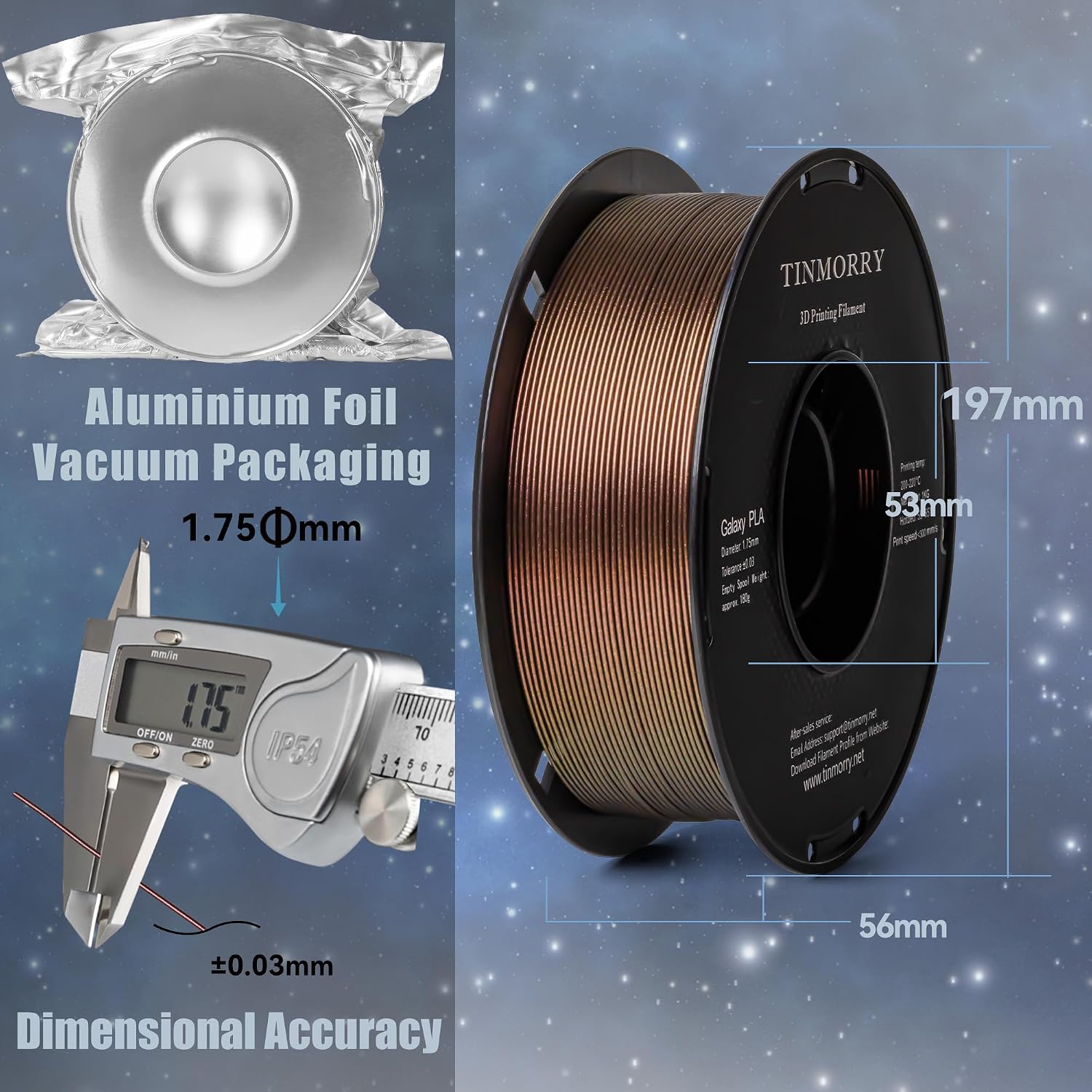
On the practical side, it’s presented as easy to handle, with a low melting point, minimal warping and shrinkage, and no odour during printing (as stated). It’s also described as being vacuum-sealed and thoroughly dried in production, which is meant to help reduce moisture-related print issues like clogs and bubbling.
Where it shines (and where it doesn’t)
The galaxy finish is the headline feature. Under different lighting angles, you should see subtle visual variation, so it’s a sensible pick for:
- decorative ornaments and model details
- artistic pieces where texture and surface appearance are part of the appeal
- personalised accessories
That said, don’t expect miracles if your goal is purely functional engineering output. PLA—especially in a decorative “effect” line—tends to be more about the look and ease of printing than about maximum mechanical performance. If you’re aiming to “exaggerate” strength, heat resistance, or tough-duty durability, this is likely to feel like the wrong direction.
Key specifications
- Type: PLA filament
- Diameter: 1.75mm (± 0.03mm)
- Capacity: 1kg (1 spool)
- Colour: Galaxy Brown
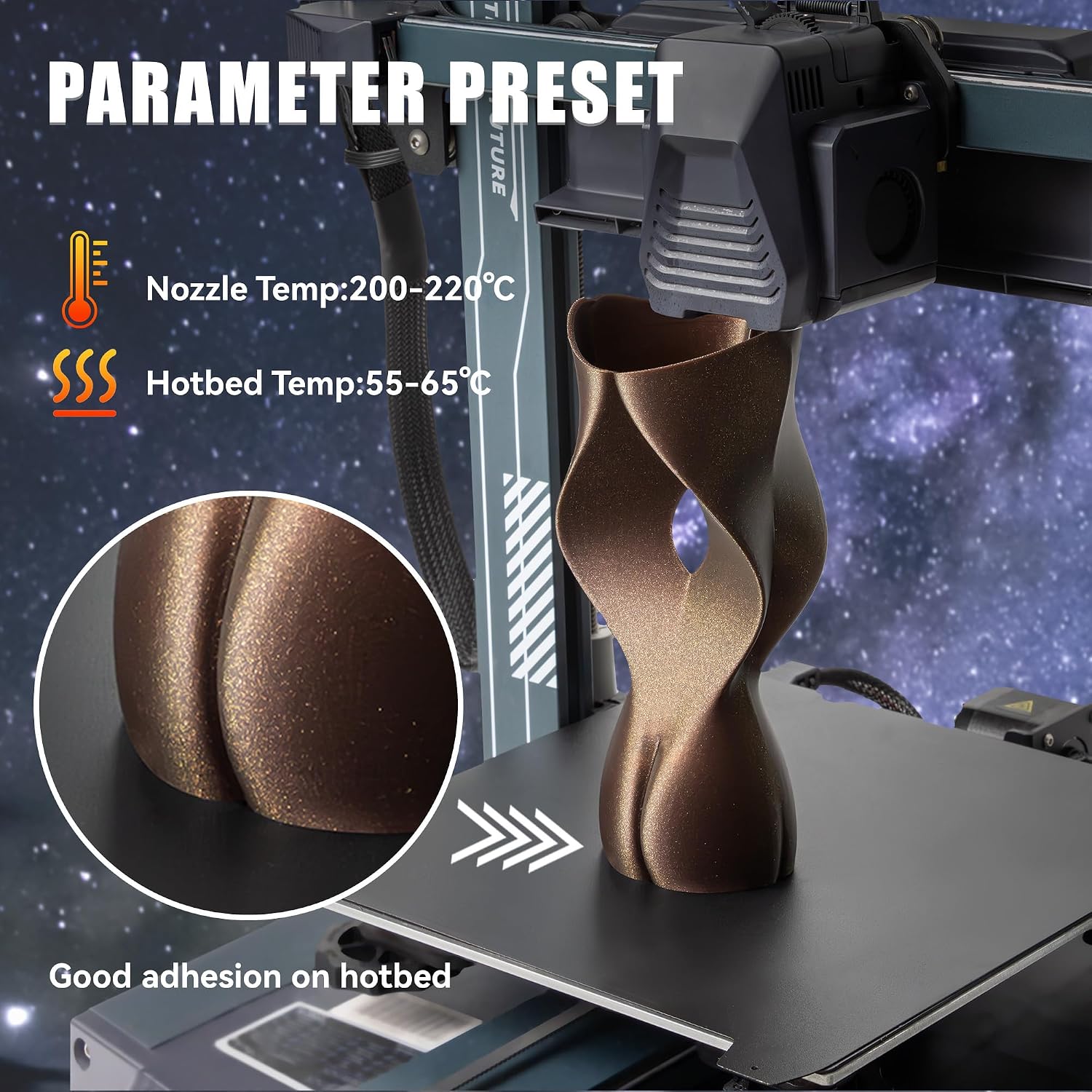
- Recommended print temperature: 200–220 °C
- Hot bed temperature: 55–65 °C
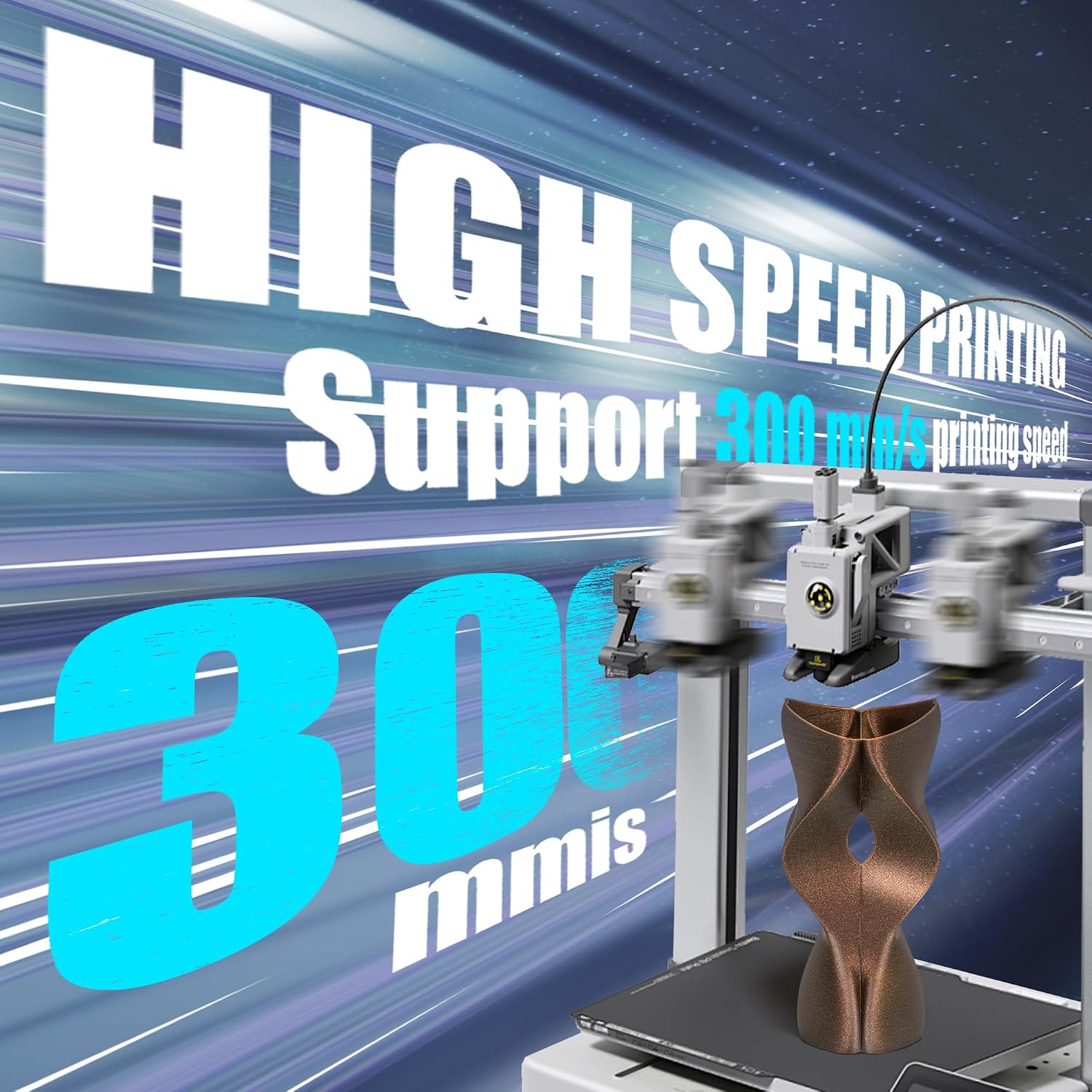
- Print speed guidance: <300 mm/s
- Notes on drying/packaging: vacuum-sealed, described as thoroughly dried during production
Getting the most from it
This filament comes with straightforward setup tips that are worth following, because PLA filament quality can be quite sensitive to moisture.
First, it’s recommended you seal the filament after use to prevent moisture absorption, and secure the filament end to avoid tangling. Those two points sound basic, but they’re the kind of thing that can save you from annoying interruptions.
Second, the suggested settings are a good starting point: 200–220 °C for printing, 55–65 °C for the hot bed, and a speed below 300 mm/s. If you’re used to running faster, it may be worth slowing down a bit—on paper, that’s where you’re most likely to get stable extrusion with minimal fuss.
Finally, the nozzle guidance says wear-resistant steel nozzles are recommended, with 0.6 mm suggested and 0.4 mm capable. If your printer is set up for tiny nozzles, check you’re comfortable tuning first.
A quick, practical example
Say you’re printing small decorative earrings or a tabletop ornament. With the galaxy finish, you’re essentially designing around the lighting effect—so it’s better to use it for visible surfaces rather than hidden structural parts. Run a small test print first, then adjust temperature within the 200–220 °C window if your results look a bit under/over-extruded.
Compatibility and requirements
It’s described as compatible with most FDM 3D printers, which generally means you should be able to use it on a wide range of consumer desktop machines.
The main “requirement” is that your printer is truly FDM-compatible (not resin) and supports 1.75mm filament feeding. Beyond that, you may still need to do normal profile tweaking, especially if your printer behaves differently with PLA-like materials or if your nozzle size differs from the recommended range.
Care & maintenance
Because the filament is described as vacuum-sealed and dried, you’ll want to keep that advantage after opening. Seal it again after each session to help prevent moisture absorption. If your prints start showing bubbling or sudden extrusion issues, it’s often a sign the filament has picked up moisture again—so storage habits matter.
Buying verdict
Worth considering if you want a 1.75mm PLA filament that focuses on appearance, with a sparkling “Galaxy” surface effect that changes subtly under lighting. The combination of stated low melting point, easy handling, minimal warping, and vacuum-sealed packaging makes it a good fit for everyday creative printing.

It might not be a great match if you need maximum mechanical or heat performance, or if your project is purely functional and you’d rather prioritise plain finishes over visual effect. Also, if you tend to leave filament out between prints, you may find the benefits of moisture-resistant packaging don’t last as long.
If you’re after a filament that’s easy to live with—and the galaxy texture is genuinely part of what you want—this is the kind of PLA roll that can make prints look more intentional without demanding complicated workflow.
Mini FAQ
Is this PLA filament suitable for beginners?
It’s described as easy to handle and compatible with most FDM printers, so on paper it suits beginners who want to print PLA with straightforward settings. You’ll still want to follow the temperature guidance and store/seal it properly.
What temperatures should I start with?
The suggested print temperature range is 200–220 °C, with a hot bed at 55–65 °C, and print speed guidance under 300 mm/s.
Does the galaxy effect look the same in all lighting?
No—the finish is designed to show subtle visual variations under different lighting angles, which is the whole point of the effect.
Will it clog easily?
The filament is described as being dried during production and vacuum-sealed, which is meant to reduce moisture-related clogging and bubbling. As with any filament, results depend on your storage and printer conditions.
What nozzle size is recommended?
Wear-resistant steel nozzles are recommended, with 0.6 mm suggested and 0.4 mm stated as capable.