


ANYCUBIC PLA+ 1.75mm Filament, White, 1kg spool – High Toughness & Dimensional Accuracy
Product description
What it is and why it matters
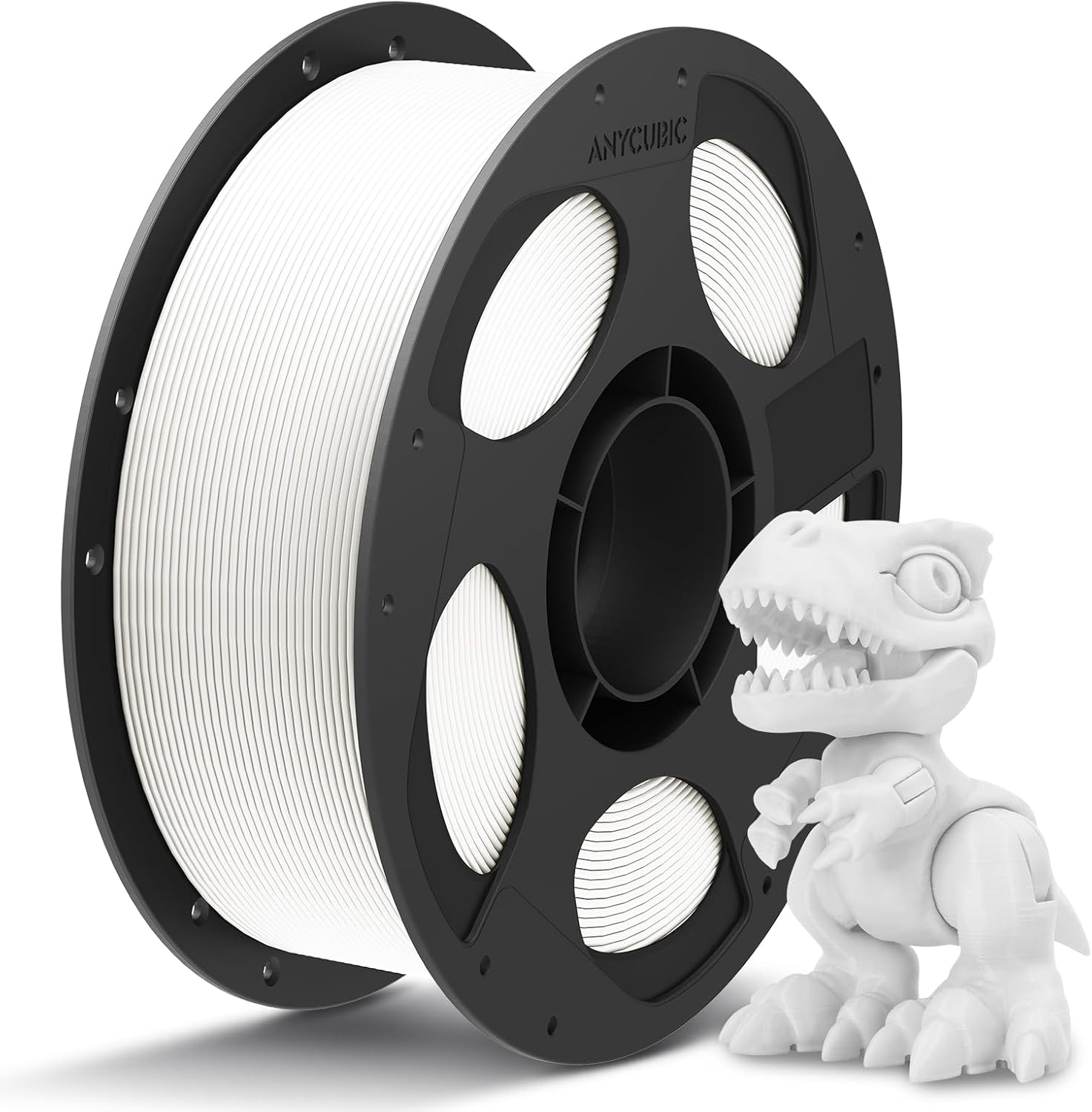
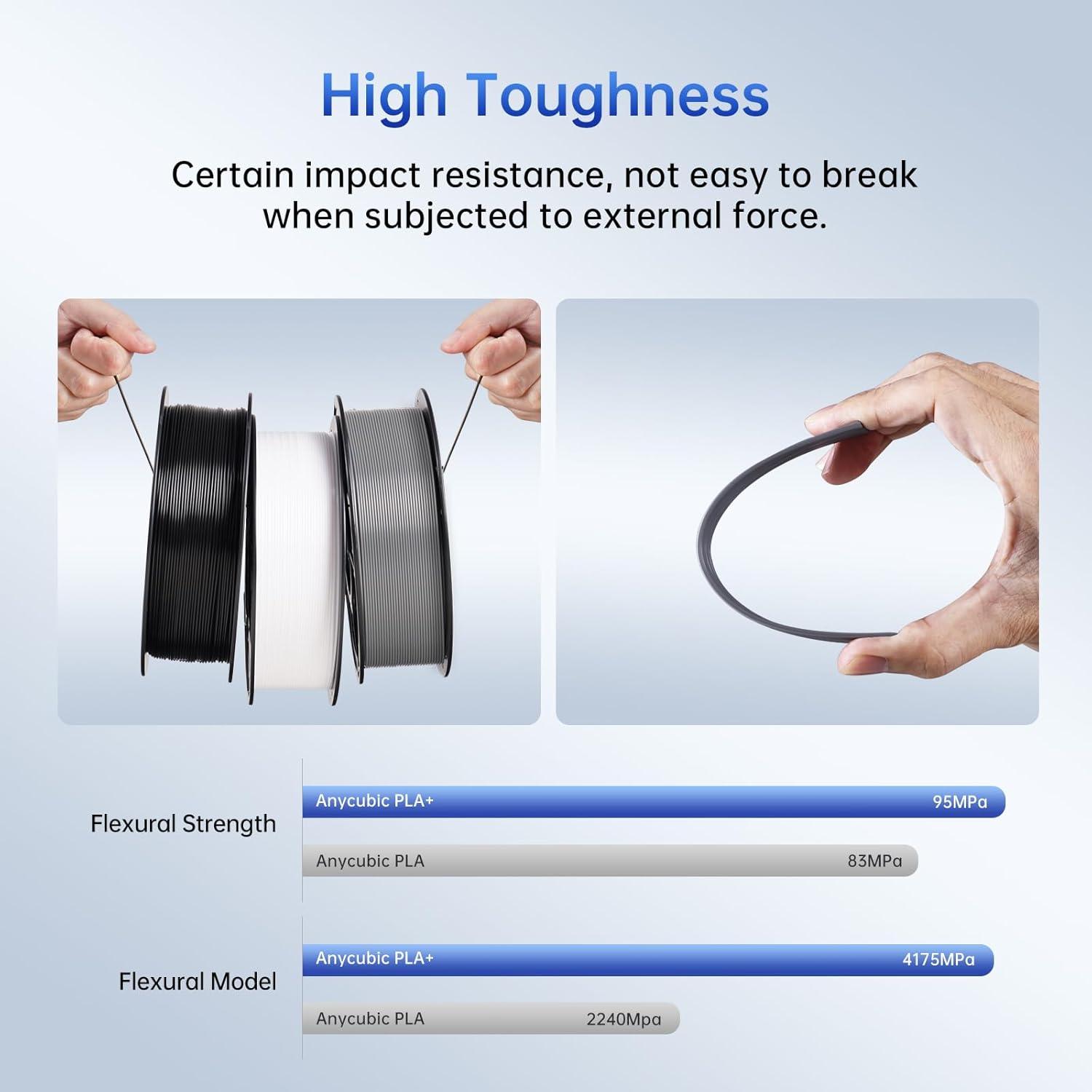
This is a 1.75mm PLA+ filament from Anycubic, sold as a 1kg spool in white. It’s pitched as a high-toughness, impact-resistant material designed for models, crafts and engineering parts that may see handling or light stress. On the surface, it sits in the PLA family but with an emphasis on durability and reliable extrusion, aiming to reduce cracking and warping compared with standard PLA.
How it performs on paper
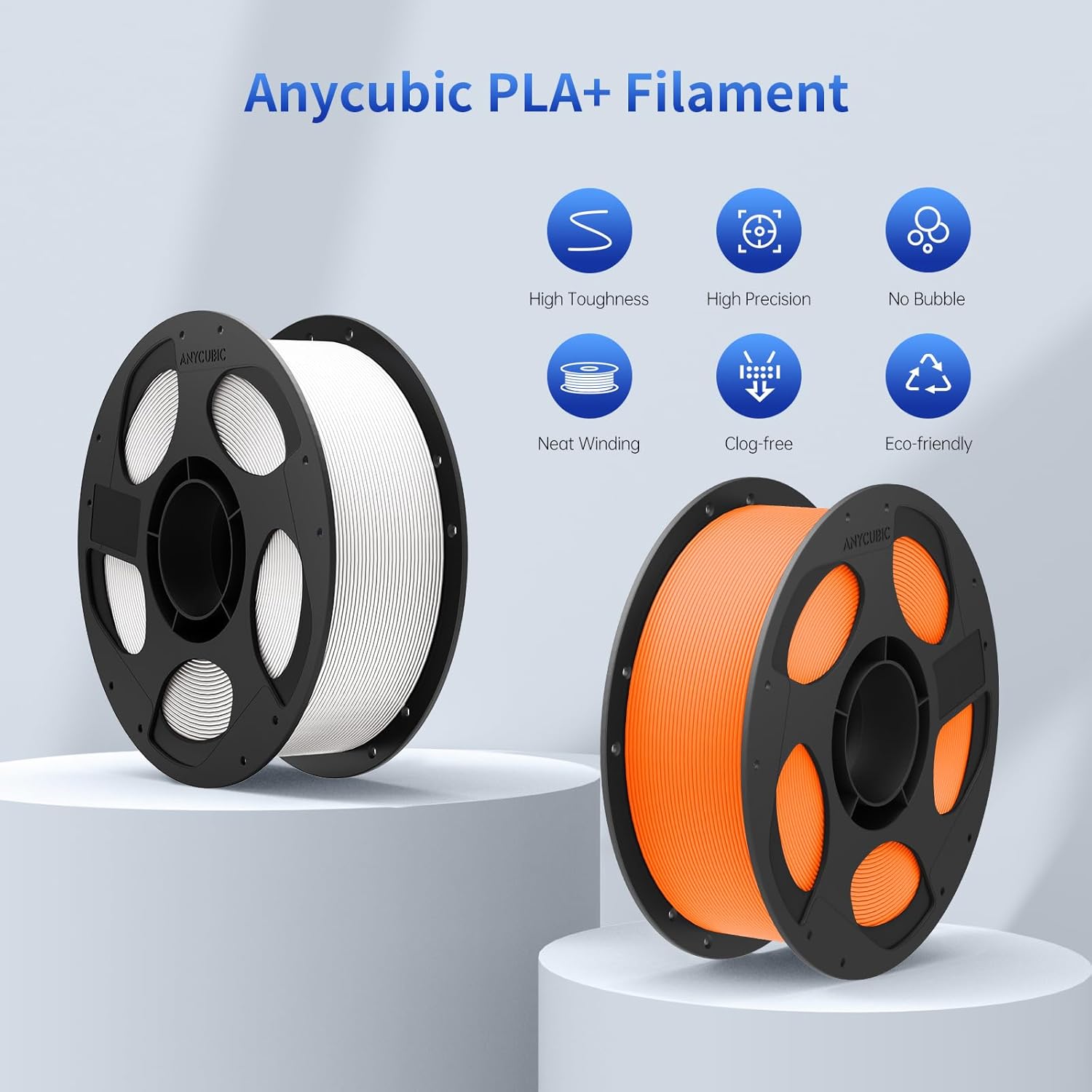
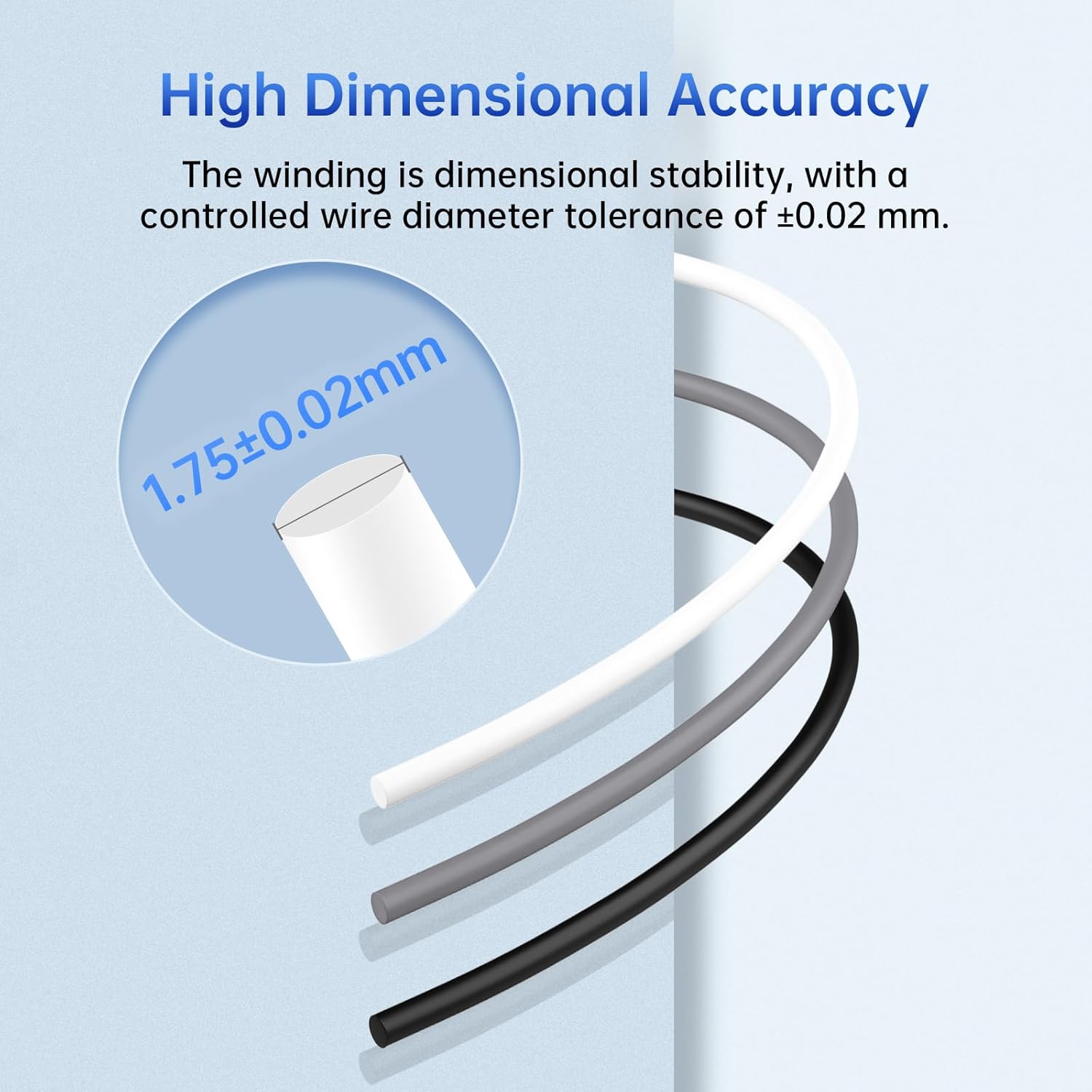
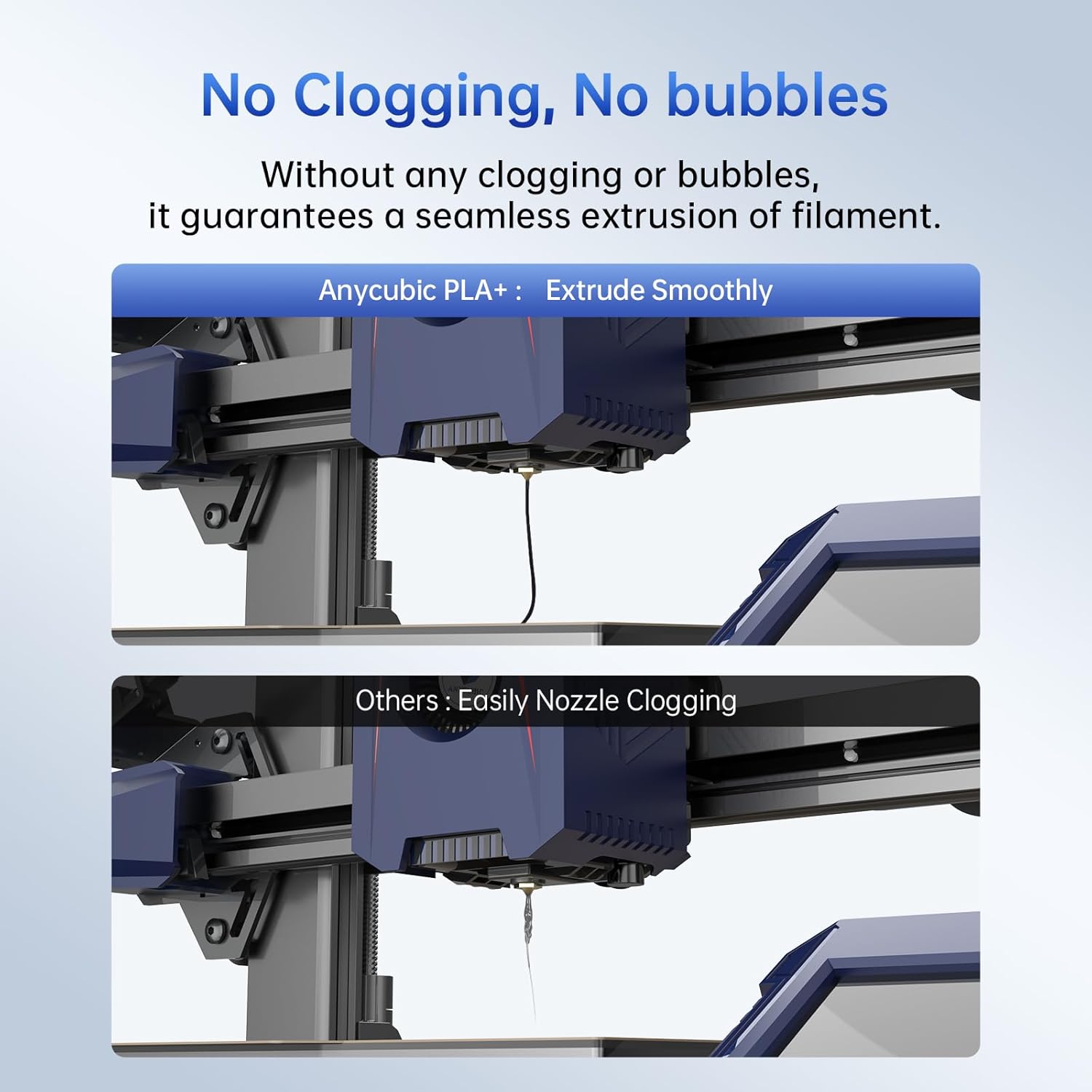
If you prioritise ease of use with better impact resistance, PLA+ can be a sensible middle ground between traditional PLA and more robust materials like ABS. Anycubic states that the filament prints smoothly with minimal layer gaps and supports dimensional stability with a tolerance of ±0.02mm. In theory, this translates to fewer cracks in larger parts and more consistent layer adhesion across print runs. It also claims to be resistant to bubbles and clogging, which helps when you're pushing for a cleaner finish on detail work.
What stands out in everyday use
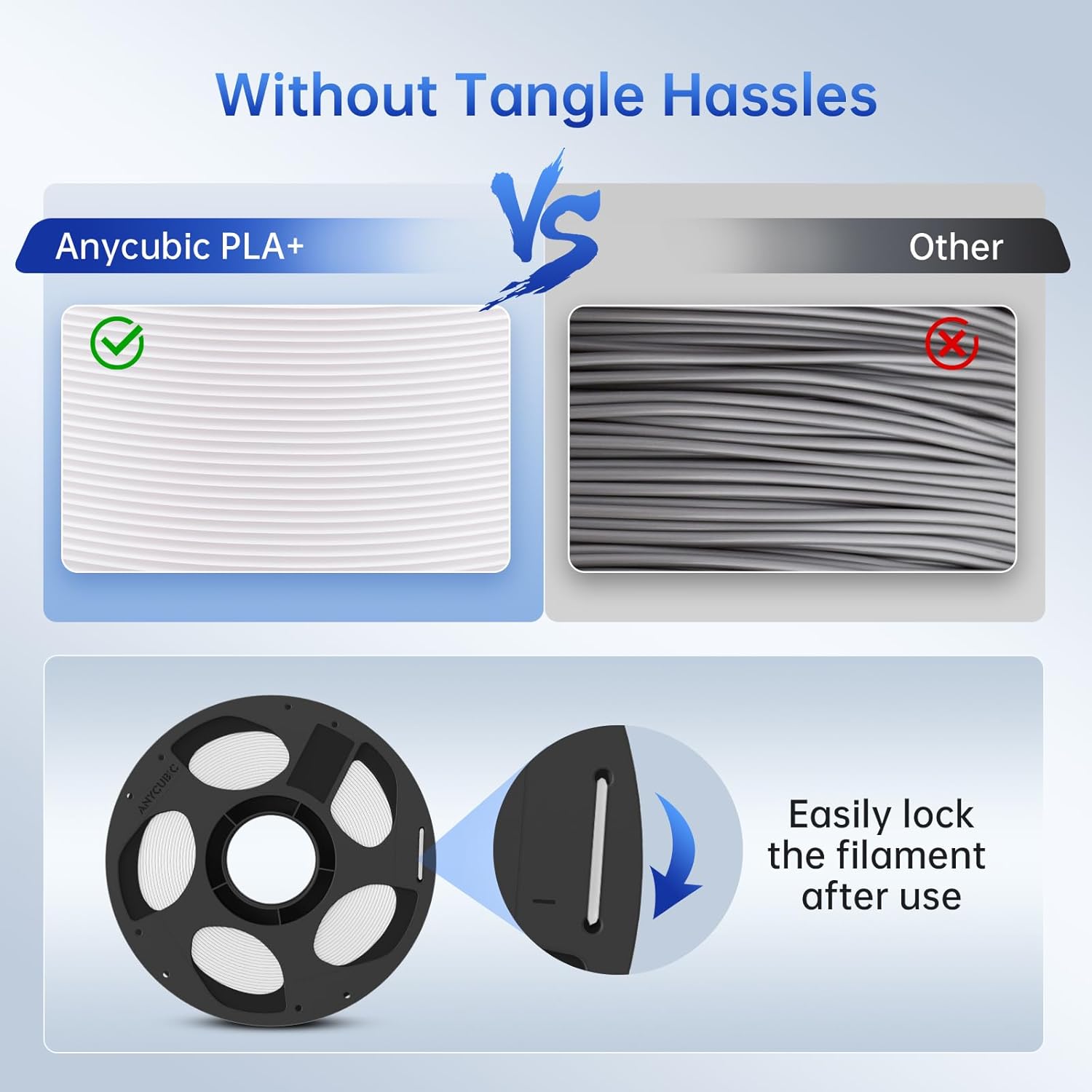
One practical advantage highlighted is reduced tangling on the spool and easier handling after printing. This can save time during setup and post-processing, particularly for casual makers or classrooms where reliability matters. A tidy wound spool can mean fewer surprises at the start of a print and less cross‑turning of filament on the reel.
Potential caveats to consider
The description focuses on general performance without detailing testing conditions or printer models. As with any PLA+ formulation, real-world results depend on your specific printer, nozzle size, and bed temperature. If you’re using older or budget printers, you may still encounter variation in adhesion or first‑layer quality. It is also not a guaranteed substitute for filaments designed for high-temperature environments or high-strength functional parts.
Who this is for
This filament is suited to hobbyists and students who want a straightforward print with better toughness than standard PLA, alongside good dimensional control. It may appeal to those producing small to medium parts, display pieces, or light‑duty engineering components where cosmetic finish and consistency matter. If you regularly print large, highly stressed parts, you might want to compare with specialised materials.
Who it isn’t ideal for
If your projects demand maximum impact resistance, heat resistance or rigid structural parts, PLA+ in this form might fall short compared with purpose-built polymers for high-load or high-temperature use. It may also be less compatible with printers that require extremely tight tolerances or have unpredictable extrusion characteristics.
Before you buy, what to check
- Ensure your printer supports 1.75mm filament and has a reliable extruder that handles PLA+ with consistent flow.
- Look at your typical print sizes, larger prints benefit from good dimensional stability but still may exhibit some warping if cooling or bed adhesion isn’t optimised.
- Keep in mind moisture protection, the packaging is designed to shield against moisture and dust, which helps maintain print consistency.
- Consider your post‑processing needs, a smooth finish is more achievable when layer lines are well bonded and there’s little bubbling.
How it compares to alternatives
Compared with standard PLA, PLA+ like this aims to offer better toughness without a drastic shift in printing conditions. It isn’t as robust as ABS-like or PETG materials, so for functional parts subject to higher stress or higher temperatures, those materials could be preferable. For many hobby prints, however, the balance of ease of use, good appearance, and improved resilience can make PLA+ a sensible middle-ground choice.
Practical use example
Imagine printing a lightweight enclosure or a desk ornament with a few stress points, such as a hinge or a lid. With the PLA+ formulation, you may notice fewer micro‑cracks along layer lines and less chance of the piece snapping under light pressure during handling. It’s useful to print small jigs or craft items that might be bumped or dropped occasionally without immediate failure.
Quick verdict
Is it worth it? Worth considering if you want better toughness than standard PLA and improved dimensional stability, without stepping up to more demanding polymers. It aligns well with everyday printing needs, especially for models, crafts and light engineering parts. If your priority is maximum strength or high-temperature performance, you may prefer looking at alternatives better suited to those demands.
FAQ
- What makes PLA+ different from standard PLA? It’s designed to be tougher with higher impact resistance and tighter dimensional tolerance, while still remaining easy to print.
- Will it clog or bubble easily? The manufacturer claims no clogging or bubbles under normal use, though results depend on printer setup and conditions.
- Is it compatible with most FDM printers? Yes, it’s marketed as highly compatible with a wide range of FDM printers and 3D printing pens.
Decision: Should you buy it?
If you’re after a practical balance of print quality, durability and ease of use for everyday projects, this PLA+ filament is a reasonable option to try. It helps to remind yourself that results vary by printer and environment, so start with a small test print to assess fit and finish before committing to larger batches.