

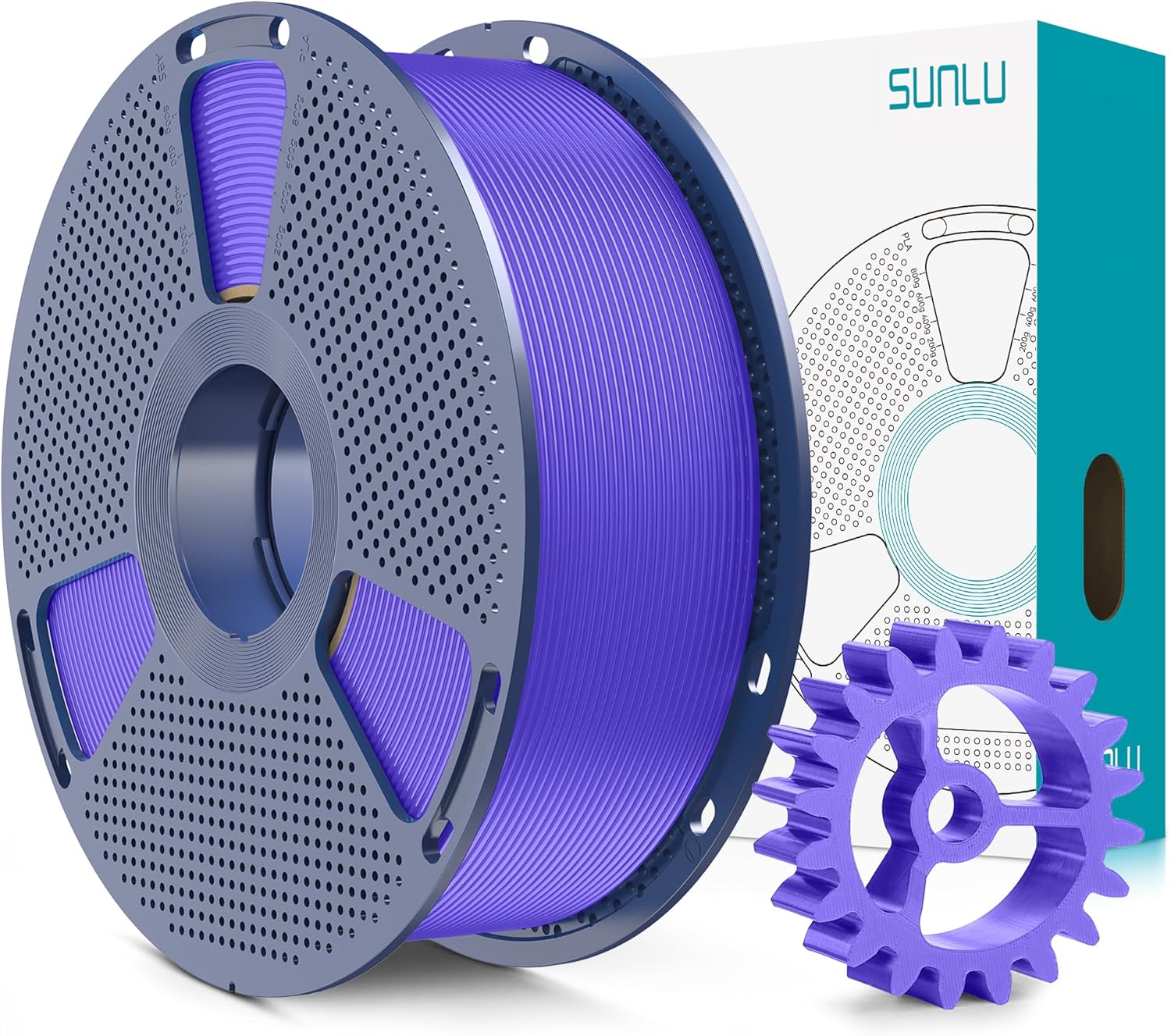
SUNLU PLA+ 2.0 Filament 1.75mm (Lavender Purple) — stronger, less brittle PLA+ upgrade
Product description
What it is (and what problem it’s trying to solve)
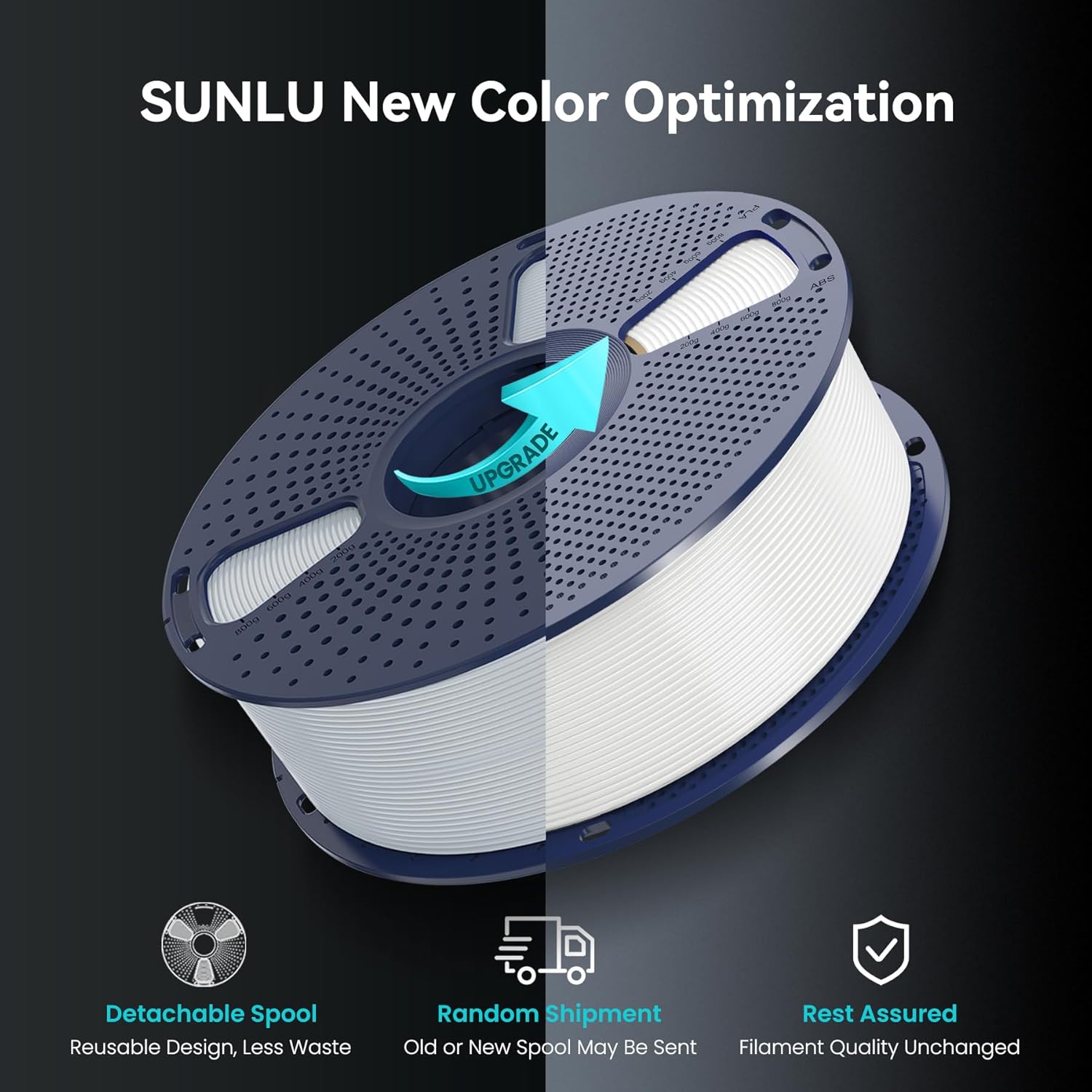
SUNLU PLA+ 2.0 is a 1.75mm PLA+ filament aimed at people who like PLA for its ease, but get fed up with prints that can feel a bit brittle. On paper, the key upgrade versus standard PLA+ is improved resistance to brittleness and cracking, so parts should come out tougher and more durable for everyday use.
It’s also positioned as an FDM workhorse: faster melting and smooth flow are meant to help you print quickly without turning the surface into a mess. If you’re doing functional prototypes, fixtures, or items that need to survive handling, this is the sort of PLA+ blend that fits the brief.
The essentials you’ll notice during printing
A big part of this filament’s appeal is how it’s described to behave in the machine: reliable, user-friendly, and designed for smooth runs. The manufacturer also highlights fast printing capability, with suggested print speeds of up to 300mm/s.
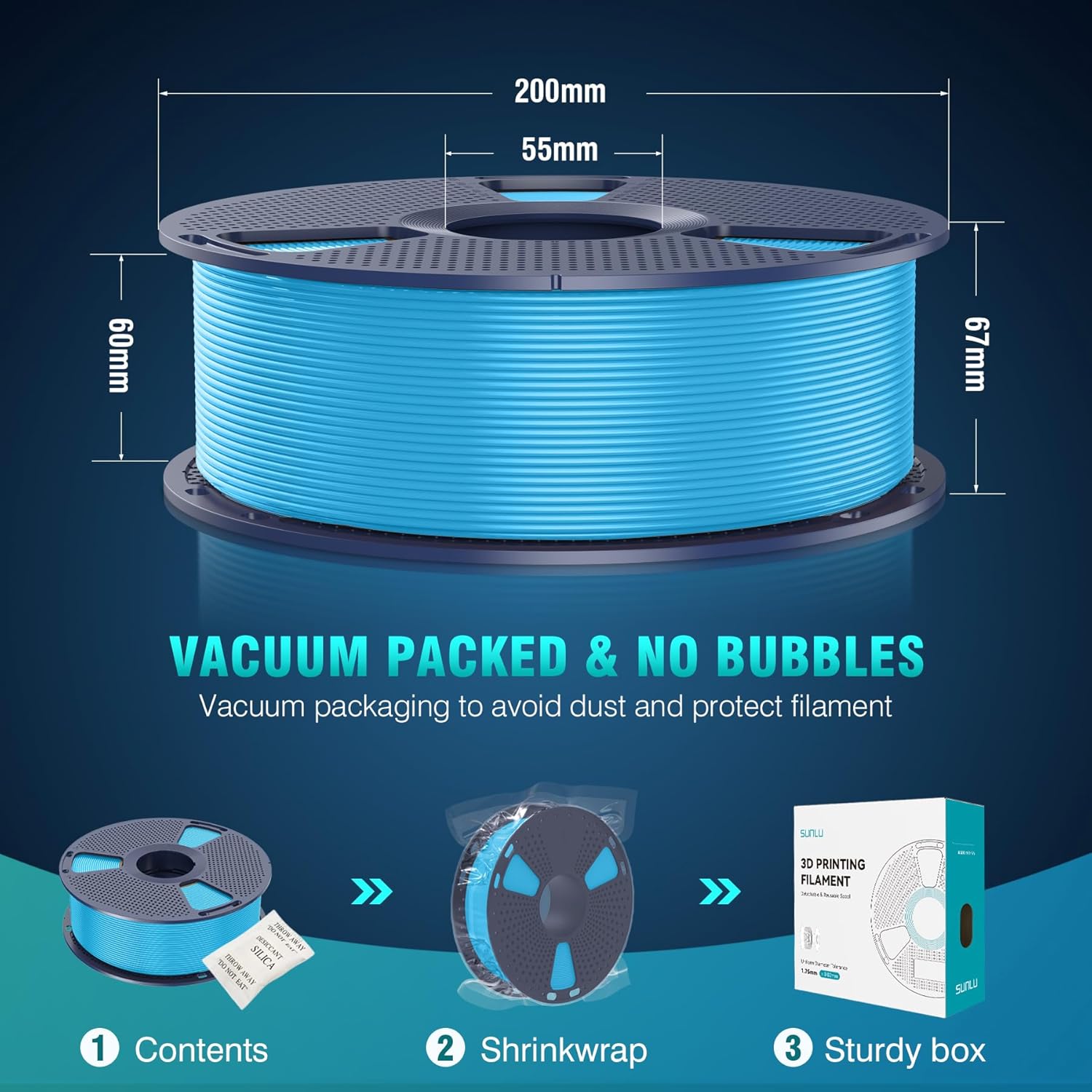
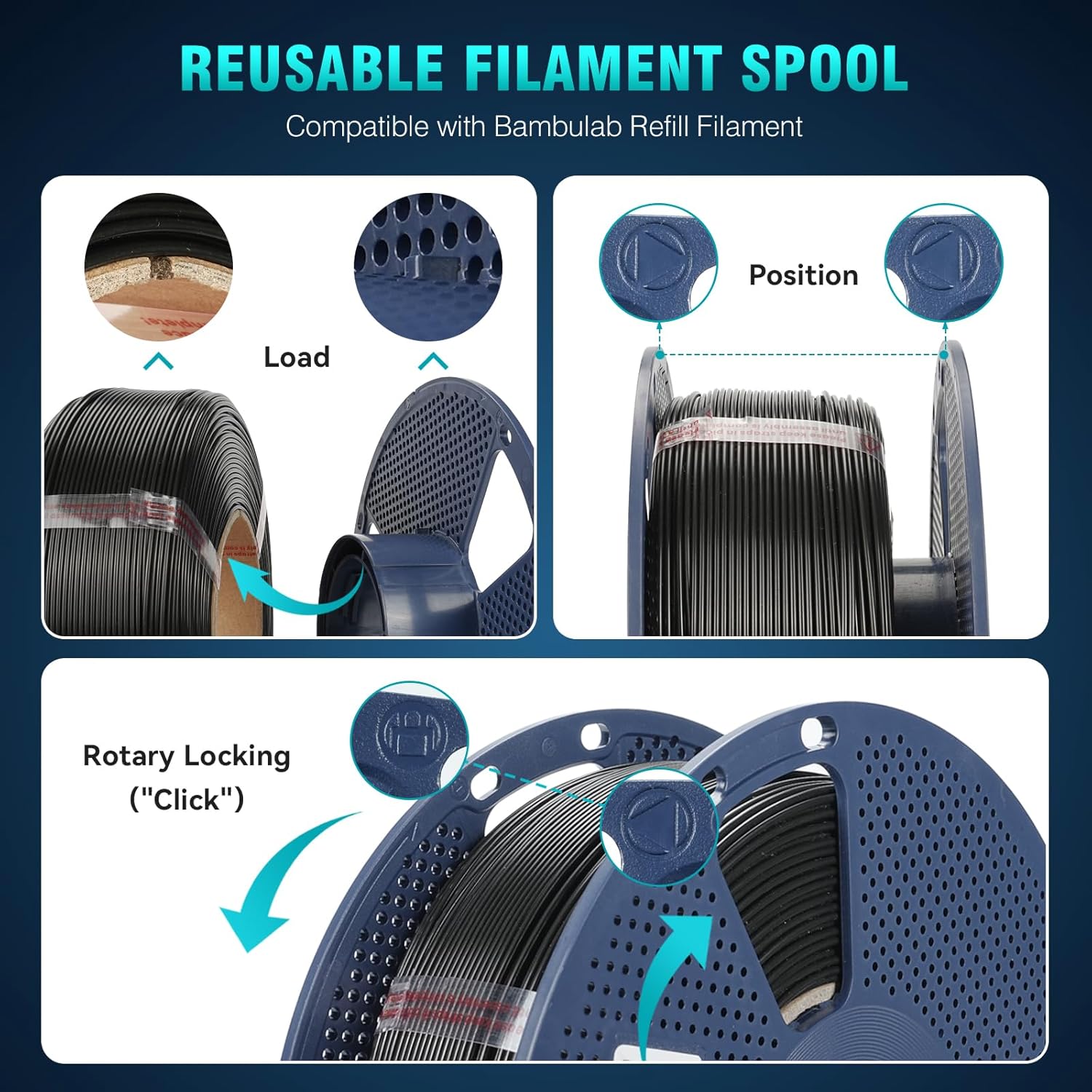
There’s also a “neatly wound” spool design. That matters more than some people expect—consistent winding is intended to reduce tangling or clogging during printing. In real terms, that can mean fewer interruptions on longer jobs and less faff when you’re swapping spools or storing filament for later.
One small limitation to keep in mind: faster speeds aren’t automatically a free win. Your actual results will still depend on your printer’s setup and tuning, so you may prefer staying on the lower end of the speed range until you know your machine is happy.
Key takeaways on strength, durability and accuracy
SUNLU PLA+ 2.0 is rated with dimensional accuracy of +/-0.02mm. That’s a sensible spec for people printing high-precision models or functional parts where tolerances matter.
For durability, the “less brittle and cracking” angle is the main story. If you’ve ever had a PLA+ part survive a test print but then crack after a knock, this is the kind of upgrade you reach for.
At the same time, it’s still PLA-based filament. It won’t behave like a purpose-built high-end engineering material, so if you’re expecting extreme toughness across heat, flex, and harsh environments, you may end up disappointed. It’s better thought of as an everyday PLA+ improvement rather than a miracle plastic.
Recommended settings (so you don’t waste a spool)
The listed recommended settings are: - Nozzle temperature: 205-220°C - Bed temperature: 50-60°C - Print speed: 100-300mm/s
If you’re new to PLA+, start by staying nearer the middle of those ranges. It’s not perfect advice for every printer (different hotends and part cooling behave differently), but it’s a practical way to avoid the common first-run issues like weak layer bonding or stringing.
A micro “what to expect” example: if you’re printing a small functional bracket in lavender purple, you can start around the middle nozzle range and run moderate speed. Once the first layer and wall lines look clean, you can experiment with pushing speed upward for the rest of the batch.
Where it shines, and where it may not
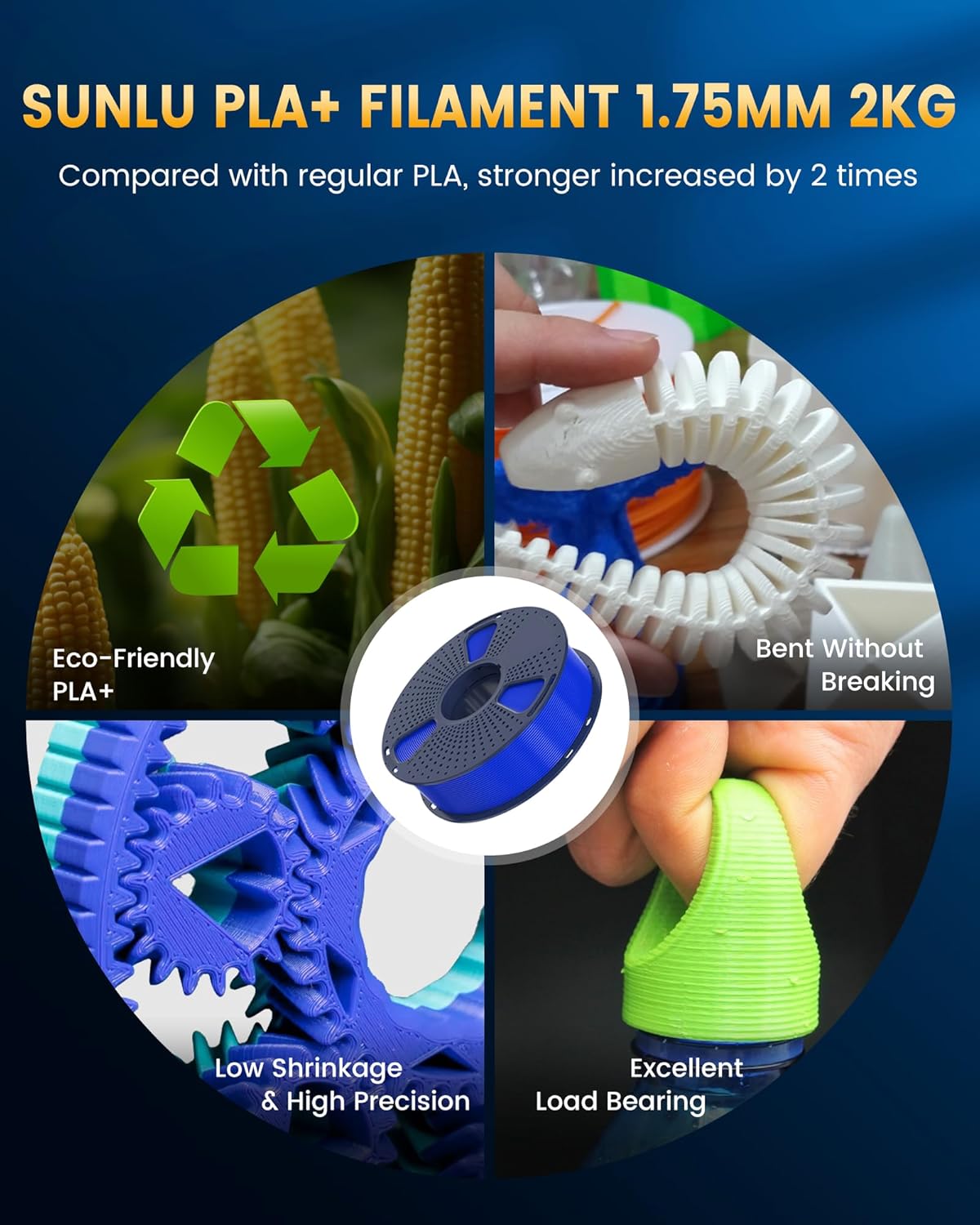
It makes sense if you: - want PLA+ prints that are less prone to brittleness and cracking - care about dimensional accuracy for detailed models or functional parts - want a filament that supports faster project completion (up to 300mm/s is claimed) - prefer a spool design that aims to prevent tangles and clogging
It may not be the best match if: - you need a material designed for extreme mechanical stress or demanding heat exposure - your printer struggles with higher-speed prints and you don’t want to tune settings first - you’re only printing purely decorative pieces and don’t really need the durability uplift
Final verdict
Is it worth it?
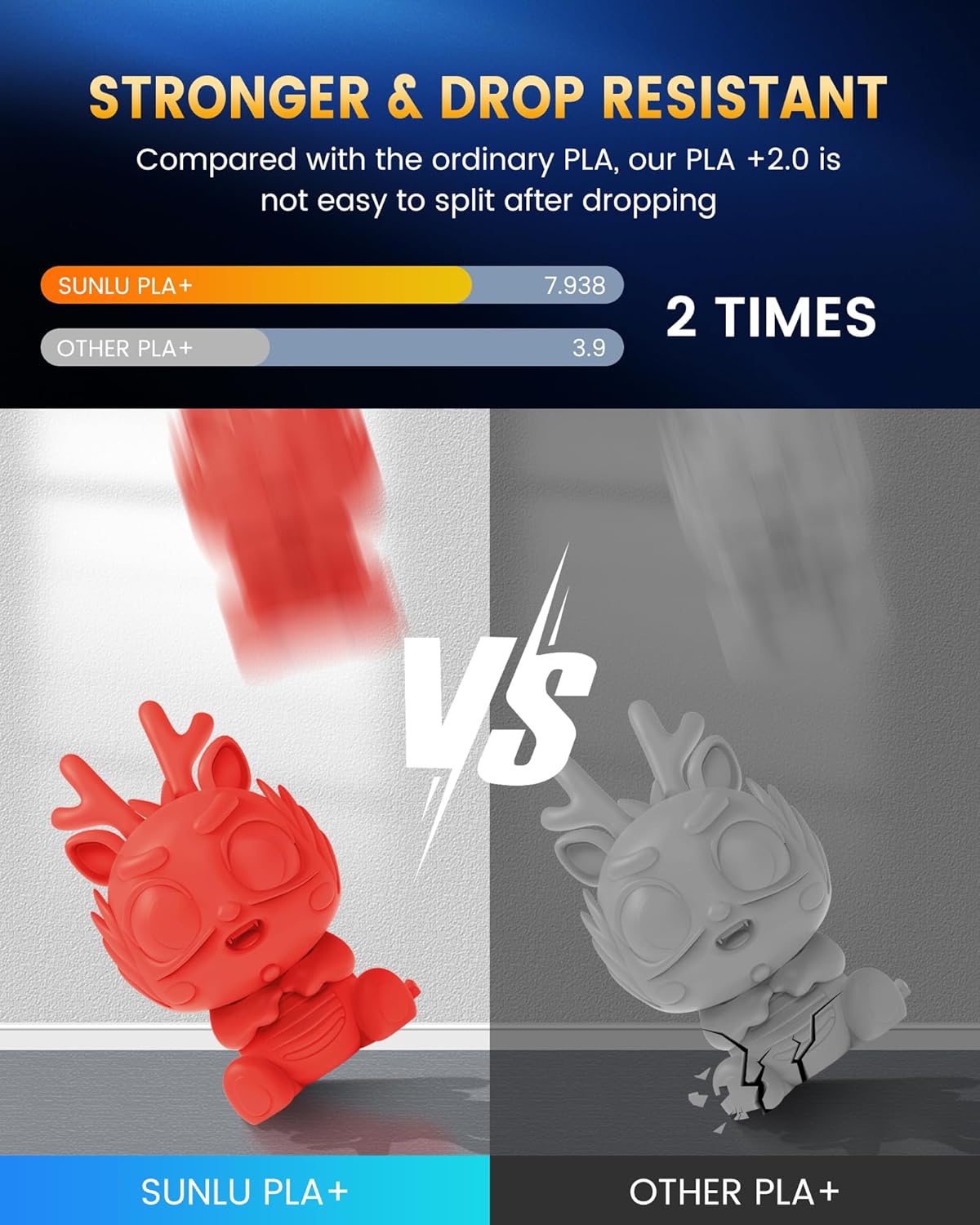
Worth buying if your main goal is stronger-feeling PLA+ output with a smoother printing experience, while keeping compatibility with 1.75mm FDM printers. The +/-0.02mm accuracy spec and the “less brittle, less cracking” upgrade are the two claims that matter most for anyone using PLA+ for anything beyond decoration.
You might want to skip it if you’re chasing a materials step-change beyond PLA-based performance, or if you know your machine needs very conservative speeds to print cleanly. In that case, you may spend more time adjusting than you want.
Mini FAQ
Does this filament need a special printer?
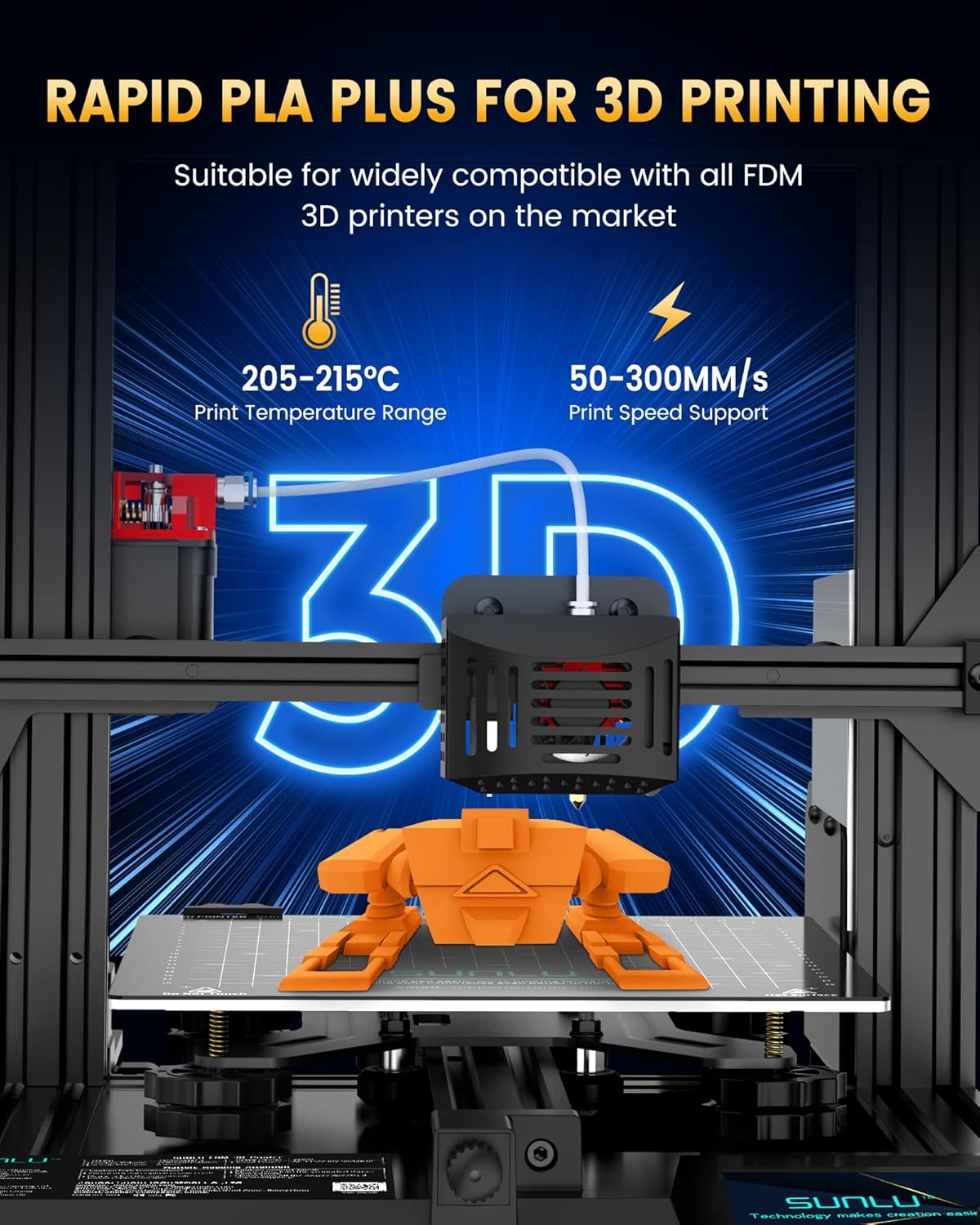
No special printer is claimed. It’s described as compatible with nearly all 1.75mm FDM 3D printers.
What temperatures should I start with?
A recommended starting point from the listing is a nozzle temperature of 205-220°C and a bed temperature of 50-60°C.
Can I really print up to 300mm/s?
The filament is presented as capable of printing at speeds up to 300mm/s, but your printer setup may influence what looks best. If you’re chasing quality, test within the 100-300mm/s range.
Is the colour going to affect print performance?
The listing specifies Lavender Purple, but it doesn’t suggest any performance differences by colour—so performance expectations should mainly follow the PLA+ 2.0 specs and your printer settings.
What’s the “neatly wound” benefit?
It’s intended to keep winding consistent, which should help reduce tangling or clogging during printing—useful for long jobs or when you swap spools often.