


YOOPAI Creality PETG Filament 1.75mm (1kg) for most FDM printers, transparent
Reviews
Price
Product description
The essentials
If you’re moving beyond basic plastics, PETG is often where people start looking for a more forgiving material than pure PLA. This YOOPAI Creality PETG filament is aimed at consistent, accurate prints for most FDM 3D printers that take 1.75mm filament, with a transparent look and an emphasis on strength and toughness.
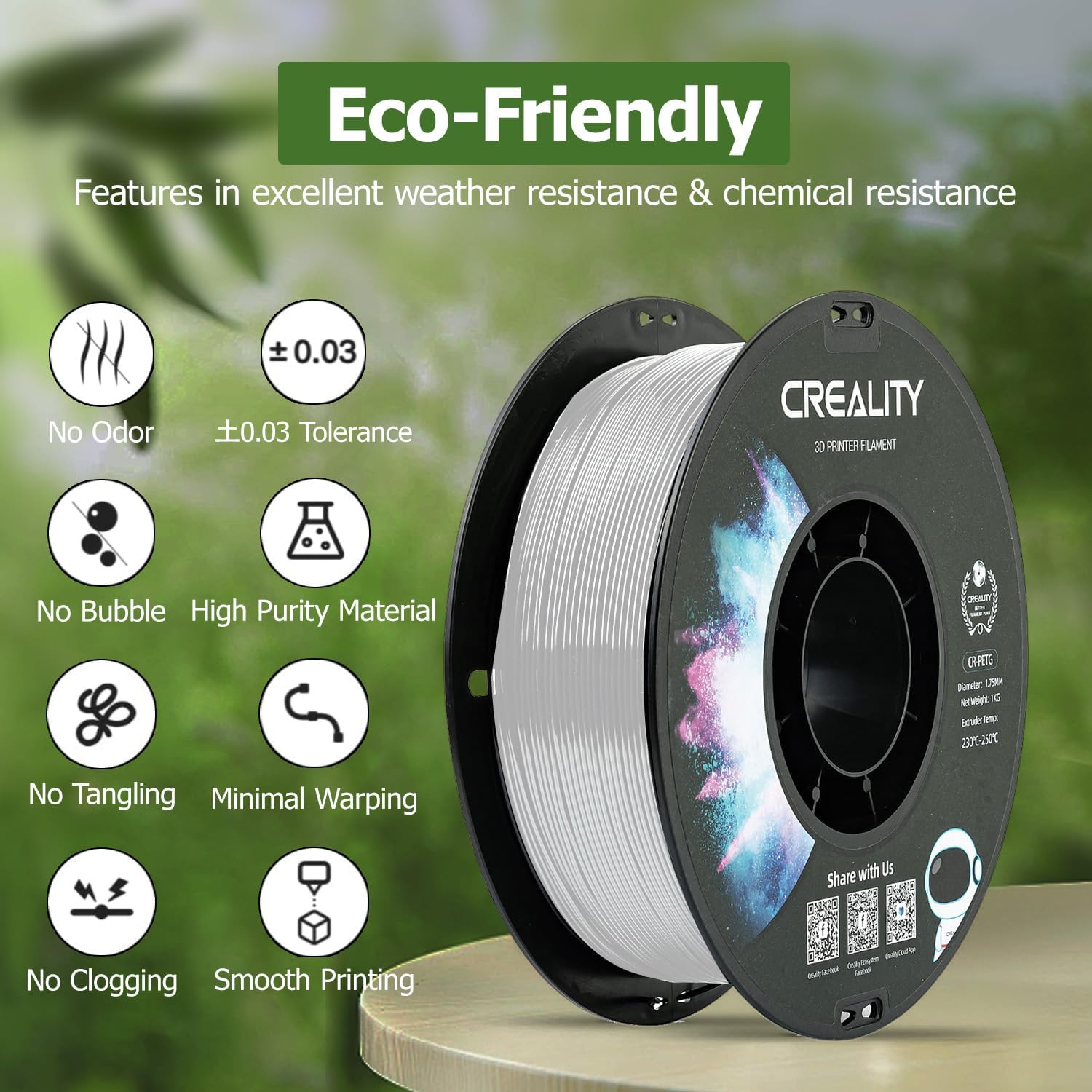
On paper, it ticks a few practical boxes: it’s described as low-odour, it’s meant to be strong and resistant to cracking and warping, and it’s claimed to print with good dimensional accuracy. That combination is the kind of thing that matters when you’re printing functional-looking parts, brackets, enclosures, or anything where you’d rather not deal with brittle failures.
That said, the real test is always your setup and settings. PETG can be sensitive to temperature and bed adhesion, so if you’re expecting “load it and forget it”, you might find you need a bit of tuning.

Key takeaways
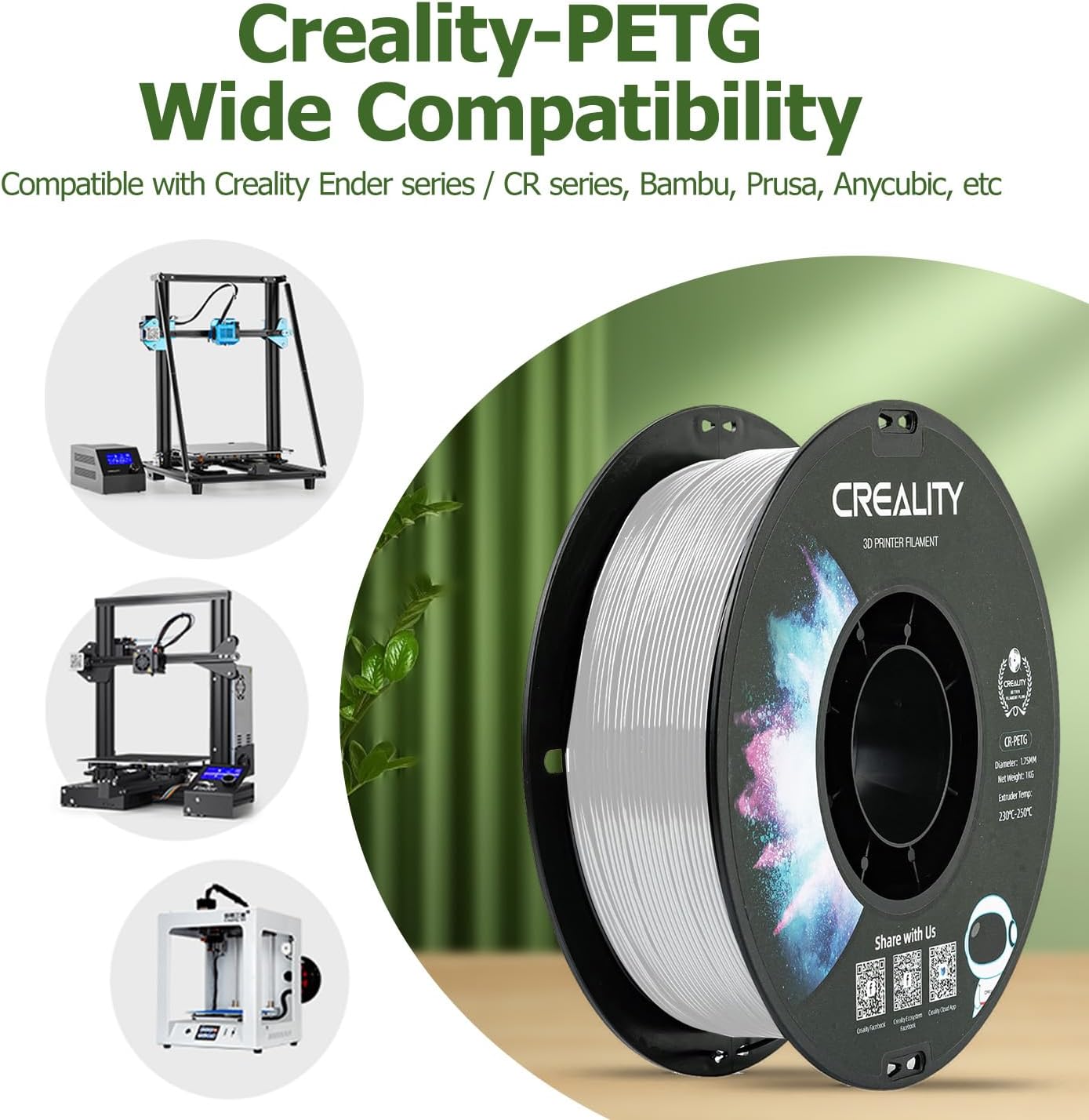
The strongest reason to consider this PETG filament is its balance: better toughness and resistance to warping compared with more fragile materials, plus transparency and a shiny finish. It’s also marketed as being designed to avoid common print headaches like tangles, blockages, and air bubbles.
For people who care about print fidelity, the stated dimensional accuracy (listed as ±0.02 mm in the product name, and also described elsewhere as tolerance around ±0.03 mm) suggests the filament is intended to feed smoothly and stay consistent through a job—helpful for neat walls and more reliable fits.
What to expect in use (a realistic example)
Imagine printing a clear cable clip or a small protective cover. With a transparent PETG, you’re aiming for a part that looks visibly cleaner than frosted plastics, while still being less likely to split when it’s flexed. If you dial in the temperature range and get the bed conditions right, the result should be a glossy, clearer finish rather than the chalkier look you sometimes get from poorly tuned filaments.
What matters most for PETG printing
PETG sits in an in-between space: it’s not as stiff and straightforward as PLA, and it’s generally not as “forgiving” at the extremes as more purpose-built engineering materials. This filament is described as using typical printing temperatures of 220–250 °C and a heated bed of 70–80 °C.
That’s useful context because it tells you straight away what kind of printer environment you need. If your printer struggles to reach (or hold) those ranges, you may end up with poor layer bonding, stringing, or weak surface quality.
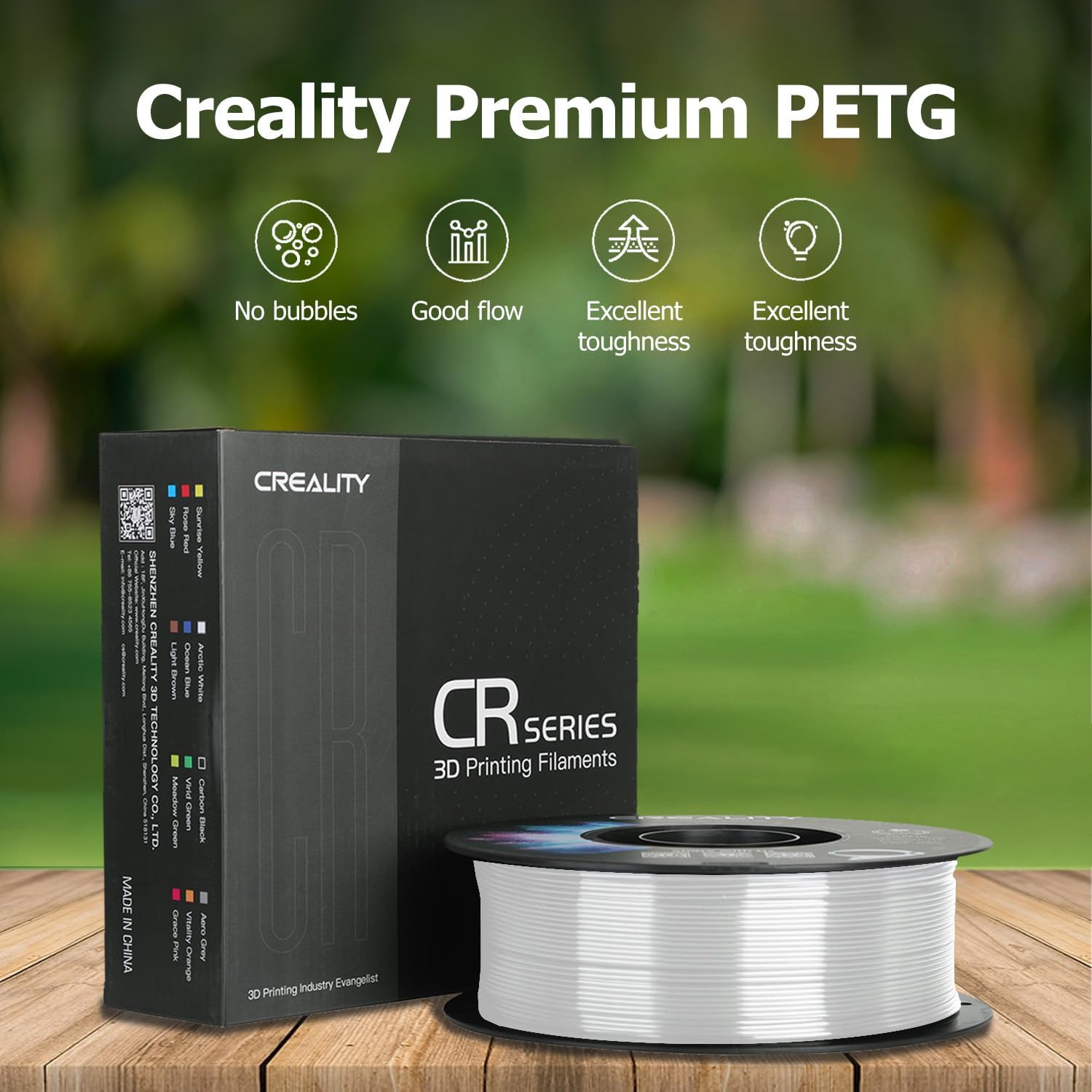
It’s also described as odourless, which can be a genuine convenience if you print indoors more often—still, “odourless” is a relative term in real life, and ventilation always remains a sensible idea.
Where it shines
A few claims here line up well with everyday buying decisions:
- Toughness and durability focus: PETG is described as having good hardness to help avoid cracking and deformation.
- Clear, glossy output: it’s positioned for clarity/transparency and a shiny finish.
- Feeding and print stability: it’s said to be wound to minimise tangles and reduced friction, and dried/packaged to help protect against moisture-related issues.
- Precision aiming: stated dimensional accuracy is intended to support smoother feeding and more predictable dimensions.
If your goal is reliable, clean results over long-ish prints, this type of PETG tends to make more sense than jumping straight to more exotic materials.
Things to consider before you buy
A couple of practical limitations are worth keeping in mind.
First, transparent PETG still demands decent tuning. If you’re printing with wrong temps, the clarity and finish can suffer, and you may see more surface variation than you expect.
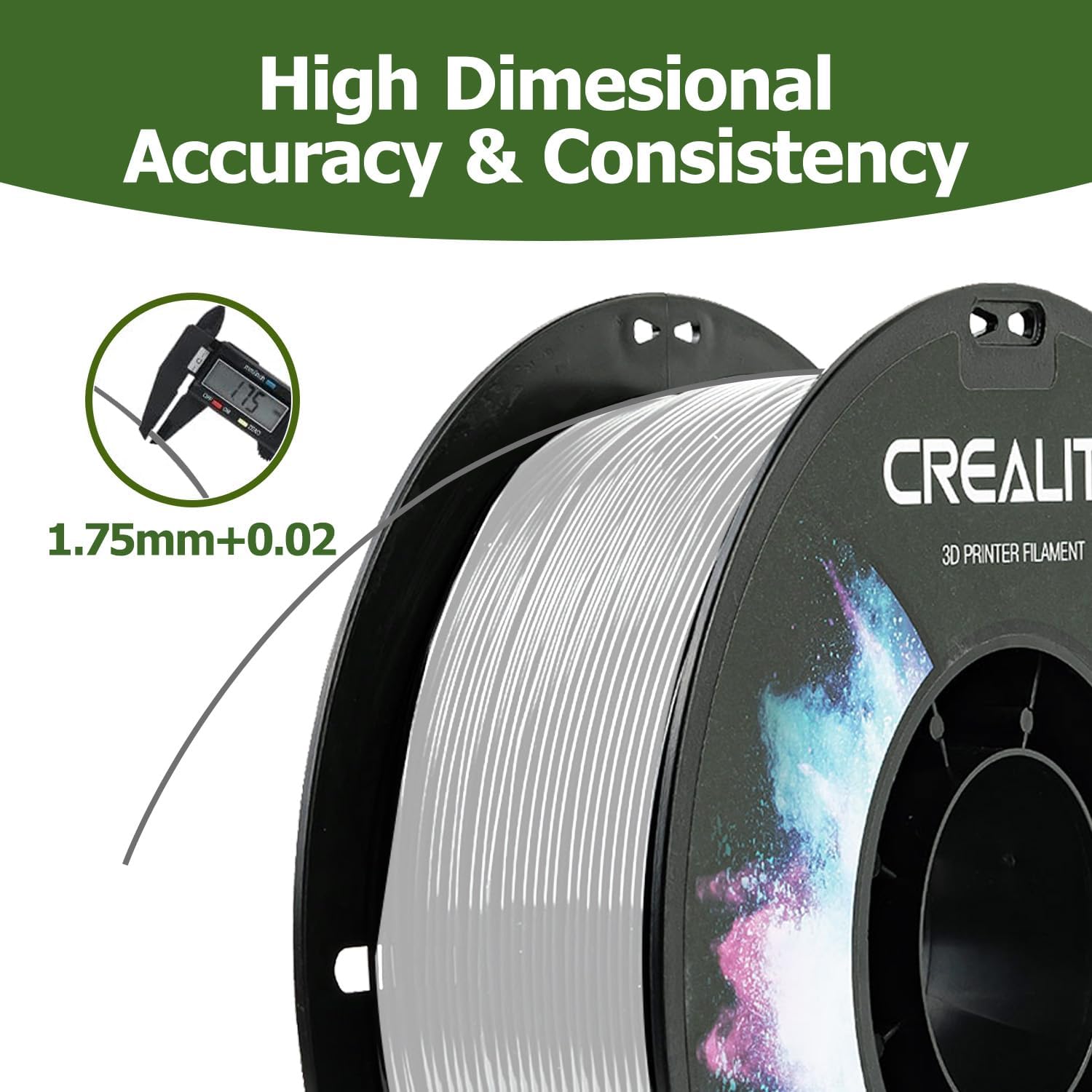
Second, this is meant for “most” FDM 3D printers designed for 1.75mm filament. If your machine is picky about feeding, has a restrictive extruder setup, or you need very specific profiles, you may spend some time dialling in settings.
Finally, the product text mentions both ±0.02 mm and ±0.03 mm tolerance language. That doesn’t automatically mean a problem, but it’s a reminder to treat “precision” as an aim—not a guarantee for every print, every temperature profile, and every model.
Tech specs
- Name: YOOPAI Creality PETG Filament 1.75mm
- Type: PETG 3D printer filament (FDM)
- Format: 1.75mm filament, transparent
- Capacity: 1kg (2.2lbs)
- Dimensions: Diameter with stated tolerance ±0.02 mm (also described as ±0.03 mm)
- Colour: Transparent
- Material: PETG
- Temperature range (printing): 220–250 °C
- Bed temperature (recommended): 70–80 °C
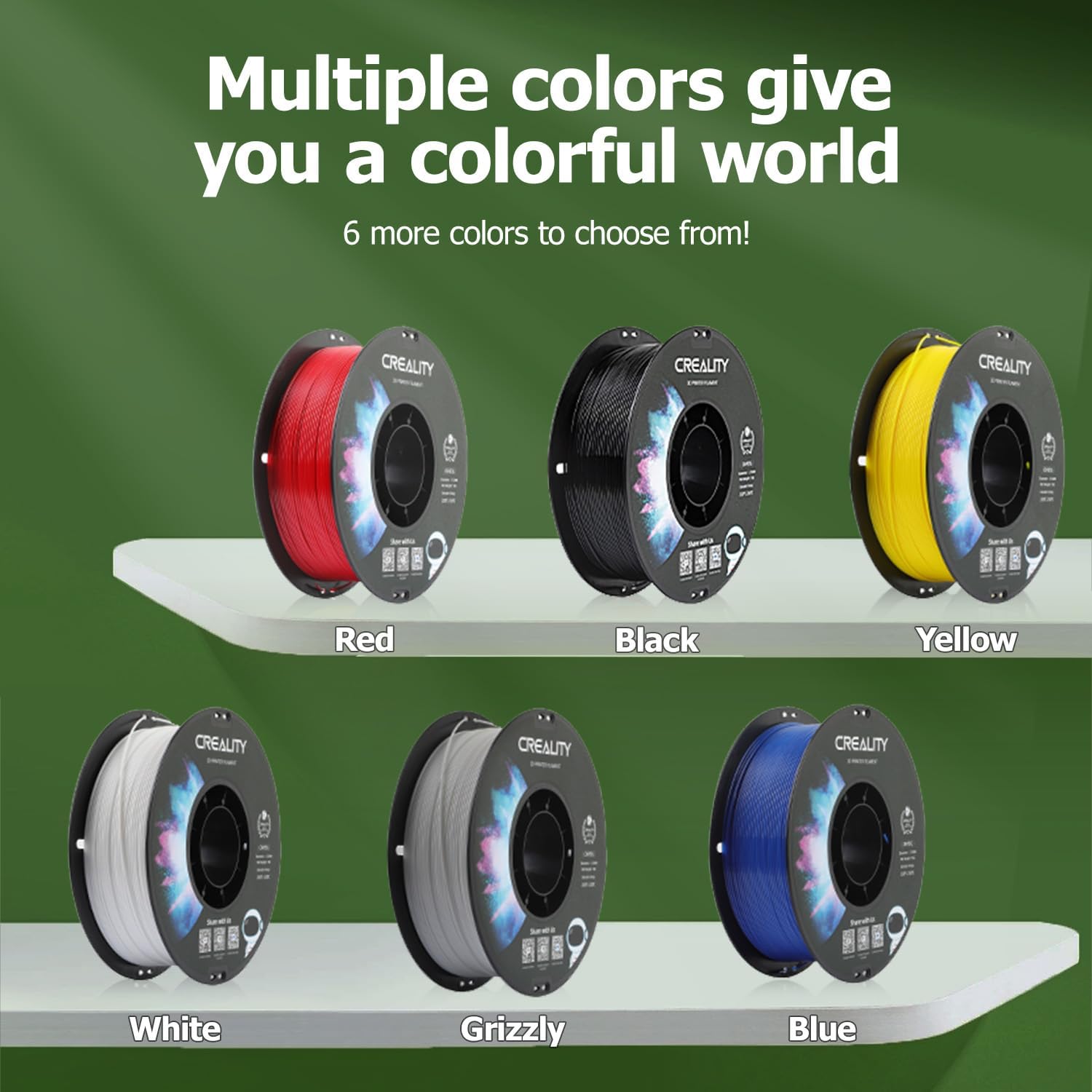
Is it worth it?
Buy it if you want a 1.75mm PETG filament for most FDM printers and you specifically value toughness, resistance to warping, and a clearer, shinier finish. It makes sense if you’re printing functional-looking parts where cracking and deformation are real annoyances, and you’re comfortable setting a sensible temperature range for PETG.
You may want to skip it if your printer can’t reliably hit the 220–250 °C / 70–80 °C guidance, or if you’re after “zero-tuning” results. Also, if you need the very tightest tolerances for precision engineering, remember that filament tolerance claims don’t replace slicer settings, calibration, and real-world behaviour.
Mini FAQ
FAQs
Is this filament suitable for most FDM 3D printers? It’s described as fitting most FDM 3D printers that use 1.75mm filament.
What temperatures should I use? The recommended printing temperature range is 220–250 °C, with a bed temperature of 70–80 °C.
Does PETG actually print with less smell? It’s marketed as low-odour/odourless, which can help in day-to-day use, but ventilation is still a good idea.
Will the transparent finish look clear? The filament is positioned for clarity and a shiny finish, but the final appearance will still depend on your settings and setup.
Does it help prevent tangles and blockages? The product claims it’s wound to minimise tangles and friction, and dried/sealed to protect against moisture—both are meant to reduce common printing problems like blockages or bubbles.