

eSUN PLA+ Filament 1.75mm (2 Spools) — ePLA+HS High Speed 3D Printer Filament, 1KG per Spool, Grey
Product description
What matters most
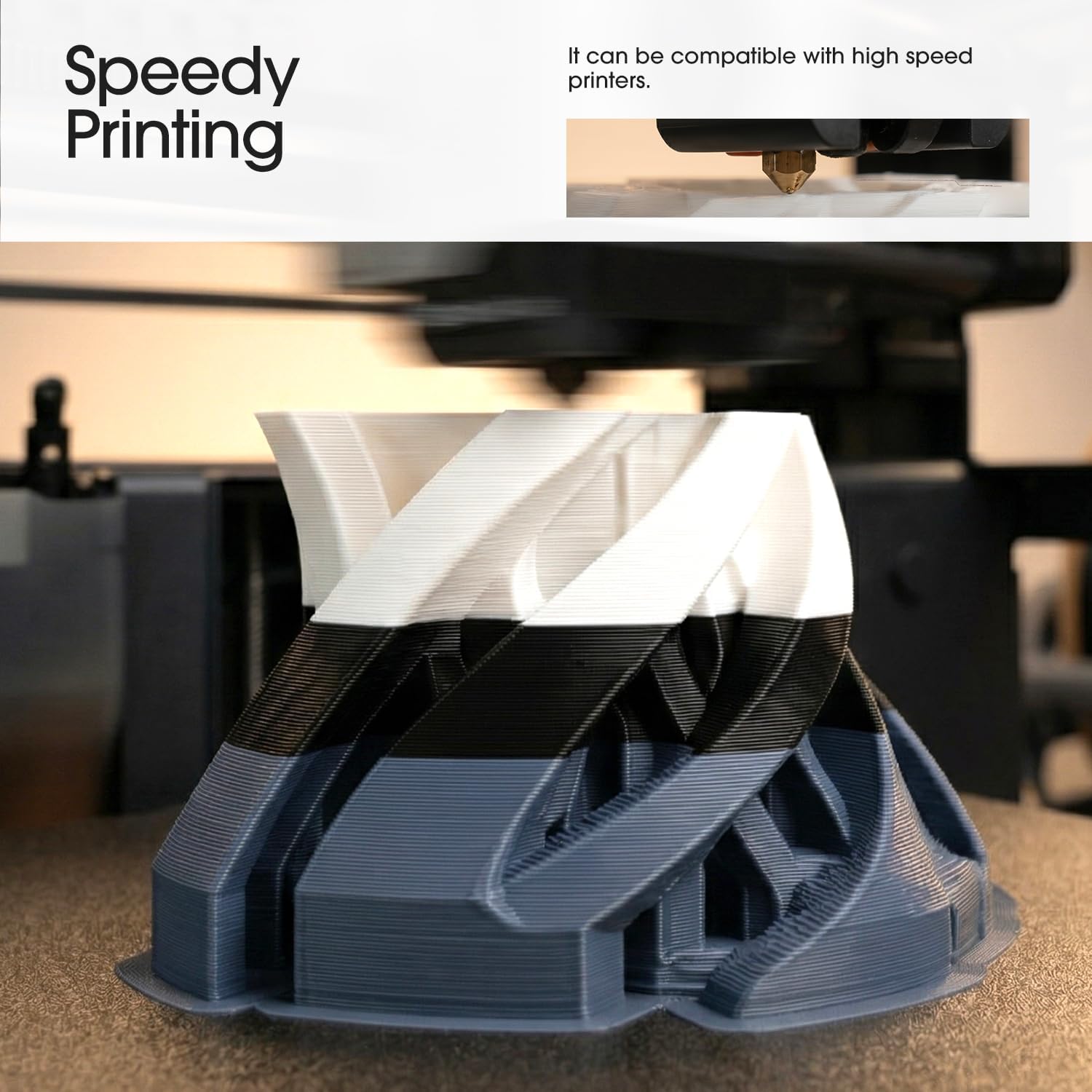
If you're chasing faster 3D prints without sacrificing strength, eSUN PLA+ ePLA+HS aims to balance speed with durability. The claims centre on maintaining toughness at high speeds and improving interlayer bonding, which can translate to fewer failures on busy print farms or time-sensitive projects. On paper, the ability to reach up to 300mm/s is striking, but real-world results often depend on your printer, hot-end, cooling and the model geometry. The material is positioned as a high-speed variant of PLA+, designed to feed smoothly, melt with balanced cooling and reduce stringing, with better surface finish at elevated speeds.
What you get and how it’s framed
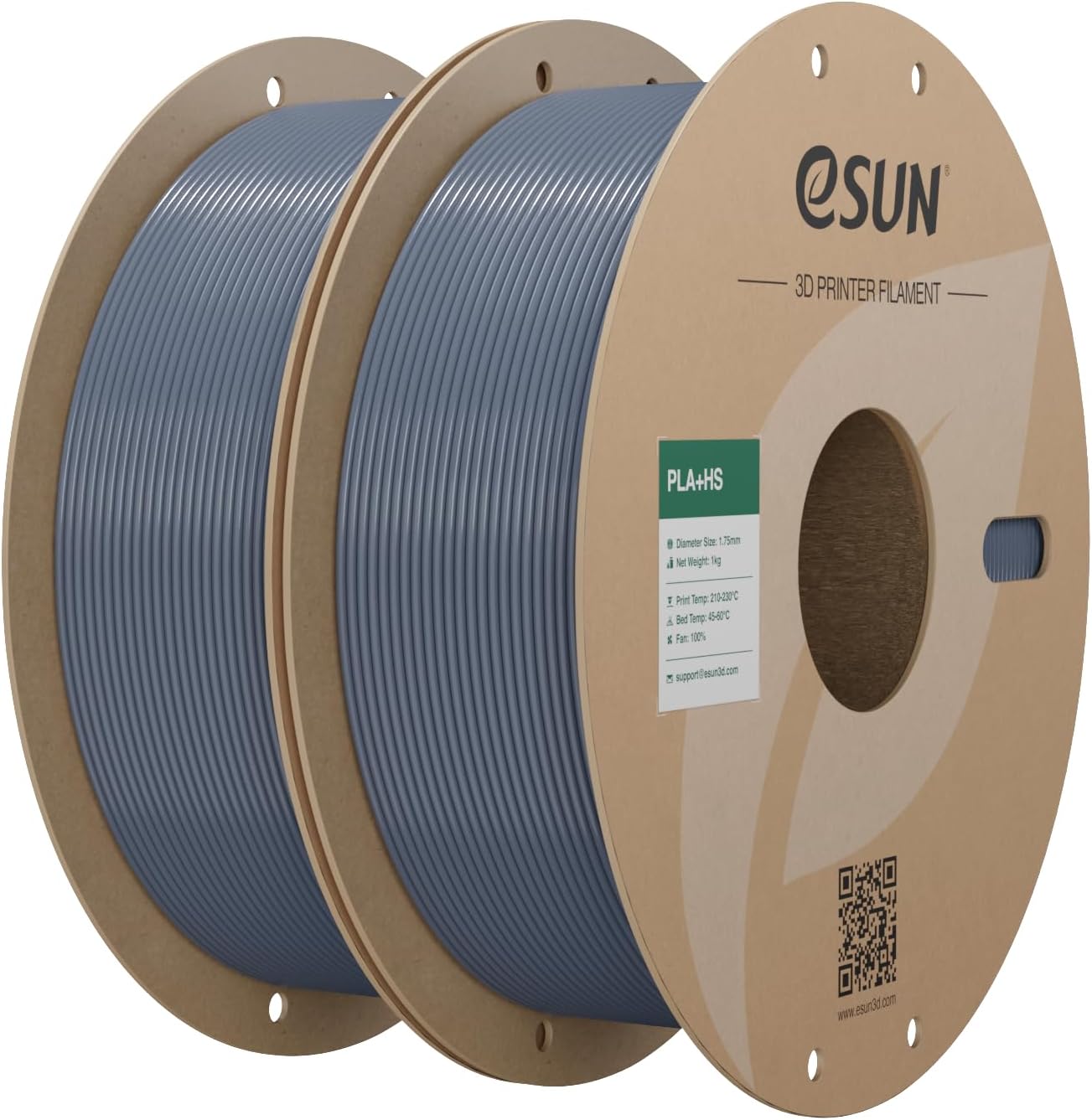
This listing describes eSUN PLA+ with an HS (High Speed) formulation, sold as 1kg per spool and supplied in grey (two spools in the pack). It emphasises compatibility with a range of higher-speed machines and outlines expected benefits such as faster extrusion, improved layer adhesion and less brittleness compared with conventional PLA at speed. It’s framed for users who want to cut print times on capable machines while preserving detail and structural integrity.
Pros: where it could shine
- Speed advantage: the主 selling point is significantly faster printing compared with standard PLA at modest speeds, with claims of 3–5x speed improvements and a higher top-end around 250mm/s for better surface quality.
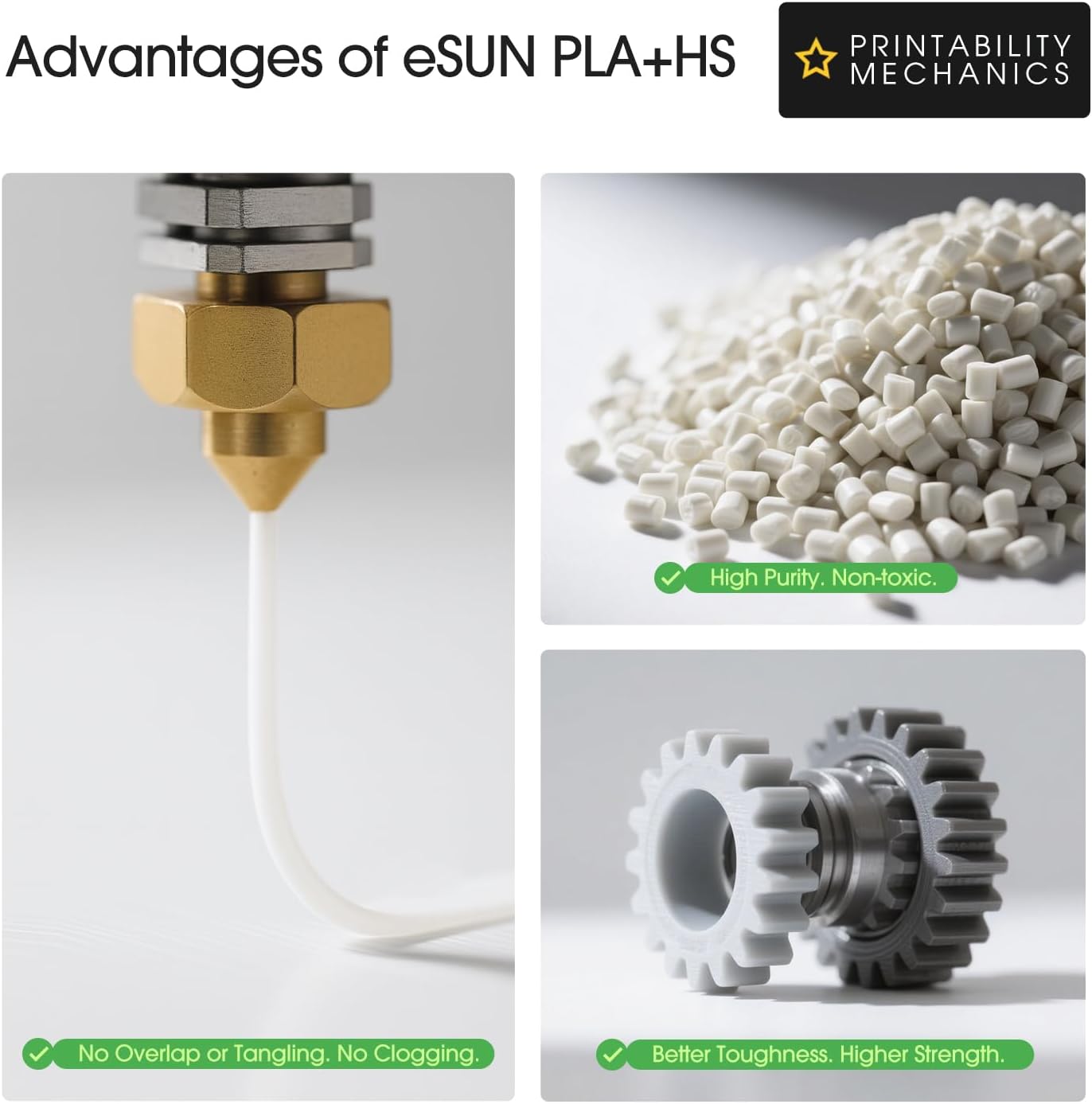
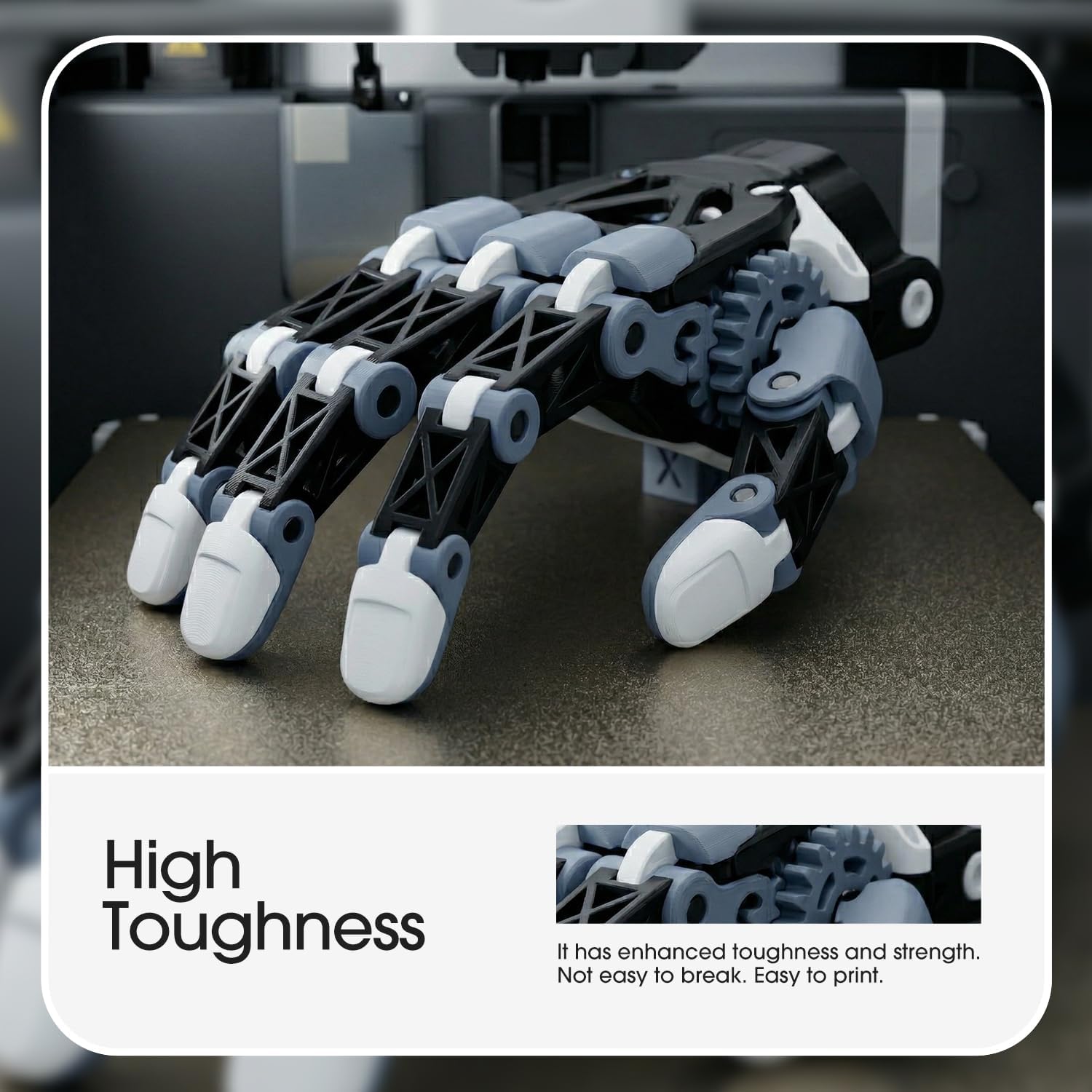
- Tougher feel at speed: the ePLA+HS variant is presented as less brittle, which can help with interlayer bonding and model resilience when printing complex or taller parts.
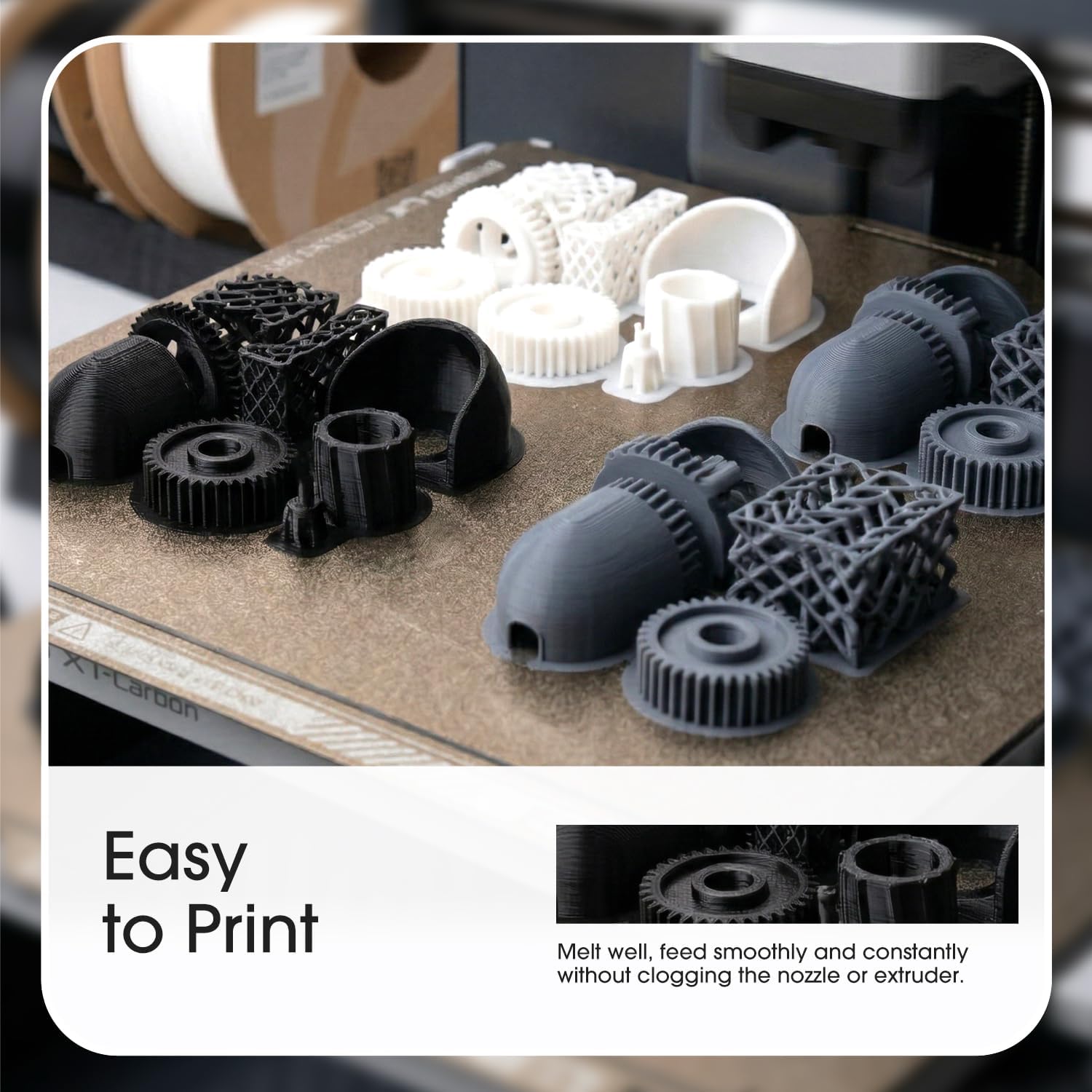
- Smooth extrusion and cooling: a focus on balanced melting and quicker cooling may reduce nozzle clogging and sagging, potentially offering more consistent results on busy printers.
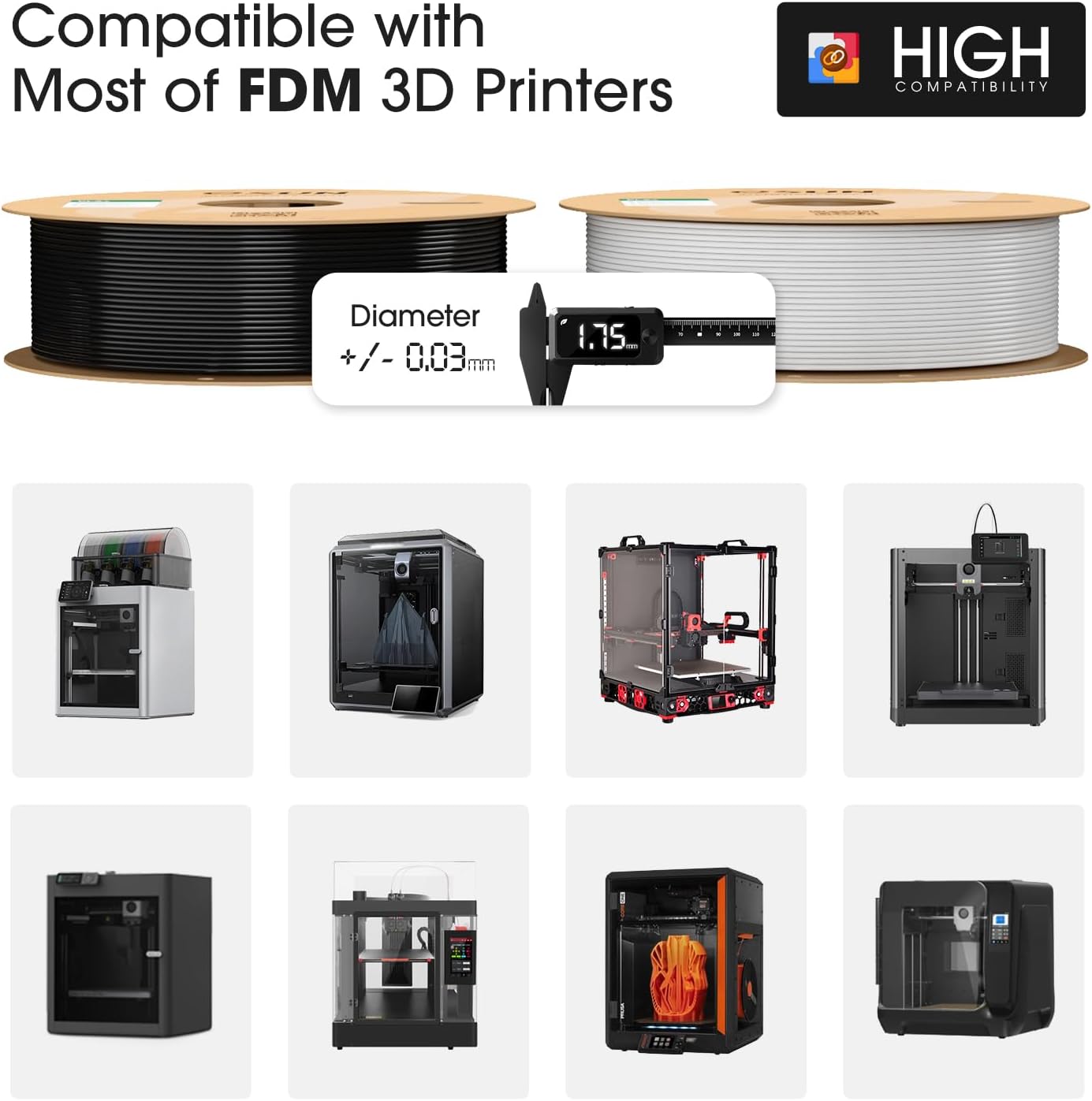
- Broad compatibility: the description lists several high-speed printers as examples, which may reassure buyers using newer or enthusiast-grade machines.
Cons: where caution is warranted
- Dependence on printer setup: the benefits of high-speed PLA+ often hinge on an optimised cooling strategy and reliable extrusion, not every printer will achieve the claimed speeds or surface finishes without tuning.
- Real-world speed gains vary: while the marketing suggests substantial time savings, outcomes can differ by model geometry, layer height and environmental conditions.
- Not a universal fix: for detailed miniatures or small parts requiring extreme precision, the fastest speeds may be less relevant than print quality at lower speeds.
- Limited data in the listing: there are no independent test results or price data provided here, so you’ll want to rely on your own testing and retailer feedback.
Who it’s for
- Users with high-speed 3D printers looking to shrink print times on larger or less detailed utilitarian parts.
- Makers who value smoother extrusion and less stringing when operating at elevated speeds.
- hobbyists and small studios that print daily and want predictable performance with PLA+-based materials.
Who it isn’t ideal for
- If your priority is ultra-fine detail at tiny scales, or you’re not using a high-speed setup, the advantages may be marginal.
- If your printer struggles with cooling or has frequent oozing, the expected benefits could be dampened by extruder or nozzle limitations.
What to check before you buy
- Verify your printer’s compatibility with high-speed PLA+ workflows and ensure adequate cooling and a reliable hotend.
- Consider your typical layer height and model complexity, higher speeds tend to pair better with simpler geometries or larger parts.
- If you’re upgrading from standard PLA or PLA+, test a short first spool to gauge speed vs. quality trade-offs on your specific machine.
- Keep in mind the environmental influence on print quality at higher speeds, enclosure temperature and airflow can impact results.
Practical use case
Imagine you’re printing a mid‑sized functional panel with a mid-level detail. With eSUN PLA+ HS, you might load the high-speed profile and achieve the frame in a fraction of the time, while still maintaining adequate layer adhesion and a smooth surface after light post-processing. It’s the kind of material that can be appealing when you’re prototyping or producing several identical parts quickly, rather than chasing jet‑fighter‑level fine details.
Tech snapshot (brief)
- Material: PLA+ with HS formulation, improved toughness at speed and smoother extrusion.
- Colours: Grey (two spools in this pack).
- Filament size: 1.75mm, tolerance claims include dimensional accuracy around +/- 0.03mm.
- Spool quantity: 1kg per spool, two spools included for high-speed printers.
Compatibility note (in context)
If you already operate a high-speed capable printer like the models referenced, this filament might slot into your workflow with fewer print-time penalties. If your setup uses more traditional or older printers, you may need to adjust temperatures, cooling and travel speeds to balance speed with finish quality.
Is it worth it?

Should you buy it? It makes sense if you genuinely prioritise faster print times without sacrificing adequate interlayer bonding and general robustness, and you’re operating a printer capable of reliably higher speeds. If you mainly print small, intricate objects or you don’t have good cooling, the gains may be more modest. In short, it’s worth trying if speed is your main driver and your setup supports high‑speed PLA+ workflows, otherwise, you might prefer a standard PLA+ with more predictable results at lower speeds.
Quick FAQ
- Can I print at 250mm/s with this filament? It’s advertised to support higher speeds with good surface quality, but actual results depend on your printer and settings.
- Will this reduce brittleness compared with regular PLA at speed? The description highlights improved toughness and interlayer bonding at higher speeds, which may translate to less brittleness in practice.
- Do I need special cooling for high-speed printing? Yes, the formulation mentions fast cooling and balanced melting, your printer’s cooling strategy will influence success.
Final verdict
It offers a credible option for users with high-speed printers who want to cut print times while aiming for solid performance. If your mix includes frequent high-speed jobs and you can fine‑tune cooling and extrusion, it’s a reasonable candidate to test. If you’re new to high-speed PLA+, or if your prints demand peak fine detail at small scales, approach with measured expectations.
Decision section: Is it worth it?
Worth considering if you prioritise speed and have a compatible printer, not the best fit if you mainly print tiny, intricate parts or struggle with cooling management.