

MillSO 3.5mm TRRS headset splitter for 2 headphones or mics (4-pole) – dual TRRS female adapter
Reviews
Price
Product description
What it is and why you might want one
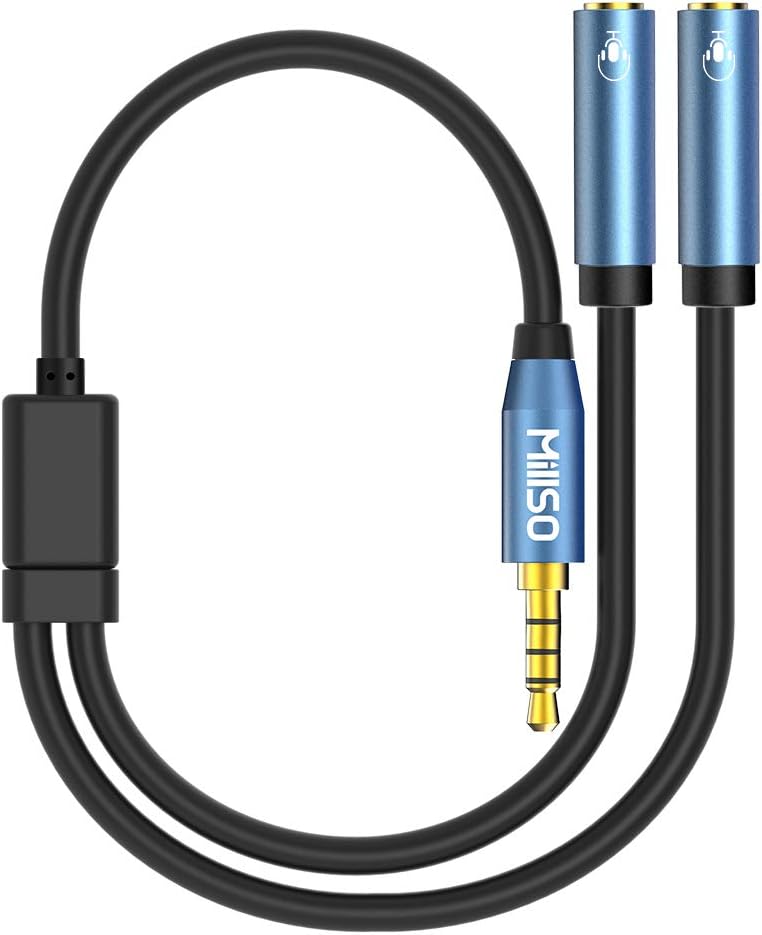
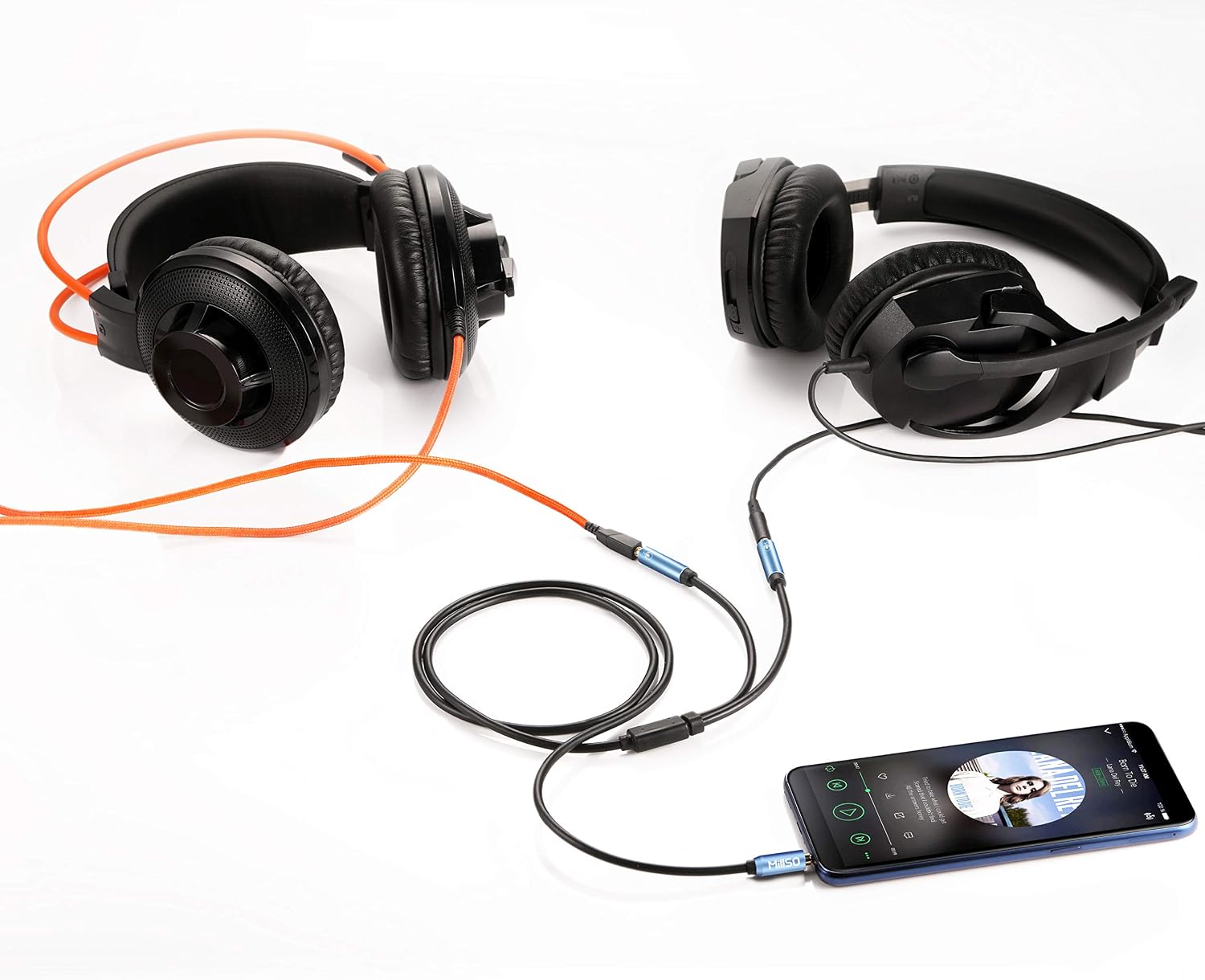
A 3.5mm headset splitter is one of those small accessories that can save you from a lot of “can’t I just plug in both?” moments. The MillSO headset splitter is designed for 4-pole TRRS audio (3.5mm), taking one TRRS plug and splitting it into two separate 3.5mm TRRS female ports.
On paper, it’s meant for people who want to share audio with a second set of TRRS headphones, or who need to connect two TRRS microphones/combos via a single 4-pole jack on a device such as a smartphone, laptop, tablet or PC. That “split” can also be handy if you’re aiming to send the same audio stream to two wired outputs (for example, two headsets or speakers), without changing your main source.
Where this particular adapter gets more interesting is that it supports mic function, but only under specific plug conditions—so it’s worth checking your existing headsets and microphones before you assume it’ll work like a generic splitter.
The essentials (what you get and what it supports)
The MillSO splitter converts a single 4-pole TRRS 3.5mm connection into two dual TRRS female ports. Both female outputs are described as having microphone and audio functionality.
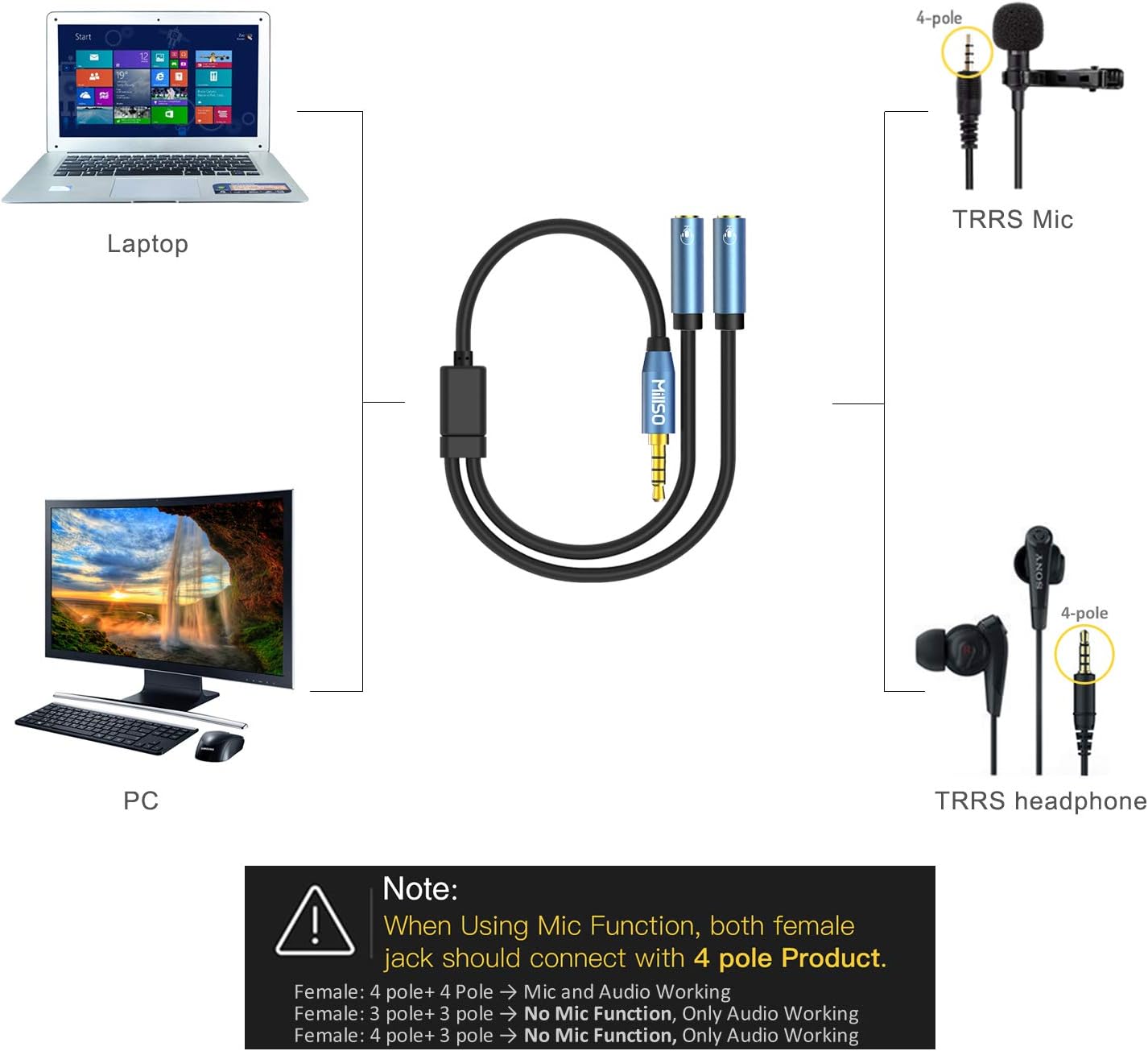
It’s intended for using: - Two TRRS 4-pole headphones - Two TRRS 4-pole microphones - Or combinations where you connect a TRRS headset mic-capable setup (again, 4-pole) alongside a TRRS-capable mic or headset
It also mentions use with devices such as portable phones, laptops, PCs, and even Xbox, provided the device has the appropriate 3.5mm combined 4-pole jack. In practice, the main question becomes: does your device and your accessories actually use the same TRRS 4-pole wiring scheme?

What you’ll notice day to day
If you’ve ever tried to share a playlist, a film moment, or a game audio feed with someone else, you’ll understand the value of getting two outputs from one socket. With this kind of adapter, the daily win is straightforward: one port becomes two, so both people can listen (and, for compatible gear, mic audio can be enabled too).
The adapter is described as small, light, and compact, so it’s the sort of thing you can leave in a bag or keep in a pocket for travel. That matters because these accessories are usually the first to get left behind—and then you end up relying on awkward workarounds.
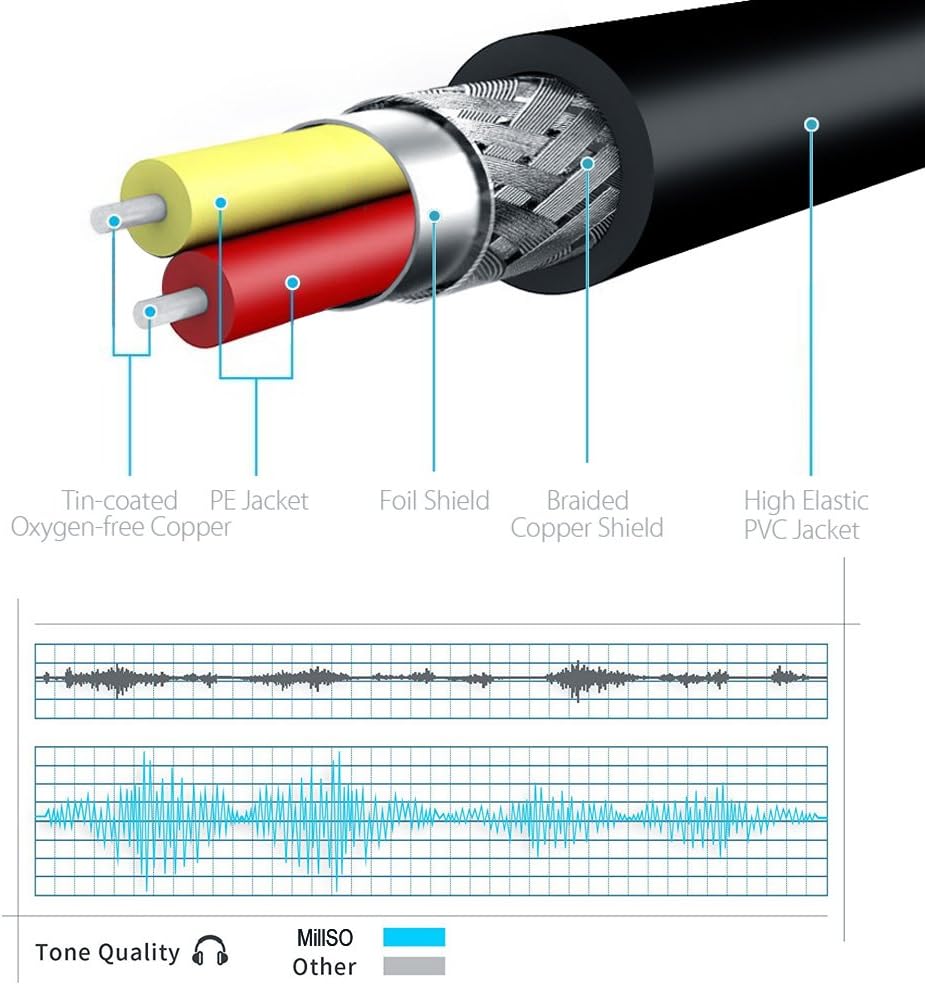
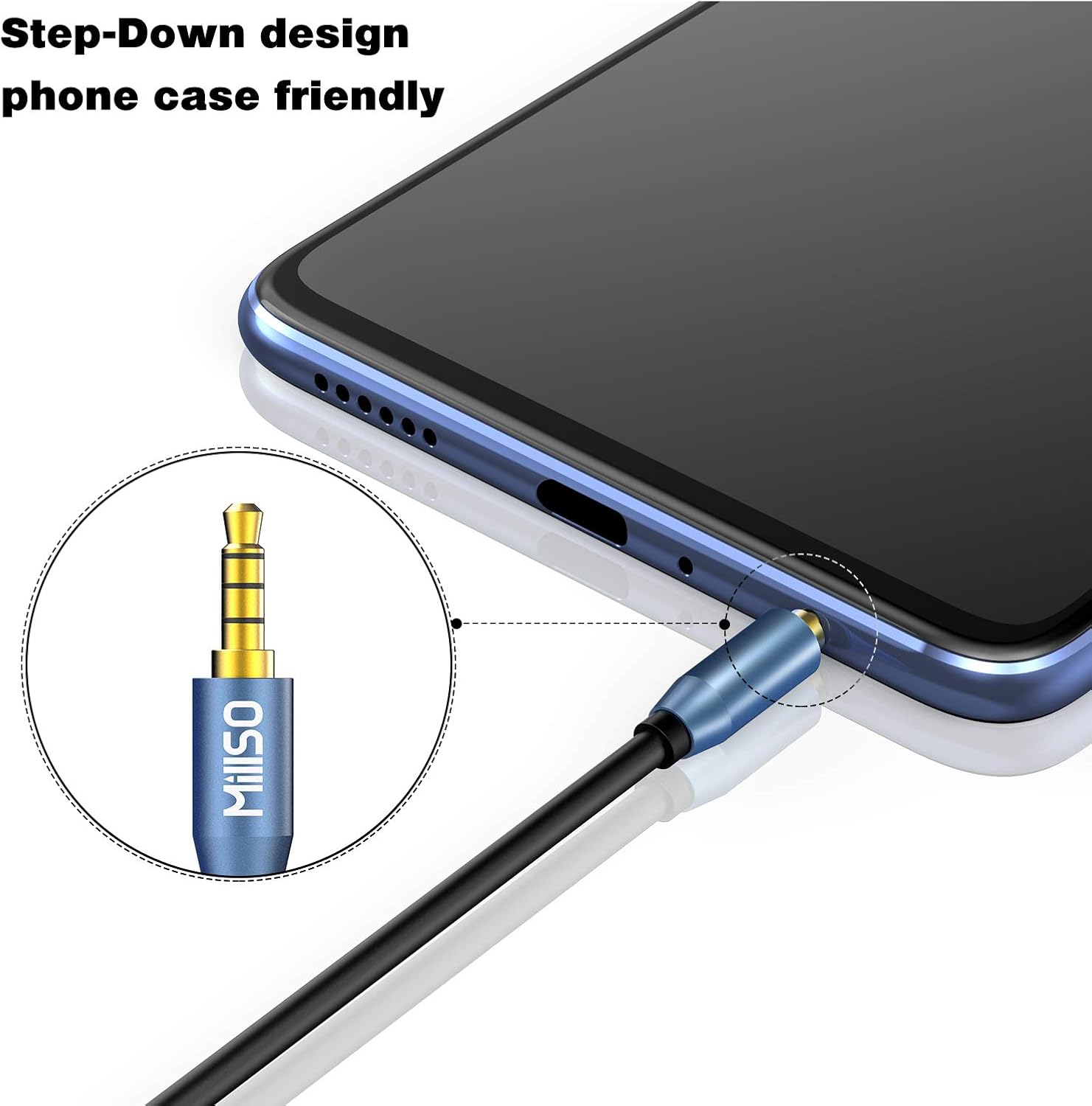
There’s also a build detail worth noting: it uses a premium metal housing and a 24-carat gold-plated connector. That’s not a guarantee of better sound on its own, but the intent is clearer durability and corrosion resistance at the connection point.
Key limitation to check before buying
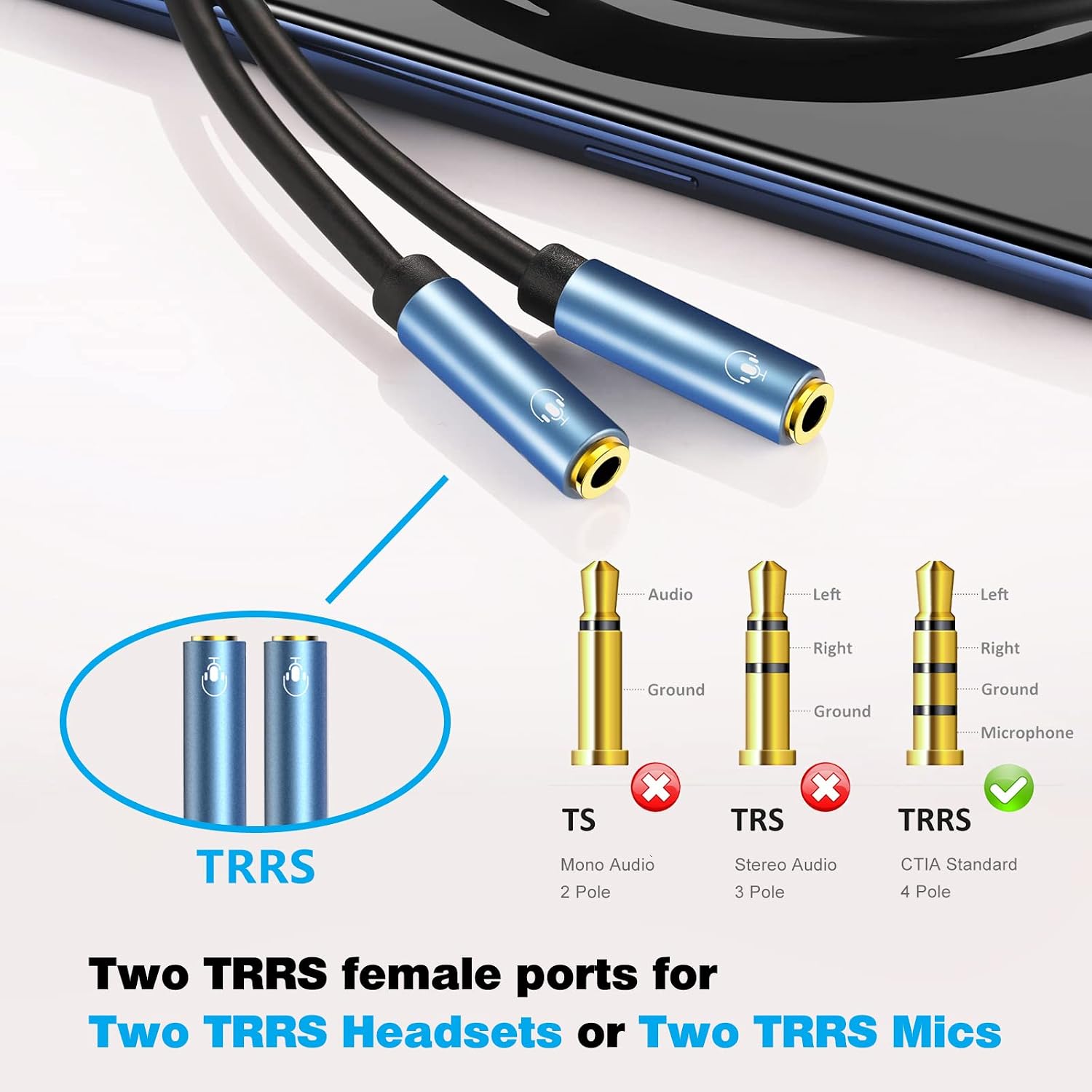
This is the part that can make or break the purchase: the mic function is only supported when the microphone and headphone plugs are both TRRS 4-pole. The entry explicitly warns that it is not compatible with standard iOS headphones.
So, if you’re assuming “any 3.5mm headset will work”, you may find it disappoints you. It may still split audio for compatible TRRS headsets, but mic behaviour (and overall compatibility) can be tricky when the plug standard doesn’t match.
A useful way to think about it: if your current headset is designed for a combined headset jack with mic support, it likely uses TRRS 4-pole. If it’s an “ordinary” headset without the same 4-pole wiring (or one of those iOS-standard setups), it may not behave as expected.
Tech specs
- Name: MillSO Headset Splitter for 2 TRRS Headphones or Mics - 3.5mm Jack Adapter TRRS 4-Pole Splitter Male to 2 Dual Female Adapter
- Type: Audio headset splitter / TRRS adapter
- Format: 3.5mm TRRS (4-pole)
- Material: Premium metal housing
- Connector: 24-carat gold-plated connector
- Ports: 1 male TRRS input to 2 dual female TRRS outputs
Who it suits best (and who should be cautious)
It’s a good fit if you: You need to split one 3.5mm TRRS 4-pole connection into two TRRS outputs, and both of your headphones/microphones are TRRS 4-pole so the mic function can work as intended.
It may not suit you if you: It’s mainly for iOS-standard headphones you already own, or you don’t know whether your existing headset/mic is TRRS 4-pole. If your accessories are TRS (3-pole) or “standard” variants, compatibility may not match what you expect.
Is it worth it?
Worth considering if you often share audio and you’ve got (or plan to use) TRRS 4-pole headsets/mics with a combined 3.5mm jack. The compact build and gold-plated connector are sensible touches, and the mic support—when you’re using the right 4-pole gear—can be genuinely useful.
Not the best choice if you’re buying it “blind” for iOS-standard headphones, or if your setup includes non-4-pole TRRS connectors. In those cases, you can end up with a splitter that physically connects but doesn’t deliver the microphone behaviour you were hoping for.
Quick FAQ
Will it work with any 3.5mm headset?
It depends. The entry specifically calls out compatibility requirements for mic use: your microphone and headphone plugs need to be TRRS 4-pole. It’s also noted as not compatible with standard iOS headphones.
Can I use it to connect two microphones?
Yes, the description states it can be used with two TRRS 4-pole microphones via the two dual TRRS female outputs, assuming your device supports the combined 4-pole jack setup.
Is it mainly for sharing audio?
Sharing audio is a big part of the intended use, including sending the same output to two headsets or speakers. Mic functionality is there too, but only when the plug types match the 4-pole TRRS requirement.
Does it need power?
The description doesn’t mention power requirements, so you should treat it as a passive splitter/adapter that simply re-routes the connection.