

AMD Ryzen 7 9850X3D Review: A pragmatic look at the 8‑core gaming powerhouse
Reviews
Price
Product description
What it is and what it solves
The AMD Ryzen 7 9850X3D is an 8-core, 16-thread desktop CPU built on Zen 5 with 104 MB of combined L2/L3 cache and a 120 W TDP. It’s designed to deliver strong gaming performance through high clock speeds, boosted up to 5.6 GHz, and the benefits of 2nd-generation 3D V-Cache. The processor uses the AM5 socket and, notably, a cooler is not included in the box. This combination makes it a candidate for gamers who want high single-core responsiveness without stepping into the top-tier price brackets.
Who this is for
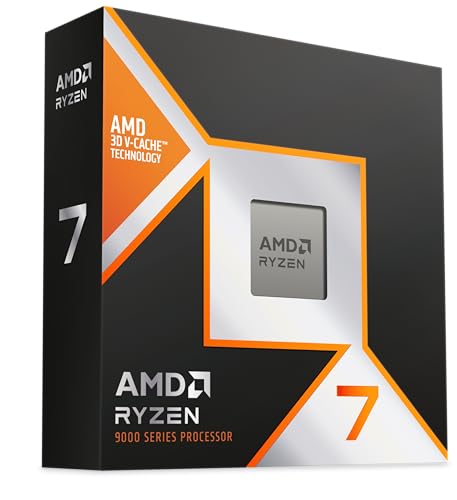
If you prioritise frame rates and snappy reaction in modern titles, and you’re building or upgrading a mid-to-high end gaming PC around the AM5 platform, this CPU offers compelling clock speeds and a large cache. It’s less about raw multi-thread density and more about single-core speed and latency benefits that games can exploit.
What stands out in use
On the practical side, the 5.6 GHz boost potential can translate to smoother in-game performance in titles that rely on single-core speed. The 104 MB of cache is intended to reduce memory bottlenecks in responsive tasks and gaming scenarios. The AM5 platform support means access to newer features and potential PCIe and memory improvements, depending on motherboard choices. However, the absence of a cooler means you’ll need to pair it with an adequate cooling solution and compatible motherboard, which adds to the initial setup considerations.
What you might find less convincing
The 120 W TDP is a clear signal that this is a high-performance part, which can lead to notable power and heat output in sustained gaming sessions. If you’re aiming for quiet or energy-efficient builds, you might notice more fan activity or higher power draw than lower-TDP options. Also, for workloads outside gaming — such as heavy multi-threaded rendering or content creation — the benefit over other similarly priced CPUs may depend on the specific software’s ability to use the larger cache and higher clocks.
How to decide if it’s right for you
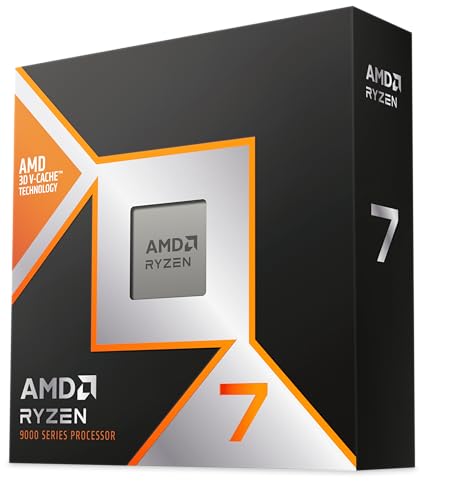
Conviene tener en cuenta that this chip sits in a space where you’re weighing peak gaming performance against total platform cost. If your priority is cutting-edge gaming with the highest possible frame rates in titles that scale with clock speed, and you’re already planning an AM5 build, the 9850X3D makes sense. If, however, you’re a creator or you value extreme multi-thread performance more than gaming gains, you could want to compare it with alternatives that balance cores, power, and price differently.
What to review before buying
- Ensure your motherboard supports AM5 and is capable of handling a 120 W CPU with a compatible VRM design.
- Decide on a cooling solution that suits a high-TDP processor, cooler not included, so budget accordingly.
- Check whether the games you play benefit noticeably from higher single-core speeds and large caches, as this model emphasises those aspects.
- Consider overall system balance: a capable GPU, sufficient RAM speeds, and a solid NVMe storage path will maximise the CPU’s gaming potential.
Practical comparison of approaches
For pure gaming, you might evaluate this CPU against other high-clocked gaming chips within a similar price band. If you prioritise multi-threaded workloads or future-proofing for productivity tasks, you could opt for processors that place a different emphasis on core counts or cache distribution. In short, this model is best when gaming is the primary use case and you want to maximise in-game responsiveness without venturing into the highest price brackets.
Is it worth it?
Buying verdict
Worth considering if you’re building or upgrading a gaming PC on AM5 and want strong single-core performance with substantial cache. Not the best fit if you prioritise energy efficiency, quiet operation, or heavy multi-thread productivity tasks. A solid pick for a mid-to-high end gaming build, provided you’re prepared to add a cooling solution and ensure motherboard compatibility.
FAQ
- How does the 9850X3D handle modern games? It aims for high clock speeds and fast responsiveness, which can boost frame times in titles that rely on single-core performance.
- Do I need a cooler? Yes, a compatible cooler is required as the box does not include one.
- Is it good for content creation? It can perform well in lighter multi-thread tasks, for heavy rendering, compare multiple cores and overall platform cost against your needs.