

Anker USB C to Ethernet Adapter 1 Gbps 📡
Reviews
Price
Product description
This compact USB-C to Ethernet adapter from Anker brings wired network speeds to laptops, tablets, and phones that lack an RJ45 port. It offers up to 1 Gbps connectivity for stable streaming, video calls, and large file transfers, making it a practical travel companion for work on the go.
Key Points
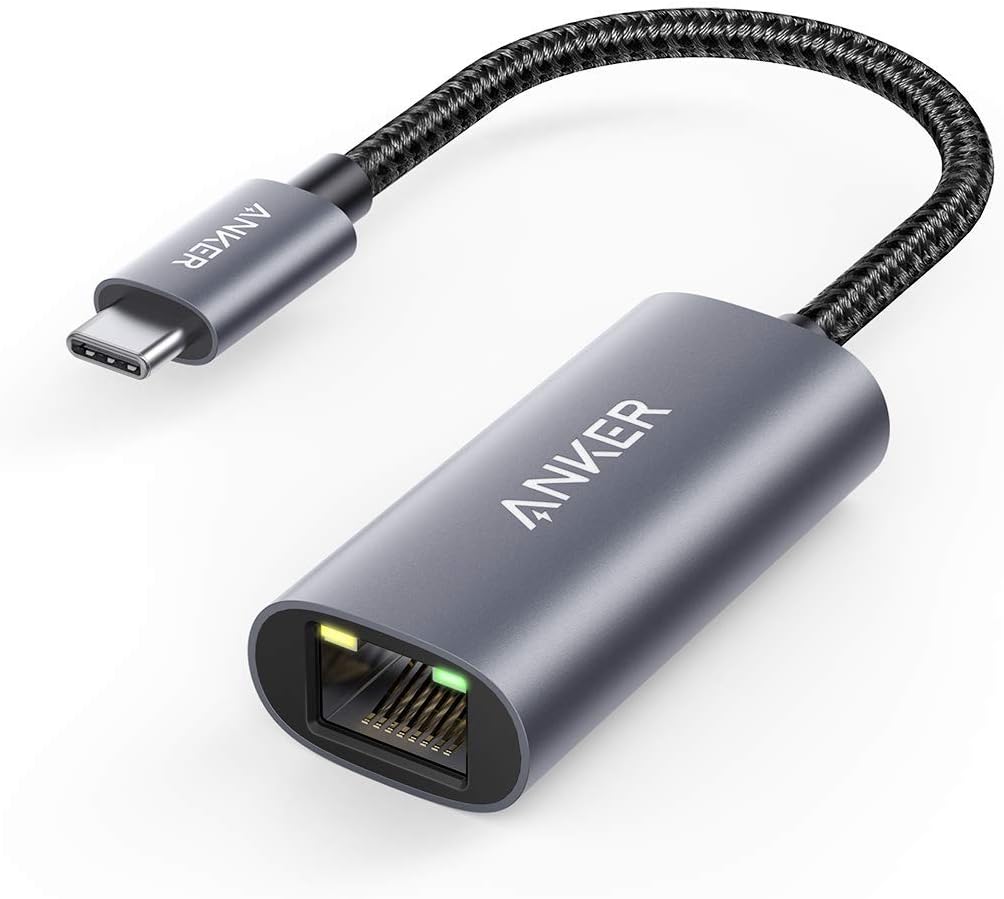
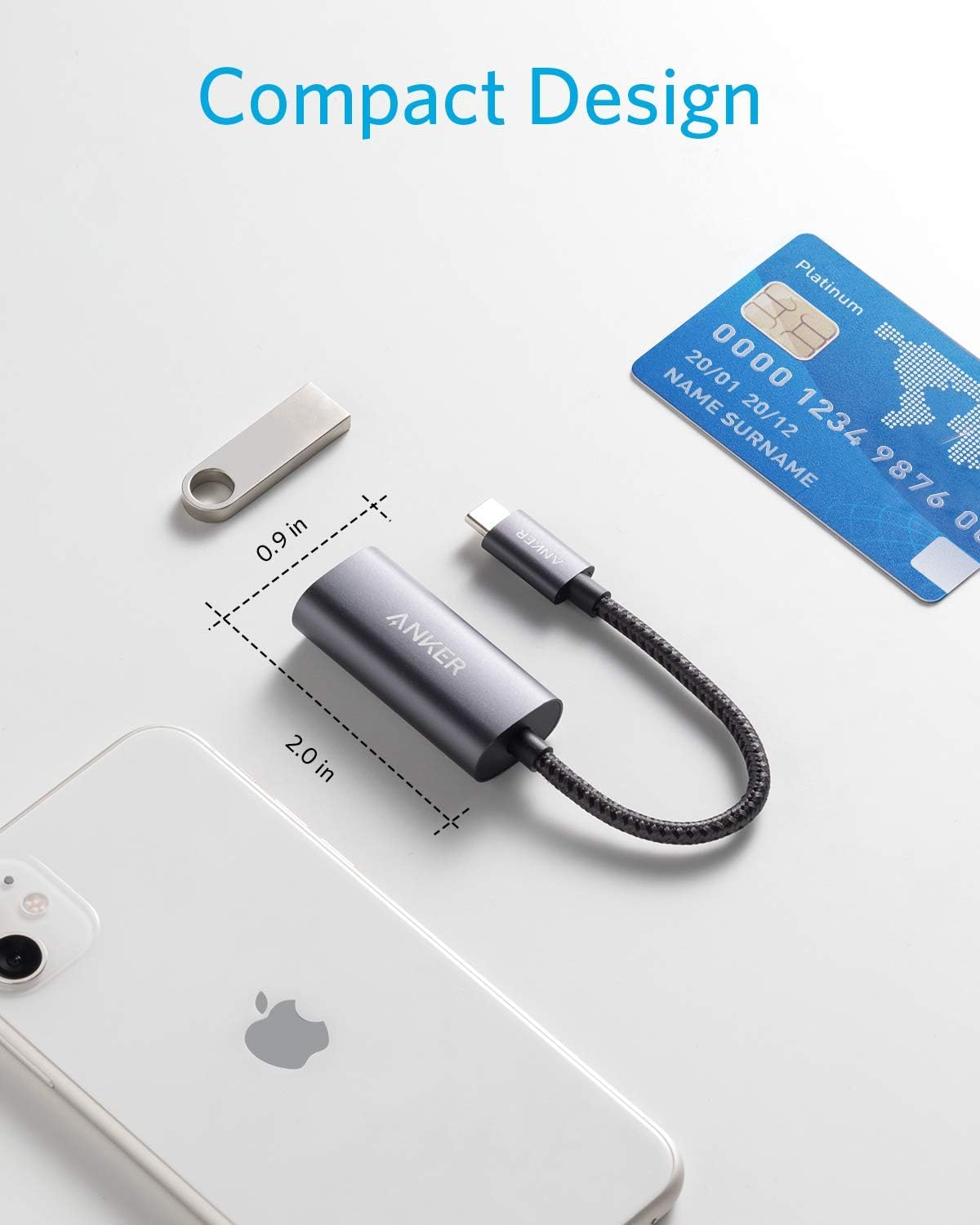
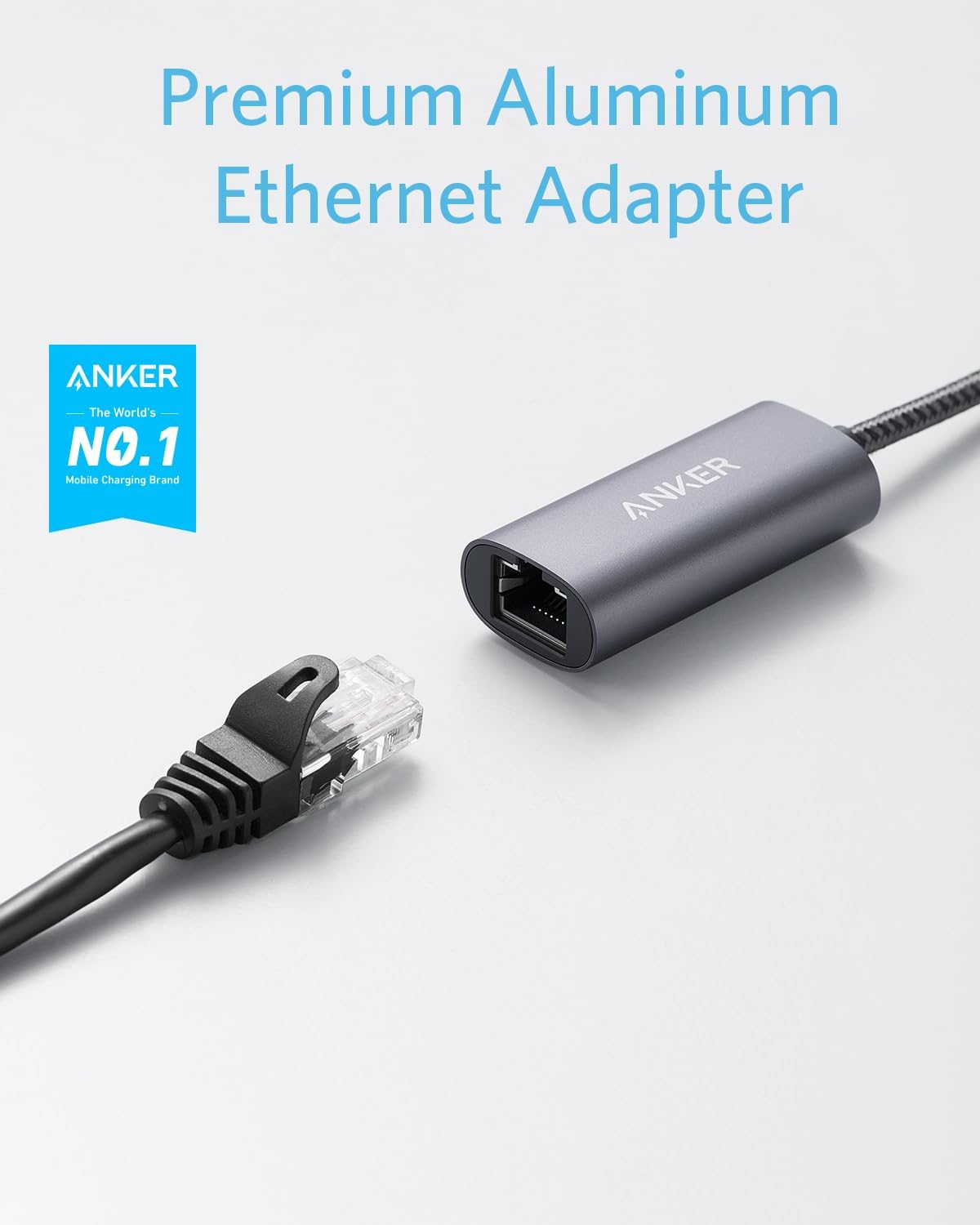
The adapter converts a USB Type-C port into a Gigabit Ethernet connection, delivering reliable 10/100/1000 Mbps performance according to the manufacturer. Its slim aluminum body and braided nylon cable keep the accessory compact and durable, and the narrow 1.3 cm width helps it slip into a pocket or laptop bag easily. It works with a wide range of devices that support USB-C, including recent MacBook Pro and iPad Pro models, Chromebooks, Dell XPS systems, and many Android phones.
Technical Specifications
- Name: Anker USB C to Ethernet Adapter
- Network speed: 10/100/1000 Mbps
- Interface: USB Type-C input to RJ45 output
- Width: 1.3 cm
- Materials: aluminum housing with braided nylon cable
- Warranty: 18 months (manufacturer provided)
Usage Recommendations
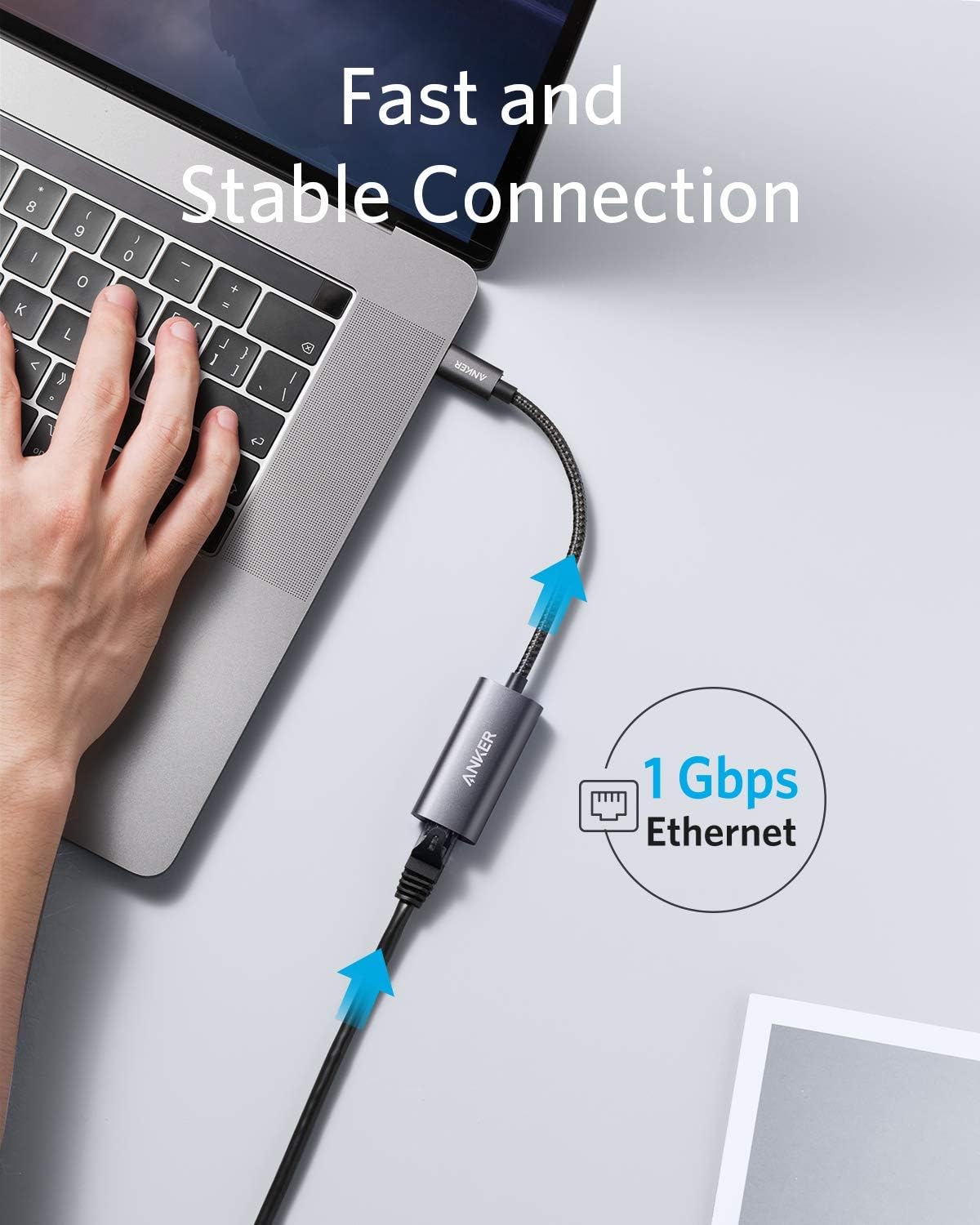
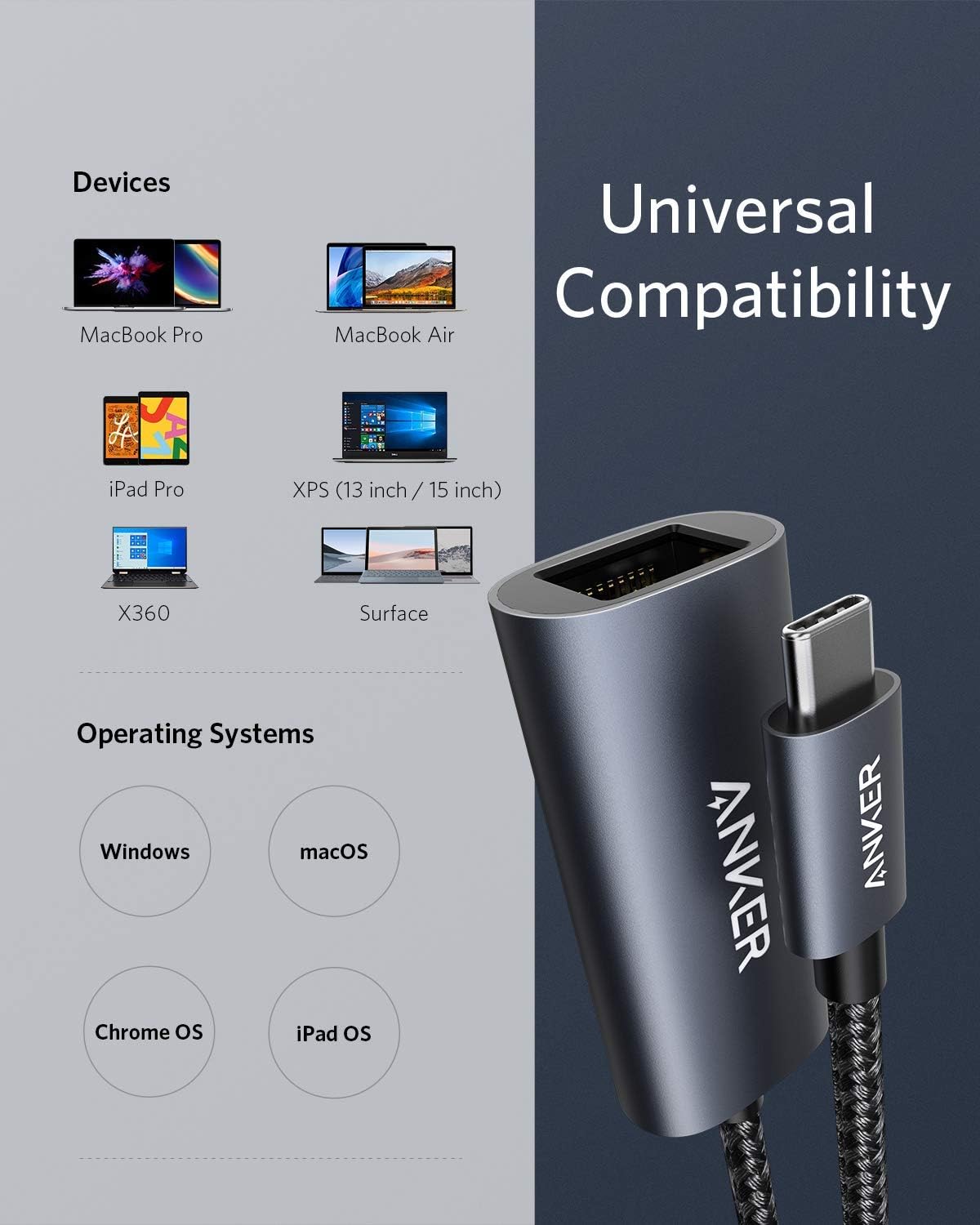
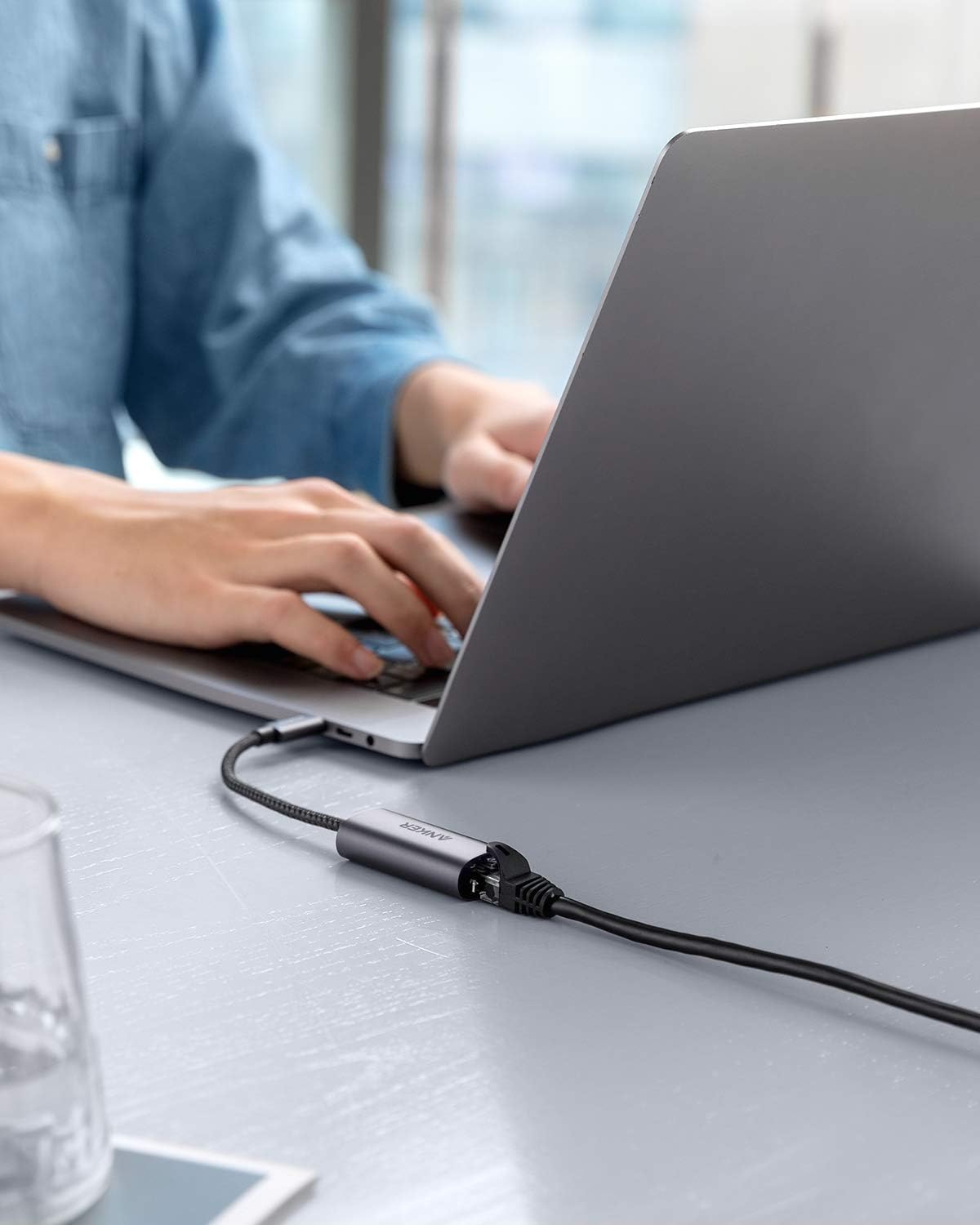
Plug the adapter into a device's USB-C port and connect an Ethernet cable for a direct wired connection. For devices with multiple USB-C functions, ensure the port supports data transfer rather than only power delivery. The adapter is especially useful in environments where Wi-Fi is unstable or congested, such as hotels, conference centers, and busy offices. Keep in mind that very old operating systems may need driver updates, while most modern macOS, Windows, Chrome OS, and Android builds recognize the adapter automatically.
Positive Aspects
This Anker accessory emphasizes portability and straightforward operation, pairing a minimalist aluminum finish with a reinforced cable for everyday handling. It supports gigabit throughput for demanding tasks like 4K streaming and large uploads, which can reduce buffering and latency compared to wireless alternatives. As a note of clarity, functionality depends on device USB-C capabilities and network conditions, and the manufacturer indicates compatibility with a wide range of systems.