

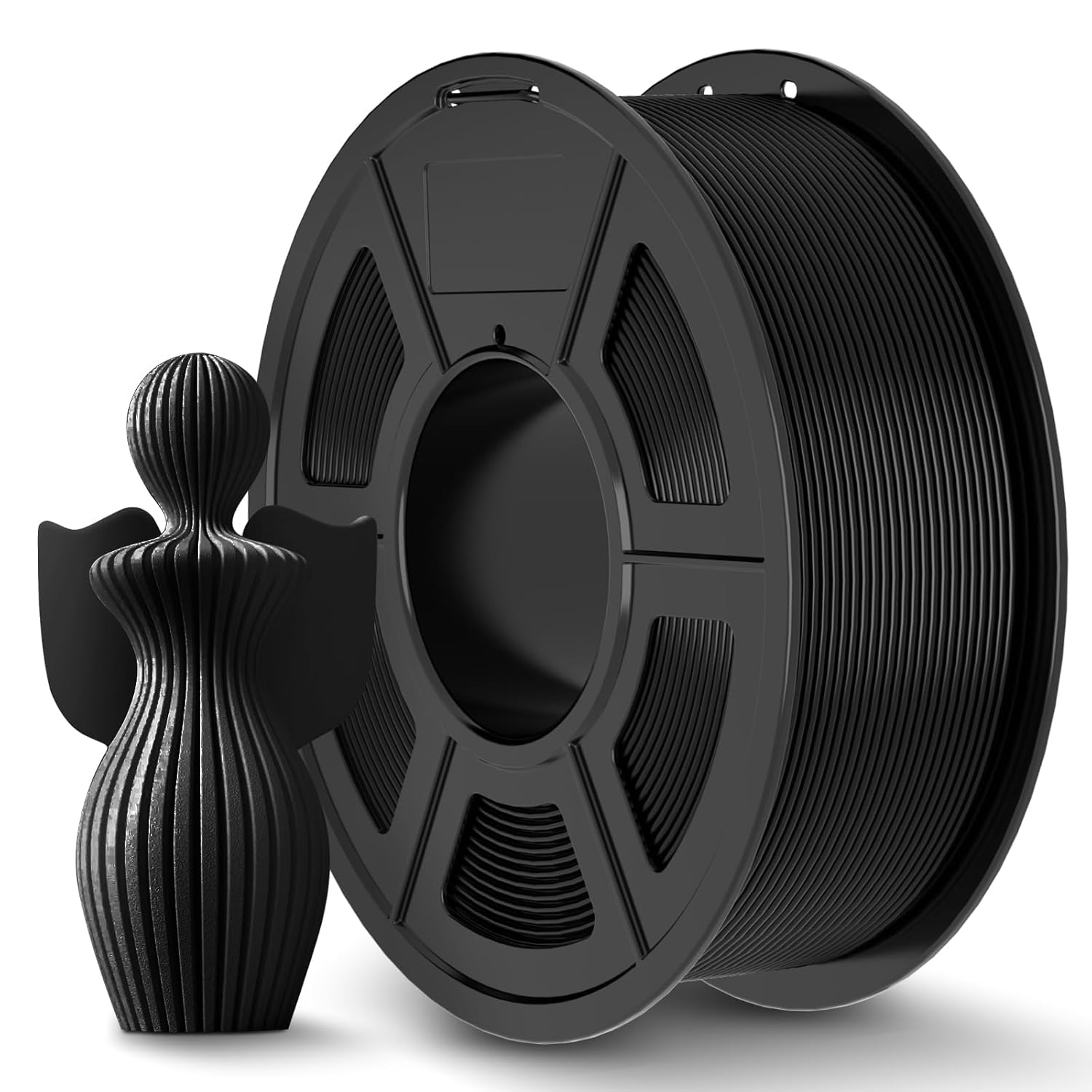
JAYO PLA+ Filament 1.75mm Black 1.1KG – Stronger PLA Plus for Everyday 3D Printing
Reviews
Price
Product description
What it is
JAYO PLA+ is a 1.75 mm filament designed for FDM 3D printers. Marketed as a PLA Plus option, it aims to deliver greater toughness and strength than standard PLA while maintaining the ease of use that beginners expect. The black colour offers a solid, non-transparent finish for a variety of projects.
How it helps your prints
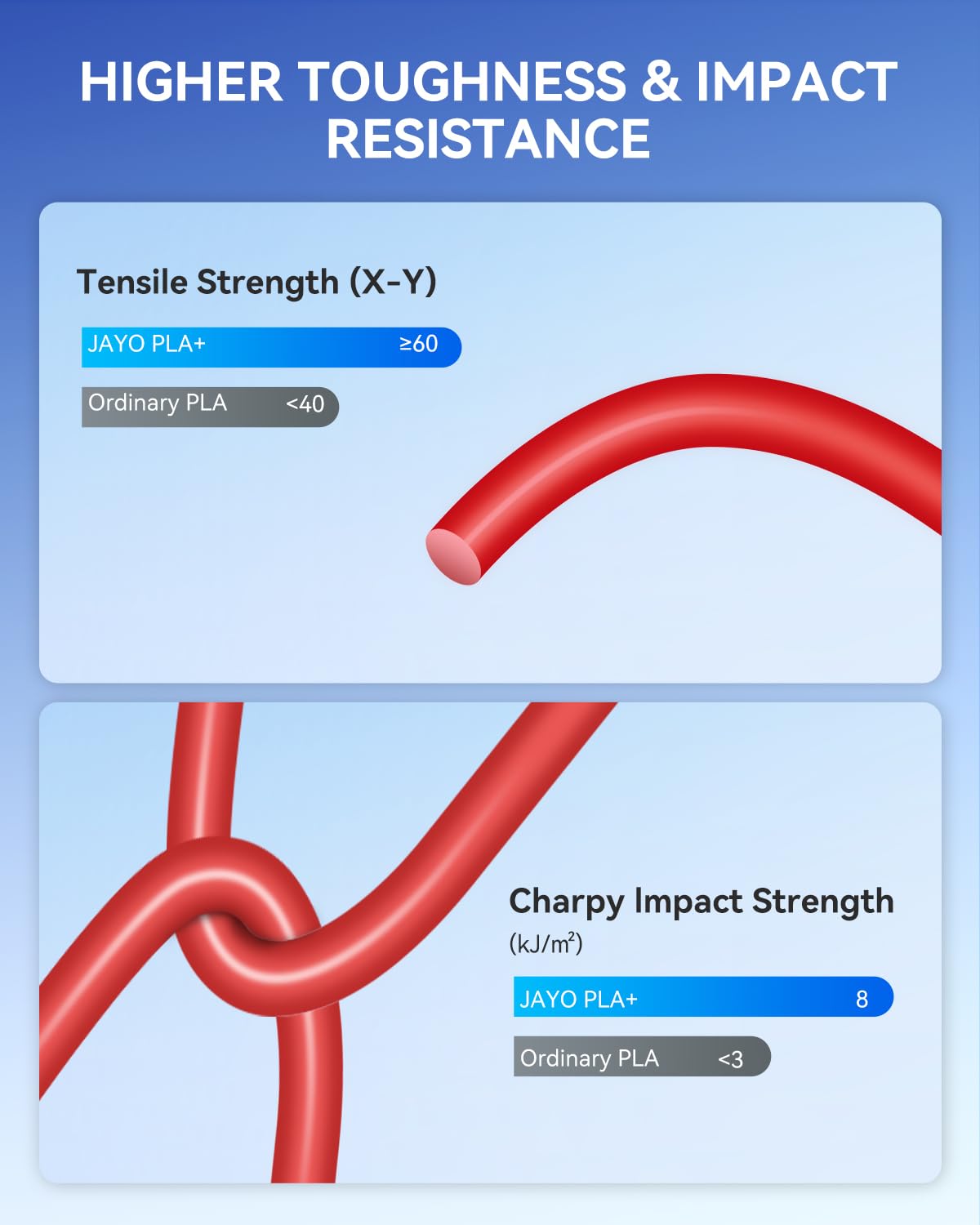
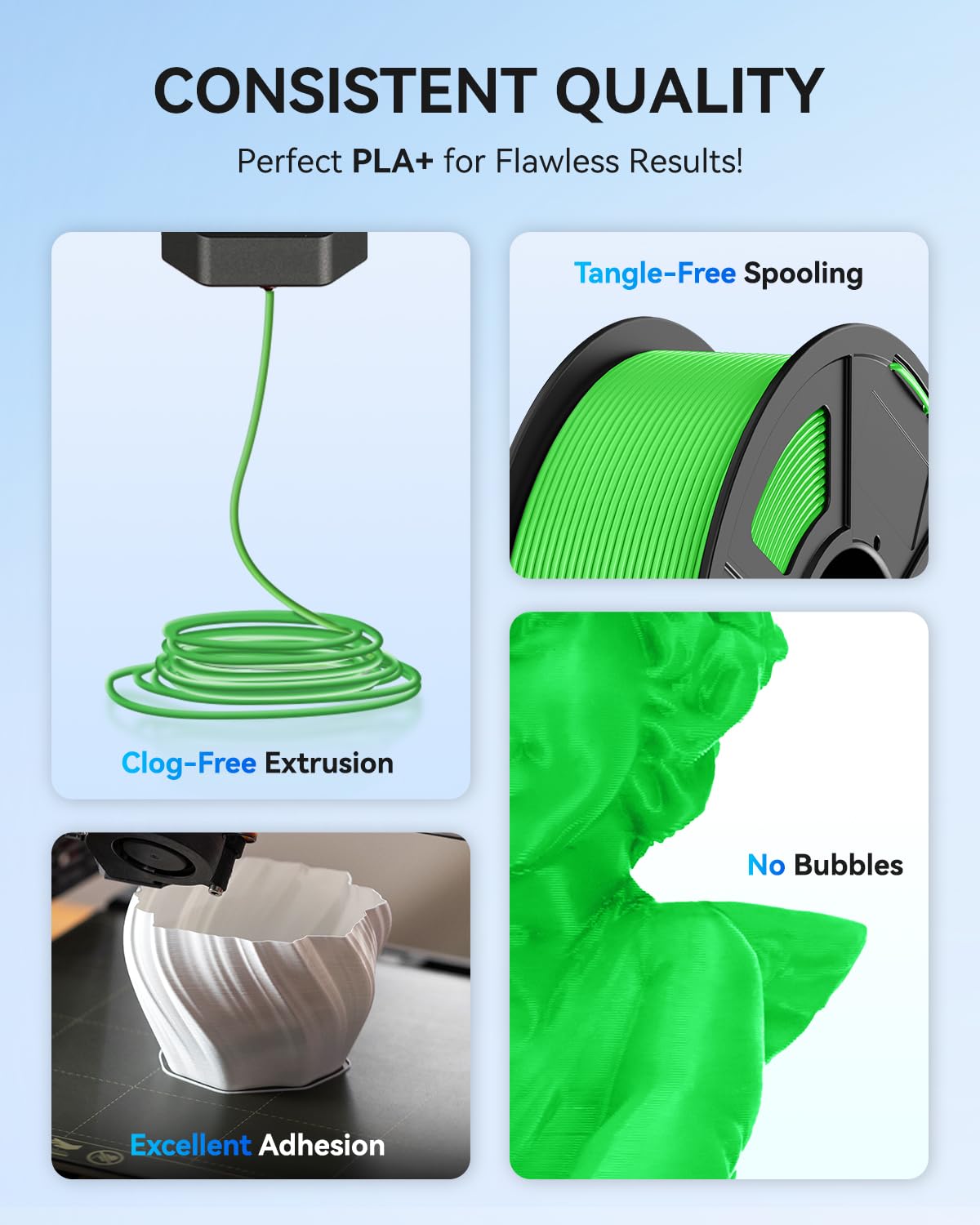
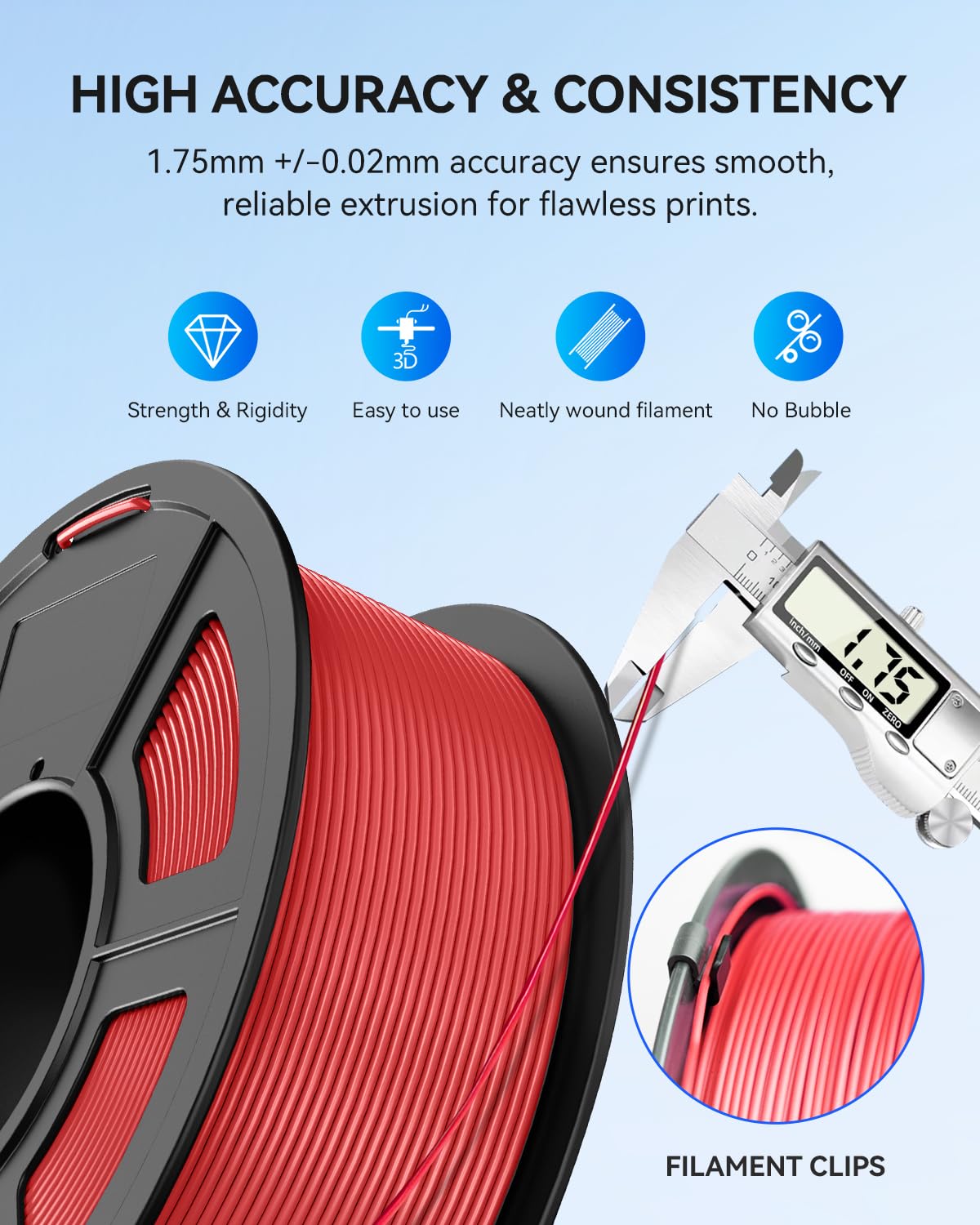
The PLA+ formulation is described as being roughly ten times stronger than regular PLA on paper, with improved toughness and reduced warping. A neatly wound spool is highlighted as a practical feature to minimise tangling, twisting or breakage during printing, which can help reduce clogs and increase print success rates.
Key specs and practicality
- Filament diameter: 1.75 mm. This is a common size that suits many consumer FDM printers.
- Dimensional accuracy: +/- 0.02 mm, which suggests a consistent extrusion diameter for more reliable layer deposition.
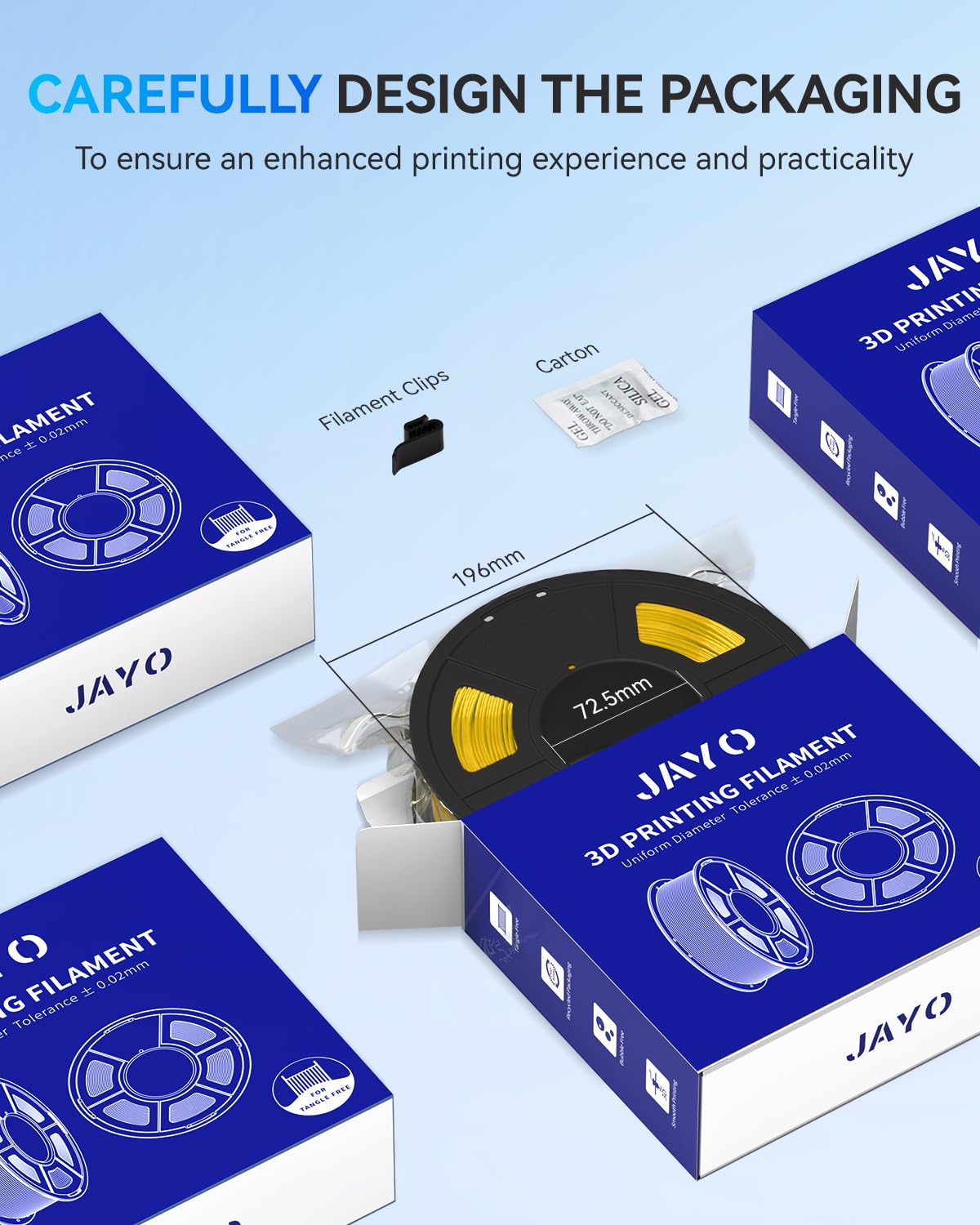
- Packaging notes: described as plastic vacuum packaging with desiccant to reduce moisture uptake, a factor that can influence print quality.
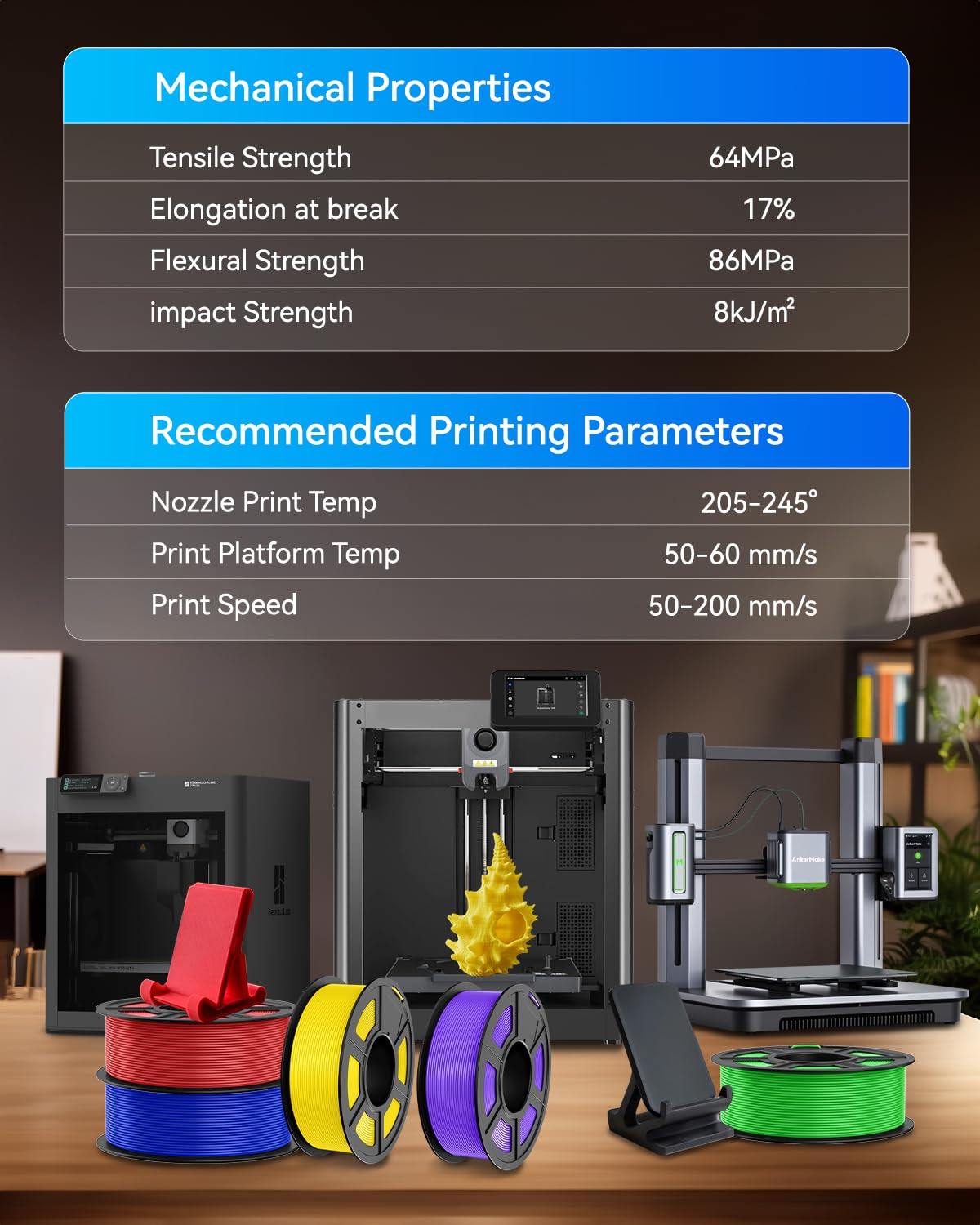
- Recommended printer settings (as stated): nozzle 210–235°C, bed 55–65°C, print speed 50–100 mm/s. These ranges are typical for PLA+ materials and provide a starting point, though individual printers may vary.
What to look out for (limitations)
While the claim of higher strength is appealing, real-world results depend on your printer calibration, bed adhesion, and ambient conditions. PLA+ can still be sensitive to moisture if not stored properly, even with desiccant packaging. If you output large, load-bearing parts, you may want to test throughput and part performance carefully before committing to long print jobs.
Who this is for
This filament should suit hobbyists and makers who want a stronger alternative to standard PLA without venturing into harder engineering plastics. It’s a practical option for functional prototypes, cosplay pieces, or non-load-bearing components where improved toughness helps.
Who it may not be the best fit for
If you primarily need the absolute lowest warp and the highest heat resistance, or you’re printing parts subjected to mechanical stress in demanding environments, other materials like ABS or PETG might be more appropriate—though they come with their own handling considerations.
When it makes sense to buy
Consider JAYO PLA+ when you want easy printing with a bit more resilience than standard PLA, and you print on a typical desktop setup. It’s useful for quick-turnaround prints that benefit from better impact resistance and a clean, bright finish.
What to check before purchasing
- Confirm your printer’s nozzle and bed temperature capabilities align with the recommended range.
- Ensure you store the filament in a dry environment to maintain dimensional accuracy and flow.
- Run a small calibration print to verify diameter tolerance and adhesion on your build platform.
Practical usage note
A common workflow is to start with standard PLA tests (temperature around the lower end of the range) and gradually tune to find the sweet spot for your machine. For larger parts or assemblies, you may notice improved toughness, but also keep an eye on print speed to avoid diminishing surface finish.
In-context comparison (implicit alternatives)
If you’re weighing options, PLA+ like JAYO sits between basic PLA and more demanding materials. For simple utilitarian parts or art pieces where ease of use matters, it can be preferable to a harder but trickier filament. If you require the strongest possible part, you’d likely explore advanced materials, but those often demand stronger printer setup and more careful handling.
Is it worth it?
Should you buy it?
It’s worth considering if you prioritise ease of use with better toughness than standard PLA, and you print on a typical desktop FDM printer. If your projects involve moderate mechanical loads or repeated handling, PLA+ can offer practical benefits without stepping into more complex materials.