

Snowkids Cat 8 Ethernet Cable 50 ft: Braided, Heavy-Duty, 40 Gbps
Product description
What it is
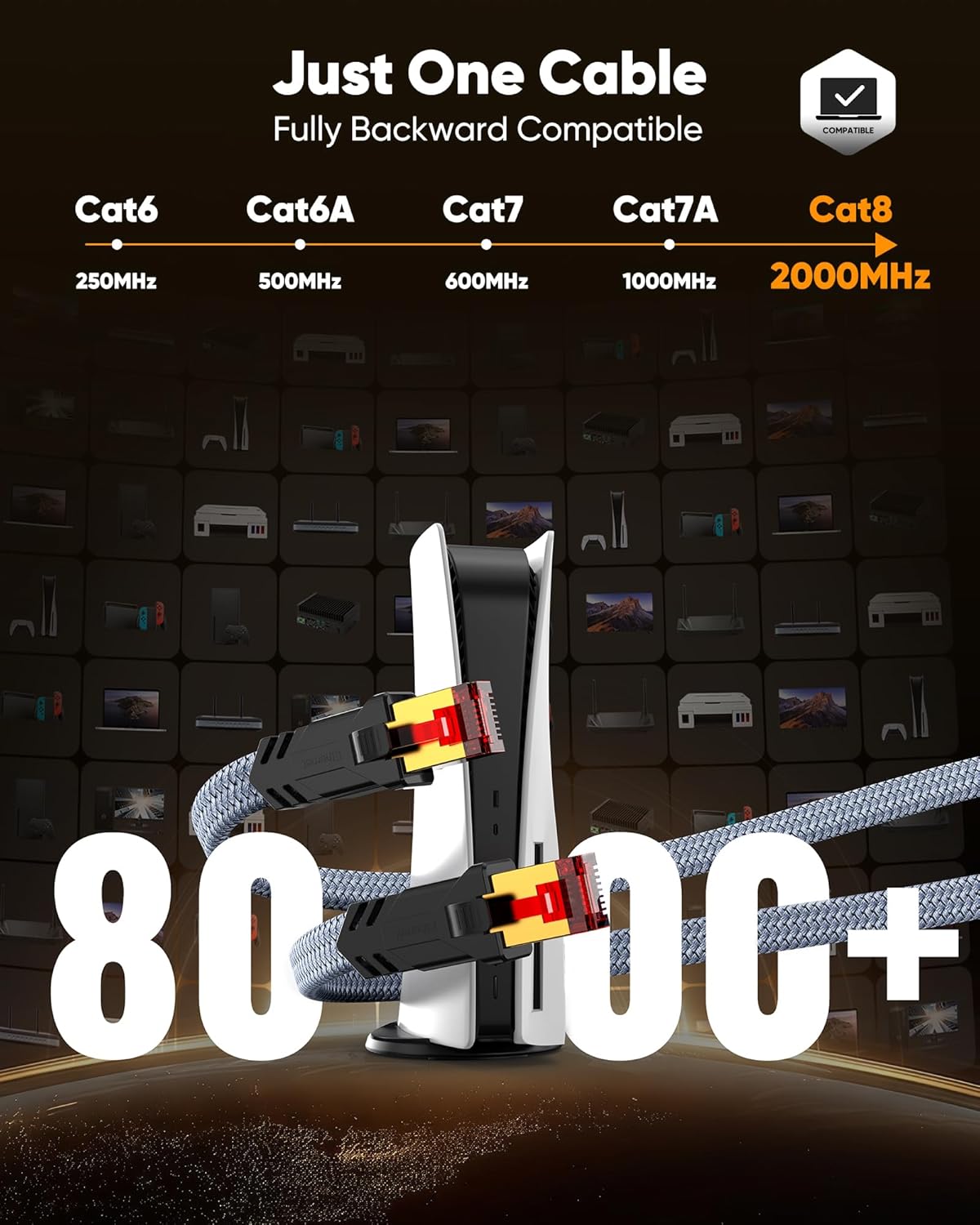
Snowkids Cat 8 Ethernet Cable is a braided, flat patch cord designed for high-speed, low-latency network connections. With support for up to 40 Gbps and a 2000 MHz bandwidth, it aims to deliver fast, stable performance for gaming, streaming, and data-heavy tasks.
How it performs on paper
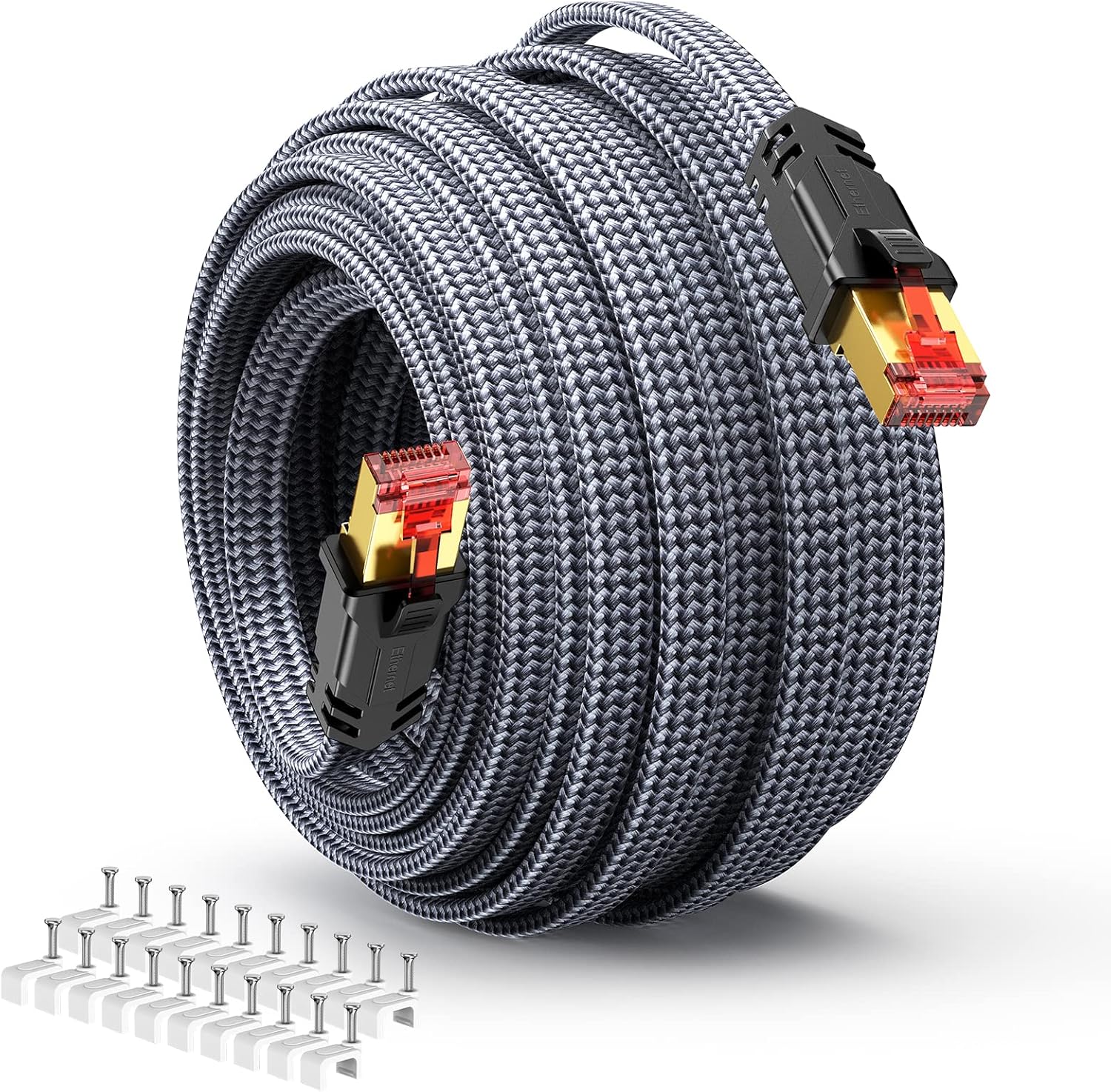
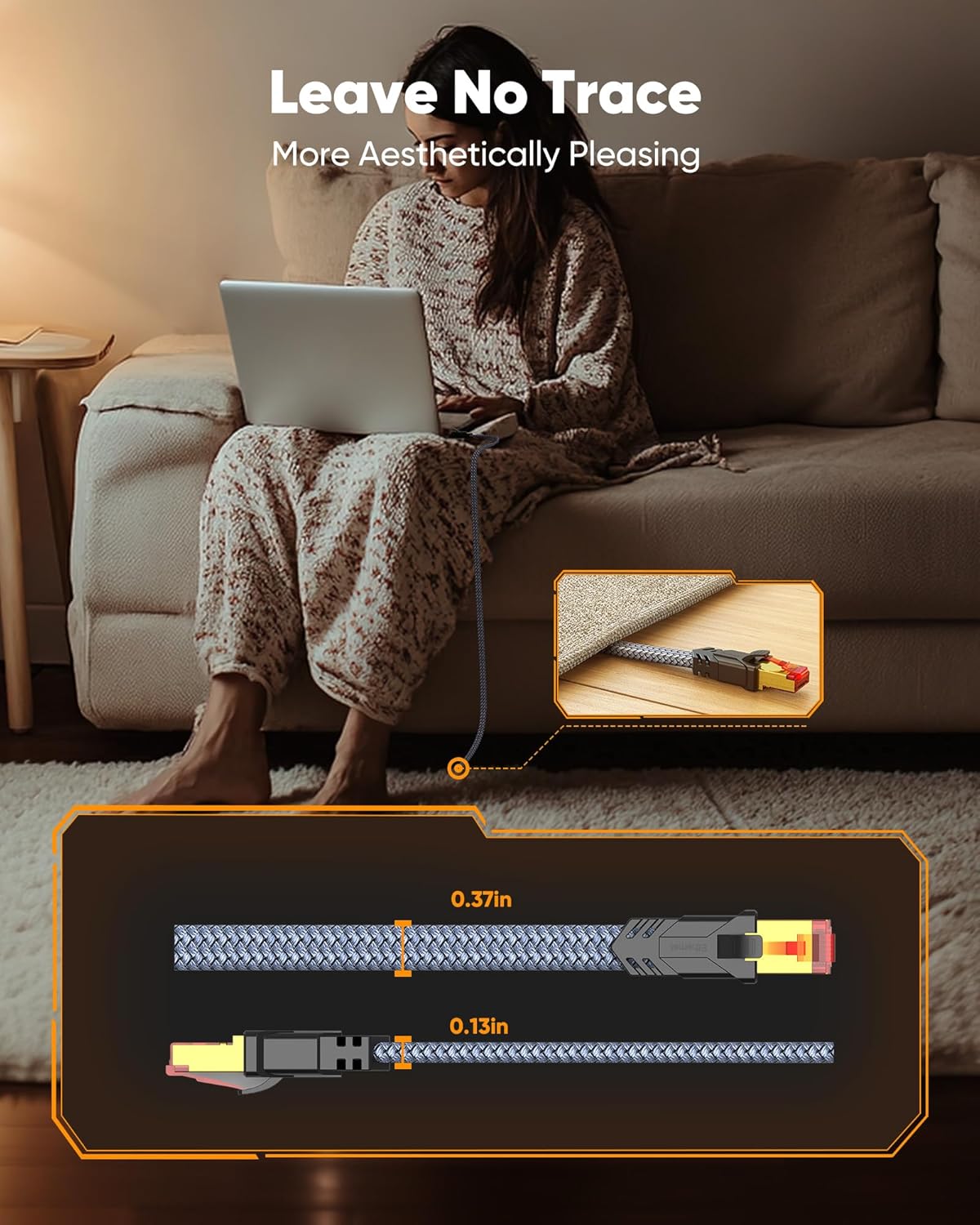
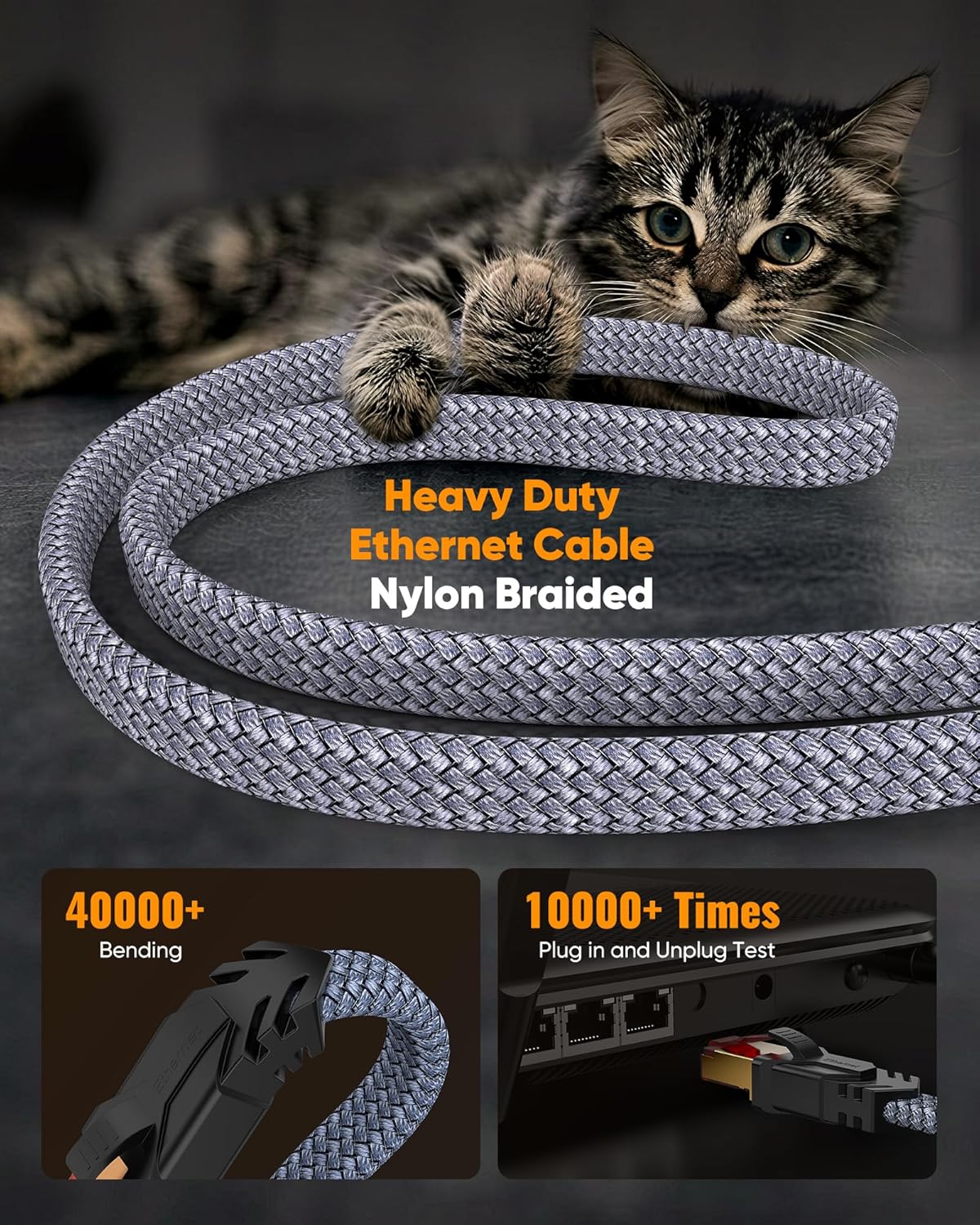
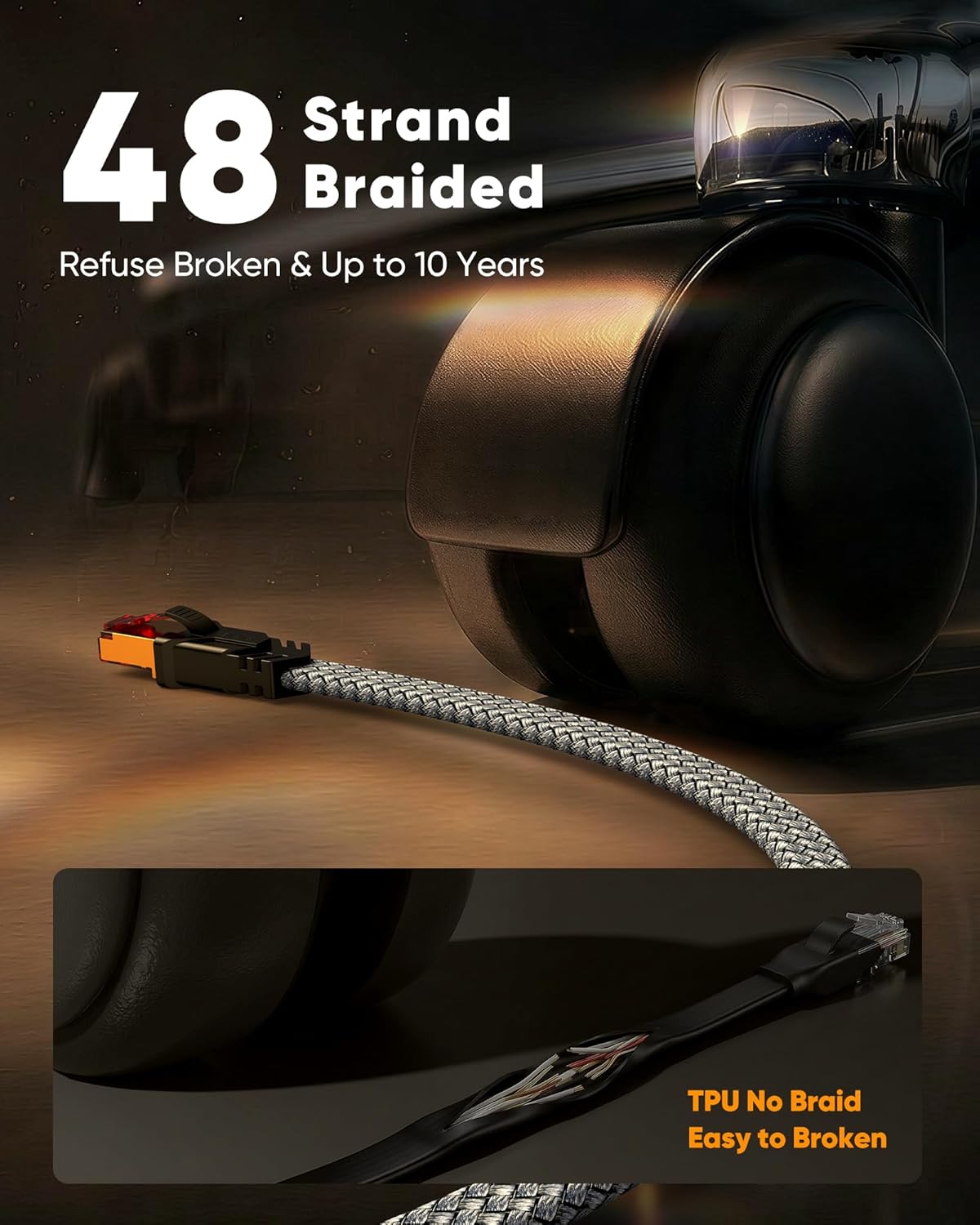
This cable uses S/FTP (shielded twisted pair) copper wires and 24K gold-plated RJ45 connectors to help reduce crosstalk, noise, and interference. The flat, braided design emphasizes flexibility and easier routing around corners and under carpets or floors. Snowkids backs up durability with a claim of more than 15,000 bending tests, suggesting resilience for daily use.
What stands out in usage
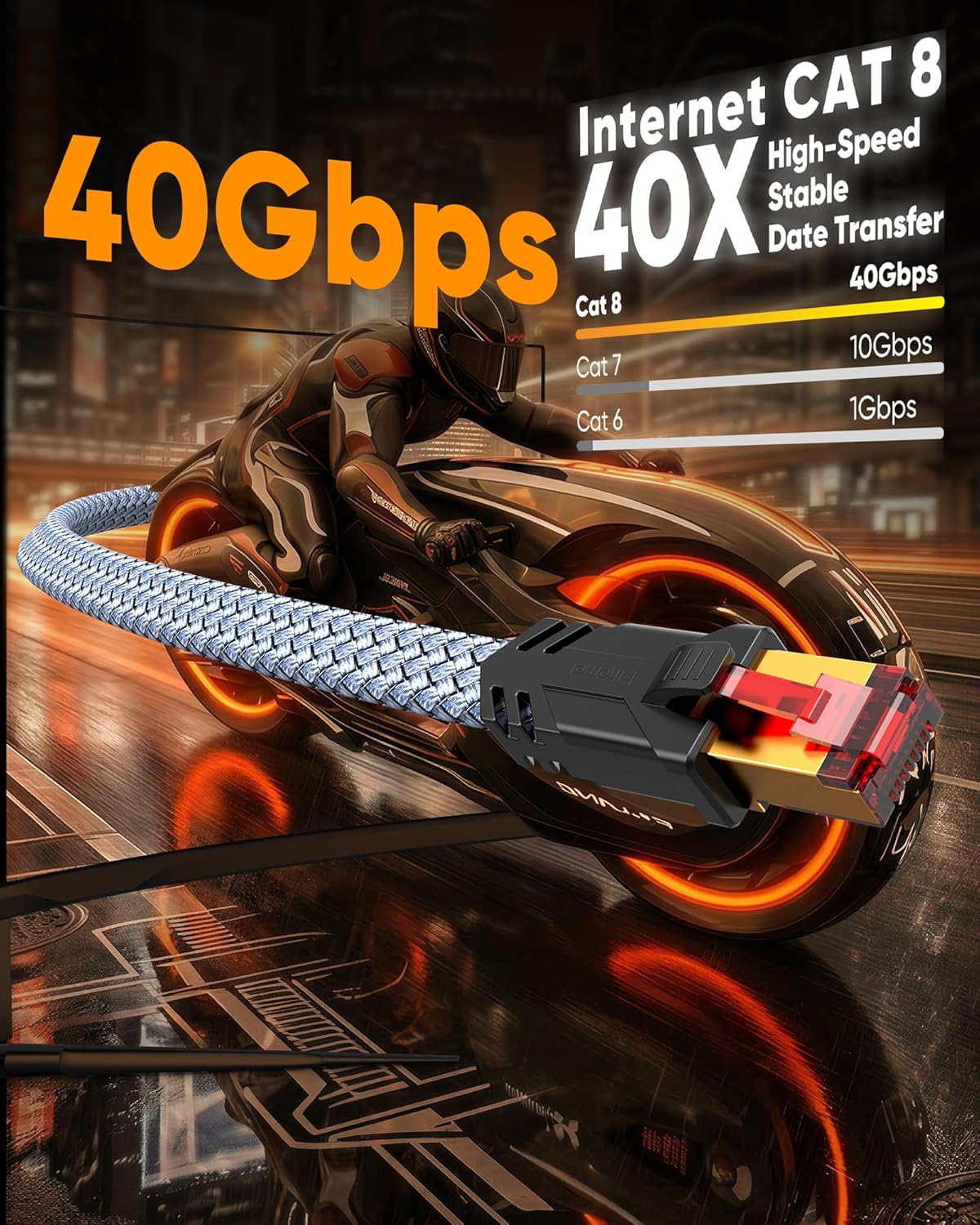
If you’re setting up a gaming rig, PC, modem, or router and need a lot of bandwidth without lag, this Cat 8 option provides a clear upper-tier performance target. The 50 ft length offers room to position devices while keeping cable runs tidy. The braided exterior also helps it stand up to wear in mixed indoor/outdoor environments, and the flat profile makes it easier to route alongside walls and furniture.
Potential drawbacks or limitations
Cat 8 is an advanced standard, some setups won’t see a practical speed gain unless the rest of the network (router, switch, NICs) supports it. While backward compatible with Cat 7/6x cables, your real-world speed depends on compatible hardware and network conditions. If you don’t require multi-Gbps bursts or 2000 MHz bandwidth, a lower-category cable may suffice and be more cost-effective.
Ideal user profile
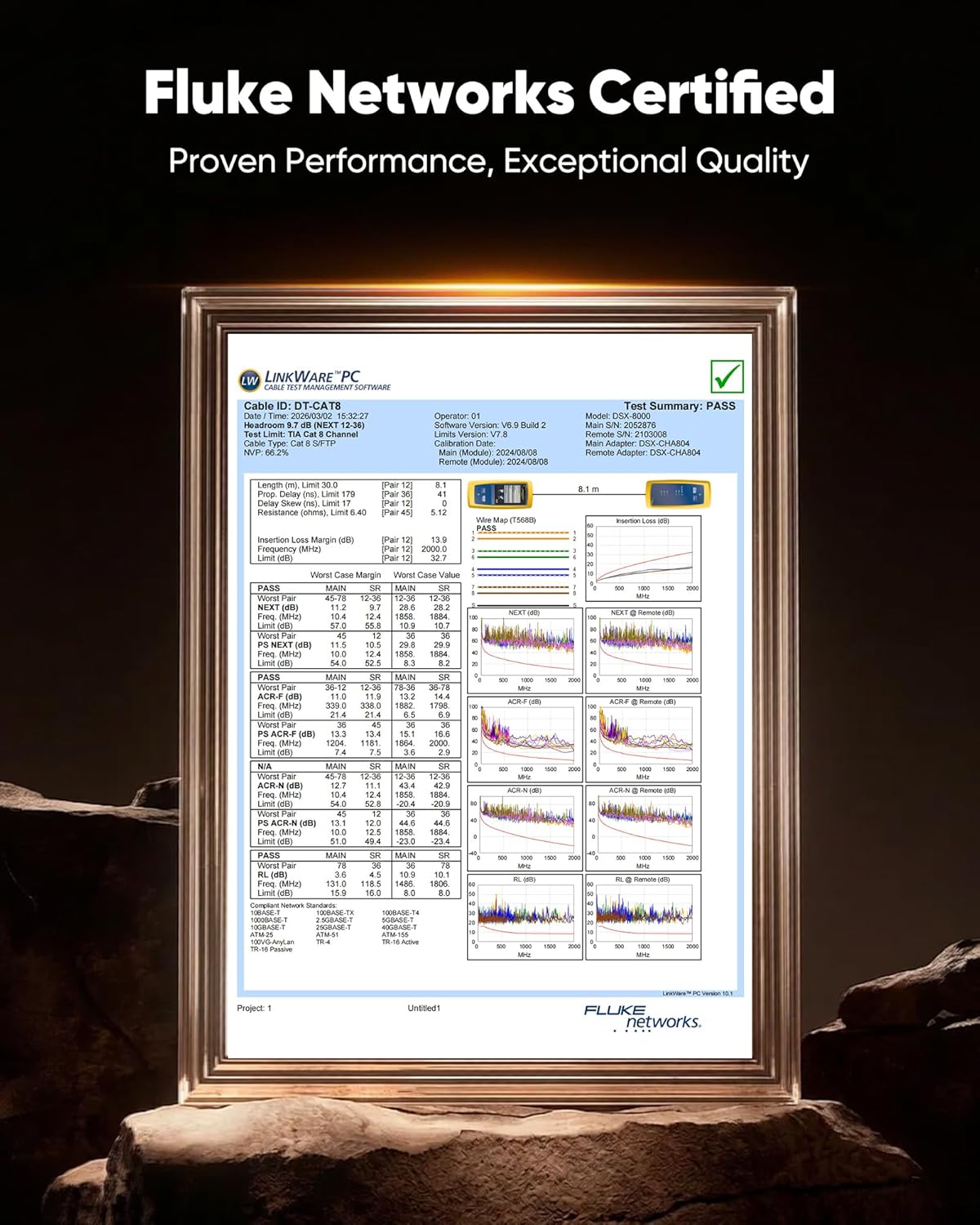
This cable is best for gamers, streamers, or power users who want maximum headroom for local network transfers, large file pushes to NAS, or high-fidelity streaming within a home lab. It’s also a fit for setups needing a robust, long, and flexible patch cable that can run around furniture or along floors.
When it might not be the best choice
If your network gear doesn’t support Cat 8 or if your internet plan tops out well below 10 Gbps, you may not notice a practical difference versus Cat 6a or Cat 7. For casual browsing or standard HD streaming, a mid-range category could deliver sufficient performance at a lower cost.
What to check before buying
- Confirm your devices and switches support high-speed Ethernet so you can leverage the 40 Gbps capability.
- Ensure the 50 ft length fits your space without excessive slack or tension.
- Consider routing needs, the flat braid helps around corners but ensure it won’t be pinched in tight conduits.
- Inspect connector quality (24K gold plating) as a signal protection detail important for longevity.
How it compares to common alternatives
In practice, Cat 8 stands above Cat 7/6x in bandwidth and shielding, but the real-world advantage depends on your network backbone. If you mostly access the internet at gigabit speeds, Cat 8 may be overkill. If you’re wiring a small data center, NAS backbone, or a high-end gaming setup, it can justify the premium by reducing interference and enabling future-proofing.
Final decision: Is it worth it?
- When to buy: you prioritize maximum headroom, low latency for local transfers, and a rugged, long cable that’s easy to route around furniture.
- When to skip: you don’t need extreme bandwidth or your gear isn’t Cat 8-capable yet, and you’re seeking a more budget-friendly option.
- Who benefits most: gamers, streamers, or users with data-intensive local networks and direct PC-to-NAS connections.
- Who should avoid: casual users or spaces where standard gigabit ethernet already meets needs.
FAQ
- Q: Is this cable backward compatible with older Ethernet standards? A: Yes, it’s backward compatible with Cat7, Cat6e, Cat6, Cat5e, and Cat5.
- Q: Will I see 40 Gbps speeds on a typical home network? A: Not necessarily, actual speeds depend on hardware support and your service plan. The cable supports up to 40 Gbps where the rest of the path allows it.
- Q: How durable is the cable for everyday use? A: The 50 ft cable uses a double-layer woven braid and has undergone extensive bending tests, which suggests good wear resistance for typical setups.
Quick usage example
Picture a gaming PC connected to a high-performance router and a NAS box in a home lab. The flat braid makes it easy to tuck the cable along baseboards, and the shielded design helps minimize interference in a cluttered entertainment center, potentially reducing lag during competitive gaming and speeding up large file transfers to the NAS.