

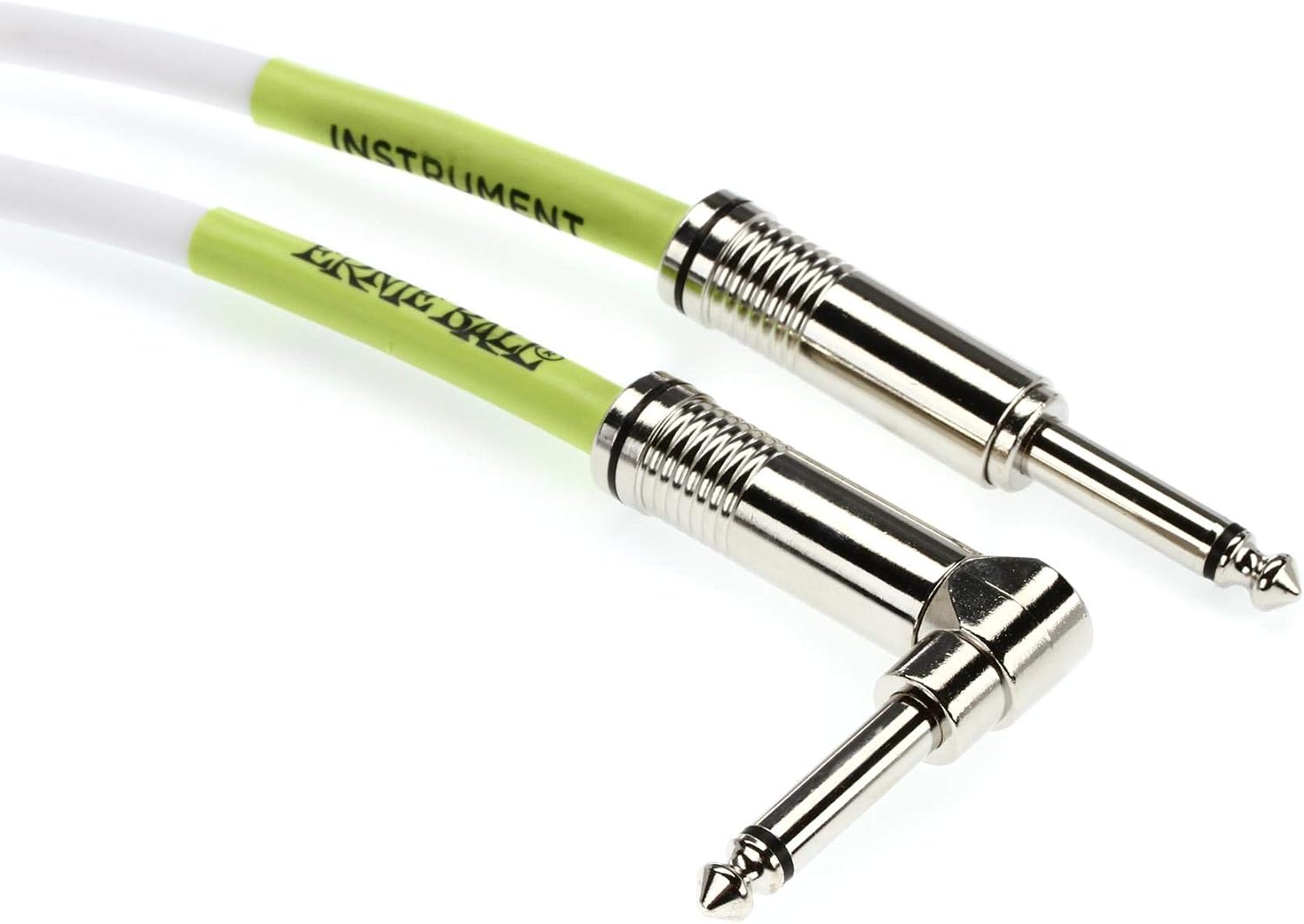
Ernie Ball Instrument Cable 10ft
Product description
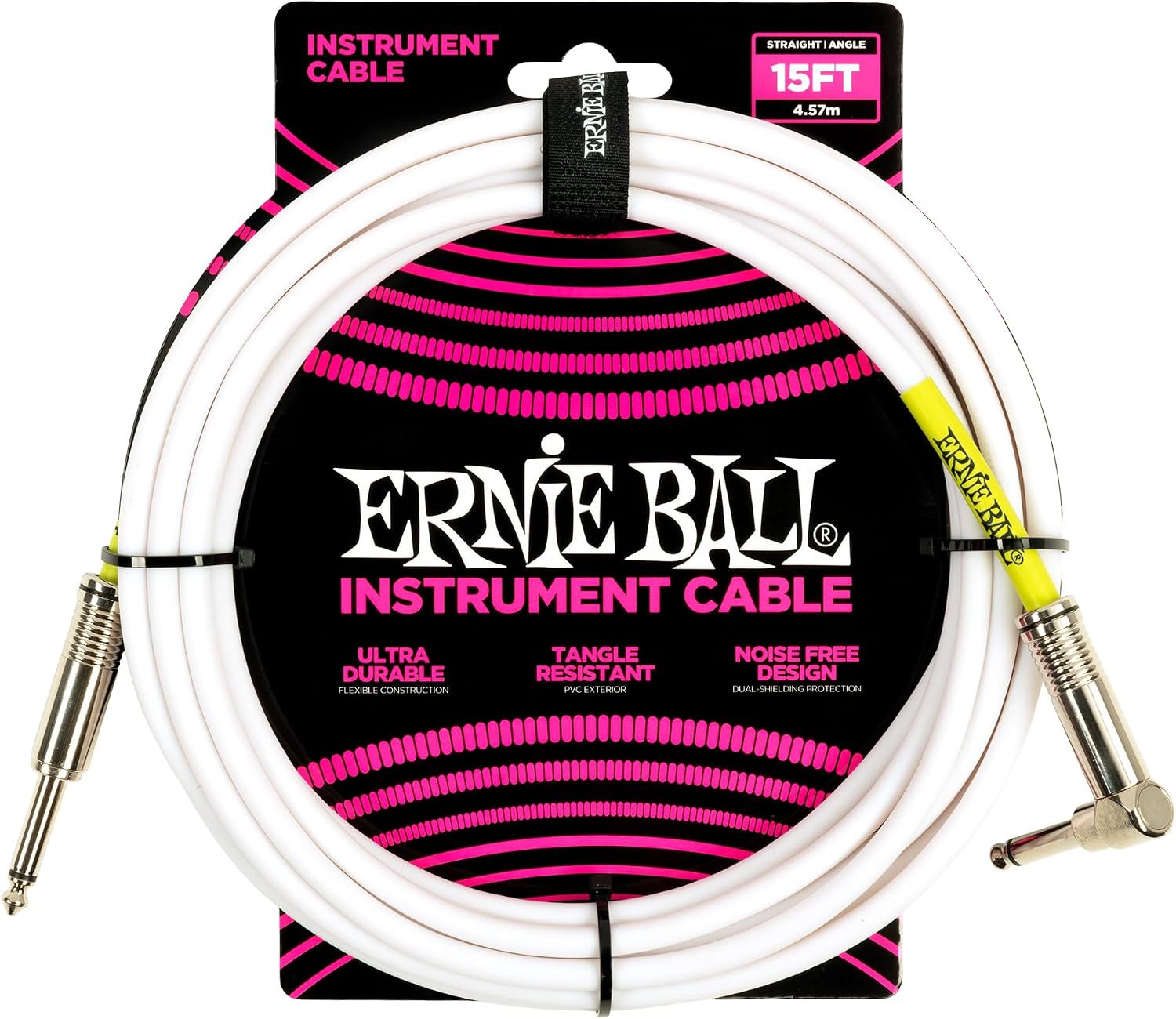
For a home practice setup or a quick connection between an instrument and other audio gear, a 10-foot cable gives you a defined amount of reach without stepping up to a longer length. The Ernie Ball Instrument Cable has a white jacket and a straight/angle configuration, with its construction focused on durability and a clear, balanced signal.
Its stated design is practical rather than elaborate: dual shielding and dual conductors, plus 99.99% oxygen-free copper.
Key specifications
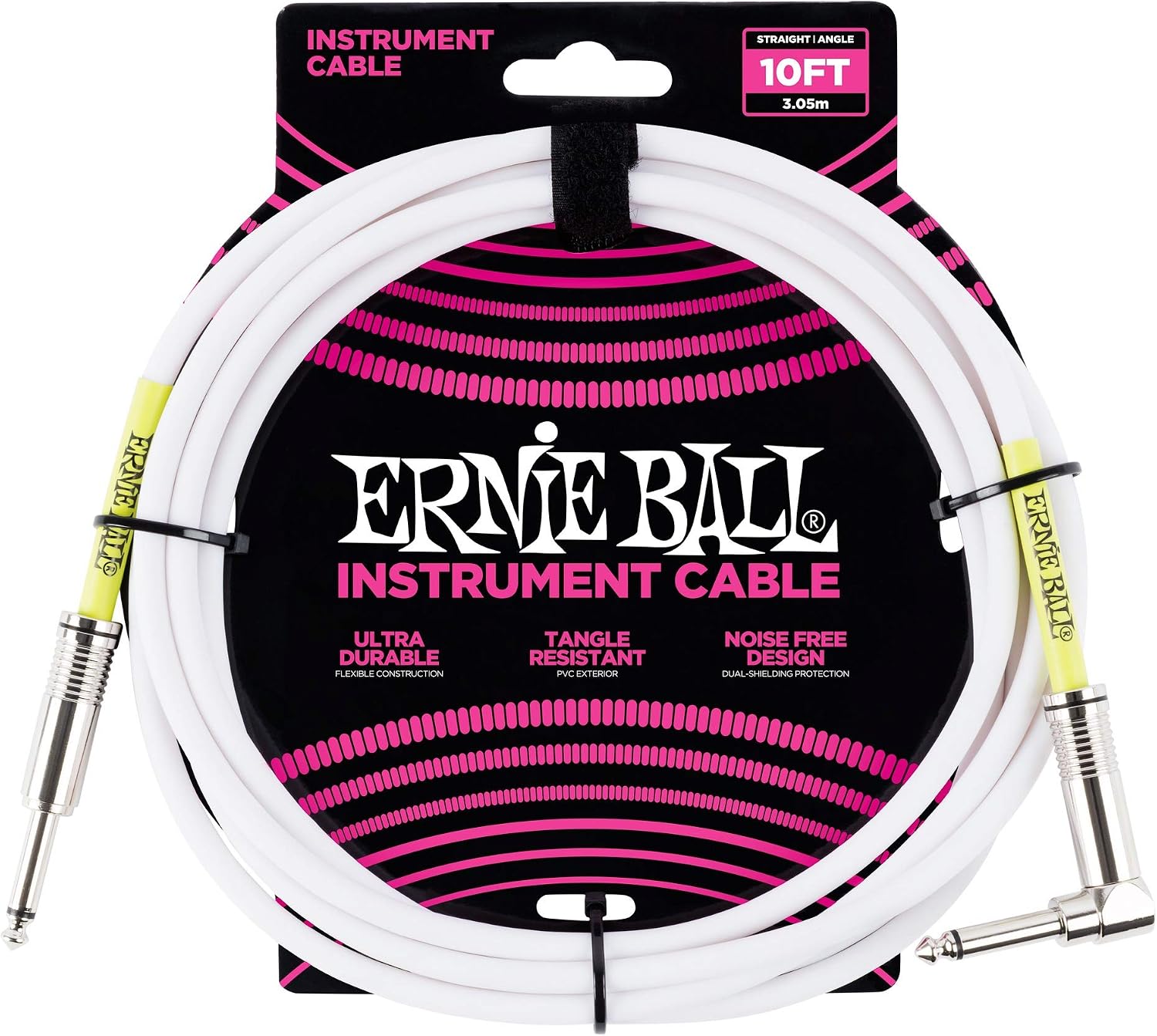
The cable is 10 feet long (3m), white, and described as straight/angle. Ernie Ball specifies 99.99% oxygen-free copper to resist corrosion, along with dual shielding and dual conductors intended to support durability and reliably clear tone. The stated sound profile is natural and transparent, with a balanced frequency response. Its construction is described as roadworthy, which may appeal to players who move their gear rather than leaving a cable permanently installed.
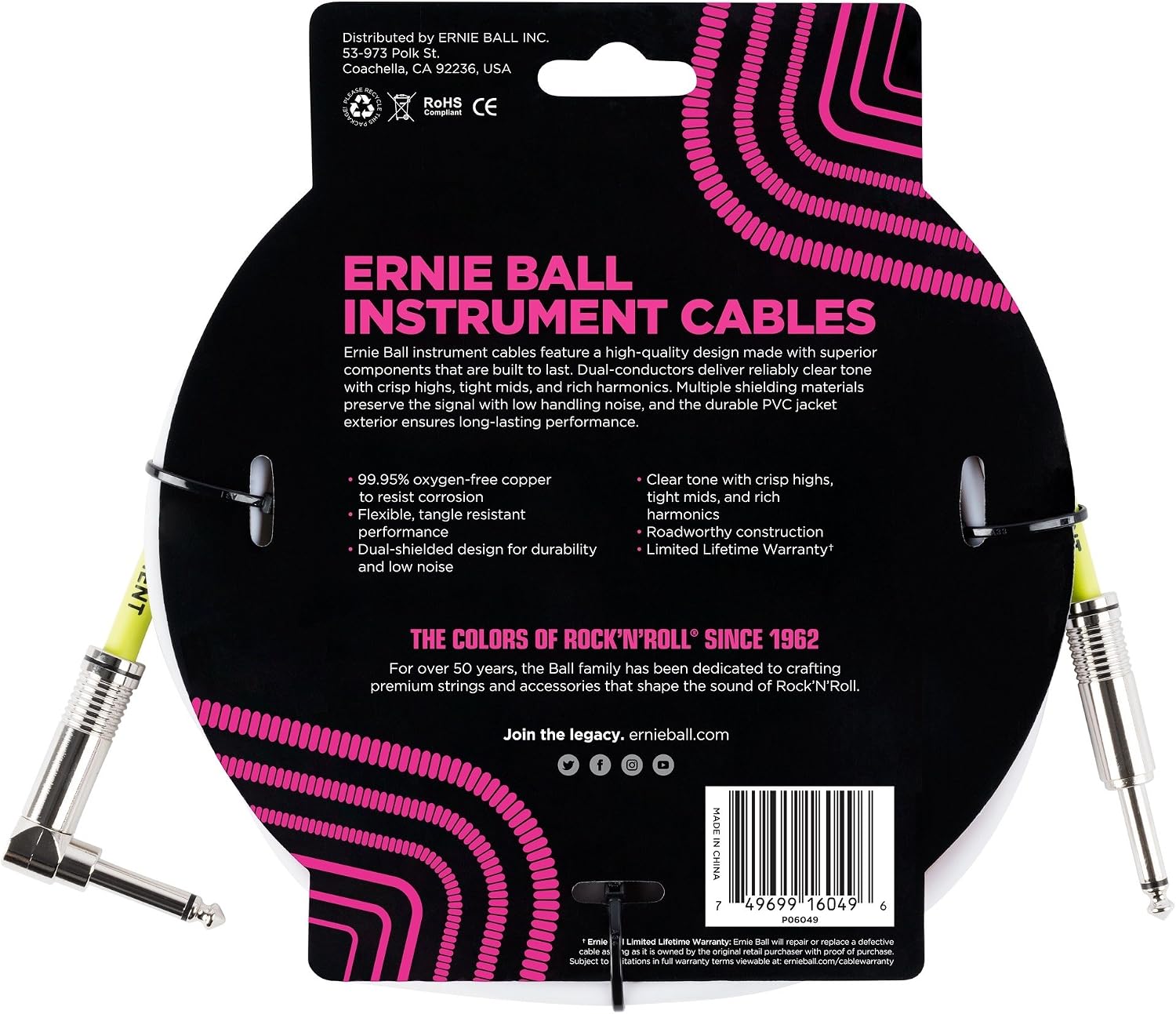
Those details point to a general-purpose instrument cable, not a feature-heavy signal accessory. On the spec sheet, the emphasis is on the cable’s materials, shielding, and construction, there’s no listed connector model or additional technical measurement to compare. If exact connector details matter for your setup, the straight/angle description alone may not answer every fit question.
Who it’s for
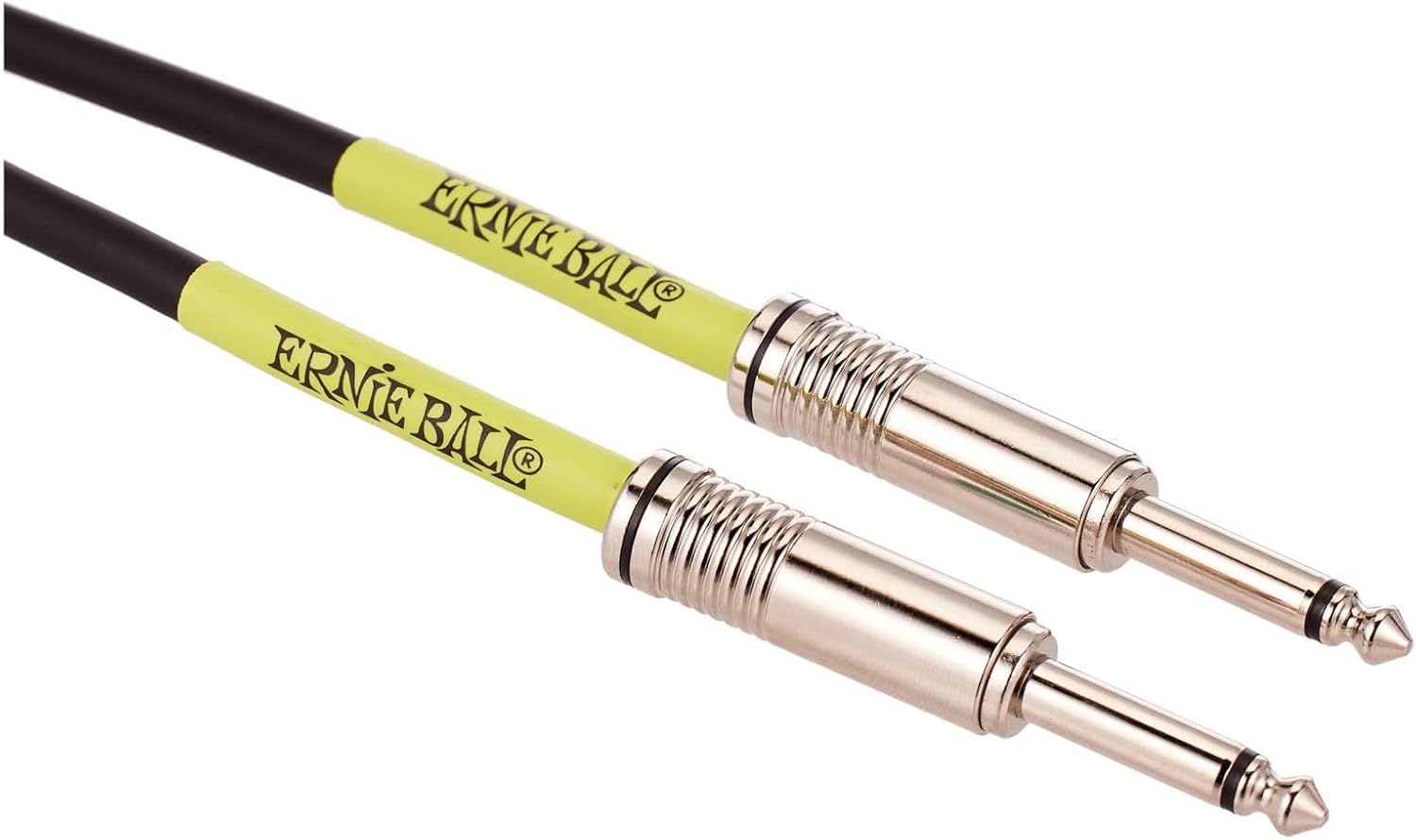
It suits you if you want a straightforward instrument cable for practice, rehearsal, or a basic performance setup, and the 10-foot length works for the space around your gear. For example, it could let you stand near an amp while keeping the instrument connected without choosing an especially long cable. The angled configuration may also be useful where a straight plug would be awkward, but the listing does not specify which end has which shape.
Not the best choice if you need a particular connector arrangement confirmed, a different length, or a cable in a less noticeable color. White is easy to spot among darker gear, though that also means it may stand out visually. Players choosing between a short, tidy lead and a longer cable should measure the distance between their usual playing position and equipment before deciding, the stated length is the key practical constraint here.
Everyday use
In a typical setup, the value is having a cable with a clear stated length and a construction designed for repeated handling. Dual shielding and dual conductors are presented as part of its durability and clear-tone design, while the balanced frequency response describes the intended sound. Those claims provide a useful buying rationale, but the listing does not give noise measurements or other test results, so it’s better to treat them as design details rather than a guarantee of performance in every room or rig.
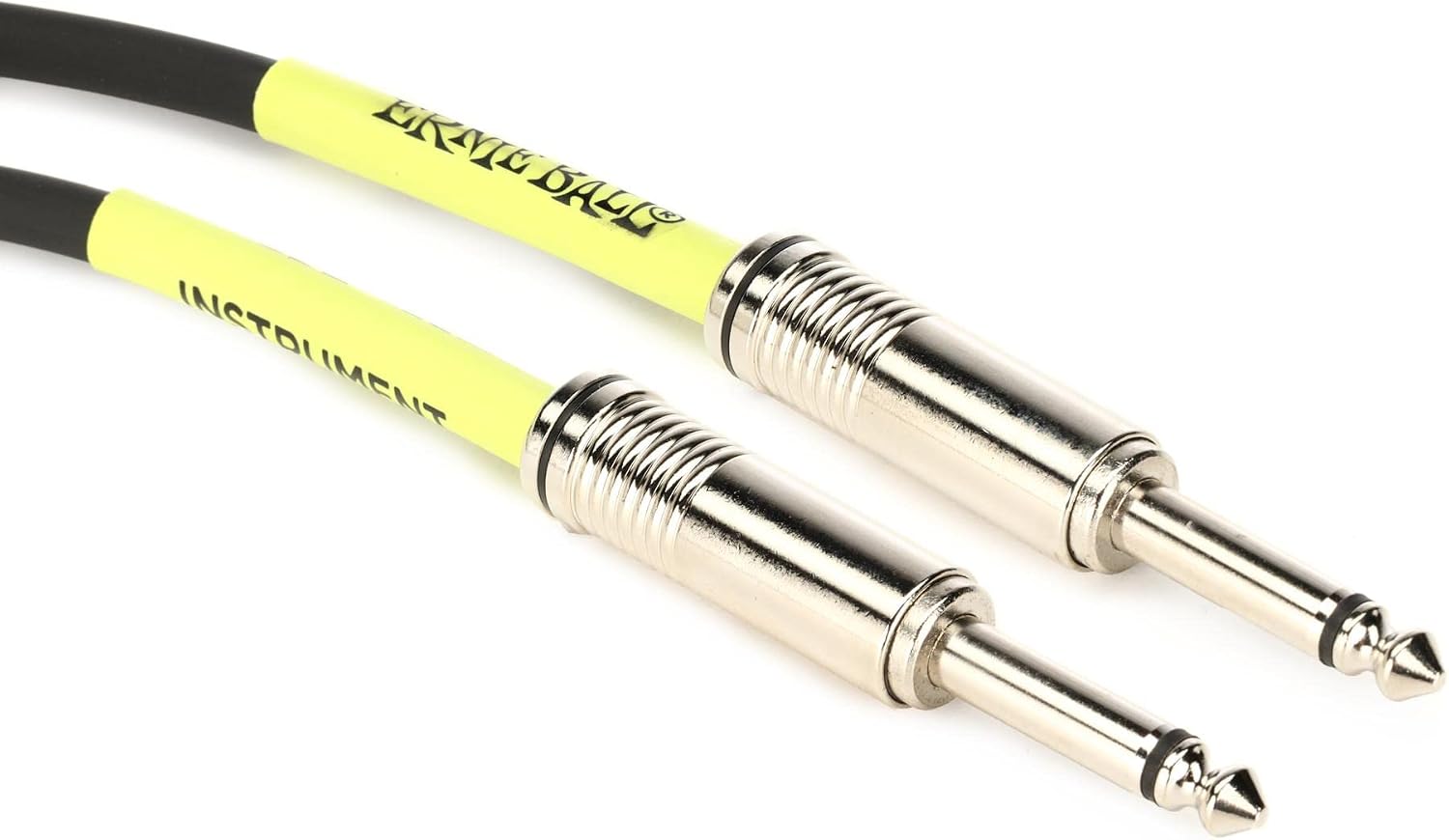
Compared with buying a cable based only on getting the lowest-cost basic connection, this one gives more detail about copper, shielding, and construction. That may matter if you move the cable often. If your cable stays in one place and your main concern is simply having a specific length or connector type, those details may matter less than confirming the physical fit.
Practical doubts
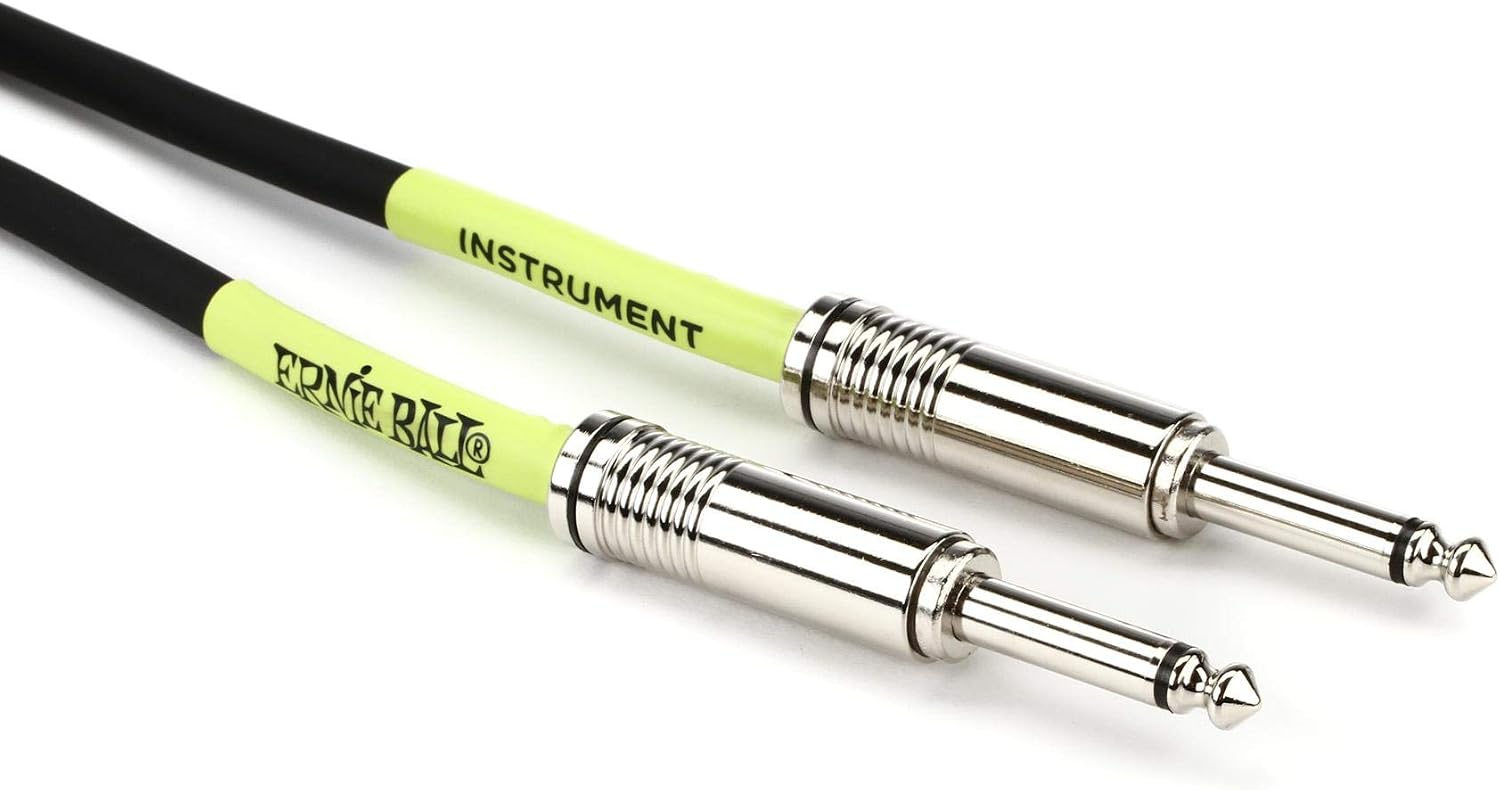
How long is the cable? It is listed as 10 feet (3m). Check that reach against the distance between your instrument and the equipment you plan to connect.
What does straight/angle mean here? The listing identifies a straight/angle configuration, but does not say which end uses each shape. If the direction matters for your setup, confirm that detail before choosing.
Is it white? Yes. The listed finish is white, so it will be visible against darker gear rather than blending in.
Final verdict
Choose this Ernie Ball cable if a white, 10-foot instrument lead fits your setup and you value the stated focus on shielding, copper, and roadworthy construction. Skip it if the exact connector orientation or a different length is essential and you can’t confirm it from the available details. The decision comes down less to a promised sound upgrade than to whether its length, visible color, and straight/angle layout suit the way you connect and handle your gear.