

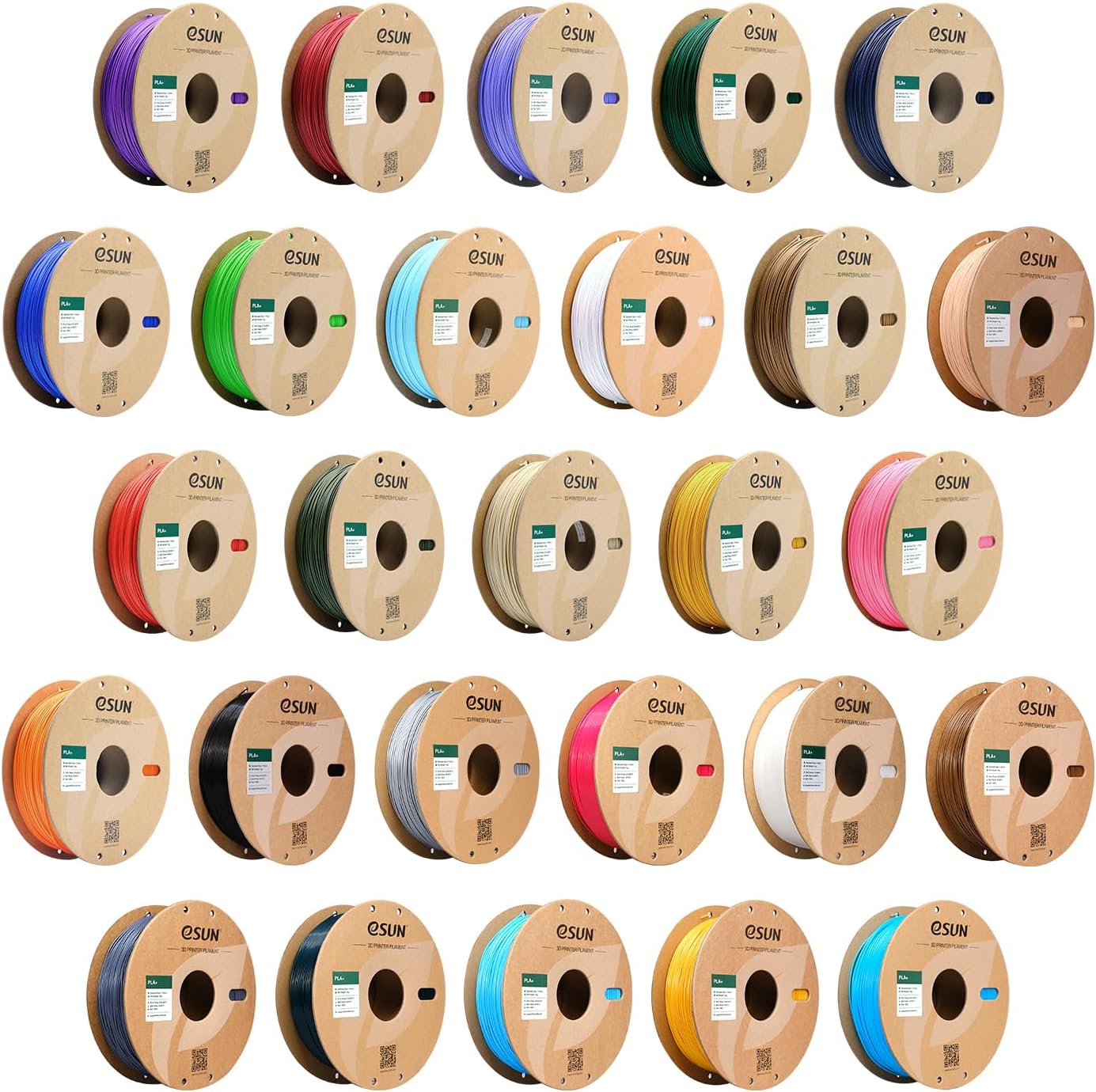
eSUN PLA+ Filament 1.75mm: Enhanced Toughness PLA+ in Yellow, 1kg Spool
Reviews
Price
Product description
What this is
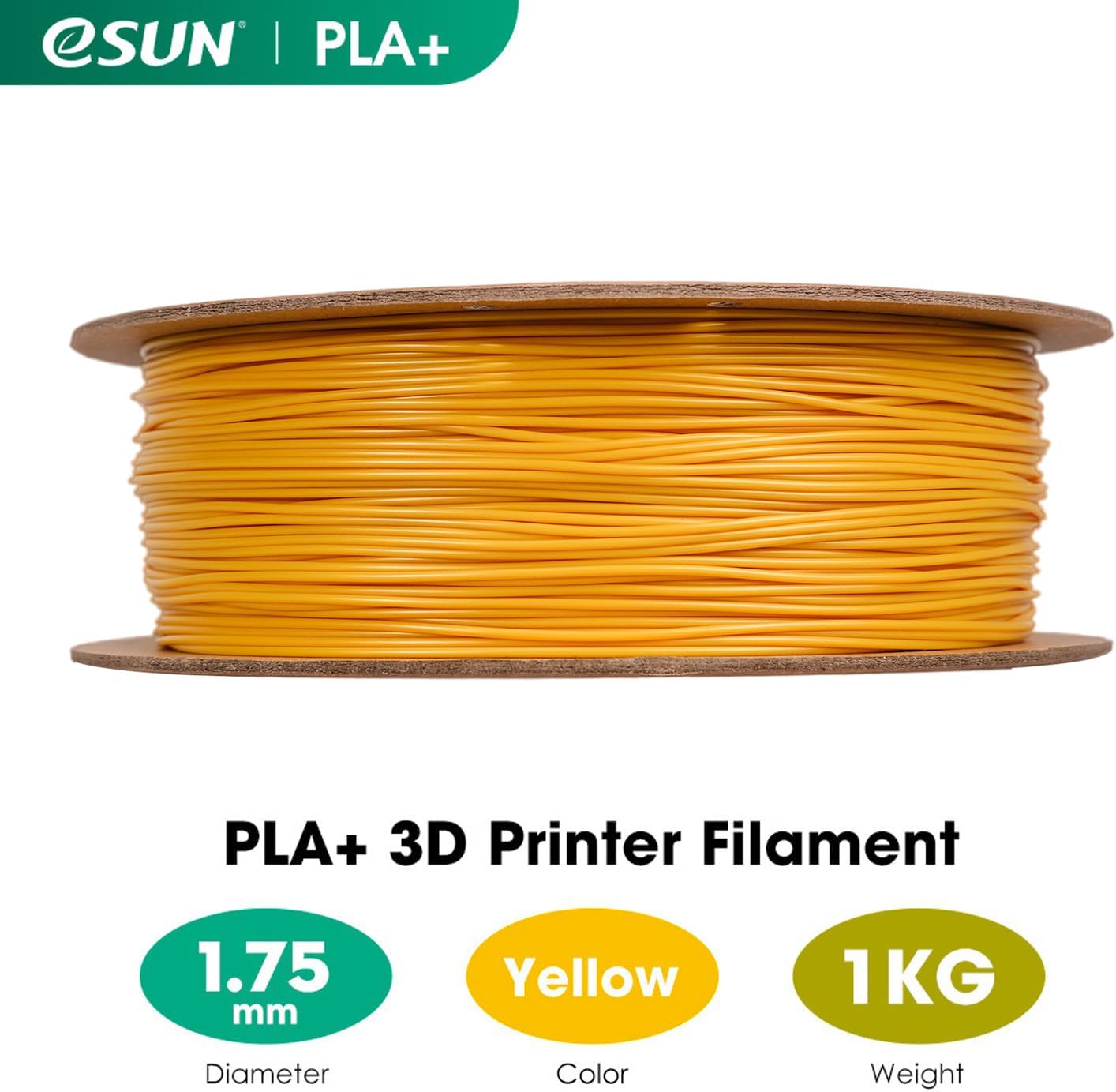
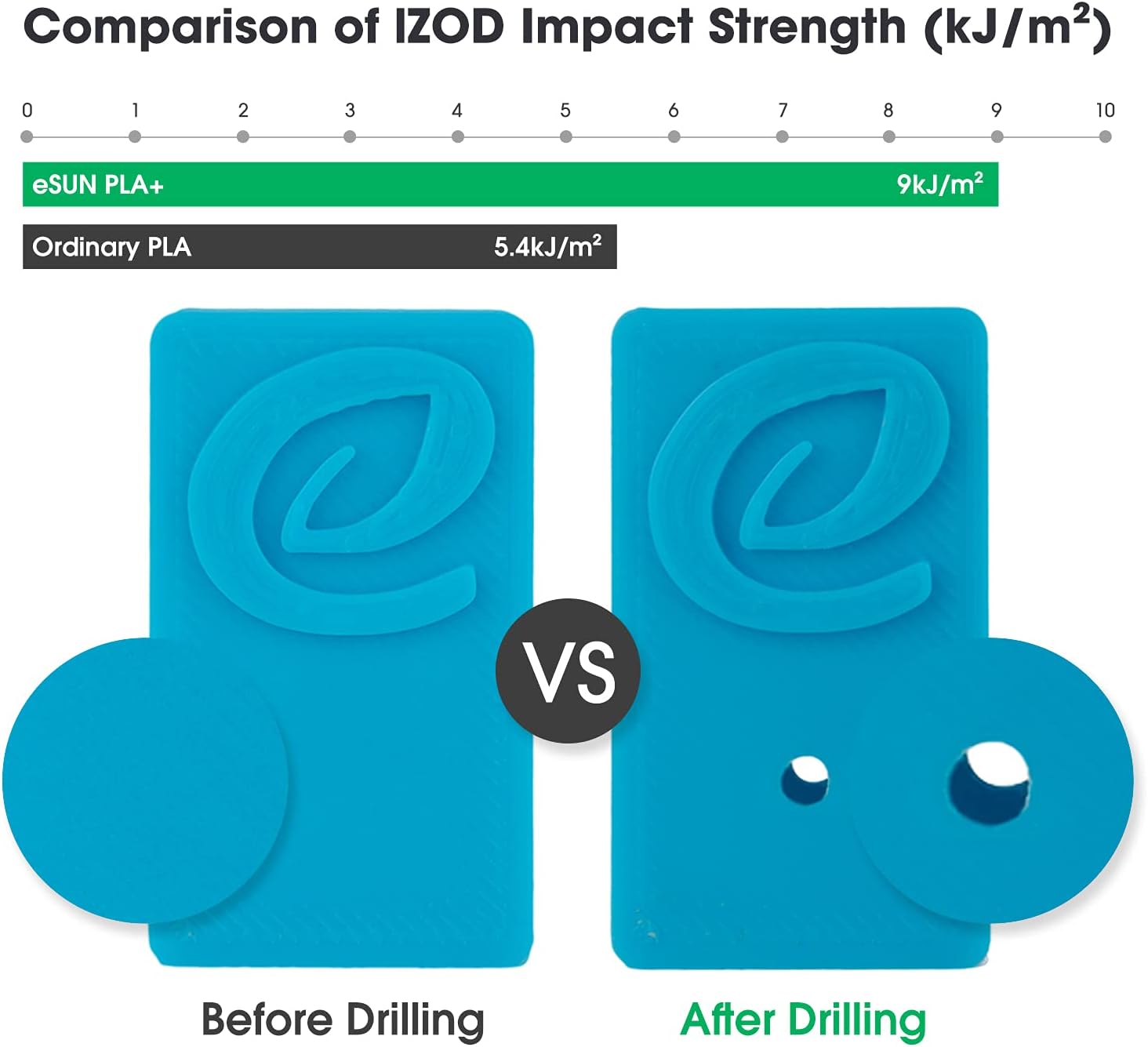
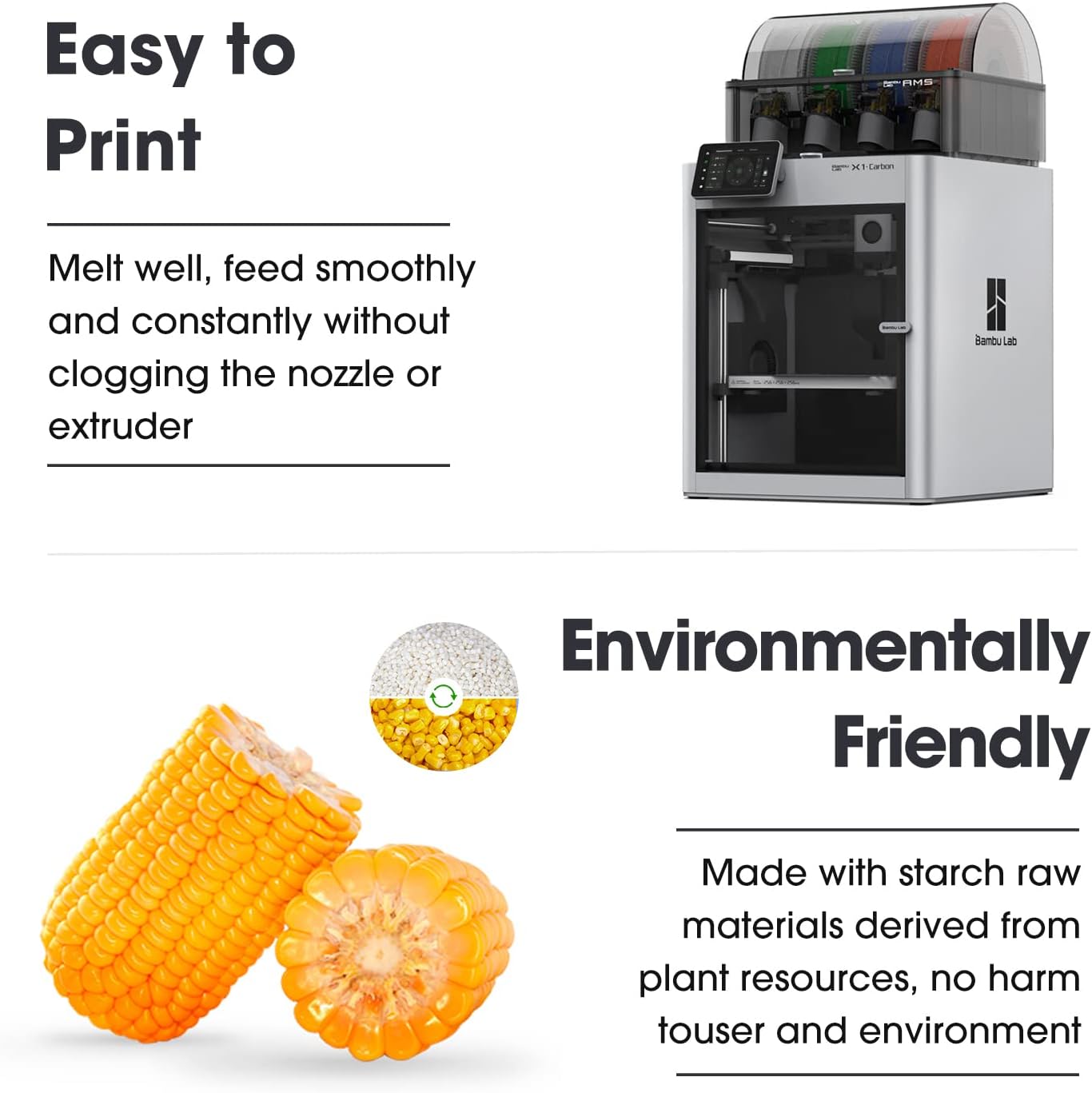
This is a 1kg spool of eSUN PLA+ filament, 1.75mm in diameter, finished in a bright yellow. PLA+ is a tougher variant of standard PLA, designed to offer higher strength and improved print resilience while retaining the ease-of-use that makes PLA popular with hobbyists and makers alike. The material is described as being derived from renewable plant resources and presented as eco-friendly and non-toxic.
Why it matters
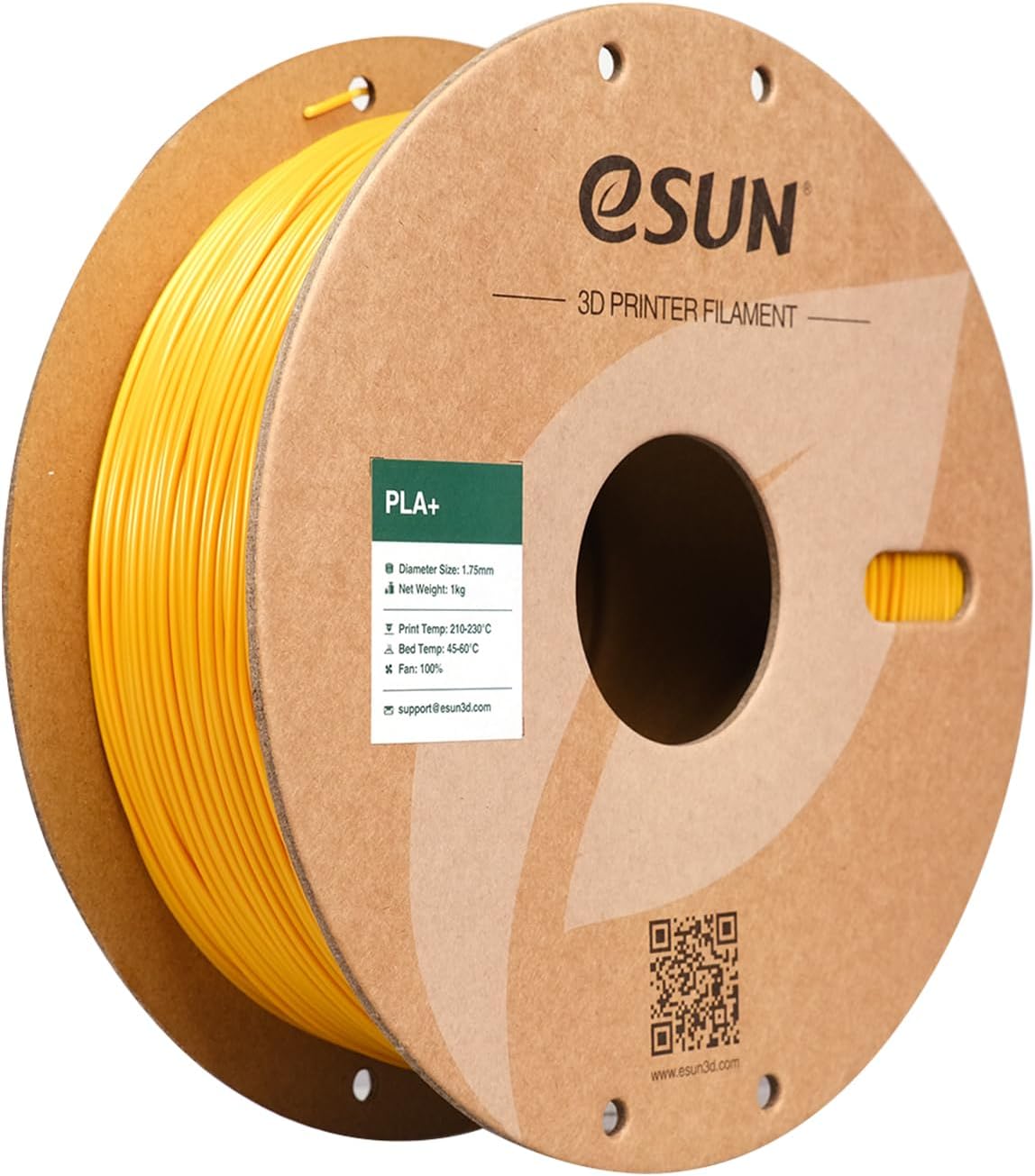
If you’re printing functional parts, jigs or cosmetic components that need a touch more durability without the complexity of ABS or PETG, PLA+ can be a sensible middle ground. On the paper specs, this filament emphasises high printing speed, low shrinkage and good layer bonding, which can translate to reliable prints at modest to mid-range speeds on common FDM printers. The tolerance is claimed to be +/- 0.03mm, which suggests tighter diameter control aimed at reducing feeding issues and improving consistency across prints.
What stands out
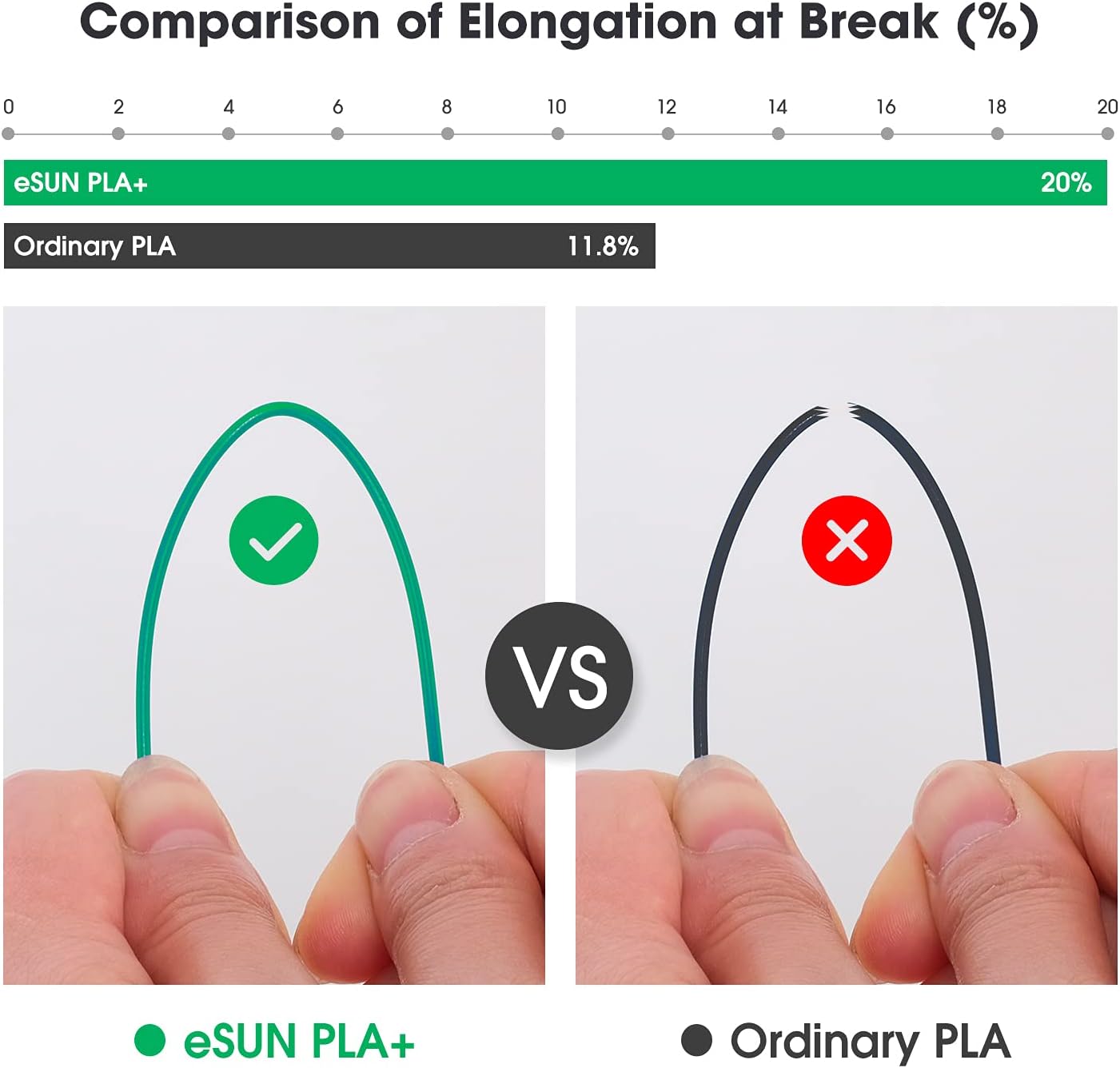
Among its stated strengths, the product highlights higher toughness for printed parts, and a focus on smooth melt and feed with minimal clogging. The reel is described as tangle-free with tight diameter tolerance, designed to prevent overlap and maintain stable feeding – factors that contribute to a smoother printing experience and fewer failed prints due to cosmetic or mechanical fouling.
Where it may be most useful
This filament is positioned as a practical choice for users who need functional parts, assemblies or small machines that benefit from better impact resistance without stepping up to industrial materials. It can be particularly appealing for hobbyists, educators and makers who want straightforward prints with decent mechanical properties and reliable performance at typical home or workshop temperatures.
For whom it fits best
If you prioritise ease of use and a straightforward upgrade from standard PLA, PLA+ at 1.75mm on a 1kg spool should suit general FDM printers that handle standard PLA well. It’s likely to appeal to those making enclosures, fixtures, model components, and COSPLAY props where some extra toughness helps without requiring a specialised material workflow.
When it may not be the best fit
If you’re chasing the highest possible heat resistance, chemical resilience or the absolute best layer adhesion under extreme conditions, PLA+ will not replace ABS, PETG or polycarbonate variants. Users working with high-speed high-temperature environments or heavy loading might prefer more advanced materials. Also, the exact performance can vary by printer and nozzle choice, so it’s wise to validate with a few test prints before committing larger projects.
What to check before buying
- Confirm your printer is compatible with 1.75mm filaments and can handle PLA+ materials without excessive stringing.
- Inspect your extruder and nozzle for smooth feeding, the product claims low clog risk, but real-world experience can differ between setups.
- Consider print settings: if you usually print fast PLA, PLA+ can keep pace, but you may need to tune nozzle temperature and cooling for optimal layer bonding.
- Colour considerations: yellow finishes can reveal surface imperfections more than darker tones, so plan post-processing accordingly.
Practical usage snapshot
A typical project might involve printing a functional bracket or a lightweight enclosure where a bit more toughness helps resist cracking if dropped or stressed. The filament’s claimed tight tolerance aids consistent extrusion, which translates to fewer failed layers when printing intricate features like snap-fit joints or small gears.
Quick comparison in context
Compared with plain PLA, PLA+ aims for a middle ground between easy prints and modest mechanical performance gains. If you’re deciding between budget PLA and a tougher variant, PLA+ offers a smoother transition with a higher likelihood of successful prints at reasonable speeds. If your priority is absolute minimal warping and highest precision across long prints, you may want to test a sample before committing to larger spools.
Pros and cons at a glance
- Pros: Enhanced toughness over standard PLA, good layer bonding, reduced warping, tight diameter tolerance, tangles minimised, designed for smooth feeding.
- Cons: Real-world performance depends on printer and settings, not the best option if you need extreme heat resistance or chemical durability.
Getting the most from it
Set a conservative starting temperature and let the printer calibrate cooling for clean layer transitions. If you notice minor stringing, adjust retraction distance and speed modestly. For larger parts, print at moderate speeds to preserve strength without risking layer delamination.
FAQ
- Is PLA+ harder to print than PLA? It’s framed as having better toughness while keeping easy print characteristics, you may just need minor tuning.
- Will this work on my printer? It’s described as compatible with a wide range of FDM printers, but always verify your extruder’s tolerance and drive system.
- Does the yellow colour affect visibility of layer lines? Livelier colours can highlight surface texture, plan your post-processing accordingly.
Final decision – Should you buy it?
Is it worth it? If you want a straightforward step up in toughness over standard PLA without changing your printing workflow, this PLA+ 1.75mm filament could be a sensible choice for everyday functional parts. It may not be the best option if you require maximum heat resistance or chemical durability, or if your printer struggles with PLA+'s particular print characteristics. Consider your typical use cases, the precision you need and how much you value reduced tangling and smoother feeding when deciding.