

ANYCUBIC PLA+ 1.75mm Filament, High Toughness – Bright Red, 1kg Reusable Spool
Reviews
Price
Product description
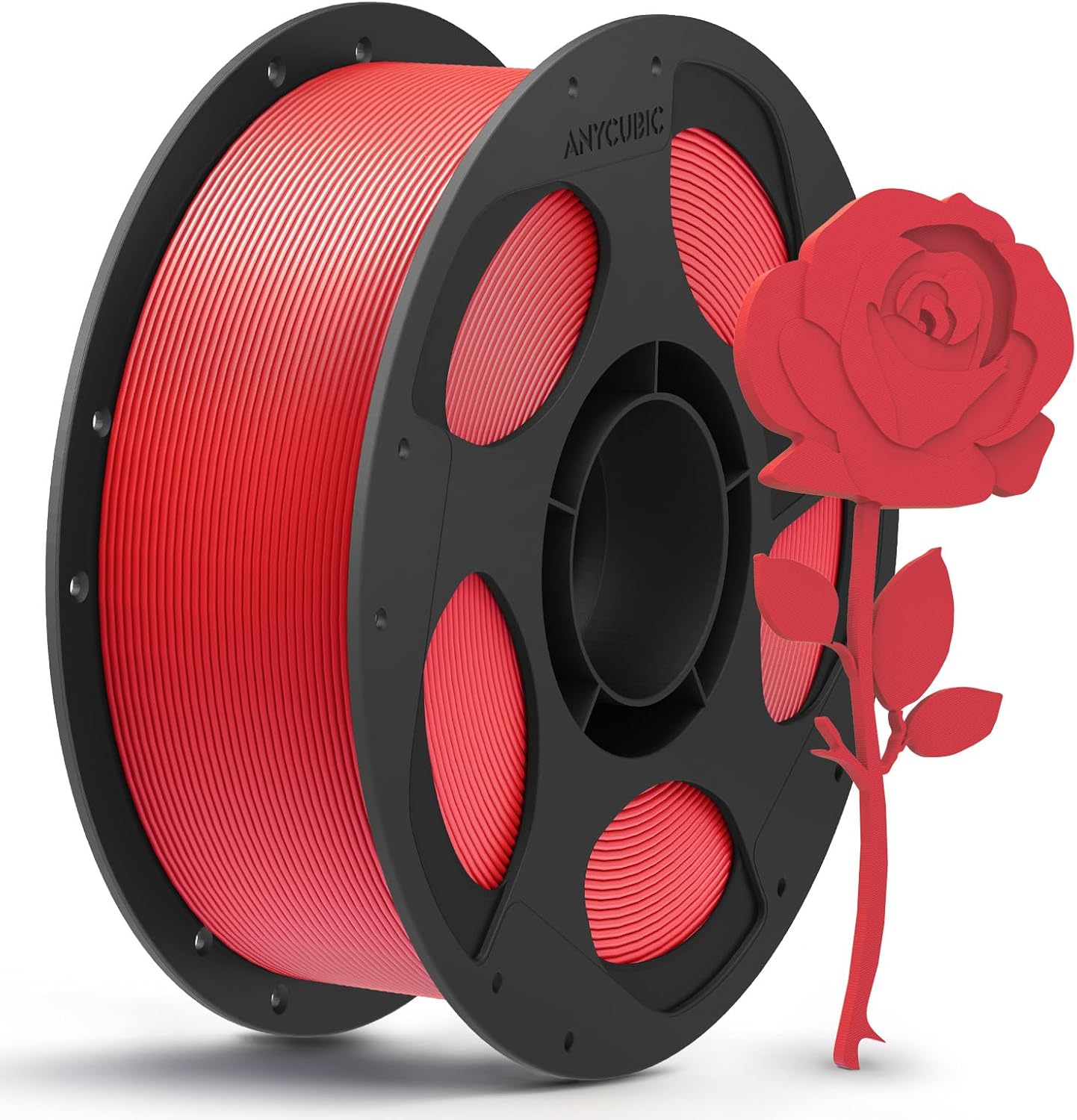
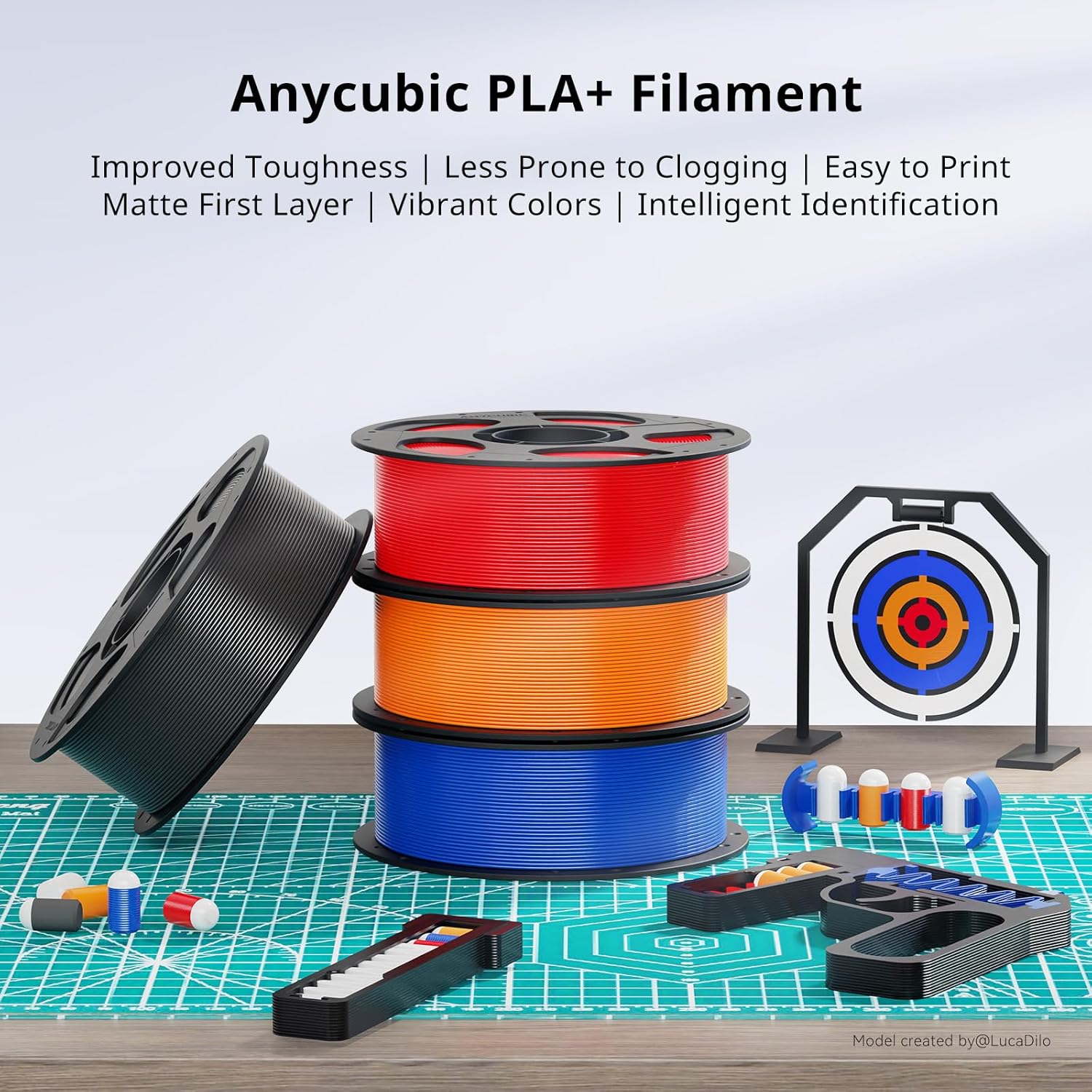
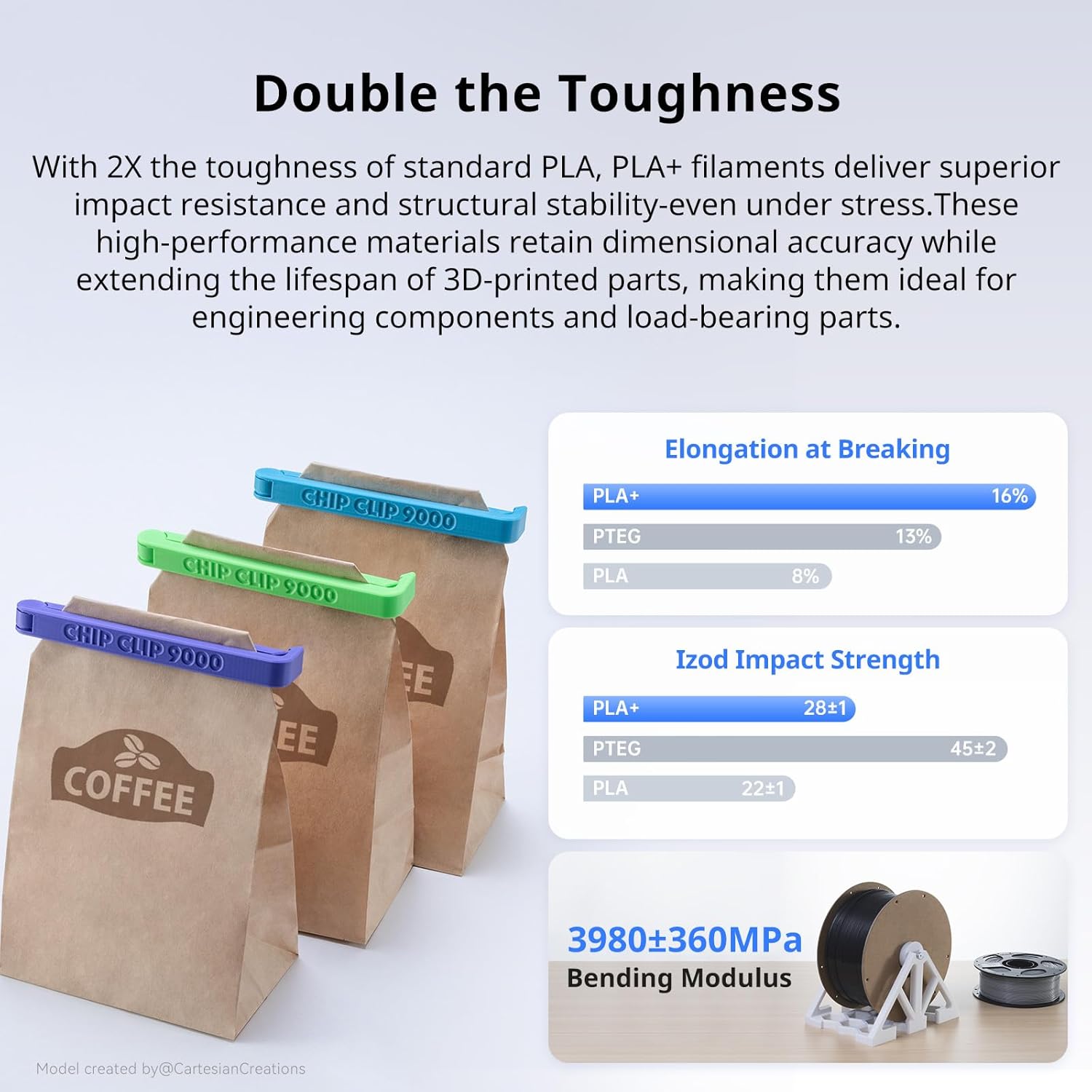
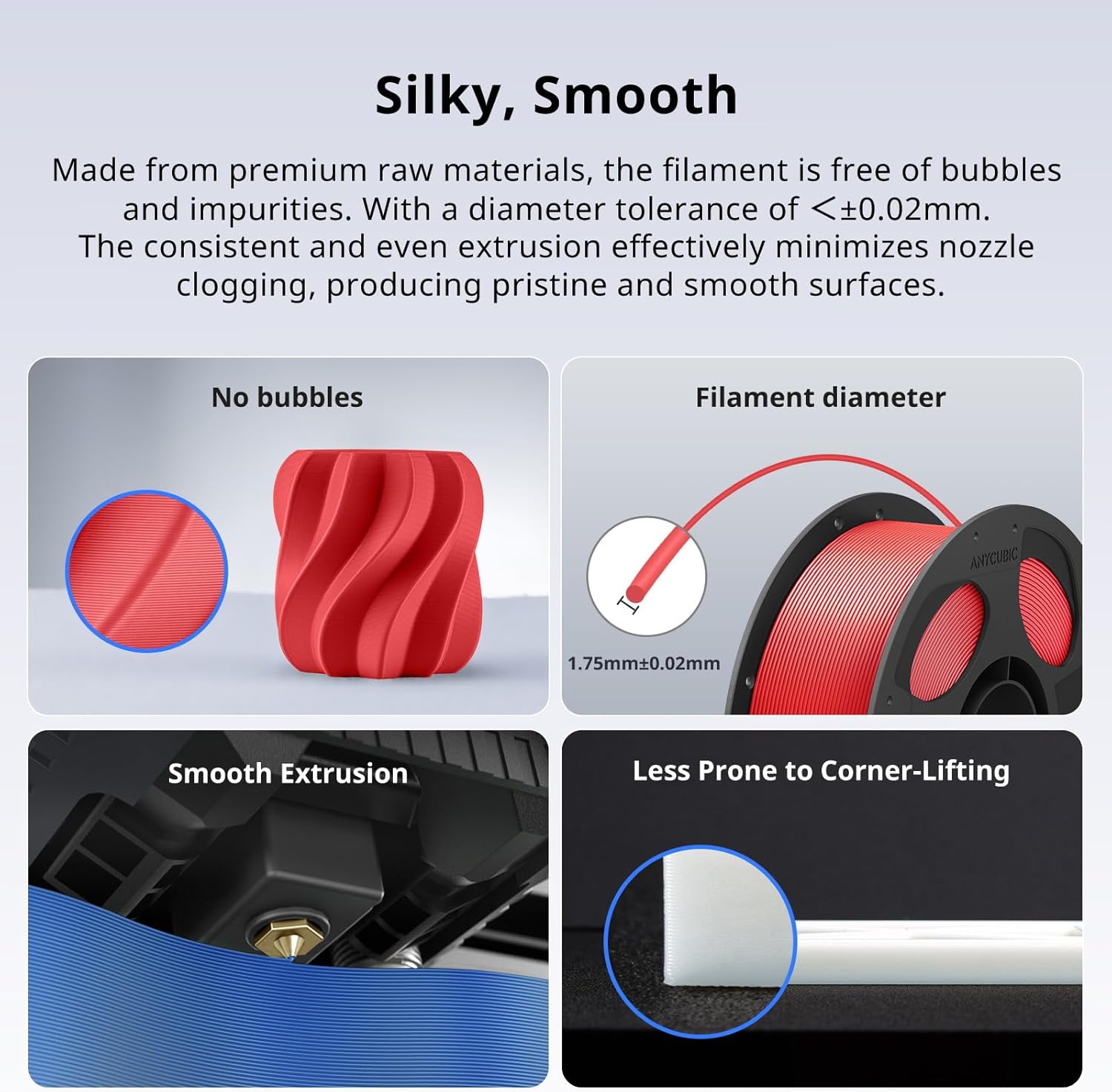
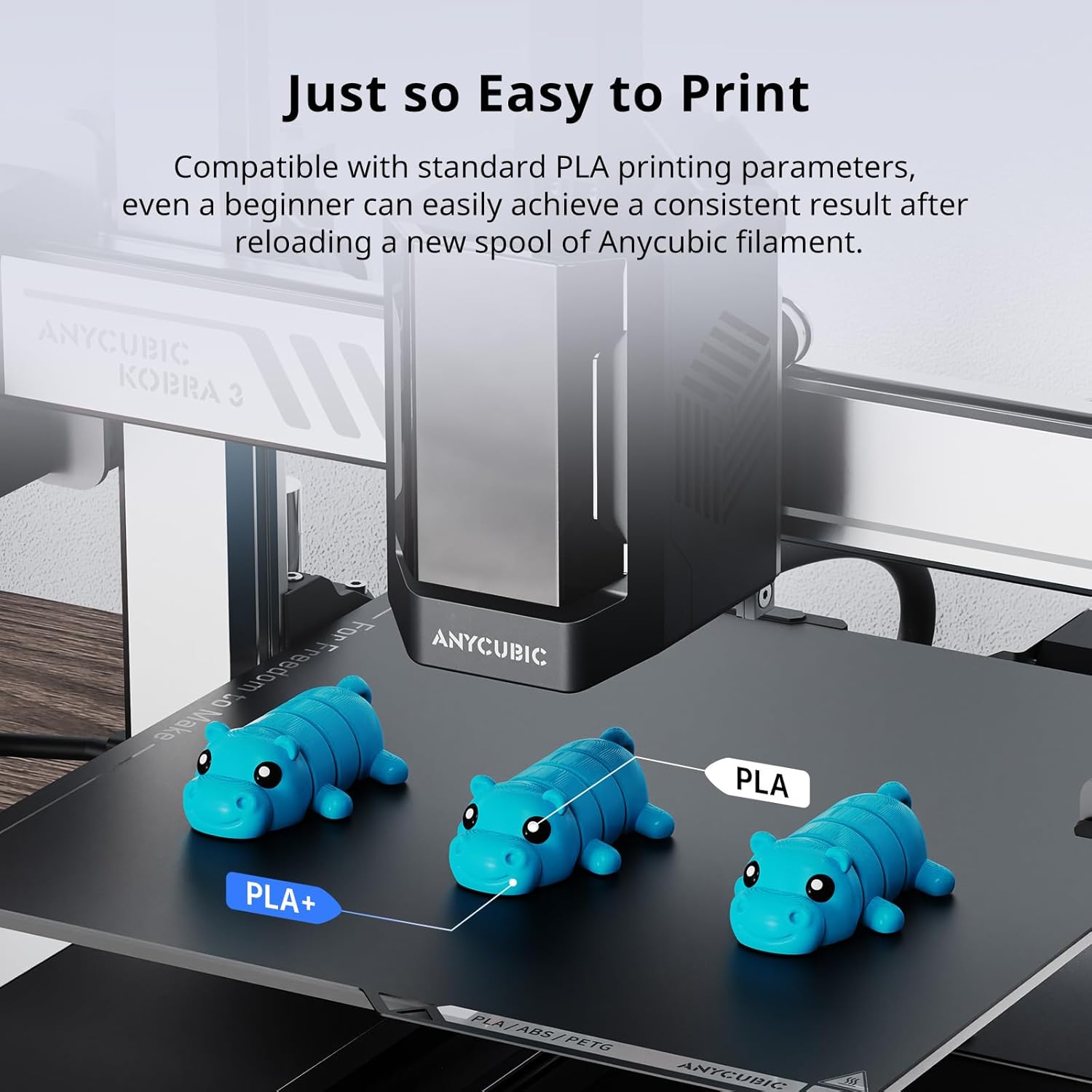
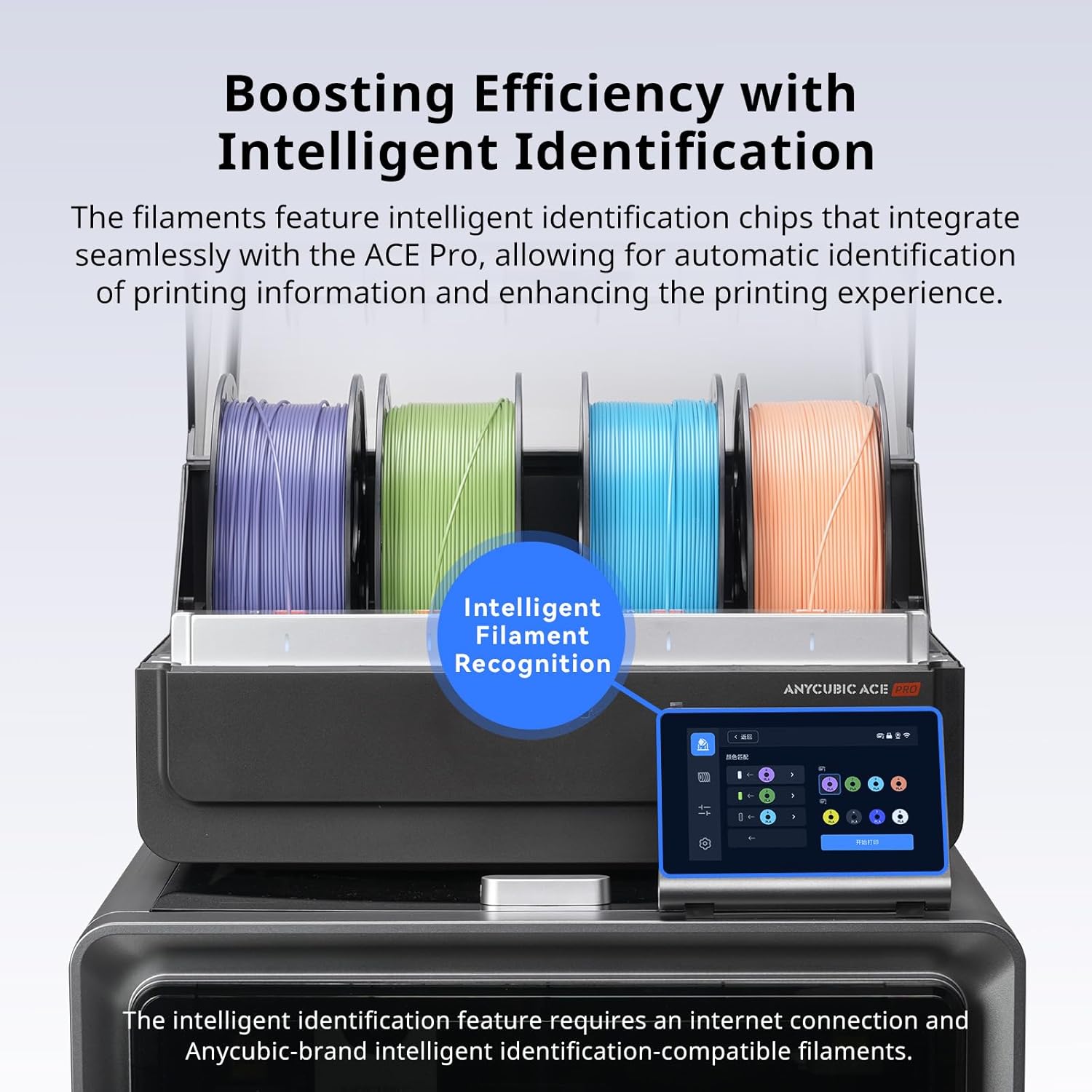
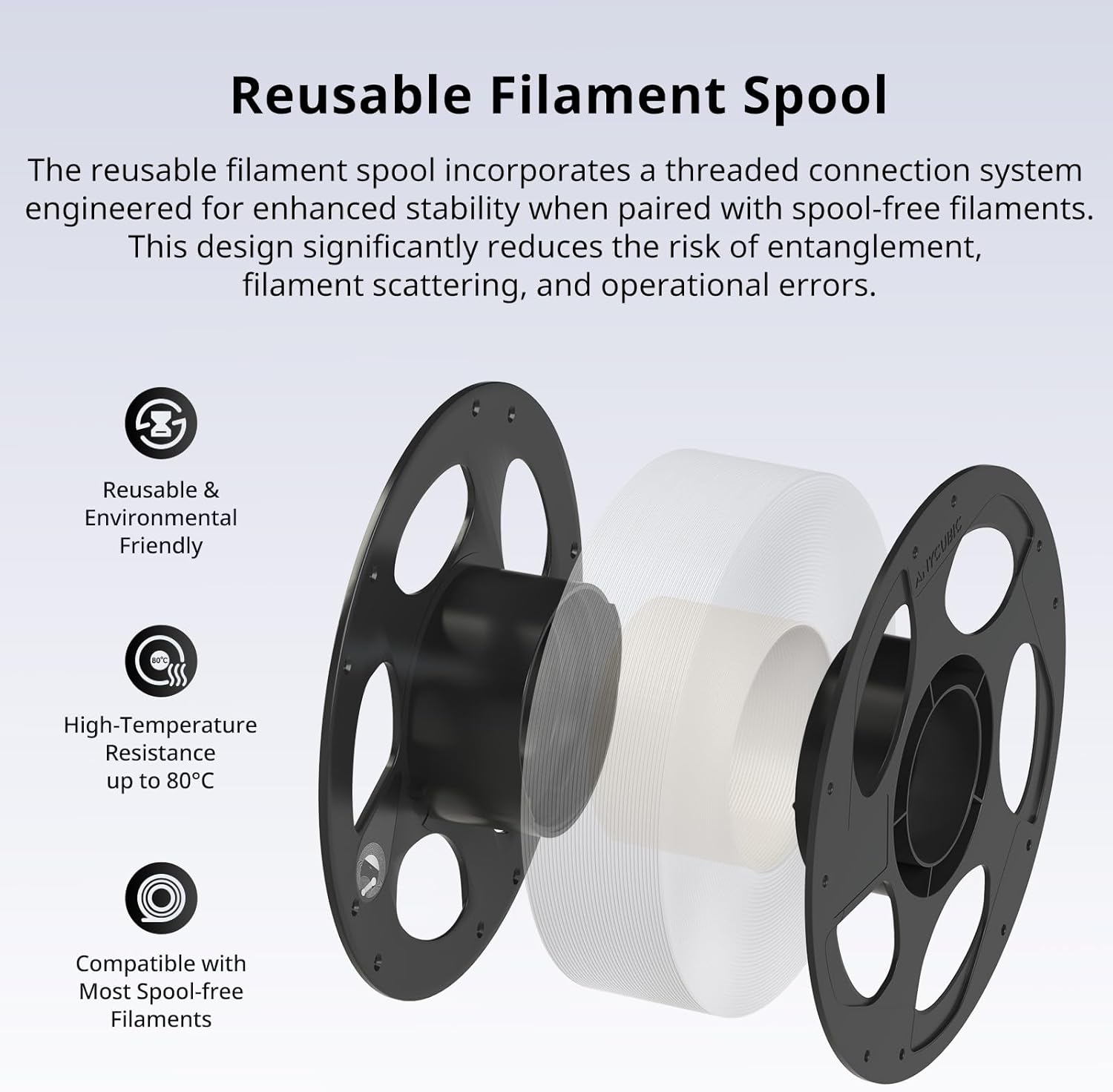
What it is and what it solves\nANYCUBIC PLA+ 1.75mm filament is a high-toughness, rigid PLA+ material designed for a wide range of FDM 3D printers. It aims to deliver smooth prints with a delicate surface finish and reduced risk of cracking, making it suitable for arts, crafts and light engineering parts. If your projects require both rigidity and some impact resistance, this filament is positioned as a practical choice that can help you achieve reliable dimensional stability.\n\n## How it performs on the print bed\nOn the paper, PLA+ offers a balance between strength and printability. The filament advertises high precision with a diameter tolerance of +/- 0.02mm, which helps keep layer heights consistent and helps minimise print issues such as warping or layer misalignment. Users typically value the combination of good surface finish and workable print speeds, which can translate to smoother models with fewer post-processing steps.\n\n## What stands out about the material\nThe filament is designed for high hardness and ductility, promising good resistance to deformation under typical use. It’s described as not easy to break when exposed to external forces, which can be advantageous for small mechanical parts or craft pieces intended to endure handling. The material also emphasises sustainable production, aligning with those who prioritise eco-conscious choices. A notable feature is the detachable, reusable spool with a threaded connection that helps reduce tangling and spillage—handy for hobbyists who print in batches.\n\n## Practical use and ideal scenarios\nIf you’re creating artefacts, decorative pieces or small functional components that benefit from a sturdy finish, this PLA+ can be a sensible option. It’s compatible with most FDM printers, which makes it convenient for multi-printer setups or shared workspaces. Advice from users often suggests tuning speed and cooling to balance surface quality with dimensional accuracy.\n\n## Limitations and caveats\nWhile PLA+ generally offers easier printing than some engineering plastics, it’s not a one-size-fits-all solution. The claimed dimensional tolerance of +/-0.02mm is a guideline, real-world results depend on printer calibration and environmental factors. The RFID feature is mentioned in association with certain Anycubic systems, which means some printers may benefit from automatic configuration, but this is not guaranteed across all models. As with any filament, cleanliness of the spool and proper drying (if stored poorly) can influence results.\n\n## What to check before buying\n- Ensure your printer is compatible with 1.75mm filament and supports PLA+ type materials.\n- Confirm you have appropriate cooling and extrusion settings to maximise surface finish and dimensional accuracy.\n- Consider whether you need a reusable spool and how you’ll manage storage to maintain material quality.\n- If your setup relies on automatic filament detection, verify compatibility with RFID-enabled features for your printer model.\n\n## Practical comparison and buying rationale\nCompared with standard PLA, PLA+ typically offers higher toughness and rigidity, which can reduce micro-cracking in delicate prints and improve durability for small parts. If your projects demand more resilience without venturing into tougher polymers, this PLA+ can be a balanced choice. If you prioritise absolute ease of printing or are working with very high-temperature environments, you might look at alternative materials, however, for everyday functional prints and craft pieces, PLA+ often hits a sweet spot.\n\n## Buying decision\n### Is it worth it?
It makes sense if you need a reliable, easy-to-print filament that blends stiffness with some impact resistance, and you value a tidy, reusable spool design to minimise waste and tangling. It’s a solid pick for hobbyists and makers who print a mix of artful pieces and light engineering parts. You may want to skip it if your projects require ultra-high strength or heat resistance beyond PLA+ capabilities, or if you rely on a printer that cannot leverage any RFID automation.\n\n## Mini FAQ\n- What printers is this compatible with?\n It’s advertised as suitable for most FDM 3D printers using 1.75mm filament.\n- Does it really resist cracking?\n The description highlights high toughness and rigidity, though real-world results depend on calibration and part design.\n- What about the spool?\n The spool is detachable and reusable, designed to reduce tangling and waste.\n