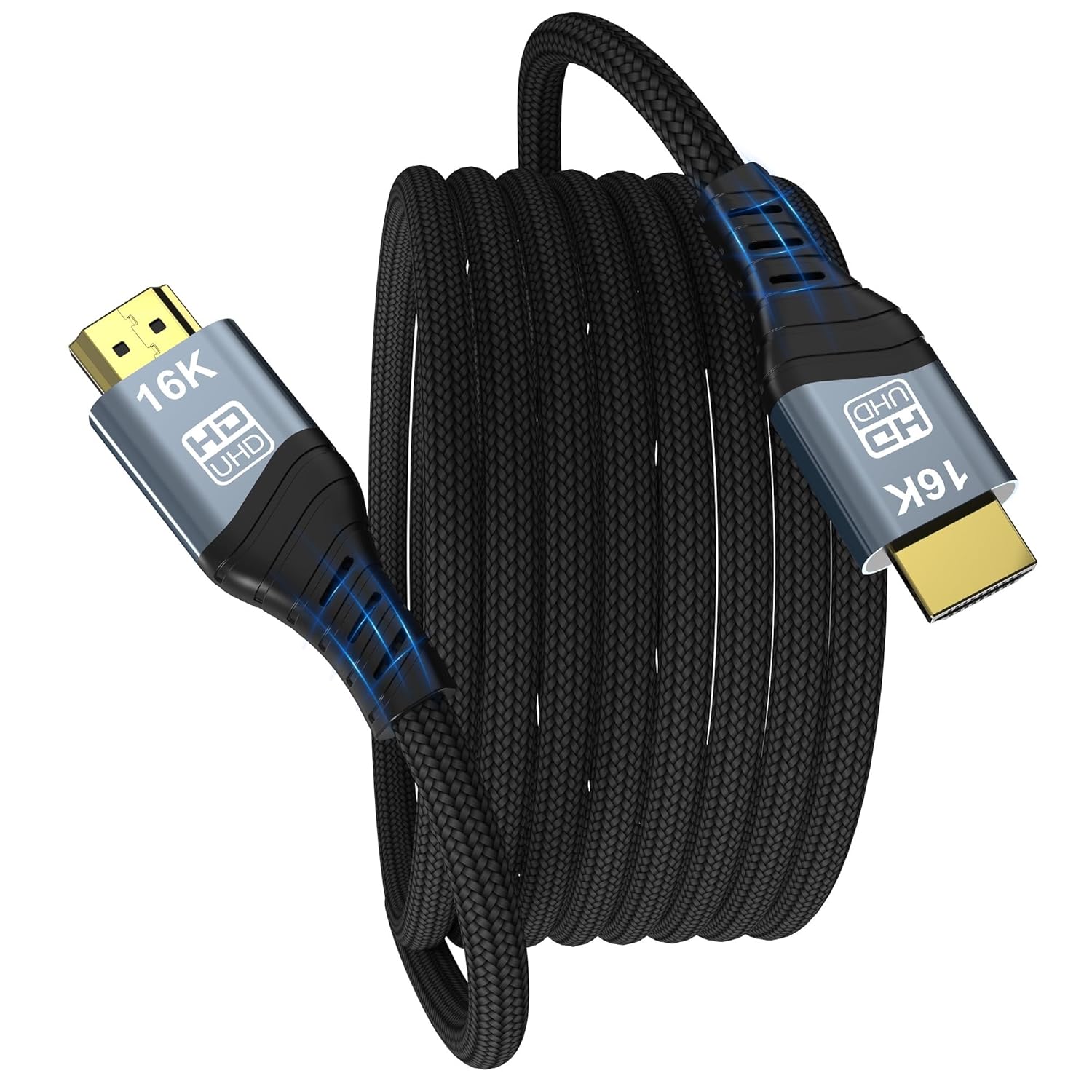
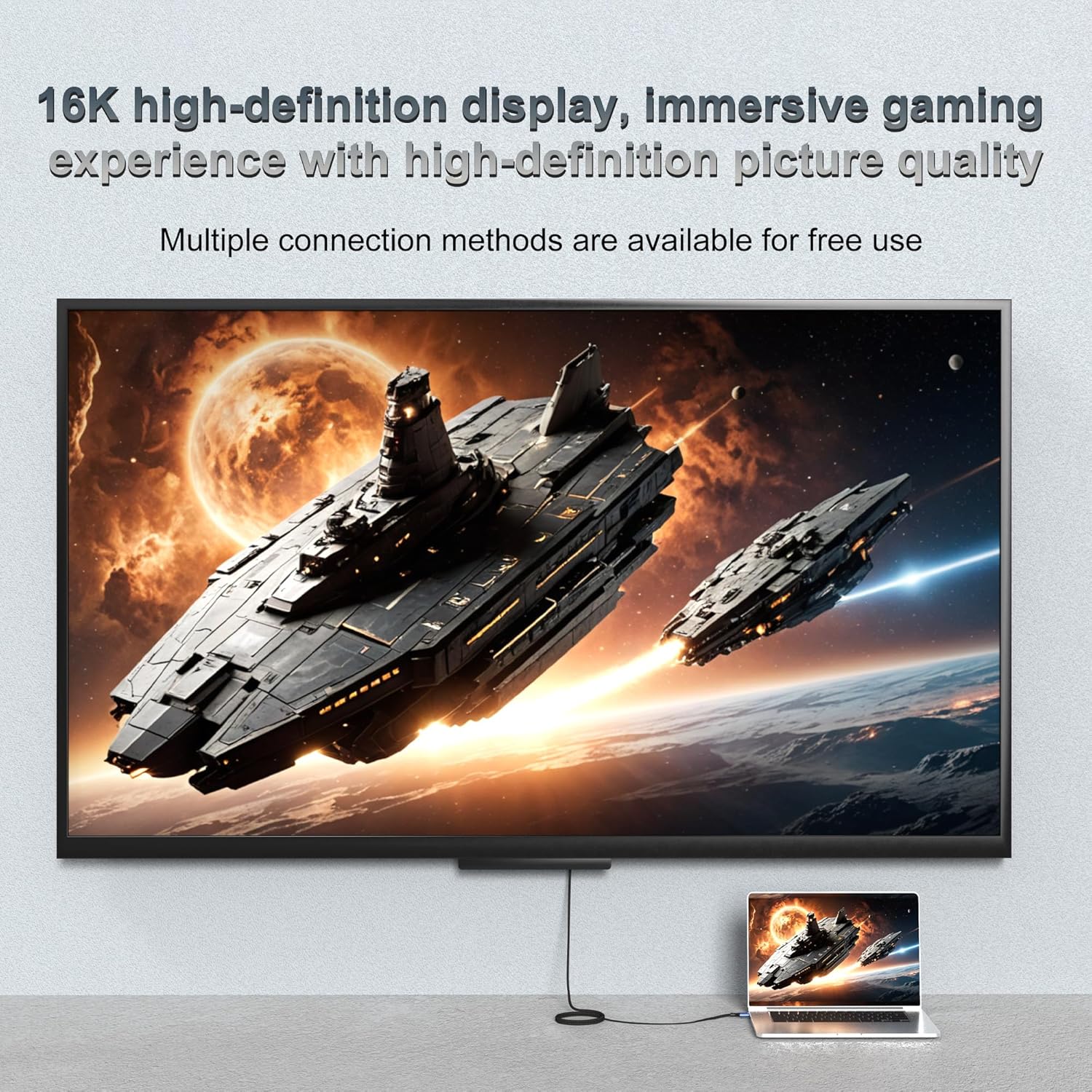
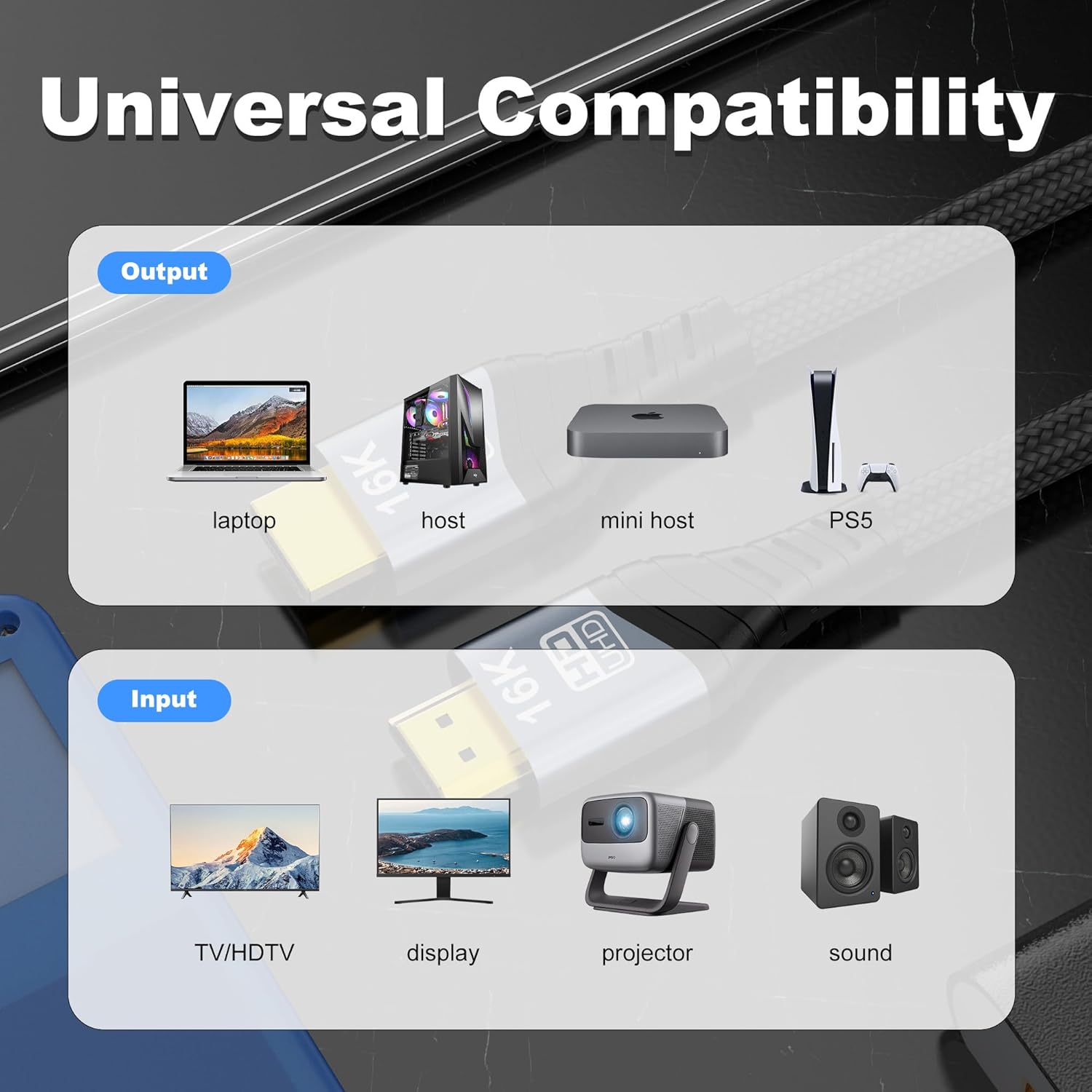
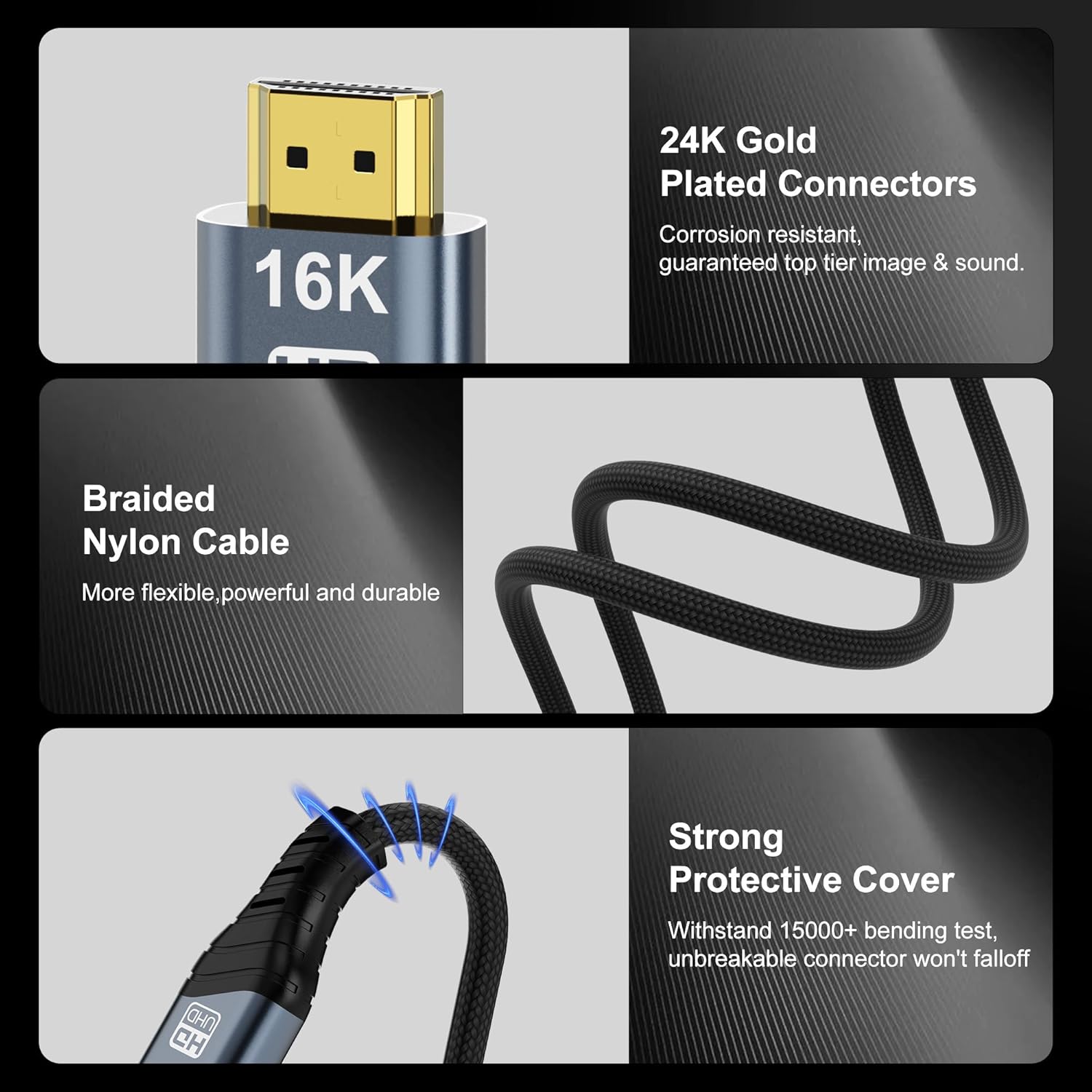
What it is and what it aims to solve\nThe CHENLENIC 16K HDMI Cable is an Ultra High Speed HDMI 2.2 lead designed to carry very high bandwidth signals for modern displays and gaming setups. It promises compatibility across multiple high resolutions and refresh rates, including 16K at various modes, 8K and 4K variants, with support for HDR formats and enhanced audio. If you’re upgrading a home theatre or gaming rig, this cable is positioned to minimise signal drop and keep frame delivery smooth, particularly when pushing demanding content.\n\n## How it performs on paper\nOn paper, the cable supports up to 96Gbps bandwidth and claims broad backward compatibility with HDMI 2.2, 2.1, 2.0 and earlier versions. The stated advantage is reduced risk of dropped frames and stutter when watching high‑resolution video or playing fast‑paced titles, alongside features like HDR10, HDR10+ and Dolby Vision. It also mentions a game mode with variable refresh rate to align with graphics cards and CPUs for smoother visuals. As with any such claim, the real world result depends on the entire system, not just the cable.\n\n## The best bits for most buyers\nIf you’re plugging into a modern console, PC or TV and you care about future‑proofing for high‑resolution content, this cable’s main draw is the high bandwidth and the supposed durability features. The exterior uses a rugged build with reinforced strain relief and a nylon exterior, which suggests it should withstand daily use and rearrangements without immediate wear.\n\n## Potential limitations to consider\nNothing in the description guarantees universal compatibility or unnoticeable improvements for every setup. Some users may not see a practical difference unless they’re pushing 16K or 8K content, or enabling high frame rates on compatible hardware. Furthermore, the marketing language emphasises lab testing and “every part through performance tests”, real‑world reliability can vary by production batch and user environment.\n\n## Who this is for\n– Gamers with cutting‑edge consoles and high‑end PCs who want to support very high resolutions and high refresh rates.\n– Home cinema enthusiasts aiming to future‑proof their setup for HDR and immersive audio‑visual formats.\n– Tech lovers who value a sturdy build and the promise of reduced signal drop.\n\n## Who it might not be ideal for\n– If your display or source device doesn’t support 16K/8K/4K at high refresh rates, the incremental benefit could be marginal.\n– If you’re replacing a functional HDMI setup with a well‑spec’d but simpler cable, the extra cost may not be worth it.\n\n## What to check before buying\n– Confirm your source device and display actually support the higher end modes (16K/8K/4K120+).\n– Measure the required length and consider routing to avoid excessive bending, as the description highlights durability features but real life routing matters.\n– Ensure you’re buying from a reputable source and that warranty terms (18 months plus lifetime support) are honoured.\n\n## Practical use case in real life\nImagine a gaming PC connected to a 4K/120Hz capable monitor, enabling a “game mode” and HDR can deliver smoother frames and richer colours, provided the GPU, CPU and display all align with the target mode. In a home theatre, pairing with a capable receiver and TV could simplify setups where HDR signals and immersive audio are priorities.\n\n## FAQ (quick reference)\nQ: Does it guarantee 16K at 60Hz? A: The cable marketing lists 16K options, but actual output depends on the source and display capabilities.\nQ: Is it compatible with older HDMI devices? A: It’s described as backward compatible with several HDMI generations, but you may not benefit from the high bandwidth on older gear.\nQ: How long is the warranty? A: The product advertises 18 months warranty plus lifetime technical support.\n\n## Should you buy it?\nShould you prioritise cutting‑edge resolution and smoother frame delivery, and you’re confident your devices support the higher modes, this cable could be a sensible upgrade. It leans towards a durable, long‑lasting build rather than a budget compromise. It might not be the best choice if you only need a basic HDMI lead or if you’re not planning to use the higher bandwidth features in the near term.