

MOPOCHG HDMI 2.2 Cable, 2m — 16K/8K/4K Ultra High Speed with 96Gbps, eARC & Dolby Vision
Product description
What it is and what it aims to solve
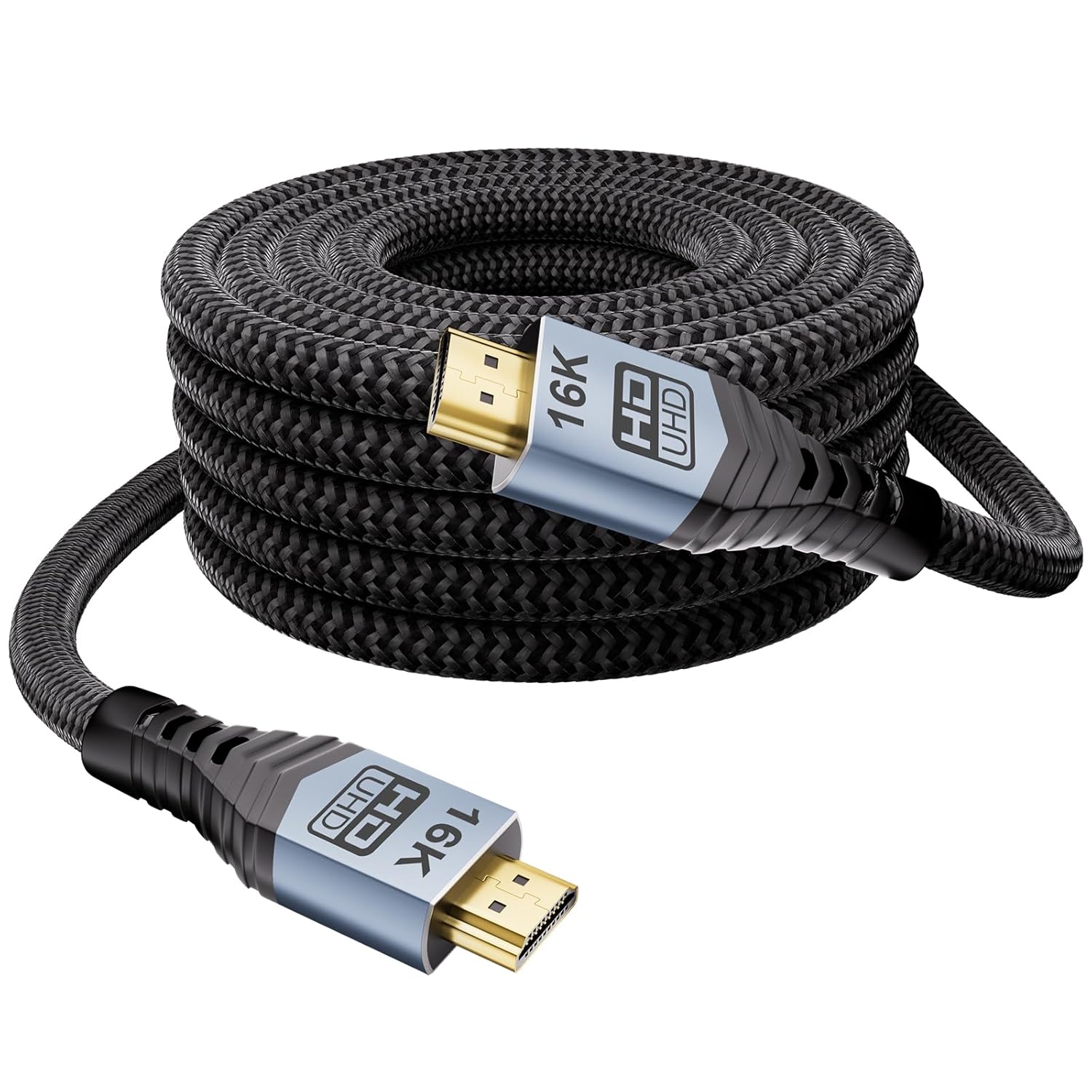
MOPOCHG’s HDMI 2.2 cable is a 2-metre, high‑speed HDMI lead designed to support very high resolutions and frame rates. On paper, it aims to future‑proof home entertainment and gaming setups by offering a substantial 96 Gbps bandwidth, enabling 16K at 60Hz and a spectrum of 8K and 4K configurations at high refresh rates. For households with next‑gen consoles, PCs and high‑end TVs, the cable purports to deliver ‘cinema quality’ through features like Dolby Vision and Dynamic HDR10+, while supporting lossless audio via eARC. It’s built to be compatible with HDMI 2.1/2.0/1.4 ecosystems and claims durable construction alongside EMI resistance. Overall, it’s pitched as a long‑term upgrade for those who prioritise high visual fidelity and synchronised audio in gaming and movie watching.
How this one stacks up on paper
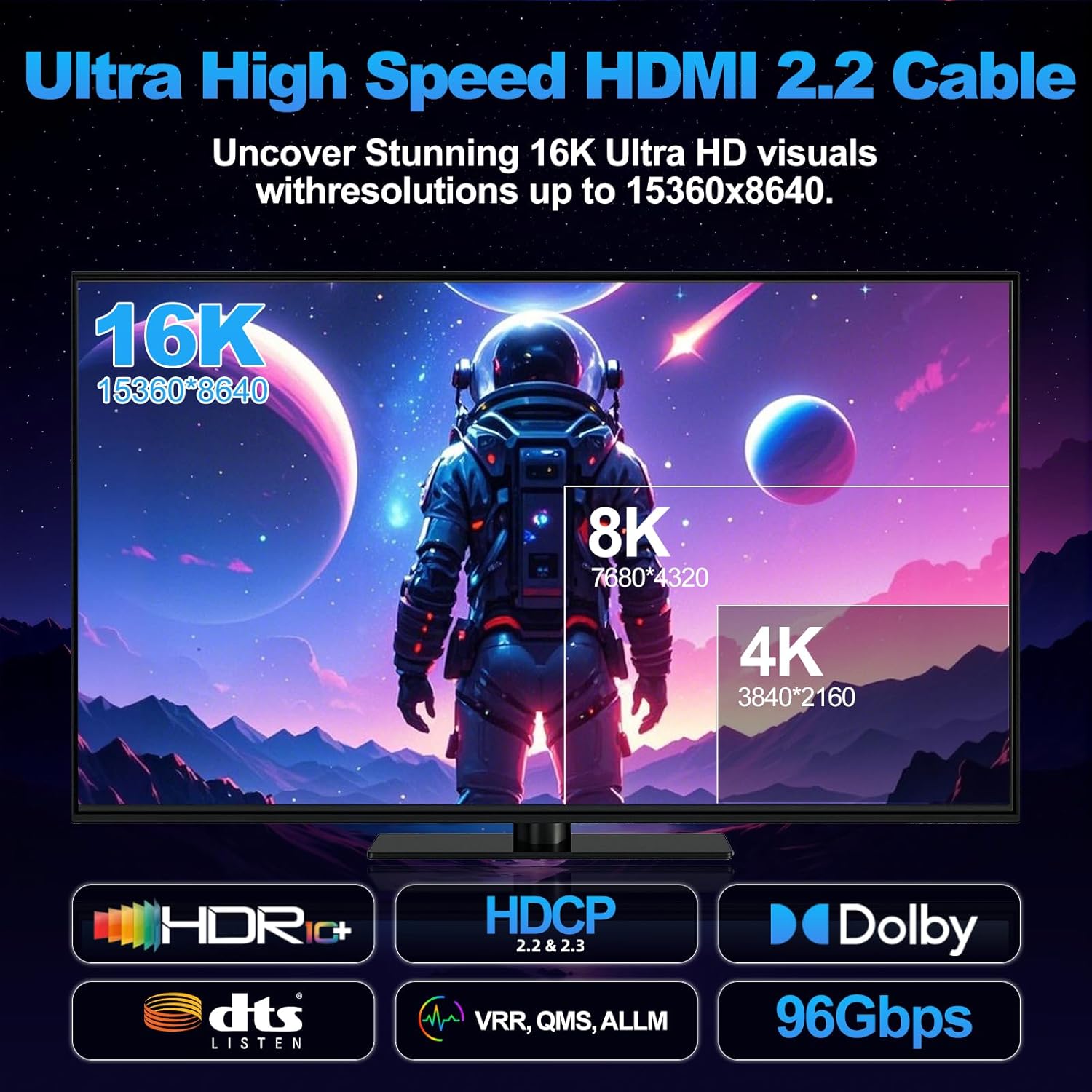
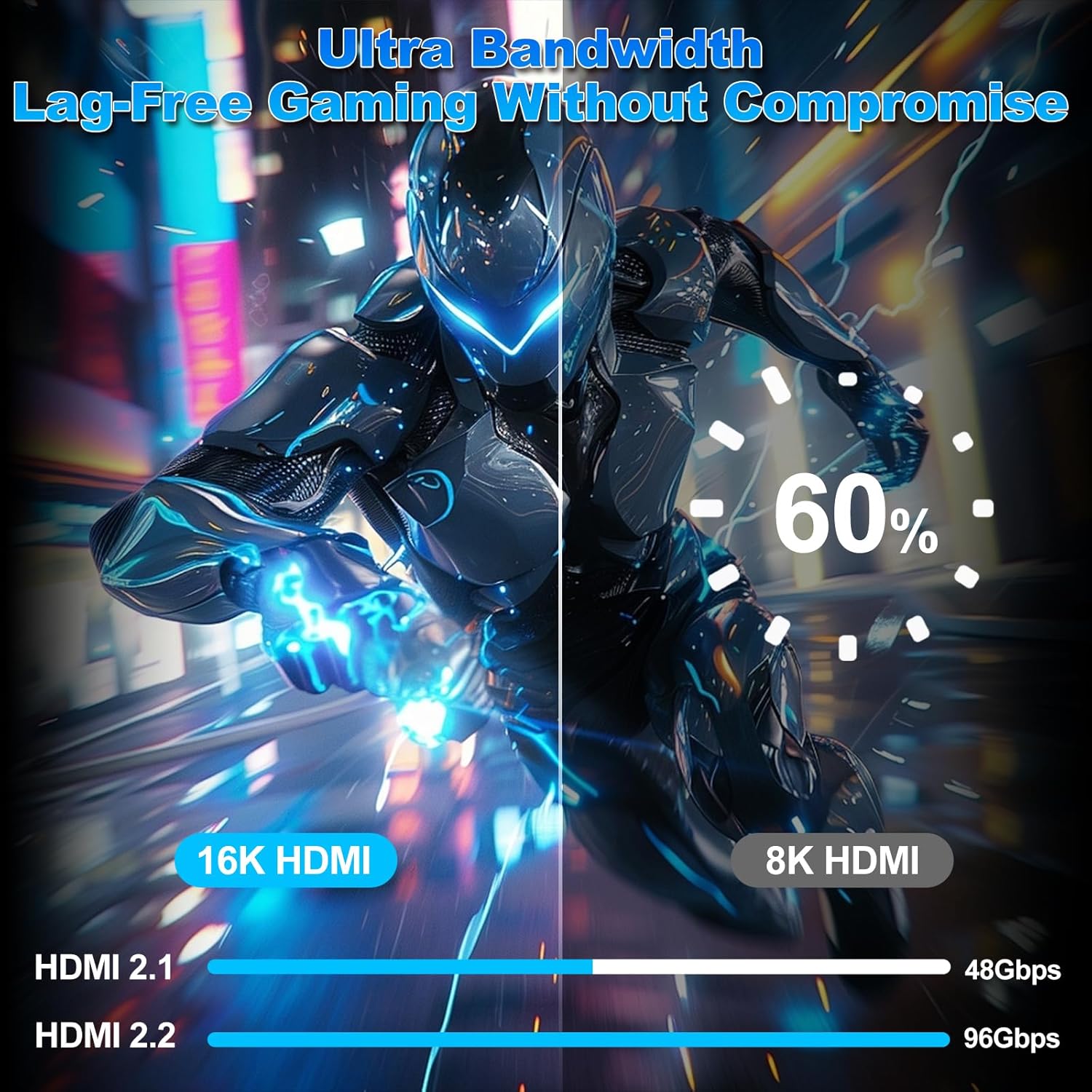
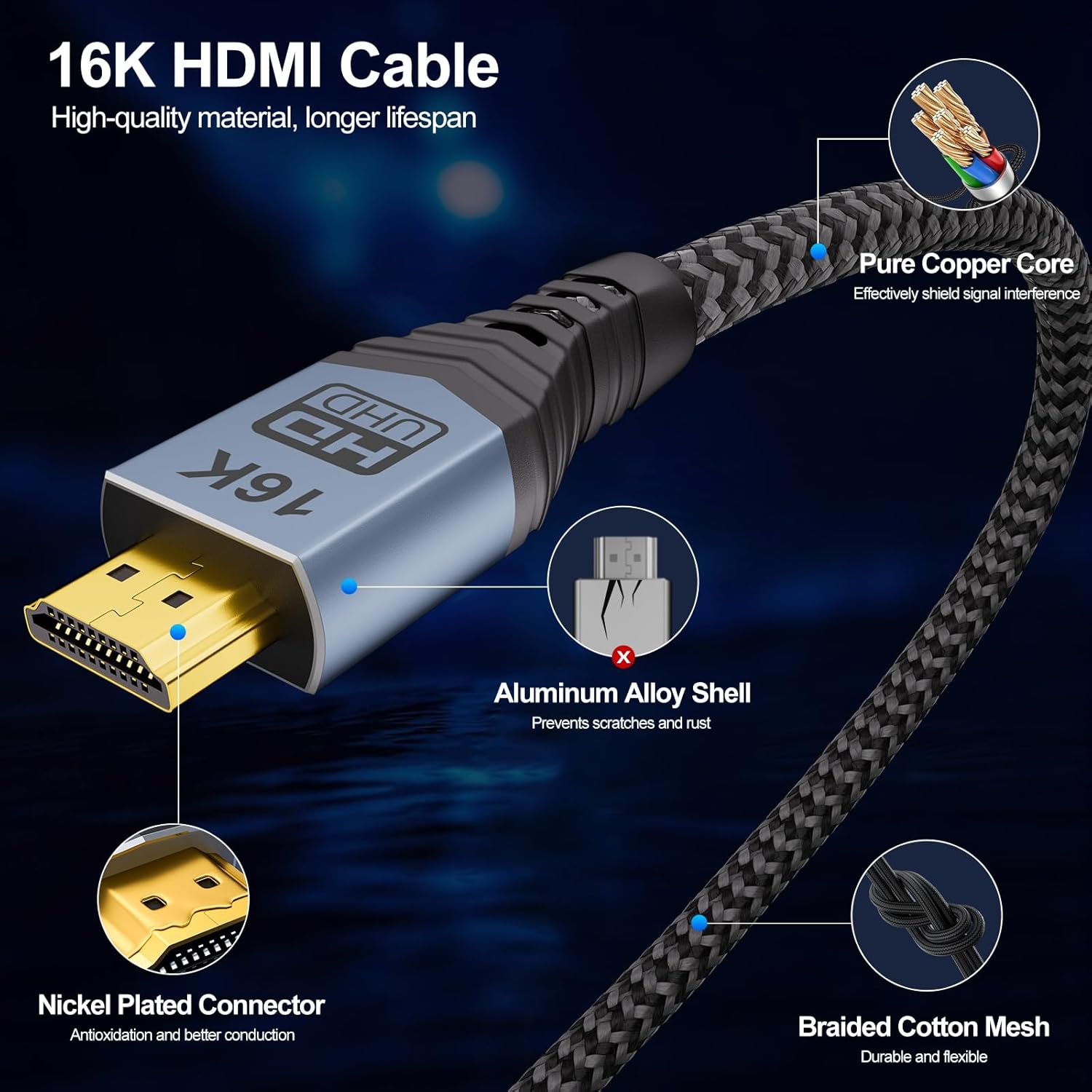
If you prioritise future‑proofing and high bandwidth, this MOPOCHG model advertises the capacity to carry complex video and audio signals: up to 16K at 60Hz, 12K/10K at 120Hz, and 8K at multiple high refresh rates, plus 4K up to 480Hz. It also emphasises immersive sound via eARC — enabling uncompressed Dolby Atmos and DTS:X when paired with appropriate hardware. On the gaming side, features such as VRR, ALLM and QMS are highlighted to reduce tearing and latency. The build uses triple EMI shielding, a rugged outer braid, aluminium housing and gold‑plated connectors, suggesting resilience and stable signal transfer under demanding use.
What stands out from a user‑experience angle
On the positive side, the combination of high bandwidth and supported formats suggests smooth performance with next‑gen systems and high‑end displays, particularly for cinematic viewing and competitive gaming. The claimed 1 ms response time and reinforced durability could make it appealing for dedicated home theatres or gaming setups where a long, reliable HDMI connection matters. The emphasis on back‑compatibility means it could work with existing HDMI 2.1 kits without forcing a full upgrade of every peripheral.
Limitations and caveats to keep in mind
It’s important to view these specs with realism: real‑world results depend on matching the right source devices, displays, and cables in the chain. Not every user will experience a 16K output in daily use, and some of the higher refresh rates may be dependent on specific content and hardware. Also, while the build promises durability, HDMI cables do not guarantee perfection in every setup – solder points, connector seating and rack routing can still influence reliability. Finally, if your content and hardware don’t demand ultra‑high bandwidth, you might not notice a practical difference compared with lower‑bandwidth cables in typical viewing scenarios.
Who this is for
This cable is likely best suited to enthusiasts aiming for future‑proofing and those who routinely run high‑end gaming consoles, gaming PCs or high‑tier media setups with demanding formats. It may appeal to buyers who want a single cable that covers 4K/8K/16K scenarios and seeks Dolby Vision/dolby Atmos via compatible devices.
Who might want to pause
If your current system doesn’t support the higher end of HDMI bandwidth or HDR formats, and you’re not planning to upgrade soon, you may not extract full value from the extra capabilities. Also, if the room layout or device compatibility blocks the ideal signal path, the benefits could be reduced. In short, this isn’t essential for casual viewing or modest setups.

Before you buy: what to check
- Ensure your source devices, display and audio system support the high bandwidth and HDR formats promised. Availability of features like VRR, ALLM and eARC in your gear will influence practical gains.
- Confirm the cable length fits your space, 2 metres is convenient in many living rooms but check routing constraints.
- Be mindful of cable management and routing to preserve signal integrity, especially in setups with multiple adapters or long runs.
- Consider your budget against the incremental benefits of 16K/12K formats versus more typical 4K/8K use cases.
Practical use example
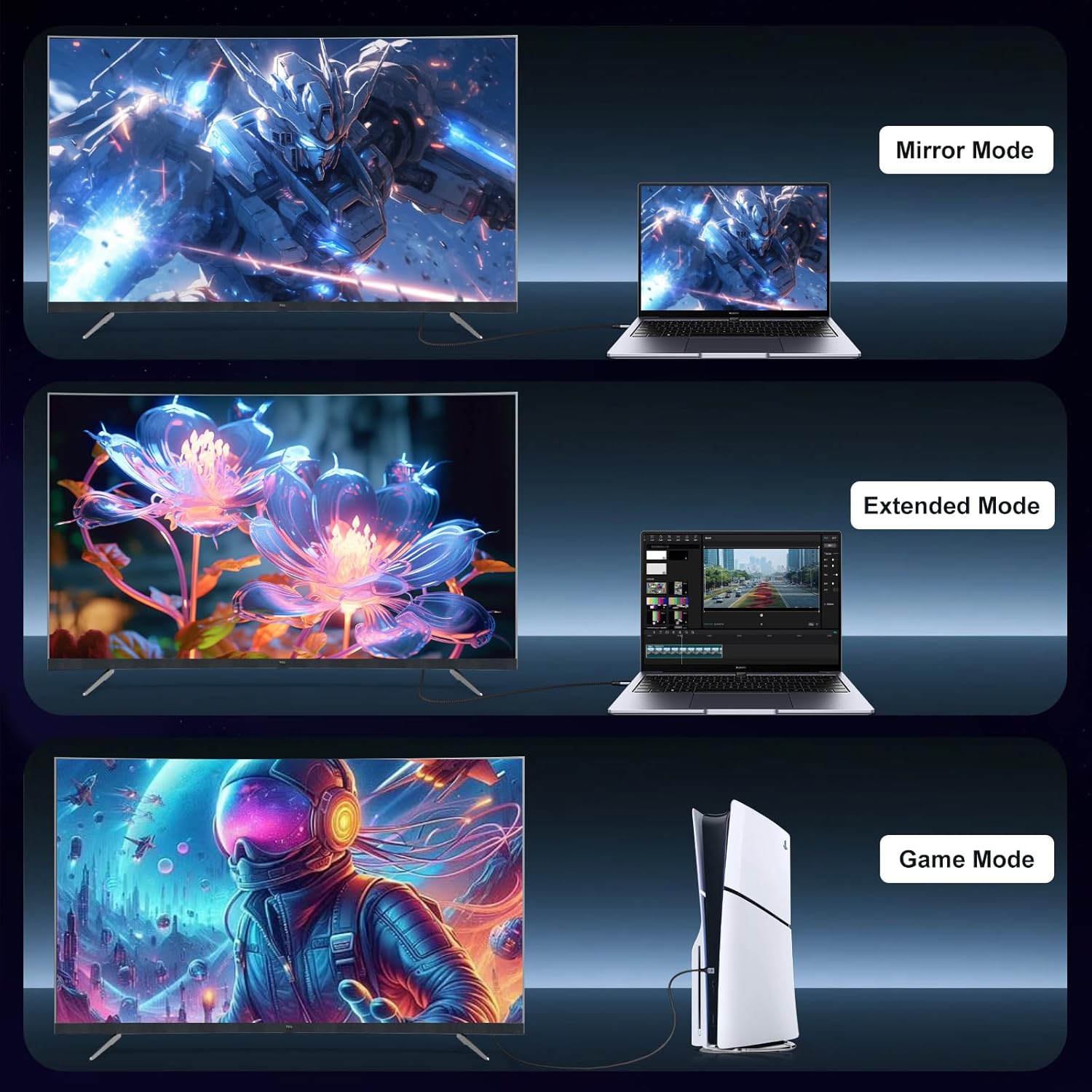
Imagine a dedicated gaming setup with a PS5 connected to a high‑end 8K/4K TV and a soundbar system. With this MOPOCHG HDMI 2.2 cable, you would wire the console to the TV and route video with maximal bandwidth support, potentially enabling smoother gaming with reduced tearing at supported frame rates while enjoying immersive audio via eARC. It’s not merely about higher numbers, it’s about a coherent signal path that aligns video and audio for a more convincing home cinema feel.
Quick verdict: how it compares to common approaches
If you simply need solid 4K, many standard HDMI cables suffice. This model aims to stand out where you want a single cable that claims to accommodate upcoming standards and complex HDR/bit‑depth workflows. It makes sense if you prioritise future compatibility and robust performance in a high‑spec setup, otherwise, a less feature‑dense option could be more cost‑effective.
FAQ (practical, based on available data)
- Does it guarantee 16K at 60Hz in every connection? Not guaranteed, performance depends on compatible devices and content.
- Is it compatible with all HDMI 2.1 devices? It’s marketed as fully compatible with HDMI 2.1/2.0/1.4, but full feature support requires matching hardware.
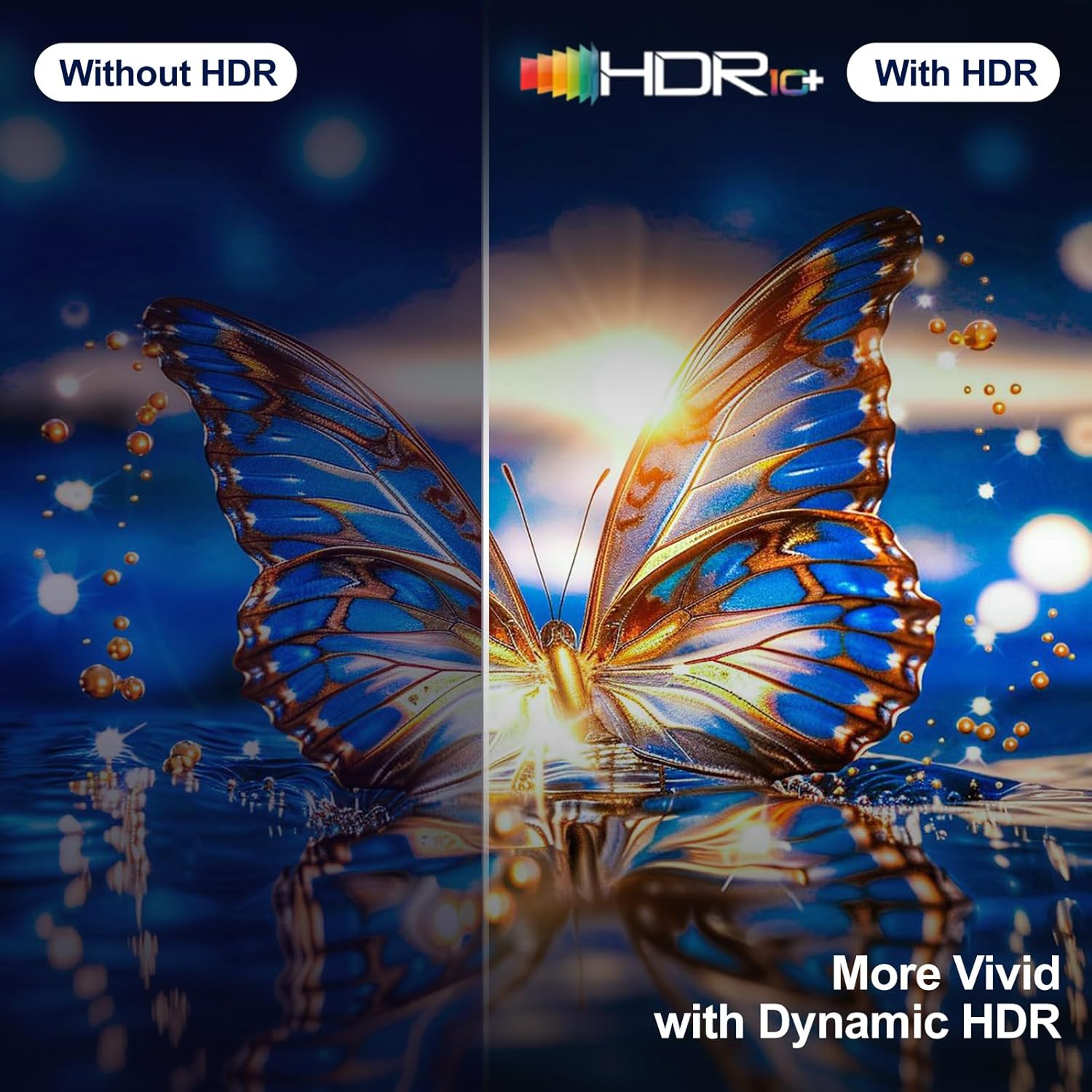
- Will I notice a difference in HDR between this and a standard cable? The cable supports Dynamic HDR and Dolby Vision, which can improve contrast and colour when your display and source support it.
Final decision
Is it worth it? If your goal is future‑proofing a gaming/entertainment setup and you have hardware that can take advantage of high bandwidth, Dolby Vision, eARC and high refresh rates, this MOPOCHG HDMI 2.2 cable could be a sensible choice. It is less compelling if your current gear sits at or below standard 4K/60Hz, or if you don’t plan to upgrade other elements in your chain.
Decisive takeaway
Worth considering if you’re building a high‑end home cinema or gaming rig and want to consolidate cables with confidence in long‑term compatibility, otherwise, evaluate whether a more modest HDMI 2.1/2.0 option would meet your immediate needs.