

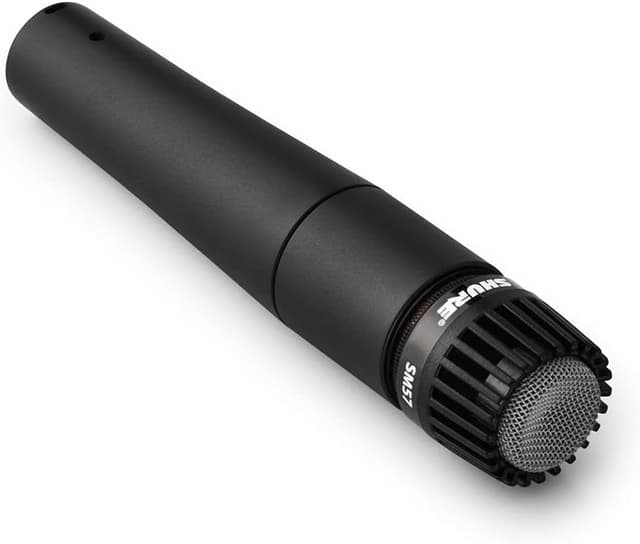
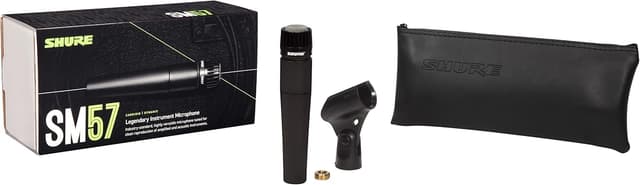
Shure SM57 Dynamic Cardioid XLR Instrument Handheld Microphone (Wired) – Black
Product description
What it is and what it’s for
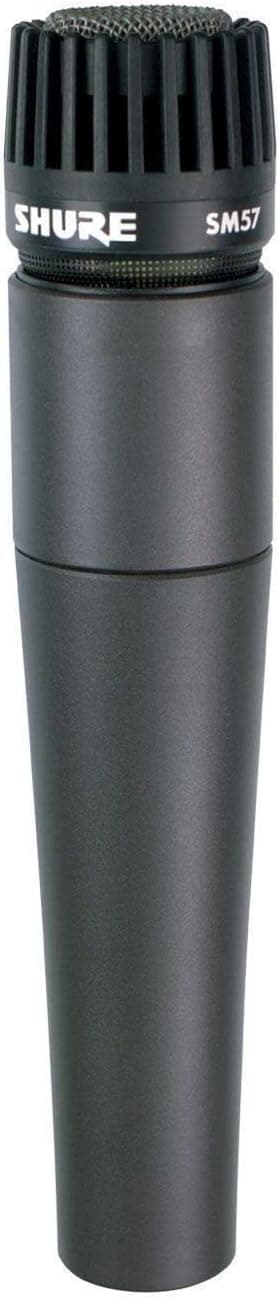
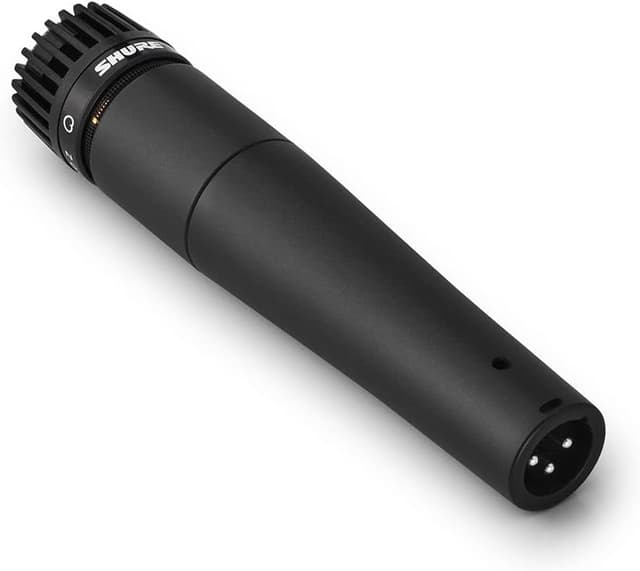
The Shure SM57 is a wired dynamic cardioid XLR handheld microphone built for one job above all: capturing instruments with clear presence and dependable bite. On paper, that combination—dynamic handling plus a cardioid pattern and a refined presence boost—maps really well to the stuff you normally mic up close: guitar amplifier cabinets, snare drums, percussion hits, and even brass in a busy live or studio context.
In real buying terms, it’s the kind of mic people reach for when they want something that doesn’t need constant tweaking to sound “right.” It’s often treated like a workhorse: consistent from home recording to bigger stages. That’s not hype—it’s the practical expectation behind a classic model like this.
Still, it’s worth noting a limitation: cardioid microphones can be less forgiving if you’re trying to capture a wide room sound or a natural off-axis blend. If your goal is airy ambience or distant miking, you may find it less ideal than options designed for that.
Key points
What stands out here is the focus on attack, detail, and clarity through a contoured frequency response with an enhanced presence region. That presence boost is the part that helps instruments cut through a mix—especially when you’re close-miking and want the snap to stay readable.
Equally important is the cardioid pickup pattern aimed at isolating the source. Reduced background noise and bleed can make a noticeable difference when you’re recording drums or miking a guitar cabinet in a setting where other instruments are also happening.
And because it’s described as rugged and road-tested for high sound pressure levels, frequent transport, and demanding sessions, it’s positioned as a microphone you can actually take out and use repeatedly without babying it.
What you’ll notice in use
Close-miking is where the SM57’s design intent shows up. Imagine setting up a session: you put the mic near the speaker grille of a guitar cabinet, dial in your angle, and you’re chasing that “instant” definition—the pick attack and the edge of the amp. The presence emphasis and clean, contoured response are meant to help that translate clearly, whether you’re performing live or tracking in the studio.
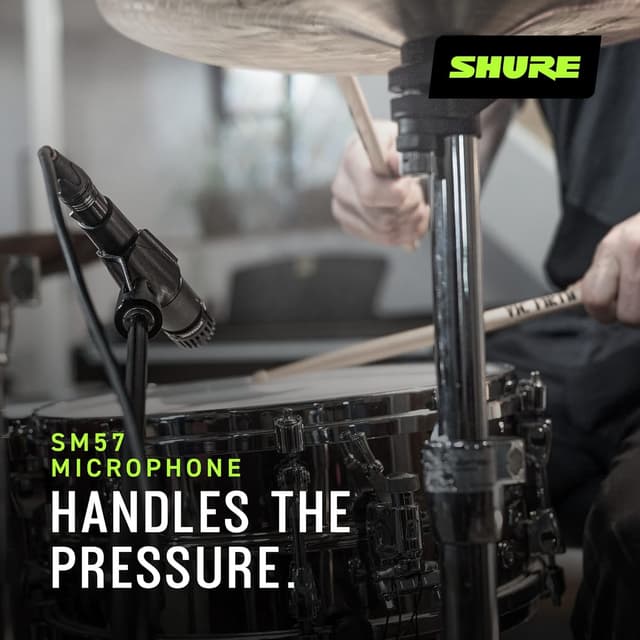
On drums, the same concept applies. With snare and percussion, the goal is usually to keep the transient sharp and the body controlled, without turning everything into mush when other mics are also open. A cardioid pattern that reduces bleed can help your edits and mix decisions later, because fewer unwanted sources are getting recorded in the mic in the first place.
Not perfect for every situation, though. If your recording setup relies heavily on capturing a large stereo image or room tone, a single cardioid focused on the source may leave you feeling like you’re missing the wider picture.
Tech specs
- Type: Dynamic
- Pattern: Cardioid
- Connection: Wired XLR
- Use cases (as described): guitar amplifier cabinets, snare drums, percussion, brass, and other instruments
- Pickup behavior (as described): low-bleed capture with reduced background noise and bleed
- Durability (as described): rugged construction for high sound pressure levels and frequent transport
Where it shines (and where it may not)
This mic is a solid fit if you prioritize instrument clarity from close range—especially for guitar amps, snare, percussion, and brass—where bleed control and intelligible attack matter. It also makes sense if you want one handheld XLR dynamic that can move between live sound and studio recording without becoming a complicated “special project.”
It may not suit you as well if you’re trying to capture a lot of room ambience, you typically mic from far away, or your setup depends on picking up details from off-axis angles. In those cases, the cardioid focus can feel restrictive.
Practical tips before buying
First, think about your mic placement habits. This microphone is positioned for close-miking, so plan how you’ll aim it toward the sound source (cab grille, snare top, percussion area, or brass section) and how you’ll manage distance.
Second, consider the environment you’ll record in. The low-bleed intent is helpful when multiple instruments are active and you’re fighting background noise. If your space is quiet and you’re going for maximum natural spill, you might not get the same payoff.
Finally, confirm you have (or plan to use) an XLR input and the monitoring/recording chain needed for a wired dynamic mic.
When it makes sense?
Buy the Shure SM57 if you want a go-to, close-mic XLR dynamic cardioid that’s designed to emphasize presence for attack and clarity, while helping reduce bleed in demanding live or studio sessions. It’s especially worth considering if you commonly mic guitar cabinets, snare drums, percussion, or brass and want a reliable, rugged option you can transport and use often.
Skip it if your priority is capturing wide room sound, you typically mic from a distance, or you’re seeking a microphone primarily aimed at ambient pickup rather than source isolation.
Mini FAQ - Is this a good mic for guitar amplifiers? Yes—its presence-focused response and described low-bleed cardioid pickup are aimed at close-miking guitar amp cabinets. - Will it work for drums and snare? That’s one of its main use cases, especially for close-miking where clarity and isolation matter. - Is it meant for live sound or studio recording? The description positions it as reliable for both, from home studios to major stages. - Is it an XLR microphone? Yes, it’s a wired XLR microphone. - Does the cardioid pattern reduce background noise? The description says it reduces background noise and bleed by isolating the sound source.