

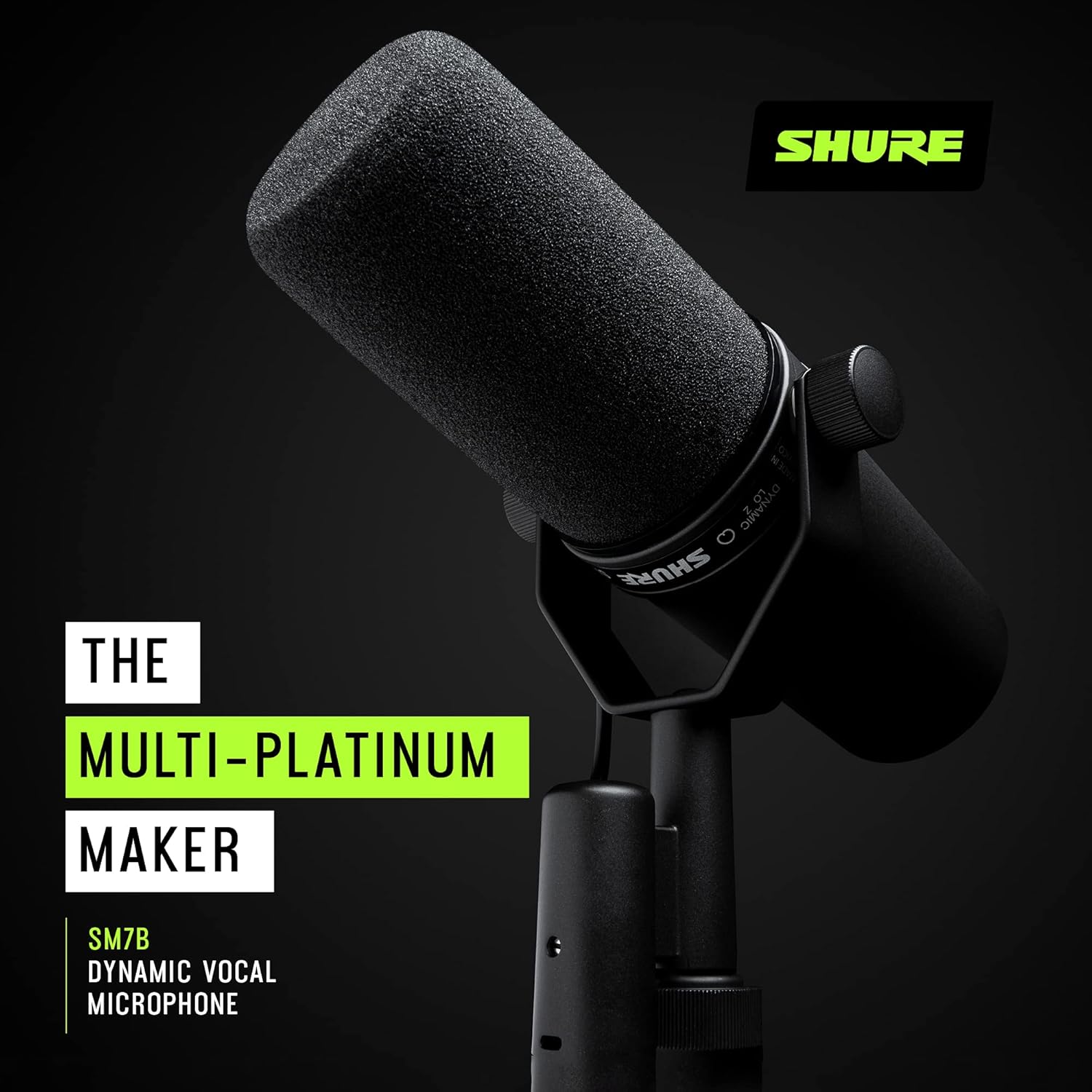
Shure SM7B Dynamic Vocal Microphone (XLR) for Podcasting, Recording, Streaming, and Broadcast
Product description
The essentials
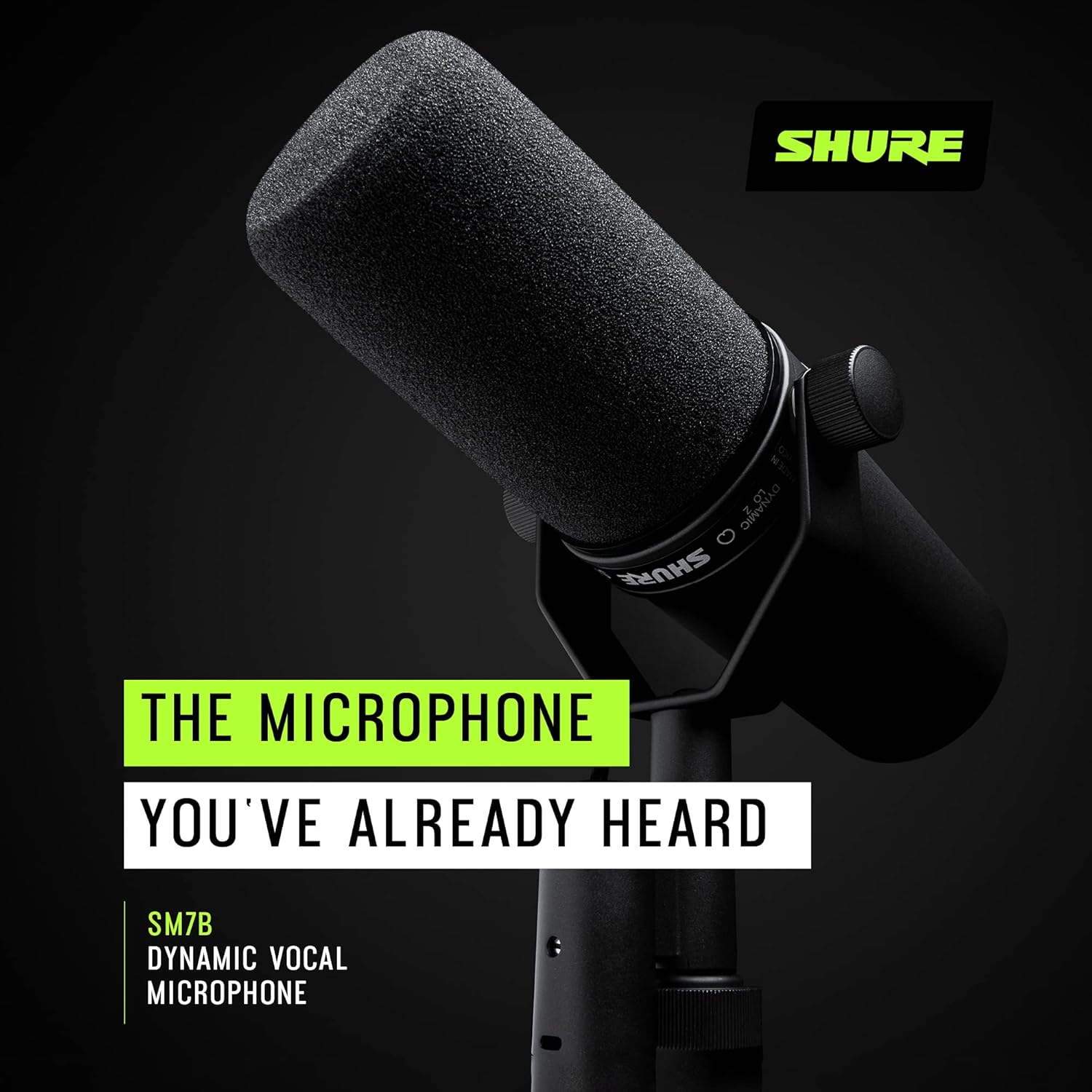
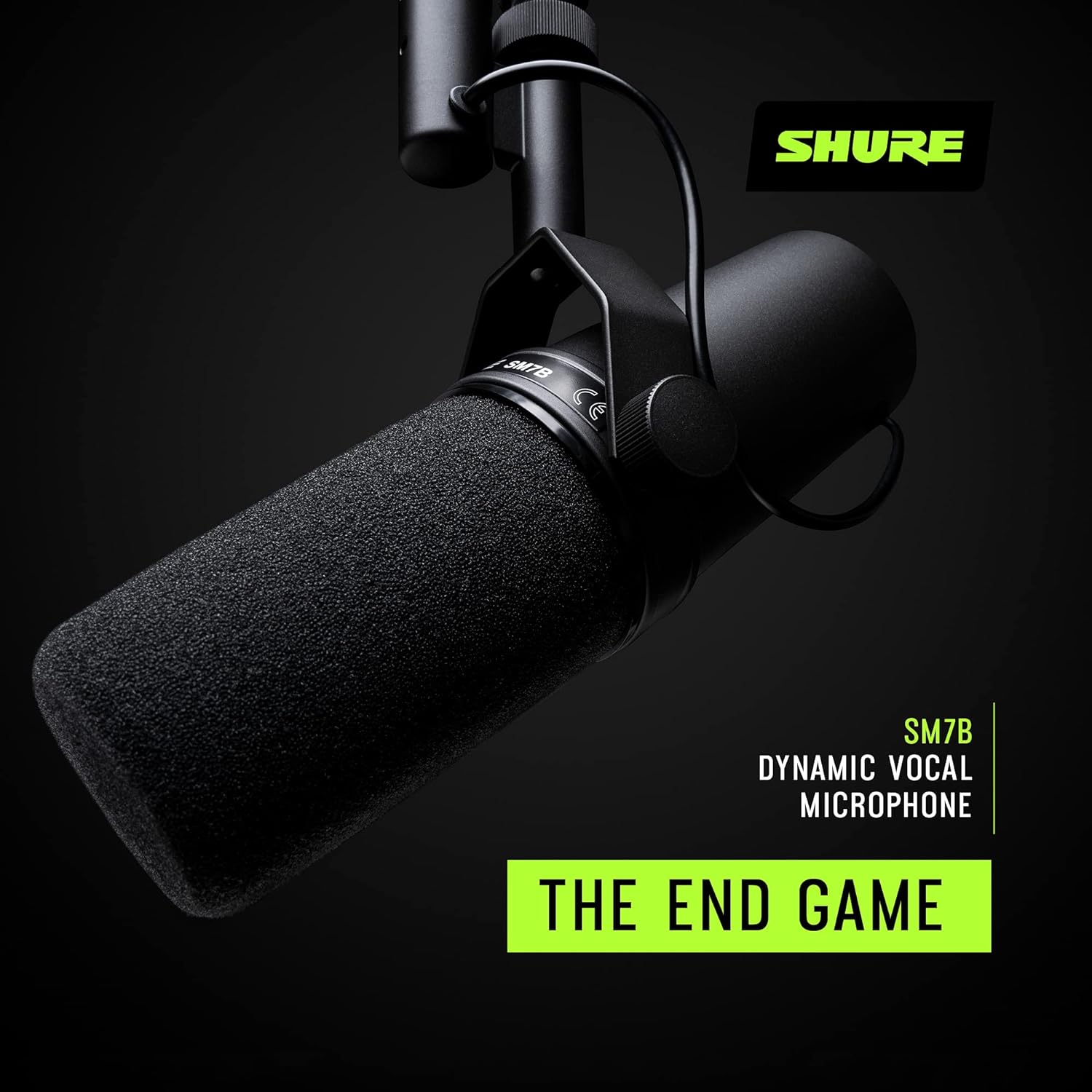
The Shure SM7B is a studio-style dynamic vocal microphone built for close-up voice work where you want a smooth, warm tone and less unwanted room sound. It’s the kind of mic people gravitate toward for podcasting, streaming, recording vocals at home, and broadcast-style applications—mainly because the sound character is forgiving and flattering when you’re speaking or singing close to it.
On paper, the SM7B’s cardioid pickup and internal anti-noise strategies are designed to make your voice land more cleanly in the mix. Realistically, it can still come down to how you’re set up—mic distance, gain staging, and your room noise all matter. The good news is that if you’re chasing that classic “warm and balanced voice” sound, this mic is tuned for exactly that workflow.
What it’s for (and what it solves)
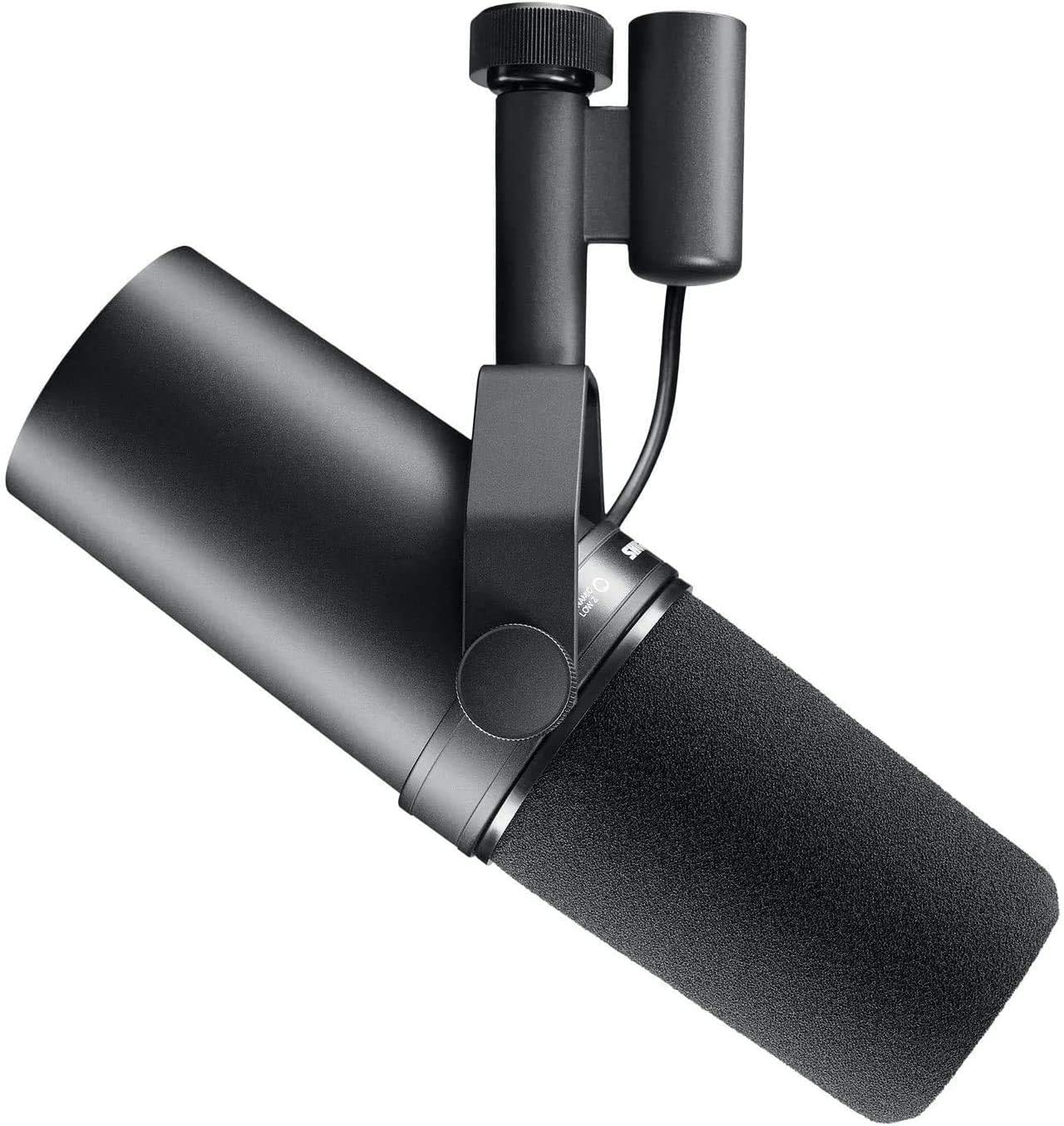
If your problem is that your voice sounds harsh, thin, or too “roomy,” the SM7B targets that. Its dynamic capsule uses a smooth, wide-ranging frequency response intended to capture voice naturally and cleanly, including both the voice and musical sources you feed into the session.
A micro-experience: imagine you’re recording an intro on a desk setup. You lean in comfortably, aim slightly off-axis (so the cardioid pattern rejects what’s behind you), and engage the built-in controls. The air noise and mechanical distractions tend to stay out of the recording more than they would with a more sensitive mic. Then you listen back and notice your voice sits more easily without needing drastic EQ.
Key features you’ll actually notice
The SM7B isn’t just “a mic with an XLR connector.” It’s a whole approach to controlling what gets picked up and what doesn’t.
- Cardioid pattern for controlled pickup: The classic cardioid design is meant to reject sound outside the axis, so you can talk or sing from an angle that feels comfortable while the mic focuses on your voice.
- Isolation and pop control: The description highlights a shock-isolation mounting system and an anti-pop approach intended to reduce mechanical noises and breathing/transient sounds reaching the mix.
- Built-in electromagnetic shielding: It’s specifically described as having advanced electromagnetic shielding to help eliminate the buzz often linked to computer monitors and other studio devices.
- On-mic vocal shaping controls: You get bass roll-off and mid-presence emphasis controls with visual indication. This is one of the practical reasons it’s popular—small adjustments can help tame boom or bring clarity without starting from scratch.
- A windscreen made for close work: The included removable windscreen (A7WS) and the mention of a detachable pop windscreen/guard support very close voice capture.
Tech specs
- Type: Dynamic vocal microphone
- Connection: XLR (professional connection)
- Pickup pattern: Cardioid
- Controls: Bass attenuation and mid-frequency emphasis (presence) with visual indication
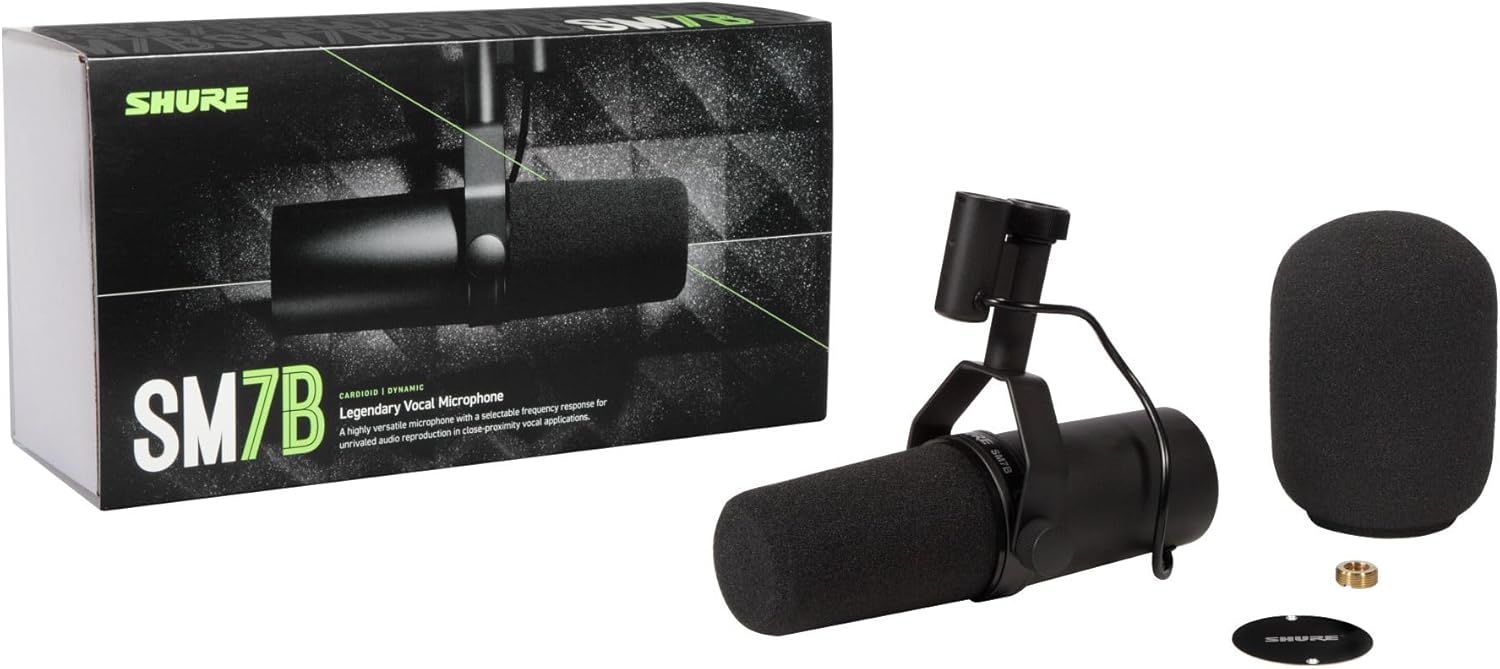
- Accessories included: Removable A7WS windscreen, control cover (tapa RPM602)
Pros and trade-offs (worth considering before buying)

What stands out is the SM7B’s focus on warm, smooth voice capture with controlled pickup. The cardioid pattern, shock isolation, and anti-pop/isolation approach are all aimed at reducing the small distractions that make voice recordings harder to mix.
That said, it may not feel effortless if your setup isn’t geared for it. The description explicitly notes a minimum of 60 dB of gain is recommended with an audio interface to achieve the iconic warm, balanced tone people expect. If your interface can’t provide that kind of gain cleanly, the mic can end up sounding underpowered or less like the “classic” SM7B result.
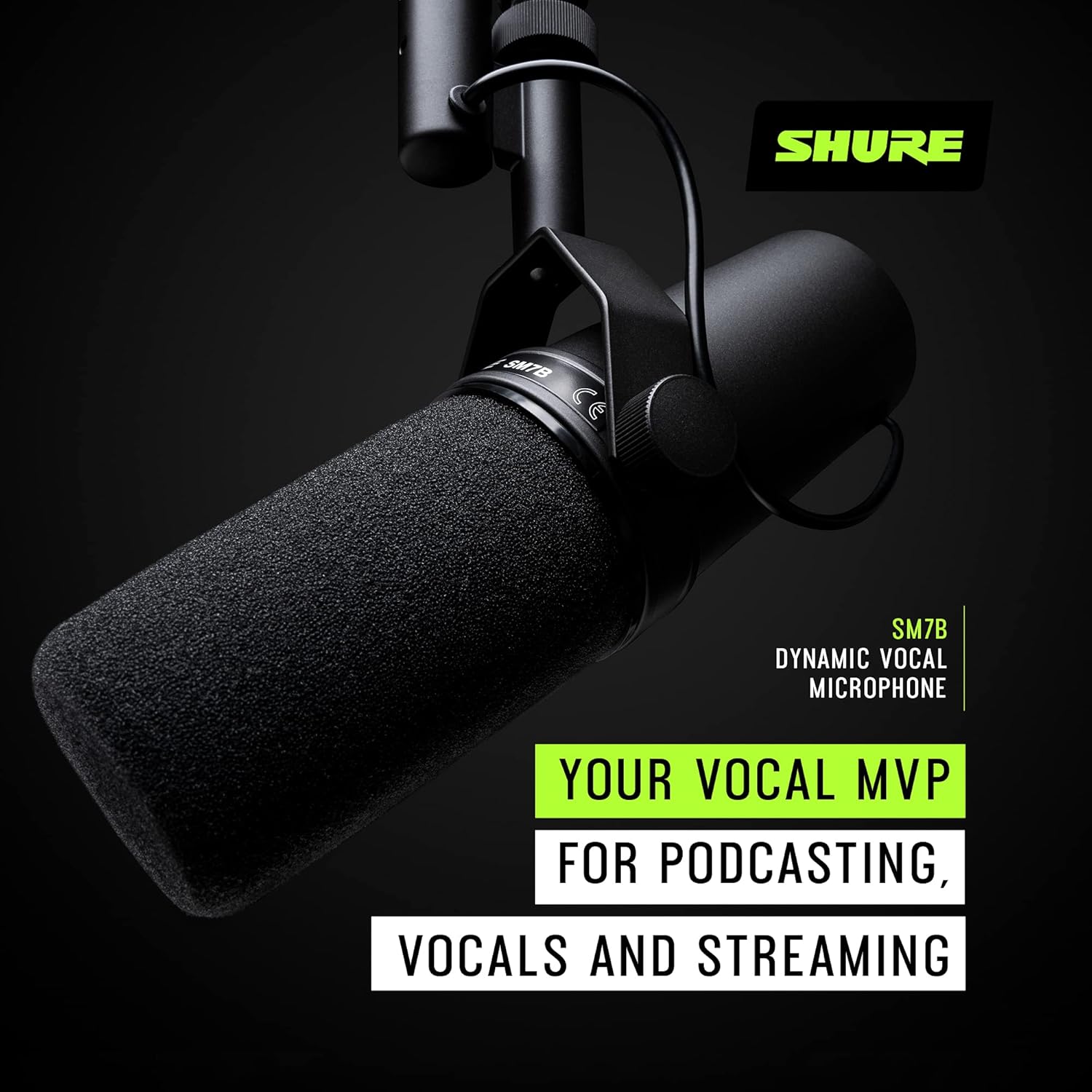
Also, while it’s a versatile studio mic “for voice and more,” it’s not positioned here as a plug-and-play USB streamer mic. Expect to use it with an audio interface and take a little time dialing in the on-mic controls and your distance.
Getting the most from it (setup-focused tips)
The SM7B is most compelling when you treat it like a close-voice instrument rather than a distant room mic.
- Aim for close capture: The description calls out that it shines with close-in pickup, where warm, smooth frequencies are the goal.
- Use the cardioid to your advantage: Don’t crowd the mic with noise behind you. Even with good shielding and isolation, your room still influences what’s picked up.
- Dial the controls before touching EQ: Bass attenuation and mid presence emphasis can do a lot for clarity and “presence” without making the voice brittle.
- Manage gain like it matters: Since the minimum gain recommendation is mentioned, it’s worth checking your interface’s available gain range and how it performs when pushed.
Is it worth it?
The Shure SM7B is a strong buy if you want a dynamic XLR vocal mic designed for podcasting, streaming, and broadcast-style voice recordings—especially if you’re chasing that smooth, warm, balanced vocal sound and you’re comfortable using an audio interface (not a USB convenience setup).
You may want to skip it if your audio interface can’t realistically deliver the recommended gain, or if you’re looking for a simple, minimal-setup mic with no dialing. It’s also not the best match if you record mostly far from the mic in a very loud room—its cardioid and isolation help, but the concept here is close, controlled capture.
Mini FAQ
How does the SM7B help with podcast and streaming voice quality?
It’s designed for close-up vocal recording with a cardioid pickup pattern and isolation/anti-pop strategies intended to reduce breathing and mechanical noise reaching your mix.
Do I need a specific audio interface for the SM7B?
The description recommends at least 60 dB of gain to achieve the SM7B’s iconic warm, balanced tone, so your interface’s gain capability is worth checking.
Is the SM7B good for recording instruments too?
The description mentions capturing music and voice with a smooth response, so it can be used for studio recording beyond just speech—though it’s clearly positioned with vocals and close capture as the priority.
What’s included with the microphone?
It includes the SM7B dynamic vocal microphone with a removable A7WS windscreen and a control cover (tapa RPM602), plus a free 2-year warranty is mentioned.