

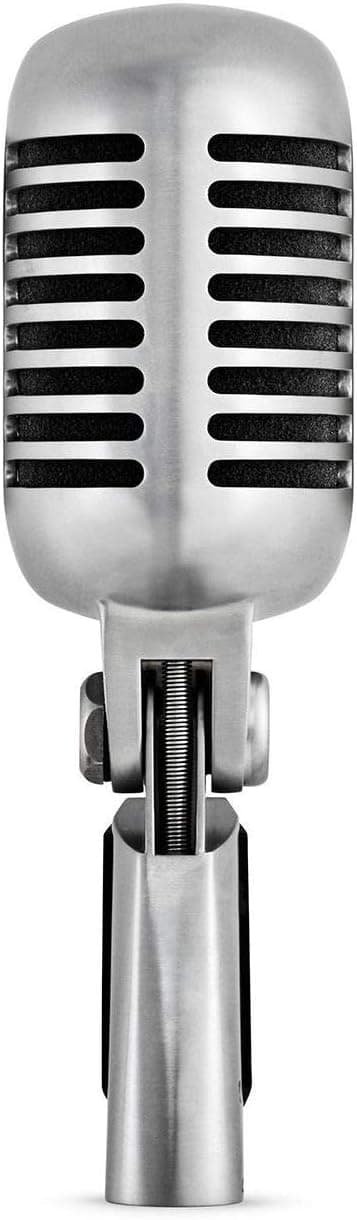
Shure 55SH Series II Vintage-Style Microphone for Vocals and Instruments
Reviews
Price
Product description
What this mic is for
The Shure 55SH Series II is a vintage-style dynamic microphone built for real-world use where you still want dependable sound. It’s designed around a cardioid pickup pattern, which helps it focus on what you’re singing or playing while rejecting some unwanted room noise. In practice, that means fewer surprises when you’re recording in a not-so-quiet space, or performing live with an acoustic room that isn’t perfectly treated.
On paper, it’s also tuned to support speech and vocals, while still making room for instrumental use. If you’re looking for a microphone that can cover both singing and instruments without turning every session into a gear-management project, this is the kind of workhorse people tend to buy for that “set it up and go” role.
The sound and pickup behavior you can expect
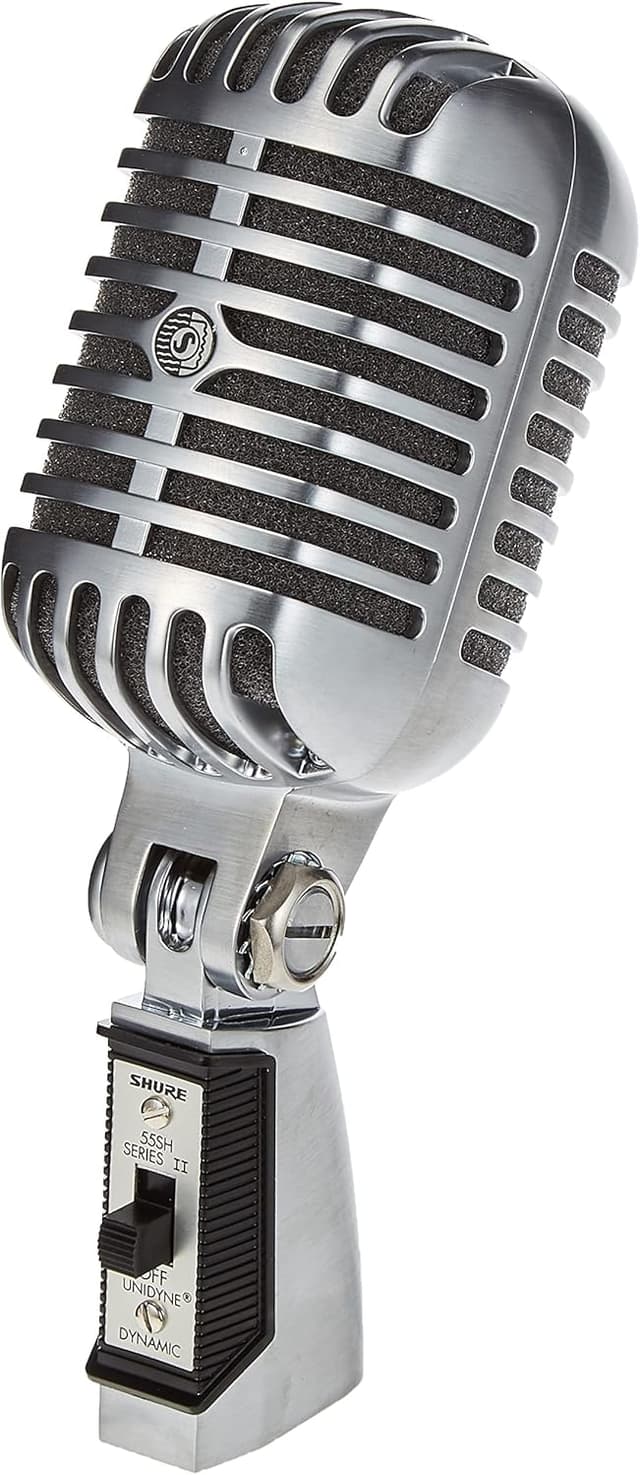
This model’s frequency response is described as optimized for speech, vocals, and instrumental music. Paired with the cardioid directional pattern, the idea is simple: keep the sound source upfront and reduce pickup from the sides.
There’s also a key mechanical detail: its capsule uses shock-mounting to minimize noise that travels through the mic’s stand or mounting. That matters more than you might think—handling knocks, stand vibrations, or small foot-taps can turn into audible distractions on many setups. With a shock-mounted cartridge, you’re aiming for a cleaner signal when the performance gets physical.
What stands out during use

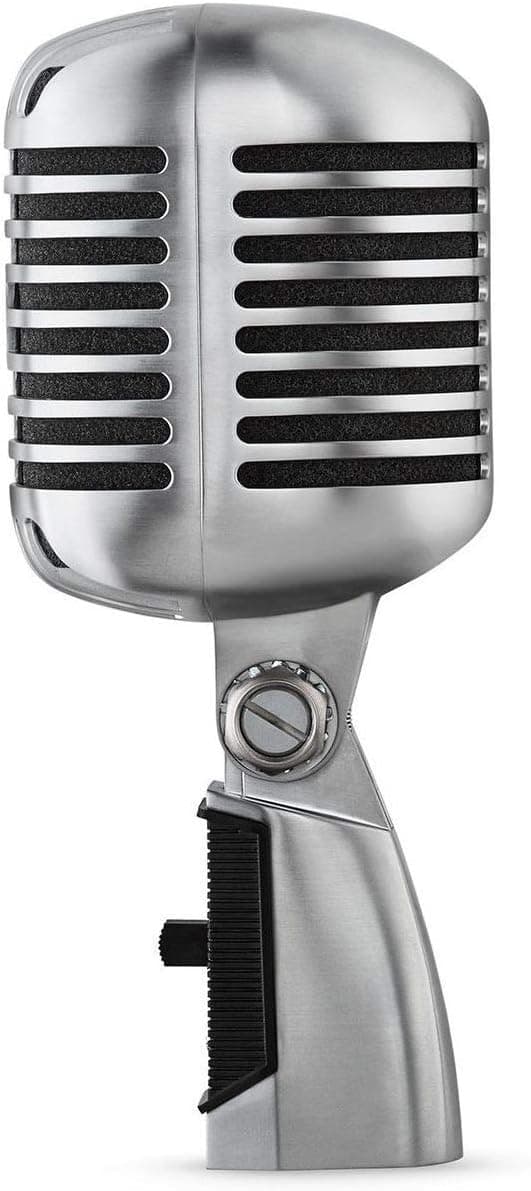
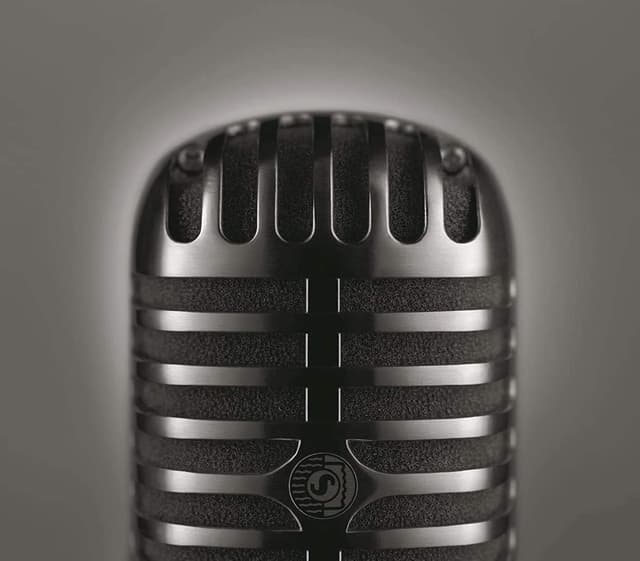
Rugged construction is one of the more convincing parts of this microphone’s pitch. A durable chrome housing is meant to hold up when conditions are demanding—think frequent setup/breakdown, transport, and stage-life roughness. It’s not just about looks, it’s about surviving the logistics.
And then there’s the “vintage style, modern performance” angle. The classic look is a big draw for performers and studio setups that care about aesthetics, but the practical win is that you’re not giving up modern attention to the things that improve day-to-day recording and performance: cardioid control, tuned response for voice, and vibration/noise mitigation.
Worth noting, though: since we only have high-level descriptions here (no measurements like frequency curves or signal specs), you’ll want to judge the fit based on your voice/instrument and your room. A cardioid mic can still sound different depending on distance and reflections.
Strengths and where it may fall short
Strengths - Cardioid pickup pattern that’s built for tougher acoustic environments. - Optimized frequency response for speech, vocals, and instrumental music. - Shock-mounted cartridge intended to reduce stand/handling transmitted noise. - Chrome rugged housing for durability in live and studio contexts.
Limitations to consider - If you’re chasing a very specific “studio reference” sound, you may find you want more detailed spec info before committing. The description focuses on intended use, not exact performance numbers. - Cardioid mics can still pick up plenty of room character if your space is very reflective—so placement and distance still matter.
It’s a solid pick if you want a familiar, iconic mic format that’s meant to handle both vocals and instruments without fuss. It might not suit you if your top priority is switching between dramatically different sonic characters on the fly and you need a wide set of selectable pickup behaviors.
Practical use examples (so you can picture it)
For a live vocal setup, this mic’s cardioid pattern and vibration reduction are the kind of features that help when you’re singing close but also moving around on stage. If you use a stand, the shock-mounted cartridge approach is meant to keep stand noise from turning into an annoying background.
In the studio, it can work well when you’re recording vocals or a single instrumental source in a less-than-perfect room. Point it toward the sound source, keep distance consistent, and let the cardioid pattern help you avoid as much side/rear pickup as possible.
What to check before you buy
Before you commit, make sure this mic aligns with your workflow: - Source types: If you’ll use it for vocals and instruments, the described optimization is a good match. - Room reality: Cardioid pickup helps with acoustic adversity, but it doesn’t eliminate room reflections—placement still matters. - Mounting/handling: If your setup involves stand noise or frequent touches during performance, the shock-mounted cartridge is a strong reason to consider it.
Also, if you’re using it as part of a larger recording chain, double-check your existing inputs and cabling needs—this guide covers what it’s built to do sonically and mechanically, not your studio routing.
In the end: Should you buy it?
It makes sense to buy the Shure 55SH Series II if you want a vintage-style microphone that’s built to perform for vocals and instruments, with a cardioid pattern meant for less forgiving rooms and a shock-mounted cartridge designed to reduce transmitted noise. The rugged chrome housing also fits well with live performers and anyone who moves gear often.
You may want to skip it if you need deep, measurement-level clarity before choosing (since the available info is more about intended behavior than exact specs), or if you’re trying to solve a heavily reflective-room problem purely with pickup pattern alone. If your setup is already highly controlled and you’re chasing a very specific tonal target, you might still want to compare with alternatives that come with more detailed performance data.
Quick FAQs
FAQs
Is this mic intended more for vocals or instruments? It’s described as optimized for both speech/vocals and instrumental music, so it’s meant to cover multiple sources.
Does the cardioid pattern help in noisy rooms? Yes—cardioid directionality is intended to improve performance in acoustically adverse environments by focusing more on the front sound source.
What is the shock-mounted feature supposed to improve? The cartridge mounting is described as minimizing noise transmitted through the mic mount/stand, which can help keep recordings and live vocals cleaner.
Is it built for live use? The rugged chrome housing and emphasis on tough conditions suggest it’s designed for demanding environments, including live performances.
Final verdict
If you like the classic Shure look and want a dynamic cardioid microphone built for vocals and instruments—especially where reducing stand/vibration noise matters—this one is worth serious consideration. Just keep expectations grounded about how much your room and placement will still influence the final sound.