

Double-Wire Plug-In Connector, 18–22 AWG
Product description
Size & fit
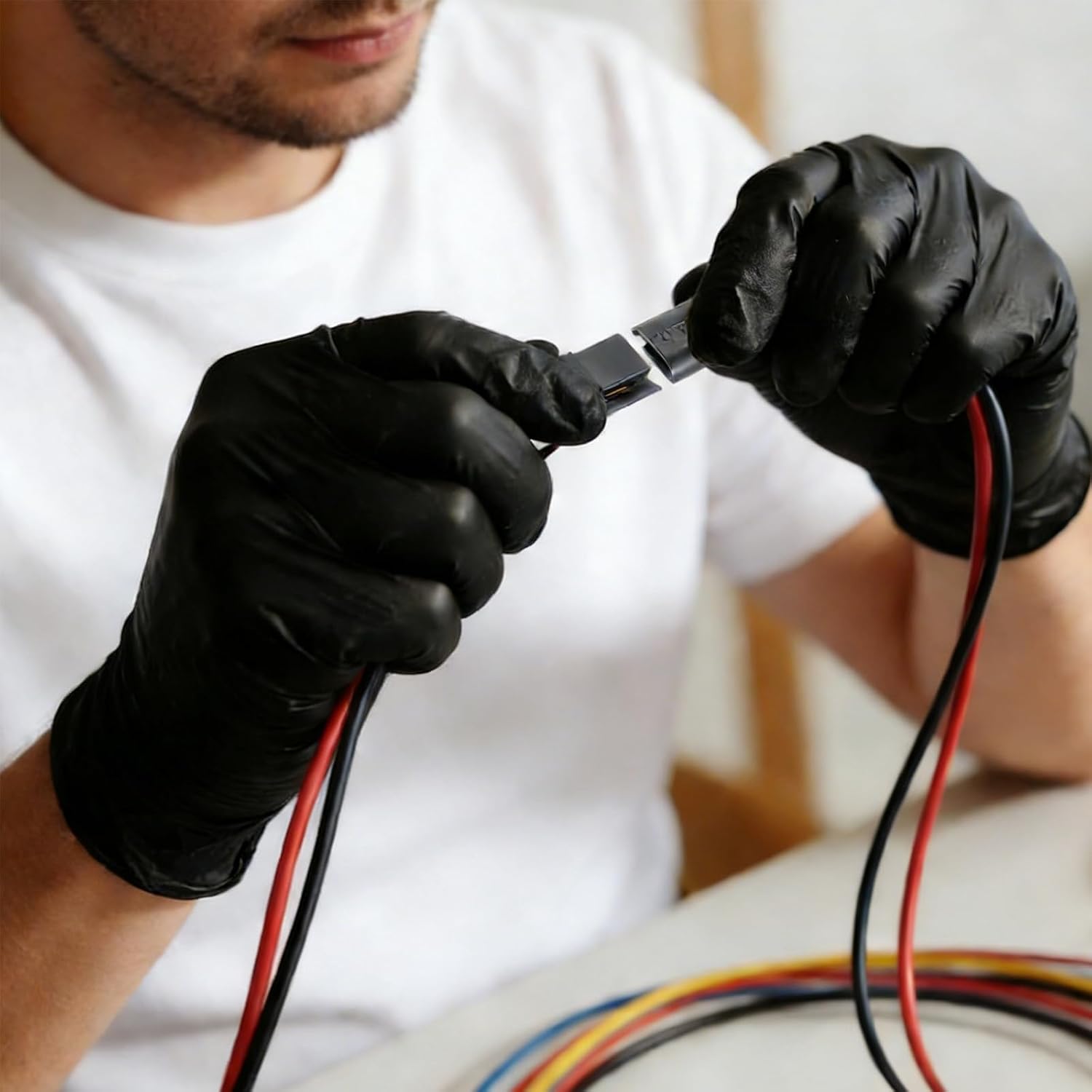
Small low-voltage wiring jobs can get fiddly when they call for stripping and soldering. This two-pin plug-in connector is designed to make the join simpler: insert the wires and press the connector closed.
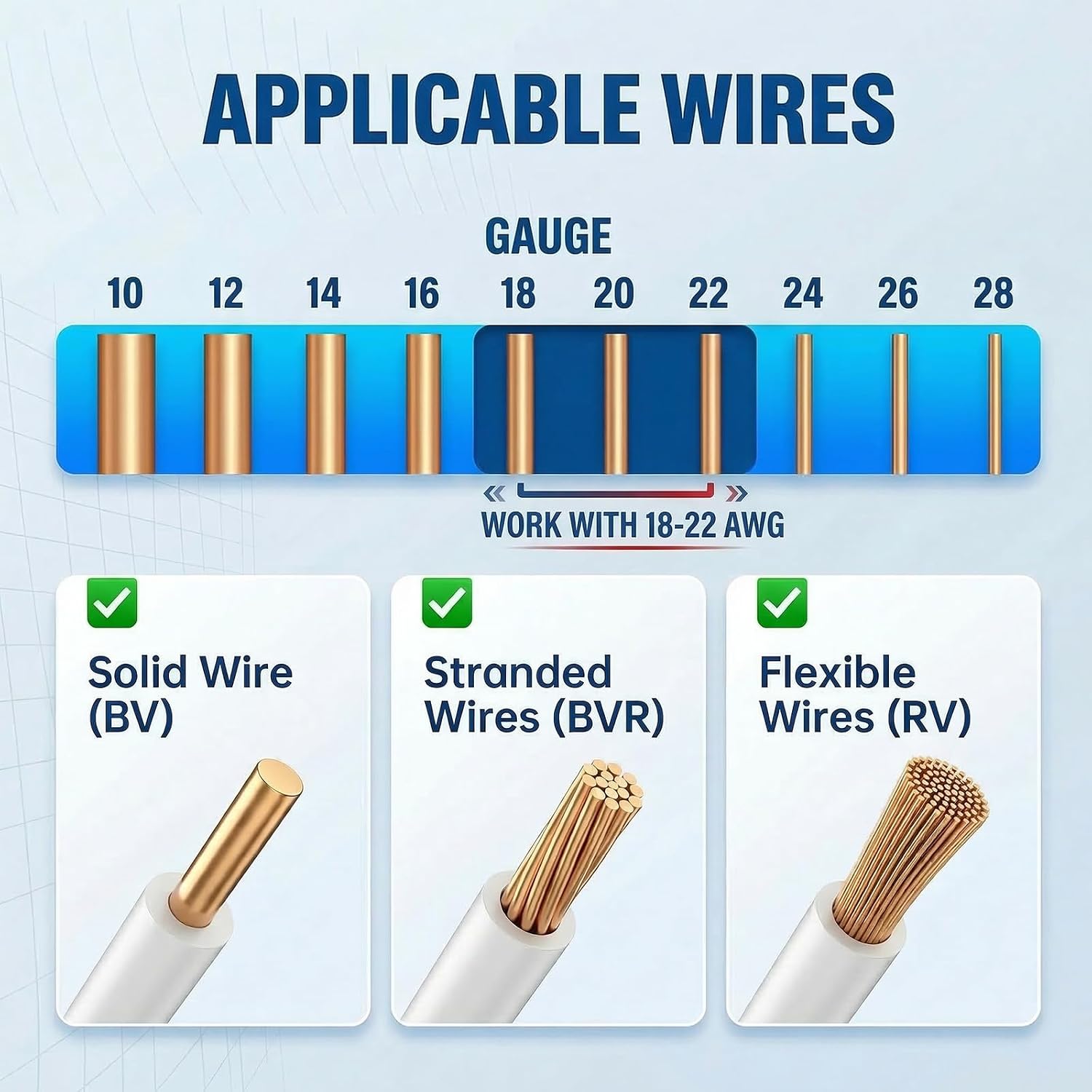
It’s intended for 18–22 AWG wire, with a locking buckle to hold the connection in place. That makes it a practical format for a short LED-strip lead or a low-voltage decoration, rather than a solution for every kind of electrical wiring.
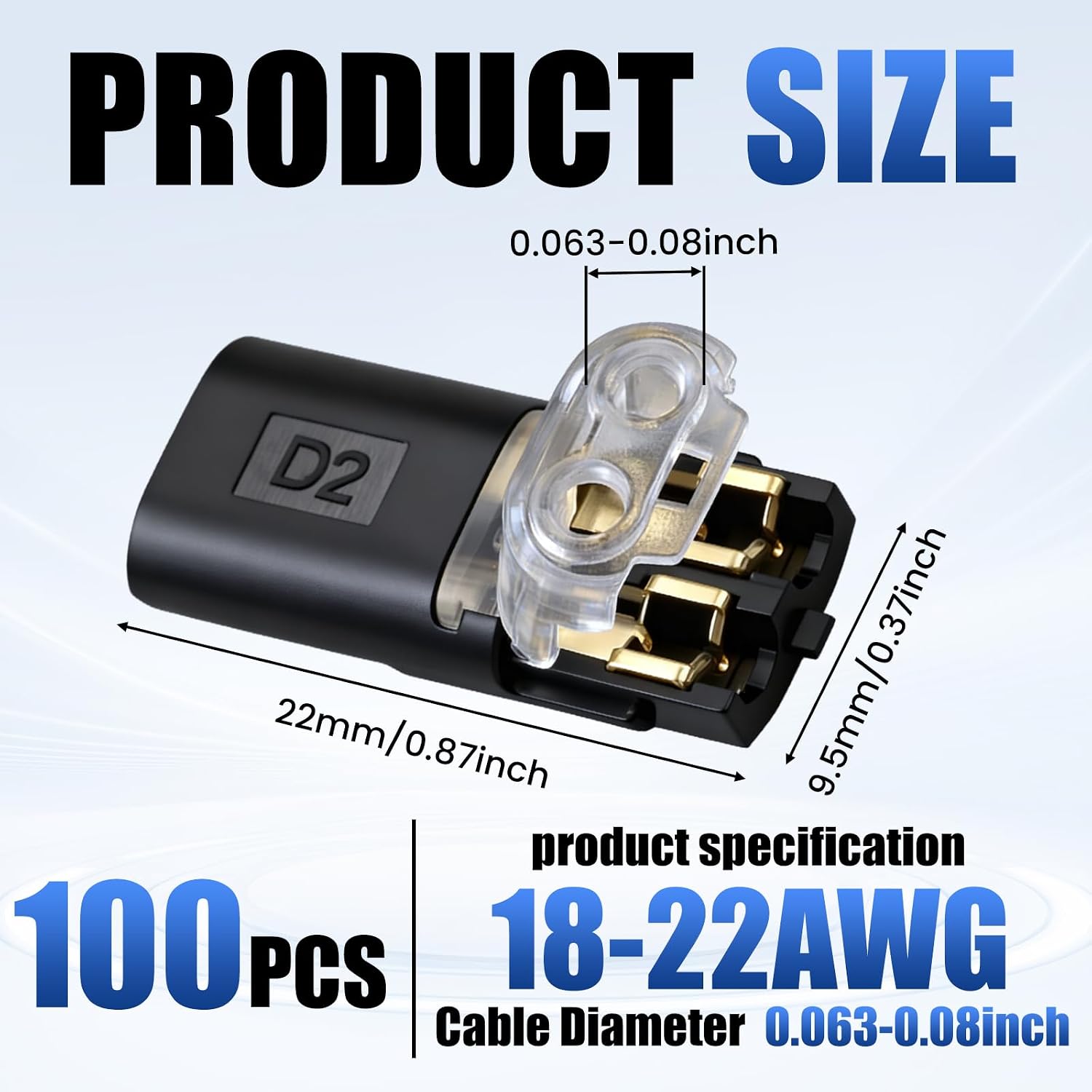
The listing says it works with both rigid and flexible wire, but gives no physical dimensions or voltage rating. Check that your wire gauge and application match before choosing it, the low-voltage description is not a substitute for a rating.
Pros
The main benefit is a less involved connection process. There’s no stripping or soldering step described, so you can avoid handling a soldering iron for a small DIY lighting job. Picture joining a short lead to an LED strip for a shelf accent: this connector is meant to make that task more direct, provided the wire and strip are compatible.
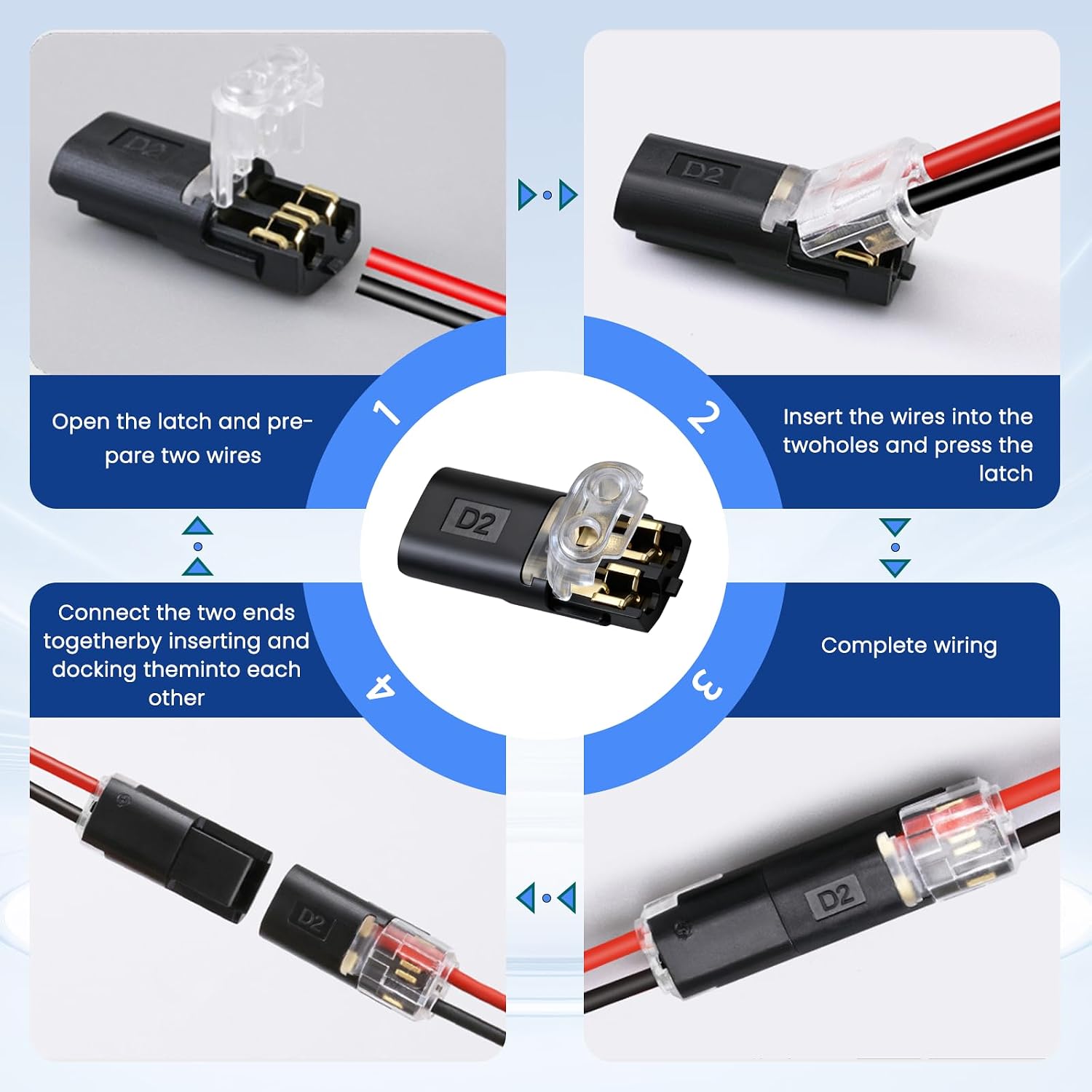
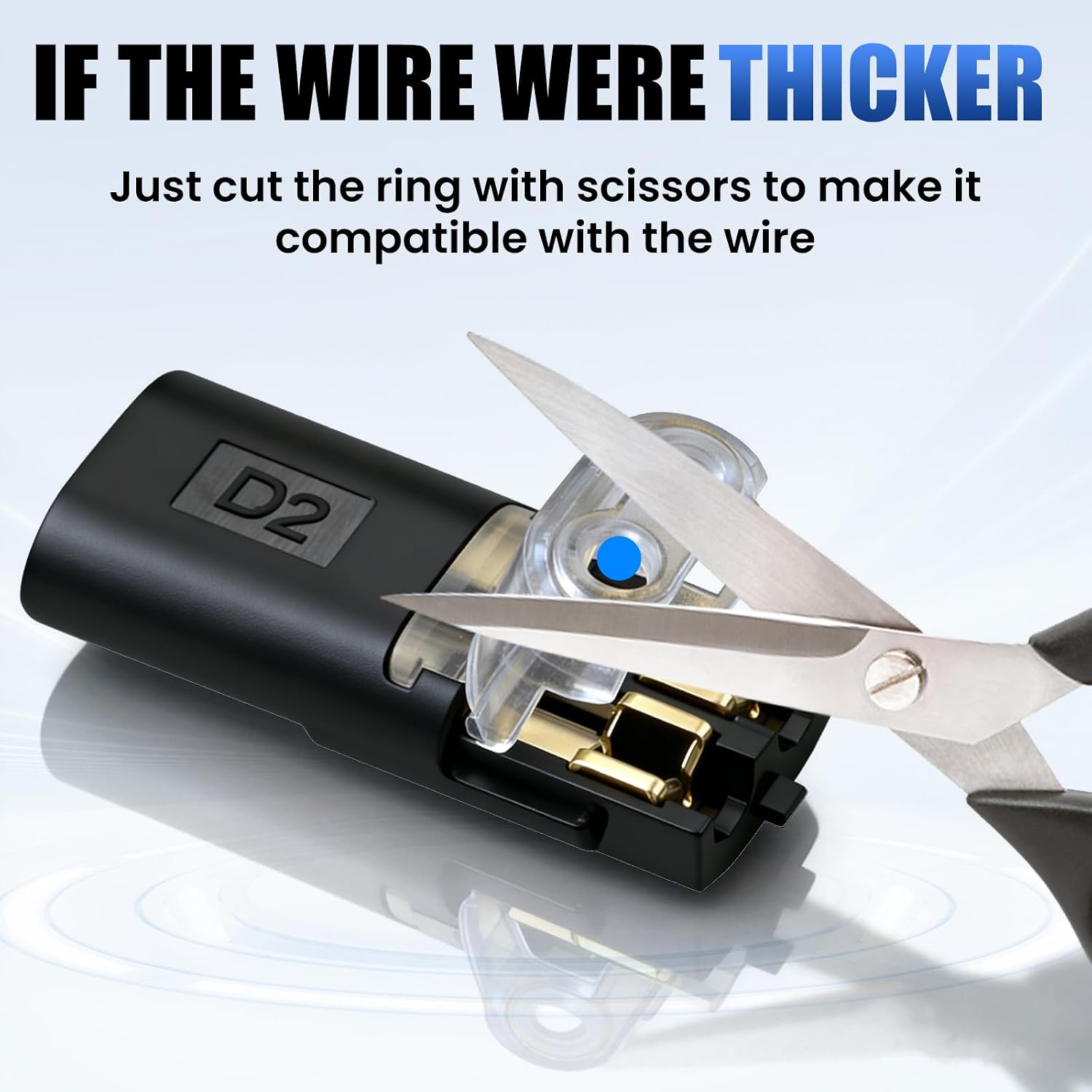
Its compact, two-pin plug-in format may also be handy when you want a connector that can be disconnected, rather than a permanent soldered joint. The maker describes the connector as reusable and says its spring-loaded design accommodates different wire types. You’ll appreciate it if you have several small, low-voltage connections to make and want to keep the process straightforward.
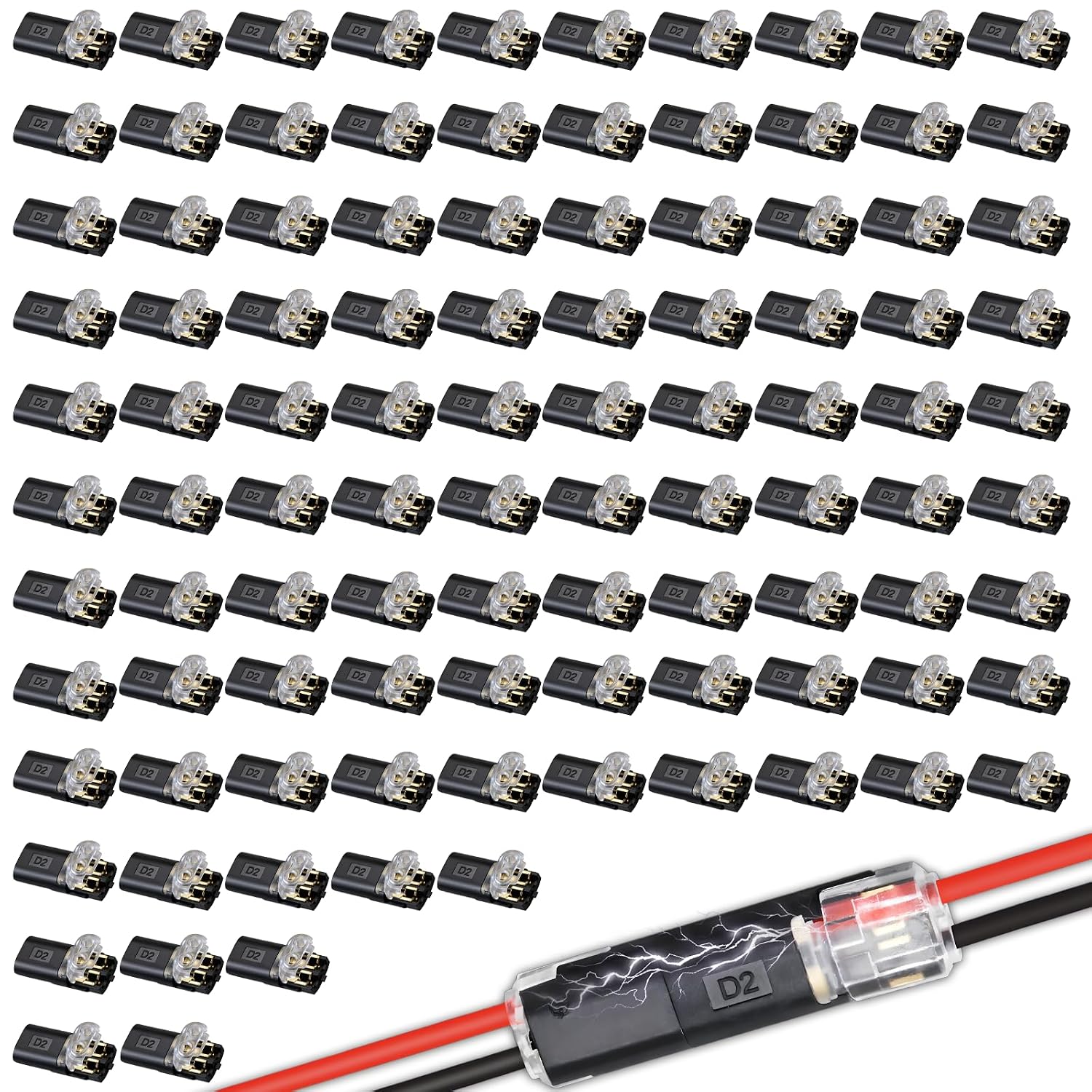
There are limits. No specific supported LED-strip model, outdoor-use rating, or electrical rating is provided, so don’t assume it suits wet locations, higher-voltage circuits, or every strip connector. The product name lists 100 pieces, while the package description says 50 connectors, the quantity is therefore unclear in the supplied details.
Spec sheet
- Type: Two-pin, double-wire plug-in connector
- Wire size: 18–22 AWG
- Material: PA66 nylon, as stated in the product description
- Connection: Push-in design with locking buckle, no stripping or soldering described
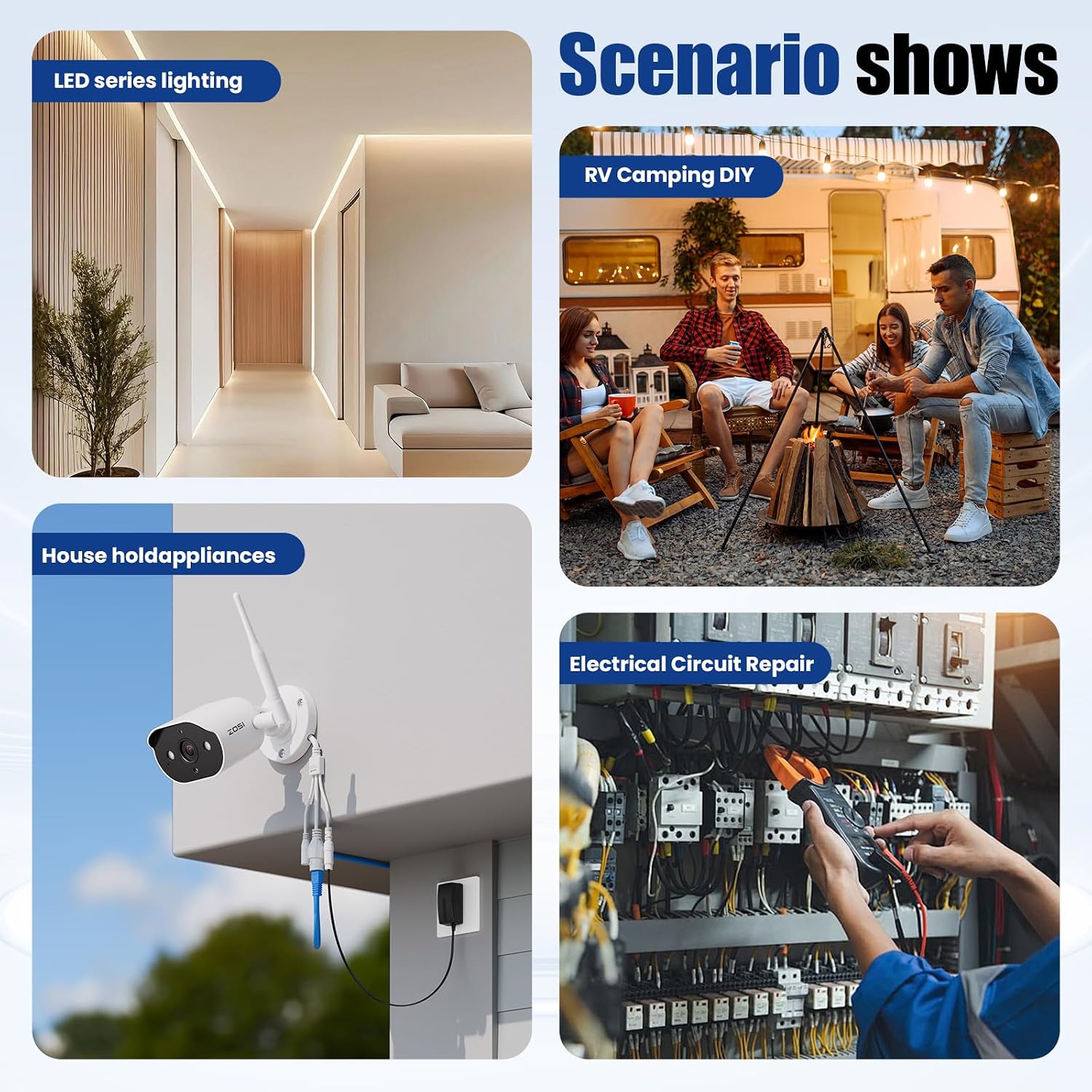
- Use: Low-voltage wiring, including LED strips, string lights, vehicle or audio/video equipment, speakers, and model kits
- Reusability: Described as reusable by the maker
The body is presented as insulated and shock-protective, according to the maker. That wording doesn’t establish a specific safety certification or operating limit, neither of which appears in the supplied details. For a more permanent or demanding installation, a properly rated connector with clearly stated electrical specifications may be the more suitable route.
Should you buy it?
This connector makes sense for a small DIY project when you need a quick, solderless two-wire join and your wire falls within the listed 18–22 AWG range. Compared with soldering, it favors speed and easier disconnection, compared with a basic twist-and-tape approach, it provides a dedicated connector and locking buckle.
Better avoided if you need a known voltage or environmental rating, a confirmed package quantity, or a connector specified for a particular LED strip. The information here is not detailed enough to confirm those requirements. If your job is a straightforward low-voltage connection and the gauge matches, it offers a simple alternative to soldering, for anything beyond that, choose based on explicit electrical ratings rather than the general-use claims.