

JAYO PLA+ 1.75 mm 1.1 kg Transparent: A practical, tougher PLA+ for reliable prints
Product description
What matters most
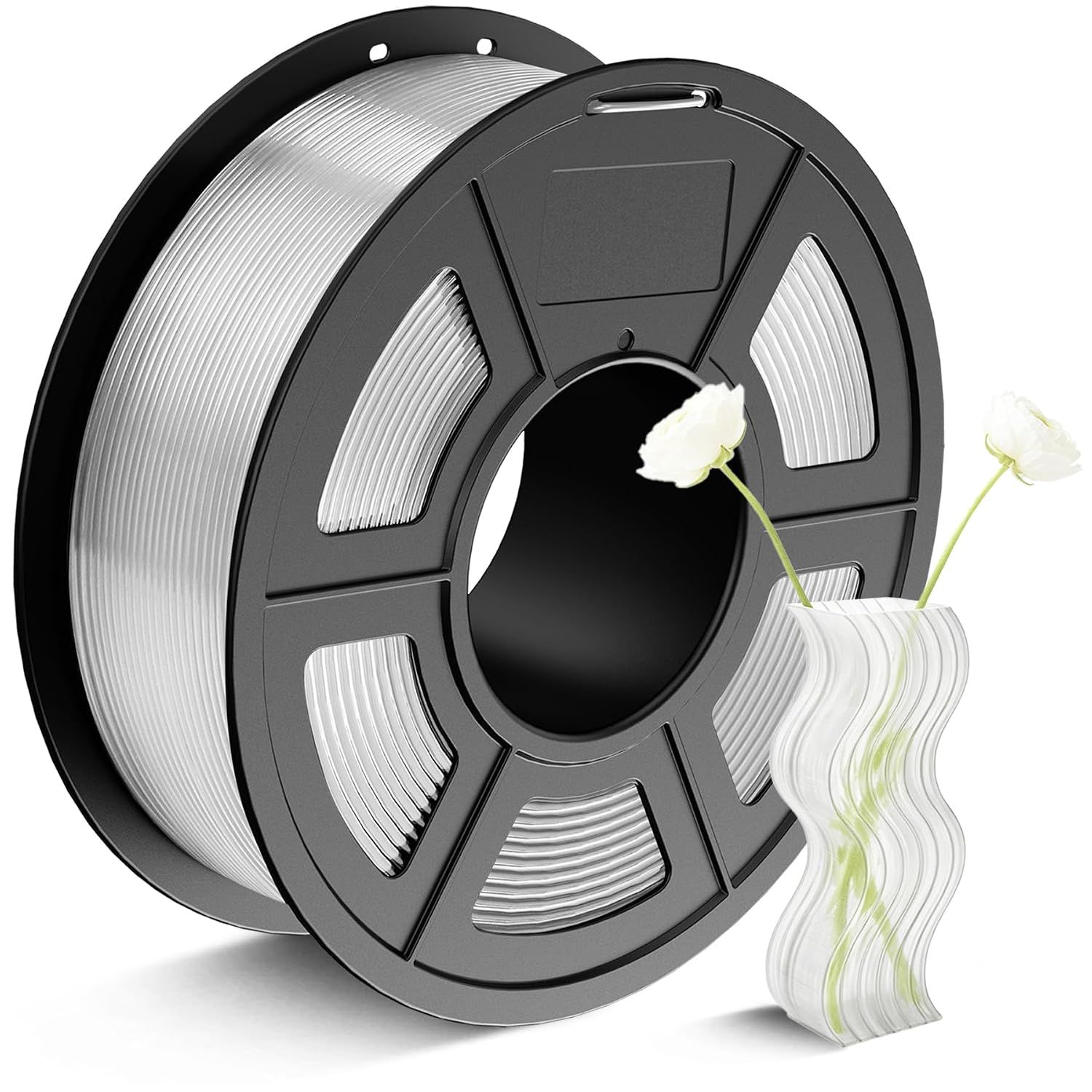
JAYO PLA+ 1.75 mm is a transparent PLA+ filament designed to improve toughness and printing reliability without sacrificing the ease of use that PLA is known for. It aims to offer stronger, less brittle prints compared with standard PLA, while maintaining straightforward print settings that suit most FDM printers. If you’re after clearer, more durable parts for model making, functional prototypes or everyday components, this filament is positioned as a practical middle ground between standard PLA and more demanding materials.
Key features
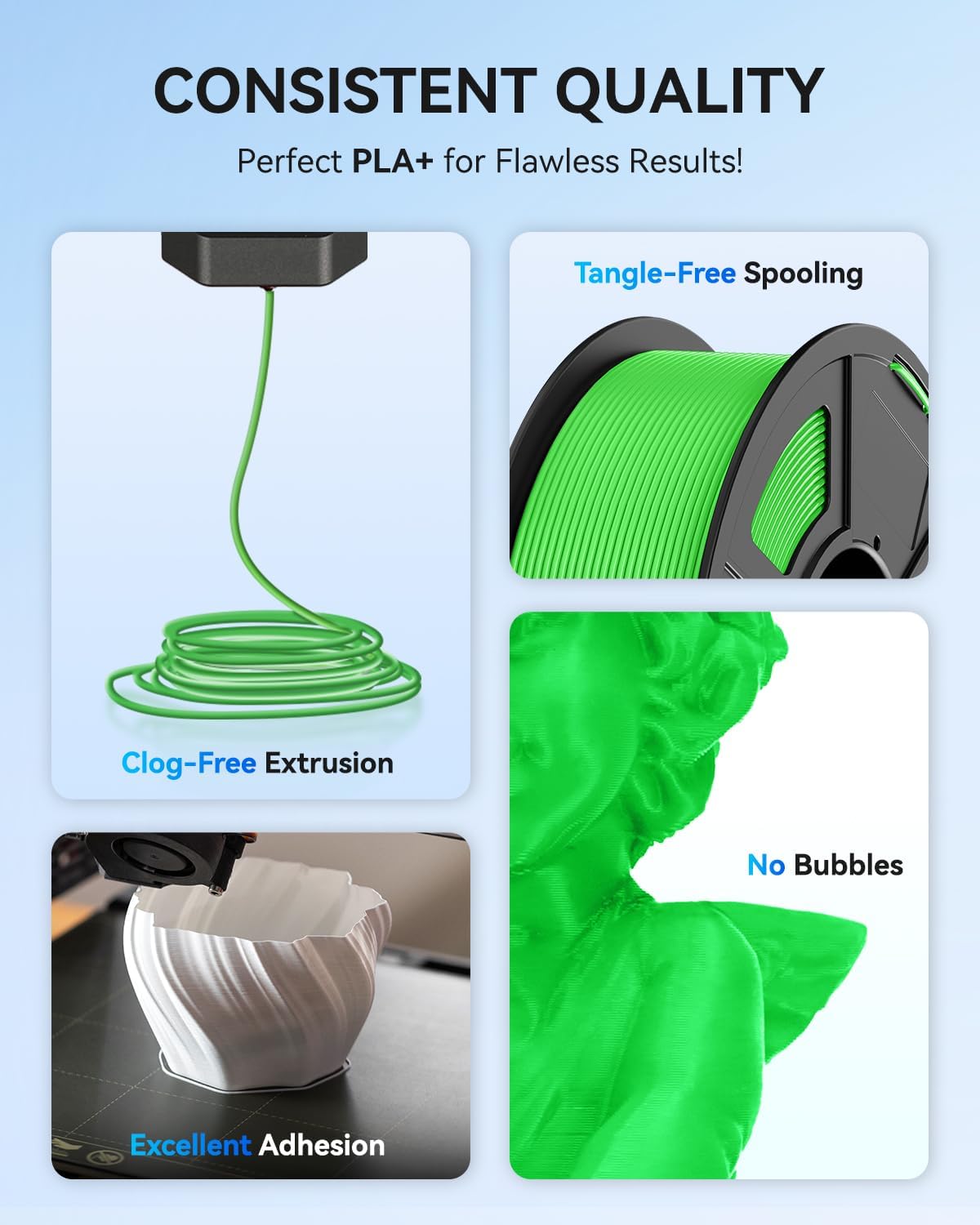
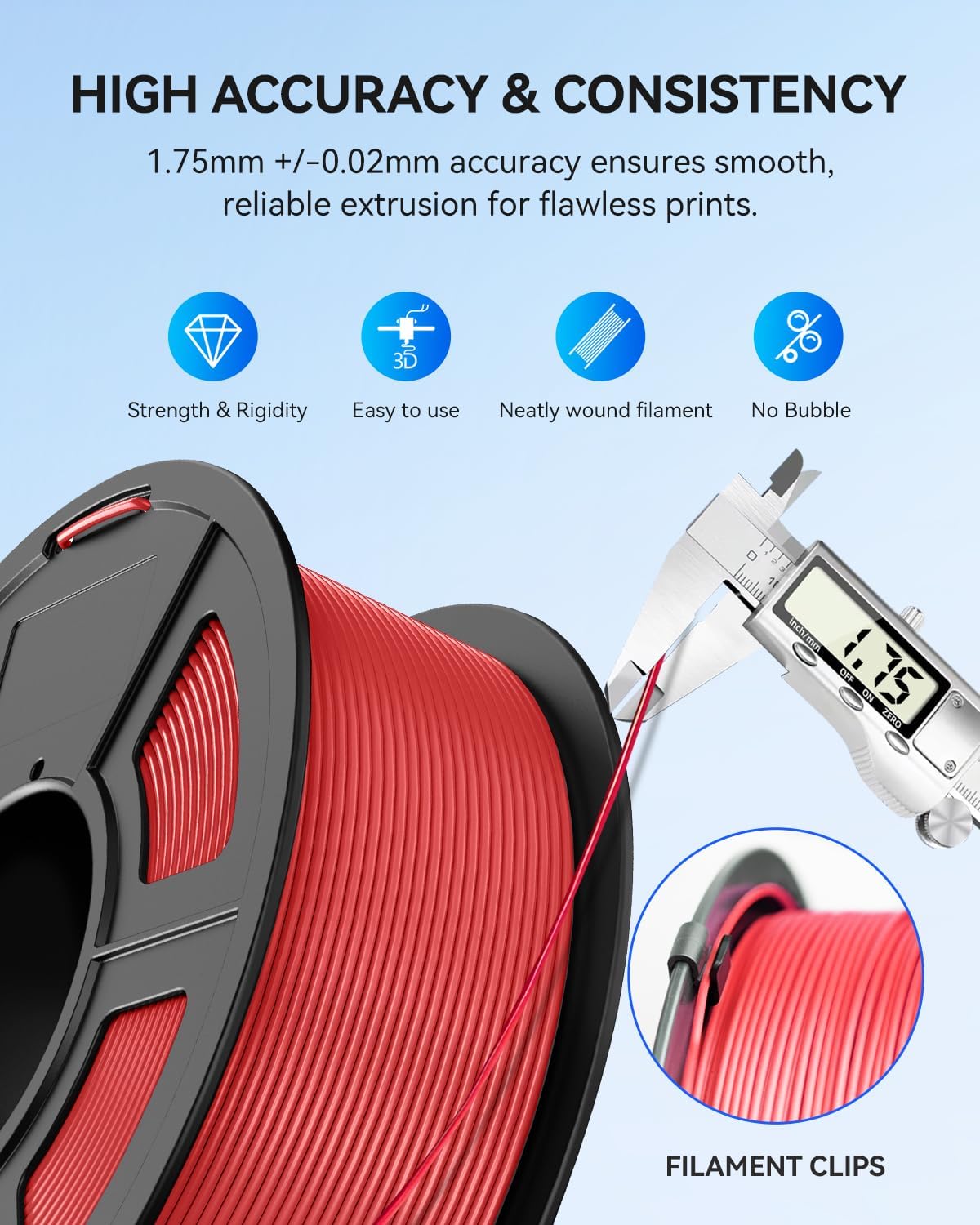
The filament is specified at 1.75 mm with a dimensional accuracy of +/- 0.02 mm, which helps with stable feeding and consistent extrusion. JAYO emphasises a neatly wound spooling process, designed to minimise tangling, twisting or breakage during printing—an issue that can raise the risk of nozzle clogs and failed prints. The packaging includes desiccants and moisture control, so the material is less prone to moisture-related issues that can affect print quality.
Print performance and settings
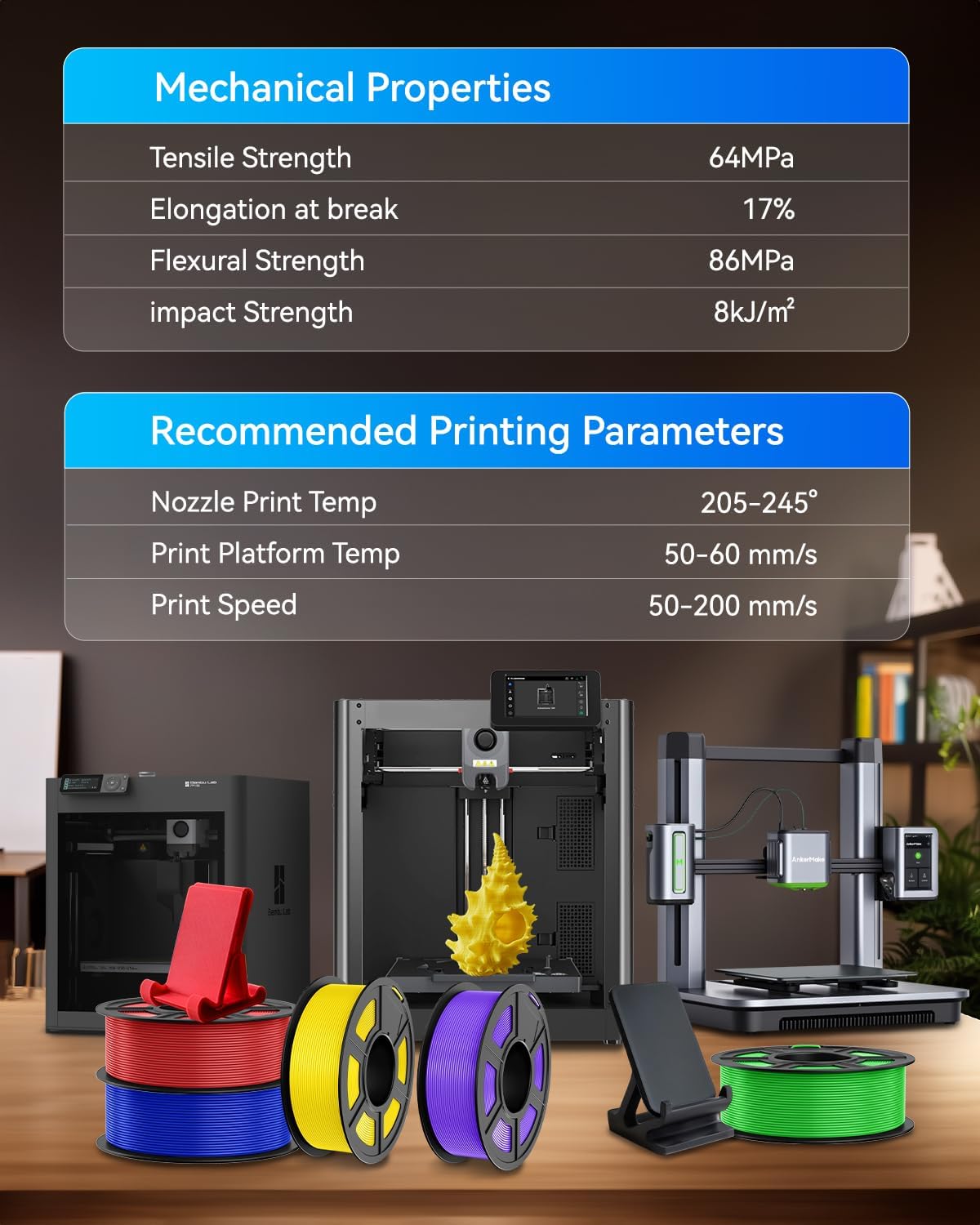
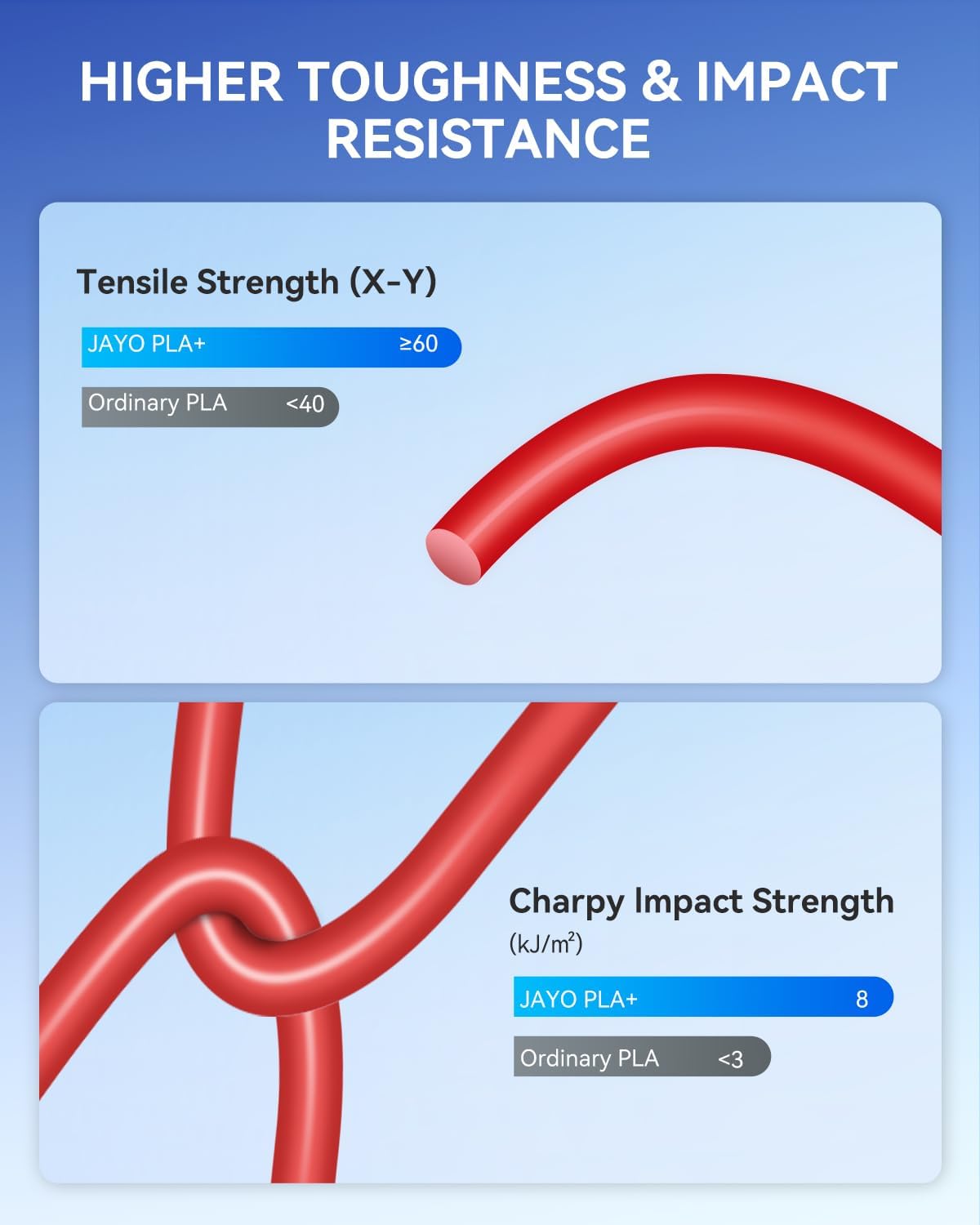
On paper, PLA+ is described as having better toughness and higher strength than standard PLA, along with lower warping and a brighter finish. The manufacturer provides recommended print settings: a nozzle temperature of 210–235°C, a bed temperature of 55–65°C, and a printing speed between 50–300 mm/s. These ranges cover a broad spectrum of desktop printers and offer a reasonable starting point for most users. Real-world results, however, will vary with printer calibration, ambient conditions and enclosure use, so it’s sensible to run a few test prints to dial in the best balance of layer adhesion and surface finish for your projects.
What you get and who it suits
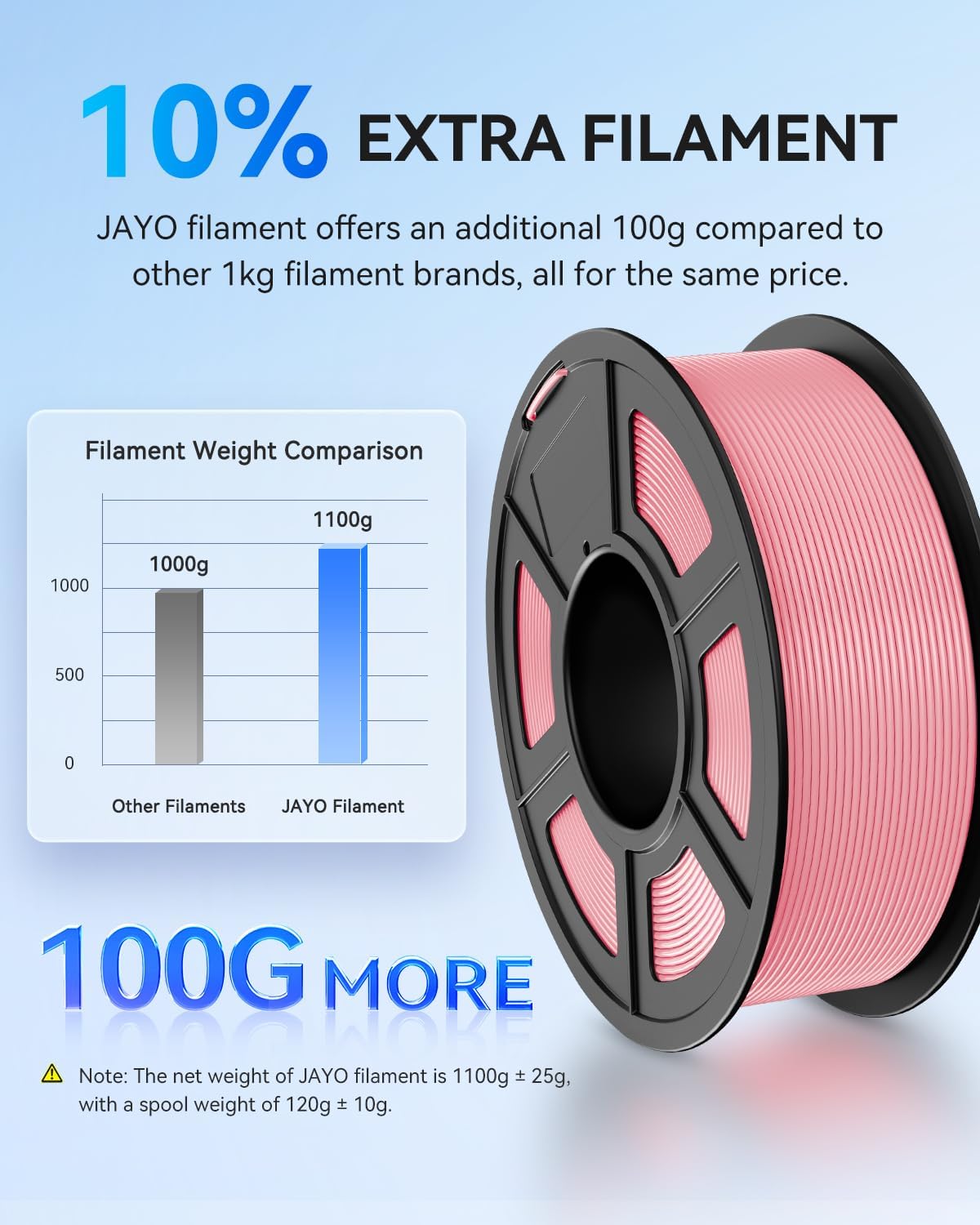
This product is supplied as 1.1 kg of transparent PLA+ filament, compatible with a wide array of FDM printers that accept 1.75 mm filament. It’s aimed at makers who want a tougher alternative to standard PLA without moving up to ABS or PETG. It’s a sensible option for hobbyists, school projects, and professionals who value a clear appearance and improved impact resistance in lightweight parts. If you need very high heat resistance or chemical resistance, PLA+ may still fall short compared with more specialised materials.
Pros and cons in practice
On the plus side, the improved toughness and lower warp potential can translate to more reliable prints, particularly for small automotive, gadget housings or display pieces where clear visibility is important. The precise diameter helps with consistent extrusion, reducing the chance of under- or over-extrusion between layers. The price point tends to sit in a reasonable band for an enhanced PLA variant, which makes it an attractive option for regular hobbyists.
On the downside, PLA+ still inherits some limitations of PLA family: heat resistance is limited, and prolonged exposure to higher temperatures can soften printed parts. The colour is described as transparent, which is great for certain applications but may show print lines more readily if print quality isn’t optimal. Because this is a mid-range filament, it may not satisfy users who require extreme mechanical performance or heat tolerance.
How it compares to alternatives
If you prioritise simplicity and a touch more durability than standard PLA, PLA+ like JAYO’s offering is a sensible compromise before stepping up to PETG or more demanding materials. For users aiming to print functional hinges, light structural parts or display pieces with a clear look, this filament offers a workable balance of clarity, strength and ease of use. If your work involves high-temperature environments or chemical exposure, you’ll likely want to evaluate other materials beyond PLA+.
Before you buy: practical checks
- Confirm your printer can handle 1.75 mm filament and the bed temperature range suggested.
- If you print in batches, ensure your drying/storage is adequate, even with desiccants, long storage can influence moisture-sensitive filaments.
- Run a calibration cube or small banner print to verify diameter consistency and retraction settings before committing to larger parts.
- Consider how the transparent aesthetic will interact with your design, small imperfections can be more noticeable on clear prints.
Final decision: is it worth it?
Should you buy it? If you want a tougher, more reliable PLA-like filament for clear parts and you’re comfortable with modestly adjusting printer settings, this PLA+ offers sensible value and predictable results for everyday projects. It’s not the best option if you need maximum heat resistance or the absolute clearest transparency without printing refinements. It suits users who want better durability than standard PLA without stepping into PETG complexity.
Frequently asked questions
- What printer settings should I start with? Start around 210°C nozzle, 60°C bed, and 60 mm/s, then tweak for layer adhesion and surface finish.
- Will it warp more or less than standard PLA? PLA+ is designed to reduce warping relative to standard PLA, aiding dimensional stability on larger prints.
- Is the packaging moisture-controlled? Yes, the filament is described as vacuum-sealed with desiccants to mitigate moisture exposure.