

ANYCUBIC PLA Filament 1.75mm – 1kg Reusable Blue Spool
Reviews
Price
Product description
What this is and what it solves
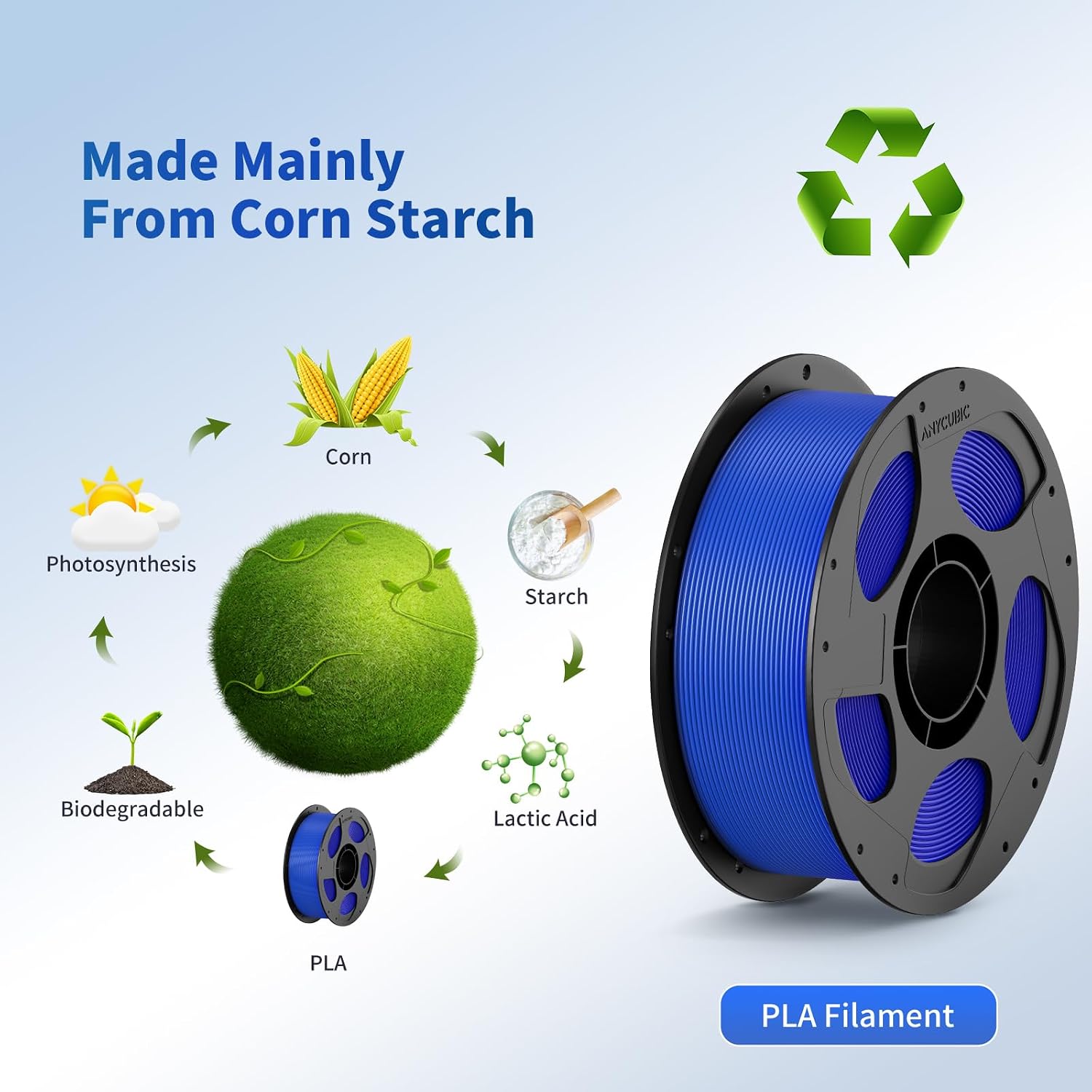
Anycubic PLA filament is a 1.75mm 3D printing material designed for smooth extrusion and stable layer bonding. It aims to deliver consistent diameter and low shrinkage, which helps reduce gaps between layers and improve bridging. For hobbyists and light-duty makers that want reliable prints without the smell or fumes sometimes associated with other plastics, this PLA option offers a straightforward printing experience.
How it performs on paper
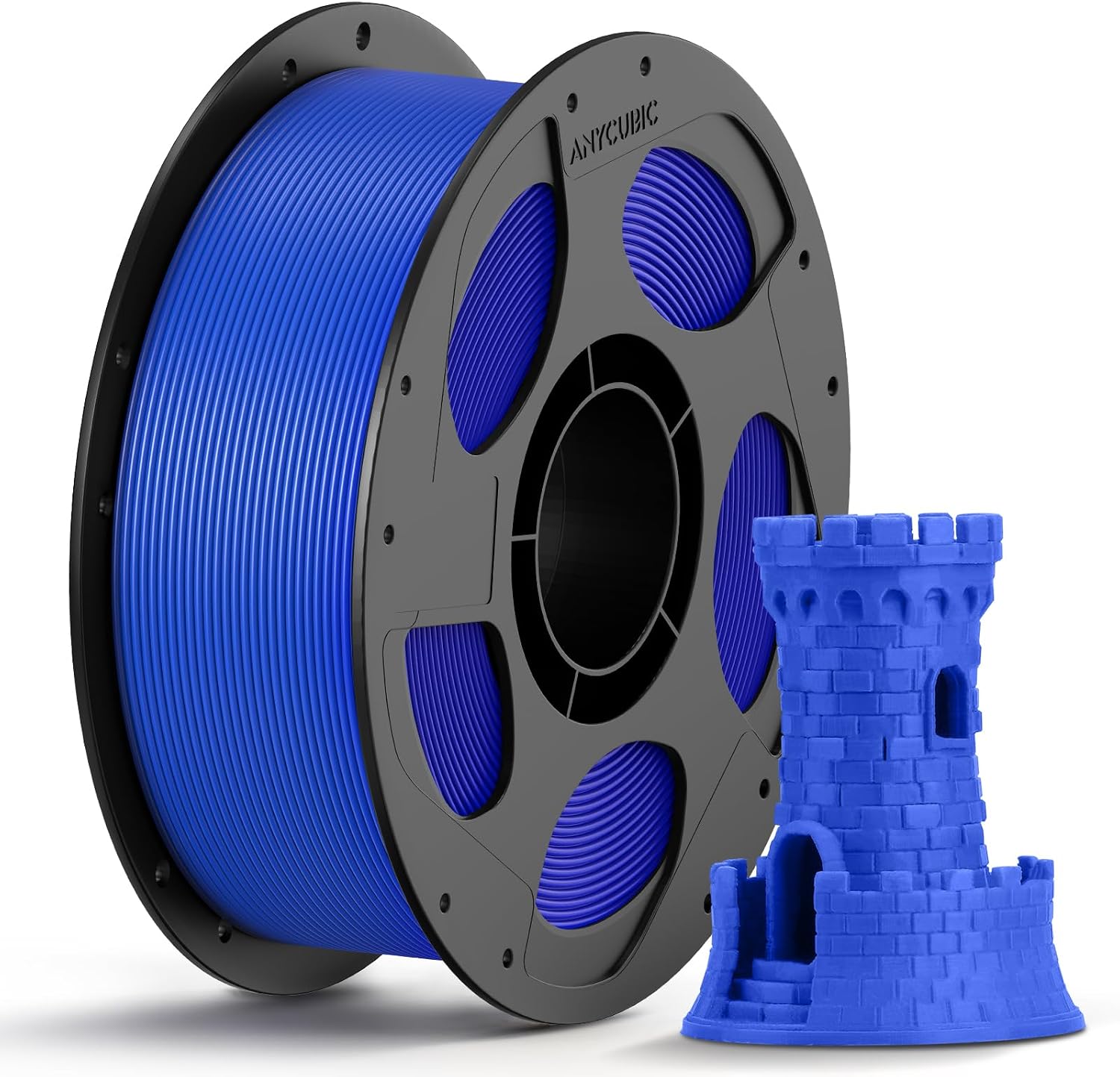
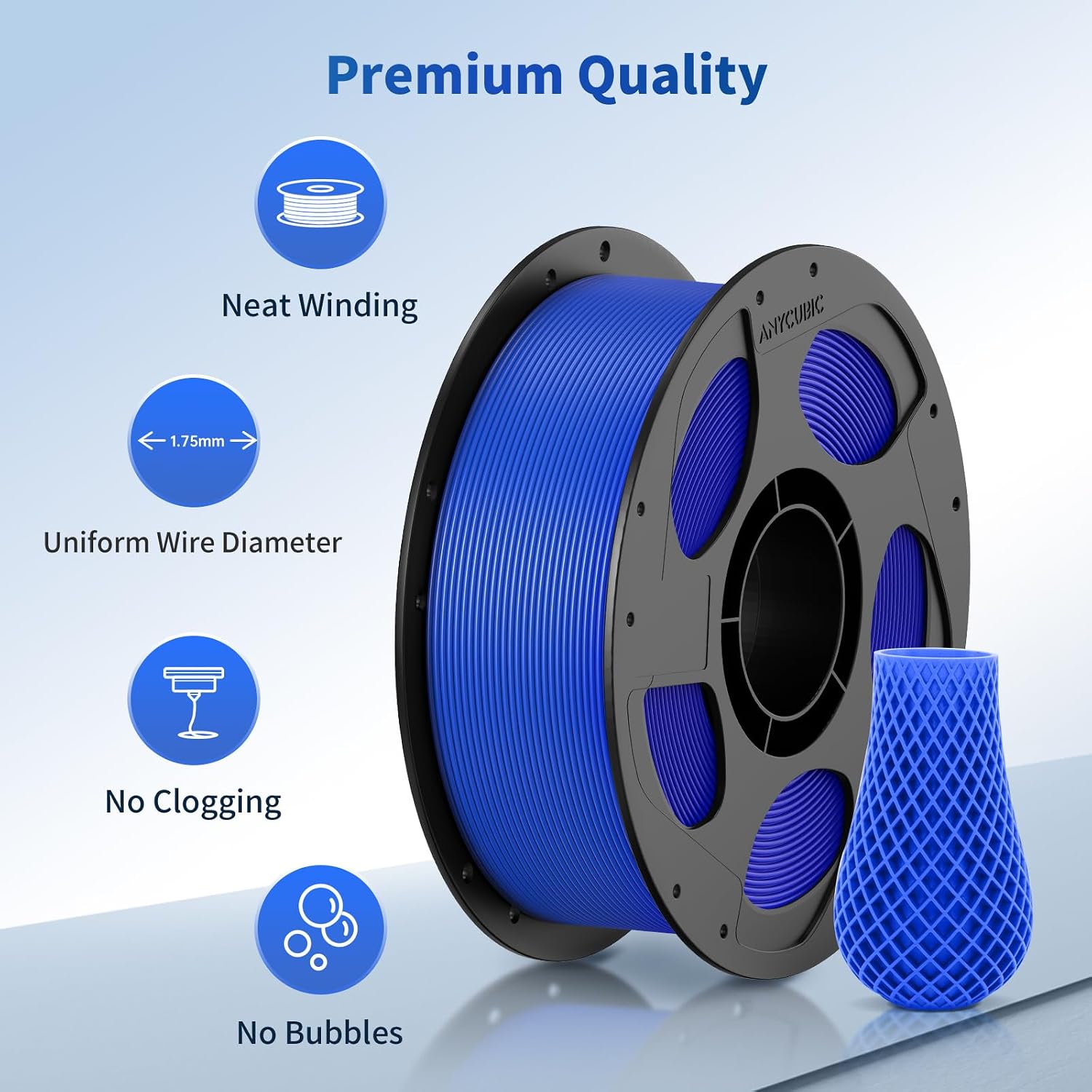
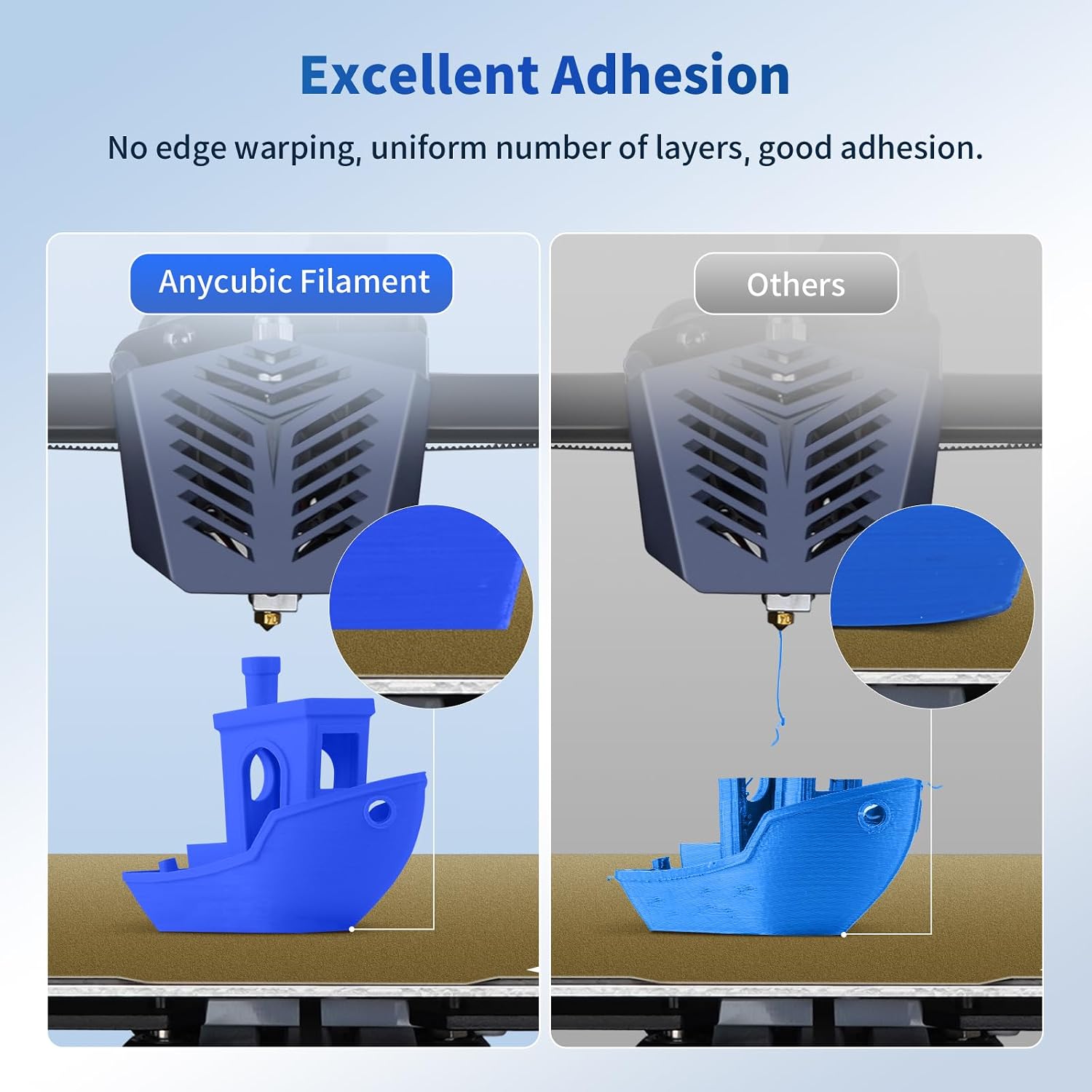
The filament specifies a dimensional tolerance of +/- 0.02mm, which translates to more predictable extrusion and fewer surprise changes in feed rate. Its low warp tendency suits parts and models produced on common FDM printers that don’t always require a heated bed. The result is a glossy finish with minimal stringing and a cleaner overall look when compared with rougher finishes. It’s described as clog-free and bubble-free thanks to pre-drying and vacuum sealing with desiccants, which should help with initial spool reliability.
What stands out in use
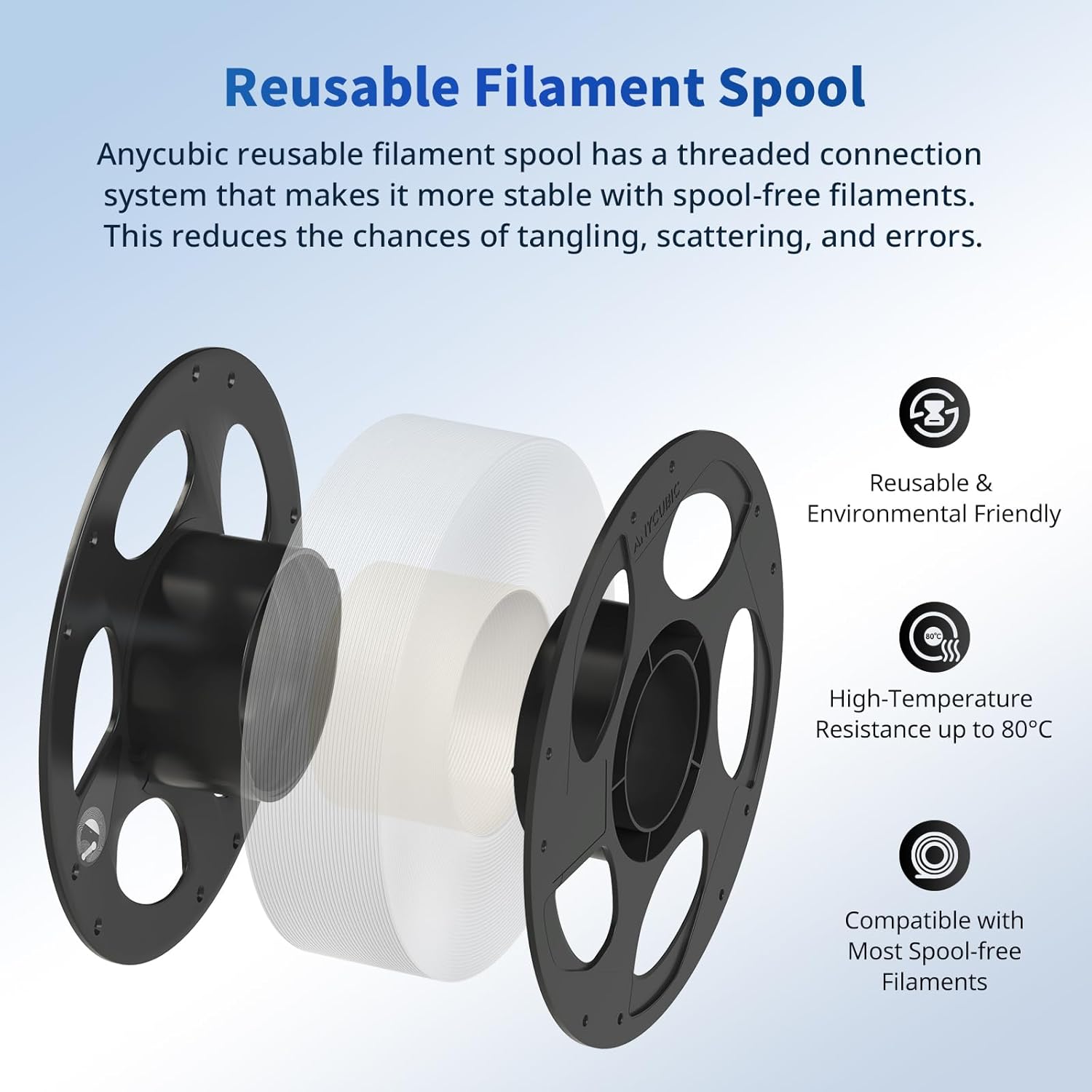
Practically, you’ll notice steadier feeding and more consistent layer adhesion, which supports better bridging and a more uniform surface. The larger inner diameter on the spool is designed to ease feeding, reducing the chances of tangling during longer prints. Per the guidance provided, preheating the nozzle when swapping spools can further minimise the risk of blockages.
The potential drawbacks or limits
No product is perfect for every scenario. PLA, including this Anycubic variant, typically prints at lower temperatures than some engineering plastics and can be less heat resistant for parts exposed to higher temperatures. It also relies on ambient conditions to some extent, very humid environments may affect storage even with desiccants. If you’re aiming for high-temperature applications or flexible properties, PLA may not be the best choice.
Ideal user and use cases
This filament suits beginners and seasoned hobbyists looking for a reliable, easy-to-print material for general-purpose models, miniatures, and decorative objects. It’s a sensible option if you want a straightforward print experience with clean surfaces and minimal post-processing. For educational projects or quick prototyping where print speed and ease of use matter, this PLA can be a practical default.
Who should think twice
If your projects demand very tight tolerances under load, or parts that must withstand heat, you might prefer materials designed for higher temperature resistance or mechanical strength. Also, if your printer frequently experiences temperature fluctuations or you routinely print on a heated bed with aggressive environments, testing a sample from any new spool is prudent.
What to check before buying
- Ensure your printer supports 1.75mm filament and can heat to PLA-friendly ranges.
- Verify storage conditions to keep moisture at bay, even with vacuum-sealed packaging.
- When starting a new spool, preheat the nozzle and guide the filament manually to avoid jams.
Practical usage note
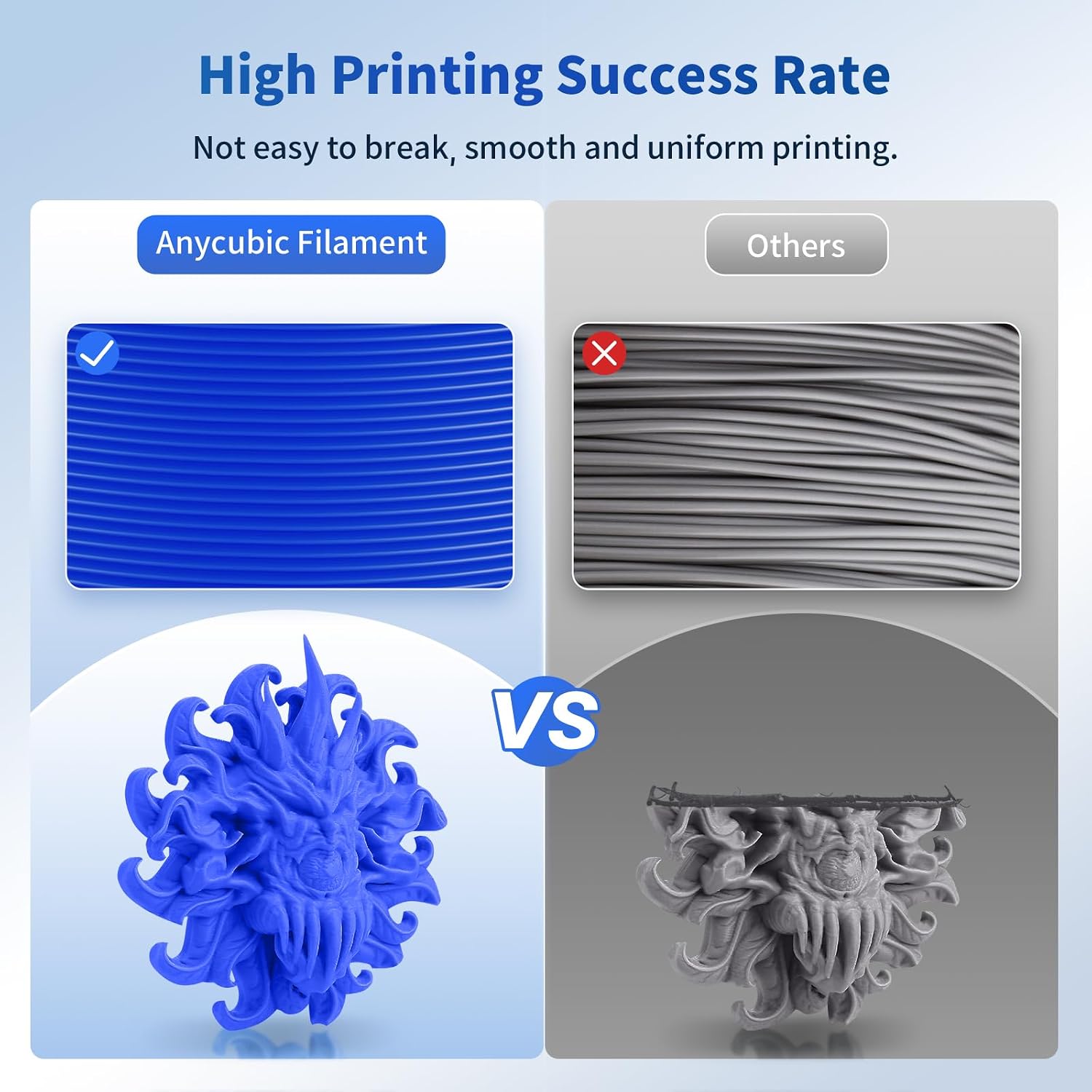
A typical use case is printing a functional model with fine bridging and a glossy finish. The print surface often benefits from proper cooling and calibrated extrusion to maximise the smooth appearance that PLA can offer.
Practical comparison in context
If you’re weighing PLA against more advanced filaments, PLA like this tends to be more forgiving and cost-effective for everyday prints. For projects requiring high strength, rigidity at elevated temperatures or abrasion resistance, you might consider alternatives outside PLA, and treat this Anycubic option as a dependable entry point or workhorse material.
Is it worth it?
A solid pick if you prioritise predictable results, ease of use, and a clean finish for general-purpose prints. It may not be the best option for high-heat or heavy-load parts, but for hobby projects and educational demos, it offers good value-for-money and straightforward performance.
What you’ll notice in use – FAQ
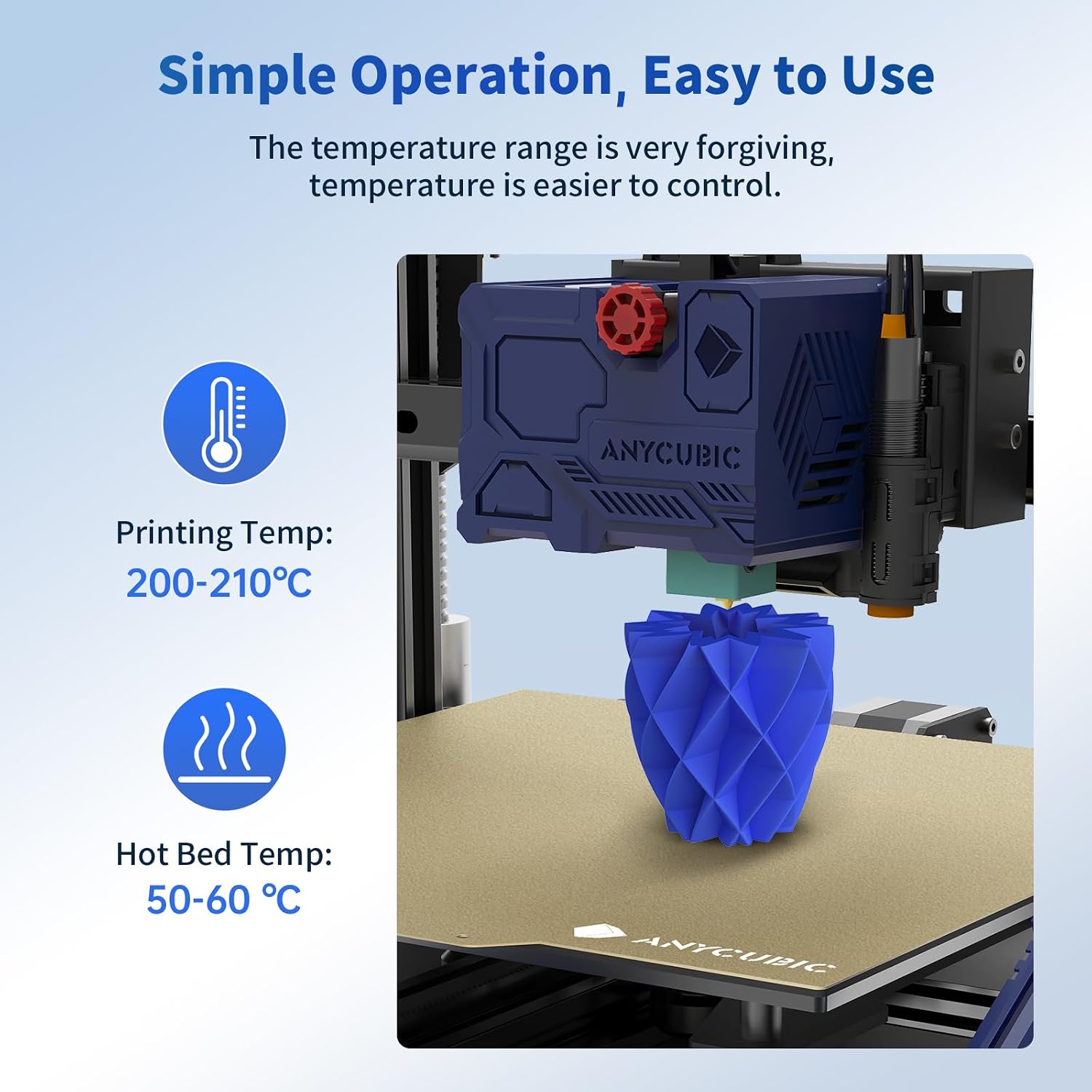
- Does it require a heated bed? Generally PLA can print without a heated bed, but a heated bed is compatible and common practice for some printers.
- How’s the smell? PLA typically has milder odour compared with some other plastics during printing.
- How long does it take to print a typical model? Print times depend on model complexity and settings, PLA is generally forgiving for beginners.
Final practical tip
If you’re starting with a new spool, run a small calibration cube to verify extrusion and surface quality before committing to a larger print.