

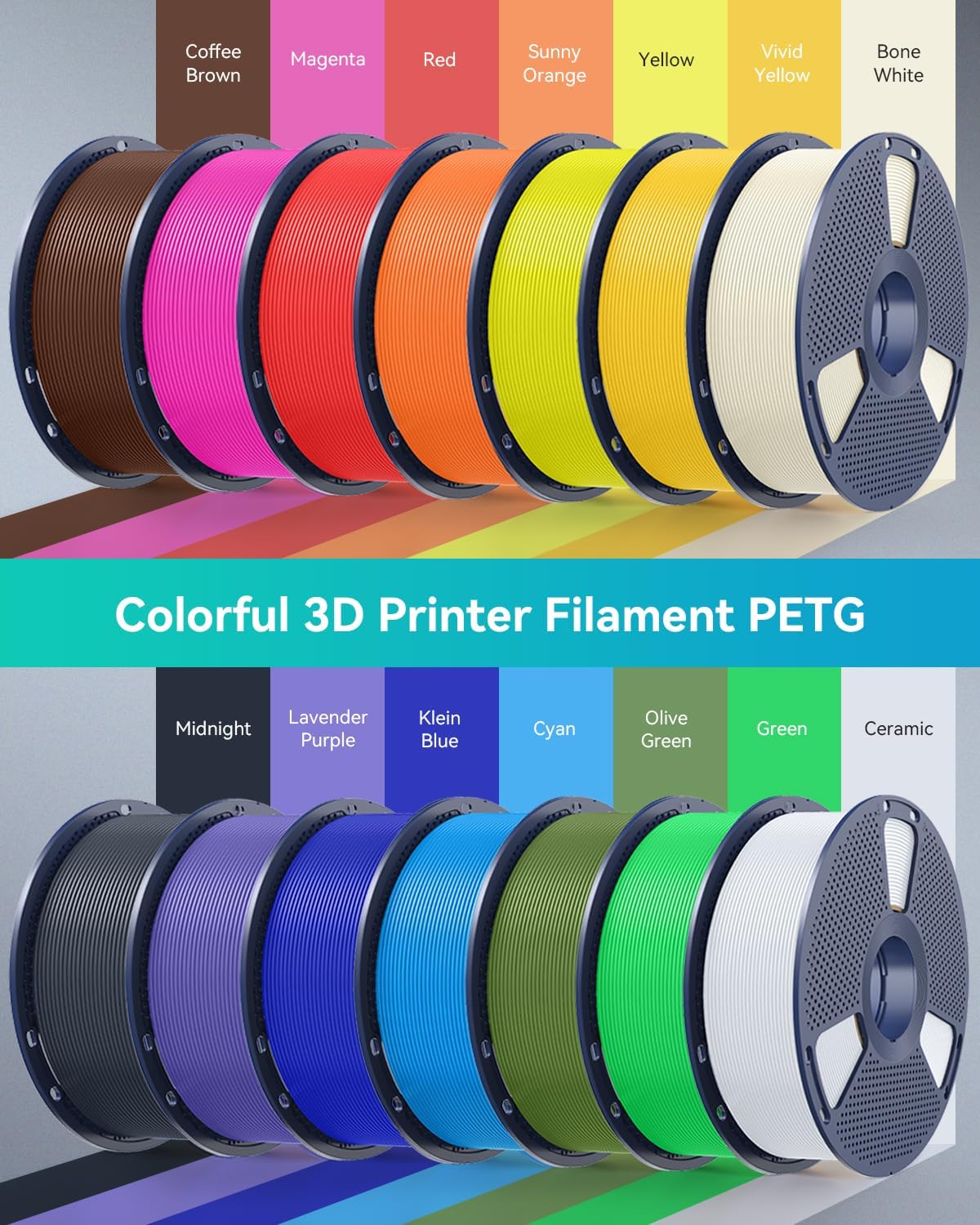
SUNLU PETG Filament 1.75mm (PETG Ceramic) — 1kg spool for stronger, less-stringy prints
Reviews
Price
Product description
The essentials
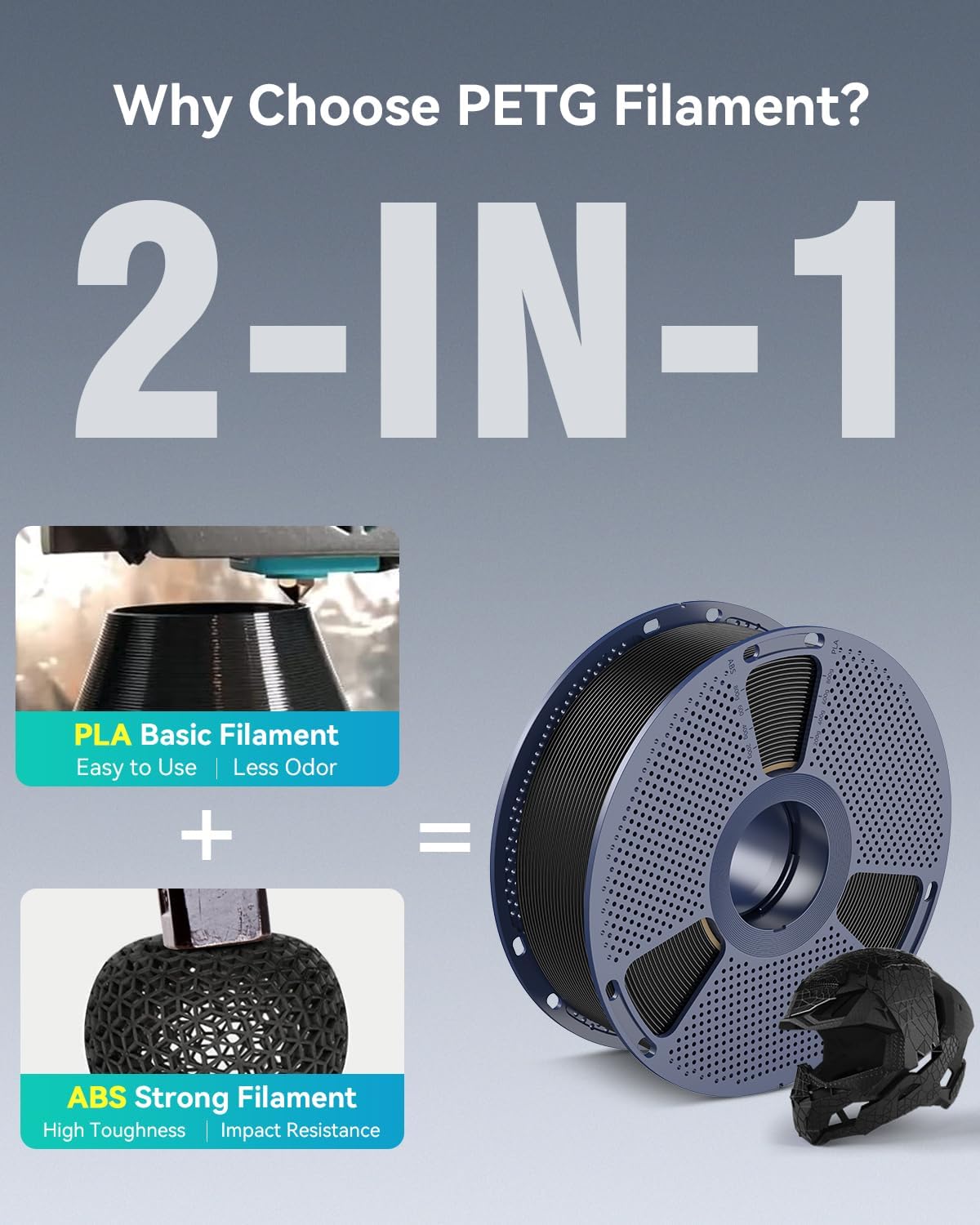
SUNLU’s PETG filament is aimed at people who want the easier day-to-day experience of PLA, but with PETG’s more tough, functional side. On paper, it’s built for prints that need decent layer bonding, good impact resistance and a finish that stays usable whether the part lives indoors or gets some exposure outdoors.
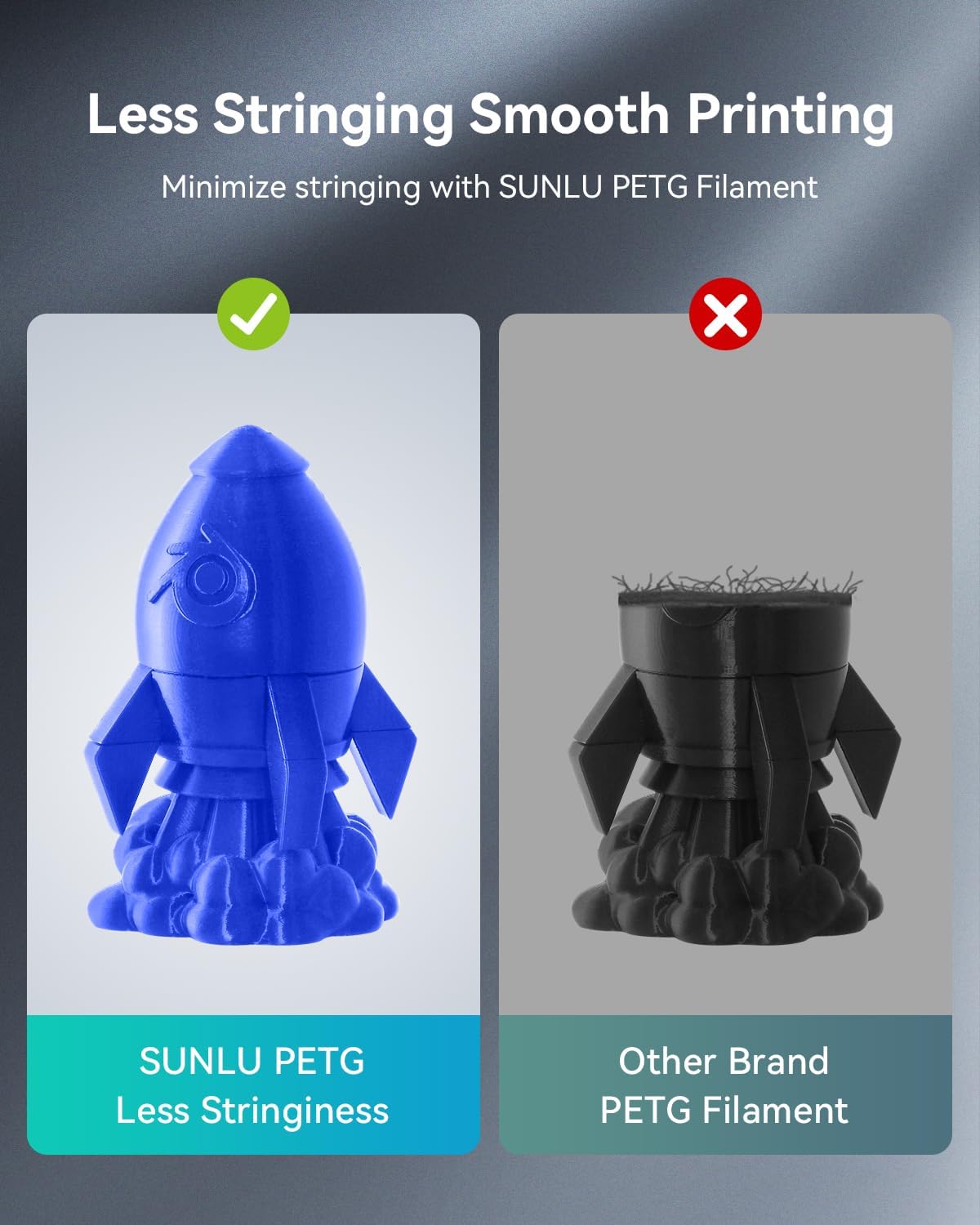
The headline promise here is “less stringing” alongside solid layer adhesion. That combo matters because PETG can be a bit needy compared with the most forgiving plastics—so if you’re fed up with wispy strands or brittle-looking layers, this is the kind of PETG spool that tries to make results feel more consistent.
What it’s for (and when PETG makes sense)
PETG is a common choice when you want something that’s more practical than decorative PLA. It tends to suit items that see handling, vibration or the occasional bump—things like functional brackets, protective covers, tool organisers or parts that need to stay in one piece rather than look good for five minutes and crack.
This SUNLU PETG also leans towards parts where impact resistance is important. That doesn’t mean it’s indestructible, but the idea of “toughness over fragility” is clear from the way the filament is presented.
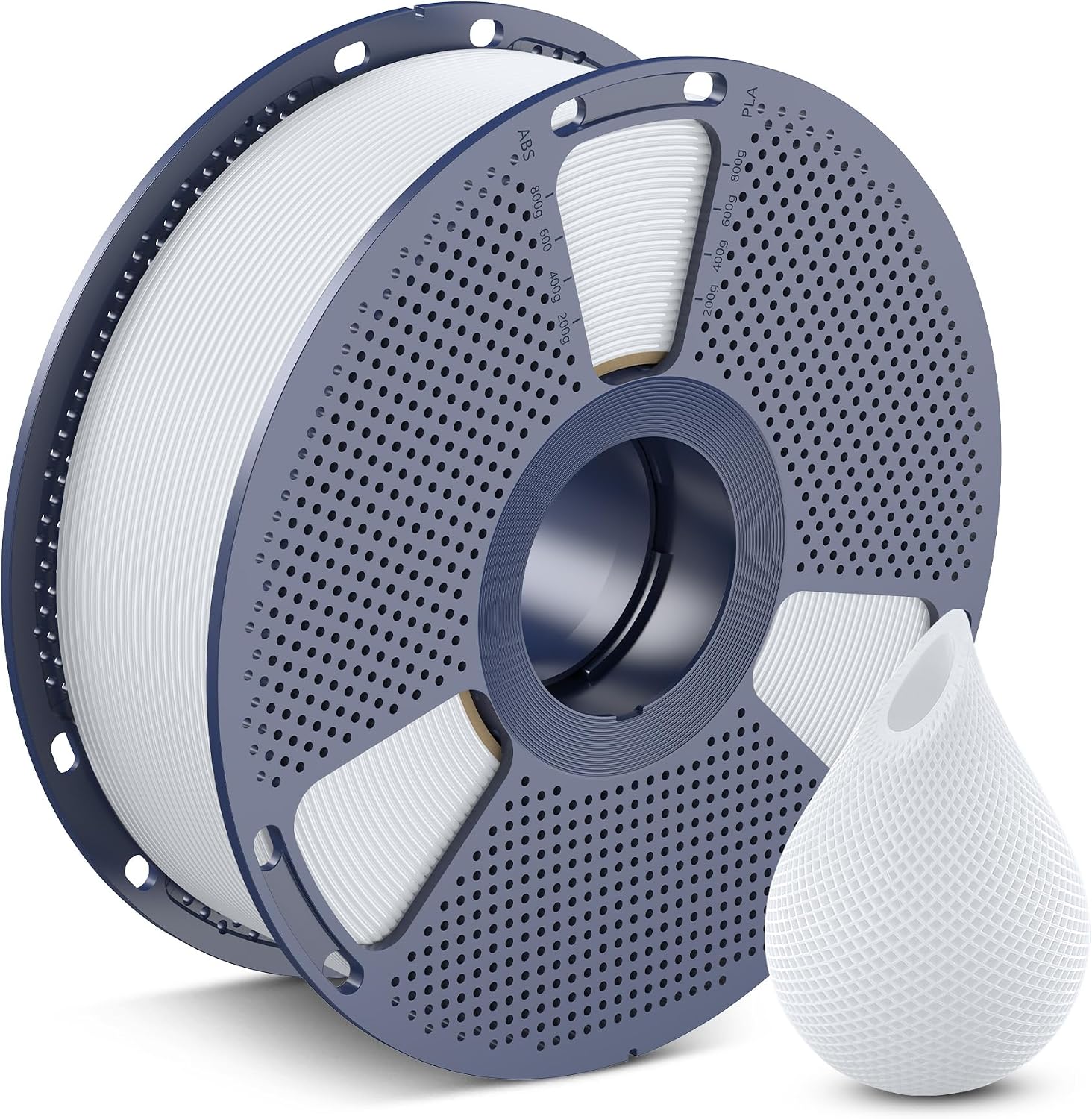
Worth considering if you’re moving from a basic filament to something better for real-world use. It may not be perfect if your priority is absolute “set-and-forget” simplicity, but for many FDM users it’s a sensible middle ground.
Where it stands out in use
The most convincing bits from the provided info are straightforward:
- Less stringing: the filament is described as being designed to reduce the formation of strings and avoid jams. If you’ve ever had to spend time cleaning up fine strands, you’ll know why this matters.
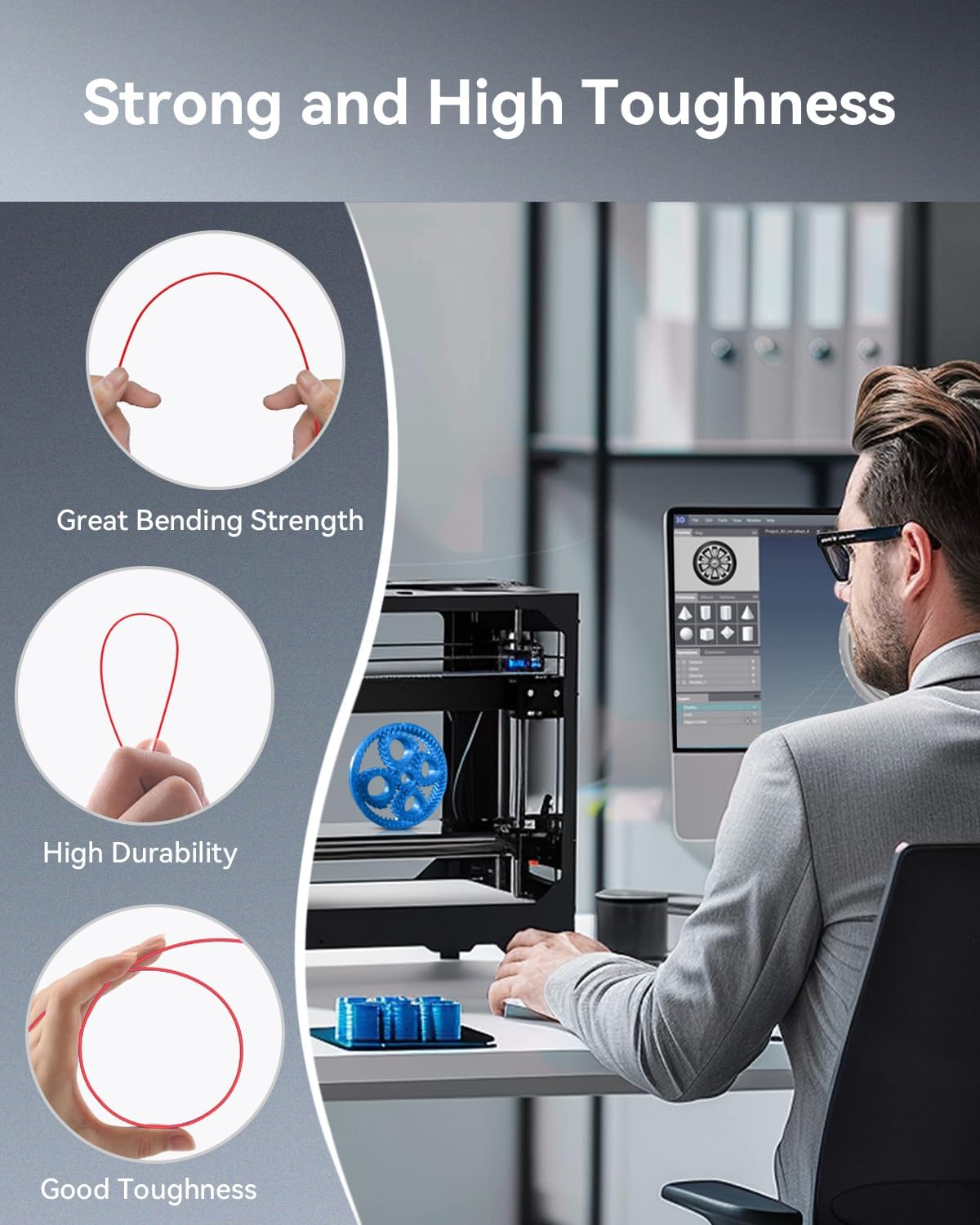
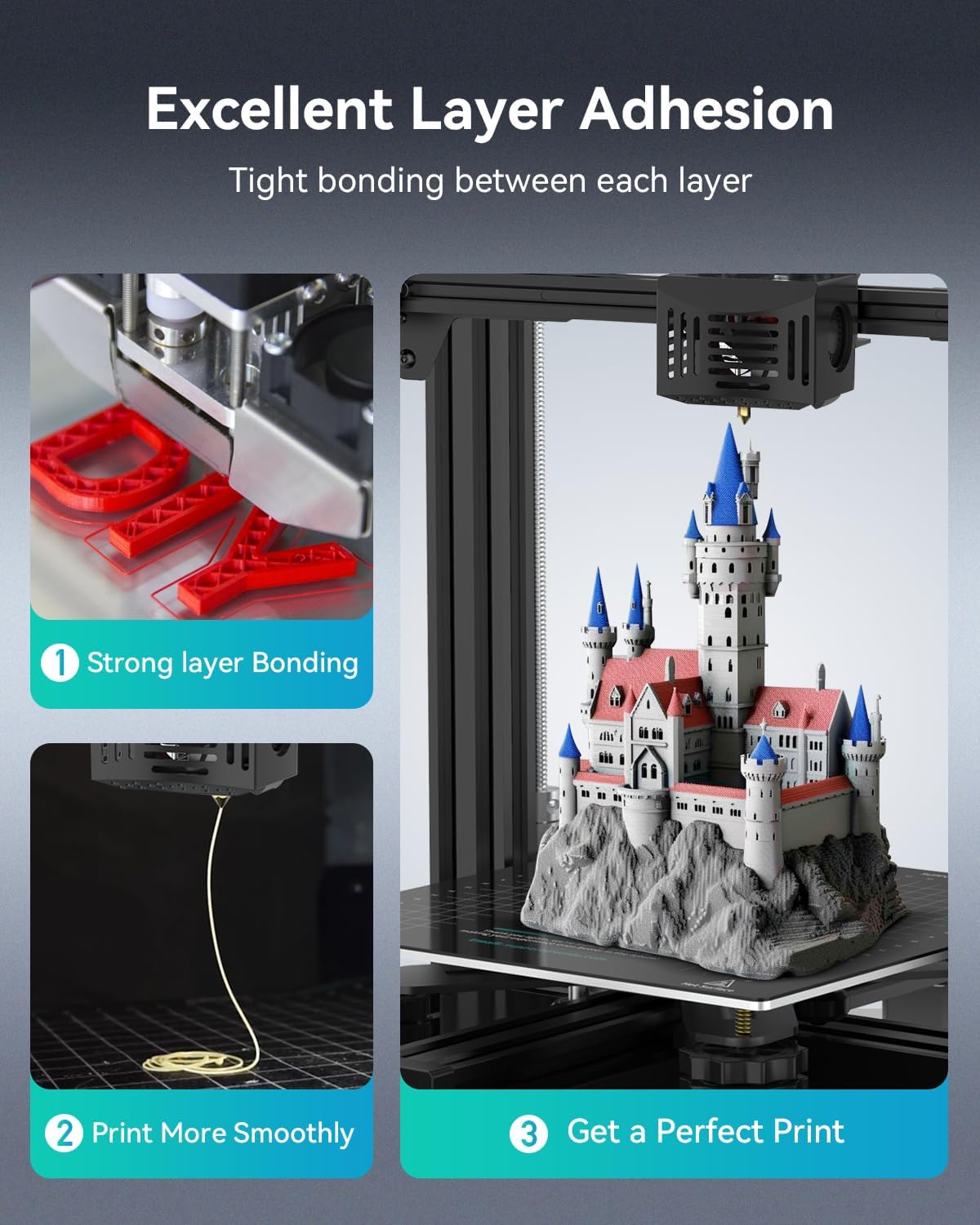
- Layer adhesion: it’s positioned as having excellent layer bonding, which should help reduce warping risk and improve structural integrity.
- Toughness and impact resistance: it’s marketed for parts that must tolerate knocks and drops without cracking.
There’s also a note that the spool is packaged vacuum sealed in airtight containers to help keep moisture out from the factory to your printer. PETG can be sensitive to moisture in general, so any effort to keep it dry before use is a plus.
A quick micro example: if you’re printing a small clip or bracket, stronger layer adhesion typically helps the hinge points or stress areas resist splitting. And if stringing is reduced, you’ll spend less time with a blade or tweezers cleaning edges before the part is assembled.
Tech specs you should actually care about
From the information given, the key specs to align with your machine are:
- Diameter / tolerance: 1.75mm filament with 1.75 ±0.02mm
- Filament type: PETG
- Spool size: 1kg
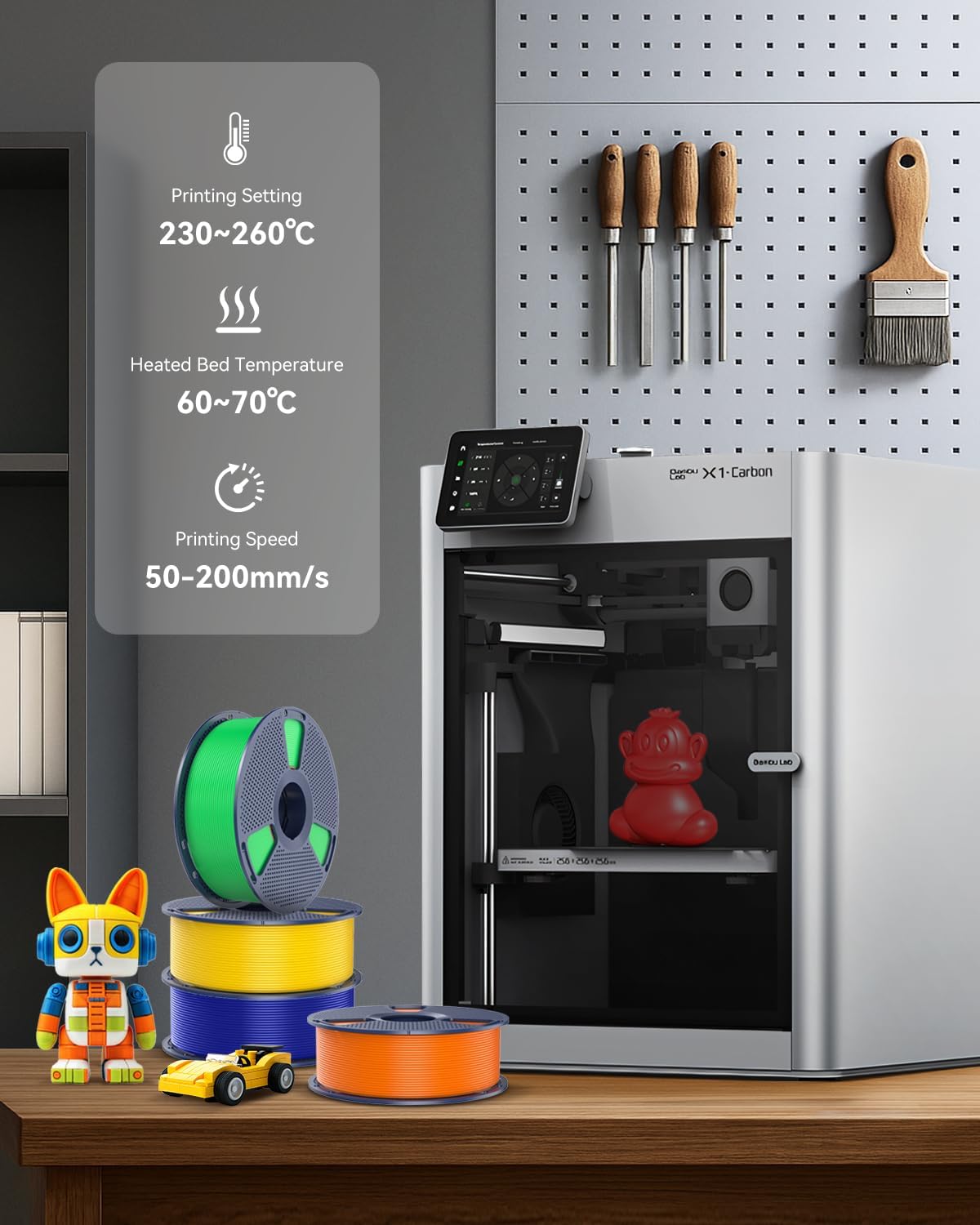
- Nozzle temperature guidance: 240–260°C
- Bed temperature guidance: 60–70°C
- Print speed guidance: 50–200 mm/s
Keep in mind that those temperature and speed ranges are recommendations. Your real-world best settings still depend on your printer, nozzle size and airflow, so if your setup runs cooler or hotter than expected, you may need a bit of tuning.
Pros, and a couple of limitations
This is a practical PETG choice if you want functional prints with:
Pros
- Better between-layer bonding, which can reduce warping risk and improve strength.
- Designed to produce less stringing and avoid clogs/atasques.
- PETG positioned for impact resistance and tough durability.
- Vacuum packaging aimed at keeping moisture away before you print.
What you might not like
- PETG usually needs temperature control more thoughtfully than very basic plastics, and the provided ranges suggest you’ll need to set your nozzle/bed temperatures sensibly.
- The material is described in performance terms, but there’s no specific data here about dimensional accuracy after printing, chemical resistance, or outdoor weathering duration—so for high-stakes exposure, you’ll want to rely on your own test prints.
How to get decent results without overthinking
If you buy PETG thinking it’ll behave exactly like PLA, you may be disappointed. PETG can be more demanding, but the recommendations given help you start in the right band.
It makes sense to:
- Start close to the 240–260°C nozzle window and 60–70°C bed window.
- Use a moderate speed when you’re still dialing in settings—within the 50–200 mm/s guidance.
- Pay attention to cleanup time. If stringing reduction is the goal, do a quick test print first rather than committing to a full batch.
It’s not a bad idea to treat the first print as calibration: small tweaks to temperature and speed can noticeably change how clean the print looks.
Mini FAQ
Is this PETG suitable for functional parts?
Based on the emphasis on layer adhesion, toughness and impact resistance, it’s aimed at parts that need strength rather than purely decorative looks.
What temperatures should I expect to use?
The recommendations provided are 240–260°C for the nozzle and 60–70°C for the bed.
Will it work with my 1.75mm setup?
It’s 1.75mm filament, and the description says it has wide compatibility with common 3D printers, but you should still make sure your printer supports PETG and uses the right feed diameter.
Does it arrive sealed to protect from moisture?
Yes. It’s described as vacuum-sealed in airtight packaging to help keep it free from moisture.
Is it a good choice if I hate stringing?
That’s one of the main reasons it’s listed. Just note that results still depend on your printer settings and environment.
Final verdict
When it makes sense
A solid buy if you’re after PETG prints that are tougher than typical entry-level filaments, with the goal of stronger layer bonding and cleaner-looking prints thanks to reduced stringing.
When to skip it
You may want to avoid it if you’re looking for a super forgiving, low-effort filament experience, or if you can’t reliably follow a reasonable nozzle/bed temperature setup for PETG.
Who it suits
It fits best if you print functional FDM parts and you care about sturdier results and less cleanup. If you’re the kind of user who likes to dial in settings and run a quick test print, this kind of PETG spool is likely to be a practical step up.