

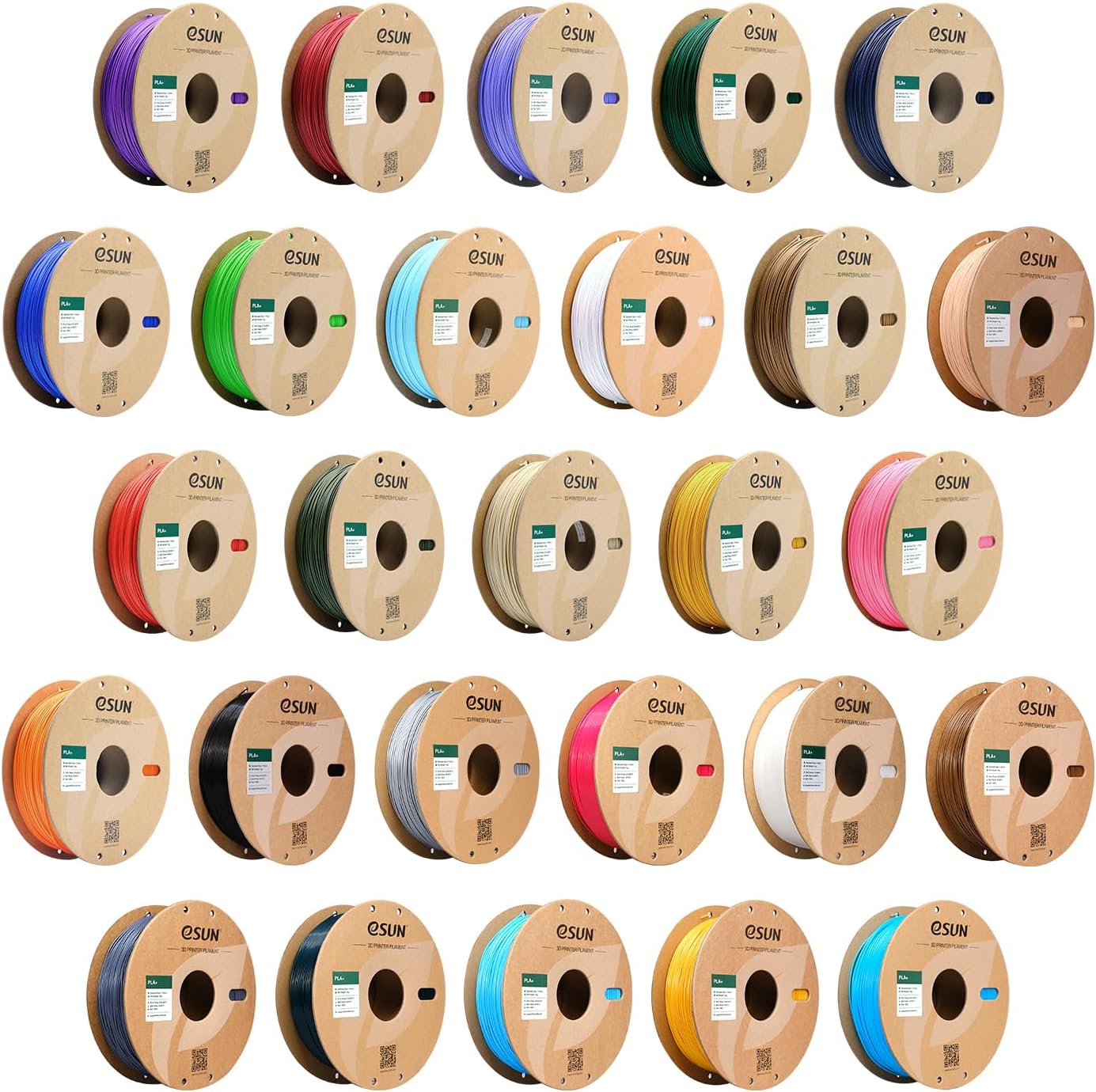
eSUN PLA+ Filament 1.75mm – Enhanced Toughness Blue, 1kg spool
Product description
What it is and what it’s for
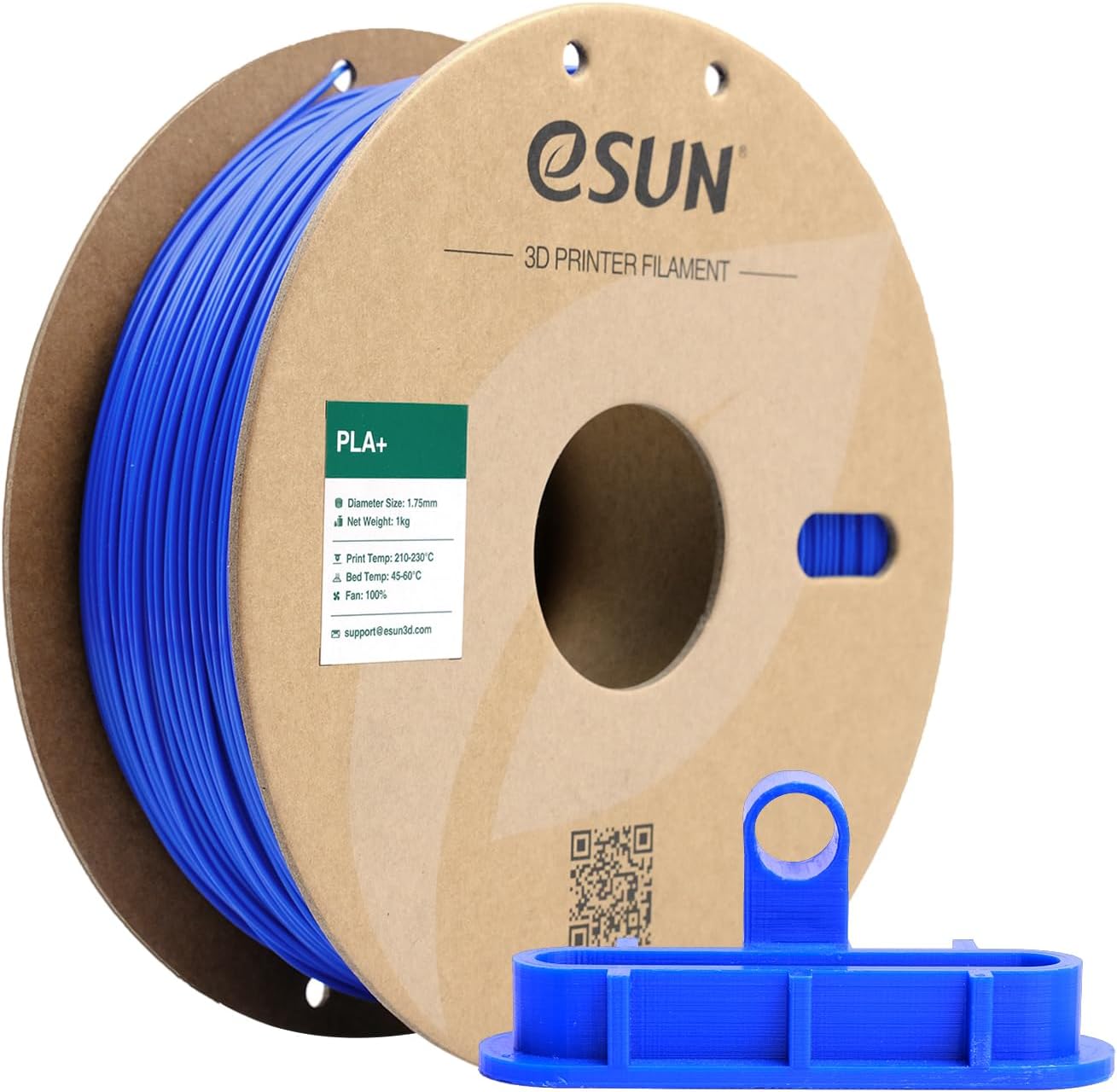
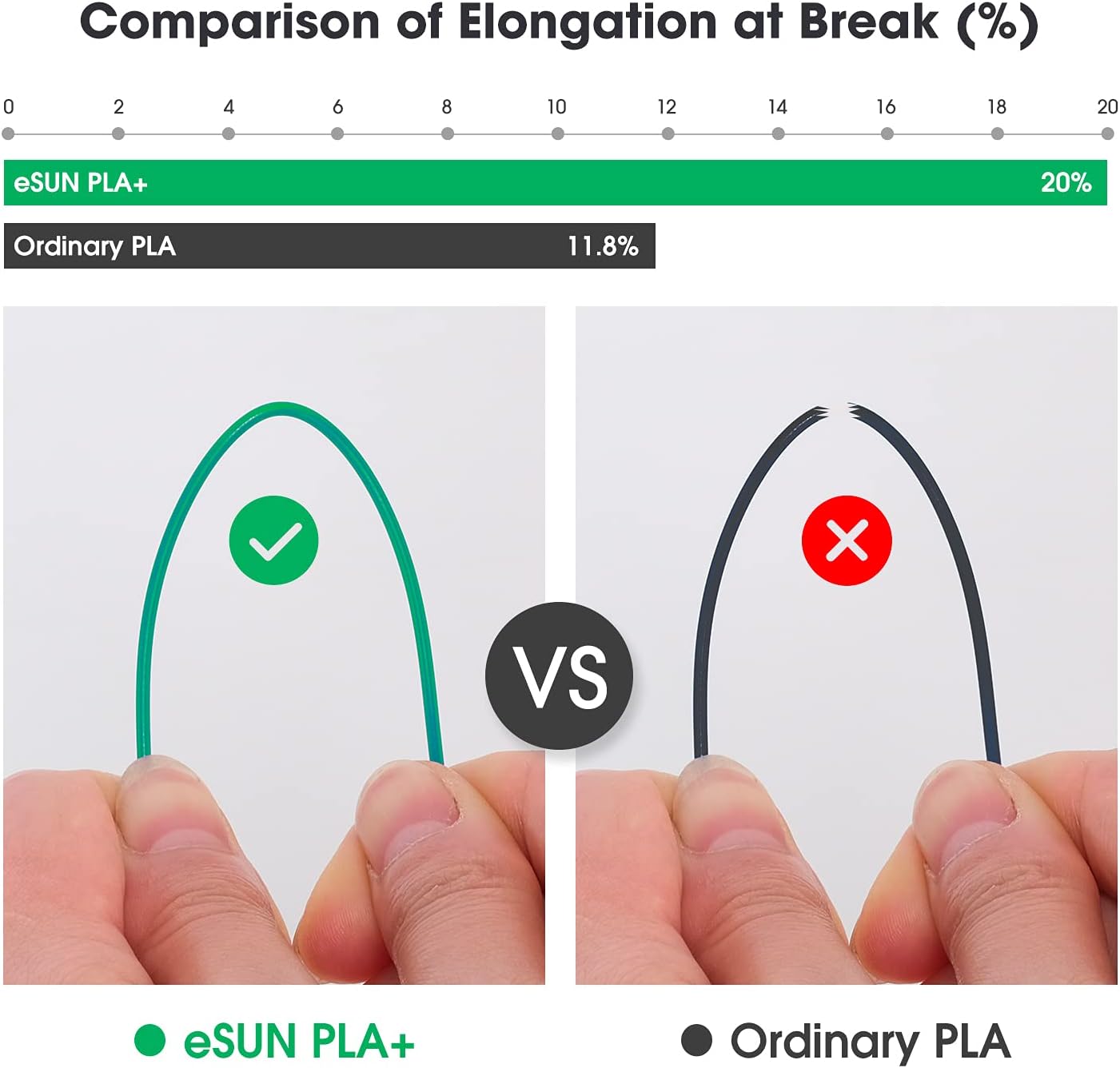
The eSUN PLA+ filament is an enhanced version of standard PLA designed for 3D printing with higher strength and improved toughness. It’s a 1.75mm filament on a full 1kg spool, aimed at hobbyists and professionals who want reliable, easy-to-print parts that resist cracking and breaking under stress. The blue colour is a common choice for prototypes, mechanical parts, and decorative objects alike.
How it prints on the bench
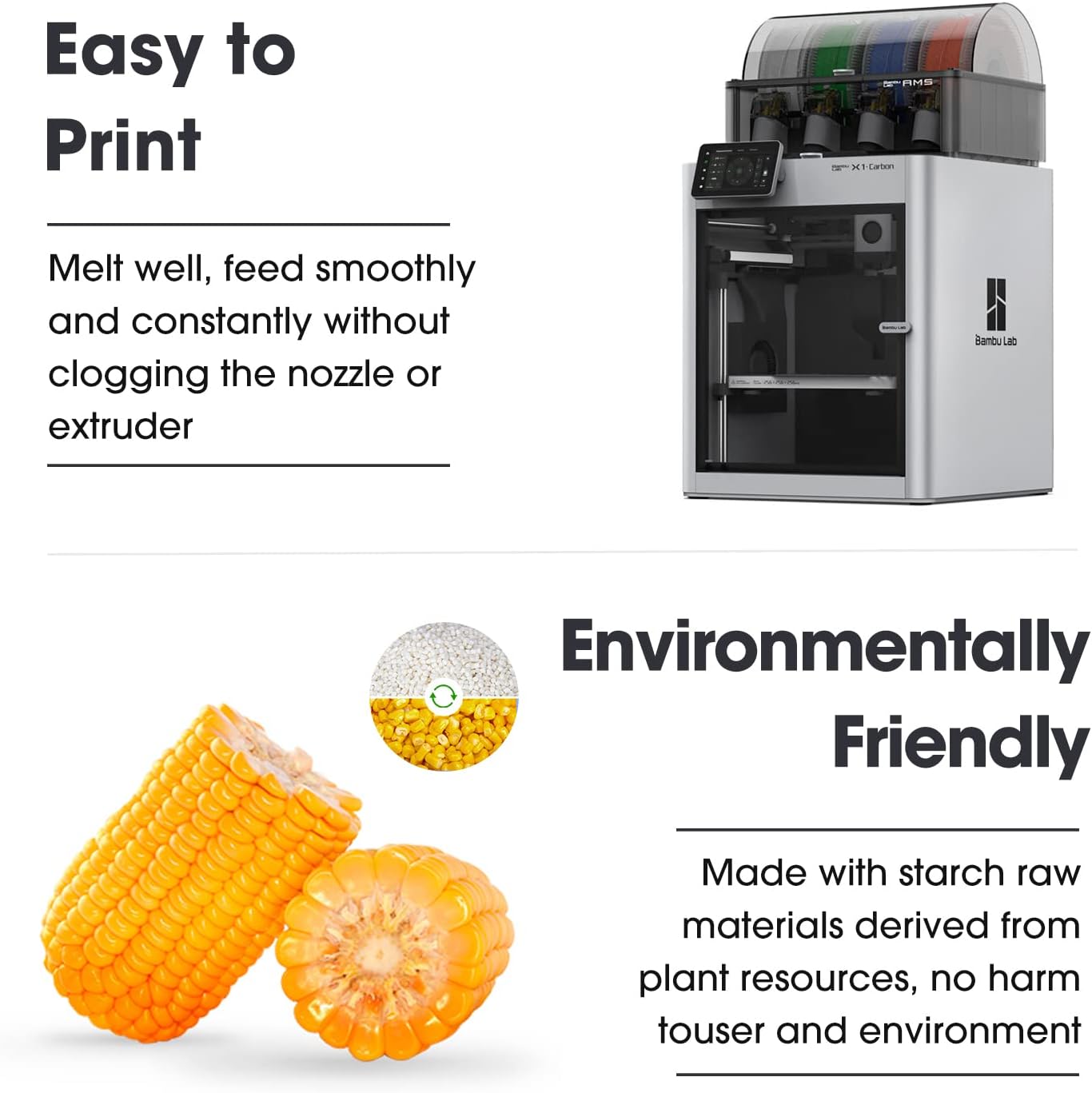
On the page, the PLA+ is pitched for high-speed printing while maintaining the familiar ease of PLA. The material is described as having low shrinkage and good layer bonding, which translates to precise prints with minimal warping. The manufacturer highlights smooth melting and steady extrusion that helps prevent common issues like bubbling or delamination during quicker print passes.
Dimensional accuracy and consistency
A standout claim is a dimensional tolerance of +/- 0.03mm. In practice this suggests tighter control over diameter and roundness, which supports consistent feeding through the extruder and steadier layer lines. The reel is described as well wound, with no overlap or tangling, contributing to fewer nozzle clogs and smoother starts—especially important for longer prints.
What you get in the box
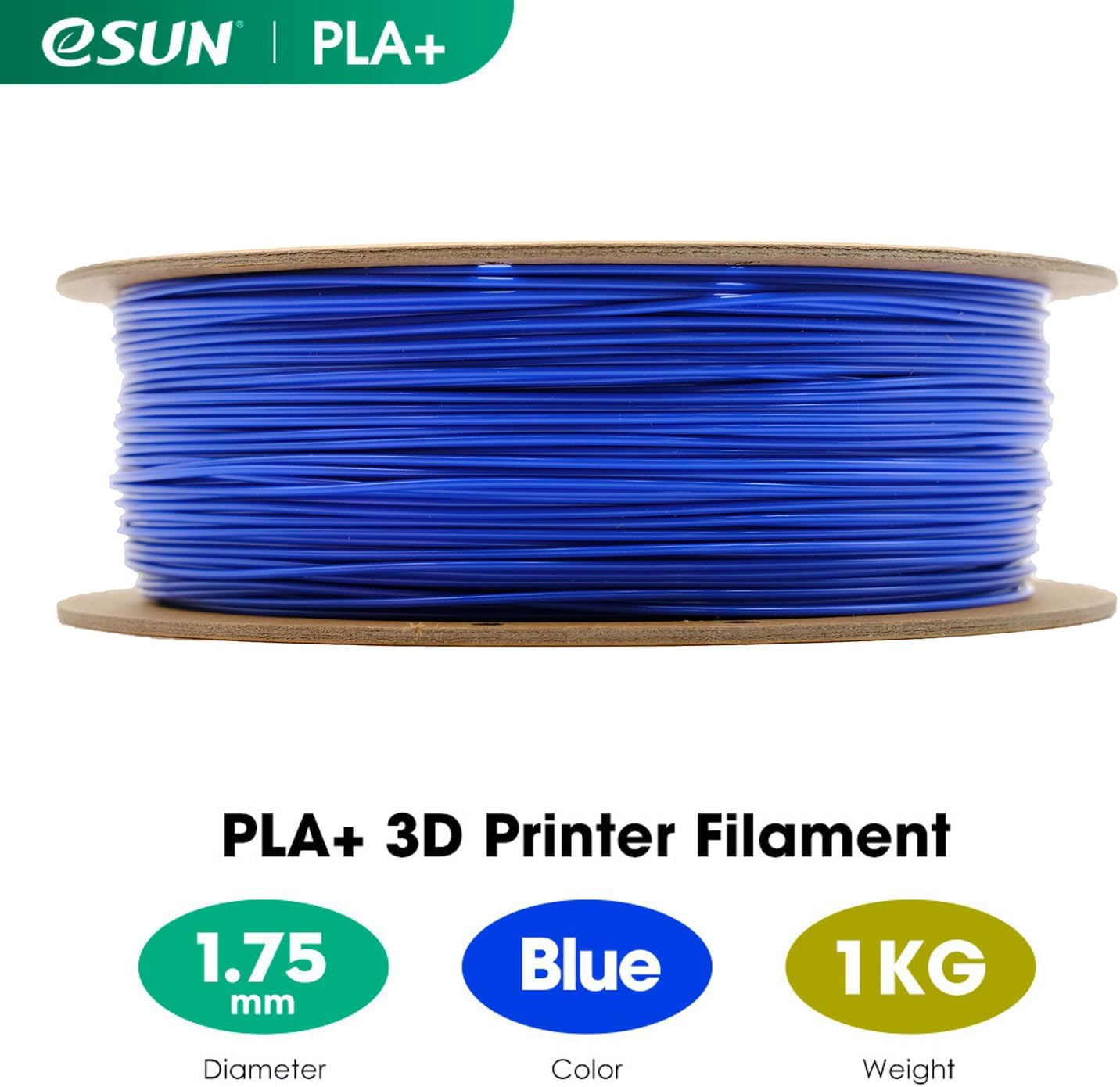
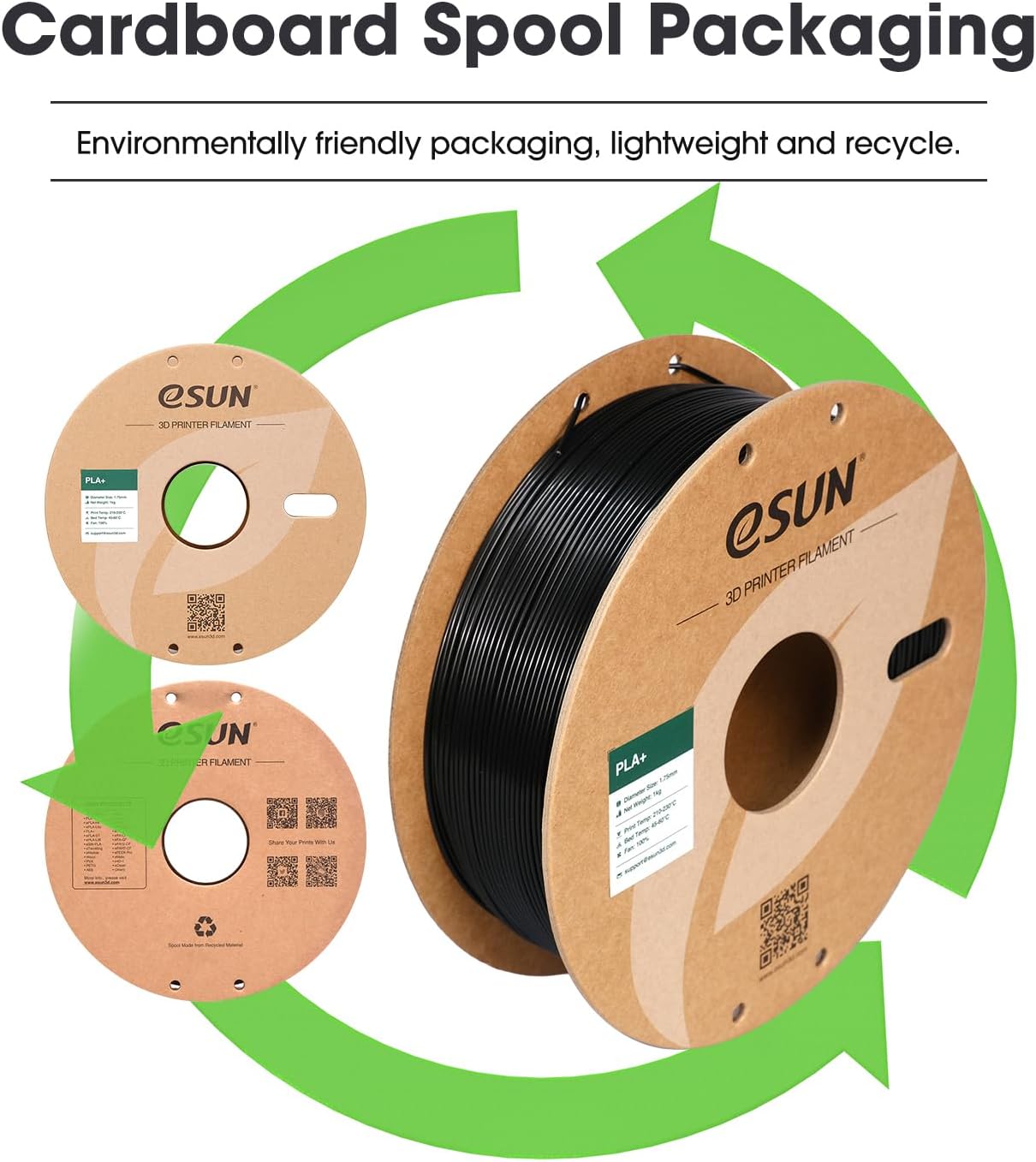
You’ll receive a full 1kg spool of blue PLA+ filament. Total length is stated as 340–350m, which is typical of a 1kg reel at this diameter. The focus here is on reliable feeding and predictable performance rather than exotic formulations. A practical advantage is the claimed resistance to tangling, which reduces time spent on spool management.
Material properties you can rely on
- Made from renewable plant resources and described as eco-friendly and non-toxic.
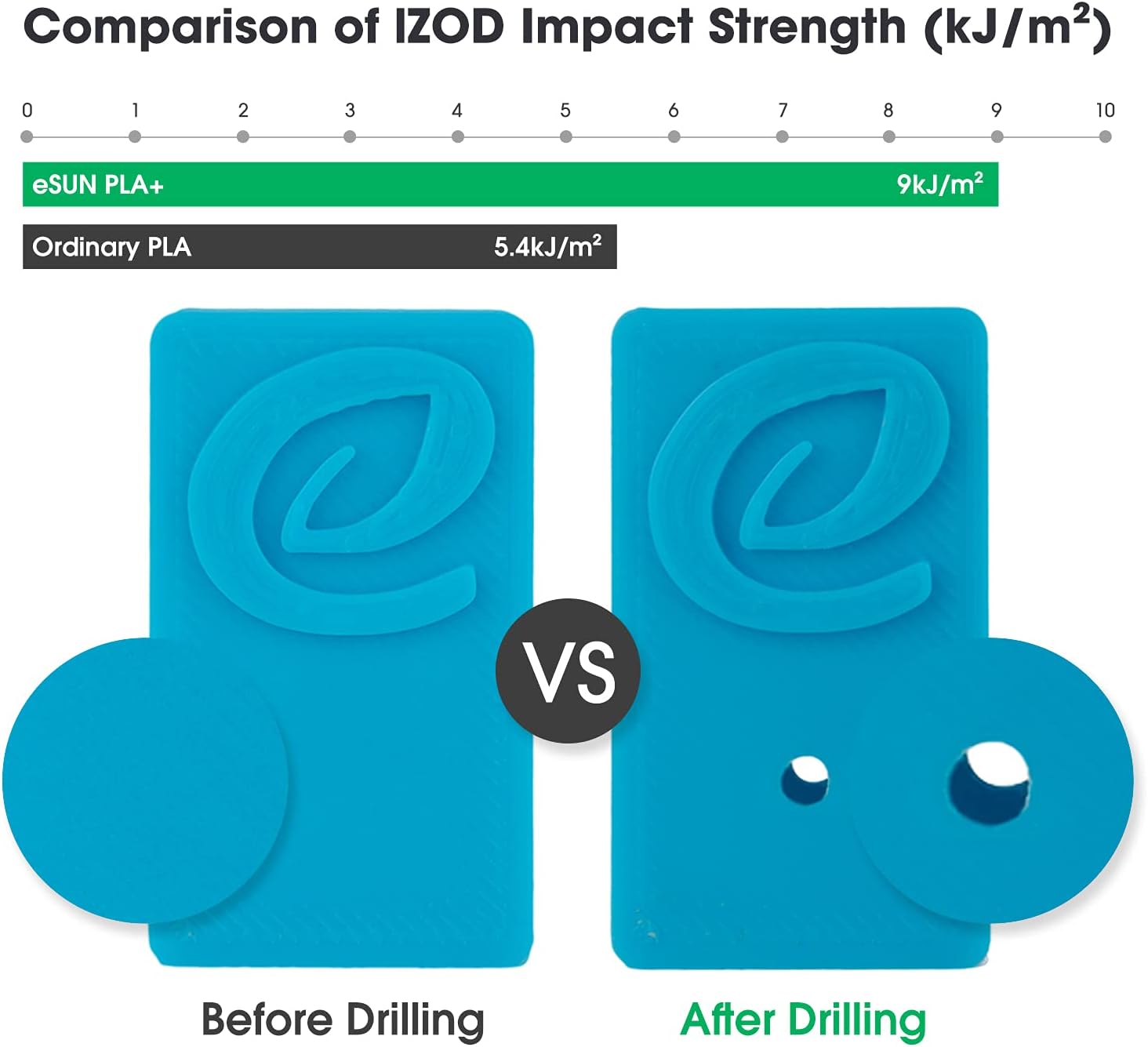
- PLA+ suggests stronger, tougher prints than standard PLA, making it more suitable for functional parts that might endure some stress.
- Compatible with a wide range of FDM printers, including common models and brands. If you prioritise speed, the material is pitched as suitable for high-speed printing while preserving print quality.
What stands out in daily use
For users who print mechanical components, spacers, lightweight housings or cosplay pieces, the enhanced toughness can help reduce brittle failures. The apparent combination of low warp and stable layer bonding is handy when prints involve longer or more complex geometries. The blue colour can simplify post-processing decisions when you’re differentiating parts by function or stage in a build.
Possible limits and caveats
- The claims about “enhanced toughness” are relative to standard PLA, real-world results depend on print settings, nozzle condition, and print temperature. If you’re chasing the highest mechanical performance, you may still want to explore other PA/ABS-type materials, but those bring their own print challenges.
- The description emphasises high-speed printing, if you’re printing tiny, highly detailed parts, you might still prioritise slower speeds for ultimate surface finish.
- While advertised as compatible with many printers, ensure your extruder, hotend and bed settings align with typical PLA+ requirements to avoid bed adhesion or curling issues.
Who it’s best for
- Enthusiasts and model-makers who want better-than-PLA durability without switching to more demanding materials.
- Hobbyists looking for predictable results on mid-range desktop printers, including multi-jet or large-format hobbyists handling functional prototypes.
- Makers needing a reliable, easy-to-print filament with decent dimensional stability for assemblies and moving parts.
When it makes sense to buy
- You need a tough PLA alternative for parts that should survive light mechanical use but don’t require high heat resistance.
- You value a calm printing experience with lower risk of tangling and jams due to a well-wound reel and tight diameter tolerance.
- You print frequently in blue and want a common, industry-standard 1.75mm diameter.
When you might want to skip it
- If you require heat resistance above PLA+ or parts subject to elevated temperatures, consider other materials such as engineering plastics.
- If your prints demand ultra-fine surface finish with micro-detail, you may prioritise materials with different flow and cooling characteristics.
What to check before buying
- Confirm your printer’s hotend and bed are compatible with PLA+ formulations and that nozzle temperature is appropriate for a smooth extrusion.
- Check the expected print length (340–350m) to estimate how many parts you can produce from one spool and monitor spool wear during longer runs.
- If you’re printing functional parts, consider validating fit with test prints to confirm the +/-0.03mm tolerance translates to practical accuracy in your setup.
Practical usage example
Imagine printing a small enclosure for an electronics project and a series of interlocking gears. You’d set a modest infill to save material, print quickly to meet a tight deadline, and rely on the strong layer bonding to keep the gears from snapping under modest torque. The blue filament helps visually differentiate the enclosure from other parts in the build, making post-processing a bit more intuitive.
Is it worth it?
Should you buy it? It depends on how you weigh toughness against ease of printing. If you prioritise better-than-PLA durability, predictable feeding and straightforward workflow, this PLA+ filaments offers a sensible balance for everyday functional prints. It’s not a premium engineering material, but it targets ordinary-use robustness without complicating setup. If your projects demand higher temperature resistance or advanced mechanical properties, you may want to explore alternatives.
FAQ (brief)
- Is PLA+ easier to print than ABS or PETG? Yes, generally easier, with lower warp and simpler bed adhesion.
- Will this filament clog my nozzle? The supplier notes smooth feeding and low stringing, but any filament can clog if print temperatures are off or the nozzle is dirty.
- Can I use it on a budget printer? Yes, provided the printer supports 1.75mm filament and typical PLA+ temperatures.