

TP-Link EAP650 AX3000 Wireless Access Point
Reviews
Price
Product description
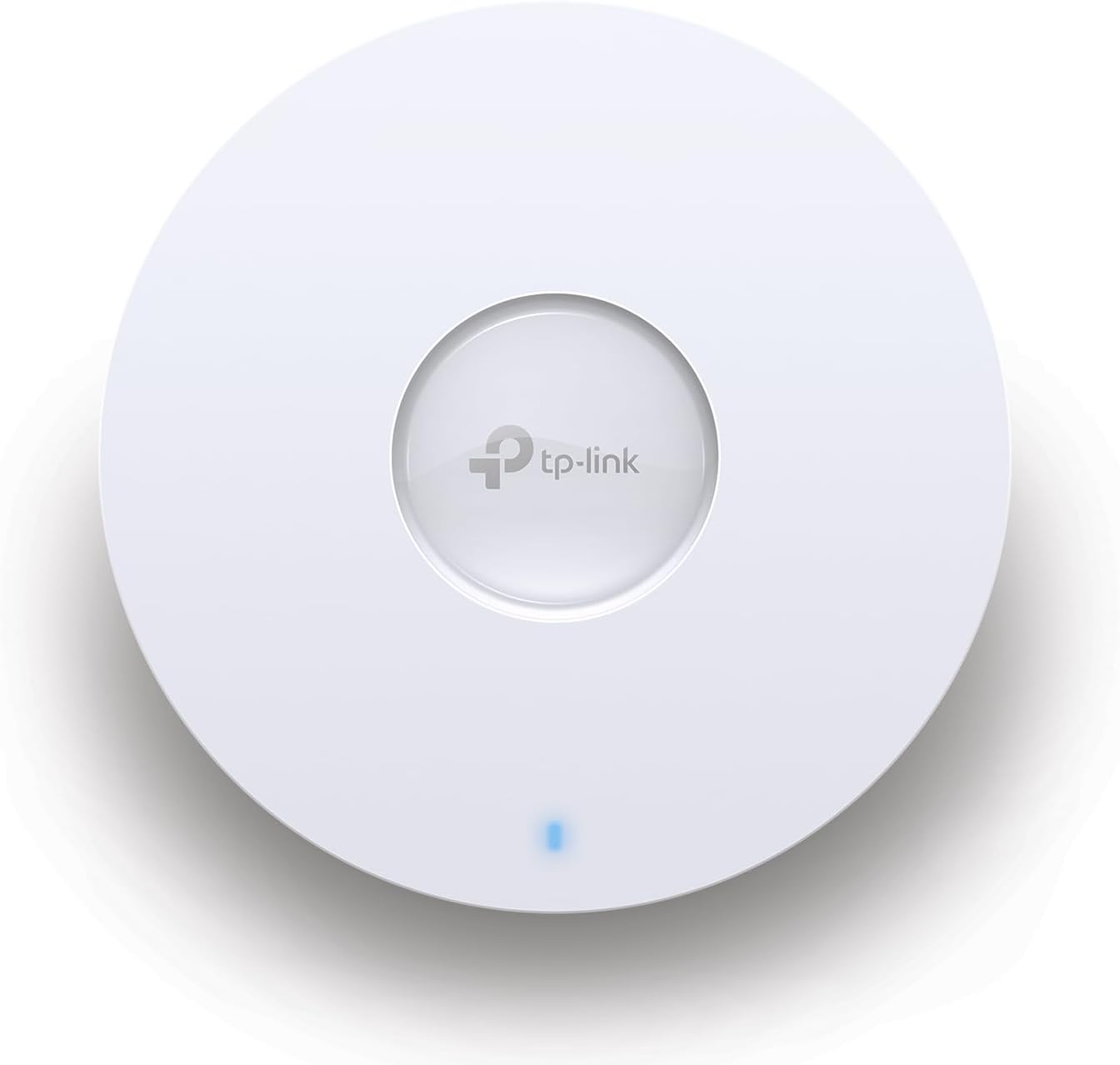
This ultra-slim wireless access point from TP-Link brings Wi‑Fi 6 performance to compact deployments, combining higher throughput and modern security for busy small offices, classrooms, cafes, or hotel common areas. It supports dual-band AX3000 speeds and offers flexible power and management options to simplify setup and centralized control.
Key Points
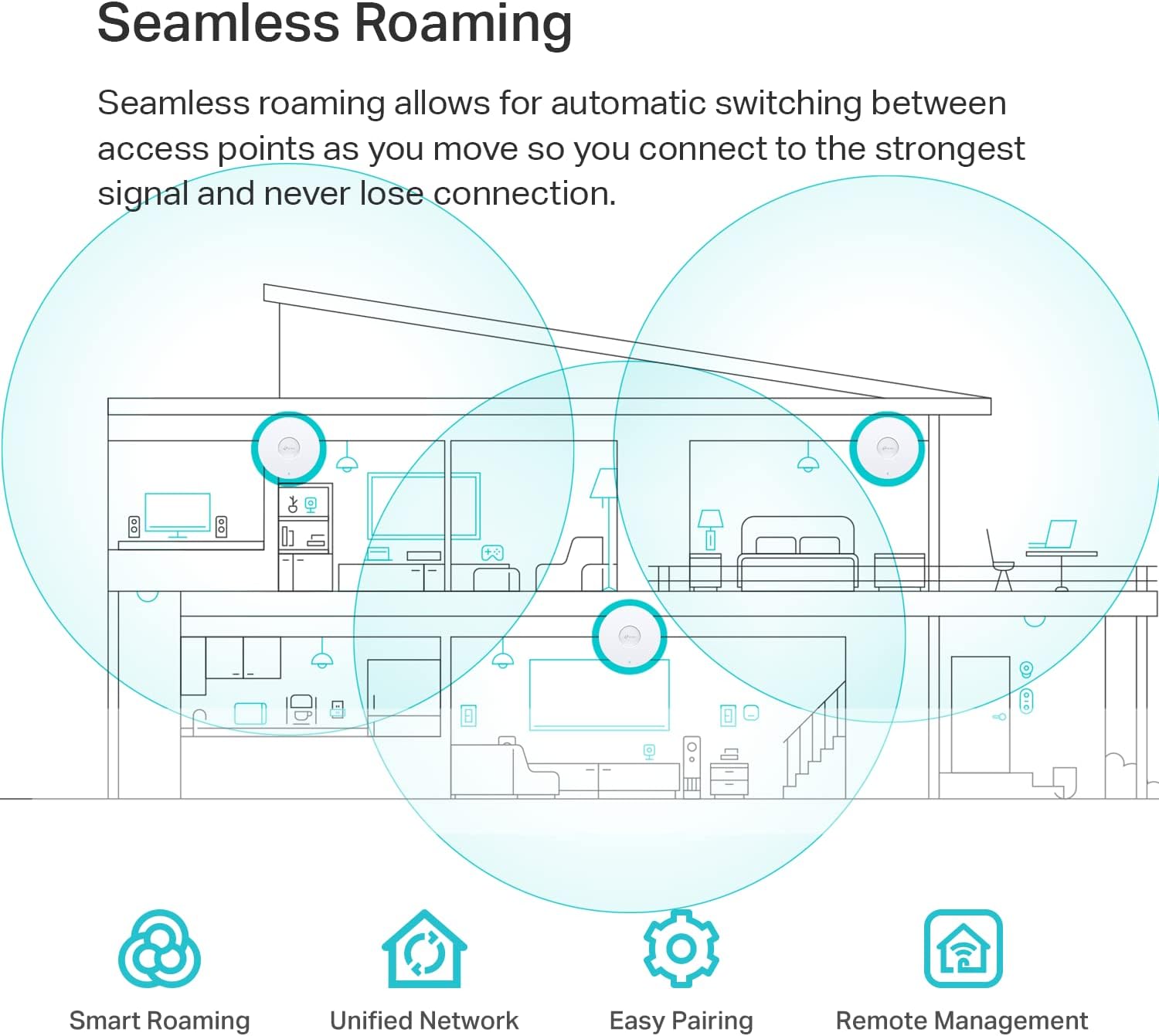
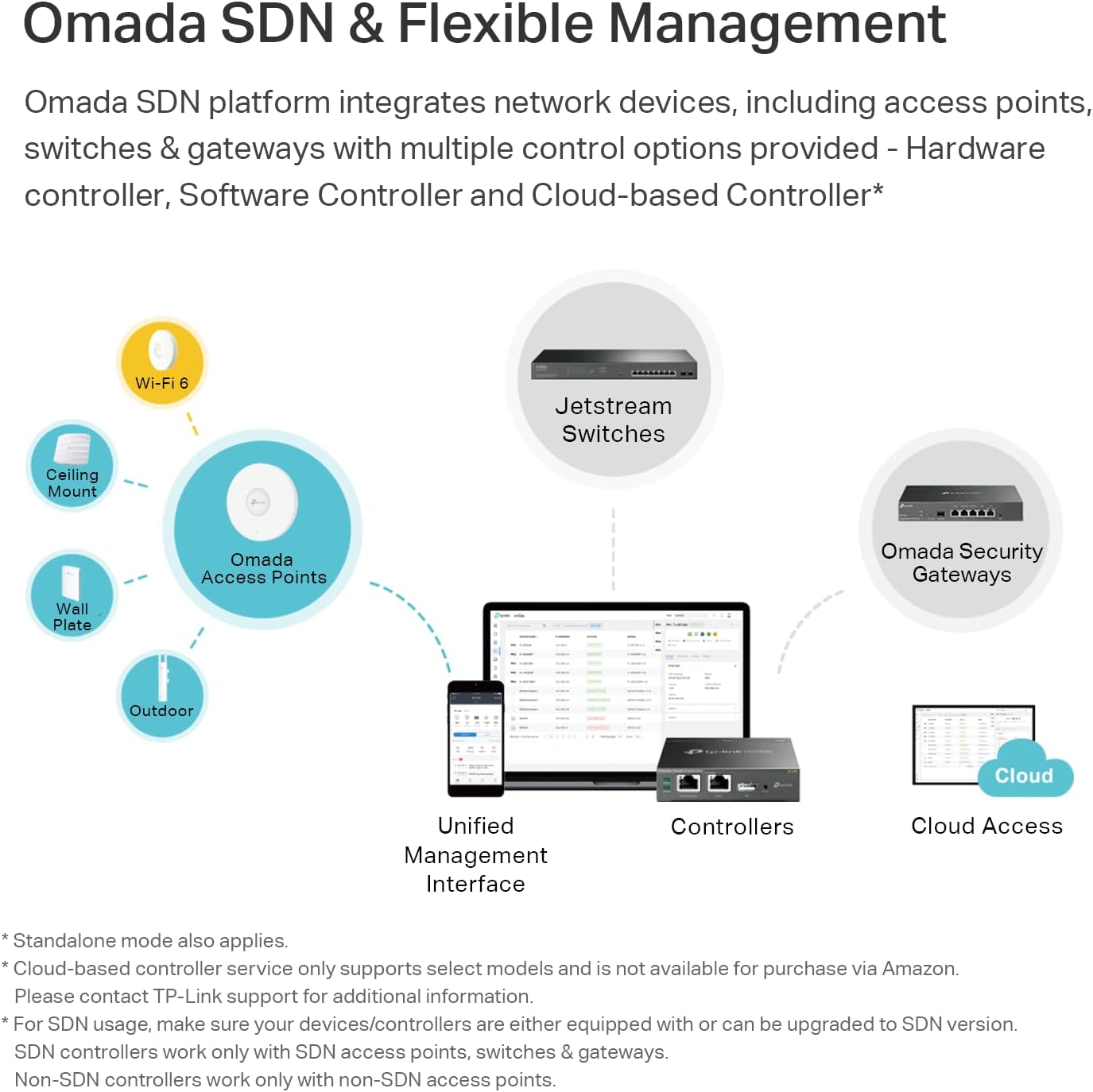
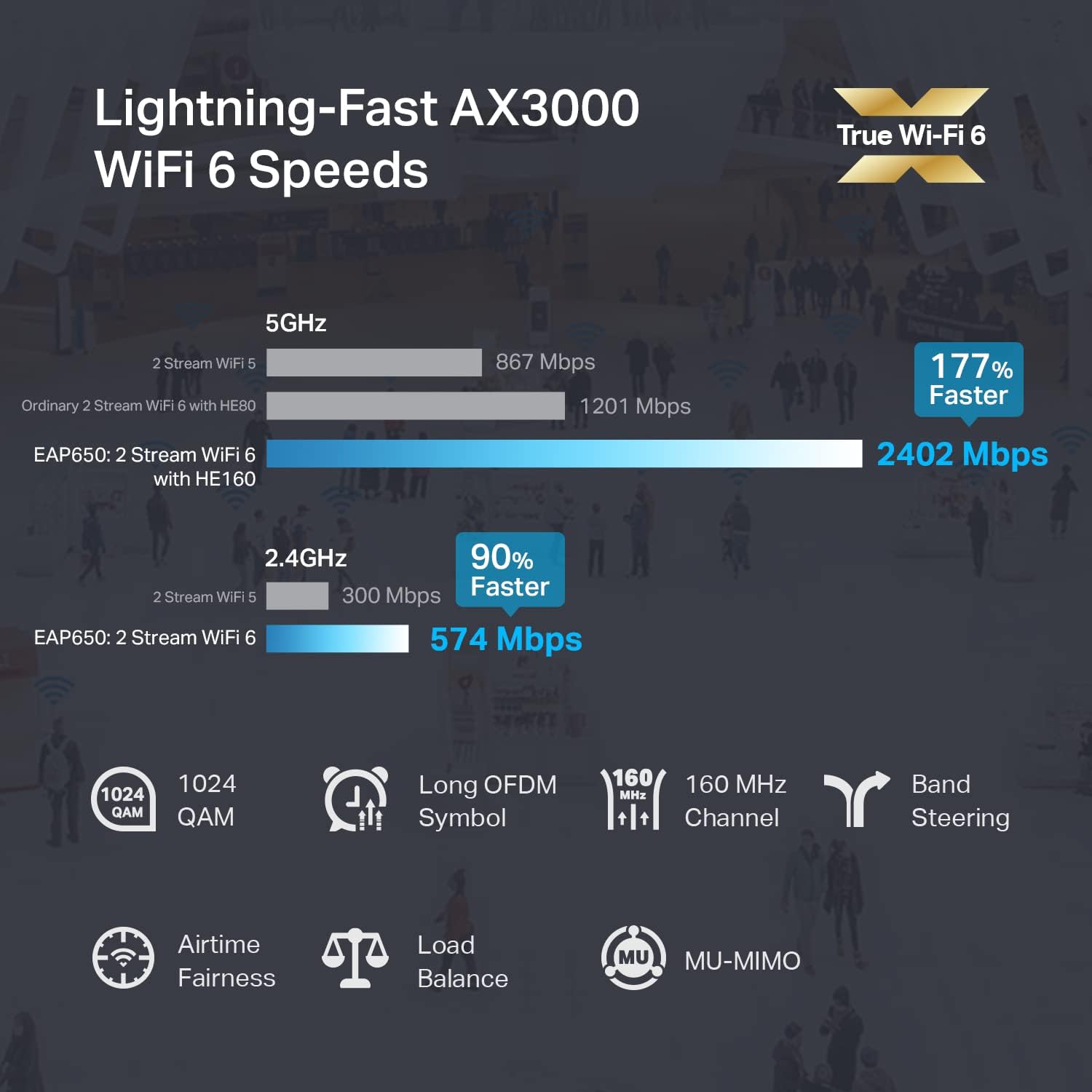
The EAP650 delivers Wi‑Fi 6 features such as 1024‑QAM and HE60 for increased data rates, and OFDM symbol enhancements that help raise practical throughput on both 2.4 GHz and 5 GHz bands. Mesh networking and seamless roaming are supported when managed with Omada SDN controllers, allowing devices to move between access points without obvious drops in connection. Remote cloud access and the Omada mobile app allow centralized management of multiple sites from a single interface, which helps IT teams maintain network settings and monitor performance from anywhere.
Technical Specifications
- Name: TP‑Link EAP650
- Wireless standard: 802.11ax (Wi‑Fi 6), dual‑band AX3000
- Peak aggregate speed: up to 2976 Mbps according to the manufacturer
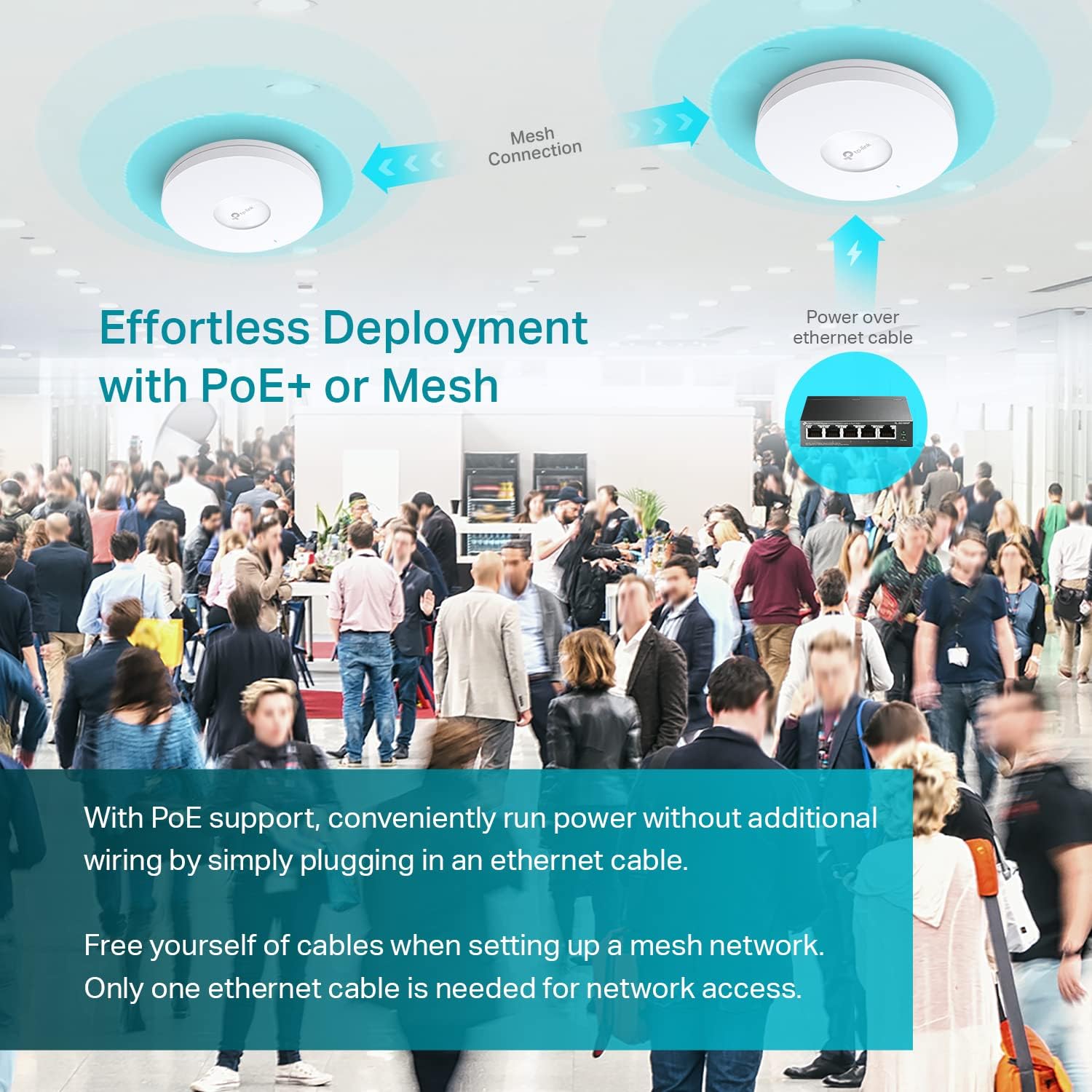
- Power options: 802.3at PoE+, 48V/0.5A passive PoE, or 12V/1.5A DC adapter included
- Security and features: WPA3, MU‑MIMO, band steering, airtime fairness, beamforming
Usage Recommendations

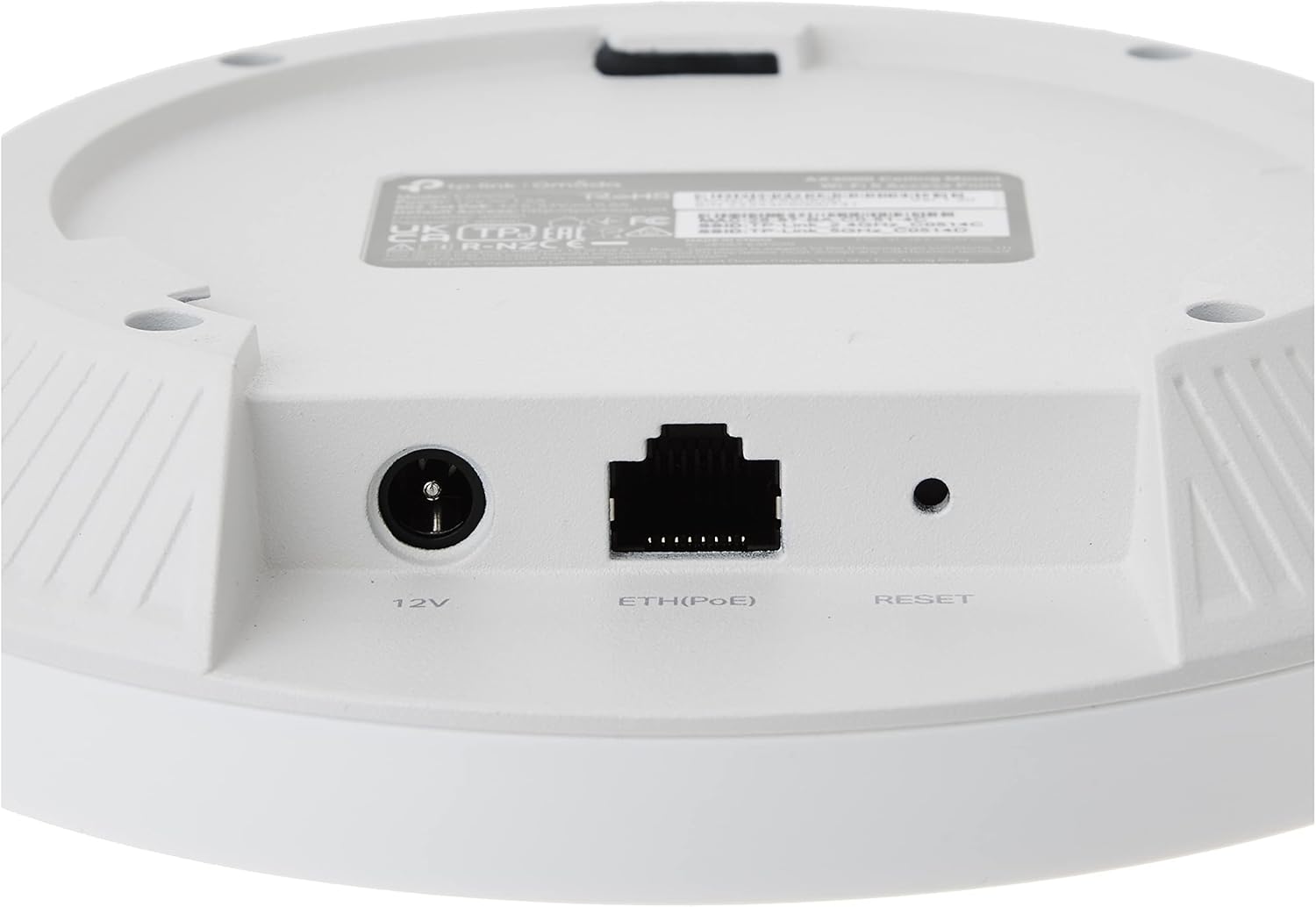
Install this access point on ceilings or walls in areas that need consistent high-capacity coverage. Use PoE+ from a compatible switch for cleaner cabling and easier placement in locations without nearby AC outlets. For best roaming behavior and full mesh capabilities, pair multiple units under an Omada SDN controller, either hardware, software, or cloud-based management according to your site preferences.
Positive Aspects
The compact, low-profile design blends into modern interiors while saving space. Management flexibility stands out because the same device supports standalone mode or full centralized control with Omada, which can simplify scaling across multiple rooms or buildings. Consider that advanced roaming and mesh features require Omada SDN controller deployment, and some cloud-controller options may need confirmation with TP‑Link for availability of specific services.