

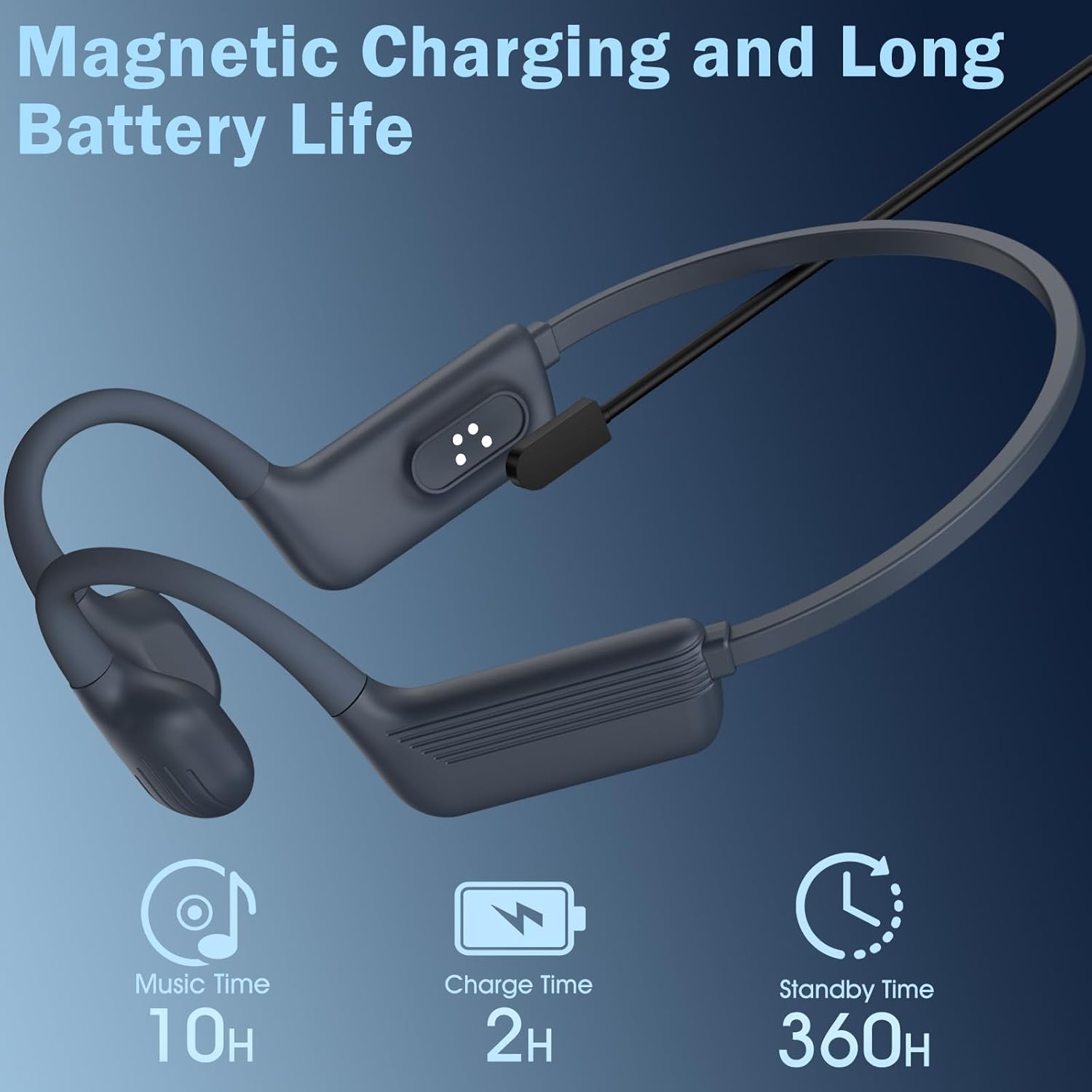
MARLALL LiteSurge Bone Conduction Swimming Headphones with 32GB MP3 and IP68 Waterproofing (Bluetooth 5.4) — Marathon-Grey
Product description
Key takeaways
If you swim often and hate the usual “music only when you can keep your earbuds dry” setup, these MARLALL bone conduction swimming headphones are built around a simple idea: you should still have sound in the water.
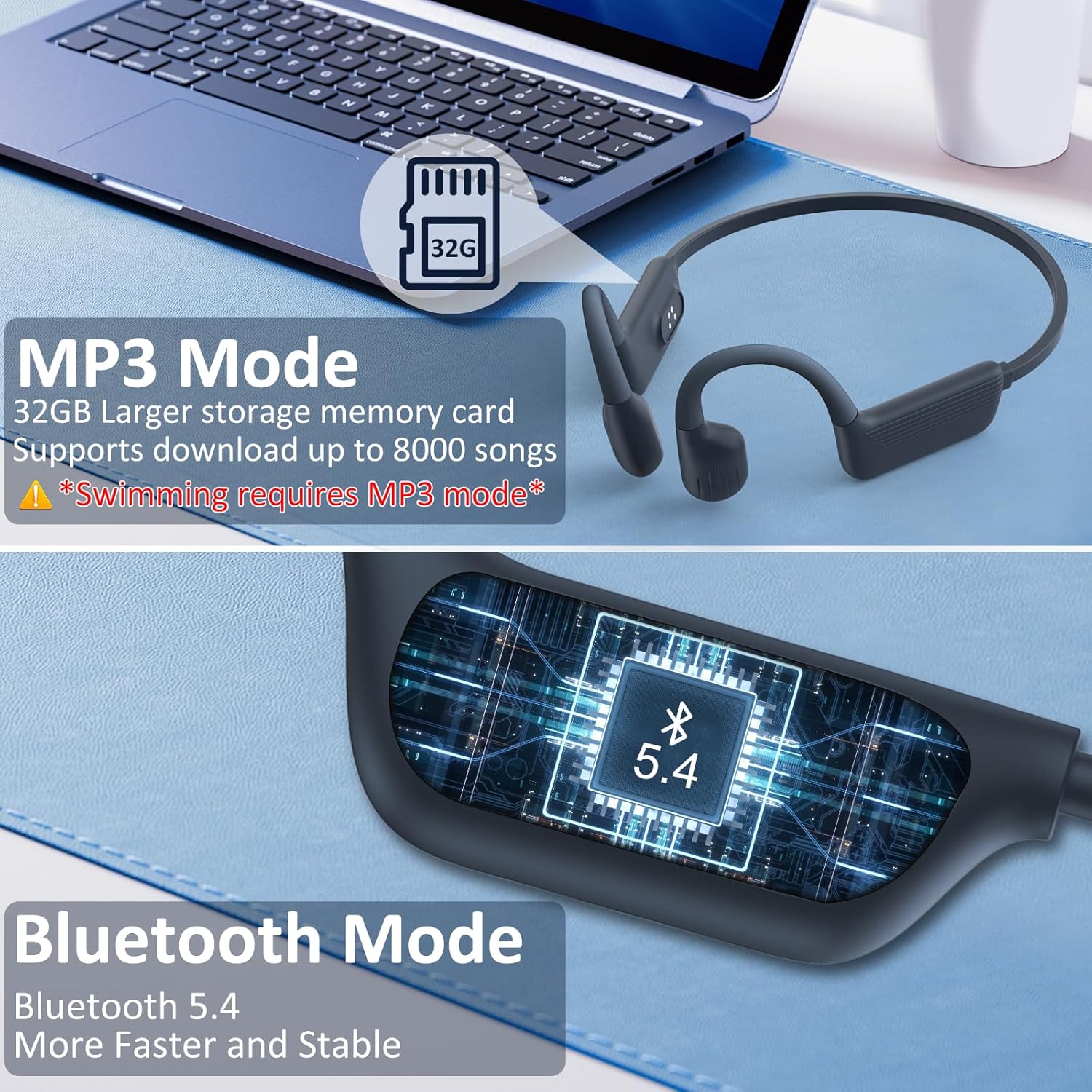
They pair Bluetooth 5.4 for normal use, but the important limitation is that Bluetooth isn’t supported underwater. For swimming, you’ll use the built-in MP3 mode with 32GB of storage. In other words, this isn’t a grab-and-go Bluetooth-only underwater headset. It’s more like a swim-first audio player.
The open-ear, bone conduction approach also means they’re designed not to clamp tightly, which can help comfort during longer sessions. Still, comfort and stability are very personal—what feels “secure” to one swimmer might feel “just okay” to another, especially if your headgear fit varies.
What to know before you buy
A few details matter more than they sound on paper.
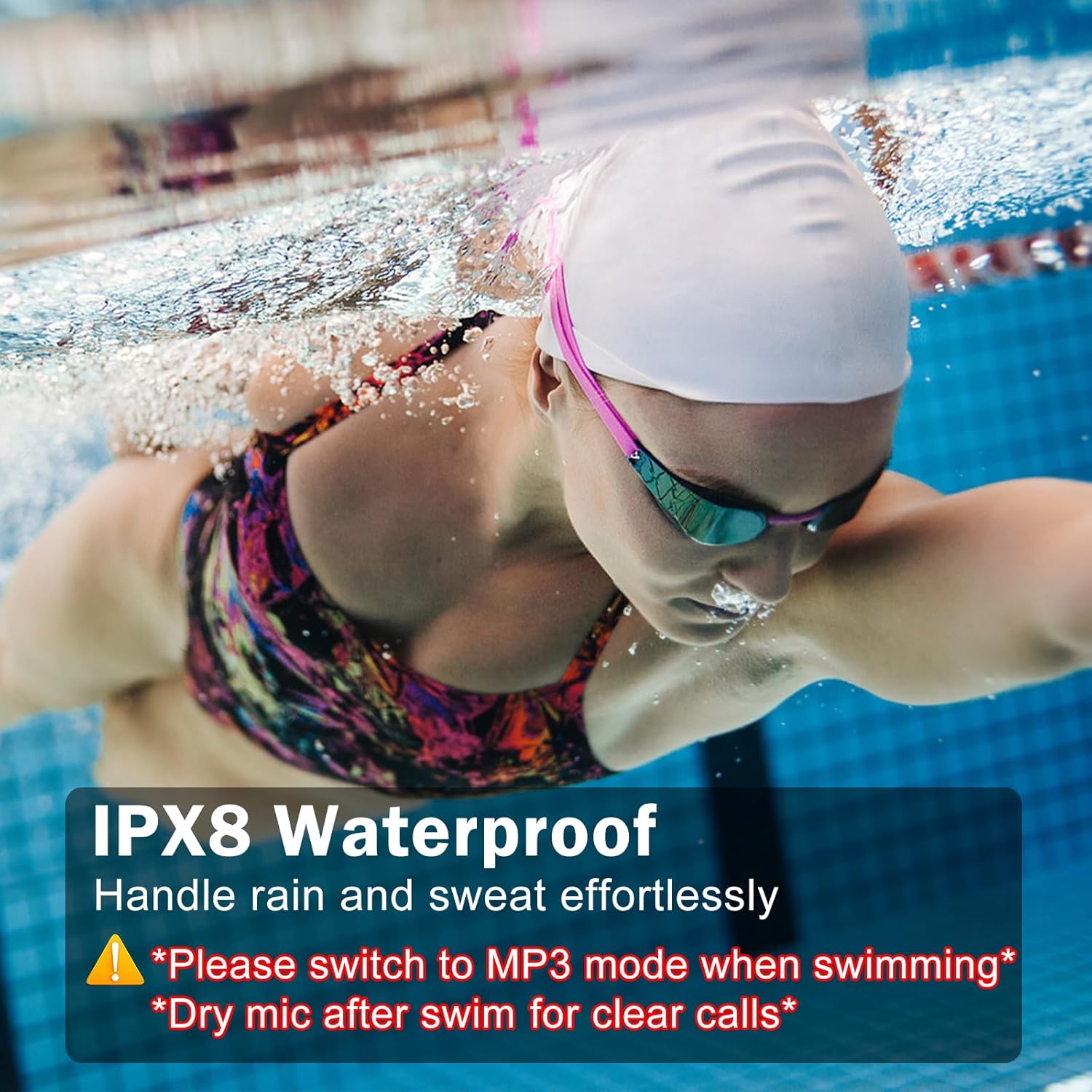
First, Bluetooth mode is not supported underwater. That’s the big one. You’ll switch to MP3 mode for swimming, snorkeling, and similar activities, then rely on Bluetooth again when you’re out.
Second, MP3 performance depends on how you load your files. The product notes that downloaded songs should be in supported formats (MP3, WAV, WMA, FLAC). If your library is mostly in other formats or you’re not willing to convert, this can turn into extra work.
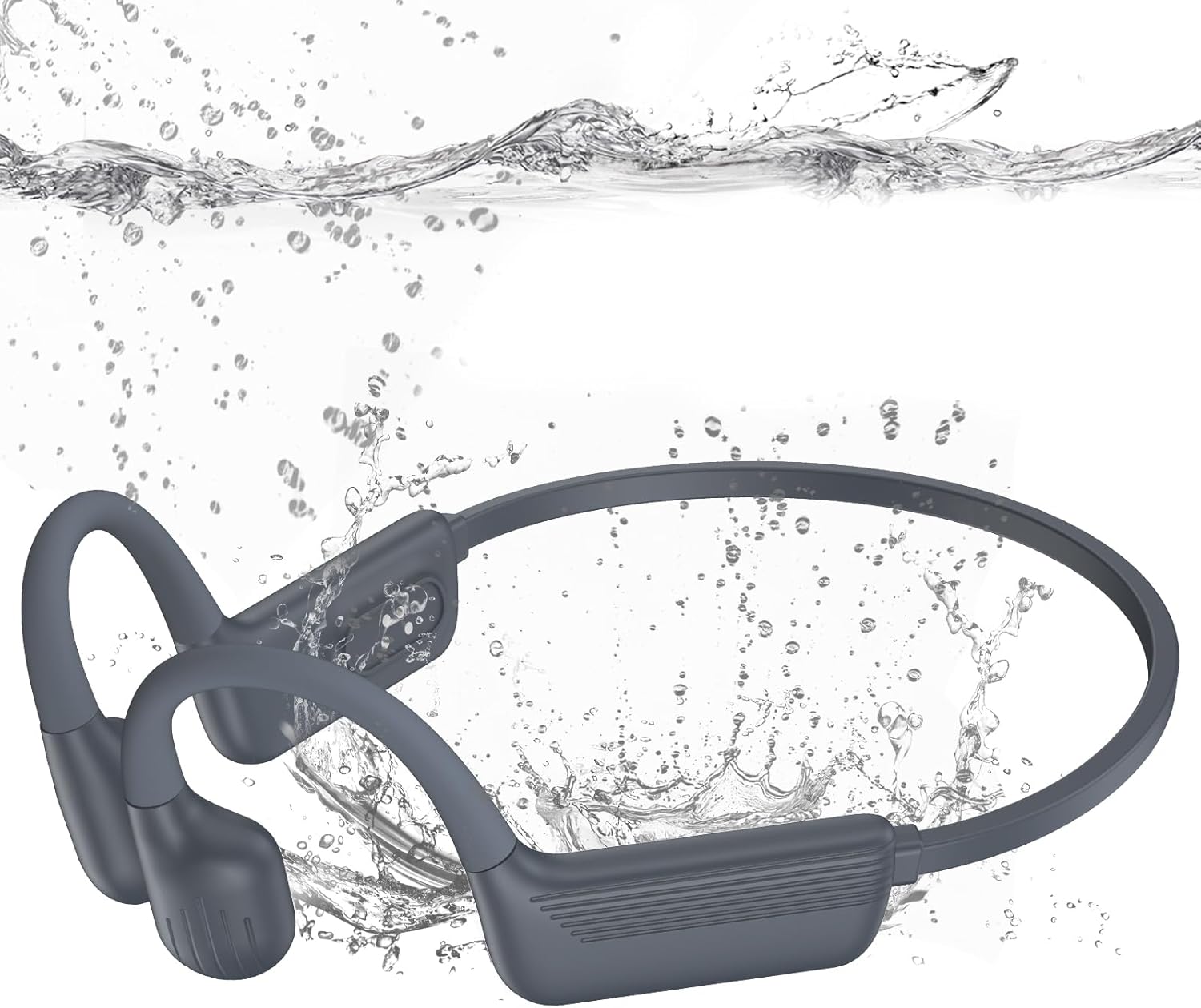
Third, the IP68 waterproof rating is positioned for swimming scenarios (water immersion) while the design uses a nano-coated sealed construction intended to protect the internal components without creating uncomfortable pressure. It’s reasonable to expect strong water resistance for pool and open-water use, but like any waterproof audio device, it’s smart to handle it with care—especially after salty water.
Where it shines for swimmers and outdoor workouts
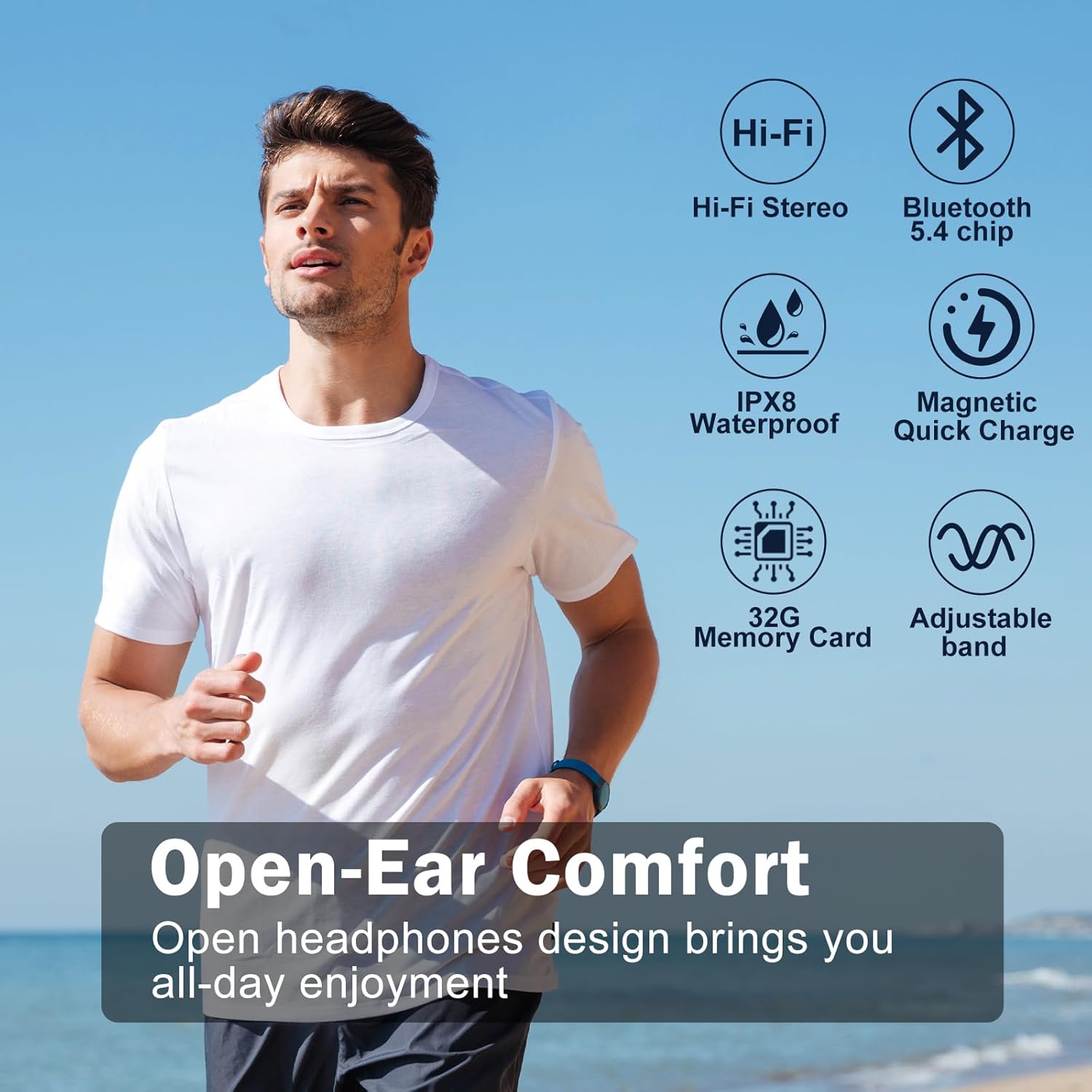
These are open-ear bone conduction headphones, so they don’t block your ears the way many traditional earbuds do. For swimmers and people who also bike, hike, or do workouts where awareness matters, that open feel can be a practical advantage.
In day-to-day use, the experience is likely to feel straightforward: - You can listen via Bluetooth 5.4 when you’re on land for streaming, audiobook playback, and hands-free calling. - When you head into the water, you switch to MP3 mode and play your preloaded music without needing your phone.
There’s also a “dry mic after swim” note for clearer calls, which suggests the mic design is meant to reduce post-swim audio issues. Not every competitor addresses that directly, so it’s a small but meaningful detail if calls matter to you.
Key specifications (useful, not overwhelming)
- Type: Bone conduction open-ear swimming headphones (dual mode)
- Bluetooth: Bluetooth 5.4 (connectivity up to about 10 meters / 33 feet, for non-underwater use)
- Storage: 32GB built-in MP3 memory (stores approximately 5,000–8,000 songs, depending on file size)
- Waterproof rating: IP68 for swimming, sealed/nano-coated design
- Underwater audio: MP3 mode only (Bluetooth not supported underwater)
- Charging: Magnetic charging cable (for access to internal storage via computer updates)
- Audio file support: MP3, WAV, WMA, FLAC
Pros, cons, and the trade-offs you should expect
What you’ll like: The strongest selling point is the dual-mode setup—Bluetooth on land plus offline MP3 mode for swimming. If your goal is to actually use headphones during water time, this design is aligned with that.
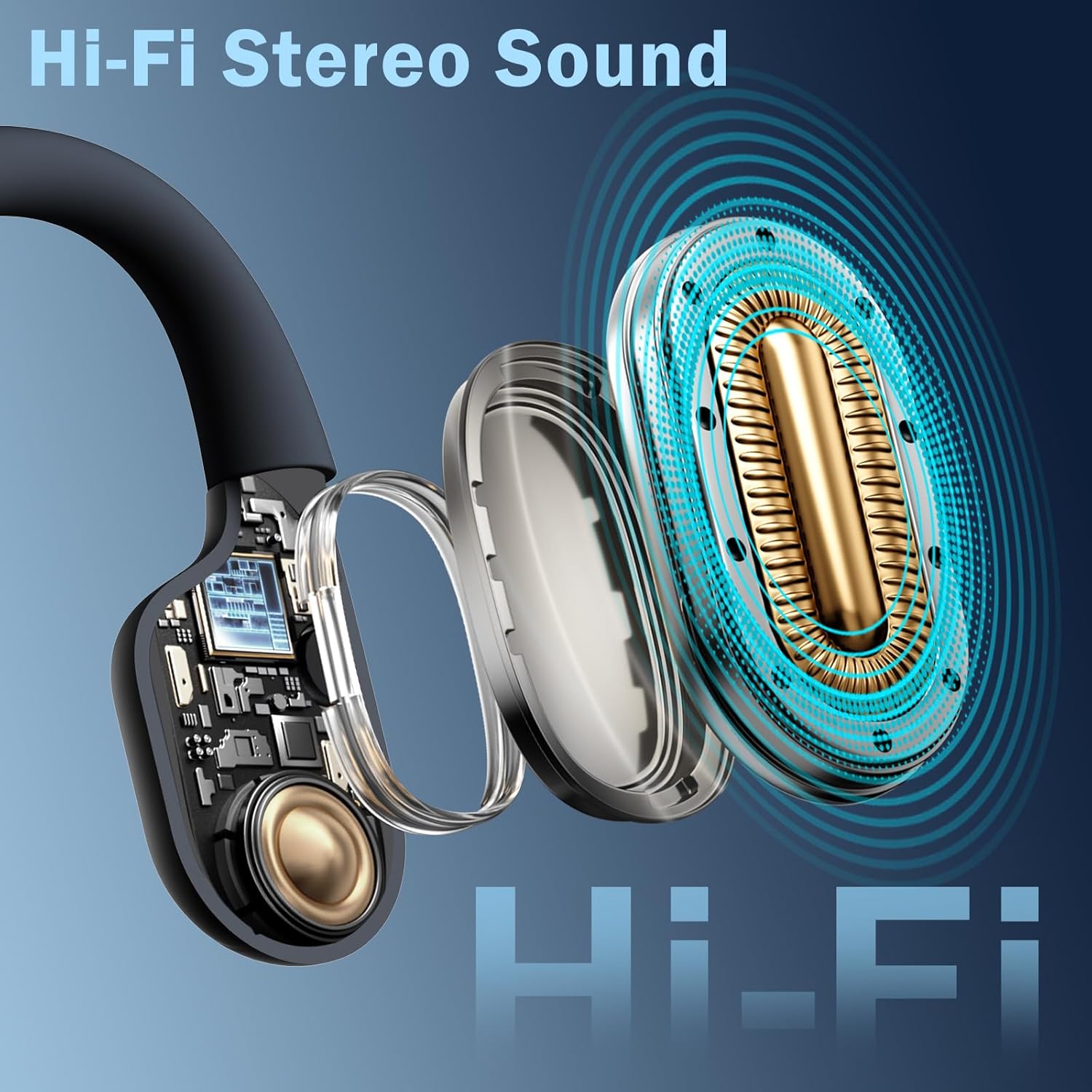
Comfort is also a real theme here. The open-ear approach and liquid silicone material are meant to resist pool/saltwater damage and avoid pressure points. Over long swim sessions, that can matter more than extra features.
Where it may fall short: Bluetooth underwater not being supported is a dealbreaker for some people. If you’re hoping to pair to your phone and stream music directly in the pool, you’ll be disappointed.
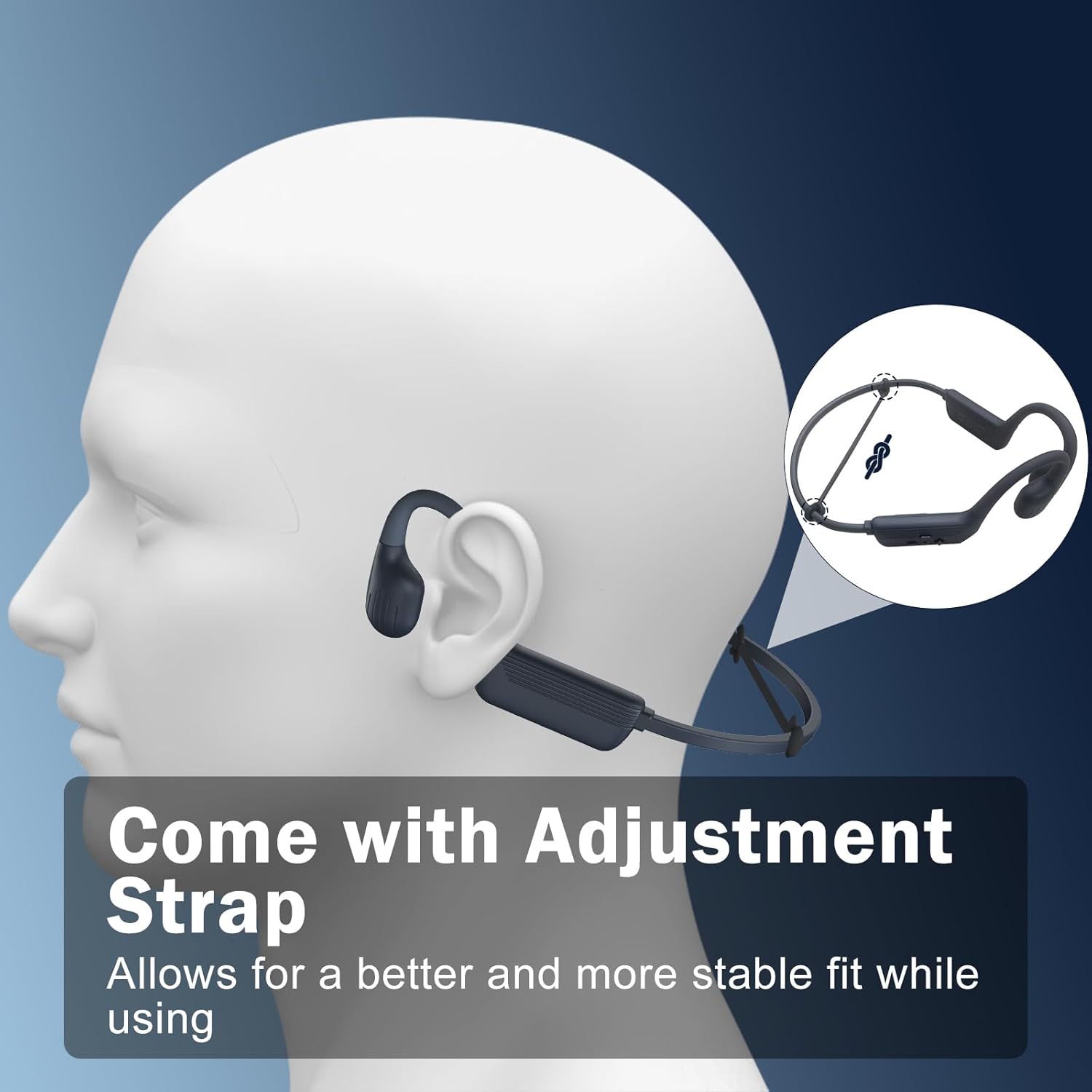
Also, the “secure in place” claim can be situational. If your swim cap/goggles setup shifts, you may need to experiment with fit and your preferred ear/goggle positioning.
Care & maintenance for best reliability
Because this is designed for water immersion, you’ll want to treat it like an activity tool, not a casual gadget.
After swimming—especially in saltwater—make sure the microphone area is dry and give the device time to dry properly before storing it. The notes emphasize post-swim mic drying for clearer calls, which is a good hint that moisture handling affects performance.
Who it’s for (and who should skip it)
It makes sense if you: It’s a solid pick if you primarily want music during swimming and you’re okay preloading tracks into the 32GB memory before you go.
It suits you if you also need everyday Bluetooth for running, walking, and hands-free calling, and you don’t want to own separate “on land” and “in water” gear.
You may want to skip it if you want Bluetooth to work while fully submerged, because the product specifically calls out that underwater Bluetooth transmission isn’t supported.
It might not be a great match if your music library isn’t available in supported formats or you don’t want to manage files before your swim.
Final verdict
If you prioritize underwater listening during swimming and you can live with MP3 mode as the water solution, these MARLALL LiteSurge bone conduction swimming headphones look like a practical, swim-first choice. The IP68 waterproof design and 32GB storage are aligned with real usage—music without depending on a phone in the water.
But if your main goal is uninterrupted Bluetooth streaming underwater, this isn’t the right product for that job. It’s more of a dual-mode system: Bluetooth for land, MP3 for water.
A good next step is to confirm your music files are in MP3/WAV/WMA/FLAC and to mentally plan for a quick “preload before swim” routine. If you can do that, the trade-offs start to feel fair.
Mini FAQ
Quick answers
Can I use Bluetooth mode underwater? No—Bluetooth isn’t supported underwater. Swimming requires MP3 mode.
How do I switch between Bluetooth and MP3? The product notes that you can double-click the multi-function button to switch between Bluetooth mode and MP3 mode.
Will it work for pool and snorkeling? It’s designed for swimming-related activities like swimming and snorkeling, and it’s positioned for water immersion with IP68 waterproofing.
Do I need my phone in MP3 mode? No. MP3 mode uses the built-in 32GB memory, so you can enjoy music offline without needing your phone during swim time.
What music formats are supported? MP3, WAV, WMA, and FLAC are listed as supported formats for downloaded songs.