

AMD Ryzen 7 7800X3D Processor
Product description
What it is and the need it meets
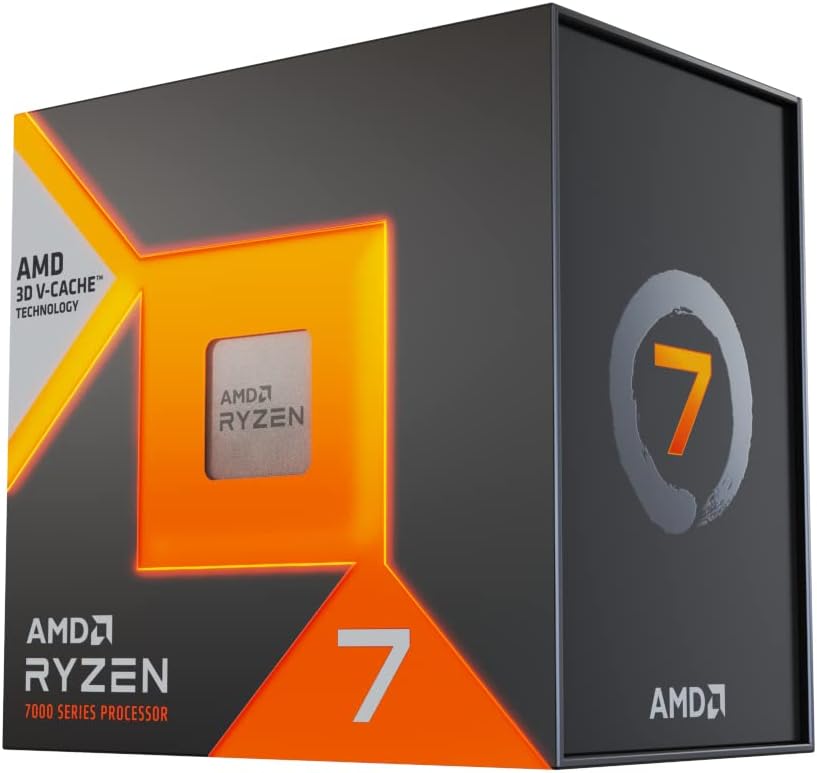
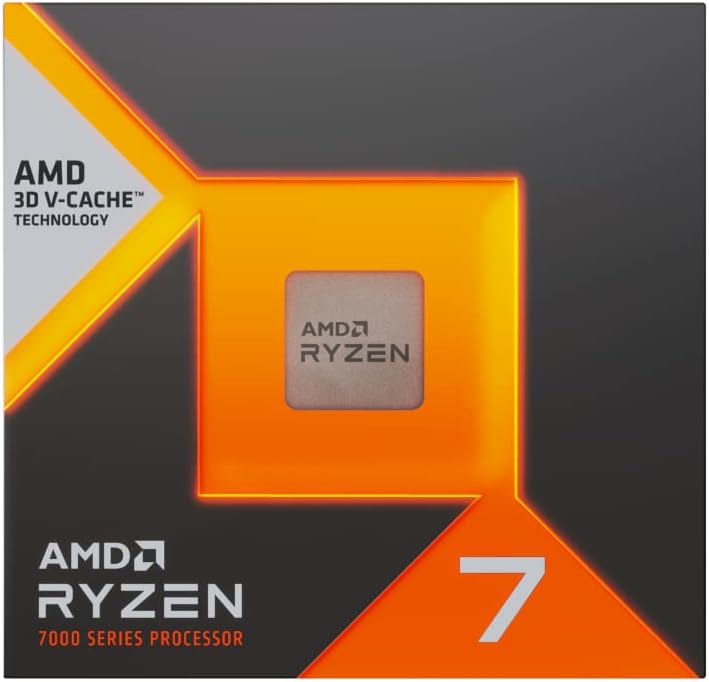
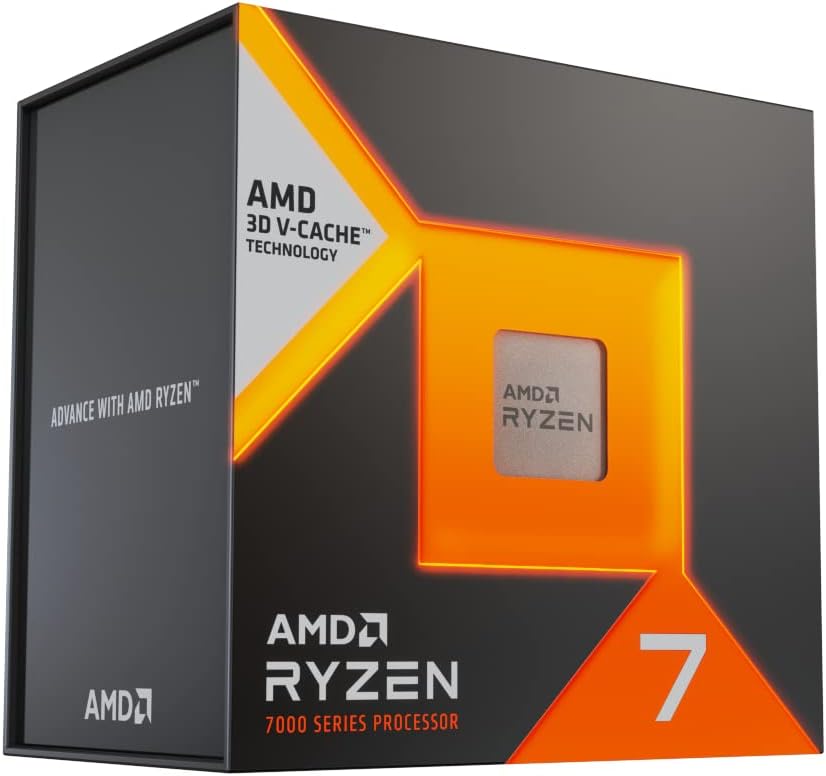
The AMD Ryzen 7 7800X3D is an eight-core, 16-thread desktop processor built on a 5 nm process. It’s designed to deliver dependable and fast execution for multitasking and productivity work, with a focus on efficiency and solid cache performance. It clocks up to 4.20 GHz and includes integrated Radeon graphics, which means you have a capable compute and graphics combination out of the box for everyday tasks or light gaming without needing a discrete GPU right away.
The essentials
On paper, this chip emphasizes efficiency and a strong hit rate thanks to its sizable cache: 8 MB L2 and 96 MB L3. The processor is rated for a maximum operating temperature of 89°C, so you’ll want to pair it with a good cooling solution to sustain higher loads. The combination of 8 cores and 16 threads makes it a practical choice for multitasking, media editing, and general productivity where you value smooth parallel performance.
Where it shines
If you prioritize a balance between performance and efficiency, the 7800X3D can handle everyday workloads with responsiveness. The integration of AMD Radeon Graphics controller is a notable convenience for users who don’t yet plan to install a dedicated GPU, or who want to test light graphics tasks without additional hardware. The 4.20 GHz clock speed provides headroom for bursty workloads, contributing to a more fluid feel during bursts of activity.
What to watch out for
On the downside, there isn’t information here about overclocking headroom, memory compatibility specifics, or gaming benchmarks. The data provided focuses on core counts, cache, clock speed, and thermal ceiling. If you’re aiming for peak performance in very demanding games or specialized workloads, you may want to confirm bundle specifics, motherboard support, and cooling solutions before deciding.
Who it’s for
This processor seems well-suited for users who want a capable, mid-to-high range desktop CPU with solid multitasking performance and integrated graphics for general use or light gaming. It may be a good fit if you’re building a balanced system that doesn’t rely on the absolute highest frame rates but benefits from efficient performance and a moderate power envelope.
Who it’s not for
If your priority is extreme gaming performance at the top of the charts, or if you need the absolute fastest single-thread speeds for specific professional workloads, you may want to explore options that emphasize higher base/boost clocks or platform-specific optimizations beyond what’s outlined here.
Practical usage example
Imagine a workstation where you render video previews while running multiple browser tabs and a few background apps. The 8-core/16-thread design helps keep everything responsive, and the integrated graphics are handy for quick previews without a separate GPU. In a scenario where you’re upgrading from a lower-core-count setup, you’ll likely notice smoother multitasking and quicker response times in everyday tasks.
What to check before buying
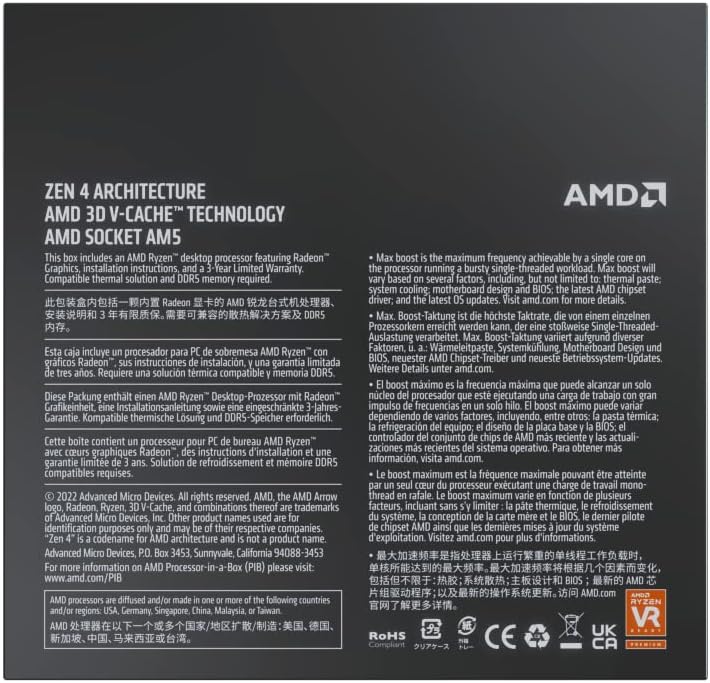
- Confirm motherboard compatibility and BIOS support for this Zen-based architecture.
- Verify cooling solution compatibility with an 89°C TJ max and the expected thermal profile under load.
- Consider your RAM configuration and whether you’ll benefit from the large L3 cache’s hit rate in your typical workflows.
- If gaming is a priority, plan for a discrete GPU later if you need higher frame rates in demanding titles.
How it compares to common approaches
Compared to entry-level CPUs, this chip offers more cores and a robust cache, which tends to improve multitasking and content creation tasks. If you’re deciding between a CPU with integrated graphics versus one paired with a dedicated GPU, the 7800X3D with Radeon Graphics provides a capable all-in-one baseline for light tasks and video work, with room to expand into a discrete GPU later.
Final verdict
Is it worth it? It makes sense if you want a balanced, efficient eight-core platform with strong multitasking capability and built-in graphics for general use or light workloads. If your workflow requires top-tier single-thread clocks or the latest, highest-end gaming performance, consider whether the trade-offs align with your budget and upgrade path.
Quick FAQ
- Does it have integrated graphics? Yes, it includes an AMD Radeon Graphics controller.
- How many cores and threads does it have? 8 cores and 16 threads.
- What’s the maximum clock speed? Up to 4.20 GHz.
- What is the process technology? 5 nm.
- What should I verify before buying? Cooling compatibility, motherboard support, and RAM configuration.