

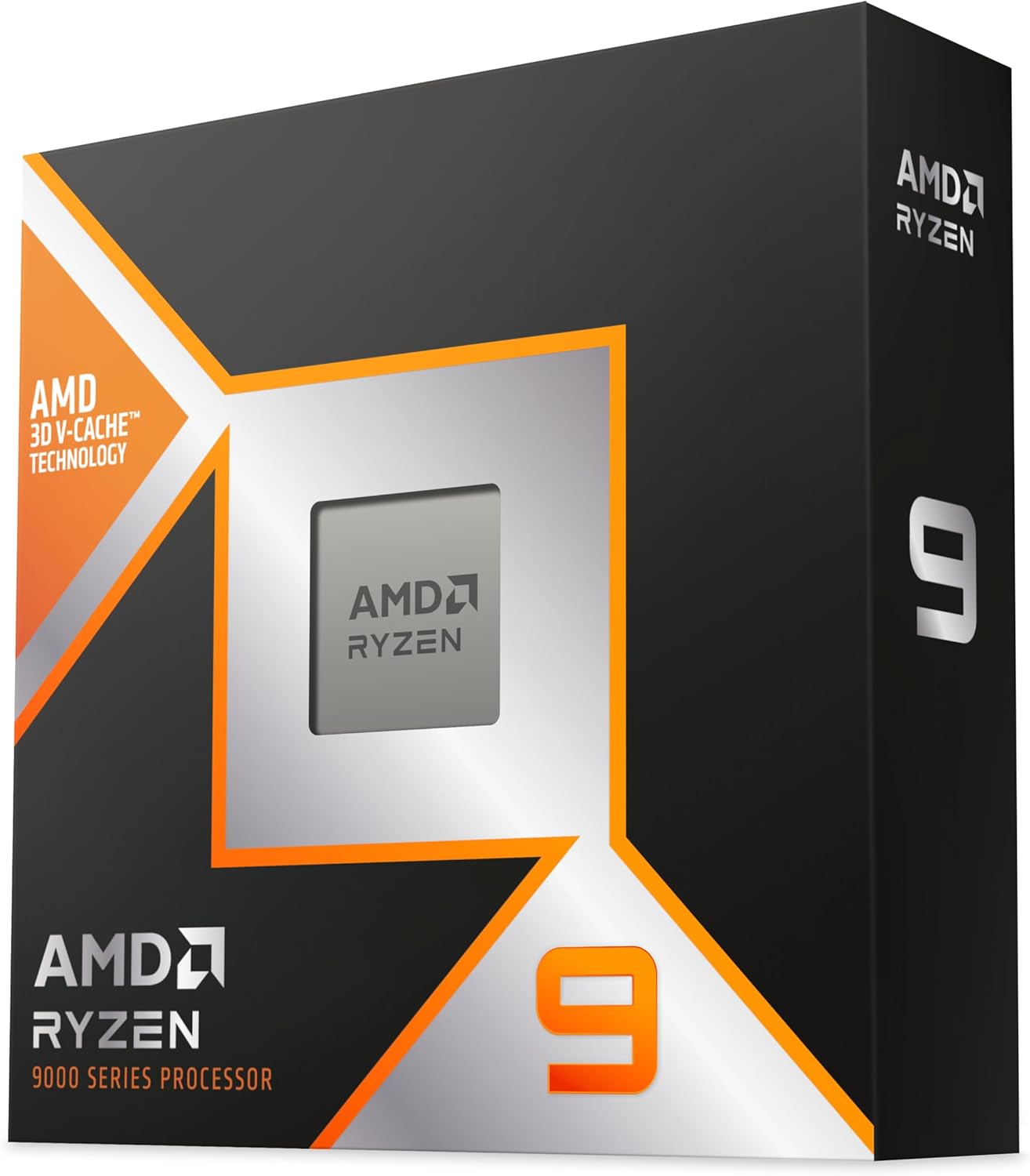
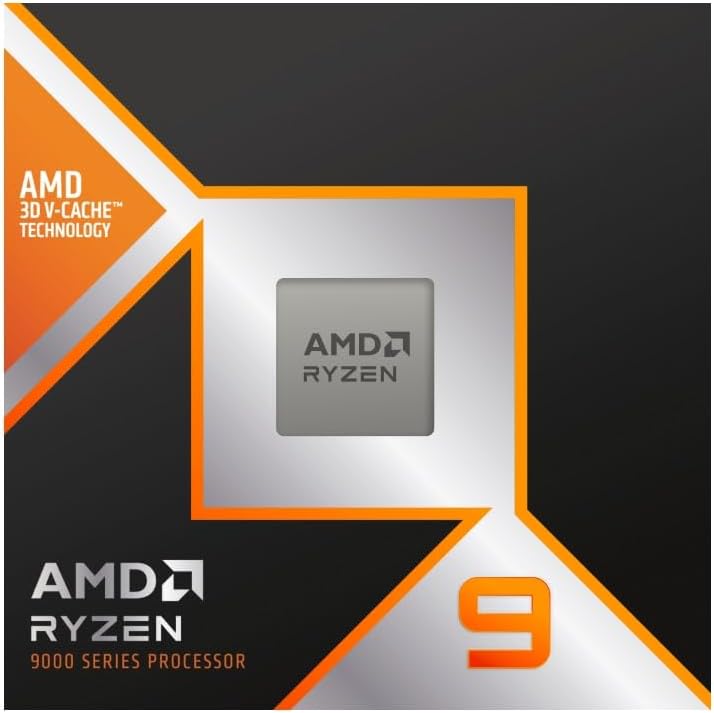
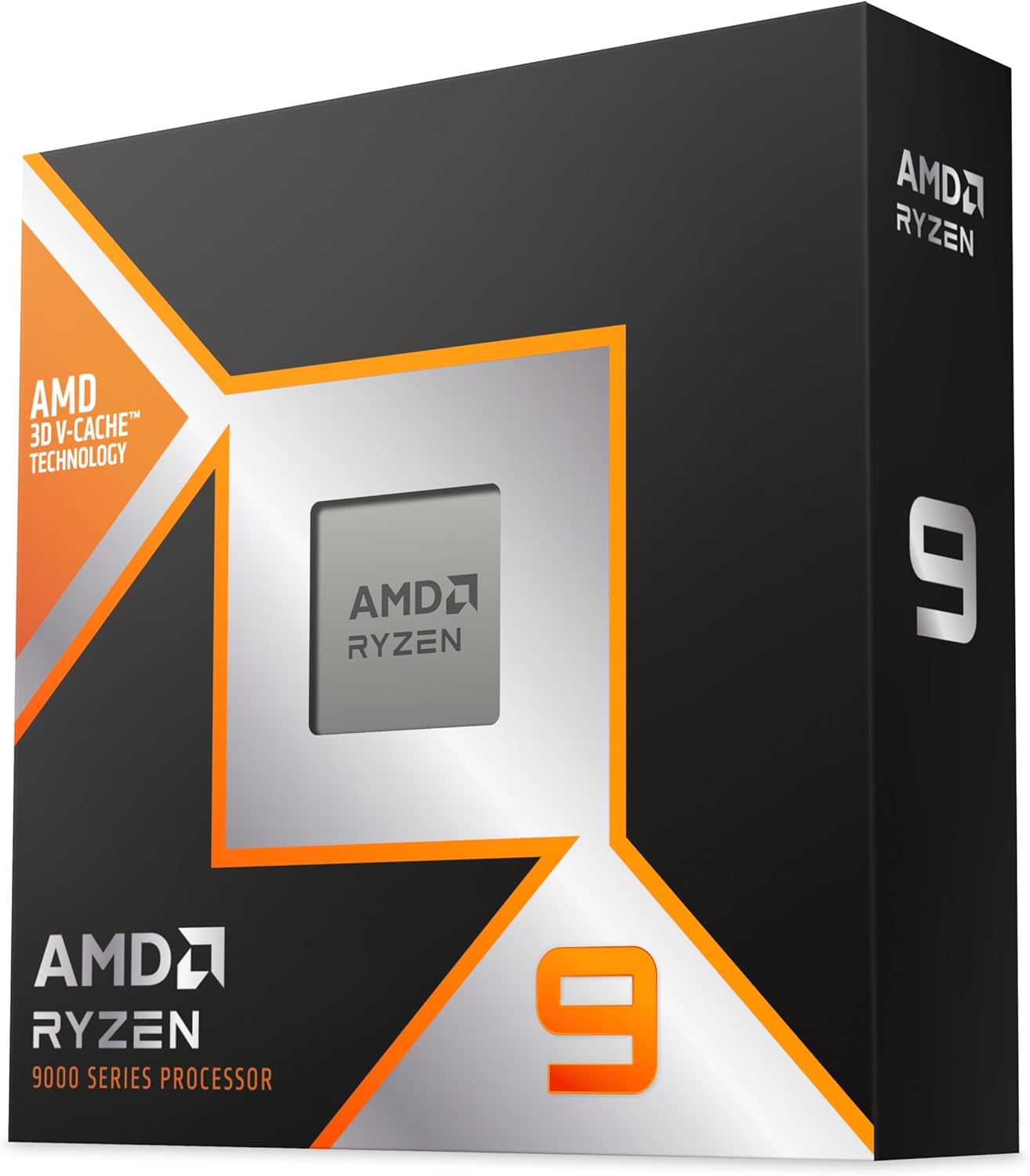
AMD Ryzen 9 9950X3D 16-Core Desktop Processor (Zen 5, AM5)
Reviews
Product description
If you’re shopping for a high-end desktop CPU for gaming and serious content work, the AMD Ryzen 9 9950X3D is one of those chips that looks built for heavy lifting. On paper, it combines a Zen 5 architecture with fast clocks, and it’s designed for the AM5 desktop platform.
But it’s not automatically the right pick for everyone. The practical value of a top-tier processor depends on what you actually do on your PC—and whether your system is ready to support it.
Quick overview (what it is and why people buy it)
The AMD Ryzen 9 9950X3D is a desktop processor aimed at users who want strong performance in two worlds: gaming and content creation. The base clock is listed at 4.3 GHz and the max boost clock is up to 5.7 GHz, so it’s positioned as a performance-focused option rather than a “good enough” upgrade.
AMD frames this chip around Zen 5 (architecture listed as Zen 5) and uses an AM5 desktop form factor. For buyers, that usually translates into: if you’re building new or upgrading an AM5 desktop, it’s the kind of CPU you choose when you want fewer compromises under demanding workloads.
What stands out in day-to-day use
The biggest “feels fast” part here is the clock range: 4.3 GHz base and up to 5.7 GHz max boost. While real-world results depend on your motherboard, cooling, and the type of workload, higher boost behavior is typically what people notice when they’re launching apps quickly, editing timelines, running rendering tasks, or chasing high frame rates in CPU-heavy scenarios.
For content creation, a 16-core processor is usually the point where multi-threaded apps start benefiting more clearly than on lower core-count chips—especially when you’re working with tasks that can split across cores.
For gaming, it’s more nuanced. Games don’t always scale neatly with core count, but a premium CPU can still help in scenarios where the game relies heavily on the CPU—like simulation-heavy titles, large crowds, fast-paced gameplay, or when you’re pairing with high-refresh displays.
And a small, realistic note: this kind of chip isn’t perfect if your current platform or cooling setup isn’t up to it. If the system can’t sustain performance, you may not see the advantage you expected.
Key specifications that matter for buying
- Architecture: Zen 5 (listed)
- Cores: 16-core processor (listed)
- Desktop form factor (listed)
- Base clock: 4.3 GHz (listed)
- Max boost clock: up to 5.7 GHz (listed)
- Former codename: Granite Ridge (listed)
Who it suits best—and who should think twice
It makes sense if you’re either building a desktop PC from scratch around AM5 or upgrading an existing AM5 system and you want one CPU that can handle both gaming and content creation without constantly feeling like you’re capped.
It may not be the best choice if: - You mostly do light tasks (web browsing, office work) and the cost of a 16-core, high-boost processor is more than you’ll ever use. - Your workload is very single-thread dependent and your goal is purely “minimum effort” gaming performance. - You’re not planning to invest in a capable desktop setup (cooling and a compatible AM5 motherboard), since top-end chips live or die by the system around them.
In other words: this is a performance-first processor. If your priority is value on everyday tasks, a simpler chip could be a better fit.
Practical buying checklist before you commit
Before you buy the AMD Ryzen 9 9950X3D, double-check the basics so you don’t get stuck after the purchase.
First, confirm you’re actually on an AM5 desktop platform (the product is listed as AM5 via its former codename context). Second, make sure your cooling plan matches a high-performance desktop CPU. Third, consider the kind of content work you do: the more your apps can use multiple cores, the more likely you’ll feel the jump from a lower core-count processor.
Also, because this listing mentions a boxed processor approach, it’s worth ensuring you’re comfortable with the included packaging/bundle expectations for a desktop build.
Is it worth it?
The AMD Ryzen 9 9950X3D is worth considering if you want a desktop CPU that targets both gaming and content creation, with a clear performance posture backed by Zen 5 and clock speeds up to 5.7 GHz. The 16-core design makes it especially appealing for multi-threaded creative workloads.
You should skip it if your use is mostly casual or single-purpose, or if your current system plan doesn’t line up with a high-end desktop processor build. This is the kind of upgrade you buy when you have real workload demands—not just the itch to upgrade.
Mini FAQ
What is the AMD Ryzen 9 9950X3D mainly for?
It’s positioned as a desktop processor for both gaming and content creation, with specs that suggest it’s meant for heavier workloads.
What clock speeds does it list?
The base clock is listed at 4.3 GHz, and the max boost clock is listed as up to 5.7 GHz.
How many cores does it have?
It’s listed as a 16-core processor.
Is it meant for desktops only?
Yes, the form factor is listed as desktops.
Does it include Zen 5 architecture?
Yes—architecture is listed as Zen 5.