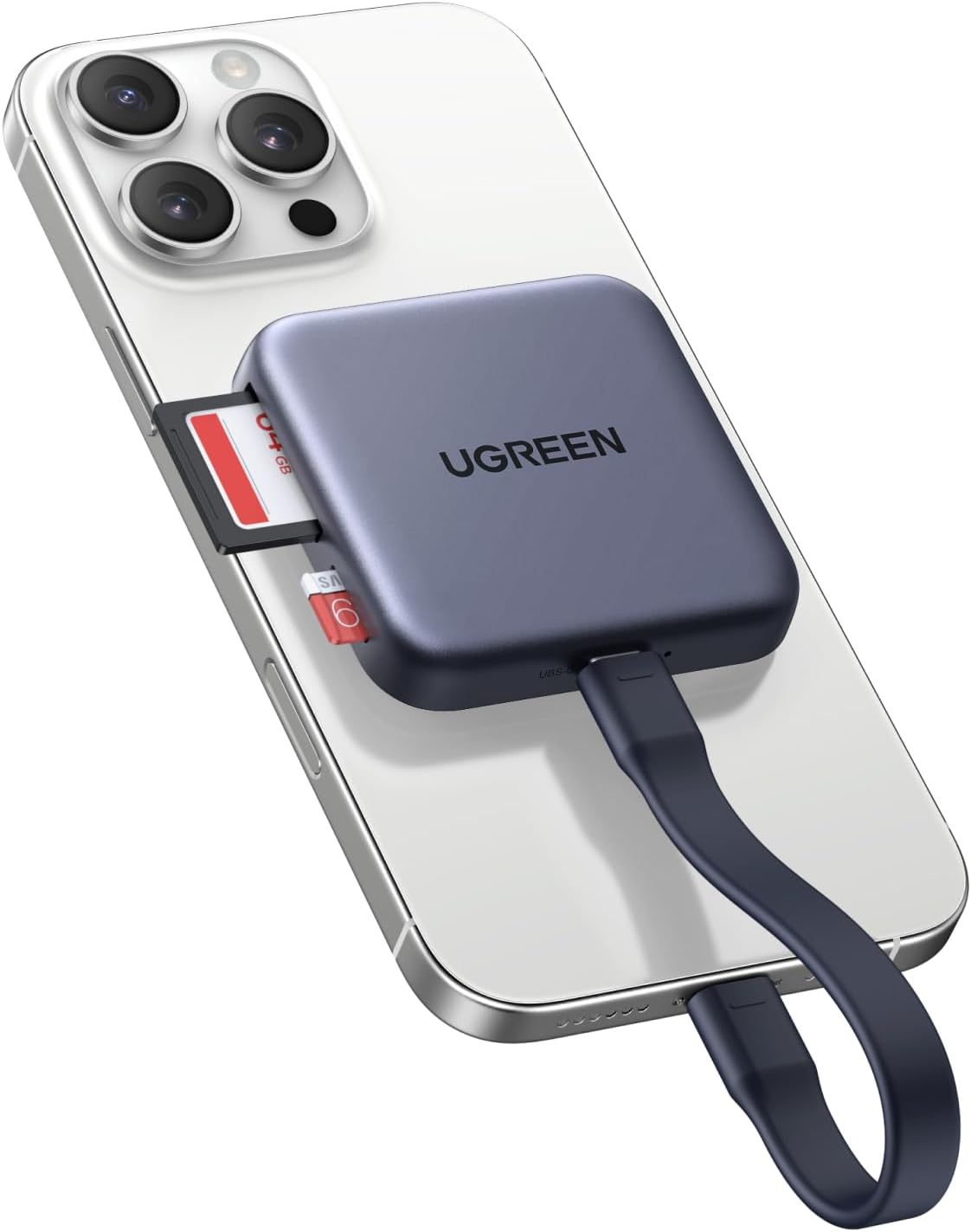
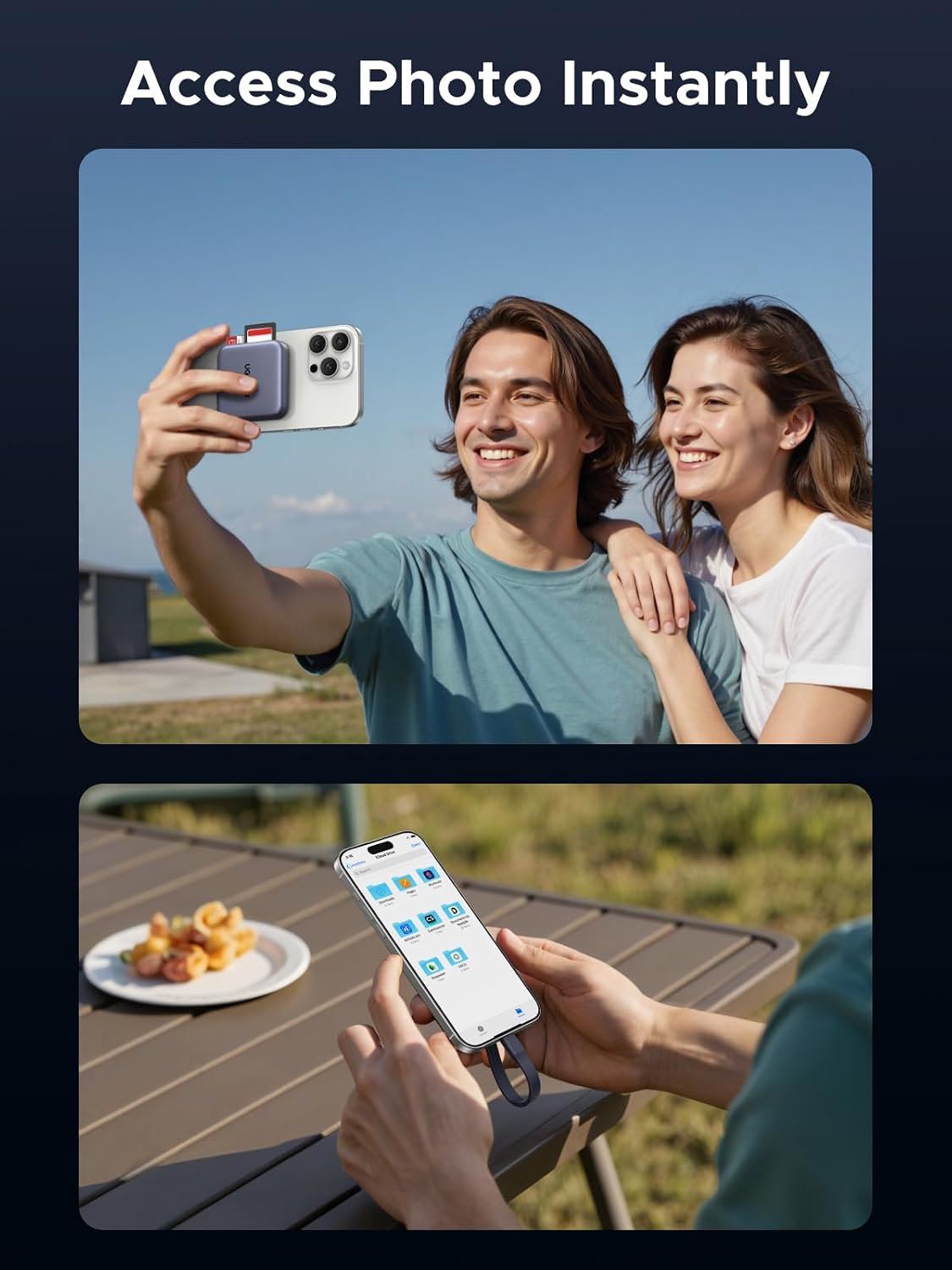
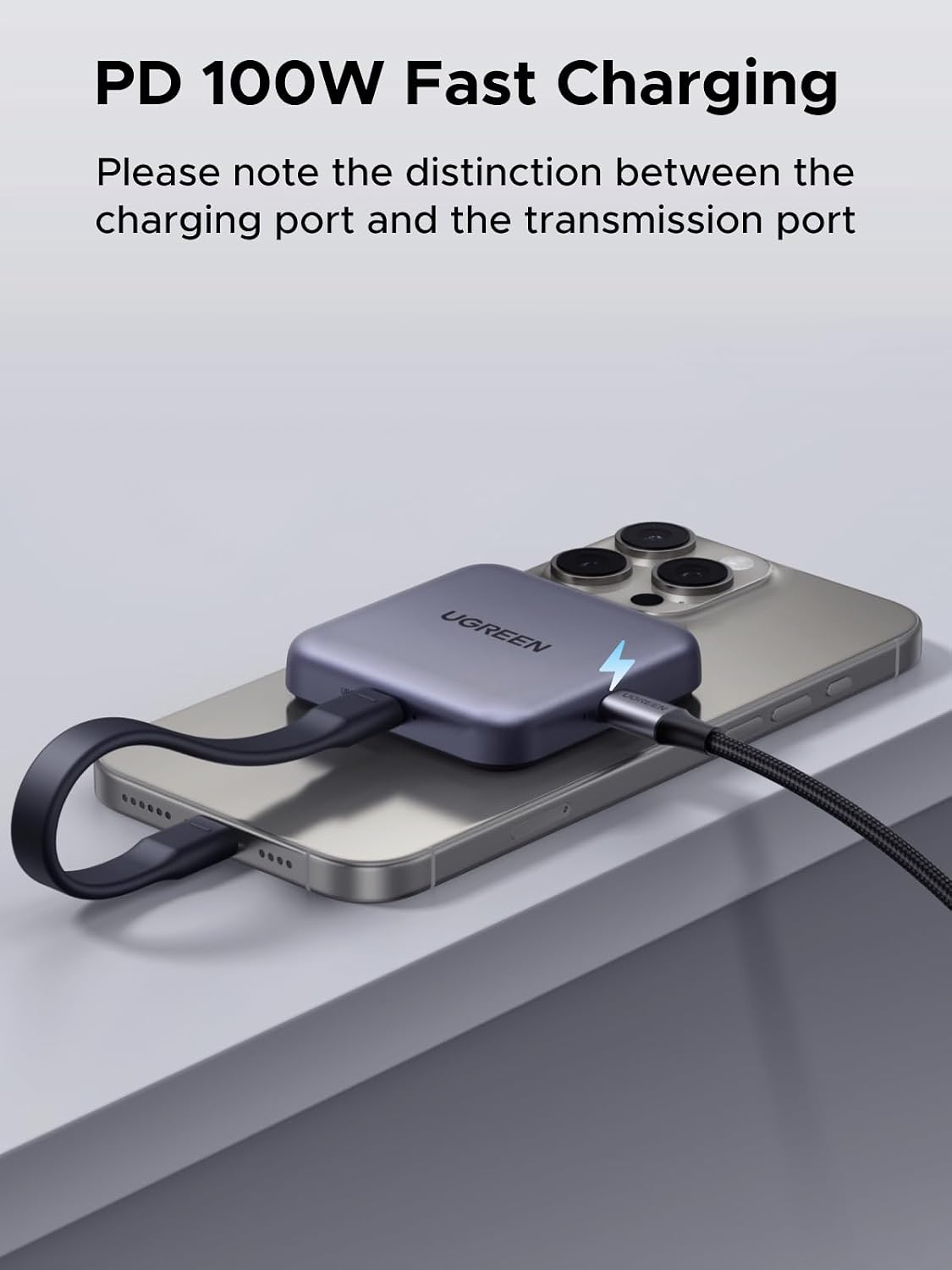
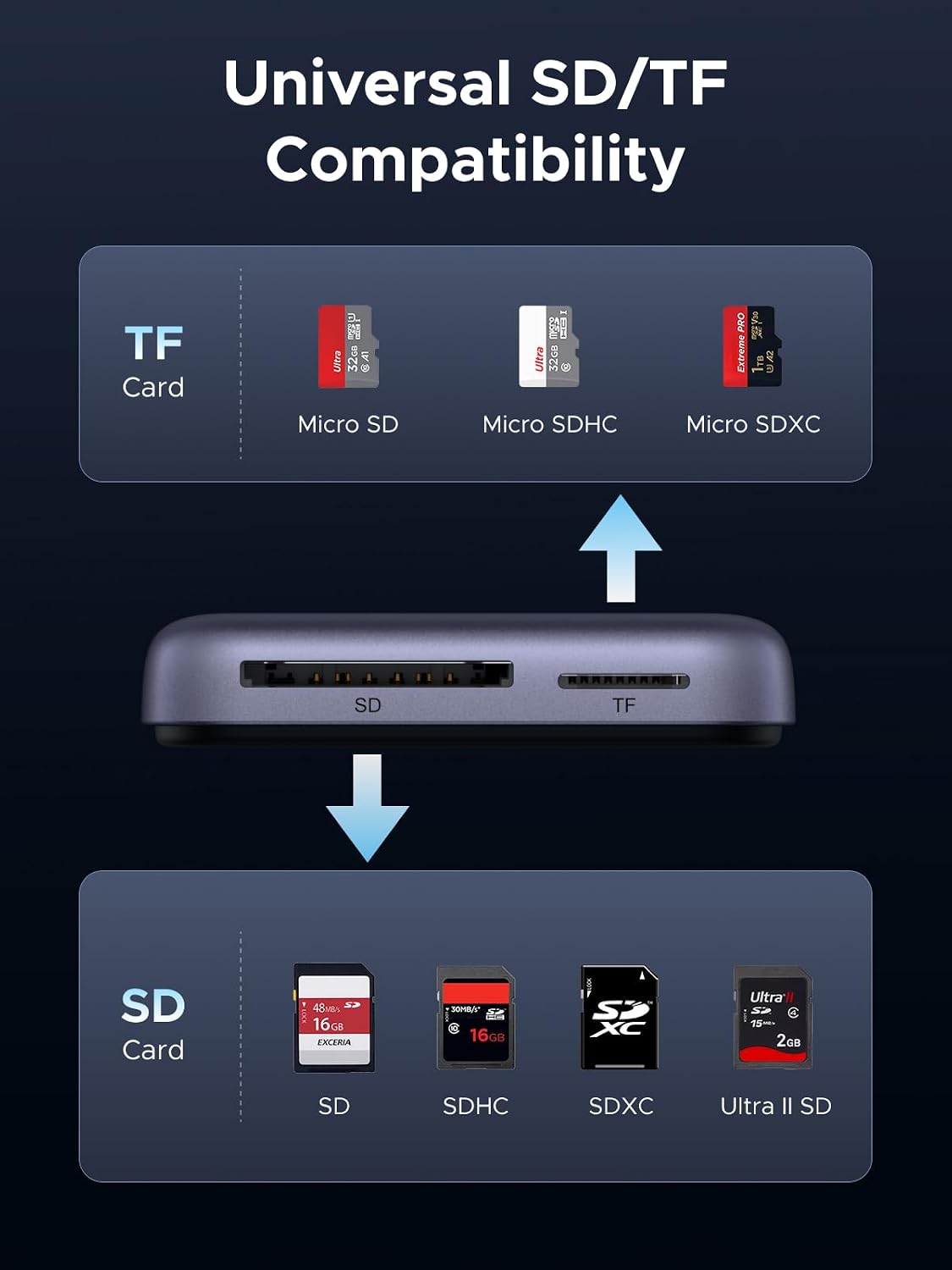
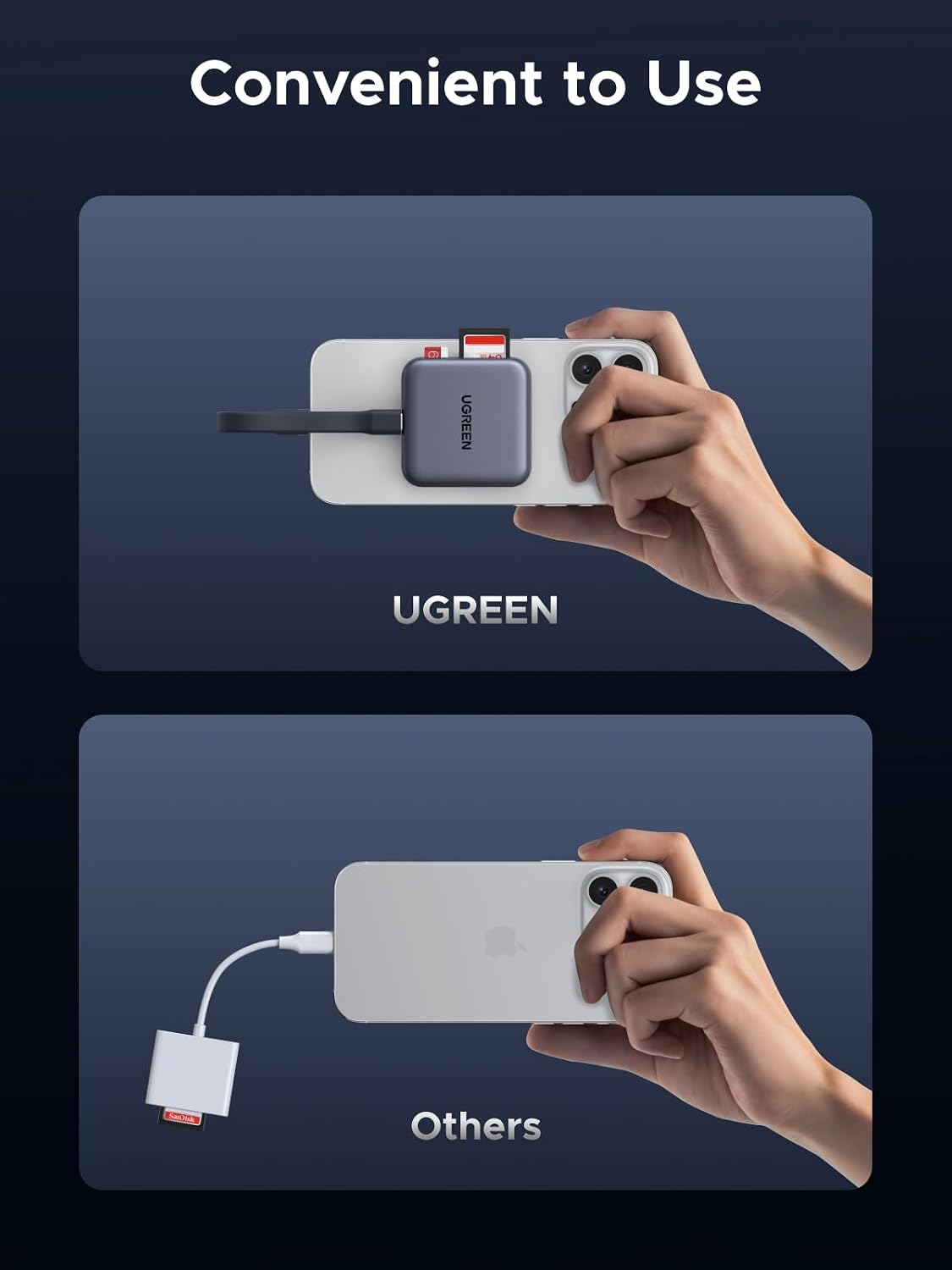
What it is and who it’s for\nThe UGREEN SD Card Reader 4.0 is a USB‑C memory reader that supports SD, SDXC, SDHC, Micro SD (TF), Micro SDXC and Micro SDHC. It’s designed for quick data transfer and convenient charging on laptops, tablets and mobile devices, including Apple devices like iPhone 15/16 and iPad Pro, as well as MacBook Pro/Air. If you frequently move photos or video from cards to devices or need a single accessory that can double as a charger, this model aims to cover that practical use case.\n\n## How fast and capable is it?\nOn paper, it reaches up to 312MB/s thanks to SD 4.0 compatibility and supports UHS‑II SD/Micro cards as well as UHS‑I. That means transferring hours of footage can feel noticeably quicker than older readers, and it remains backward compatible with USB 2.0/1.0 devices. It’s important to note that real-world speeds will depend on the card and host device, so it may not always hit peak numbers in every scenario.\n\n## Design, durability and practical use\nThe reader features a magnetic design intended to align with Apple devices (iPhone 15/16) using the magnetic suction system, other devices can use the included magnetic ring. The magnetic approach helps reduce cable wobble and tangling during on‑the‑go use. The body is stated to have undergone salt spray and plug‑in durability tests (10,000 insertions) and includes a self‑recovery fuse for current limiting and short‑circuit protection. If you frequently work in travel or on a desk with limited space, the magnetic approach can be a useful practical advantage.\n\n## Power delivery and charging capability\nA notable feature is 100W PD support, using the PD 3.0 protocol with up to 20V at 5A input. In theory, this lets the reader pass through power to a connected laptop or other device, which can be handy when your charger is already in use. However, the effectiveness of pass‑through charging in practise depends on the host device and power requirements. It isn’t a universal substitute for a dedicated charger, but it helps in busy setups where you need to top‑up power and access cards at the same time.\n\n## Compatibility and ease of use\nThe reader is described as plug‑and‑play with broad OS support—Windows, macOS, Linux, Chrome OS, Android—and OTG functionality. If you have a mix of devices from laptops to mobile phones, the same accessory could cover multiple use cases. Practically, that means fewer adapters in your bag and a simpler workflow when moving files from cards to a device.\n\n## Read/write capabilities and multitasking\nIt can read SD and TF cards independently or in parallel, which is convenient for users who need to copy from two cards quickly or organise files on the move. For those who juggle multiple cards, that can save time and reduce repeating steps.\n\n## What to check before buying and limitations\nIf your workflow relies on extremely high sustained write speeds, or you intend to use a particularly old or unusual card format, verify whether your card‑reader pairing delivers consistent results. Real‑world performance varies with the card’s own speed class and host device throughput. It’s also worth noting that the device’s magnetic mount is a feature that will appeal to certain setups but may not be a deciding factor for everyone.\n\n## Who it’s for and when it makes sense\nConviene tener en cuenta if you frequently transfer large photo or video libraries from SD/ Micro SD cards to a MacBook or iPad and you want a single USB‑C reader that also offers pass‑through charging. It’s arguably most suited for mobile workers, content creators and students who value portability and easy pairing with Apple devices, as well as those seeking a versatile USB‑C reader for mixed ecosystems.\n\n## Final thoughts: should you buy it?\nIs it worth it? If you prioritise a compact, dual‑card reader with fast SD 4.0 speeds and want the option of 100W power delivery, this model offers a credible combination. If your needs are limited to basic card transfers on a budget or you require the absolute highest sustained write speeds for professional cinema workflows, you might want to compare other options or acknowledge that real‑world gains depend heavily on the cards used.\n\n## Quick practical example\nYou’re editing on an iPad Pro and need to offload a day’s shoot from two different cards. You connect the reader via USB‑C, slide in both SD and Micro SD cards, and within moments you can start backing up and transferring clips. The 100W pass‑through helps when your charging situation is tight, so you’re not forced to choose between data transfer and keeping devices charged.\n\n## What I’d want to know more about\nHow the pass‑through charging behaves with power‑hungry devices in sustained workloads. In practice, you may see different results depending on your host device, charger quality and whether multiple peripherals are drawing power at once.\n\n## The decision corner: Is it worth it?\nIf you need a practical, versatile USB‑C card reader that can handle multiple card formats and offer charging through power delivery, this is a reasonable option to consider. It’s less compelling if you require the absolute fastest, most robust professional‑grade speeds across extreme datasets or if you don’t value the magnetic mounting feature.