

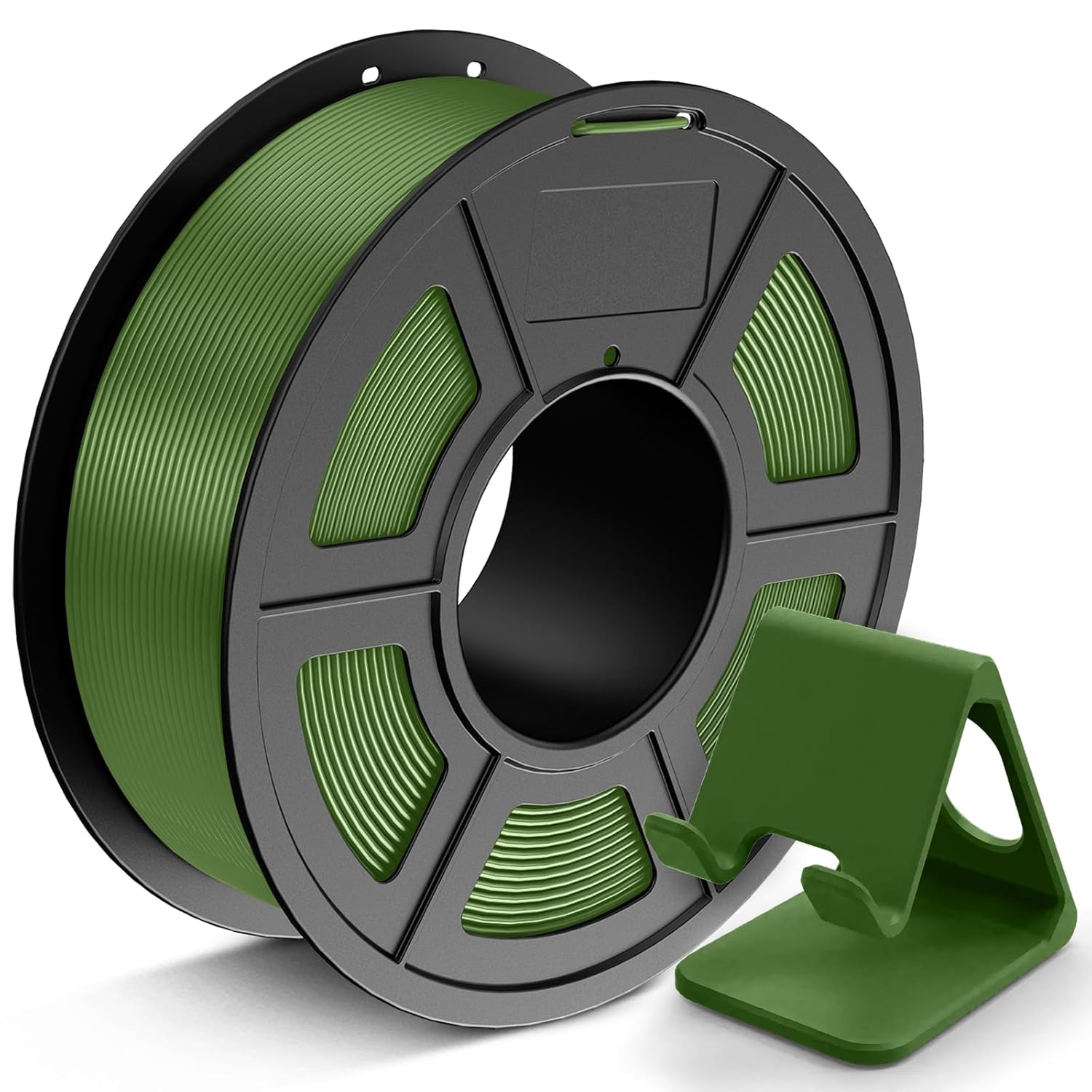
JAYO PLA Filament 1.75mm Olive Green 1.1kg for 3D Printers
Product description
What it is
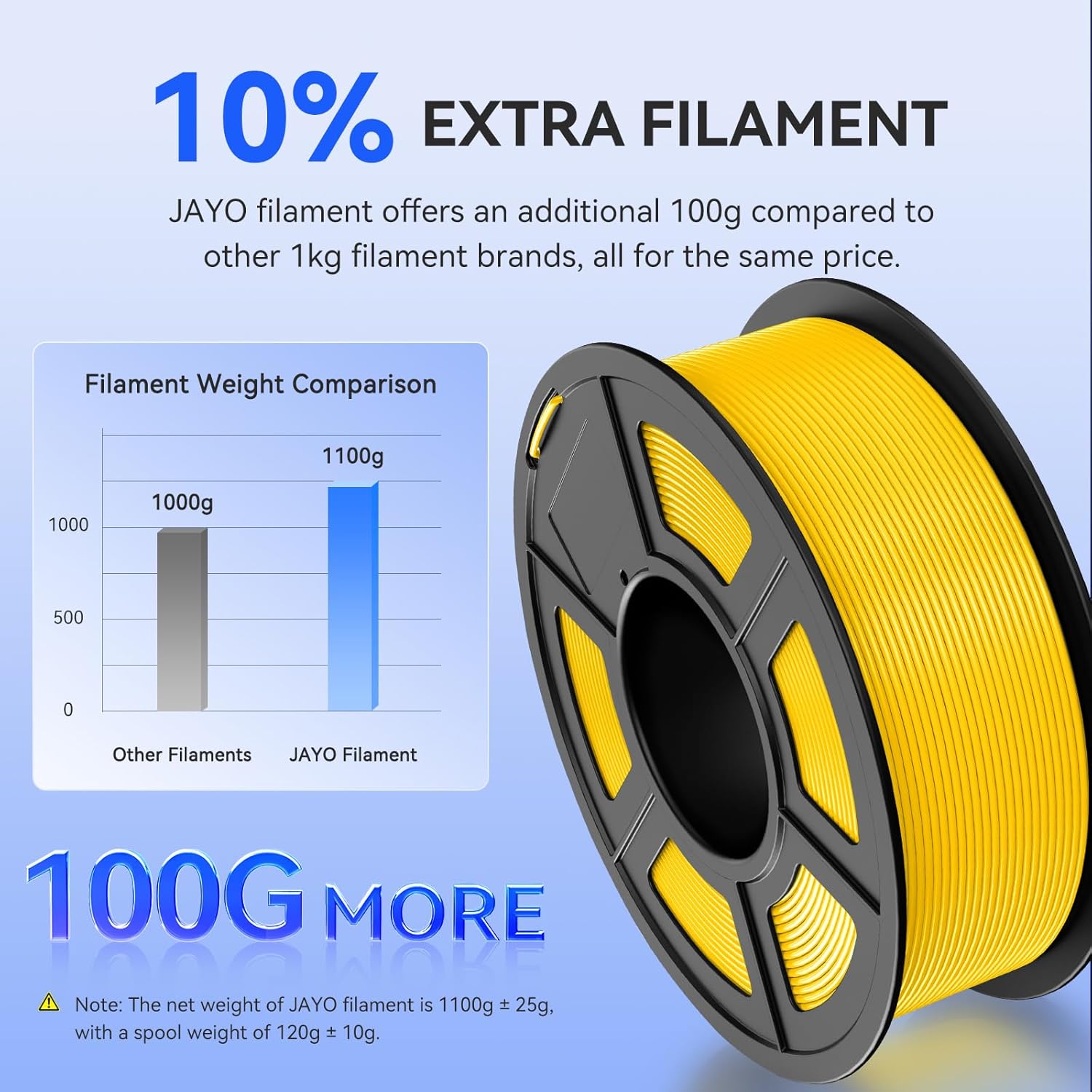
JAYO PLA Filament is a 1.75mm diameter, olive green PLA designed for consumer and hobbyist 3D printers. Supplied on a 1.1kg spool, it aims to deliver straightforward printing with a focus on dimensional accuracy and reliable flow. On the paper, it’s positioned as a practical option for everyday printing tasks, from small hobby parts to simple prototypes.
How it performs in practice
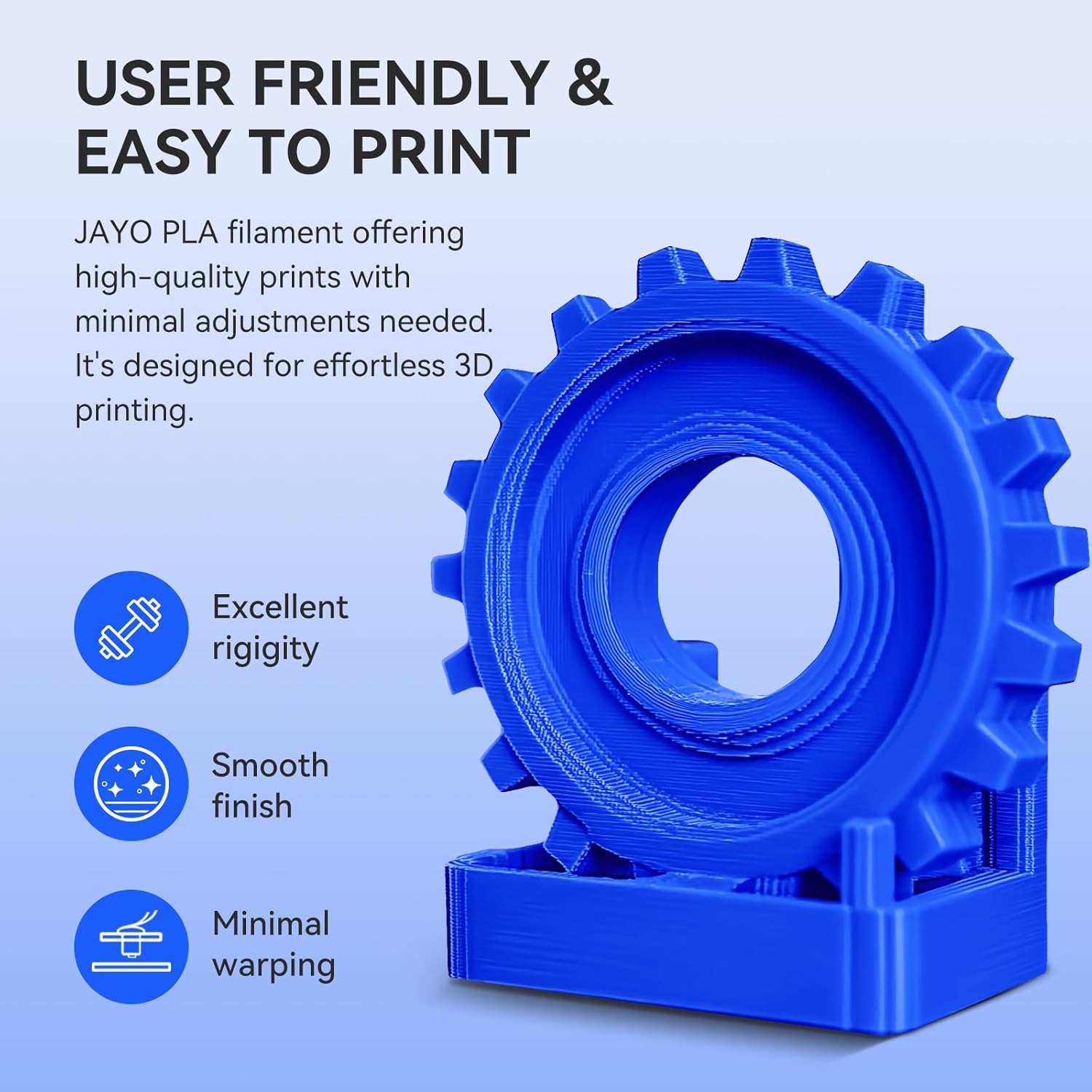
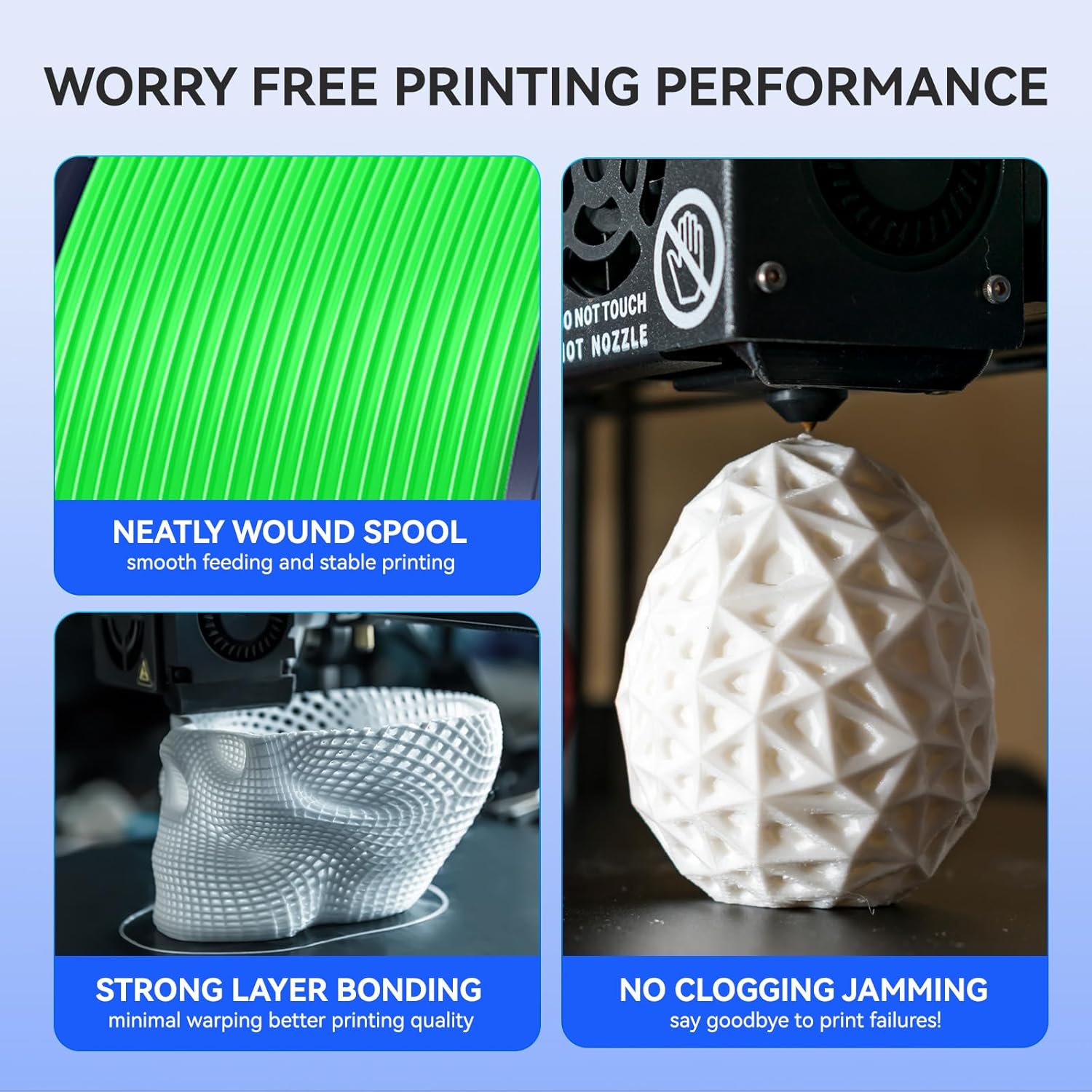
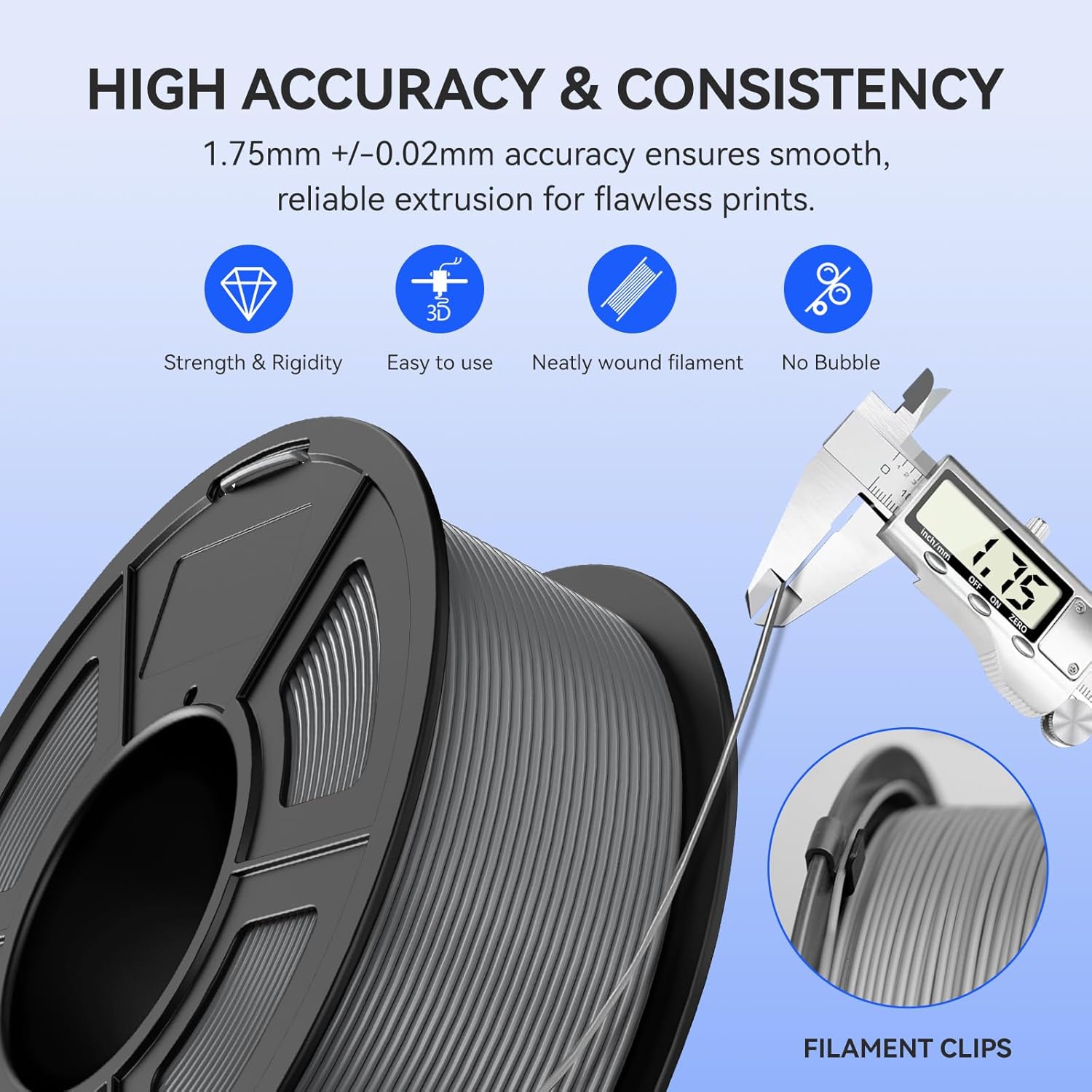
If you prioritise predictable extrusion and easy handling, this filament makes sense. The manufacturer highlights neat winding to minimise tangling during the print, which can be a real headache during longer jobs. The stated diameter tolerance of +/- 0.02 mm suggests a consistent feed, which helps steady layer heights and reduces nozzle jams compared with filaments that vary more in thickness.
What stands out on the technical side
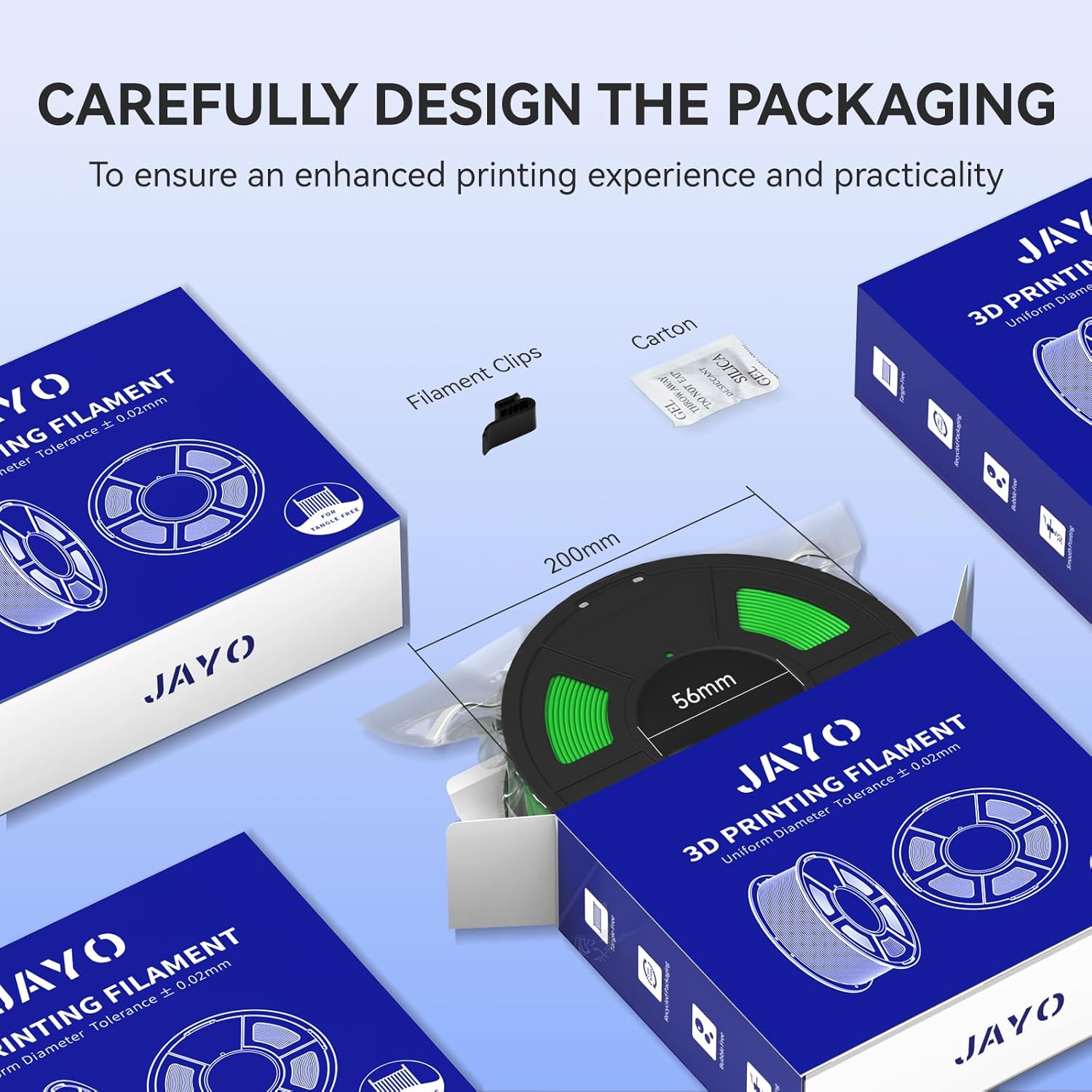
The product is marketed as having low shrinkage and good adhesion, two factors that can materially affect first layers and warping. It’s described as clog-free and bubble-free, with improved flow that lowers the chance of clogging mid-print. The packaging includes a desiccant and a vacuum seal to limit moisture uptake, an important consideration for PLA stored between sessions.
What you’ll notice in use
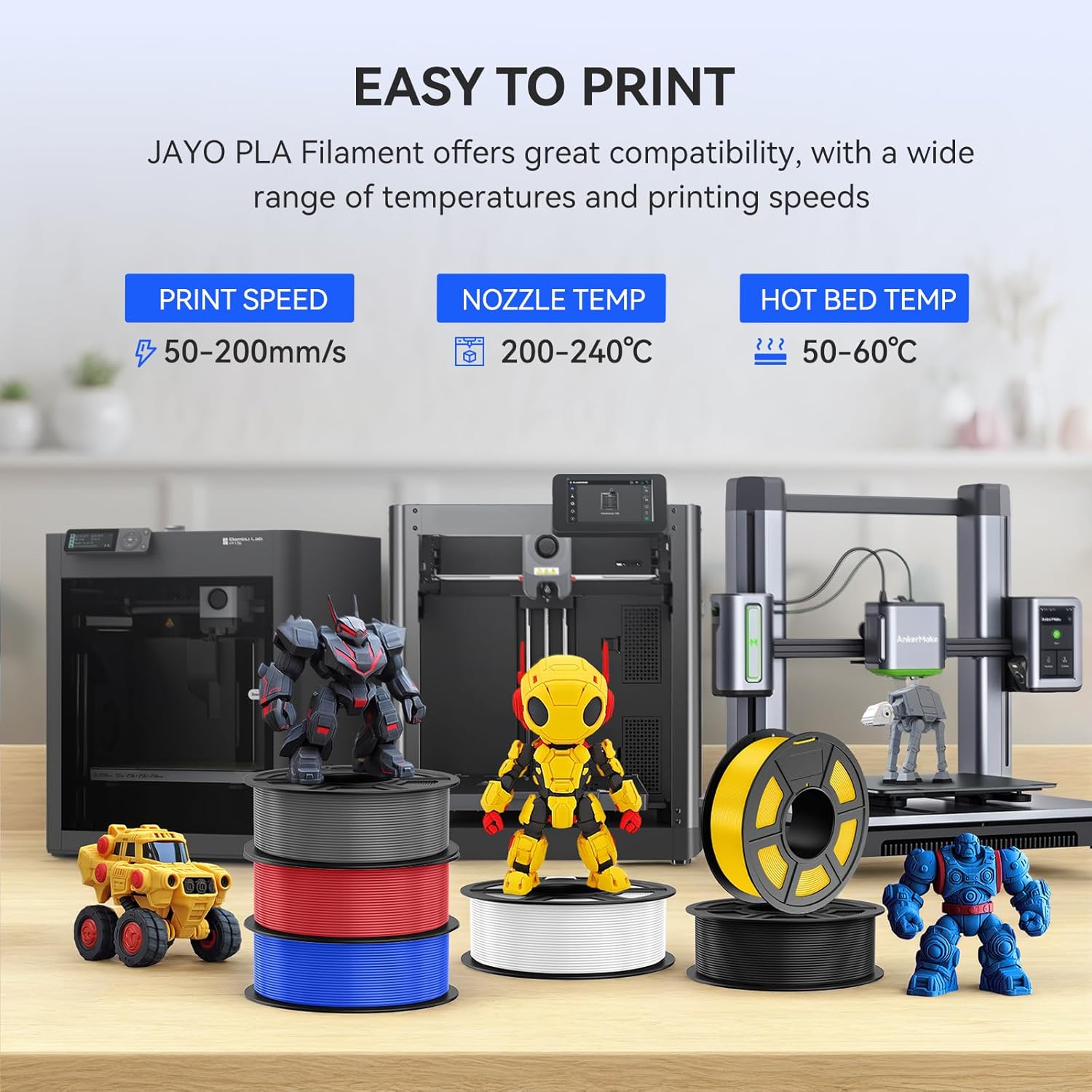
A practical advantage is the tolerance to printing in a relatively wide nozzle temperature range (approximately 200–210°C) and bed temperatures around 50–65°C. This can make it forgiving for printers that aren’t perfectly calibrated or for users who are still dialling in settings. Print speed recommendations (50–100 mm/s) sit in the mid-range for PLA, which means you can expect balanced results between detail and throughput.
Good fits and limitations
The olive green colour allows for unobtrusive models where a natural or utilitarian look is desired. It is likely suitable for many entry- and mid-level FDM printers, especially if you value reliability and ease of use. However, the description does not provide explicit performance data for high-temperature environments, brittle-to-durable transitions, or long-term UV resistance. If your projects require extreme environmental stability or mechanical performance, you may want to set expectations accordingly.
Who it suits
This filament is well matched to beginners learning PLA basics, hobbyists printing everyday components, and makers who want a dependable material for functional parts or display models without paying a premium for specialist blends.
Who might want to tread carefully
If you routinely push printers to the limits—very high-speed prints, elevated ambient temperatures, or parts requiring high impact strength—this PLA may come up short compared with more specialised materials. Also, if you have a very moisture-sensitive storage setup or you print in a damp environment, ensure the desiccant and vacuum packaging are kept intact between sessions.
What to check before buying
- Confirm your printer’s compatibility with 1.75mm PLA filaments and the nozzle size (typically 0.4 mm is standard).
- Ensure you store the spool in a dry place to preserve the desiccant’s effectiveness.
- If you’re after ultra-fine layer resolution, test a calibration print to verify tolerance and flow at your typical speeds.
How it compares with the broader choices
Compared with more specialised or reinforced PLA options, this filament leans towards ease of use and predictable results in everyday prints. It may not deliver the highest mechanical strength or UV resistance, but for general prototyping, enclosures, or display pieces, the balance of accuracy, neat winding, and moisture protection is practical.
Decision time
Is it worth it?
It’s a sensible pick if you want a straightforward PLA with consistent diameter, good flow, and clean spooling for standard FDM tasks. If your priority is simple, reliable prints on a budget, this option can offer solid value. Not ideal if you need high-strength, heat-resistant, or UV-stable parts.
Quick FAQ
- How tense should the spool be during printing? Maintain moderate tension to avoid tangling, the neat winding aims to minimise this issue.
- Will it clog in a low-cost printer? The manufacturer claims clog-free flow, but every printer varies, start at 200°C and monitor extrusion.
- Is the colour stable after finishing prints? PLA colours generally remain stable for indoor use, outdoor exposure may affect appearance over time.