

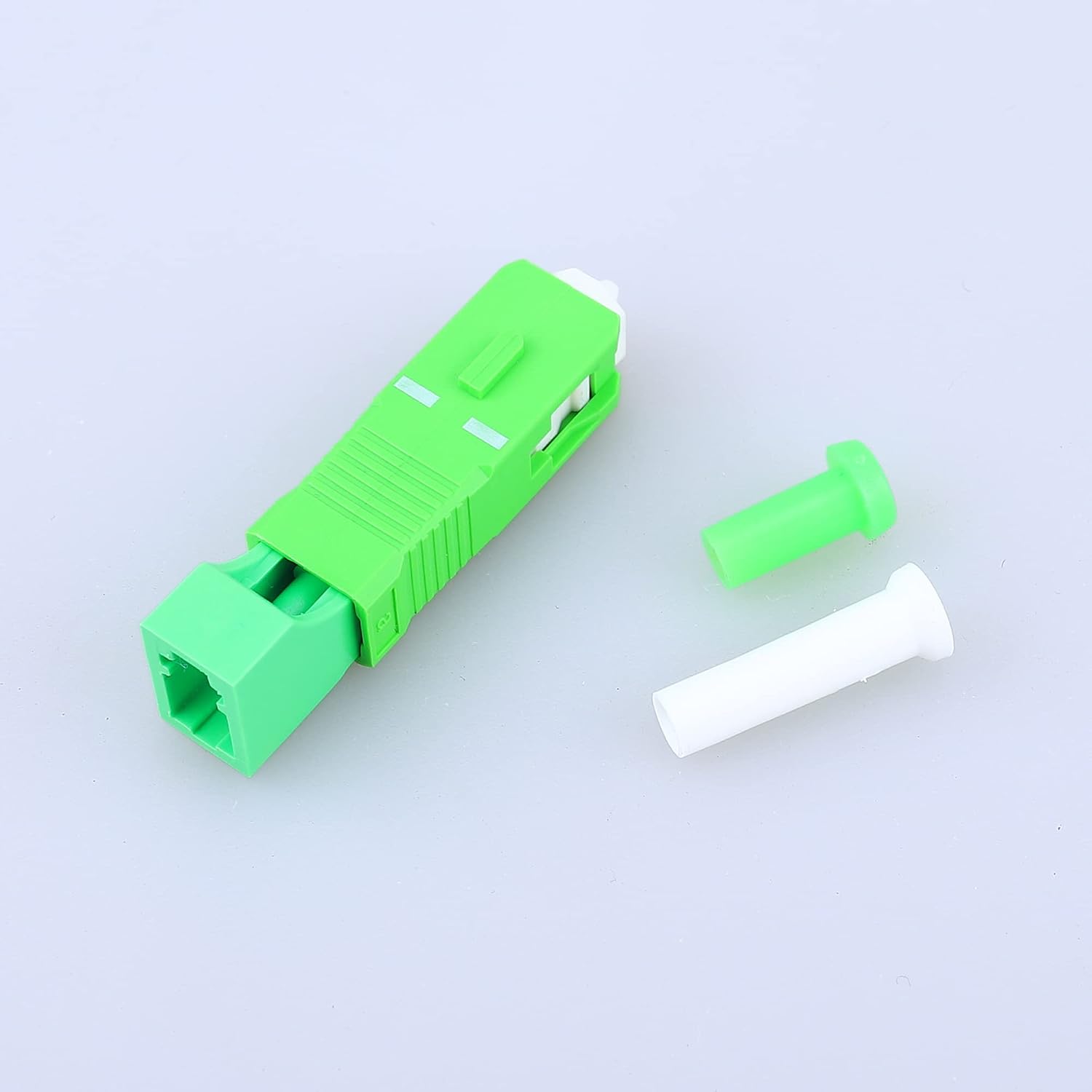
Cruiser SC Male to LC Female Fiber Hybrid Adapter – SM 9/125um, Green
Product description
What it is and who it’s for
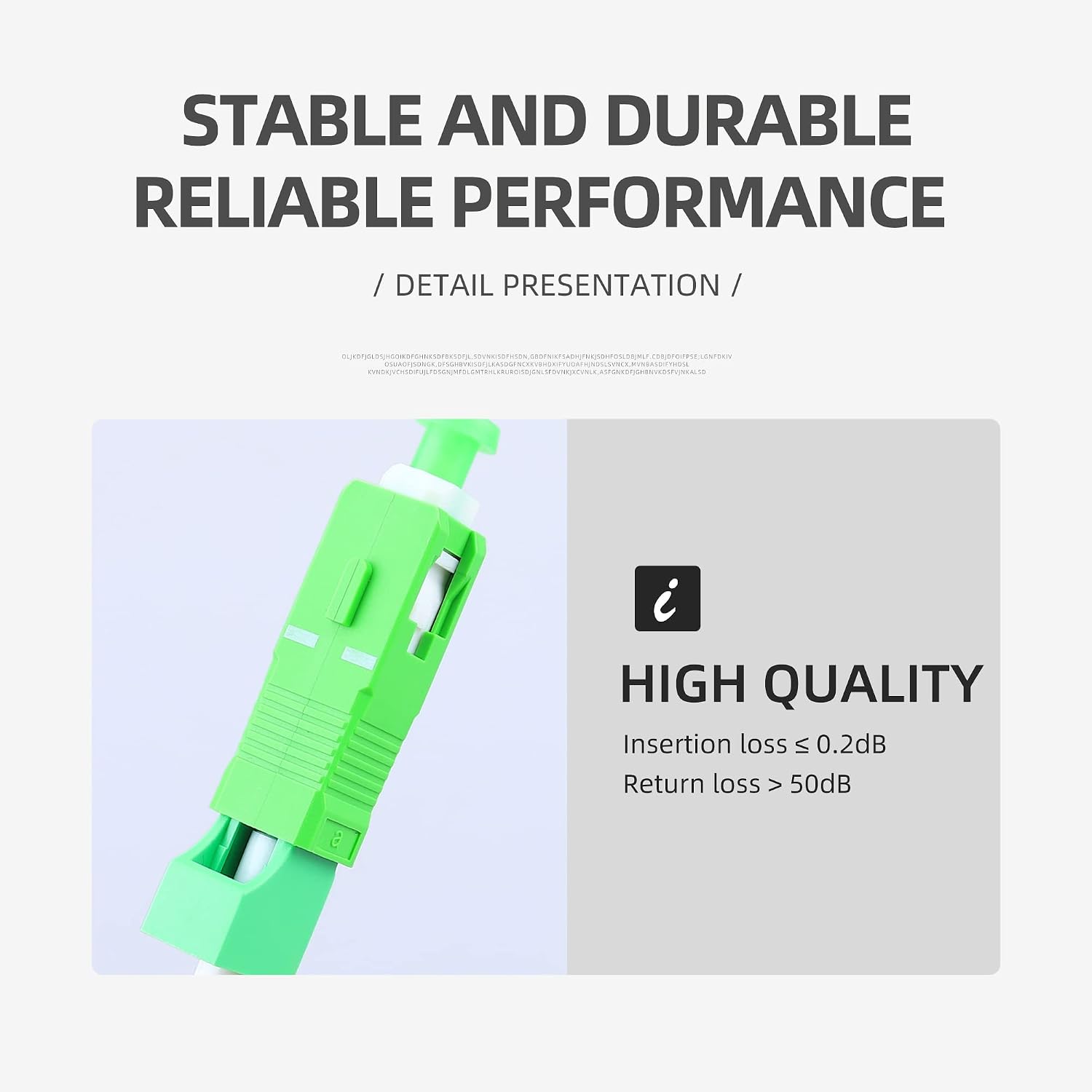
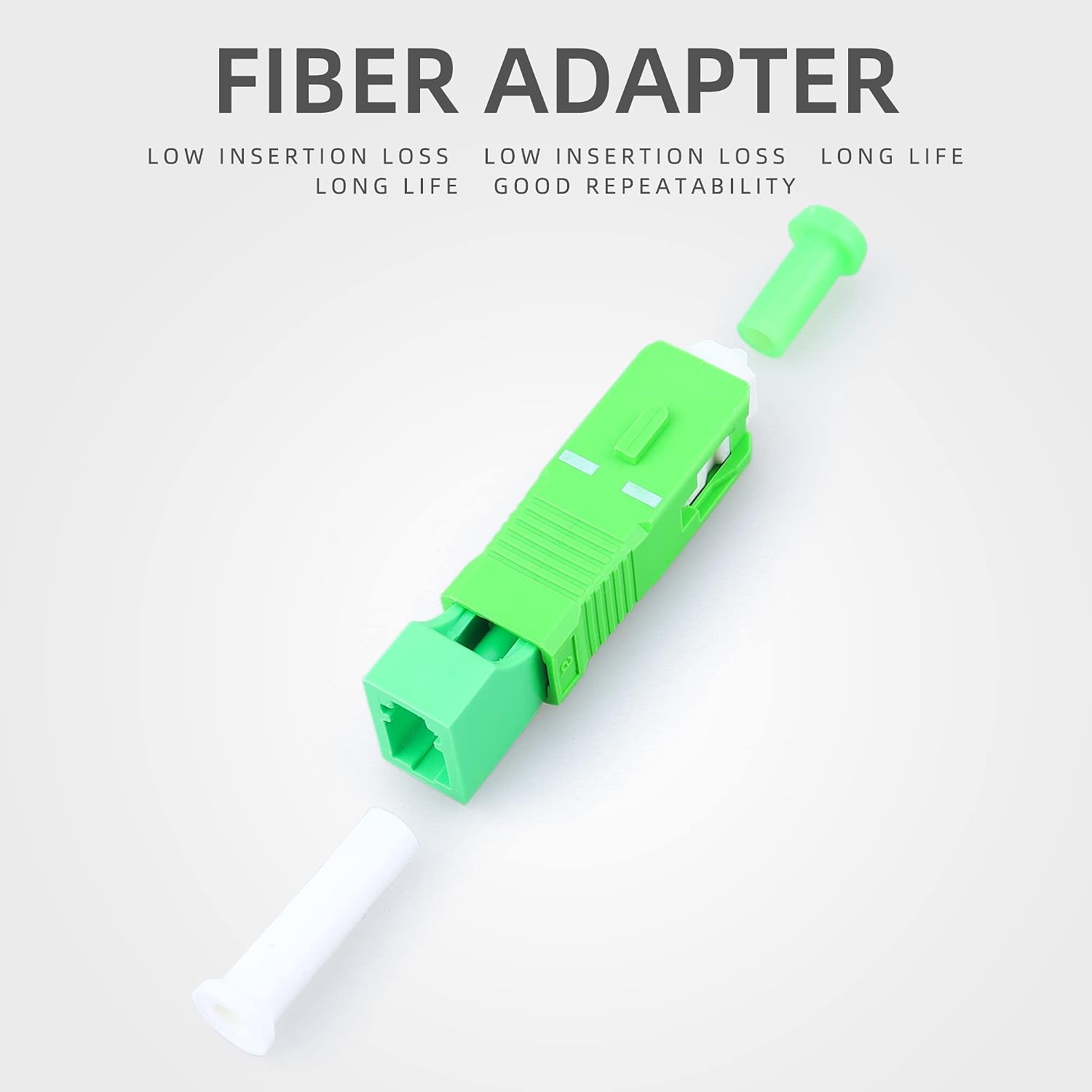
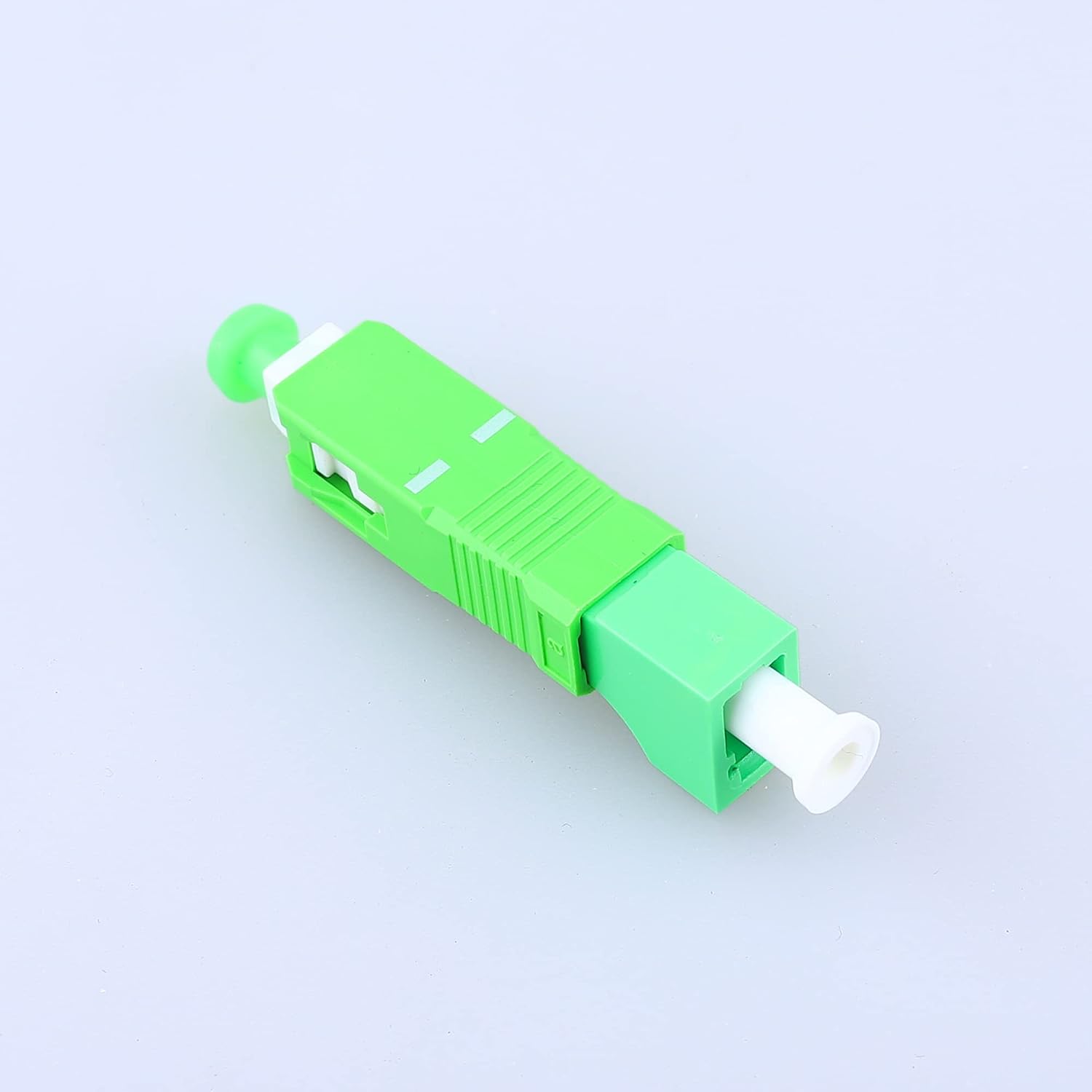
This Cruiser SC Male to LC Female fibre adapter is a hybrid connector noted in the product name as SC male to LC female, with a fibre size specification described as SM 9/125um. On paper, it appears designed to bridge SC‑type male interfaces to LC‑type female interfaces in single‑mode (9/125) systems. If your setup requires a straightforward, small form‑factor adapter to convert a SC‑style connection to LC‑style, this type of part may be a practical option to consider.
How it’s framed in the context of common use
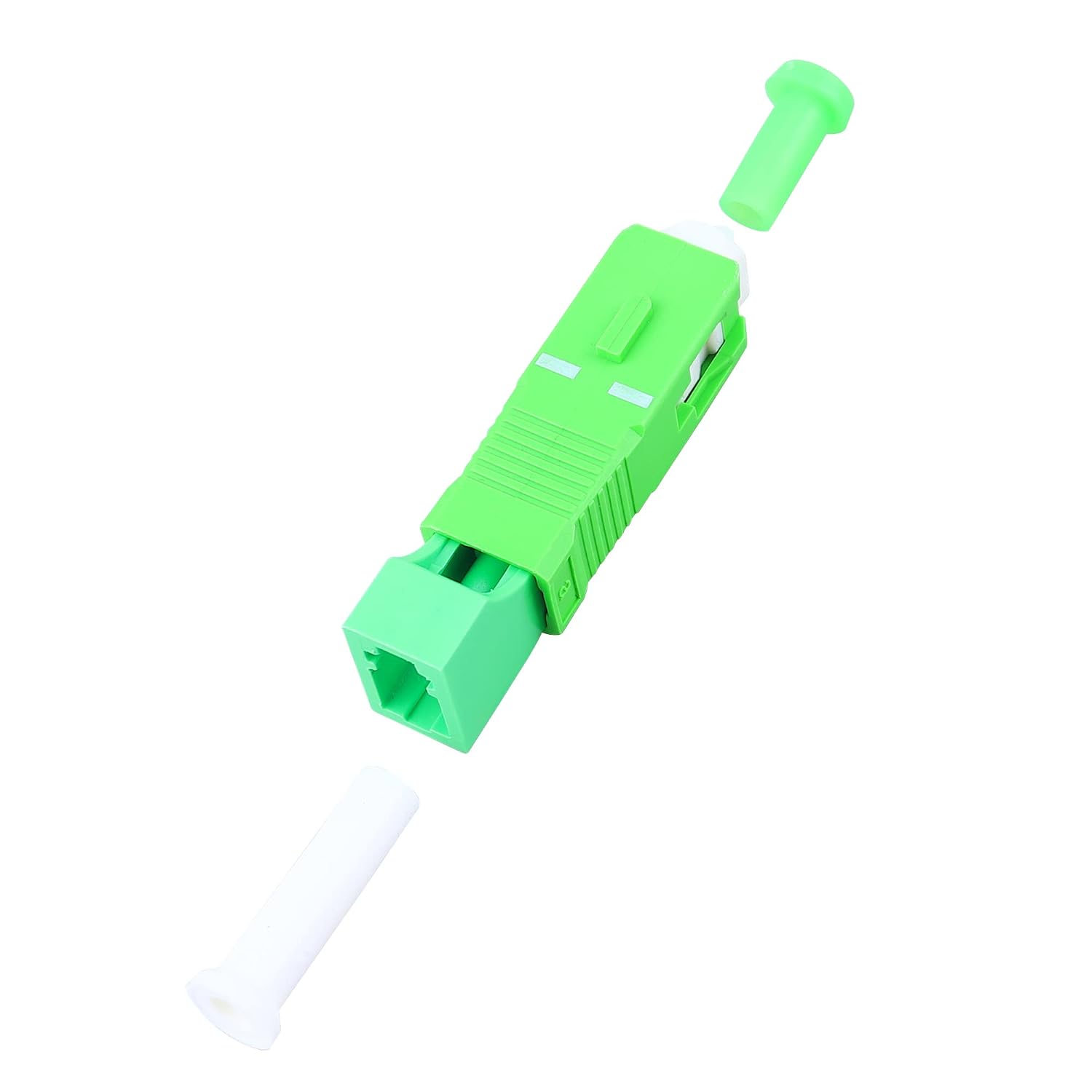
From the description provided, the adapter is presented as fitting where a 2.5mm FC/SC style hole or interface is involved, with the intent to convert to a 1.25mm LC style interface. In practice, this suggests a role as a quick‑swap or compatibility piece in visual test or fault‑finding workflows where quick conversions are handy. However, the exact compatibility with all manufacturers or every 2.5mm hole is not independently verified in the data you gave, so it’s sensible to confirm connector tolerances with your specific equipment.
Strengths and what stands out
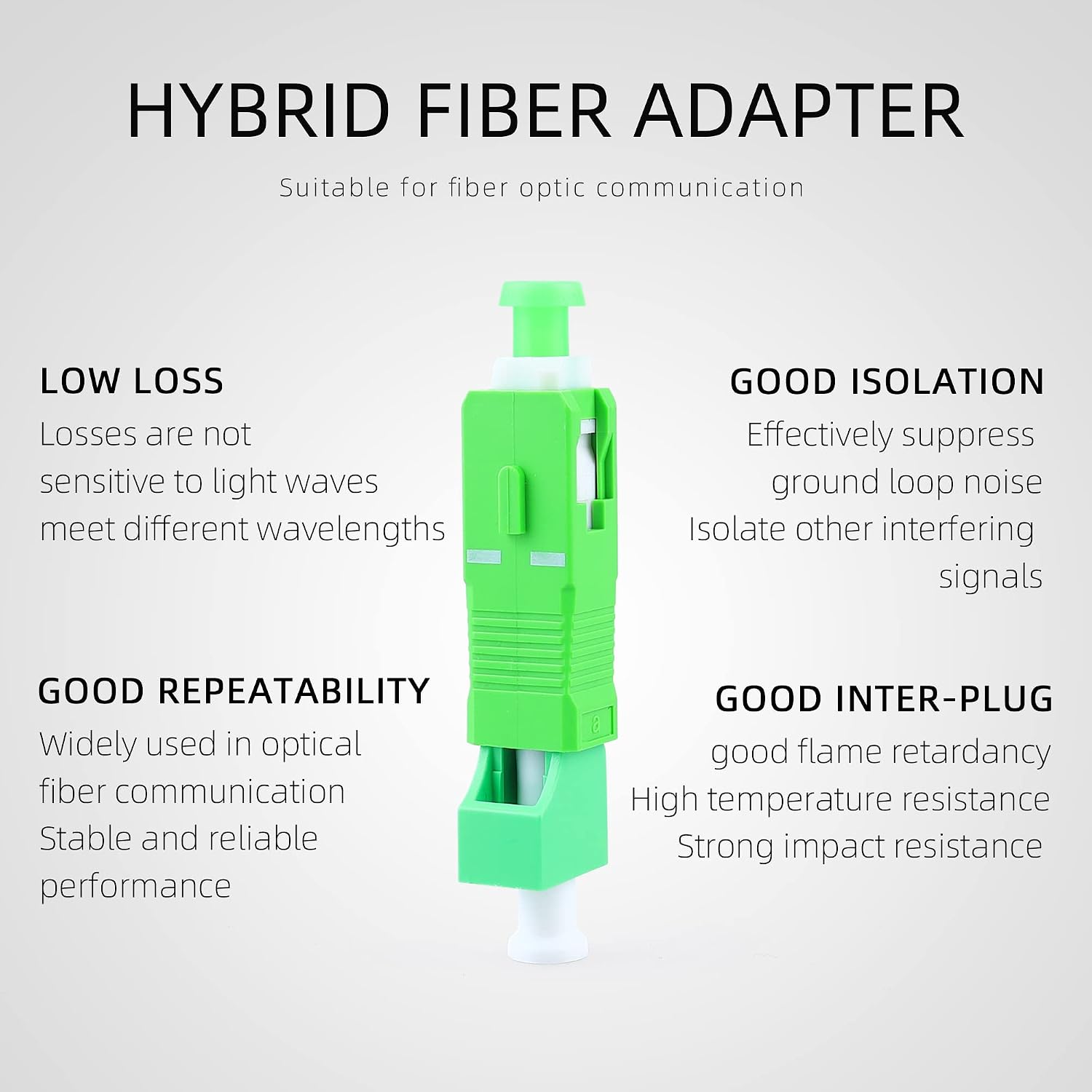
- Compact, hybrid concept aims to reduce the need for multiple dedicated adapters.
- Described as SM 9/125, which is a common single‑mode standard, potentially aligning with many standard fibre cables.
- Green colouring, if accurate, can help visually identify components in a dense setup.
Potential limitations and caveats
- The description mixes terms (FC 2.5mm to LC 1.25 vs SC to LC) which creates some ambiguity about the exact interface geometry and compatibility. This means you should double‑check the physical ferrule type (SC vs LC) and the correct gender before purchasing.
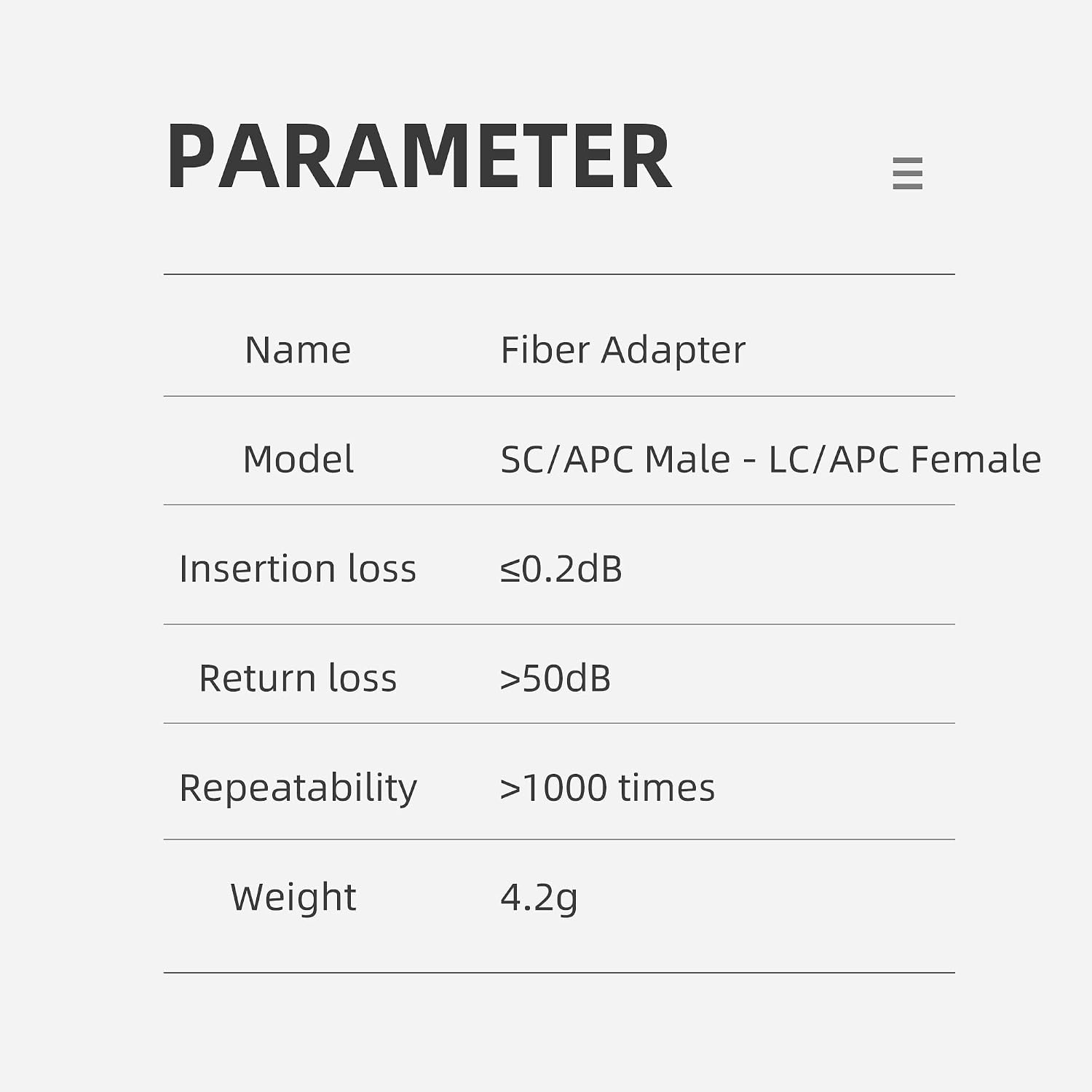
- There is no explicit data on insertion loss, return loss, or mechanical stability, so it’s prudent to manage expectations if you’re seeking a high‑precision or mission‑critical link.
- The absence of formal testing information or user reviews means the decision rests more on fit with your current connectors than proven performance.
Practical use scenarios
If you’re assembling a test rig or routine diagnostics that require occasional conversion between SC and LC interfaces, this adapter could simplify the toolkit. For example, pairing a SC‑male legacy patch with an LC‑female fibre jumper during visual fault locating tasks might be convenient, provided the mechanical fit matches your hardware.
Who this is (and isn’t) for
- It suits technicians who value a compact, mixed‑style adapter to reduce the number of individual pieces in a toolbox.
- It may be less ideal for high‑precision link assemblies where guaranteed specifications and verified performance data are essential.
What to check before buying
- Confirm the exact connector genders in your system (SC vs LC) and ensure the advertised pairing aligns with your cables.
- Look for any notes on compatibility with 2.5mm holes or FC/2.5mm interfaces if relevant to your kit.
- Consider whether you need certified performance metrics (loss figures, durability, environmental ratings) for your deployment.
Decision‑making and alternatives (implicit)
If you prioritise single‑kit convenience and you’re working with test or diagnostic gear where absolute performance is less critical, this adapter could fill a niche role. If, instead, you require strict performance guarantees or a well‑documented spec for mission‑critical fibre trays, you might prefer a more clearly documented option or a dedicated SC to LC adapter with measured performance figures.
Final thought: Should you buy it?
Buy if you need flexible small‑form‑factor conversion for non‑critical lab or workshop tasks and you can confirm physical compatibility with your equipment.
Avoid if you rely on tightly specified loss and reliability metrics or if the interface standards are uncertain for your setup.
FAQ
- Q: Is this compatible with all 2.5mm FC interfaces? A: The data suggests broad compatibility but does not confirm universal fit across all manufacturers, verify with your kit.
- Q: Does it provide quantified loss or durability specs? A: No performance metrics are provided in the description.
- Q: Can I use it in an active fibre link? A: It’s described as an adapter for interface conversion, for active links you’ll want documented insertion and return loss figures.