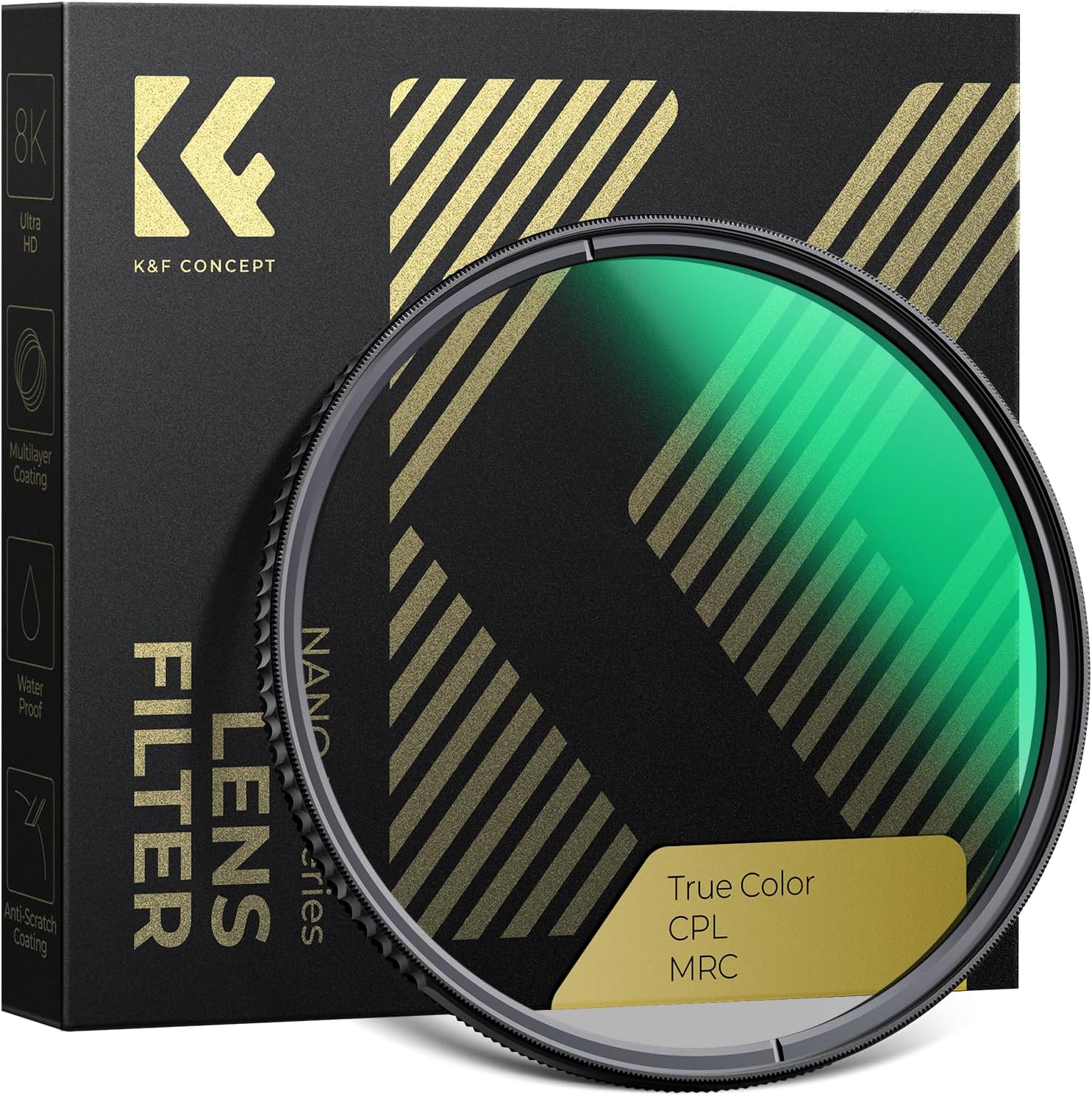
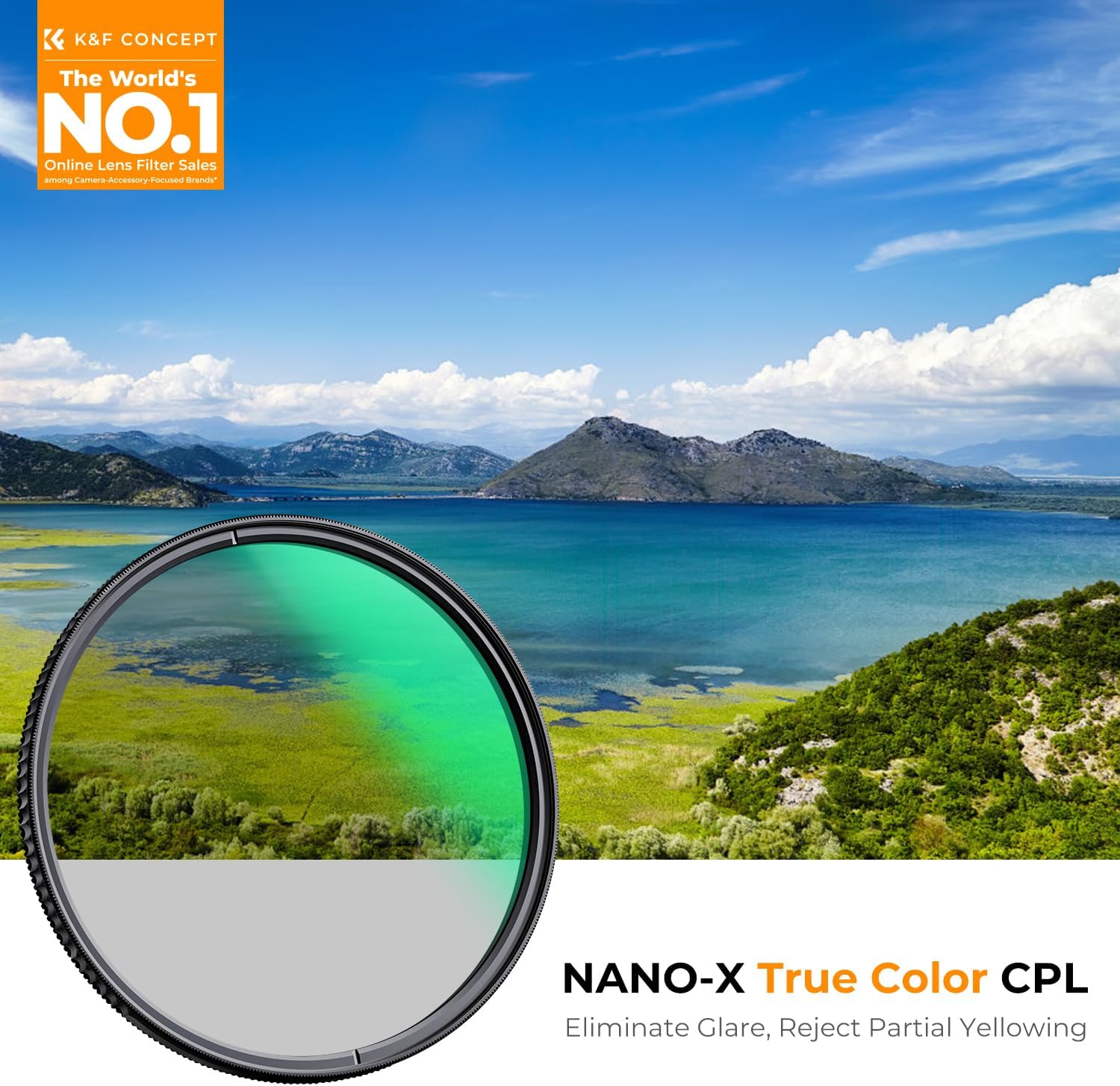
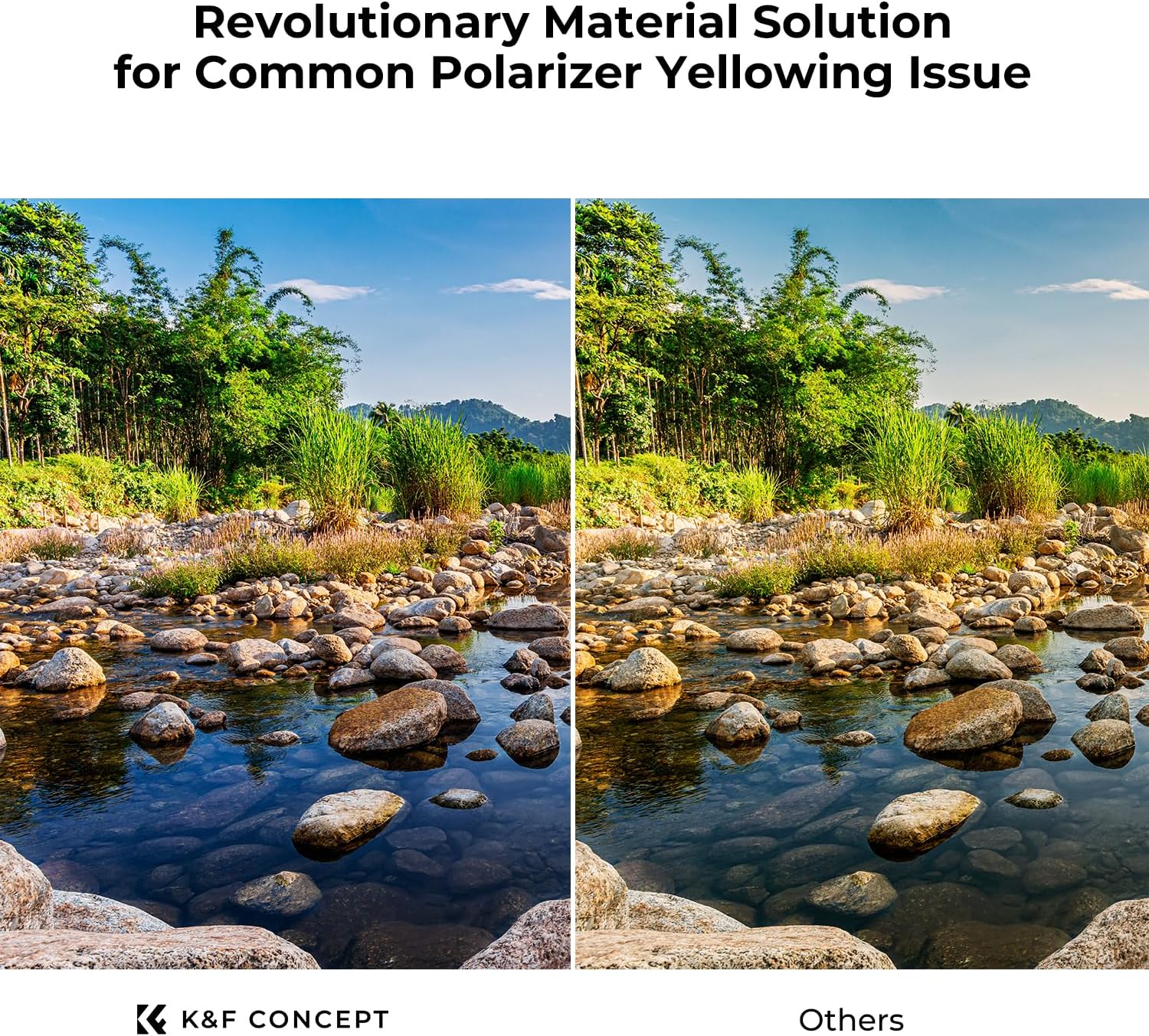
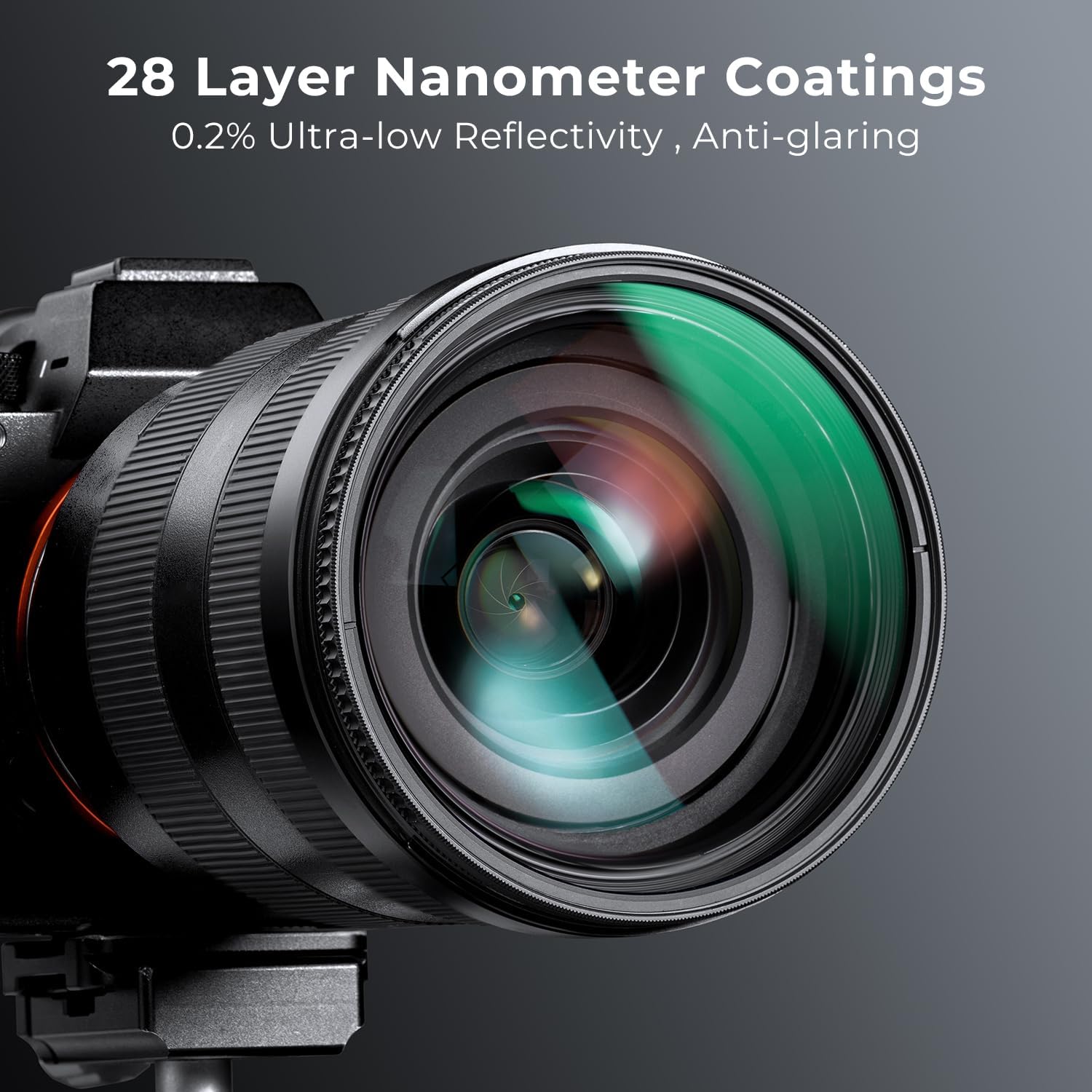
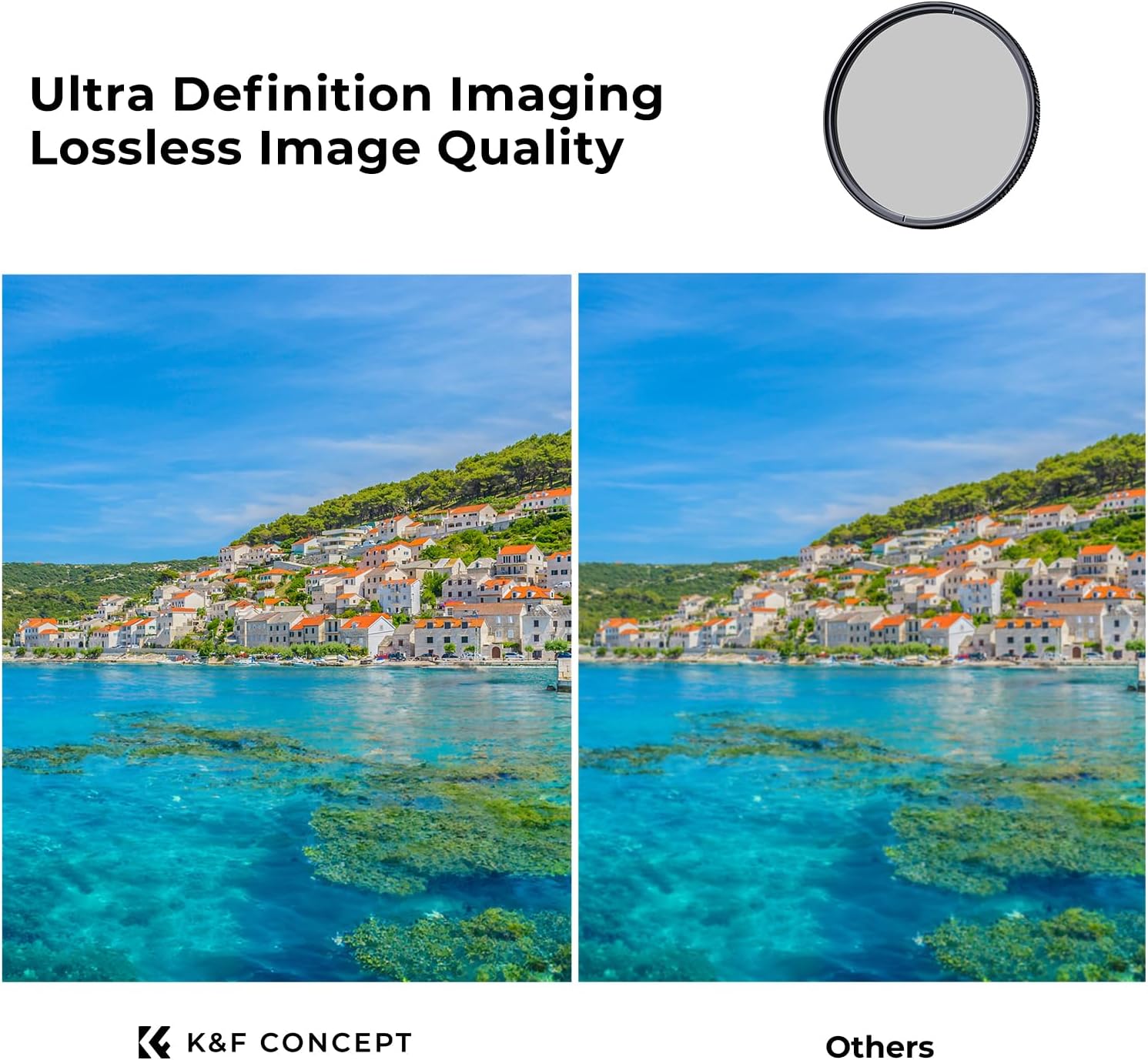
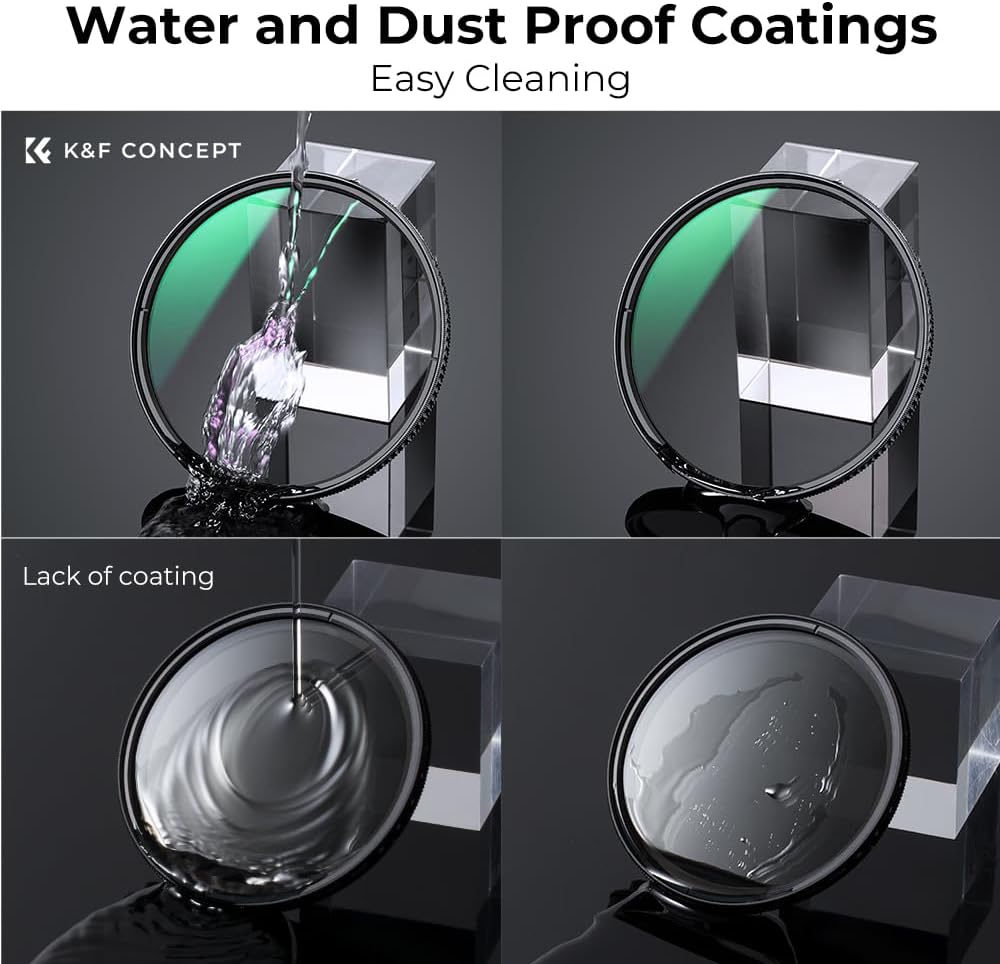
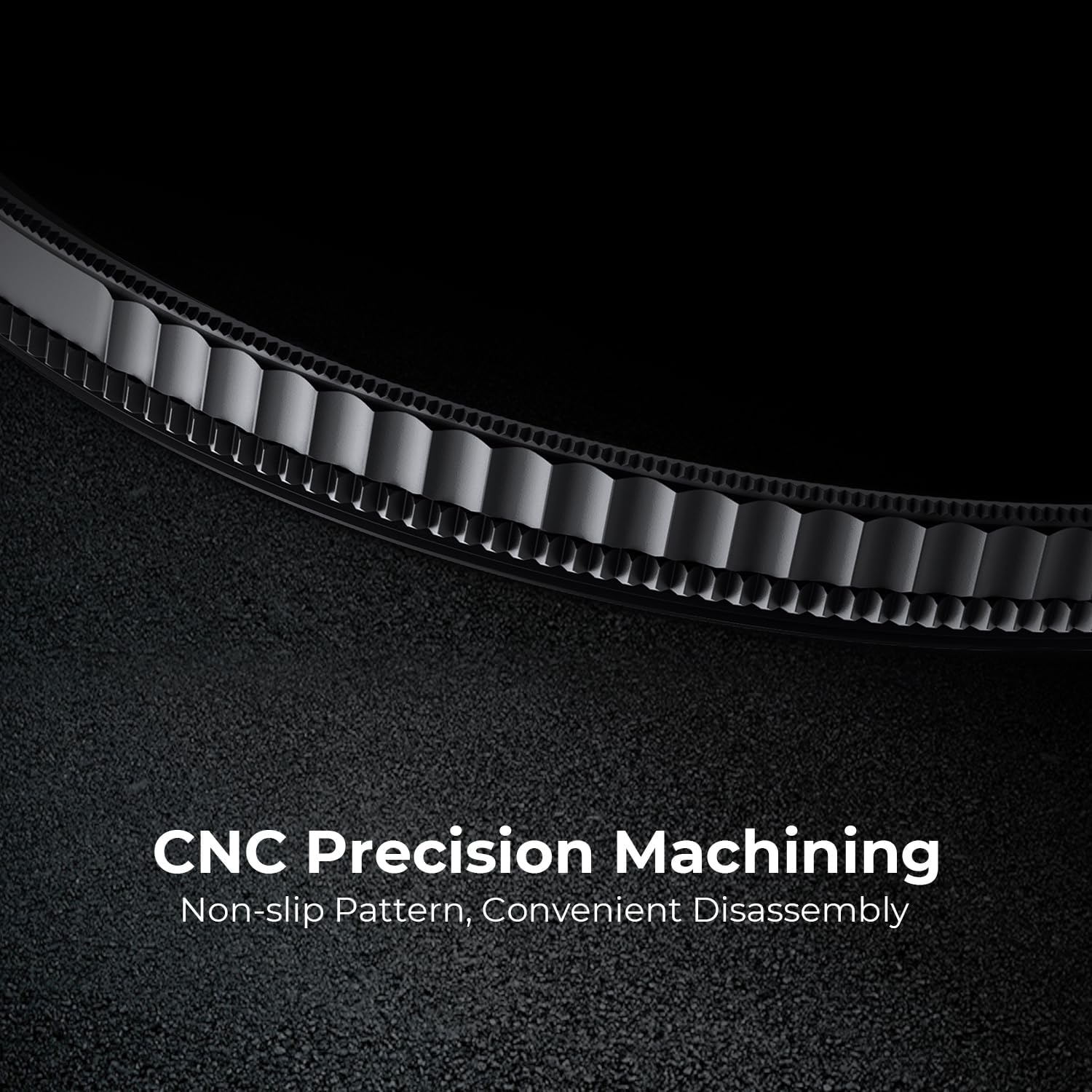
What it is and what it aims to solve\nThe K&F CONCEPT 72mm True Color Polarising Filter is a circular polariser designed to minimise unwanted reflections and enhance colour fidelity in outdoor photography and videography. According to the product notes, the coating technology targets the familiar issue of yellow-tinted imagery, aiming to restore true colours during video capture. If you prioritise practical colour accuracy and reduced glare in bright scenes, this filter is worth considering as part of your kit.\n\n## Build quality and optical design\nThis CPL is built around a premium glass element described as having minimal light distortion, with a focus on eliminating harmful reflective light. It uses a 28-layer multi-coated (MRC) green coating that claims to reduce surface reflections, ghosting and to offer scratch resistance, along with water, oil and dust repellence. The frame is described as ultralight and ultra-slim aluminium, designed to minimise vignetting, especially with wide-angle bodies, and to support telephoto work up to around the 500mm range by virtue of its double-polished surface.\n\n## Who it’s for\n- Photographers and videographers who need better colour fidelity and reduced glare in daylight scenarios.\n- Users with 72mm lens fronts seeking a compact, light filter that doesn’t intrude on wide field of view.\n- Outdoor shooters who value durability and ease of maintenance thanks to the anti-reflective and water-repellent coatings.\nIf you shoot architecture, landscapes or rivers with reflections on the water, this CPL could help you push more natural greens and skies while keeping skin tones balanced.\n\n## What stands out vs. what could be improved\n- What stands out: the claimed True Color coating that aims to prevent yellow cast, and the 28-layer MRC coating for reduced ghosting and enhanced durability. The double polishing and ultralight frame are practical touches for higher-magnification setups where small optical flaws become noticeable.\n- Limitations to consider: the information provided doesn’t include specific test results,實atures or optical performance data such as transmission or contrast levels. The claim of “almost zero light distortion” is subjective without independent measurements. If you rely on exact scientific metrics, you may want to cross-check with peer reviews or sample images.\n\n## Practical use cases and examples\nIn practice, you’d mount the 72mm CPL on a standard zoom or prime lens to control reflections from water, glass or foliage, and to deepen blue skies without sacrificing natural skin tones. With a telephoto setup, the double-polished edges are intended to help maintain clarity at longer focal lengths, though you should be mindful of potential edge softness if you push the lens to its absolute limits. A practical scenario could be a river scene at mid-day: expect richer greens and reduced glare on the water, while keeping the cloud detail intact.\n\n## Why it may be the right choice for you\nIf you’re assembling a light-weight, travel-friendly optical kit and want improved colour integrity without paying premium prices for high-end brands, this filter offers a compelling value proposition on paper. It’s best suited to users who want a practical balance of performance and durability in everyday shooting rather than those chasing ultra-high dynamic range or extreme multi-coating bragging rights.\n\n## Why you might hesitate\nNot every shooting situation benefits equally from a polariser—if you frequently shoot through tinted glass, or require consistent polarisation across variable filter rotations in rapidly changing light, you may need to test its performance in your typical environments. Also, since the description hinges on coating technology and perceived colour accuracy, independent testing would help validate the claim of true colour restoration.\n\n## What to check before buying\n- Confirm the filter size matches your lens (72mm).\n- Assess how the coating holds up in wet conditions and how easy it is to clean without scratching.\n- Consider your standard shooting angles, ultra-slim frames can interact with certain lens hoods or bulges.\n- If possible, review sample images taken with similar setups to gauge whether the colour rendering aligns with your preferences.\n\n## Comparison mindset: alternatives and buying approaches\nAs a mid-range CPL, it sits between entry-level options and premium multi-coated filters. If your priority is absolute colour neutrality, you might explore other brands that emphasise scientific transmission data. If you value portability and practical protection from fingerprints and water, this Nano-X coated option should align with those needs, especially for travellers who want to keep gear light.\n\n## FAQ (based on available information)\n- Does it reduce reflections from water and glass? Yes, it is designed to eliminate harmful reflective light.\n- Is the coating designed to prevent colour cast? It is described as True Color coating aimed at restoring true colours, particularly reducing yellow cast in video work.\n- Will it fit my 72mm lens? Only if your lens thread is 72mm.\n\n## Final practical takeaway\nIf you need a lightweight, coated CPL for straightforward outdoor colour control and glare reduction, this filter presents a coherent package for its price tier. It’s not likely to satisfy users requiring strict laboratory-style optical performance, but for day-to-day landscape and travel photography, it offers sensible practicality with respectable durability.\n\n## Final verdict section\n### Is this worth it?\nWorth considering if you prioritise portable, colour-faithful filming and stills with a reliable, low-profile filter. It may not be the best fit if you need cutting-edge optical measurements or extreme contrast control.