


AZDelivery 3 x Mini AZ-Nano V3-Board (ATmega328P, 5V, 16MHz) with CH340 and Mini USB Cable
Reviews
Product description
What it is and why people buy it
If you’re getting into microcontrollers, the AZDelivery 3 x Mini AZ-Nano V3-Board set is designed for quick, practical starts. Each board uses an ATmega328P running at 5V with a 16MHz clock, and it includes the CH340 USB interface so you can connect to a PC without needing extra USB-to-serial hardware.
The “value” angle here is straightforward: you get three mini boards in one bundle, plus a mini USB cable, so you can keep one set aside for experiments while another stays ready for tinkering, backups, or quick swaps. It’s not a high-end development platform with lots of bells and whistles, but on paper it’s a sensible entry point if your goal is to learn by building.
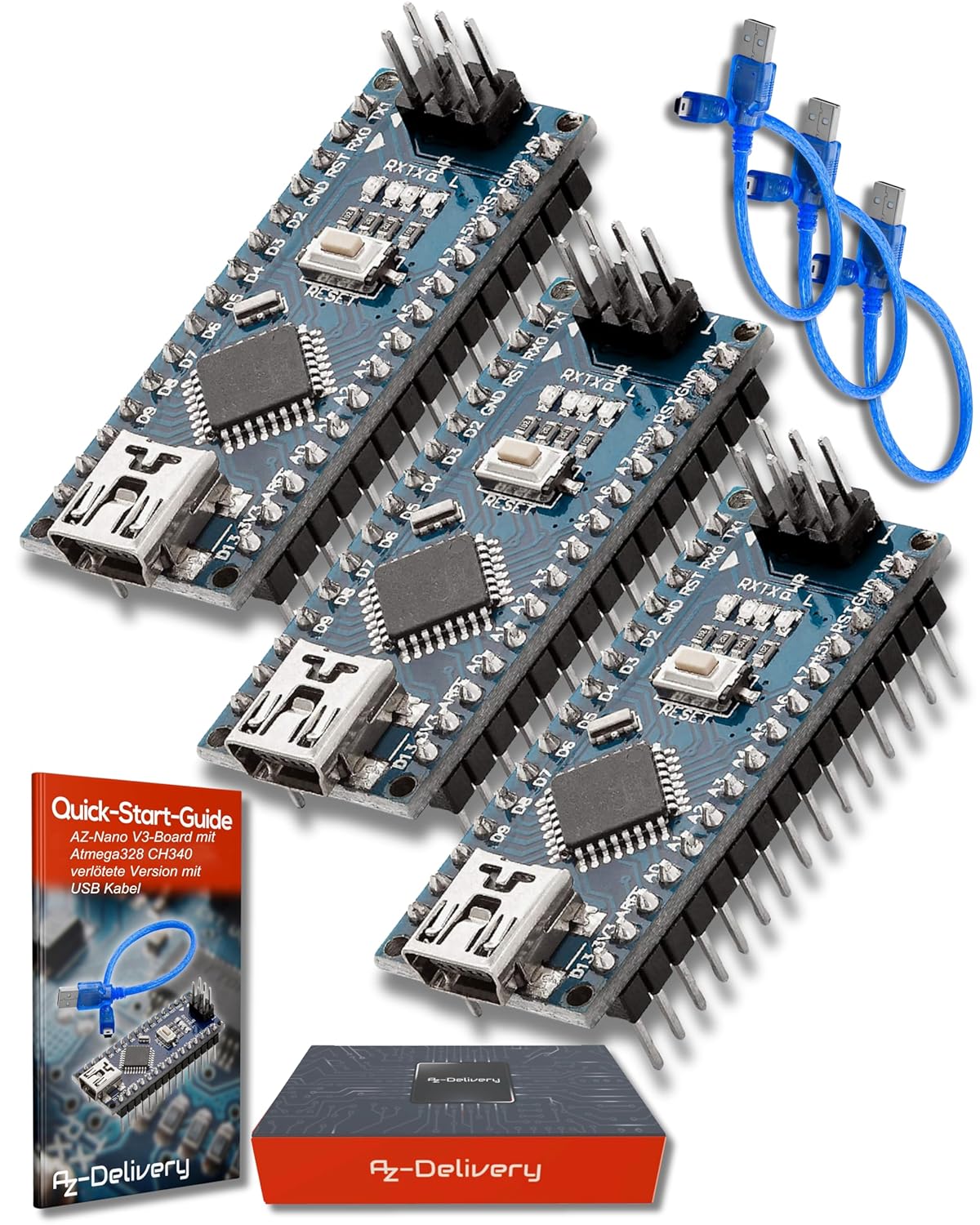
Worth noting: you’re buying the assembled (sold) version already, so you avoid the extra step of assembling a kit. That said, this is still a small board for prototyping—if you need lots of onboard features for power-hungry projects or high-speed interfaces, you may end up feeling constrained.
Key features that matter in everyday use
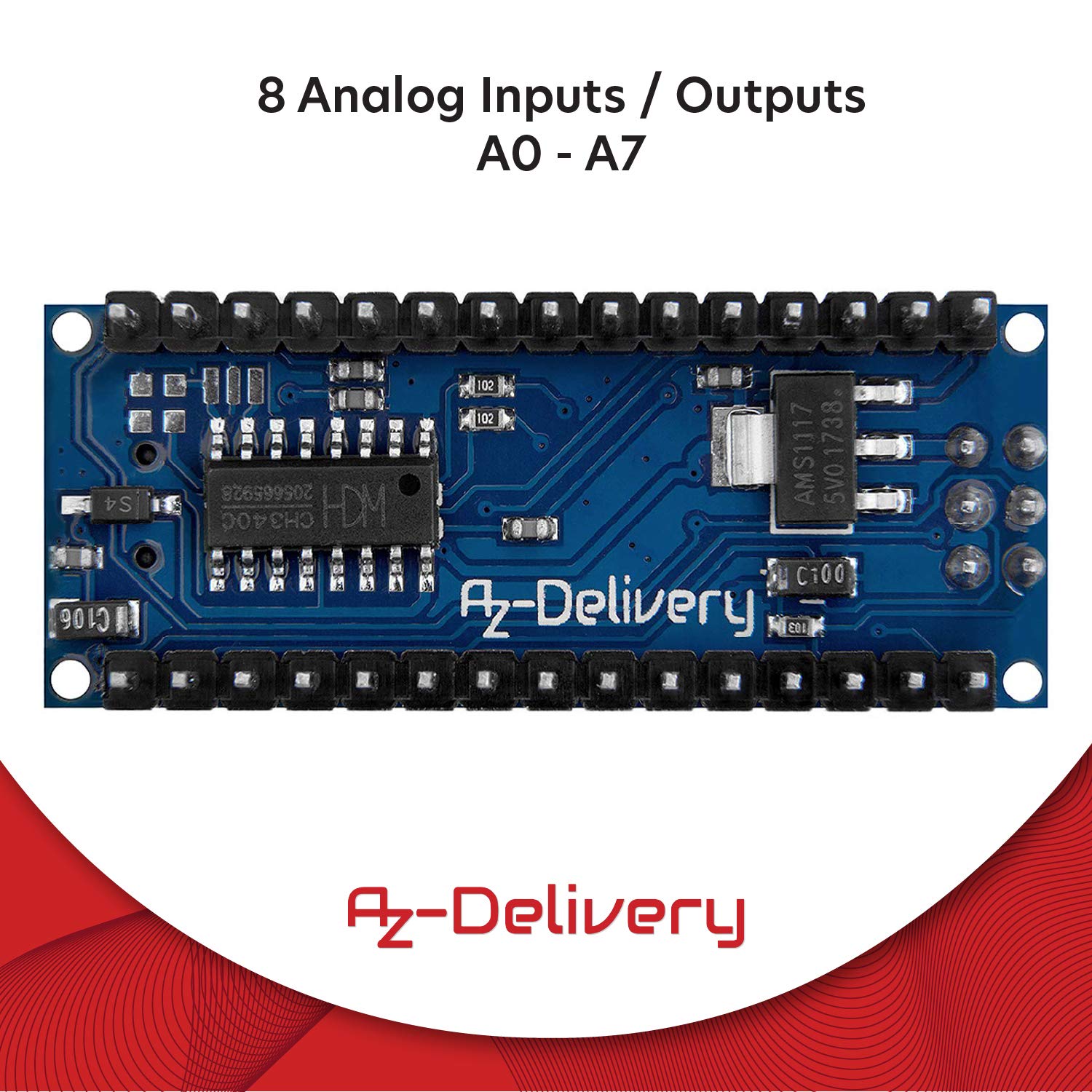
The core of this kit is each “mini” AZ-Nano V3-Board with the ATmega328P and a CH340 USB converter. The manufacturer also states a 16MHz clock frequency and that flash memory is 32KB, including 2KB used for the bootloader.
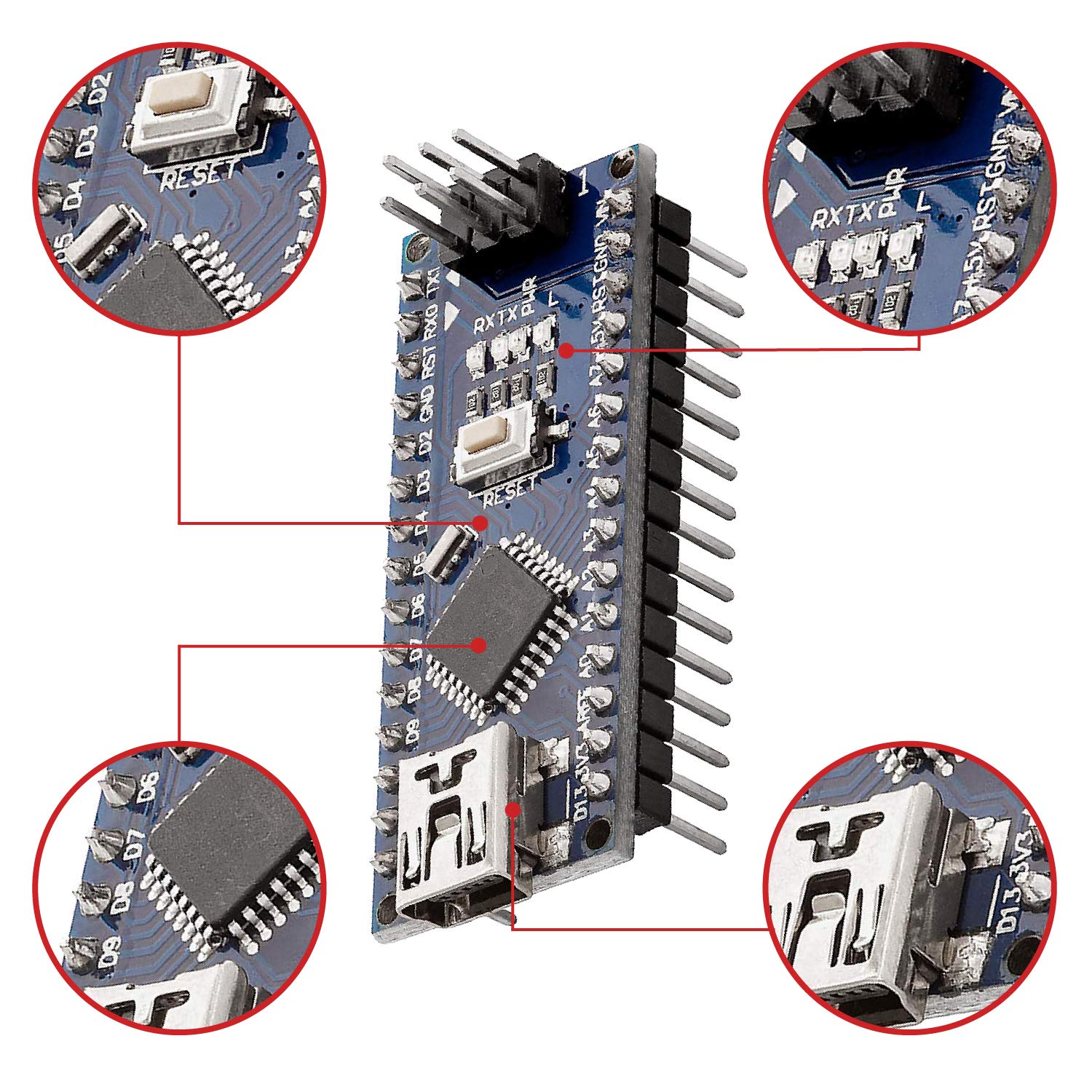
The setup is the main selling point. Since the CH340G-USB conversion is integrated, you can plug the board into a PC via USB and move on to your first uploads and tests. In a typical learning workflow, that means spending less time hunting drivers and more time wiring up a simple LED or sensor sketch.
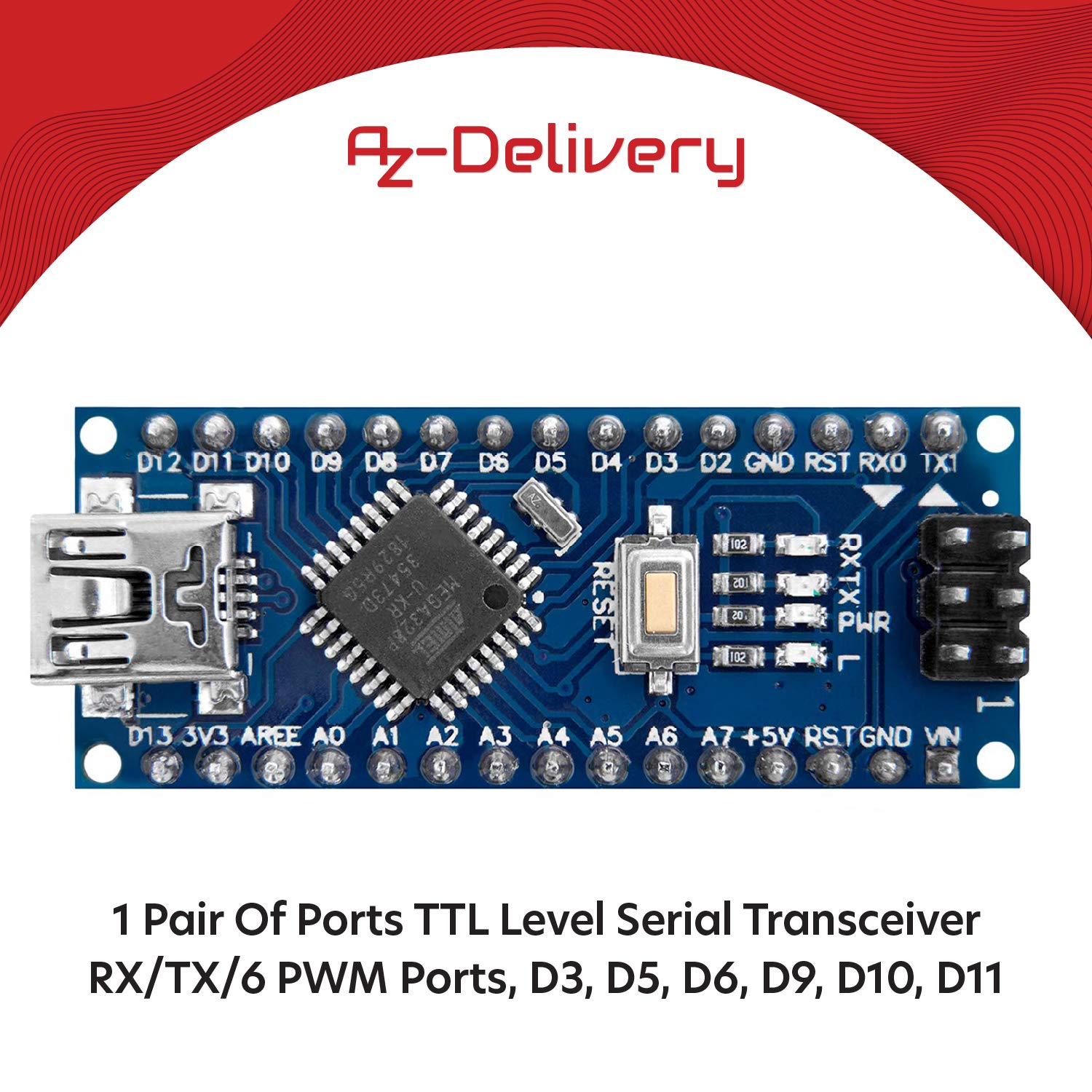
The boards are also described as having a pinout and code compatible with the AZ-Nano V3-Board. That matters if you already have example code or tutorials aimed at this style of microcontroller board.
Tech specs
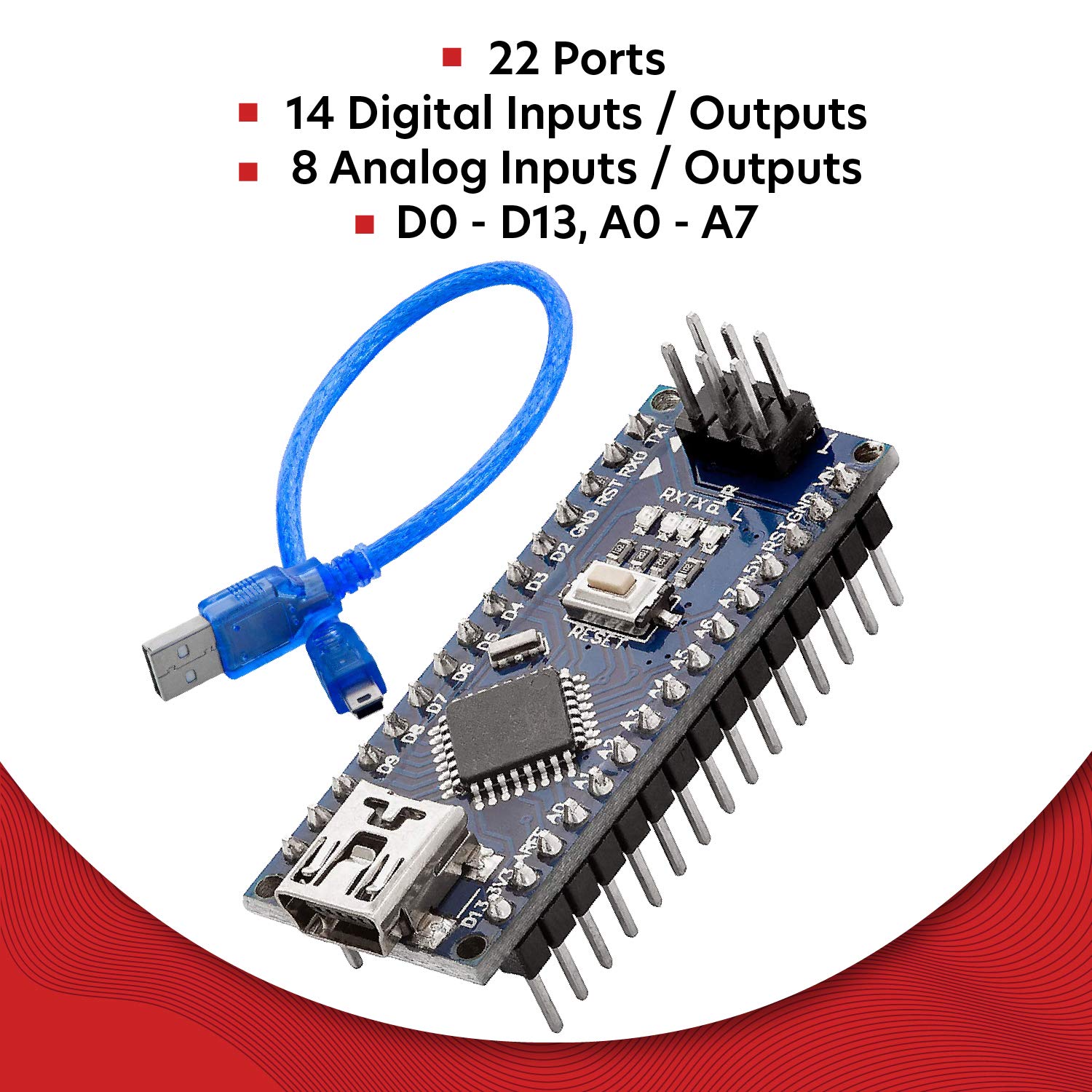
- Name: AZDelivery 3 x Mini AZ-Nano V3-Board ATmega328P Micro Controller Board
- Type: Micro controller development board (mini form factor)
- Format: Mini board (assembled/soldered version)
- Size: 45 mm x 17.5 mm x 18 mm (including protruding parts)
- Processor: ATmega328P
- Memory: 32KB flash (including 2KB for bootloader)
- Display: Not applicable (no display stated)
- Refresh rate: Not applicable
- Colour: Not stated
- Material: Not stated
- Interface: CH340G to USB connection (integrated)
Getting started: how it fits into a project
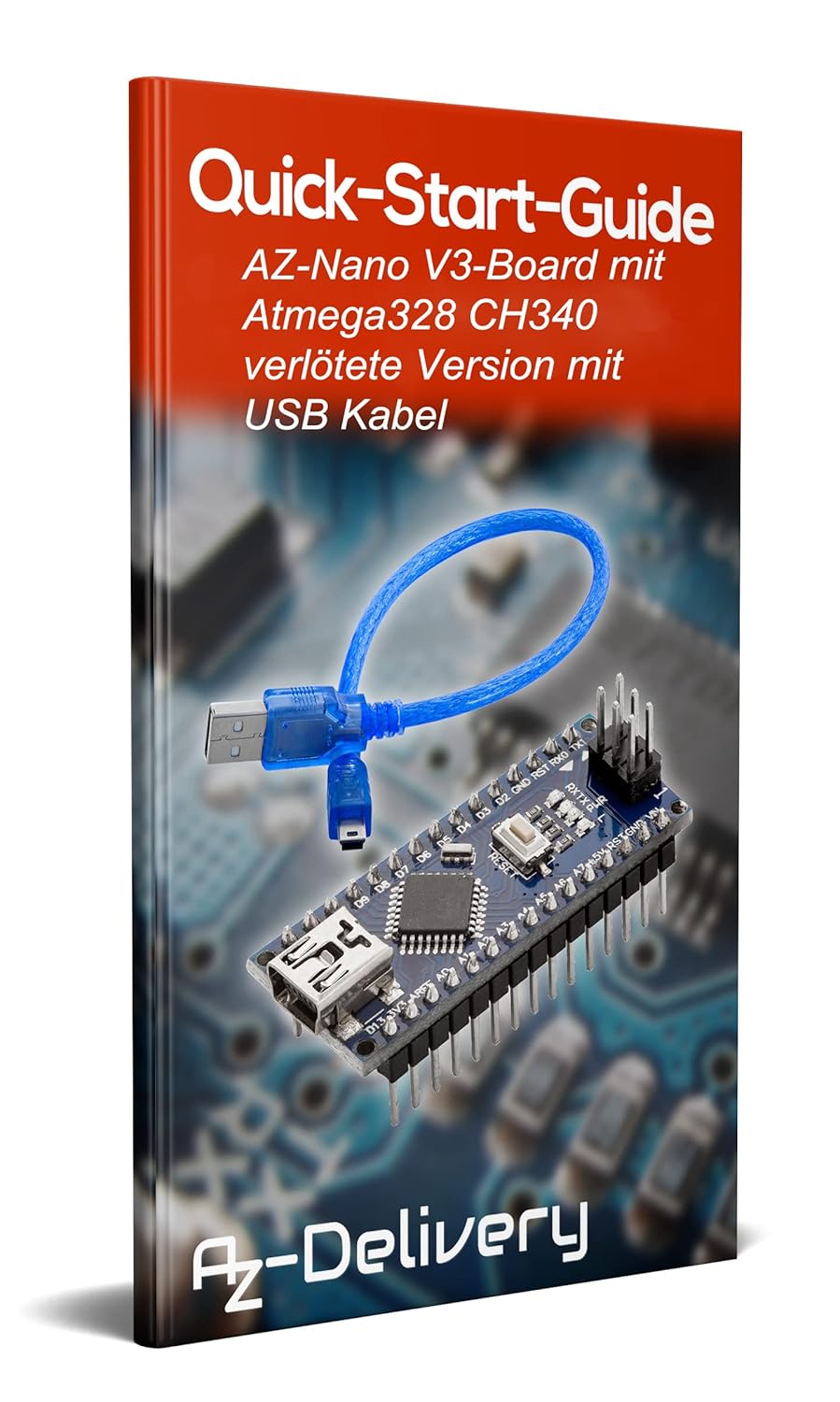
Where these boards shine is in beginner-friendly prototyping. The kit is positioned as “ready to use” and includes an E-Book with guidance for getting your project going quickly. The included guide reportedly covers setup, application examples, installation guidance, and libraries.
A practical example: if you want to test a basic “blink” or a simple input from a switch, having the CH340-based USB connection built in makes it easier to go from idea to upload. You can try one board for the wiring and then keep the other two free for variations—different sensors, small code tweaks, or repeated trials without reworking everything.
Still, keep expectations realistic. These mini boards are small, so cabling and breadboard layouts can get cramped depending on how you mount and wire your components. And if your project requires a lot of extra power or specialised I/O, you may find you need a different board approach.
What you’ll notice day to day (and where it may fall short)
The day-to-day experience is largely about convenience and repeatability. Three assembled boards means you can experiment more freely without “one mistake and you’re stuck” pressure.
The CH340 USB interface is another practical win: it removes the step of adding a separate converter, so the path to uploading code is shorter. For learning and small builds, that convenience adds up.
However, it may not be the best match if you’re expecting a turnkey, feature-rich experience out of the box. The information provided doesn’t mention any extra sensors, displays, or advanced modules on the board itself. So if your projects depend on built-in hardware beyond the microcontroller and standard I/O, you might need to plan for external components.
It also helps to sanity-check compatibility with the code you already intend to use—while the description claims pinout and code compatibility with the AZ-Nano V3-Board, it’s still smart to verify that against your specific tutorial or libraries before investing your time.
Where it makes sense to buy (and who should skip it)
It’s a solid pick if you want a small, assembled microcontroller board set for learning, prototyping, and running example code with a straightforward USB connection.
It makes sense if you like having spares while you iterate—three boards in one go is handy for debugging wiring, trying multiple versions of a sketch, or keeping a working baseline.
It might not suit you if you need a more advanced development board experience with built-in functionality for complex projects, or if you’re specifically looking for a feature set well beyond a basic ATmega328P + USB interface style setup.
Should you buy it?
If you want an easy starting point for Arduino-style experimentation and you value having multiple boards ready to swap and test, the AZDelivery 3 x Mini AZ-Nano V3-Board bundle looks like a practical buy. The integrated CH340 USB connection and the “ready to use” assembled design reduce friction, and the included E-Book with installation guidance and examples should help you get past the early setup stage.
You may want to skip it if your project needs more onboard capabilities than a basic mini ATmega328P board, or if you’re unsure your existing code and wiring plans truly line up with this AZ-Nano V3-style setup. As with most starter microcontroller boards, it’s not about a single magical feature—it’s about whether this format and ecosystem fit your learning and build approach.