


Ubluker Certified Ultra High Speed HDMI Cable (48Gbps) — 10 ft for 4K/240Hz, 8K60Hz, HDR10+, eARC, PS5, Xbox, TVs & more
Product description
What this HDMI cable is for
If you’re trying to get the most out of a modern gaming setup, a big-screen TV, or a high-end monitor, the cable matters more than people think. This Ubluker HDMI cable is marketed as an official HDMI-certified Ultra High Speed option, built for high bandwidth and modern video features. On paper, it’s aimed at setups that want fast refresh rates (up to 4K/240Hz in the listed support), low latency behavior, and HDR formats like HDR10+.
The essentials (and what stands out)
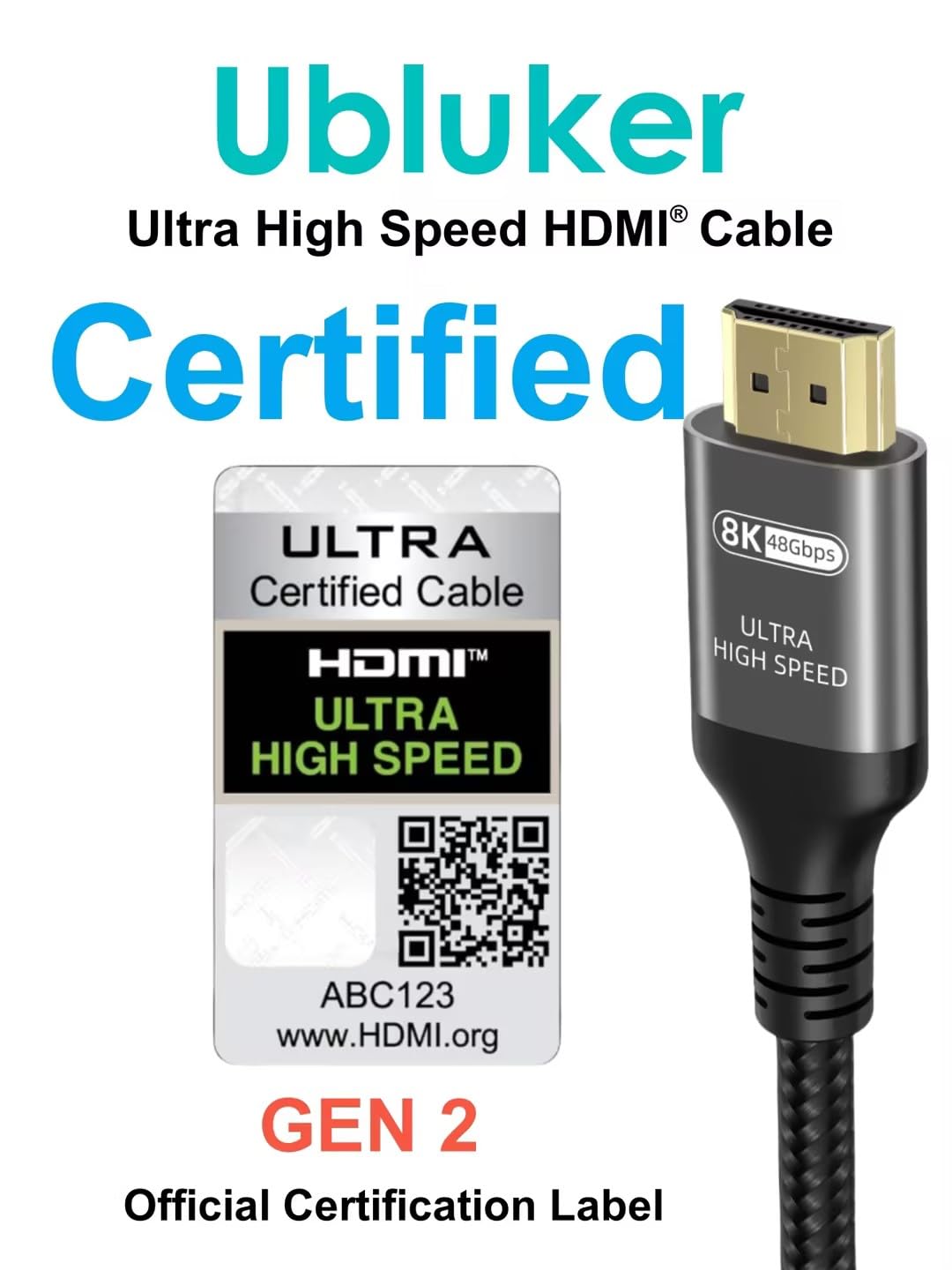
The headline here is the combination of certification and bandwidth. The cable is described as “Certified HDMI,” fully compliant with the HDMI Forum requirements, and rated for up to 48Gbps bandwidth. That’s the kind of spec you’re shopping for when you need reliable signal at higher resolutions and refresh rates.
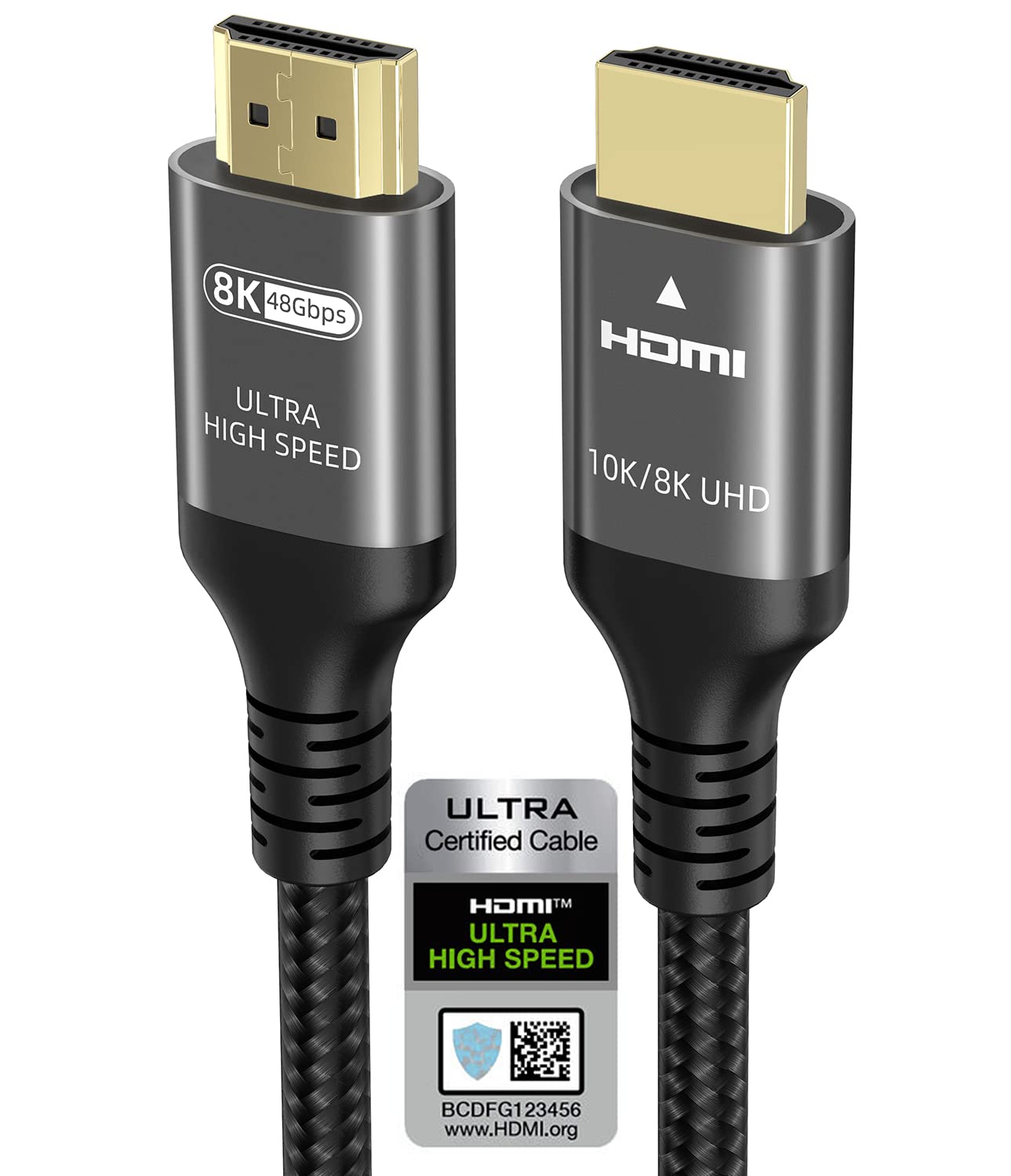
It also lists support for a bundle of gaming and TV/streaming features, including ALLM, VRR, QMS, and QFT. For day-to-day use, the practical implication is straightforward: fewer “handshake” surprises when switching sources, smoother gaming behavior when your display supports it, and HDR features showing up when your TV and device are compatible.
One more thing: the listing emphasizes low EMI and includes 0.01ms (as stated). Low EMI is the sort of detail that typically helps reduce interference in busy setups, though real-world results always depend on your environment and how you route cables.
High-speed specs you’ll care about
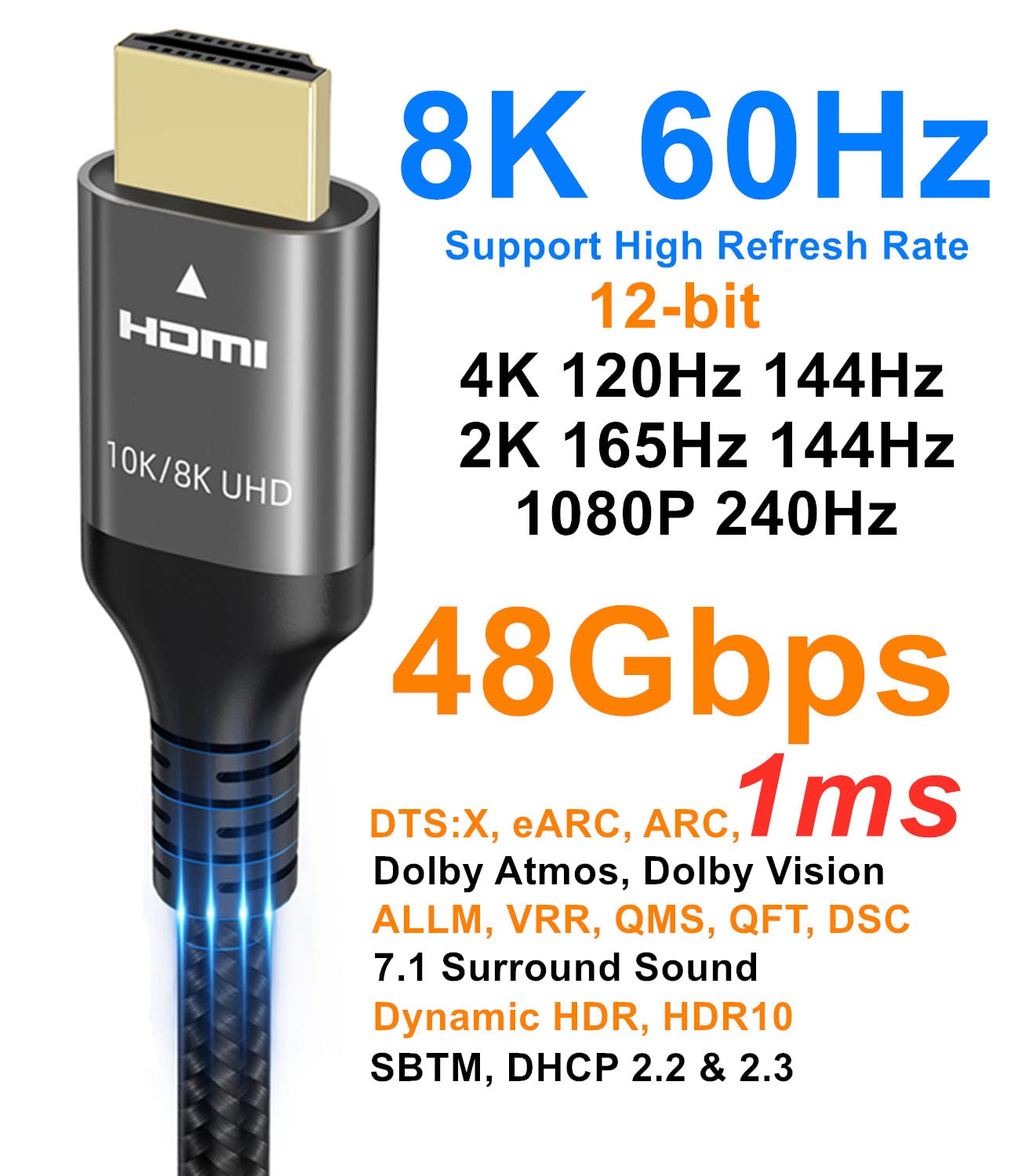
Here are the performance claims the product page lists for different modes. If your gear can use them, this cable is positioned to keep the signal path from being the limiting factor.
Tech specs
- Rated bandwidth: 48Gbps
- HDMI certification: Certified HDMI (Ultra High Speed)
- Listed video support (examples): 10k@60Hz (12-bit), 8K@60Hz 4:4:4 (12-bit), 5k@144Hz (12-bit), 4K@240Hz (12-bit), 2k@360Hz (listed)
- HDR support: Dynamic HDR, HDR10+
- Audio/video features: eARC, ARC, CEC
- HDCP support: HDCP 2.2 & 2.3
- Gaming/compatibility features listed: ALLM, VRR, QMS, QFT
- Cable length: 10 ft
What it’s like in real use
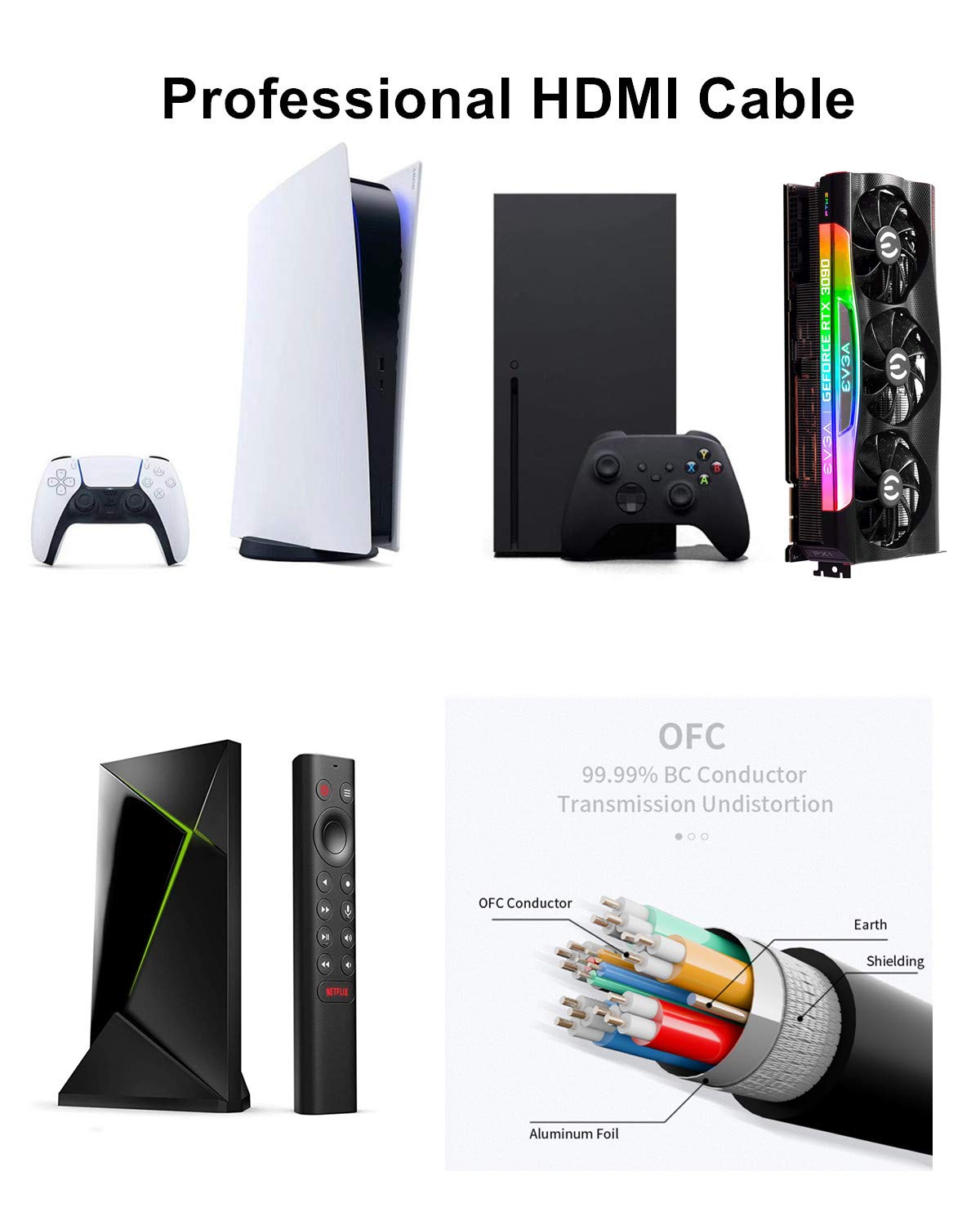
Think about the setup you’re trying to build: PS5 or Xbox into a gaming TV or monitor, plus a soundbar or AVR connected through eARC. With a cable like this, you’re essentially trying to reduce the odds of “why doesn’t it look right?” moments—like dropping to a lower mode than expected or not getting the HDR/feature behavior your display can do.
For example, if you’re switching between a fast-action game and a streaming app on a Roku/Netflix-capable TV, the listed support for things like QMS/QFT and CEC is relevant. In practical terms, it’s the type of cable spec that’s meant to keep picture changes from feeling sluggish or inconsistent when your sources swap.
That said, keep expectations grounded: a cable can’t force your TV, console, or PC to output higher refresh rates or HDR formats. If your display or device doesn’t support a specific mode, you won’t magically unlock it just by changing the cable.
Where it makes sense (and where it may not)
It’s a solid pick if you prioritize high-bandwidth performance for gaming and modern HDR behavior, and you want an HDMI cable that explicitly targets Ultra High Speed features. Worth considering if your setup includes a newer console (PS5 / Xbox Series) or you’re running a PC/monitor path where refresh rate and signal stability matter.
It might not be the best choice if you only need basic HDMI for casual viewing and you’re not concerned about high refresh rates, HDR10+, or eARC audio. In those cases, you may not gain anything noticeable.
Also note that the package claims “0.01ms” and low EMI, but the page doesn’t provide a full testing context. So it’s best viewed as a spec-based expectation rather than a guarantee of measurable results for everyone.
Compatibility check before you buy
The listing claims wide compatibility across gaming devices, TVs, and streaming boxes (including mentions like Roku TV, Fire TV, Shield TV, Apple TV+, and more). Still, compatibility in HDMI is more about what your specific source and display support.
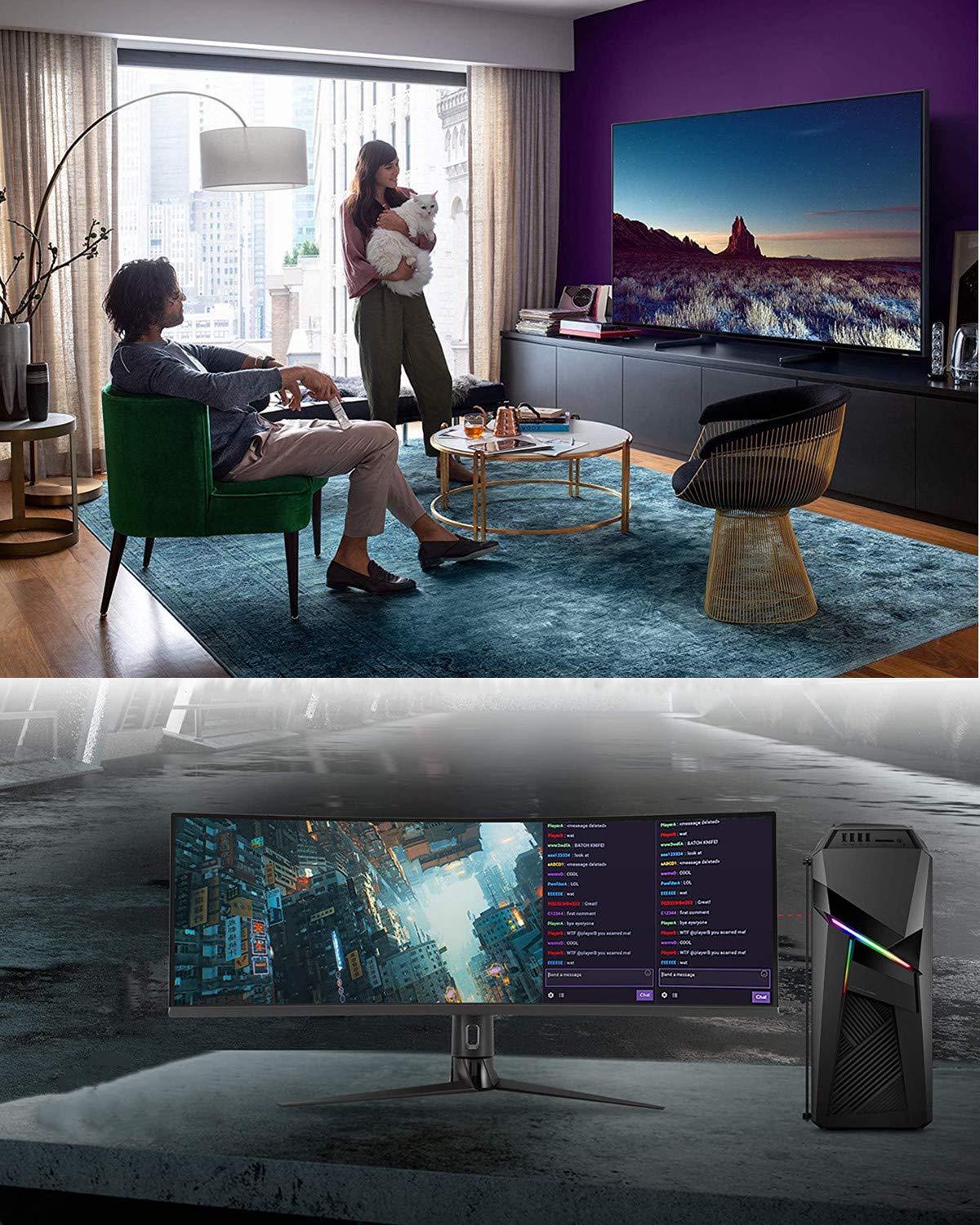
Before you purchase, it’s worth verifying: - Your TV/monitor supports the refresh rate and resolution mode you’re aiming for - Your audio path uses eARC/ARC the way you intend (especially if a soundbar is involved) - Your devices support HDCP 2.2/2.3 if that matters for your content sources
Pros
- Official HDMI certification labeling is a clear credibility signal
- Supports a high bandwidth target (48Gbps) for demanding resolutions/refresh rates
- Includes HDR10+ and dynamic HDR support in the listed features
- Lists gaming-relevant features like ALLM and VRR
Cons
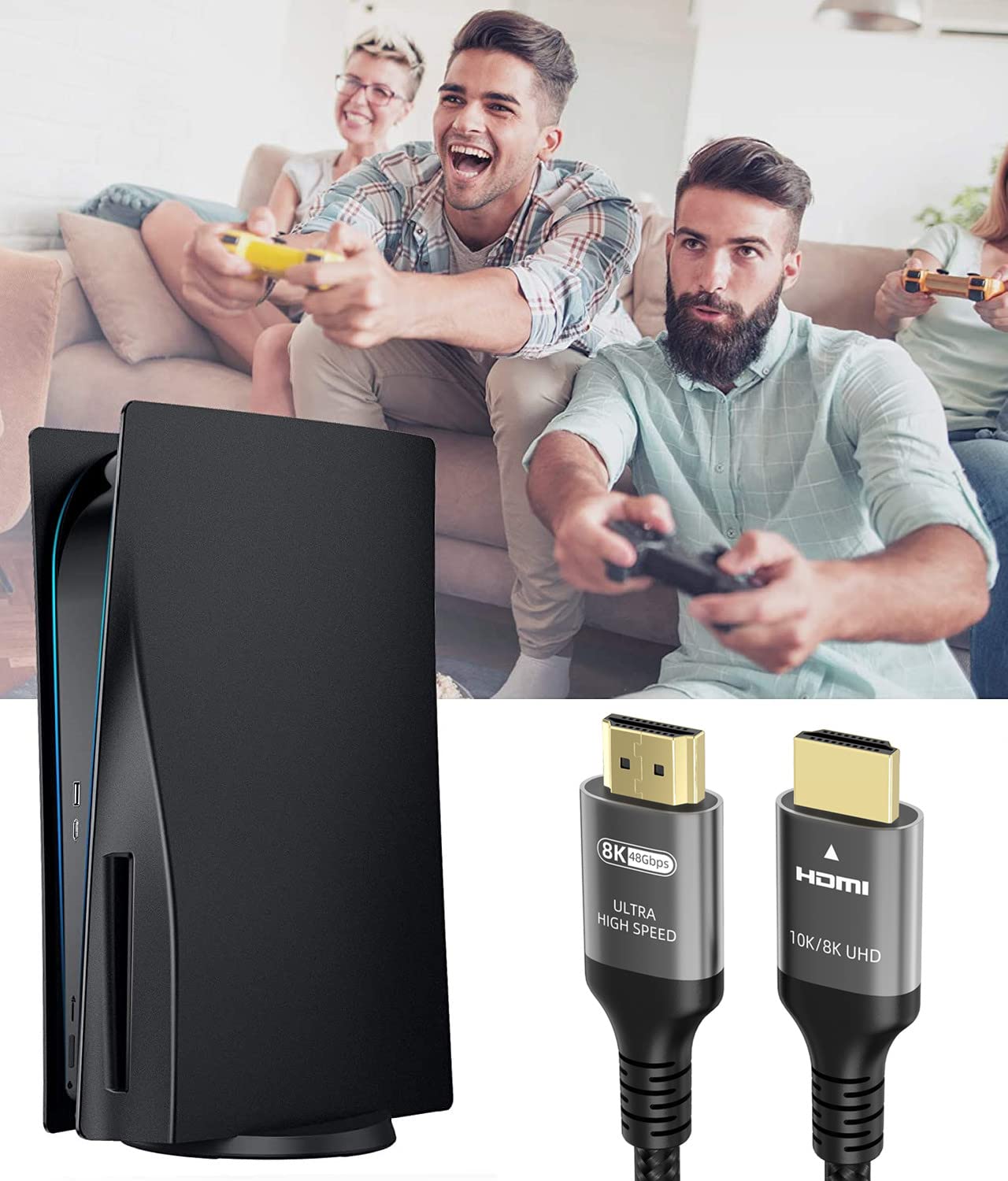
- You’ll only benefit from the top-end refresh/HDR modes if your TV/console/PC supports them
- Some claims are “on paper” (like the 0.01ms figure), and real-world feel depends on your exact setup
Mini FAQ
Final verdict
It’s a strong, spec-forward option if your goal is a Certified Ultra High Speed HDMI connection for higher refresh gaming and modern HDR/eARC behavior, especially with a 10 ft run. You’ll get the most value when your display and source can actually use features like 4K/240Hz, VRR/ALLM, and HDR10+—because then the cable is doing what it’s supposed to do: not being the bottleneck.
It might not be worth it if you’re buying this “just in case” for basic TV watching. In that scenario, you may not notice much difference, and spending on top-end bandwidth can stay unused.
In short: worth considering if you’re building a serious gaming + media setup and want the HDMI connection to keep up.
When it makes sense
Worth considering if you want a Certified Ultra High Speed HDMI cable for gaming consoles, a PC monitor, or a compatible TV setup where HDR, eARC audio, and high refresh modes matter.
When it may not suit you
It might not be a great match if your devices don’t support the high-end modes listed, or if you only need a simple HDMI connection for standard viewing.