


TP-Link TL-PI90X 90W PoE Injector for 10G Networks 📡
Product description
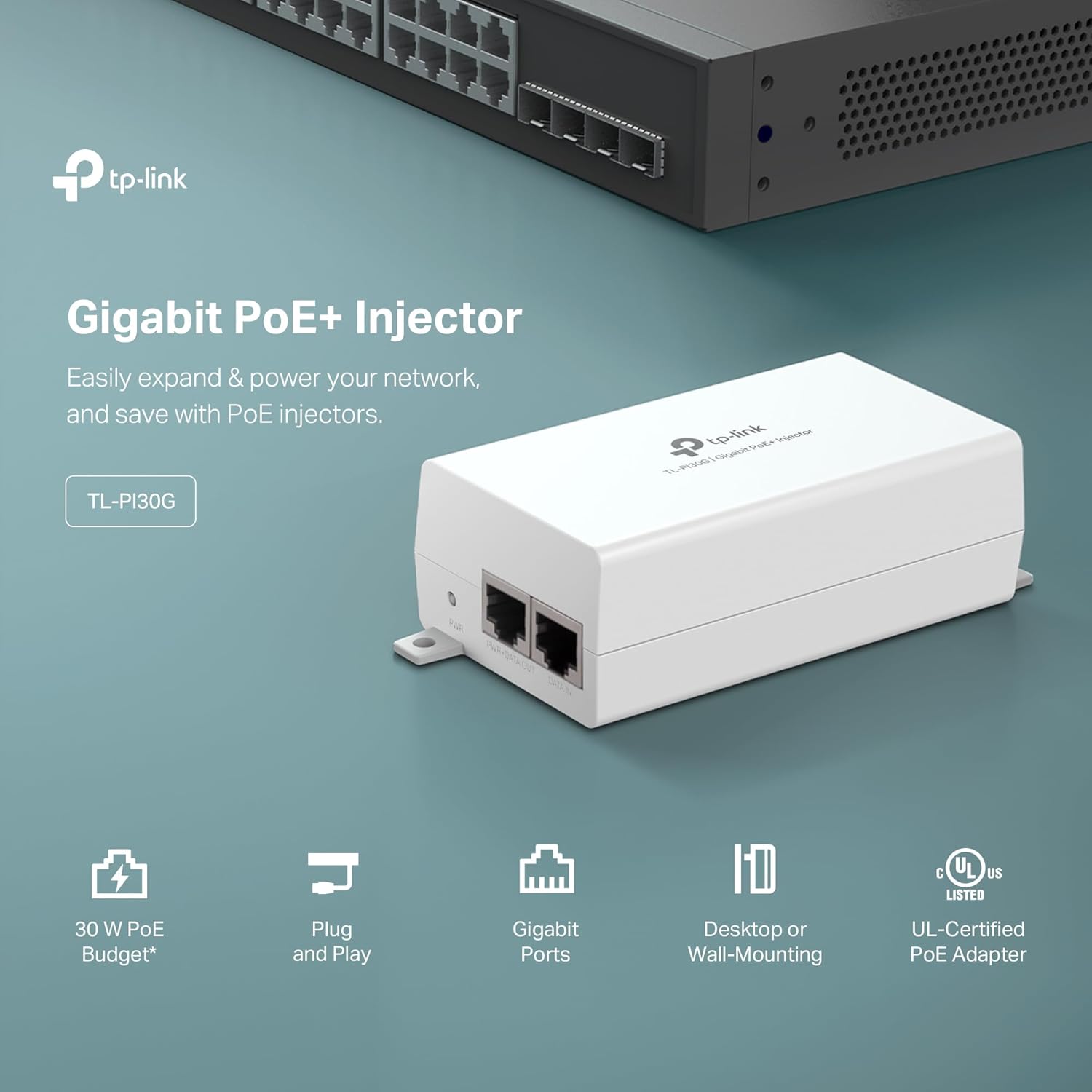
This compact PoE injector from TP-Link brings power and data together over a single Ethernet cable, enabling devices like access points and IP cameras to be installed where electrical outlets are not available. It supports 10G speeds on both input and output, and supplies up to 90W of power according to the manufacturer, making it useful for bandwidth-hungry devices and installations across larger areas.
Key Points
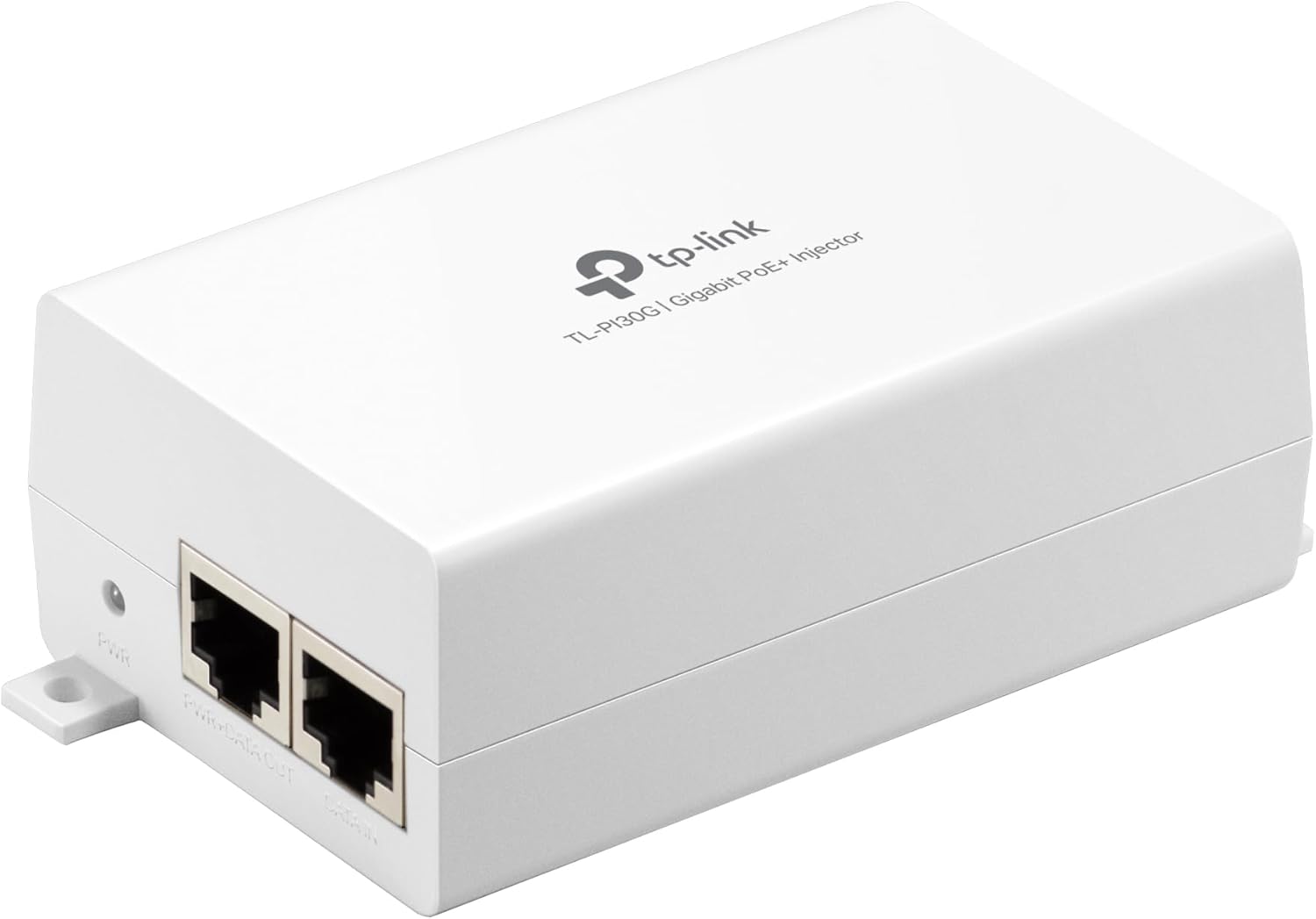
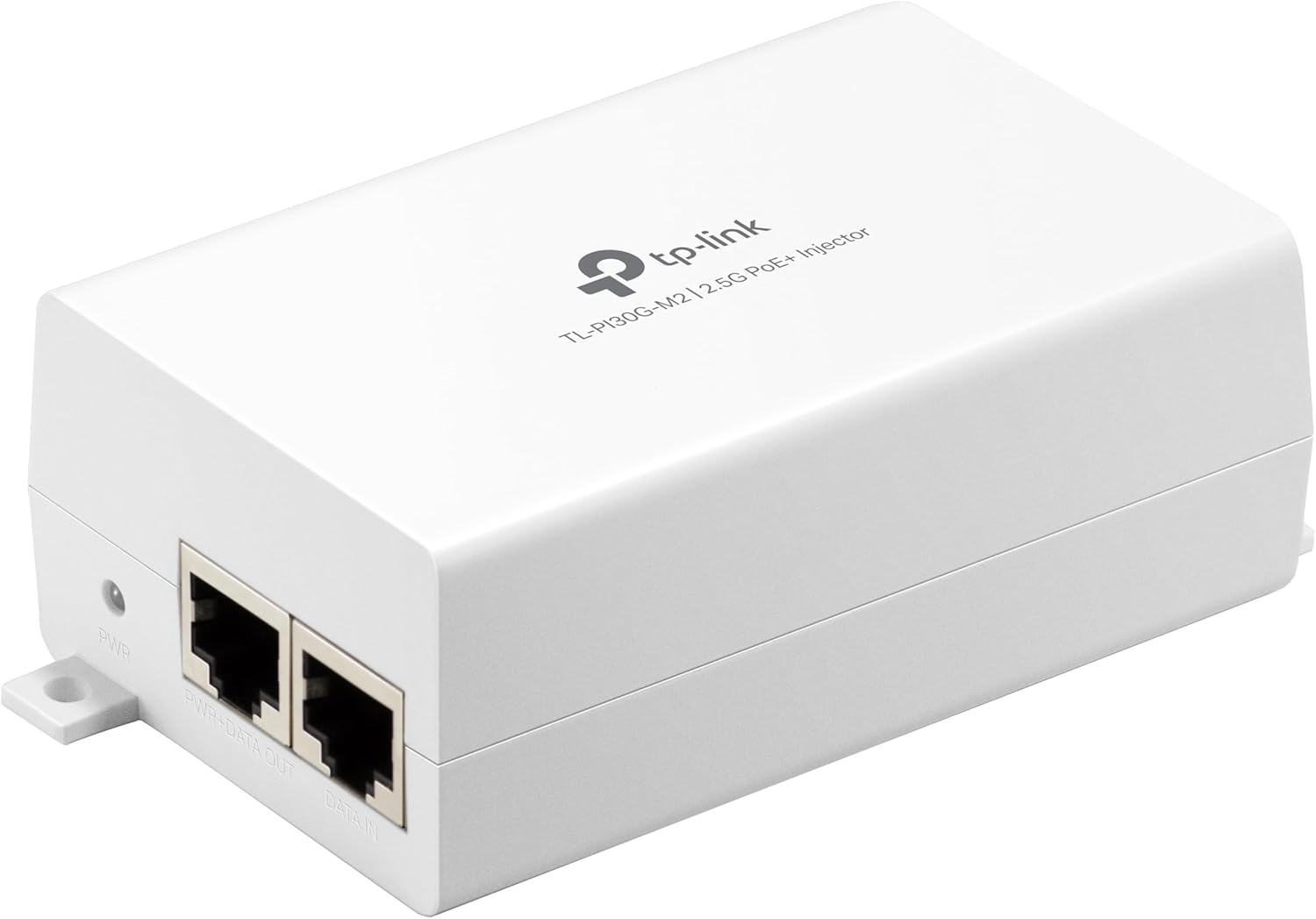
The unit converts a non-PoE port into a PoE++ source without requiring replacement of your existing switch or network gear. It supports IEEE 802.3 bt/at/af standards, so it can power a wide range of PoE devices while maintaining compatibility with legacy equipment. Setup is plug and play, which simplifies deployment for both temporary and permanent installations. Note that maximum power delivery is subject to cable quality and distance, according to the manufacturer.
Technical Specifications
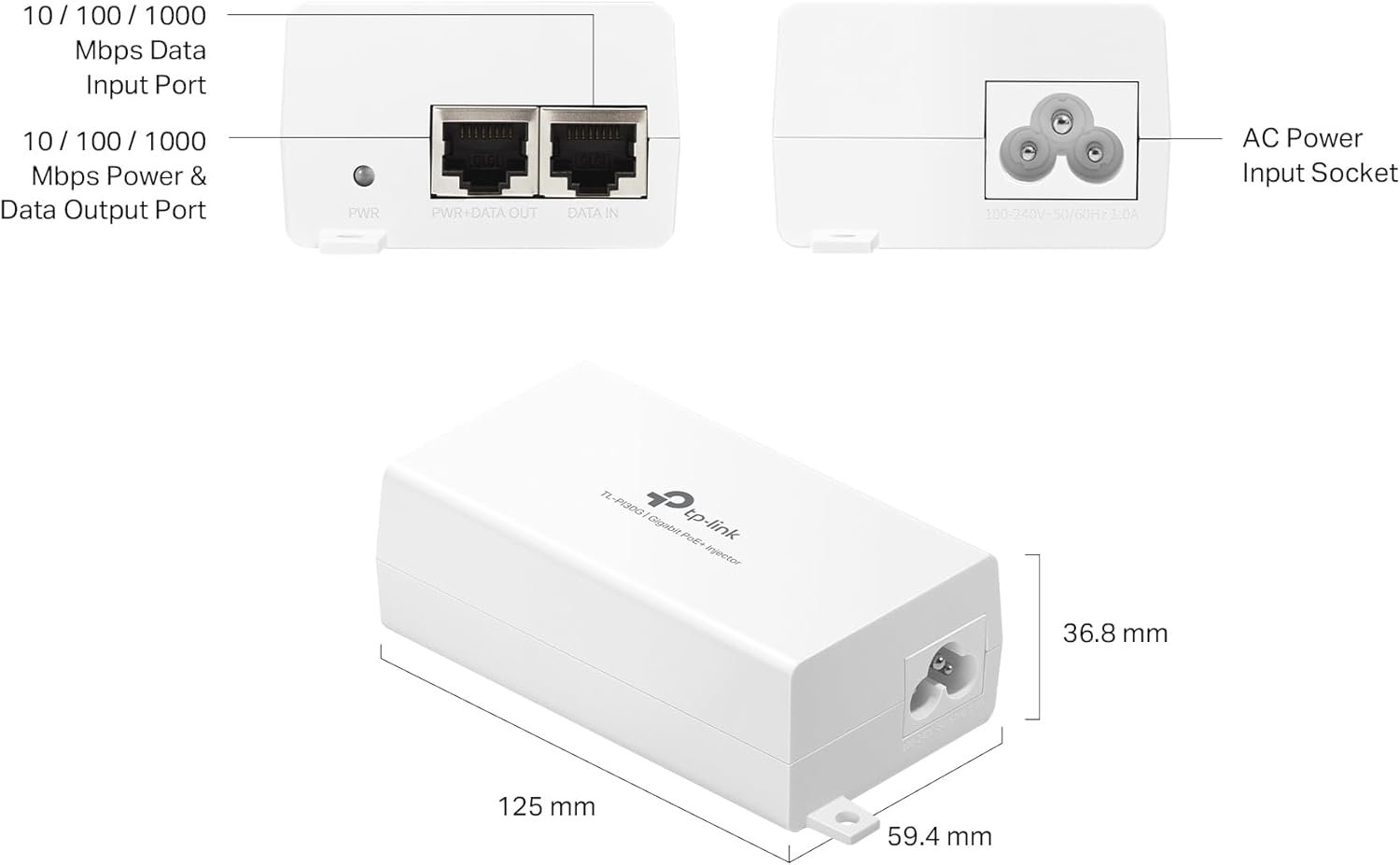
- Name: TP-Link TL-PI90X
- Standards: IEEE 802.3 bt/at/af
- Ports: 1x 10G input, 1x 10G output
- Maximum Power: Up to 90W (manufacturer statement)
- Maximum Distance: Up to 328 ft (100 meters)
Practical Tips
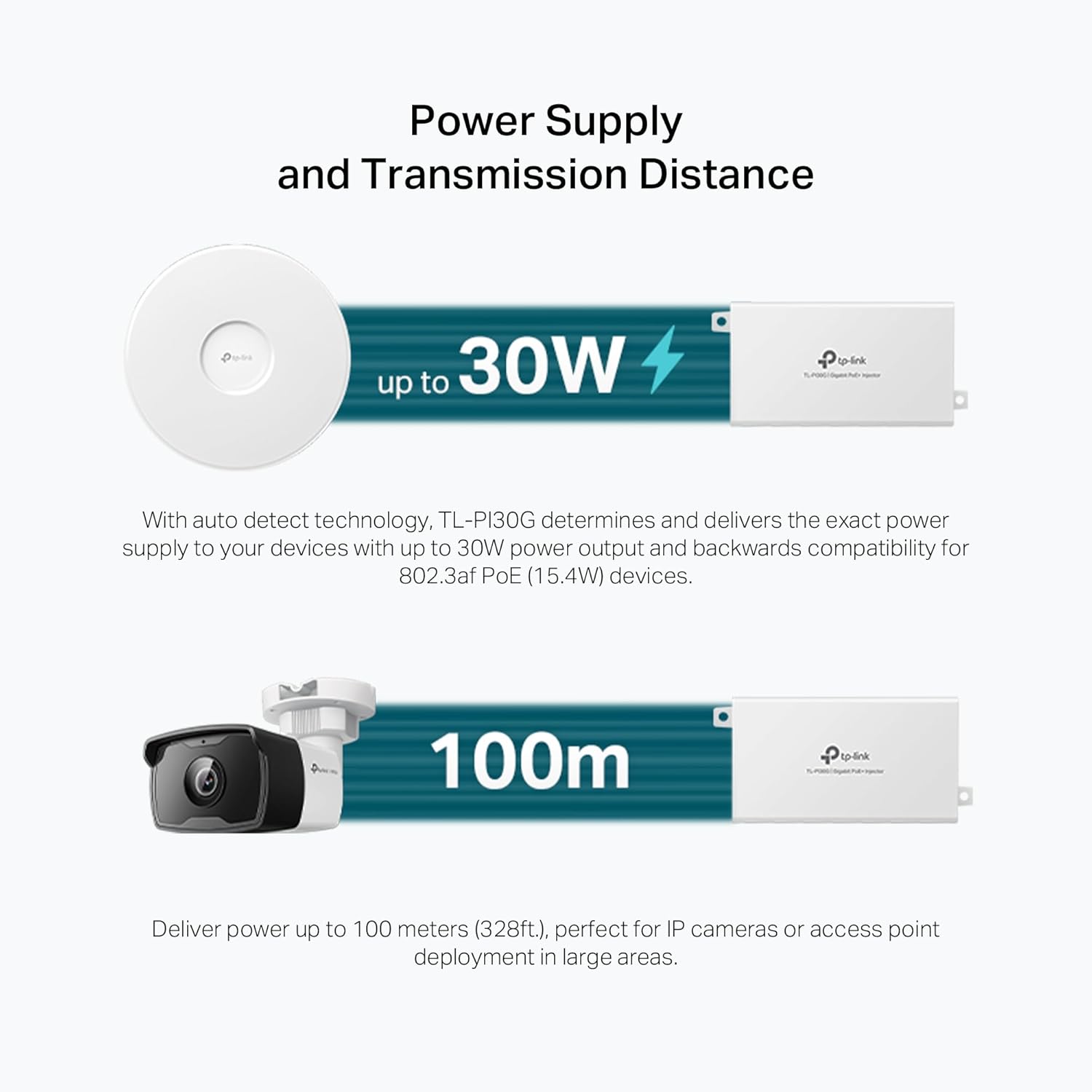
Place the injector close enough to the powered device to stay within the specified 328 ft maximum cable run to preserve both power and data integrity. For installations requiring sustained high throughput, use quality Cat6a or better cabling to ensure the 10G performance is maintained and power loss is minimized. If you are deploying multiple devices, consider the total power budget and whether additional injectors or a PoE switch will better suit a larger-scale setup.
Advantages
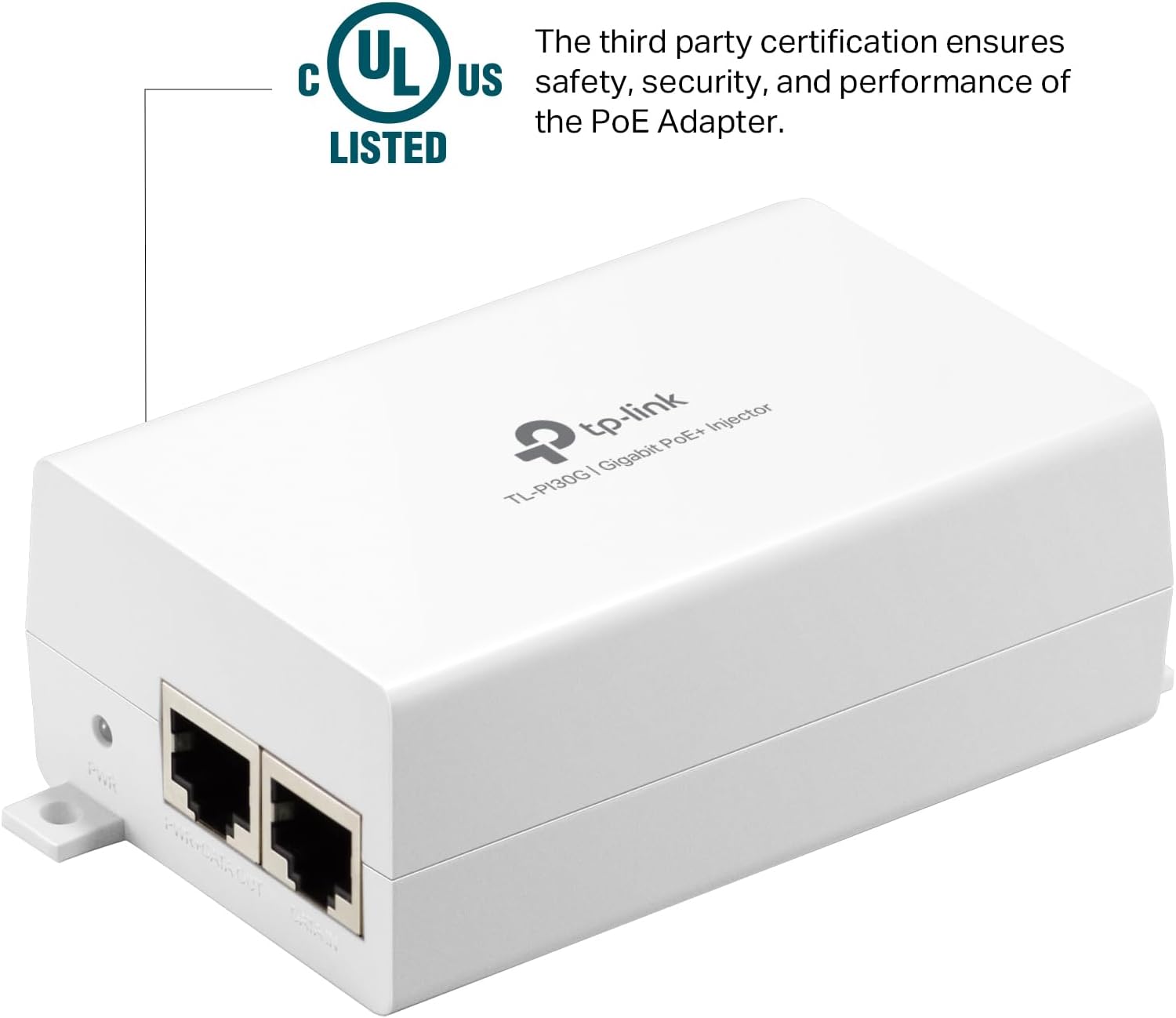
The model offers full 10G data rates in and out, so it does not become a bottleneck for high-performance access points or cameras that support multi-gigabit links. It comes with both desktop and wall-mount options for flexible placement, and UL certification adds a level of safety assurance for commercial or residential installs. One limitation to keep in mind is that the injector only supplies PoE to the connected port; it does not add multiple powered ports like a dedicated PoE switch would.