

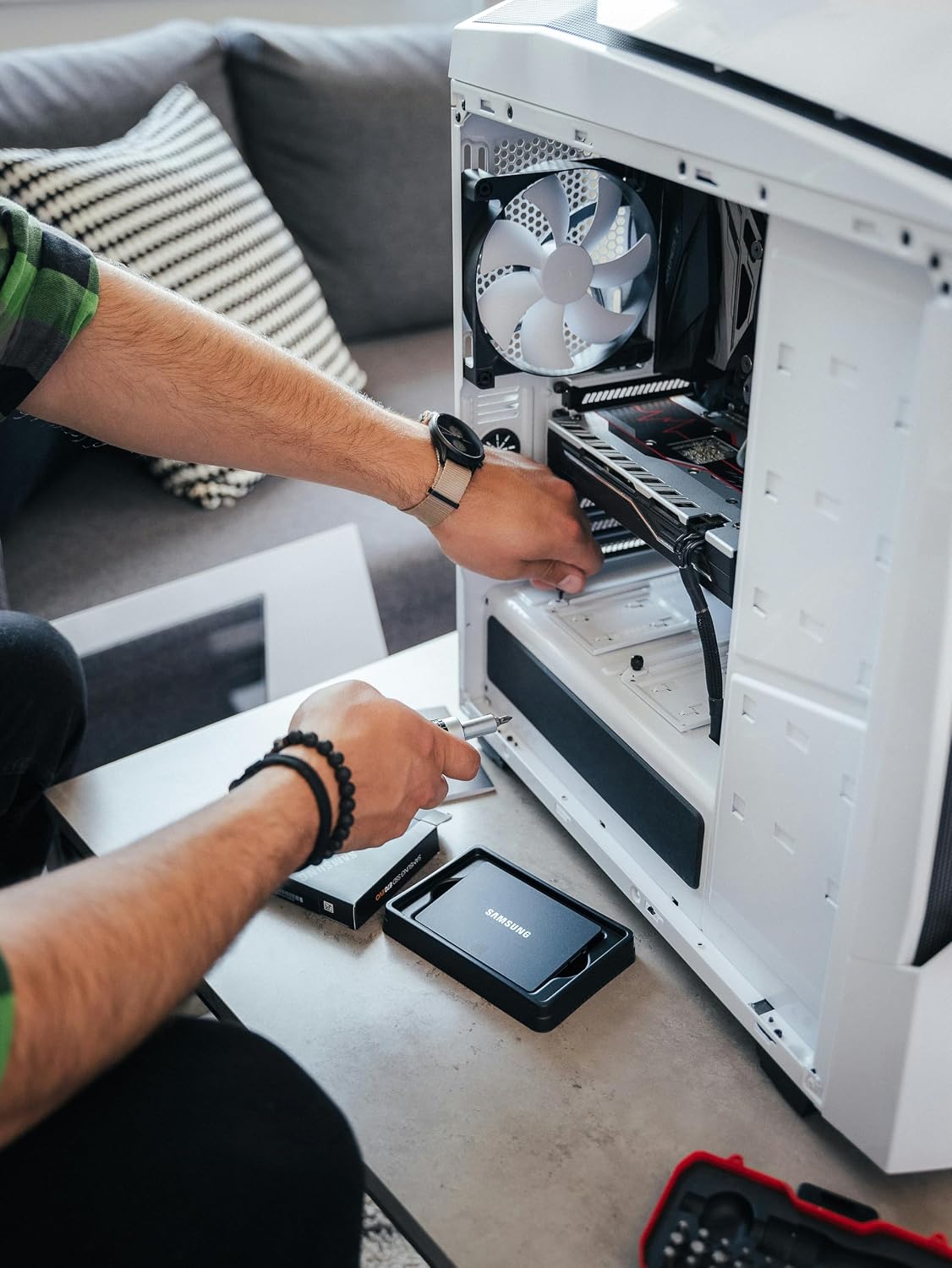
Samsung 870 EVO 1TB SATA III 2.5" SSD
Reviews
Price
Product description
What you’re getting and the need it serves
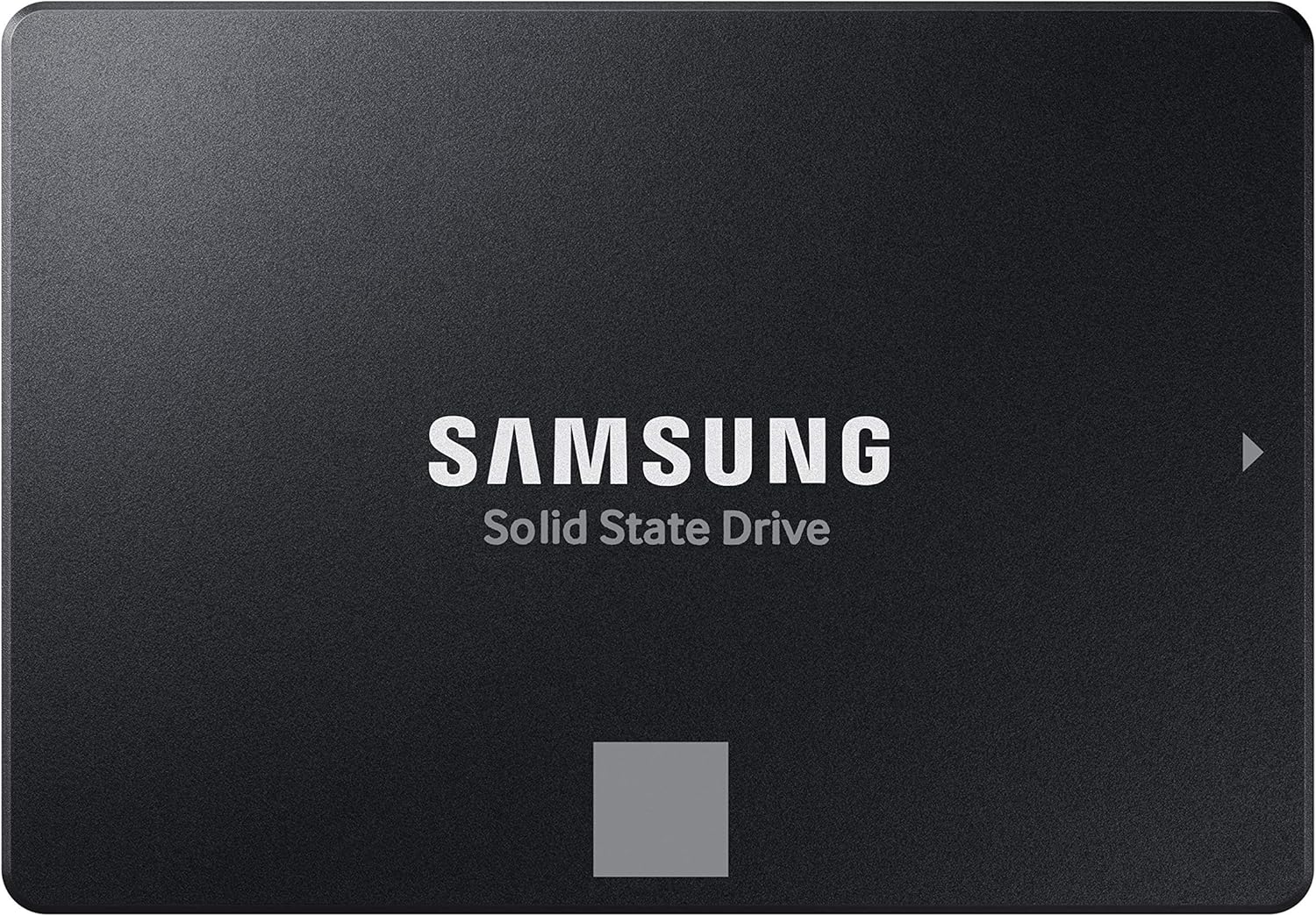
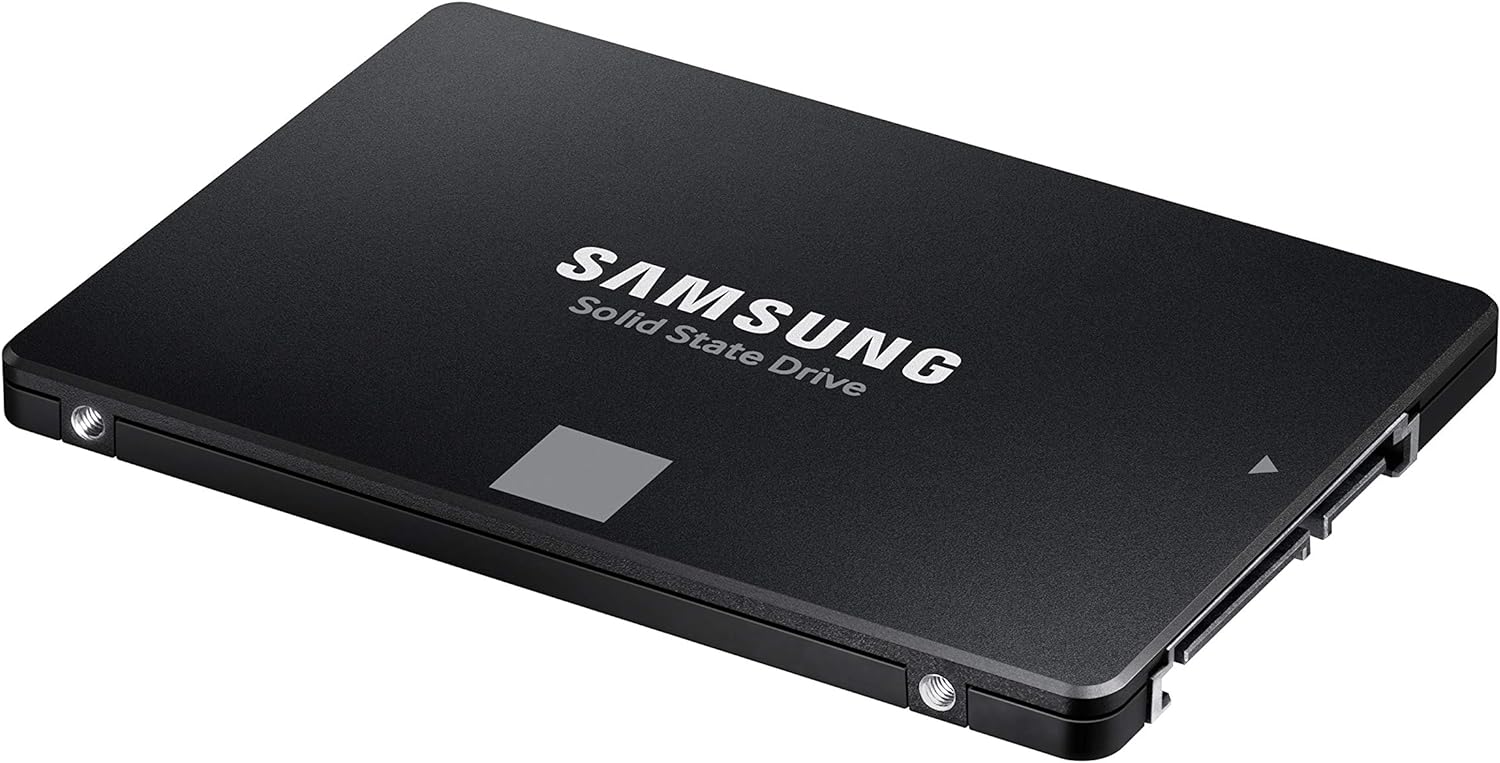
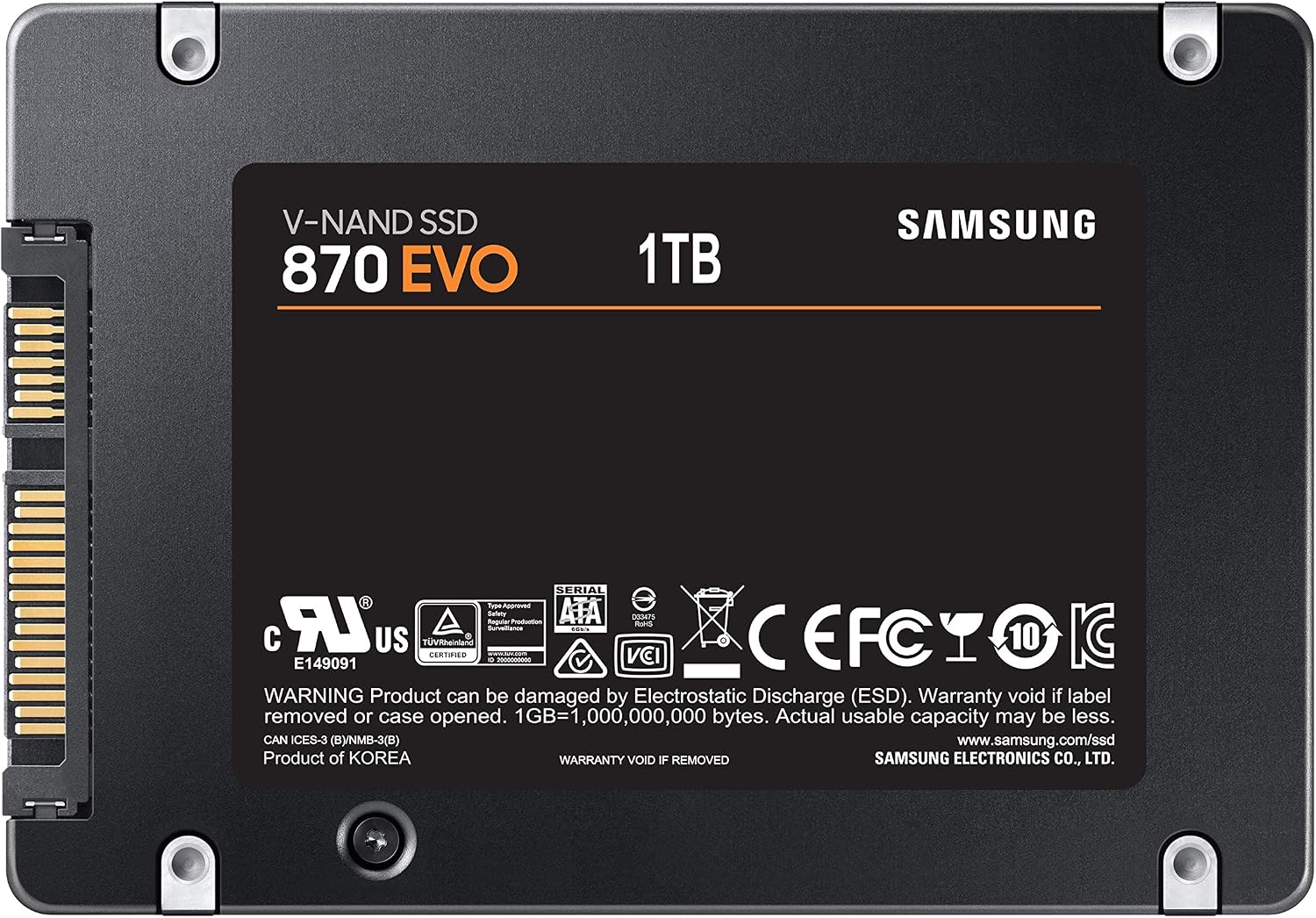
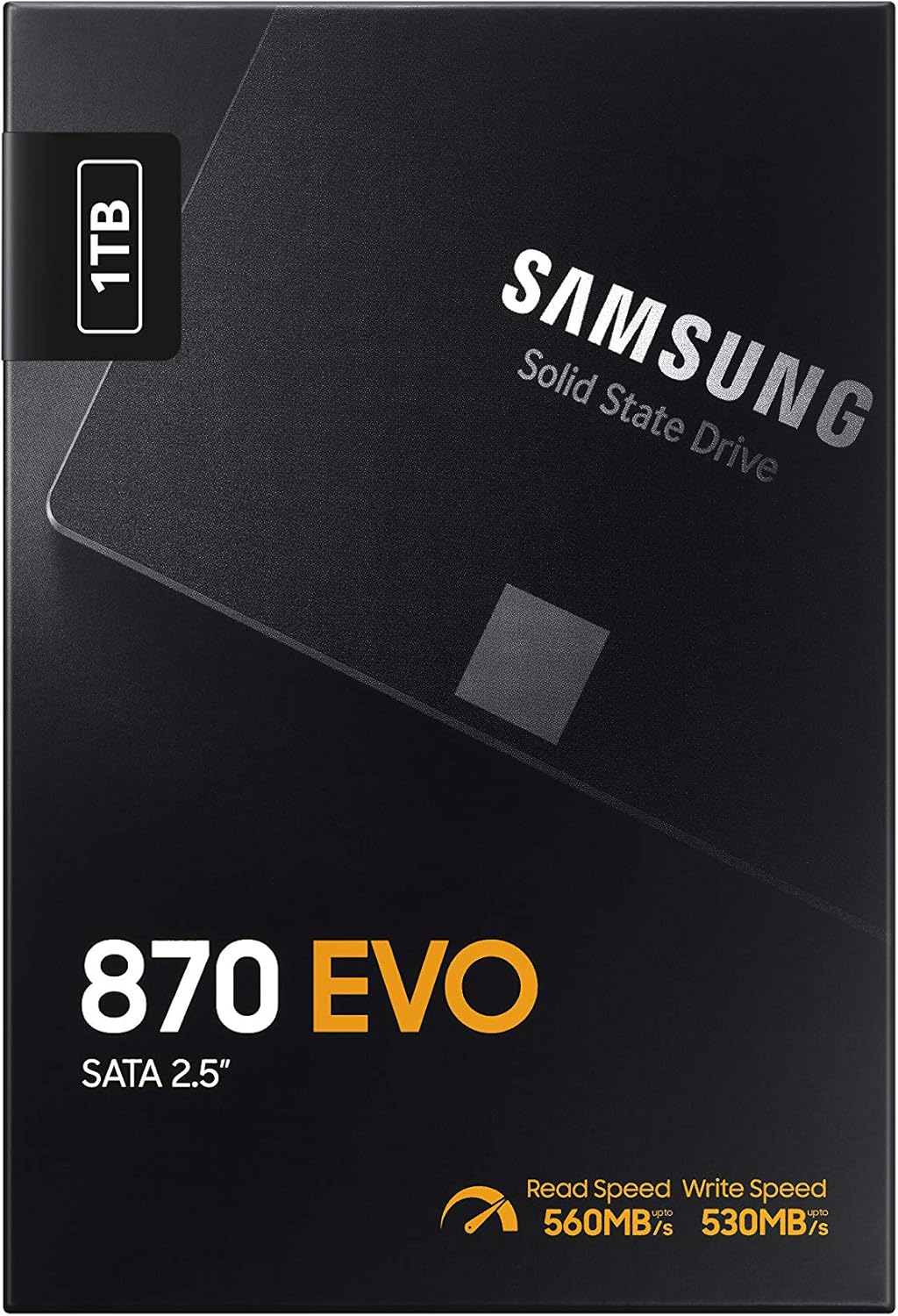
The Samsung 870 EVO 1TB is a 2.5" SATA III solid-state drive designed to upgrade a wide range of systems, from everyday laptops to workstations. If you’re looking to speed up boot times, shorten load screens, and improve overall responsiveness on a budget-friendly upgrade, this drive aims to deliver. On paper, it leverages Samsung’s long-standing expertise in flash memory to maximize sequential read speeds up to 560 MB/s and solid write performance with a larger cache buffer. It’s positioned as a reliable, broadly compatible option for those who want a straightforward upgrade path without changing their motherboard or interfaces.
How it performs in real-world terms
For many users, the 870 EVO serves as a solid middle-ground solution: faster than a traditional hard drive, easier to install than newer NVMe options, and capable of handling everyday productivity, casual gaming, media editing, and even some heavier workloads. The drive’s performance is particularly noticeable when launching applications, transferring large files, and sustaining steady write activity over time. While it’s not meant to compete with PCIe-based SSDs for the absolute fastest workloads, it does keep pace with most SATA-based upgrades and benefits from a mature software ecosystem and firmware updates that Samsung provides.
What stands out and where it might fall short
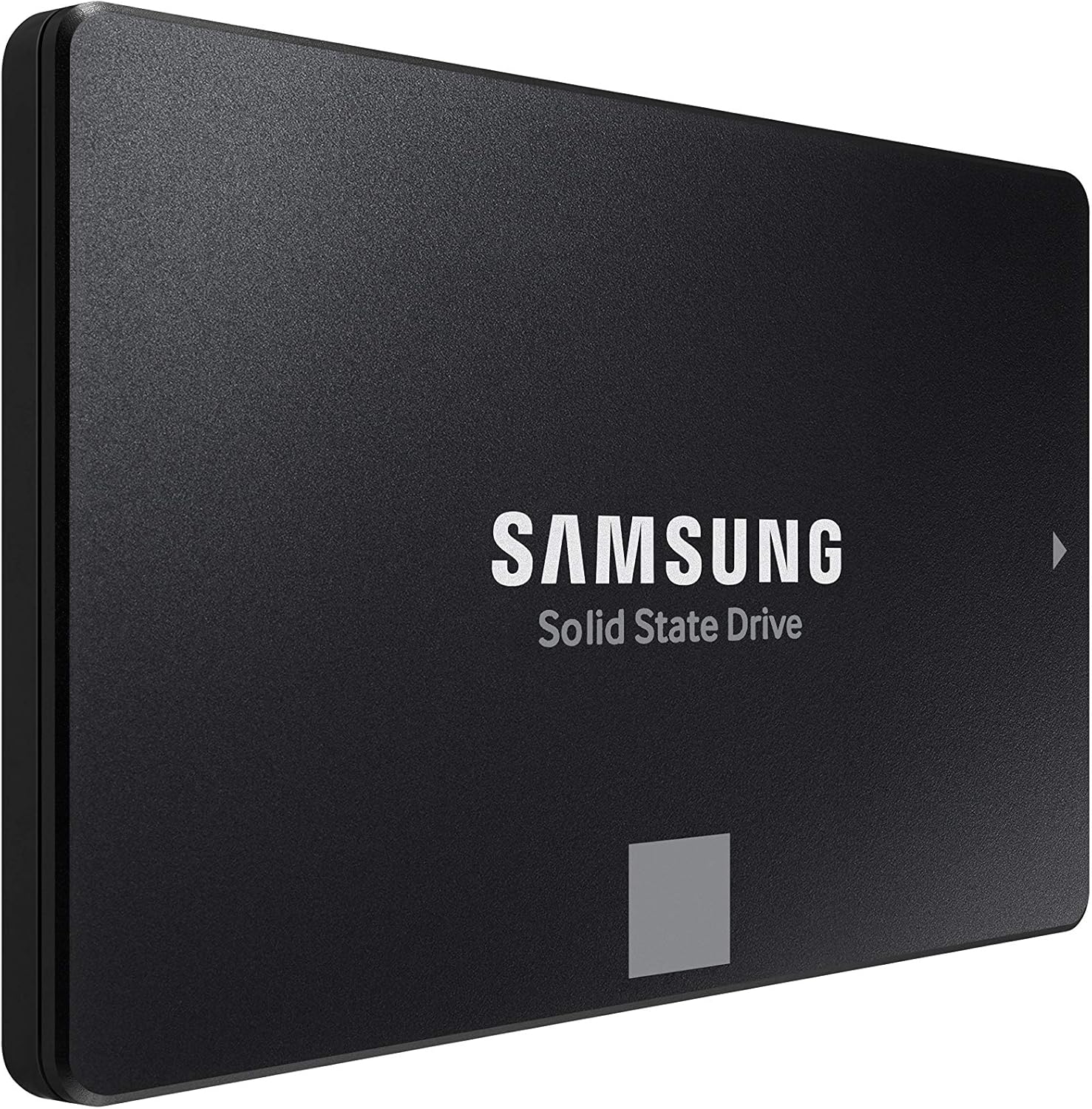
A primary strength is compatibility and reliability. The 870 EVO has a long track record of working across a broad set of host systems, including desktops, laptops, NAS devices, and video capture devices. For security and management, features like AES 256-bit encryption and software support with Samsung Magician are part of the package, which helps with health monitoring, firmware updates, and simple performance tuning. On the flip side, if your workflow demands peak sustained write performance, or you’re aiming for the highest end-to-end speeds available today, a SATA-based drive like this may feel limited compared to NVMe options. Also, in scenarios with very large, random I/O workloads, the SATA interface can bottleneck throughput more than newer interfaces.
Who it’s best for
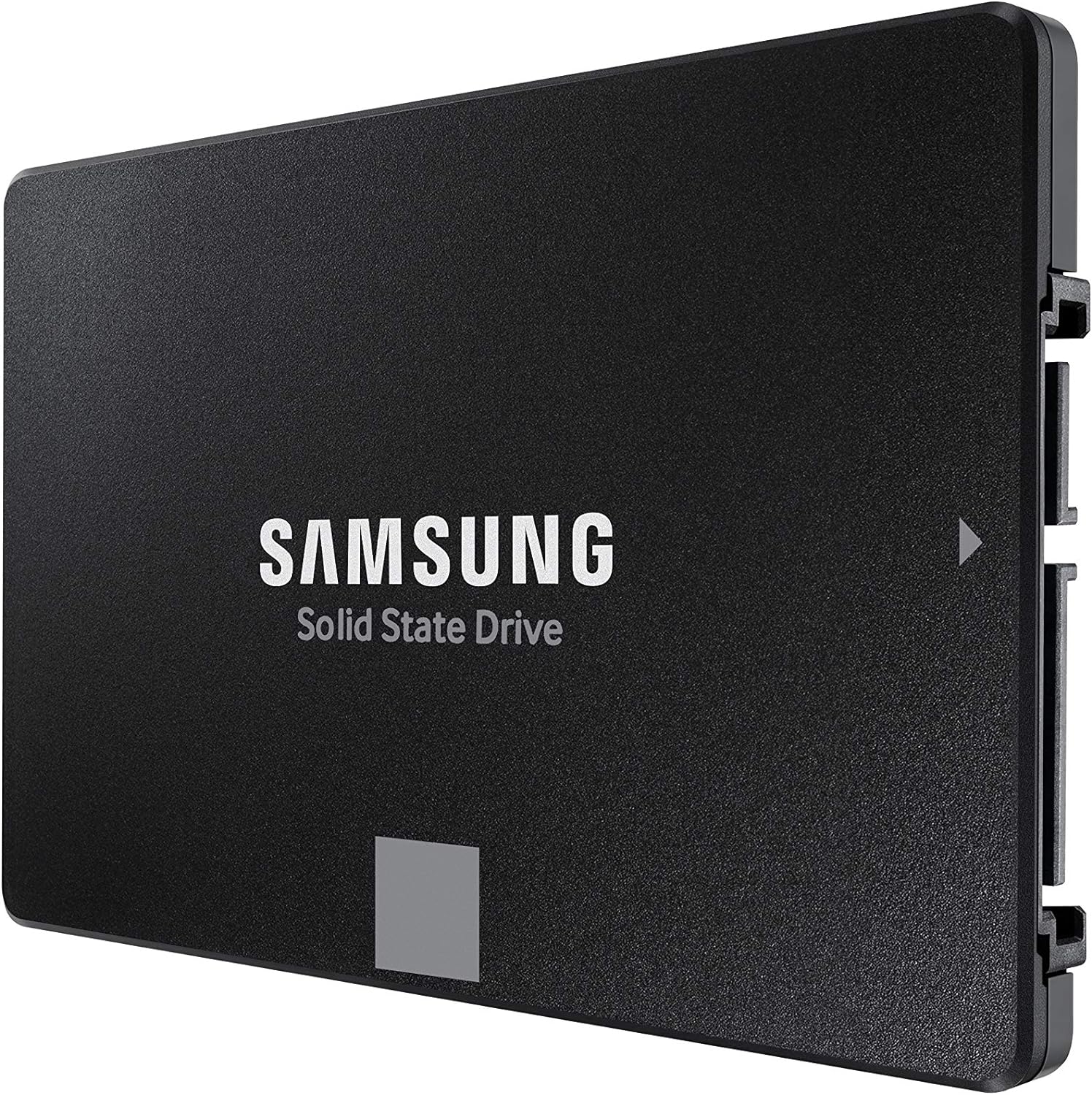
If you prioritize a proven, easy upgrade that improves everyday responsiveness without breaking the bank, this drive fits well. It’s a sensible choice for aging laptops or desktops that still rely on a 2.5" SATA interface, plus it’s suitable for users who want a dependable drive to replace a failing HDD or to add capacity for media libraries, large project files, or OS installations. It’s not the best fit if you need extreme write endurance for sustained video rendering or heavy server workloads, or if you’re chasing PCIe-level speeds.
Who might want to skip it
Not ideal for you if your system already supports NVMe and you’re chasing top-tier performance, or if you require ultra-low latency for specialized professional workloads that push the limits of storage speed. If noise, heat, or power efficiency under sustained heavy use is a priority, you’ll want to compare to other form factors and interfaces before committing.
Before you buy: what to verify
- Ensure your device uses a 2.5" SATA drive and has available SATA ports.
- Consider your current capacity needs and whether 1TB aligns with your data footprint.
- Check for firmware compatibility and whether you plan to use Samsung Magician for monitoring and updates.
- If you’re upgrading from a hard drive, expect a noticeable jump in boot and load times, if you’re upgrading from an existing SSD, you may see incremental gains depending on the current drive.
Practical usage example
Imagine upgrading an older laptop used for daily work and light video editing. After installation, you boot the system and notice faster startup and quicker application launches. Opening a large project file becomes less painful, and moving big media folders around feels snappier. The upgrade also gives you more headroom for multitasking, making it easier to keep multiple apps open without stuttering.
Quick comparison in context
Compared to older HDDs, this 870 EVO is a clear upgrade in responsiveness and reliability. When you don’t need the extra speed of an NVMe drive, a SATA SSD like this offers a practical balance of performance, cost, and compatibility. If you’re deciding between a drive like this and a higher-end NVMe option, your choice depends on whether you need PCIe speeds for workloads that demand it or you simply want a straightforward, drop-in upgrade to breathe new life into a legacy system.
Is it worth it?
Final verdict If you’re upgrading a system with a 2.5" SATA interface and want better everyday performance with a track record of compatibility, the 870 EVO 1TB is a reasonable pick. It’s not the fastest option on the market, but it delivers steady performance, good endurance on typical workloads, and a familiar management experience through Samsung software. However, if your priority is maximum throughput for tasks like 8K transcoding or heavy, sustained write workloads, you may prefer exploring NVMe alternatives or higher-end SATA models with larger caches. Consider your current system’s limits and your workload profile to decide.
Frequently asked questions
- How does the 2.5" SATA interface affect performance? It caps speeds compared to NVMe, but still offers a noticeable boost over HDDs and is straightforward to install.
- Can I reuse data or migrate from an existing drive easily? Samsung’s migration tools are designed to help with the upgrade process, but exact steps depend on your setup.
- Is 1TB enough for a multimedia-heavy workflow? For many users, 1TB provides ample space for OS, apps, and projects, those with large libraries may want to size accordingly or add external storage.
- How long will it last under heavy use? Endurance is specified up to a reasonable TBW under a 5-year limited warranty for typical workloads, actual results vary with usage patterns.