

Fiber Optic HDMI Cable 50 ft (HDMI 2.1) — 8K/4K Ultra Long, 48Gbps, VRR, ALLM, eARC, HDR
Product description
What it is
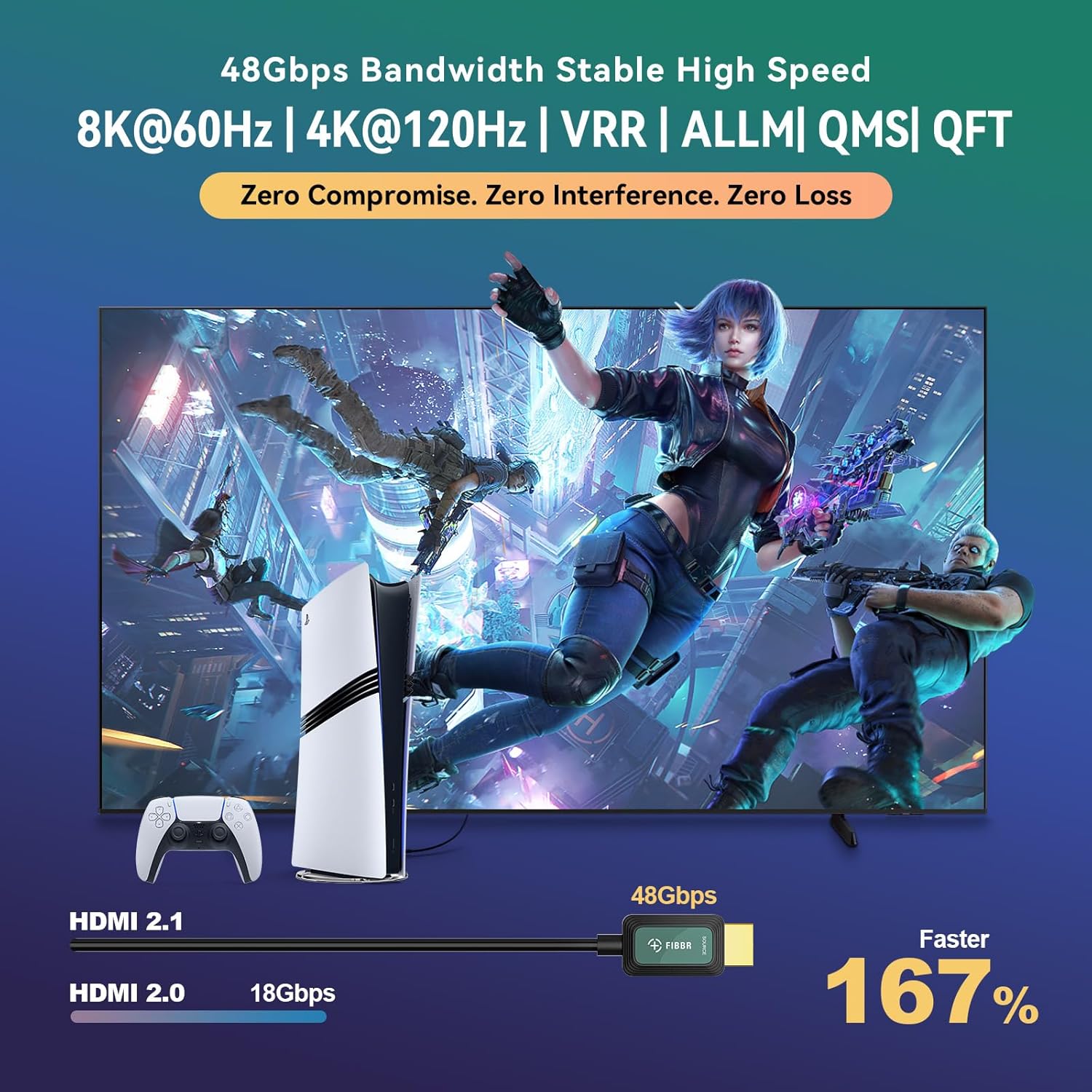
This is a 50-foot fiber optic HDMI cable designed for high-performance home theater and gaming setups. It leverages HDMI 2.1 bandwidth to support 8K at 60Hz and 4K at 120Hz, with features like Dynamic HDR, eARC, VRR, ALLM, QMS, QFT, and DSC. The fiber construction is aimed at reducing signal loss over long runs and minimizing electromagnetic interference, making it a practical option for behind-wall installations or rooms with multiple power cables nearby.
How it works
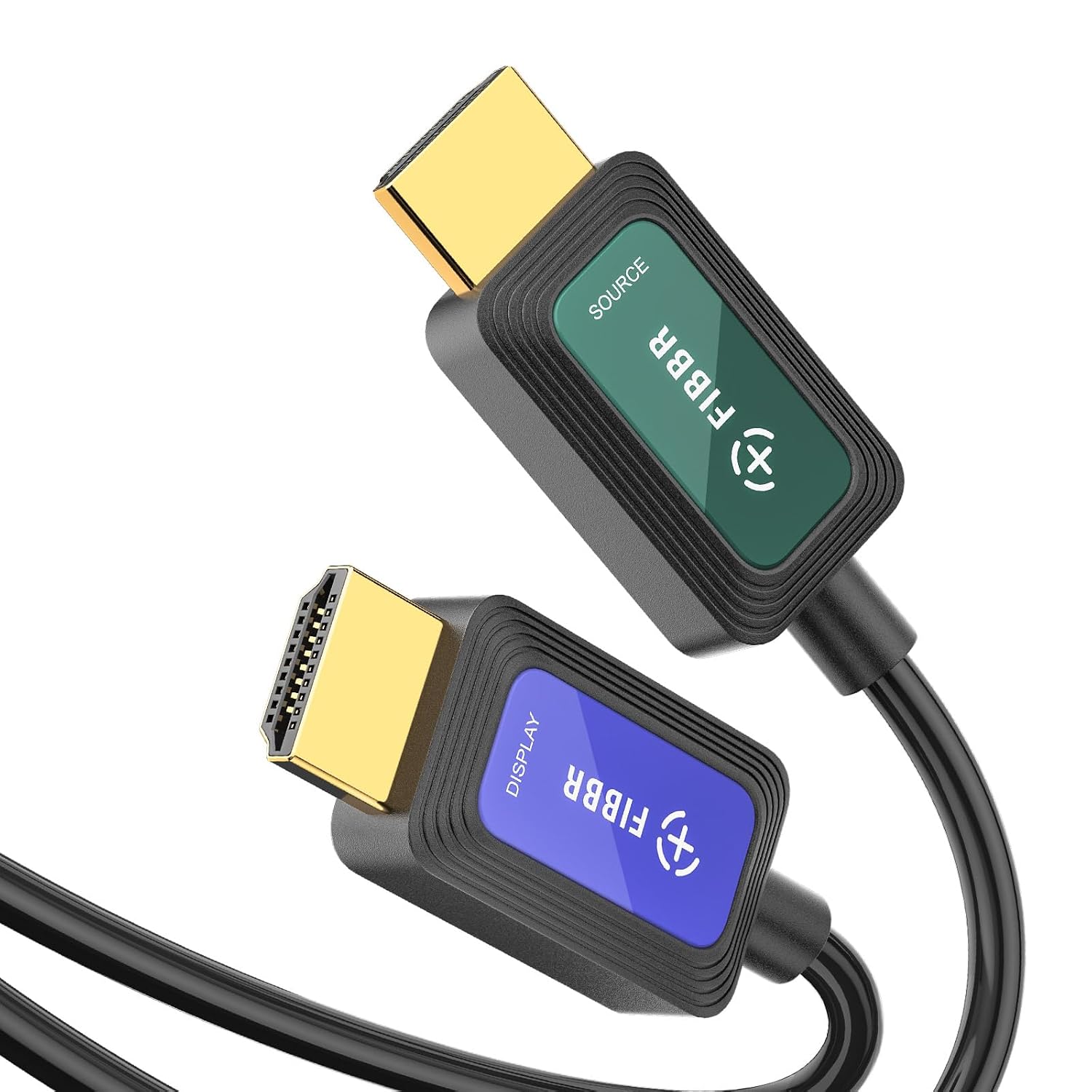
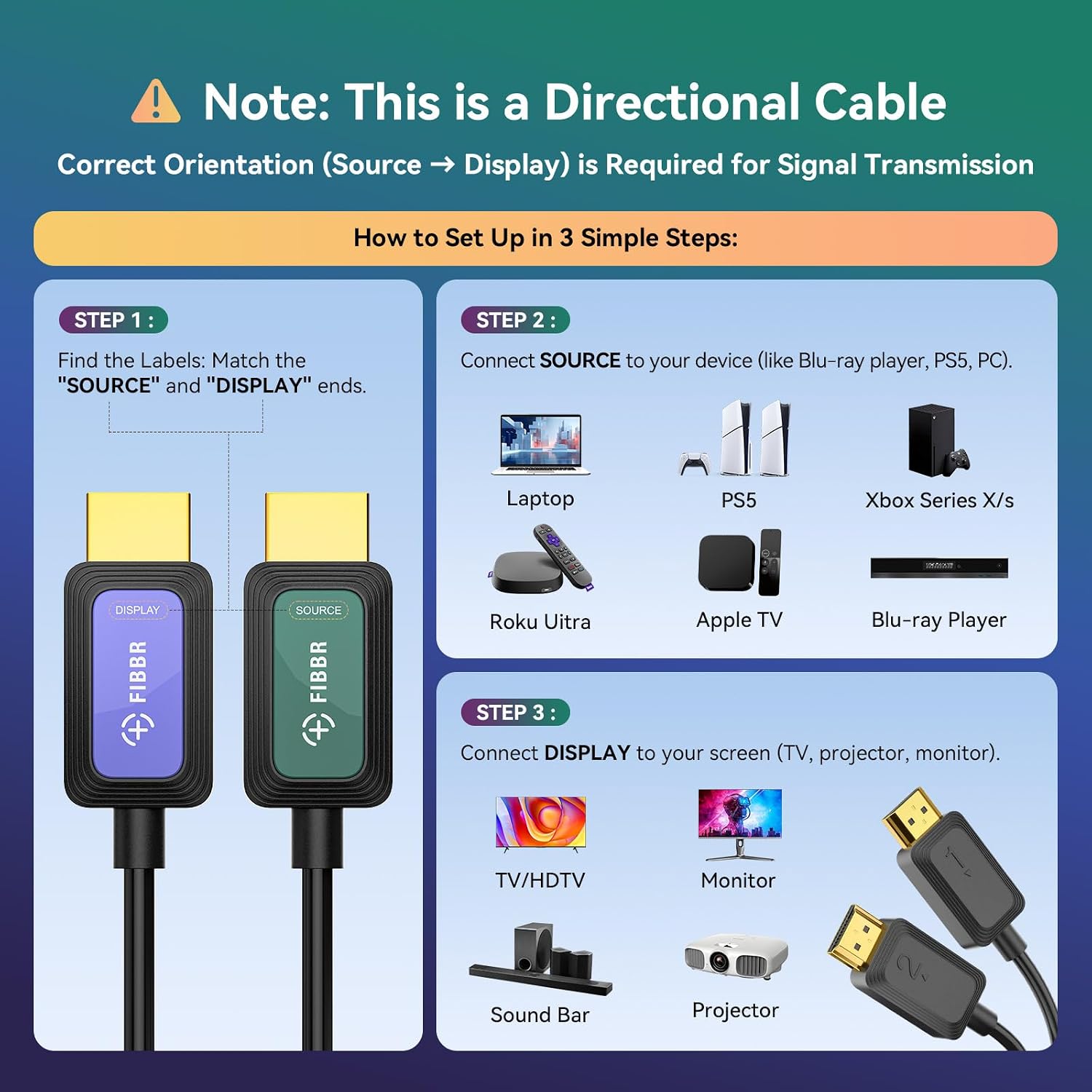
Unlike standard copper HDMI cables, this model converts electrical signals to light for transmission. That light-based signal travels through fiber with claimed immunity to EMI/RFI, which can translate into more stable picture quality on long runs. The design is directional, with clearly labeled SOURCE and DISPLAY ends, so correct pairing is essential for optimal performance.
What stands out on paper
On paper, the cable delivers the latest HDMI 2.1 capabilities: 8K@60Hz and 4K@120Hz, plus a 48Gbps bandwidth ceiling that supports HDR dynamics, high-fidelity audio formats, and advanced features like eARC and VRR. The fiber approach is touted to maintain signal integrity over substantial distances and reduce typical copper-related issues such as attenuation and interference.
Pros and what to expect day to day
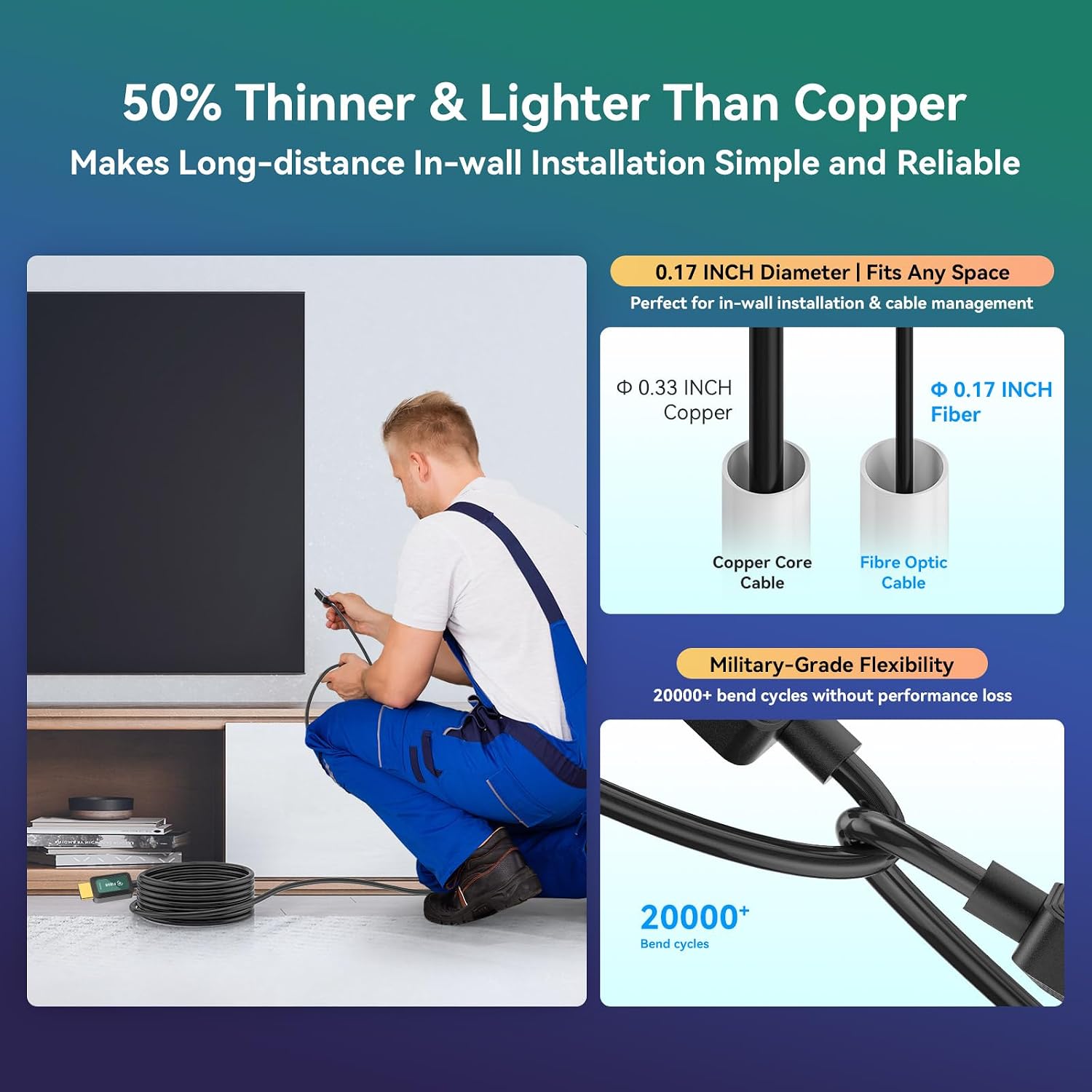
- Pros: Long run convenience without noticeable signal degradation, strong feature support for next-gen consoles and high-end projectors, lighter and more flexible than bulky copper equivalents, and resistance to interference in environments with multiple electronic devices.
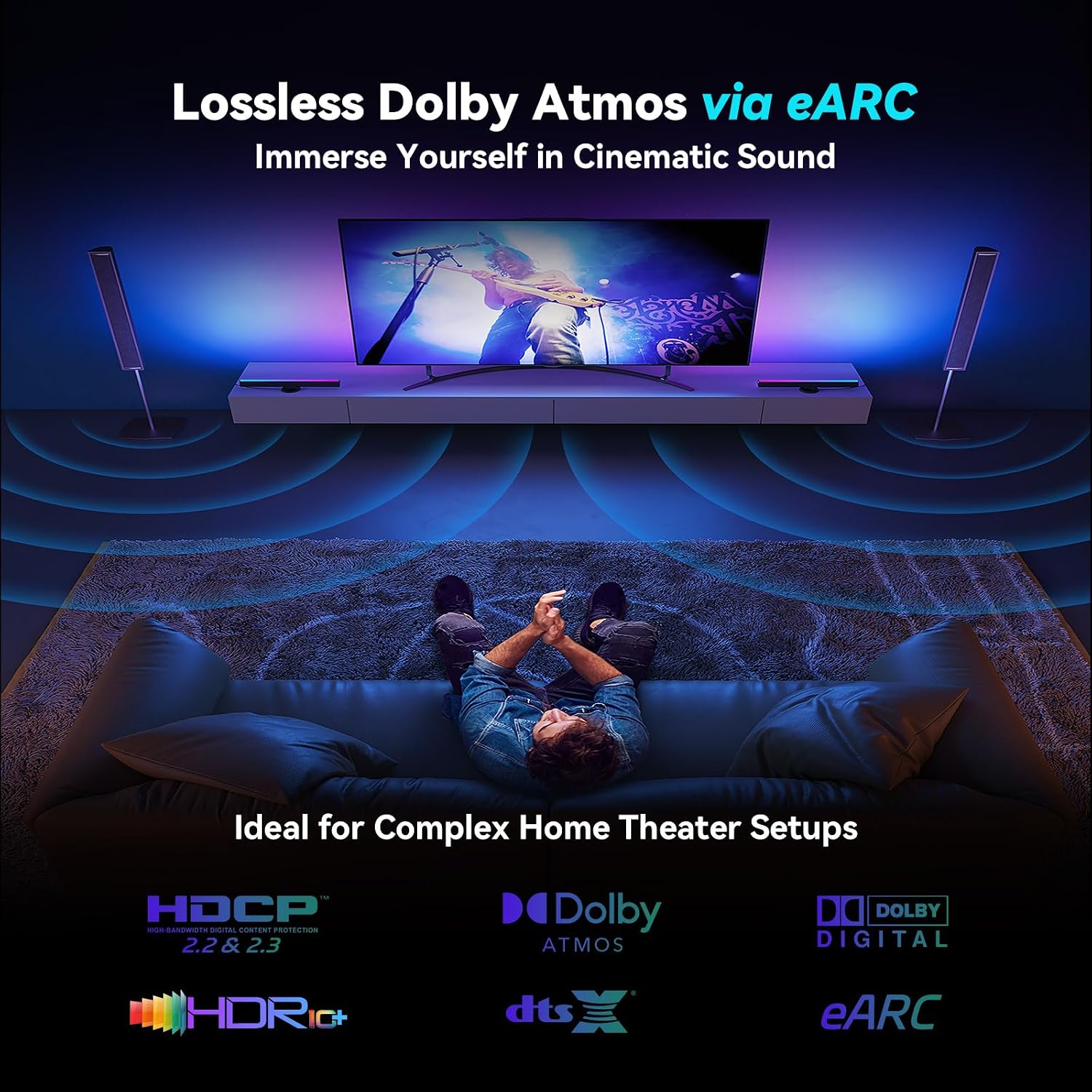
- What you’ll notice: crisp 4K/8K visuals when sources push the bandwidth, smoother frame pacing with VRR, and stable audio pass-through via eARC when your setup supports it.
Potential drawbacks and limits
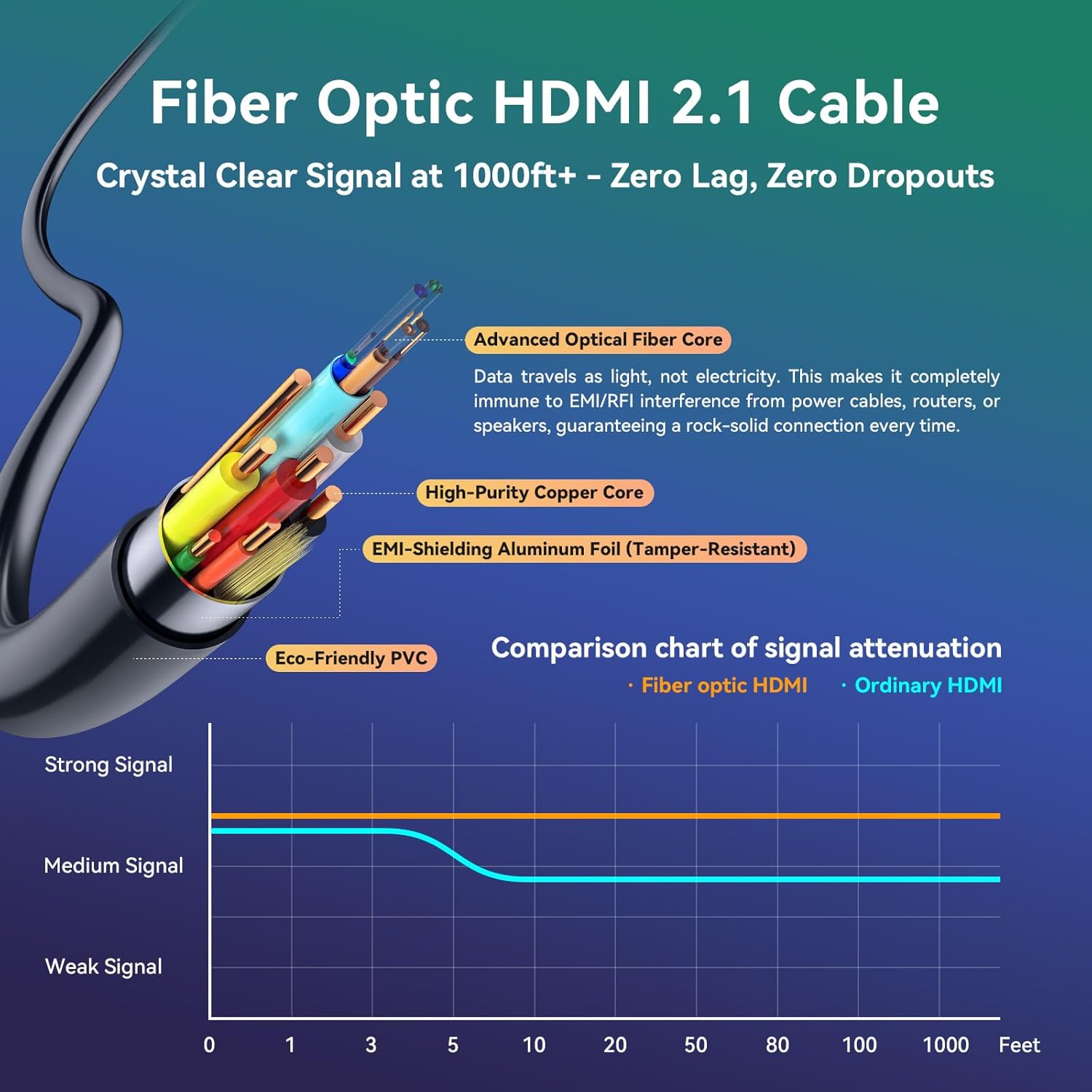
- It’s directional: you must connect SOURCE to SOURCE and DISPLAY to the display end, reversing ends can cause no signal or reduced features. If you’re not sure about the direction, this can complicate installation.
- The 50 ft length is a sweet spot for long runs, but note some setups have different needs (e.g., shorter cables can simplify routing or reduce potential contact points in ceiling paths).
- While it claims strong resistance to interference, performance depends on the entire chain (source device capabilities, display, and receiver compatibility). If your equipment isn’t HDMI 2.1 capable, you won’t unlock 8K/4K120 benefits.
Who it fits best
This cable is well-suited for dedicated home theater enthusiasts, gamers with next-gen consoles, and installers needing a long, reliable link between a projector or big display and a media center. If you regularly route cables through walls or ceilings and want to minimize signal loss, this option aligns with those needs.
Who might want to skip it
If your setup maxes out at 4K60 with older gear, or if you don’t require long reach, a shorter, simpler HDMI cable could be more cost-effective. Also, if you rely on copper’s physical flexibility in tight conduits, the fiber path may require planning to avoid bends that exceed recommended radii.
When to buy and when to pause
Consider purchasing when you have a long run to a projector or wall-mounted display, especially if you want 8K/4K120 support from a capable source. Pause if you’re unsure about directionality, or if your components don’t support HDMI 2.1 features that maximize this cable’s bandwidth.
What to check before buying
- Confirm the cable ends are labeled SOURCE and DISPLAY and that your setup will be configured accordingly.
- Verify your source and display both support HDMI 2.1 features you plan to use (8K60, 4K120, HDR, eARC, VRR).
- Ensure the installation path can accommodate a 50 ft run with appropriate bends, fiber cables have minimum bend radii.
Practical usage example
Imagine wiring a home theater from a media rack in a den to a ceiling-mounted 120” projector in a separate room. The fiber optic path helps keep signal clean through walls and potential in-wall EMI, so you’re more likely to see fluid motion during fast-paced gaming or sports with minimal dropouts on a large projection.
The bottom line: Is it worth it?
Is it worth it? It makes sense if you need a long, high-bandwidth HDMI link and your gear supports HDMI 2.1 features. If you value stable 8K/4K performance over long distances and want to minimize interference, this cable has a clear case. It may not be the best fit if your installation doesn’t justify a 50 ft route or if you’re working with older equipment that won’t leverage HDMI 2.1 benefits.
FAQ (quick answers)
- Do I need a 50 ft run? Use this length when your components are apart by about that distance and you want to avoid multiple joints.
- Can I run this behind walls? Yes, it’s designed with in-wall routing in mind, but follow local codes and ensure proper insulation of any in-wall pathway.
- Will I notice 8K at 60Hz? Only if your source and display are capable, otherwise you’ll experience the best available format your chain supports.