

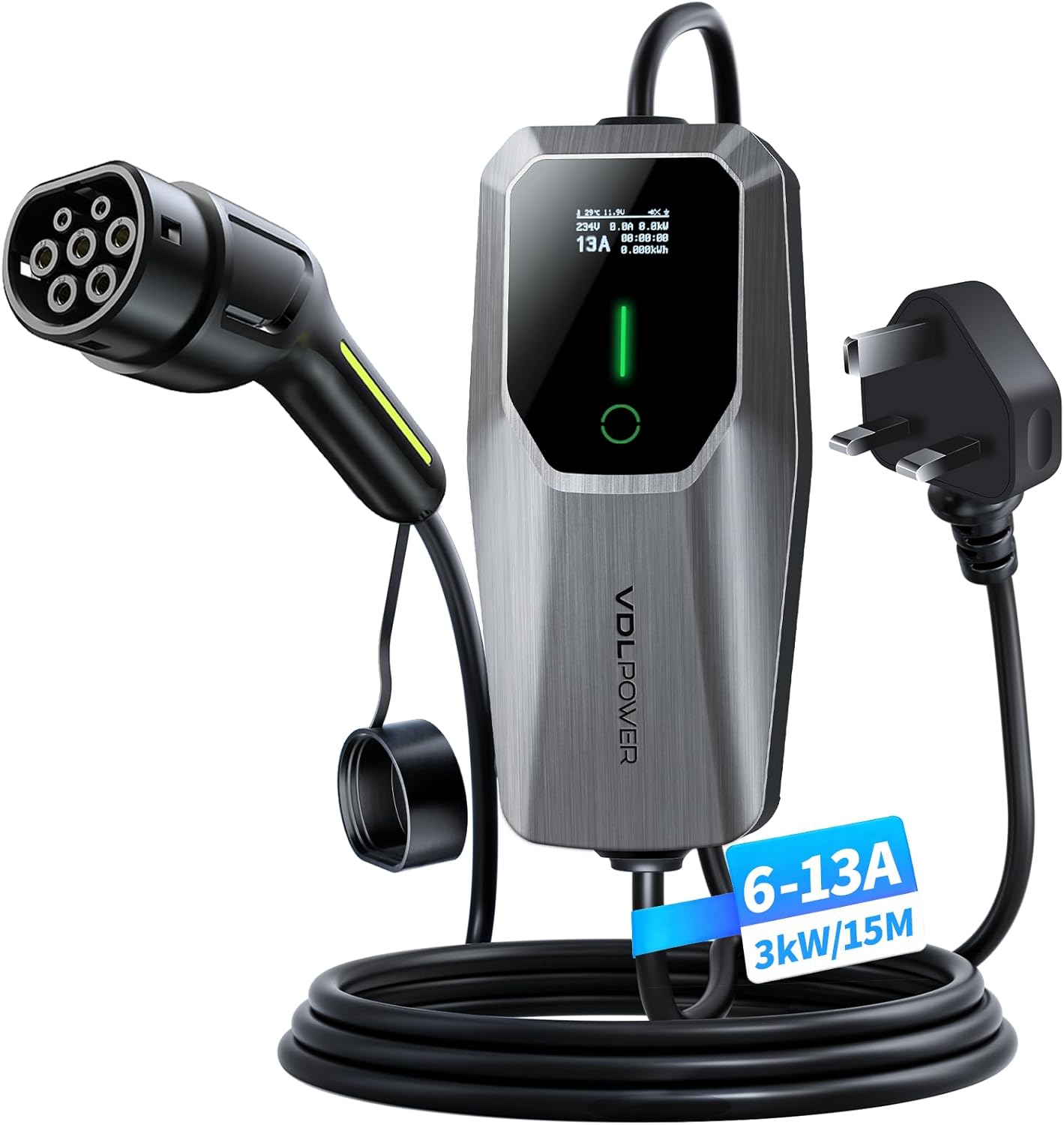
VDLPOWER EC11 3kW Type 2 EV charger cable (6–13A), 15m single‑phase, IP65
Product description
The essentials
If you want a home EV charging setup that feels a bit more flexible than a fixed-current lead, the VDLPOWER EC11 is built around adjustable charging current. On paper, that matters because the car and battery conditions don’t always want the same input, and letting the charger choose between 6A, 8A, 10A and 13A can make day-to-day charging easier to manage.
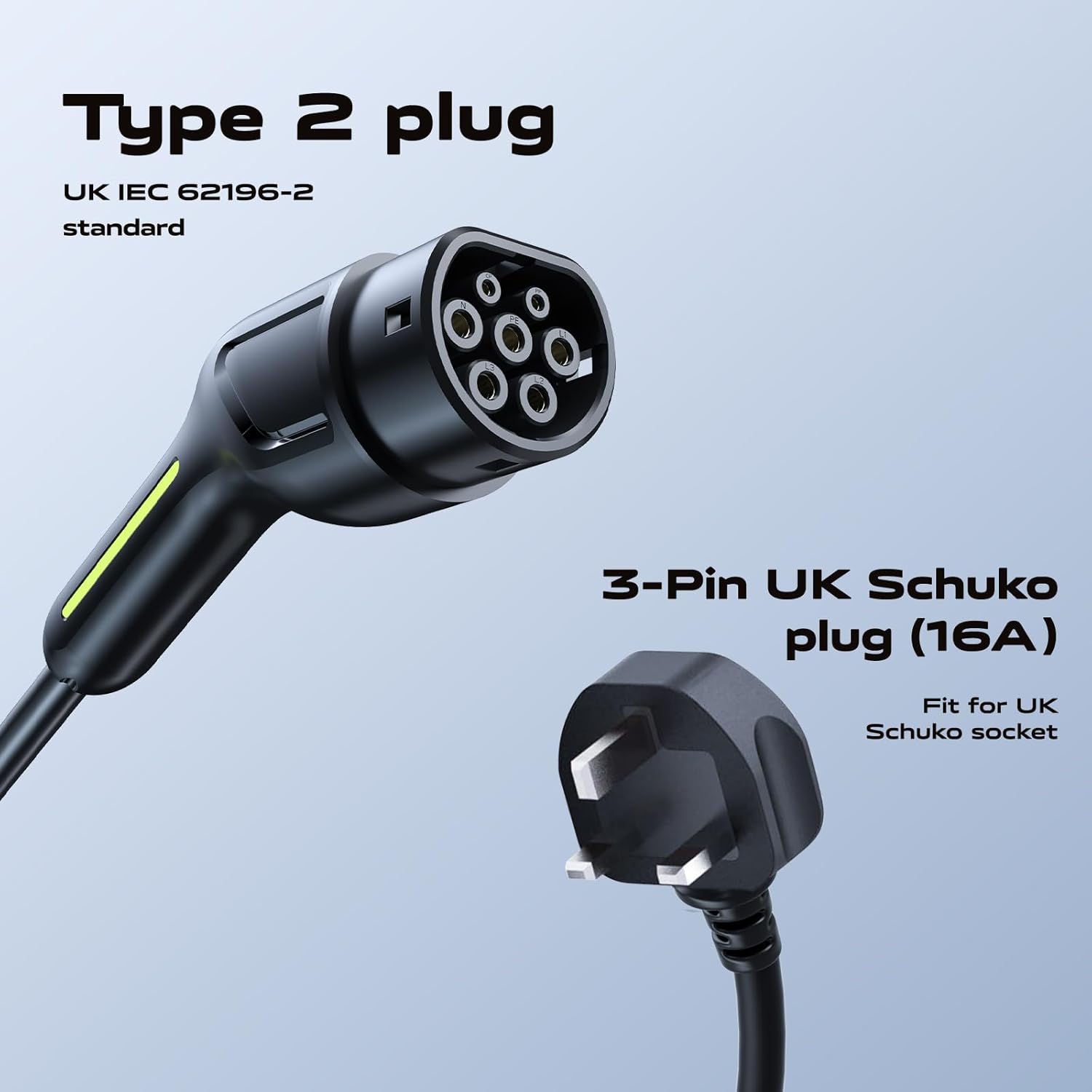
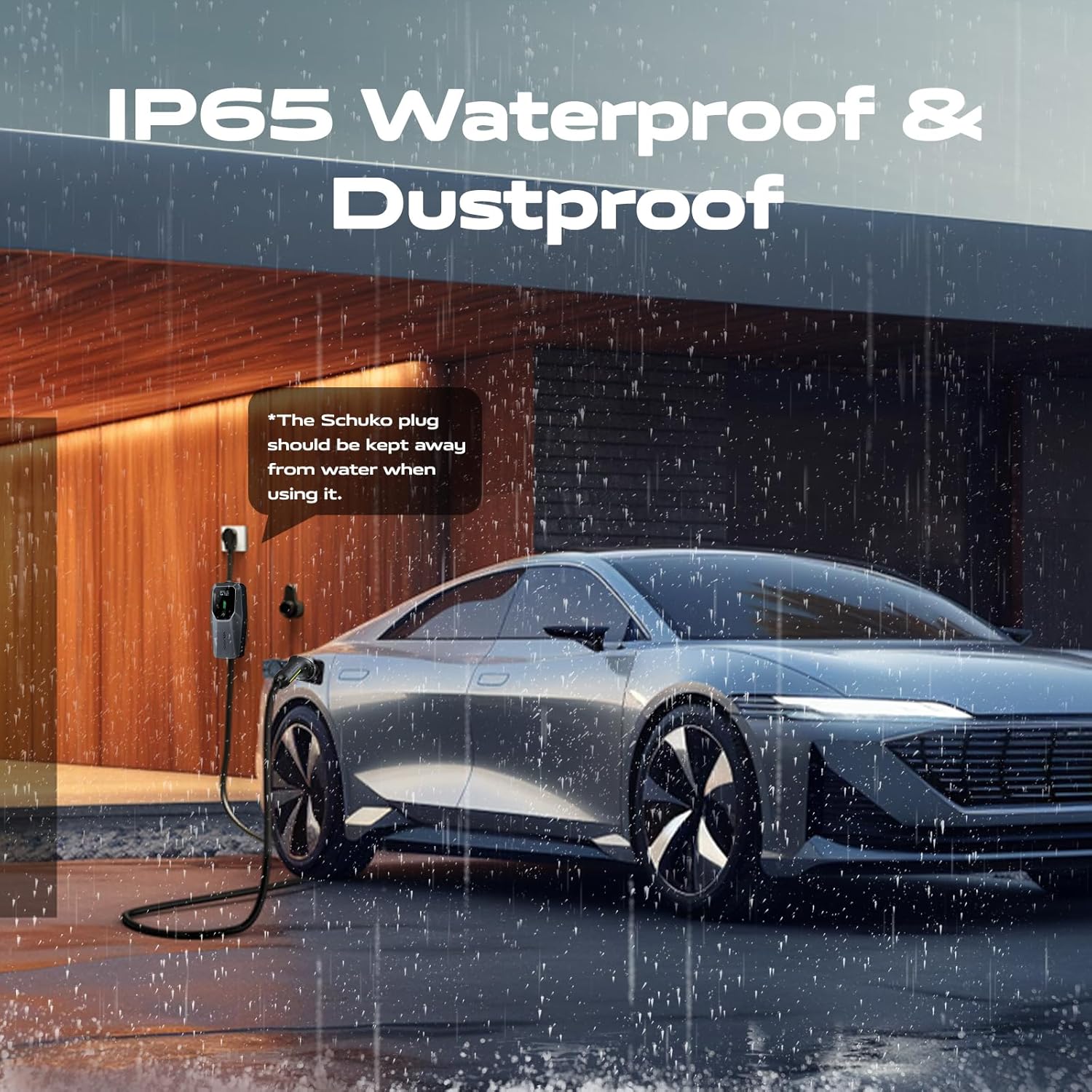
This is a single-phase Type 2 charging cable with a 3-pin plug approach, sold with a 15-metre cable and an LED display. It’s also designed to be used outside more confidently than basic indoor-only leads, thanks to IP65 waterproof/dustproof protection and a stated operating temperature range.
Key features that affect real-world use
The headline spec is the maximum charging speed: up to 3kW on a 230V home supply. In practice, that gives you a sensible “overnight and then some” kind of charging pace for most home routines, rather than a fast-track option for busy days.
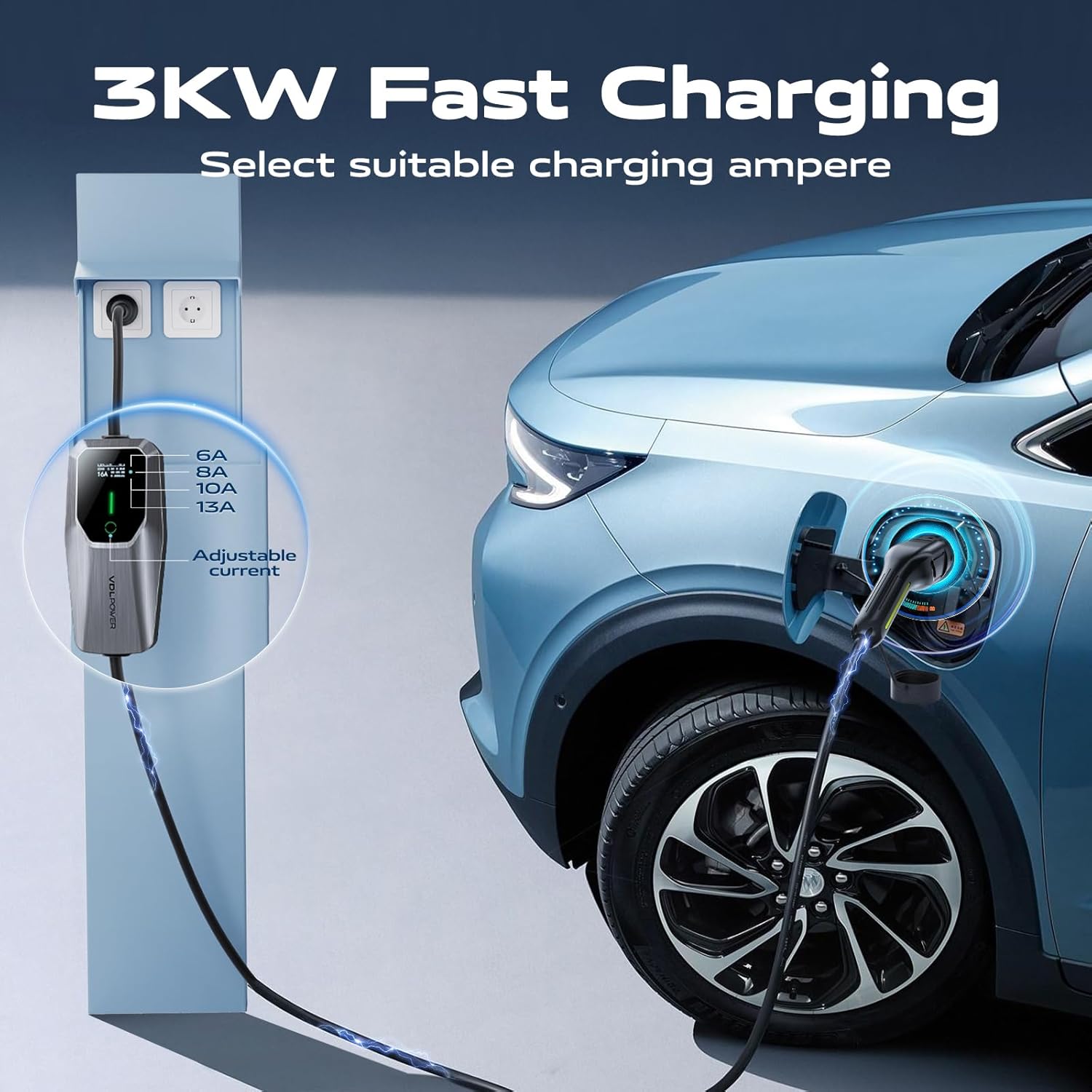
Where this model tries to stand out is in current conversion: it can be set to 6A, 8A, 10A or 13A. The idea is straightforward—match a safer, more appropriate current to what the vehicle/battery can accept, which can help reduce stress on the battery over time (the listing specifically positions it this way).
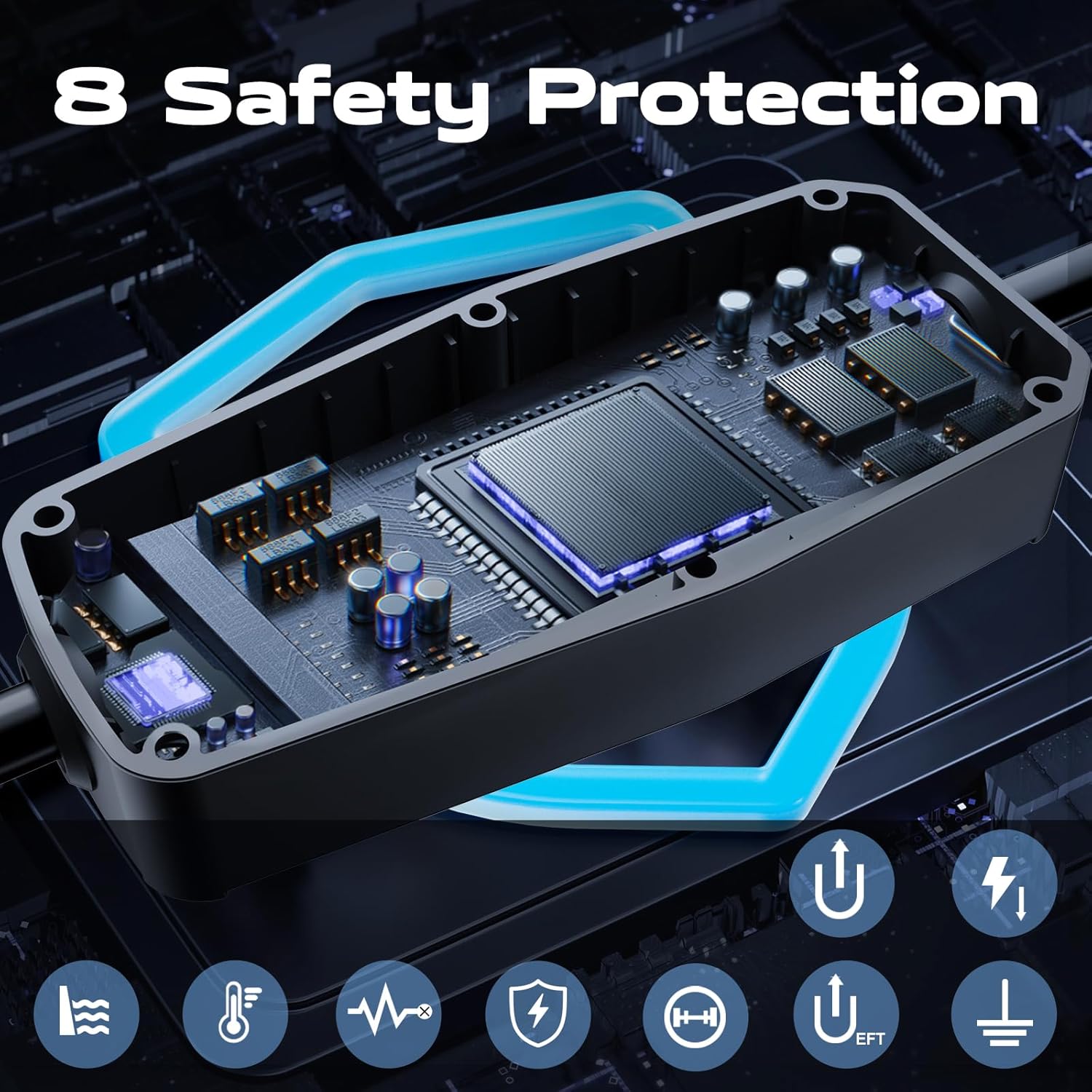
It also uses a “strong plug and copper core cable” design for steadier charging, and includes multiple protection layers such as overvoltage, low voltage, surge, and overheat protection. That sort of safety net is exactly what you want in a product intended for regular home use.
What stands out (and where it might feel limited)
IP65 waterproof and dustproof is a genuinely useful spec for anyone who parks outside, charges in wet weather, or just doesn’t want to baby the lead. Coupled with the sturdy shell and a stated resistance to temperatures from -30 °C to 50 °C, the charger is clearly aimed at year-round UK outdoor conditions.
That said, it’s not “high speed”. At up to 3kW, you’re choosing convenience and reliability over rapid top-ups. If you’re the type of driver who often needs a meaningful charge in a short window, you may find yourself wanting a higher-output wallbox instead.
Also worth a small reality check: while the listing claims wide compatibility with Type 2 equipped cars under IEC62196-2, it still depends on your specific vehicle’s charging port and what current levels it supports.
Who it suits best
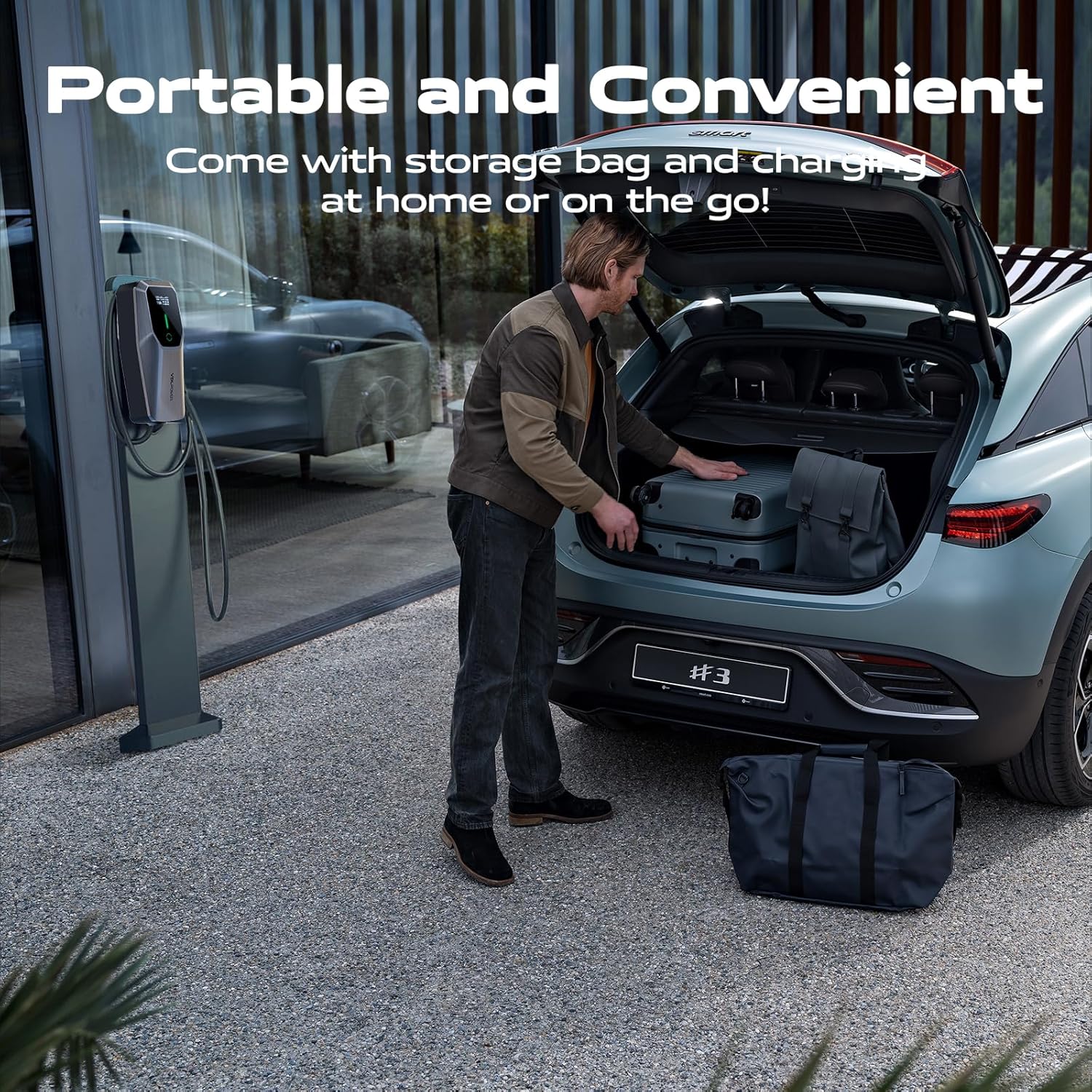
It makes sense if you want a straightforward home charging cable for UK Type 2 cars, and you value adjustable current more than you value “maximum everything”. The 15-metre length also helps with driveway or parking layouts where the socket isn’t right next to the car.
You’ll likely like it if you’re charging mostly at home—overnight routines, commuting gaps, and weekend top-ups—while still having the option to dial the current up or down.
It may not be the best match if you need consistently faster charging for frequent short trips, or if you prefer a permanently installed solution rather than a plug-in cable.
Technical details to pay attention to
The VDLPOWER EC11 is a Type 2 charging cable designed for use on a 230V single-phase home supply, with a maximum output of 3kW.
The adjustable current range listed is 6A / 8A / 10A / 13A. It also includes an LED display for status monitoring, and the protections are positioned as active monitoring and safeguarding throughout charging.
For outdoor resilience, the listing states IP65 waterproof and dustproof performance, with an operating temperature range of -30 °C to 50 °C.
One more practical consideration: compatibility is described as “almost all UK models” with Type 2 charging ports, following IEC62196-2, but if you’re not sure whether your car’s Type 2 implementation supports the current levels, it’s worth checking the vehicle’s guidance before committing.
Care & compatibility considerations
With IP65 you can be less precious about exposure to rain and dust, but it still helps to use common sense: keep connectors clean, avoid forcing plugs, and don’t leave the cable where it’ll get repeatedly crushed by doors or wheels.
On compatibility, the listing points to broad support across many makes and gives examples including Tesla, Peugeot, Dacia Spring, Fiat, Volvo, and BMW. That’s promising, but the safest approach is to confirm your car has a Type 2 charging port and that it can accept the current you plan to use.
For the cable length, the 15 metres can be handy when charging from the house side rather than directly beside the socket—just remember cable management matters so you don’t create tension or awkward bends.
Everyday use example
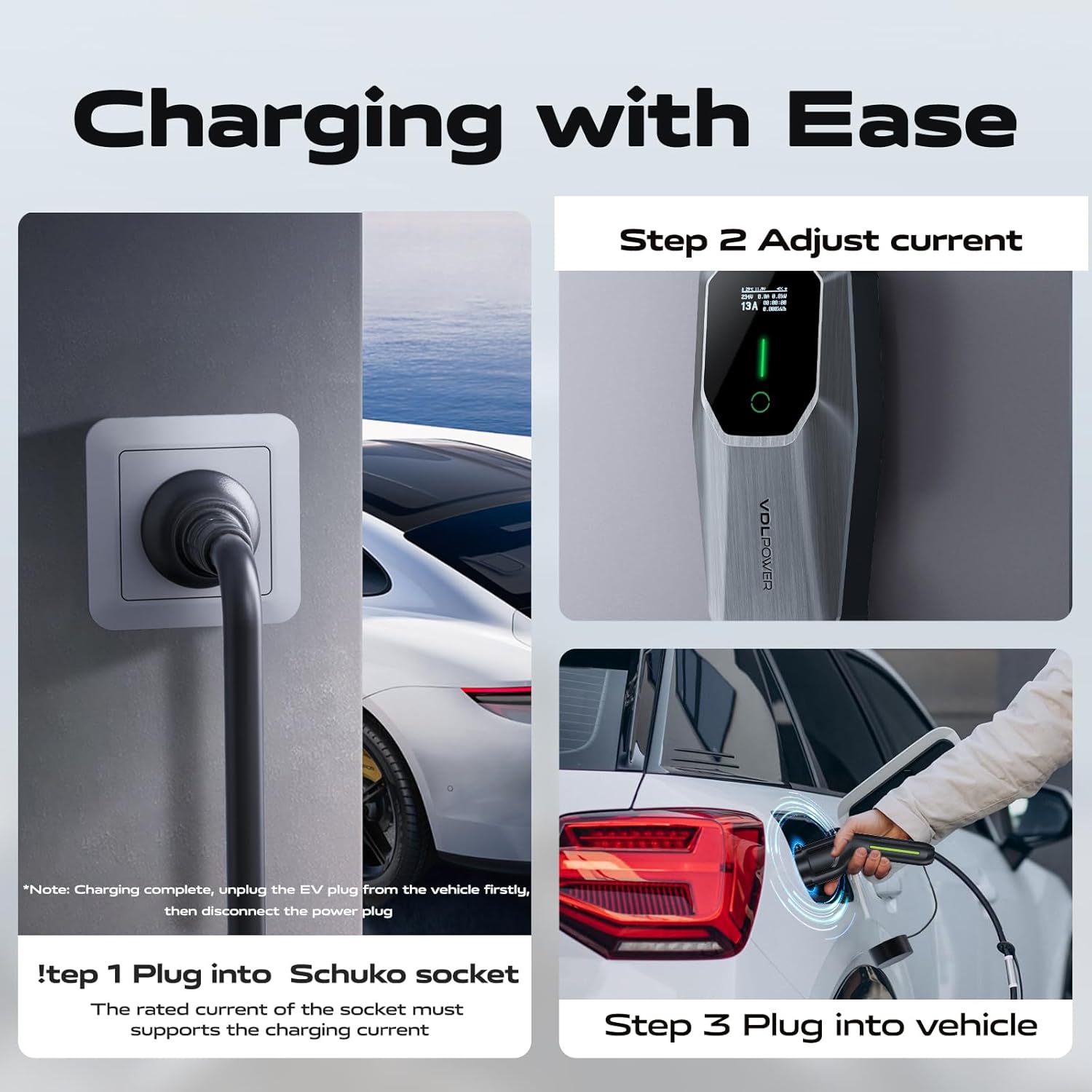
Imagine you park overnight with the car slightly away from the exterior socket. You plug in the 3-pin supply end, connect the Type 2 end to the car, and use the adjustable settings to choose a current that matches your plan—perhaps a lower setting if you’re starting with a lower state of charge and want a gentler pace. During the session, the LED display gives you a quick visual check that things are running as expected.
Is it worth it?
A solid pick if you’re after a UK home Type 2 charging cable that’s outdoors-capable (IP65), comes with a long 15-metre lead, and lets you choose between 6A, 8A, 10A and 13A to suit the vehicle and battery conditions. The 3kW maximum output also fits well with typical overnight or off-peak charging needs.
Better avoided if you need rapid charging day-to-day, or if your vehicle plan relies on higher output and shorter charging windows. It may not suit you either if you’d rather have a more permanent, wallbox-style setup rather than a cable you connect and manage each time.
Quick FAQ
1) What current does this EV charger support?
It can be set to 6A, 8A, 10A and 13A.
2) How fast is it at home?
The listing states a maximum of 3kW on 230V.
3) Is it safe to use outside?
It’s rated IP65 waterproof and dustproof, and the listing includes an operating temperature range of -30 °C to 50 °C.
4) Does it work with Type 2 EVs in the UK?
It’s described as compatible with UK models that have Type 2 charging ports (IEC62196-2 standard).
5) Is 15 metres enough for most drives?
15 metres is often enough to reach from a house-side socket to many parking positions, but cable routing still needs basic care to avoid tension or awkward handling.