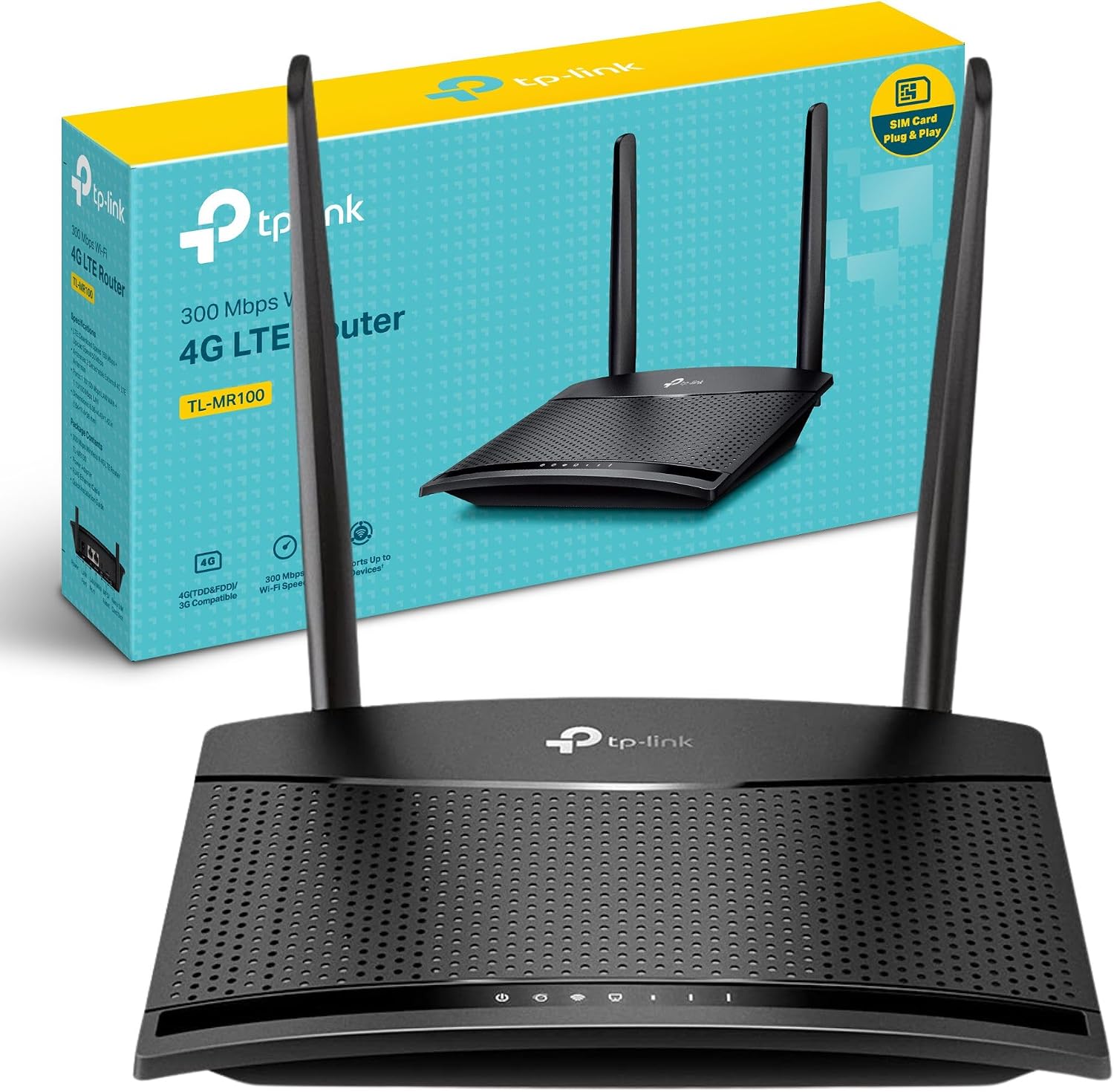
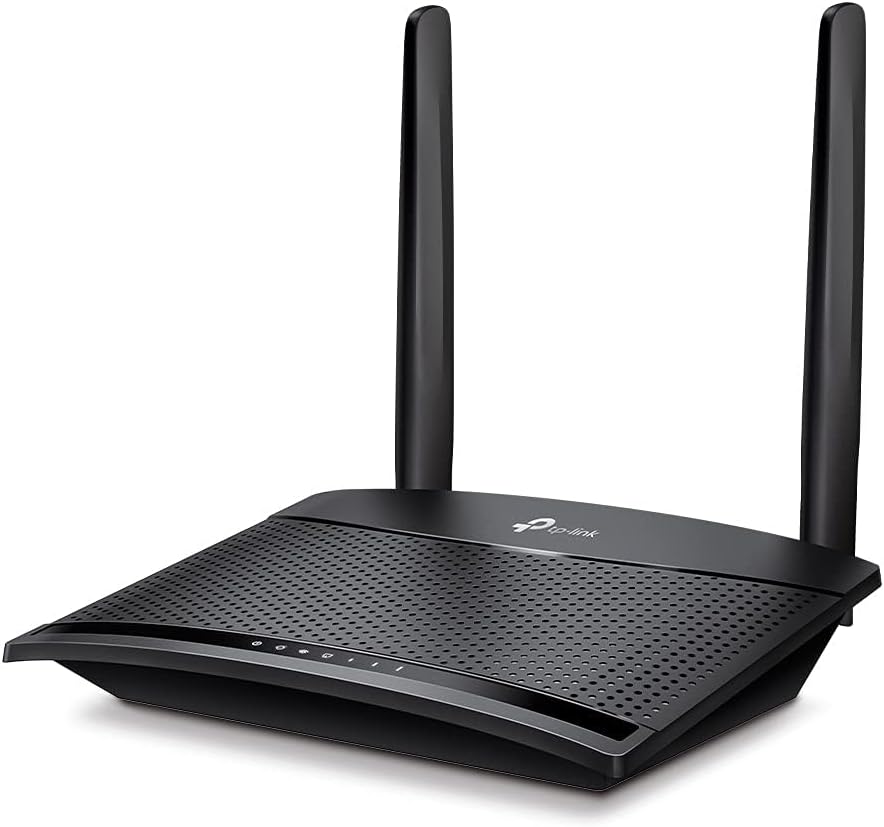
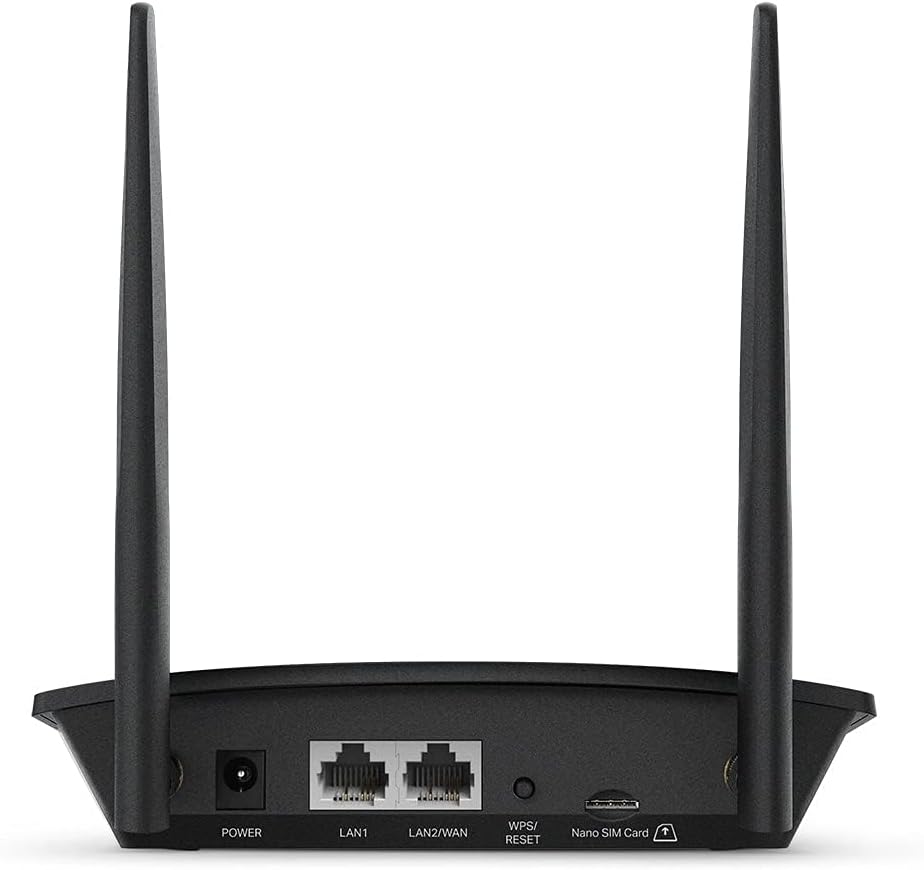
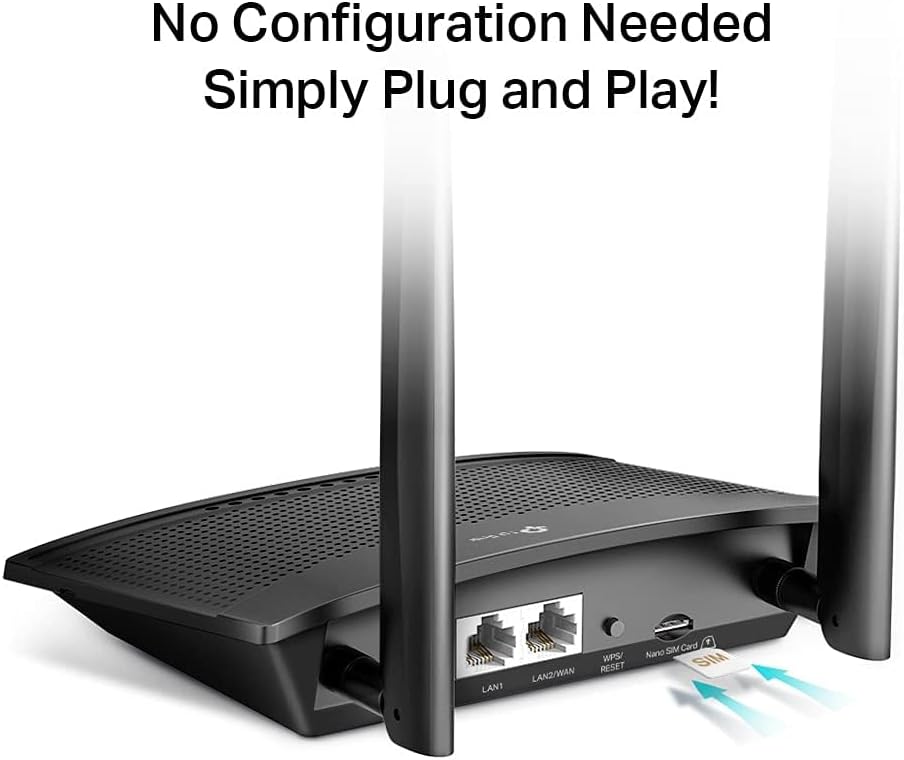
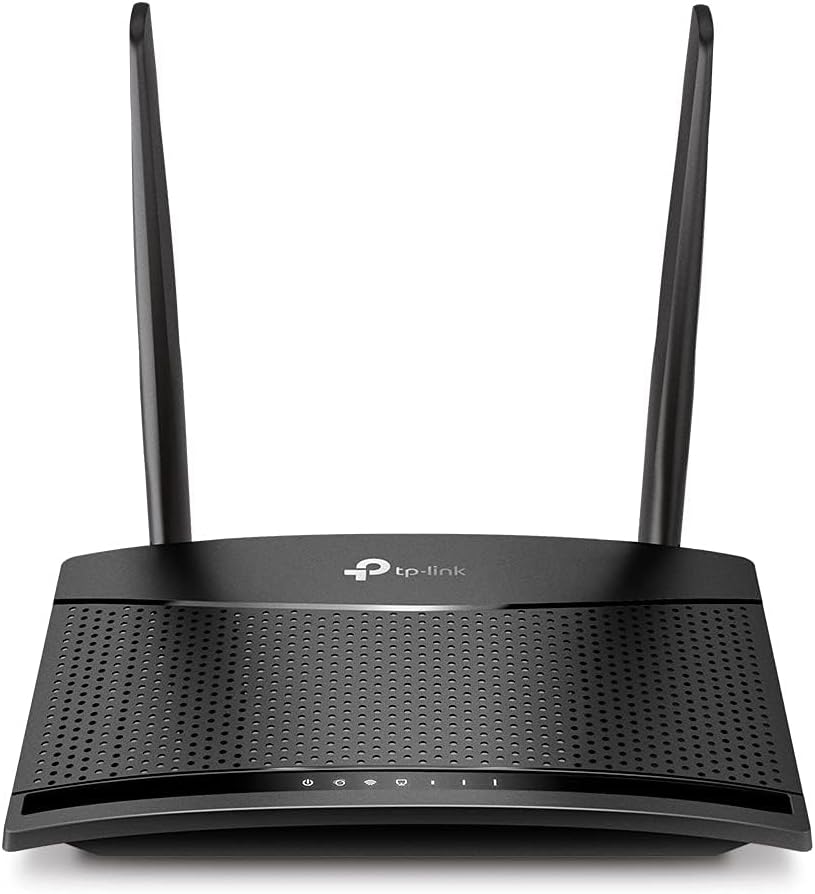
What this is and what it solves\nThe TP-Link TL-MR100 is a compact 4G LTE wireless router designed to share internet access with multiple devices. It supports up to 32 Wi‑Fi devices and offers download speeds up to 150 Mbps on its 4G connection. On paper, this makes it a handy option for households or small spaces where a traditional fixed line isn’t available or reliable.\n\n## How it works in real life\nYou simply insert a SIM card and power on to get started. There’s no complex setup required, and field tests suggest that SIM compatibility covers many countries, which can be useful for travellers or households with roaming needs. The device also features two detachable LTE antennas to help stabilise connections across several devices. In Wi‑Fi router mode, you can use the LAN‑WAN port with an Ethernet connection if you have a steadier wired link instead of a mobile data signal.\n\n## What stands out\nTwo key strengths are the straightforward setup and the ability to connect a sizeable number of devices (up to 32). For families or small offices with modest bandwidth needs, this can translate into practical everyday use for general browsing, video calls, and standard streaming. The presence of guest network and parental controls adds a layer of practical management for households with children or guests.\n\n## What may hold it back\nWith a maximum theoretical download speed of 150 Mbps from 4G, it isn’t designed for heavy, multiple‑device 4K streaming or large file transfers where fixed broadband would outperform it. The router relies on your SIM card’s network performance, so results can vary by location and carrier. The 300 Mbps wireless speed is typical for basic wireless routing, in busy households the throughput may feel limited if many devices are demanding bandwidth at once.\n\n## Ideal user profile\nIt’s a sensible pick if you prioritise flexible internet access, occasional travel or temporary setups, and you need a plug‑and‑play solution that supports several devices without a fixed line. It’s reasonable for small flats, temporary workspaces, or backup internet. It may not be the best option if you require fast, low‑latency connections for gaming or high‑resolution 4K streaming across many devices simultaneously.\n\n## What to check before you buy\n- Confirm you have a SIM card or data plan compatible with 4G LTE and your region.\n- Consider where you’ll place the router for best signal, particularly away from thick walls or metal obstacles.\n- If you expect heavy use, think about whether you might outgrow the 150 Mbps practical limit and whether a wired fixed broadband option could be preferable.\n\n## How it compares to basic alternatives\nCompared with a simple mobile hotspot, the TL‑MR100 offers a more stable Wi‑Fi network and a proper LAN port for wired devices. It sits between a basic pocket router and a more capable home router, for casual use and multi‑device sharing in areas with decent 4G coverage, it provides reasonable value for money. If you depend on dependable gaming or 4K streaming for several users, you might lean towards higher‑capacity options.\n\n## Decision: should you buy it?\nIs it worth it? Worth considering if you want a straightforward, multi‑device 4G sharing solution that’s quick to set up and doesn’t rely on a fixed line. It makes sense for temporary or supplementary internet needs in homes or small spaces. It may not be the best fit if your priority is high throughput or specialised gaming performance.\n\n## Quick FAQ\n- Do you need technical expertise to set up? No—it's designed for easy plug‑and‑play use with minimal configuration.\n- Can it be used without a SIM card? The primary function relies on a SIM card, without one, you’d be using only the Ethernet option in router mode if a wired connection is available.\n- How many devices can connect at once realistically? Up to 32 devices are supported, actual performance depends on network conditions and the activities those devices undertake.\n- What about security features? It includes encryptions and a guest network, plus parental controls for basic management.