

SUNLU PLA+ Filament 1.75mm (PLA Plus) – 1kg Spool in Grey for FDM Printers
Reviews
Price
Product description
At a glance
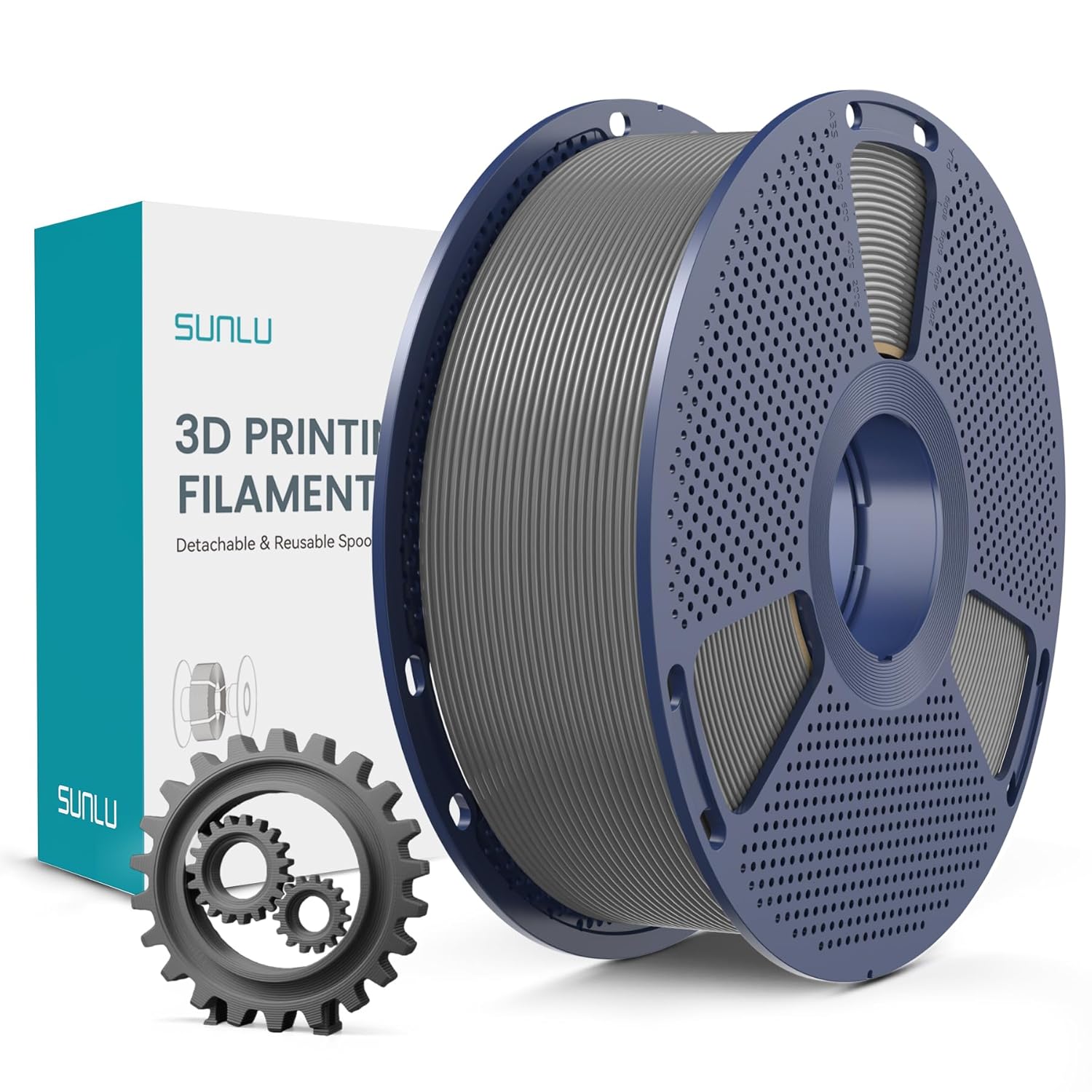
SUNLU PLA+ filament is a 1.75mm PLA Plus option aimed at people who want something sturdier than “basic” PLA, without jumping into more complex materials. On paper, it’s built for reliable layer adhesion and strong structure, while also aiming to keep surface quality glossy and detailed. If you’re printing functional-ish parts, prototypes that need to hold their shape better, or smaller models where you care about crisp features, PLA+ sits in a sensible middle ground.
There are a few things to bear in mind though. PLA+ isn’t a universal solution for every stress case, and it still behaves like a PLA-based filament—so if your parts are going to see heavy heat, harsh chemicals, or long-term outdoor exposure, you’ll want to think carefully before committing.
Key features and what you’ll notice
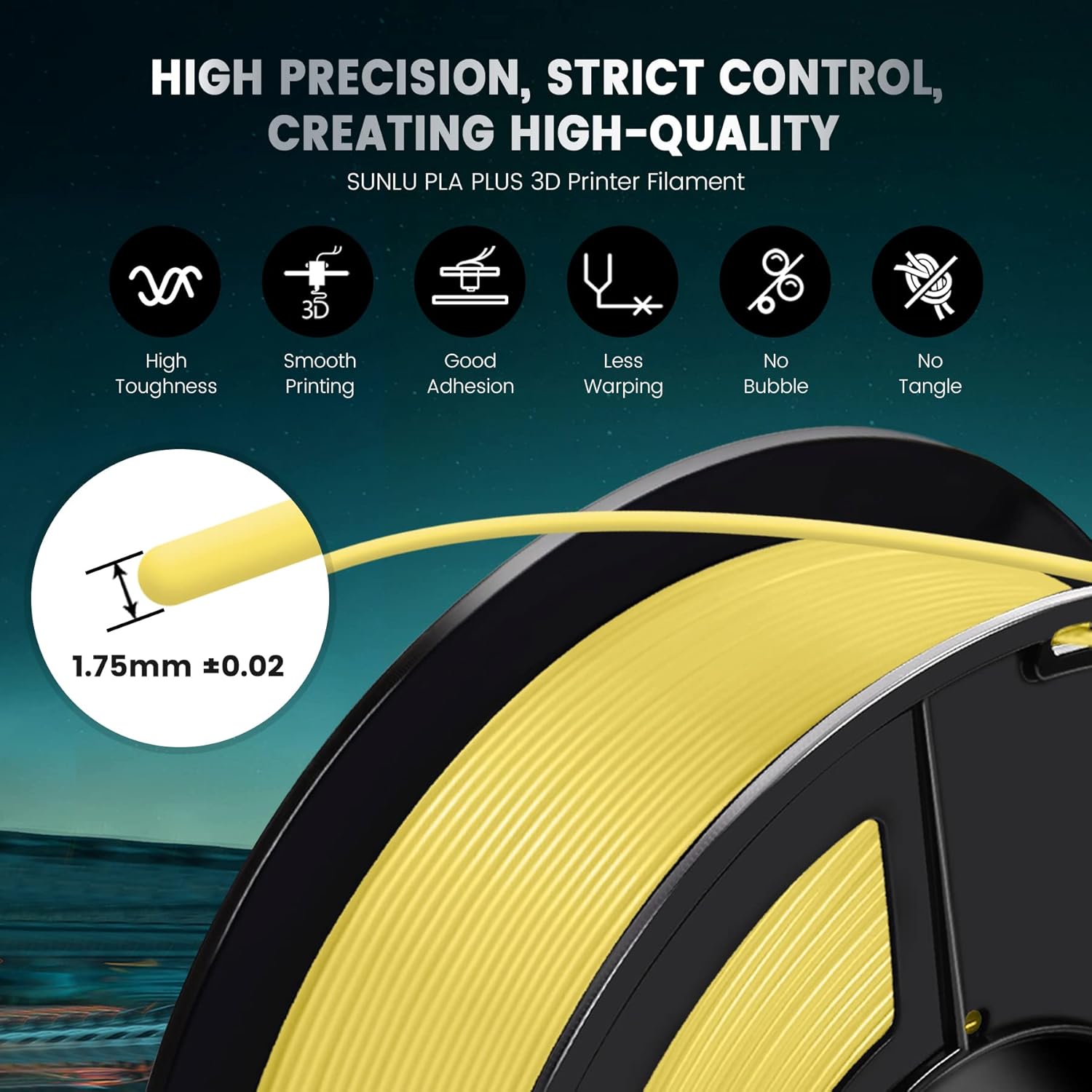
The headline promise here is enhanced durability and higher strength versus standard PLA. In practical terms, that’s the kind of improvement you’d look for when you’re printing parts that can get knocked about—think small fixtures, enclosures for simple electronics, brackets, or replacement components that shouldn’t feel fragile.
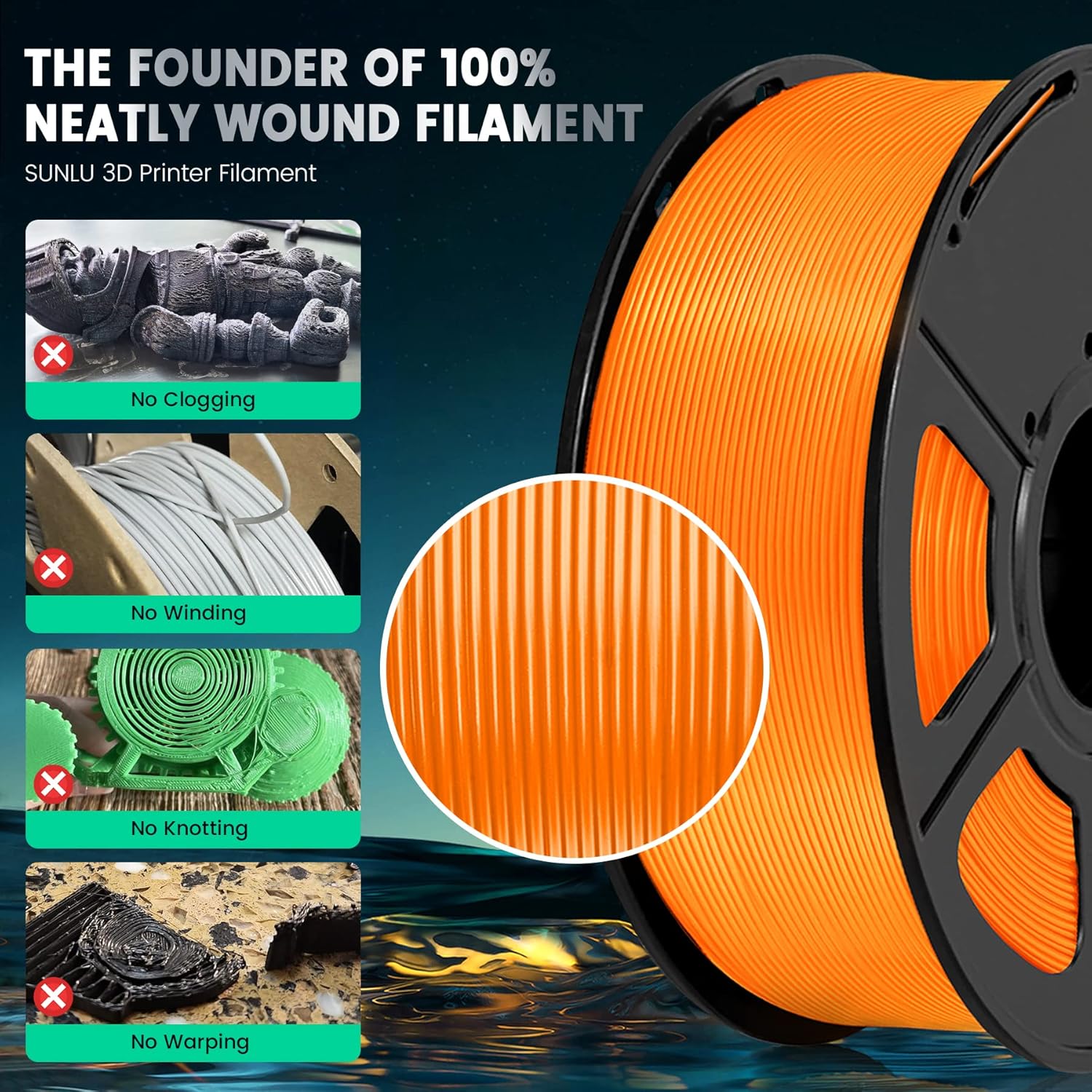
The description also points to good layer adhesion (which usually helps with strength and reduces weak seams) and a glossy finish. If you’ve ever had filament that gives you uneven extrusion or bleeding, the “precision without effort” angle is clearly aimed at reducing common PLA frustrations such as stringing, blobbing/oozing, and irregular flow.
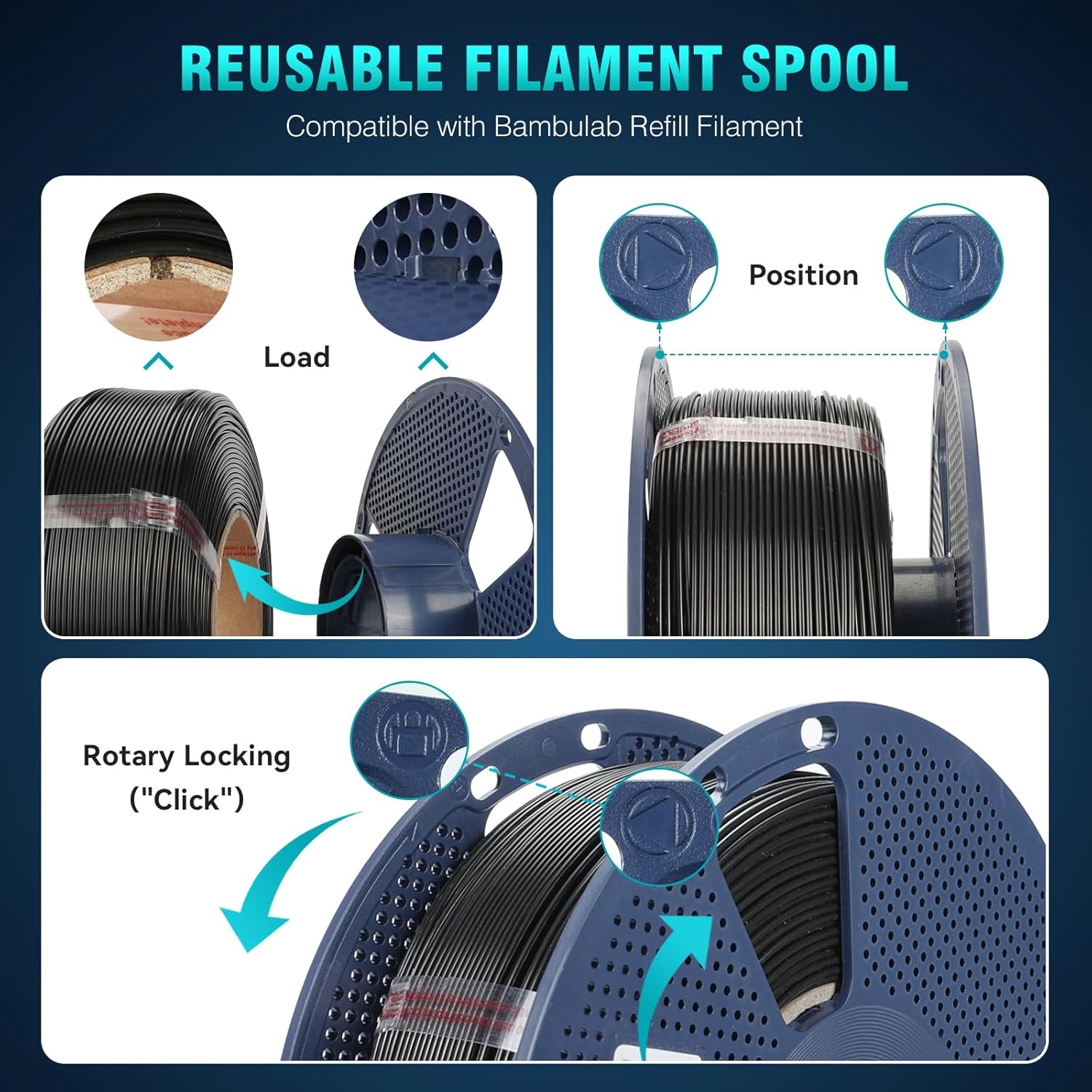
And because the filament is sealed in vacuum packaging, the “keeping it dry” part matters if your printer setup isn’t in a humidity-controlled space. It can make day-to-day printing more consistent from spool to spool.
Tech specs (key requirements)
- Name: SUNLU PLA+ Filament
- Type: PLA Plus 3D printer filament (FDM)
- Format: 1.75mm
- Capacity: 1kg spool
- Colour: Grey
- Recommended nozzle temperature: 205–220°C
- Recommended print speed: 100–300 mm/s
Compatibility and settings that matter
SUNLU PLA+ is described as compatible with most FDM printers. That’s helpful, but it’s still wise to check your machine’s typical PLA/PLA+ range and how it behaves with 1.75mm feed.
Where people often lose time is not with the spool itself, but with tuning: nozzle temperature and print speed. The recommended window given here (205–220°C and 100–300 mm/s) is a useful starting point. If your machine tends to run hot or cold, you may need to nudge settings to reduce stringing or improve surface finish.
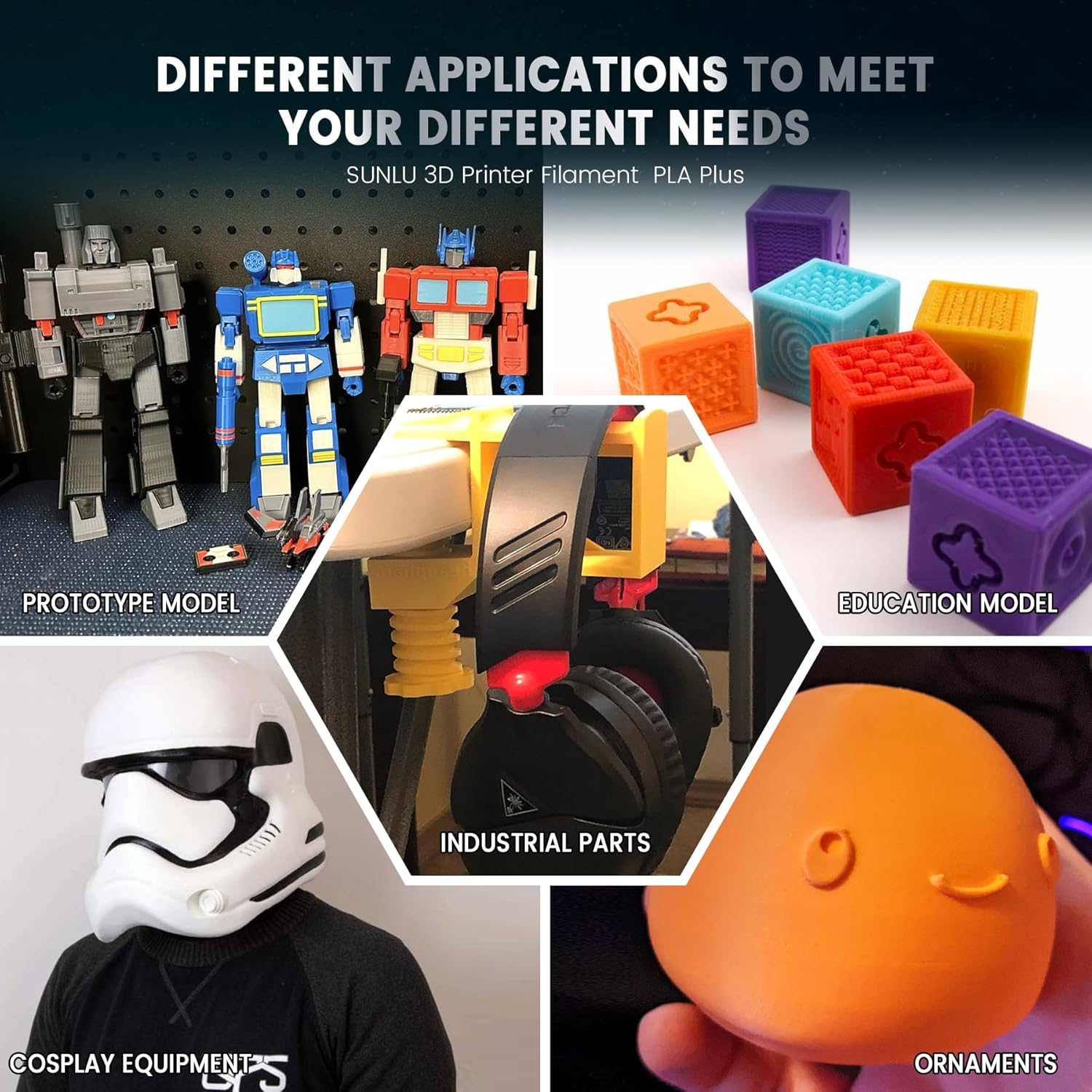
Here’s a concrete micro-scenario: if you’re printing a small gear or a detailed bracket, sticking closer to the middle of the nozzle range can help maintain consistent extrusion so the teeth or edges don’t turn fuzzy. Then, if you see extra wisps, lowering speed slightly within that 100–300 mm/s band can help control it.
Where it shines (and where it may fall short)
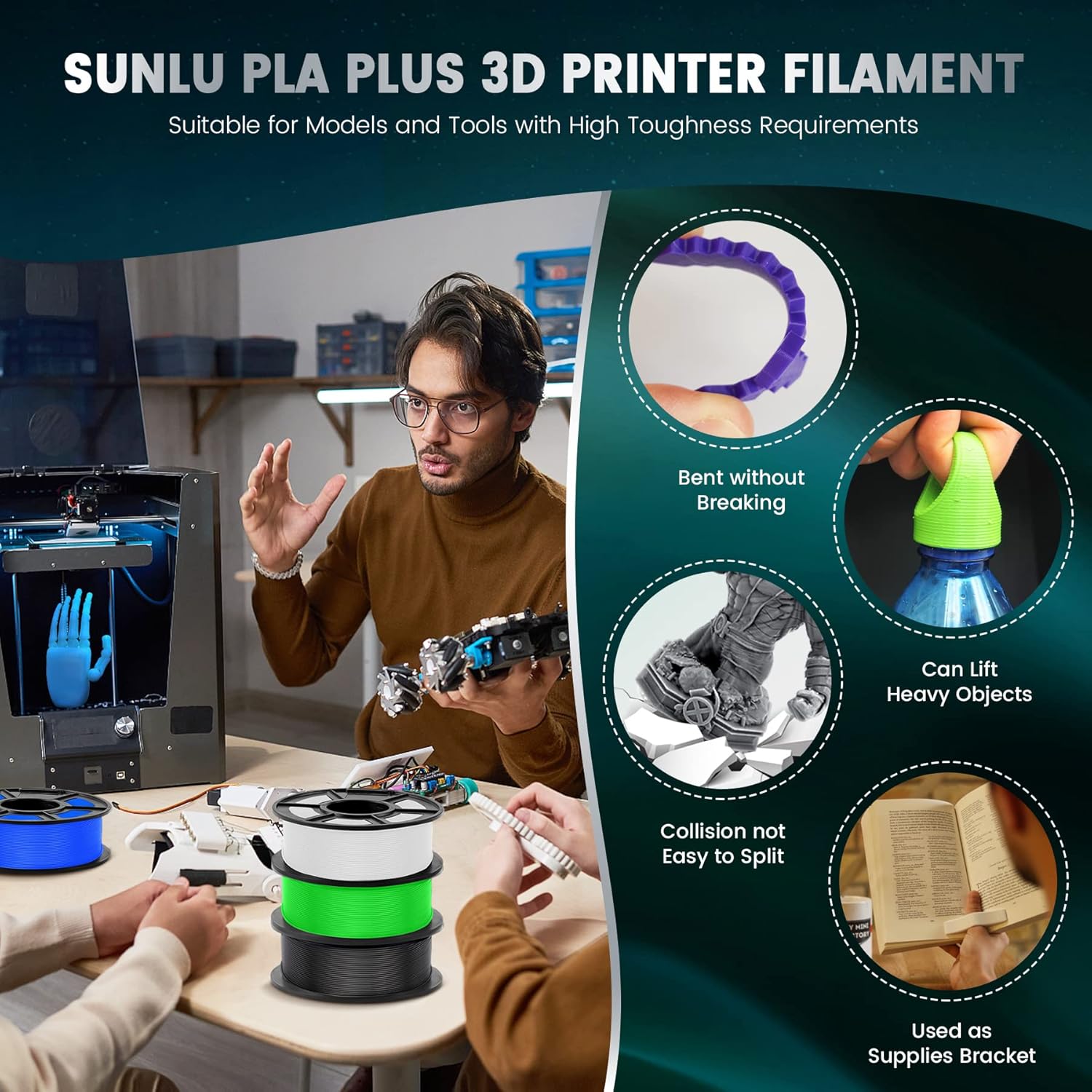
It makes sense if you want a PLA+ filament that leans into stronger structure than regular PLA, while still targeting sharp details and a glossy look. The “high strength” positioning is especially relevant for projects where you’d normally settle for standard PLA but wish it felt less brittle.
However, it may not be the best match if you need truly high-performance engineering properties. PLA+ can be a step up, but it’s still a pragmatic filament. Also, if you’re chasing matte, ultra-fine cosmetic printing as the only goal, you might find other filament types (or different surface-finish strategies) more suited—this one is more about durability plus tidy extrusion.
Is it worth it?
A solid pick if you’re printing on an FDM printer and you want PLA+ in 1.75mm that’s designed for reliable layer adhesion, strong structure, and detailed results—especially for small functional parts, prototypes, and repeatable multi-part prints.
You may want to skip it if your parts will face demanding conditions where PLA-based materials struggle, or if you’re already set on a different filament category for reasons that go beyond strength and print cleanliness.
The best approach is to treat this as a practical upgrade from standard PLA: buy it when you want better robustness and consistent extrusion without needing to redesign your whole printing workflow.
Mini FAQ
Is SUNLU PLA+ suitable for functional parts?
Based on the emphasis on durability and higher strength versus standard PLA, it’s positioned as a better choice for parts that need to survive handling better than basic PLA.
What nozzle temperature should I use?
The recommended nozzle temperature range is 205–220°C. That’s a sensible starting point for getting steady extrusion.
Will it work with most FDM printers?
The description says it’s compatible with most FDM printers, but it’s still worth confirming your printer supports 1.75mm filament and can run within the stated temperature/speed range.
Does the vacuum packaging actually help?
It’s intended to protect against moisture and preserve print quality from factory to printer, which can be useful if your environment isn’t very dry.
Why choose PLA+ over plain PLA?
If your main complaint with plain PLA is that parts feel too brittle or seams look weak, PLA+ is presented as the stronger, more durable alternative.