

ANYCUBIC PLA Filament 1.75mm – 1kg Spool for 3D Printing
Product description
What kind of product is this and what problem does it solve?
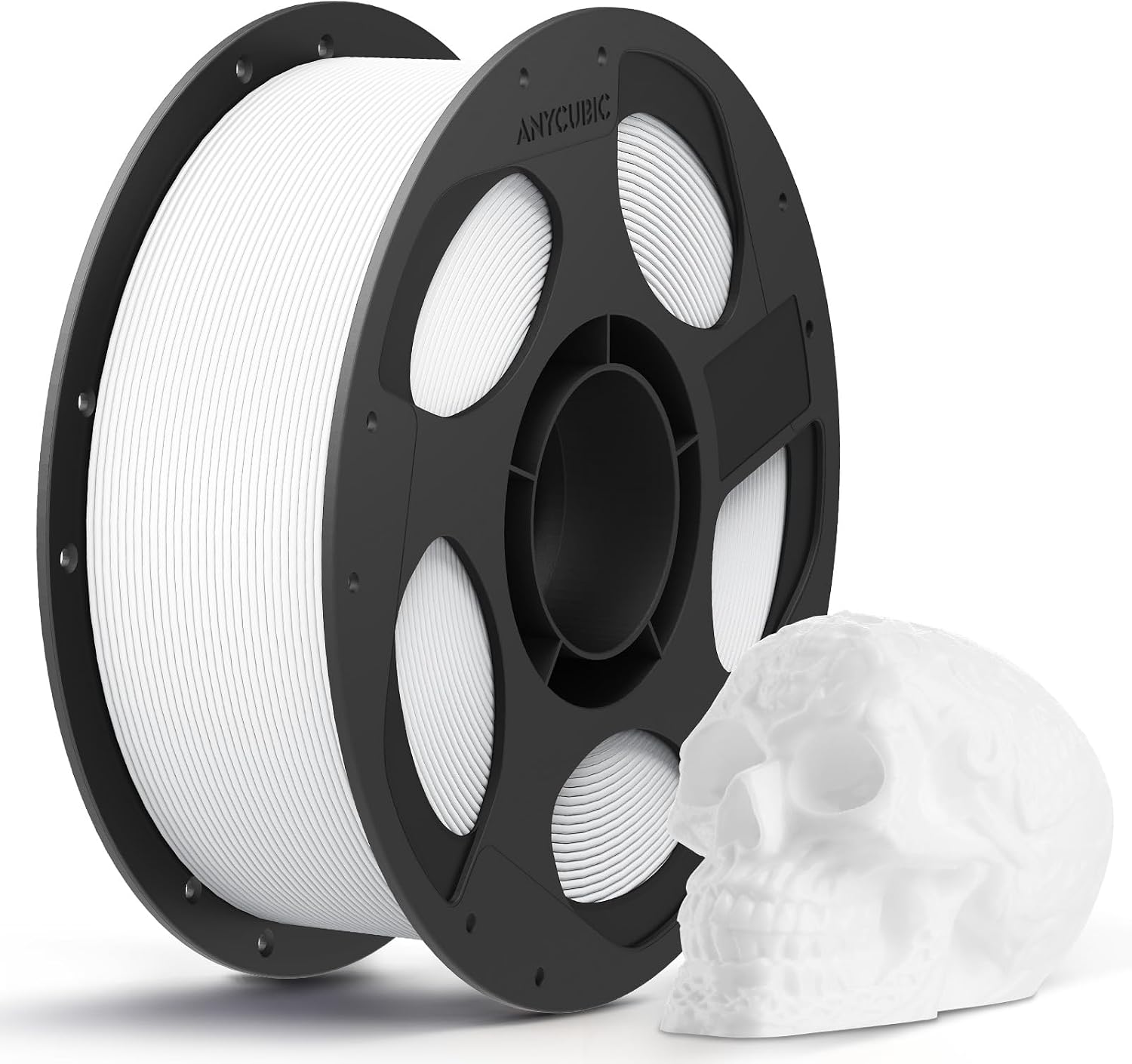
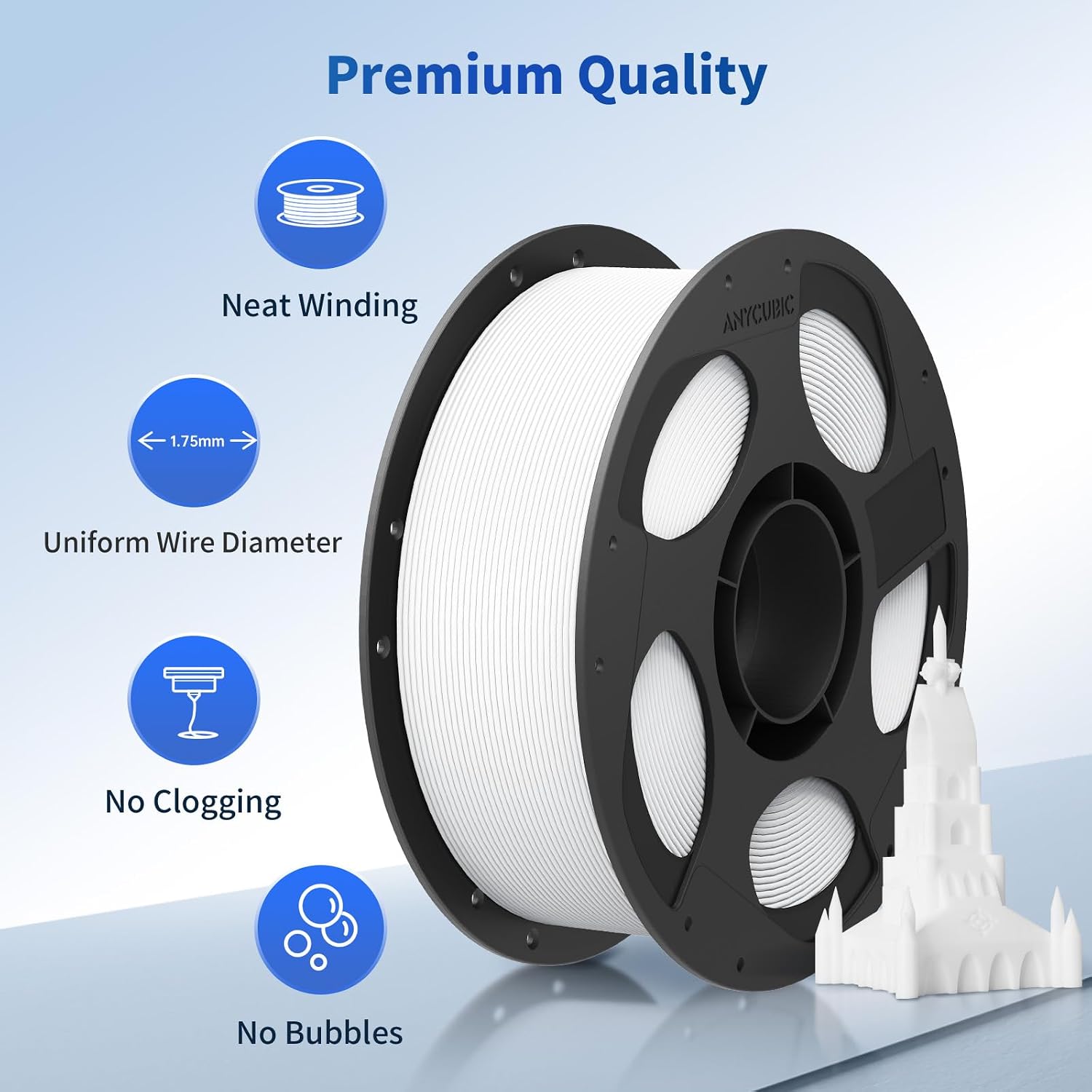
ANYCUBIC PLA Filament is a 1.75mm 3D printing material supplied on a 1kg spool. It’s designed to deliver smooth, consistent extrusion with a tight dimensional tolerance, helping prints come out with even layers and minimal warping. For makers and hobbyists who want reliable outputs without fuss, this PLA aims to provide a straightforward option that works well with the majority of FDM printers that accept 1.75mm filament.
How it performs on the page
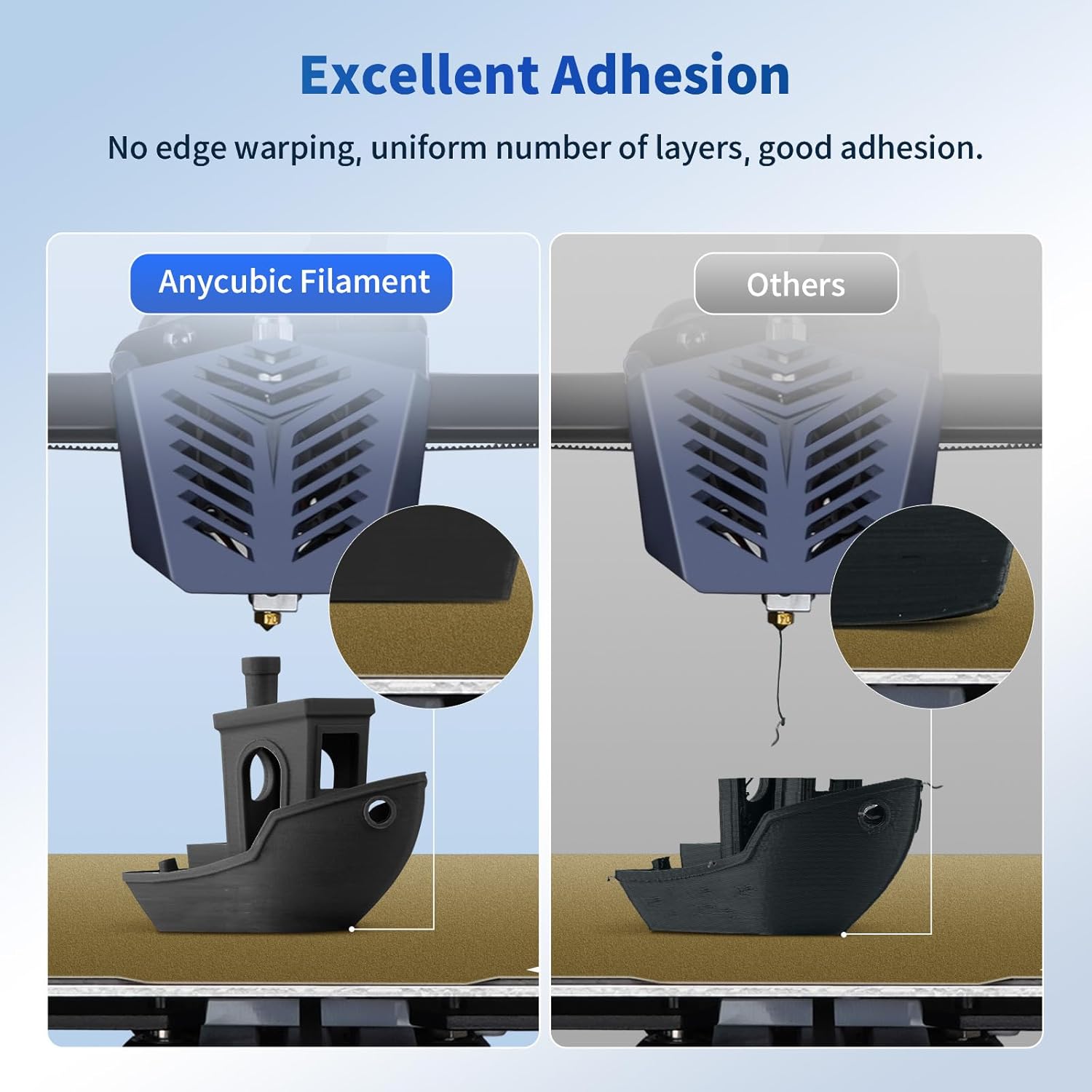
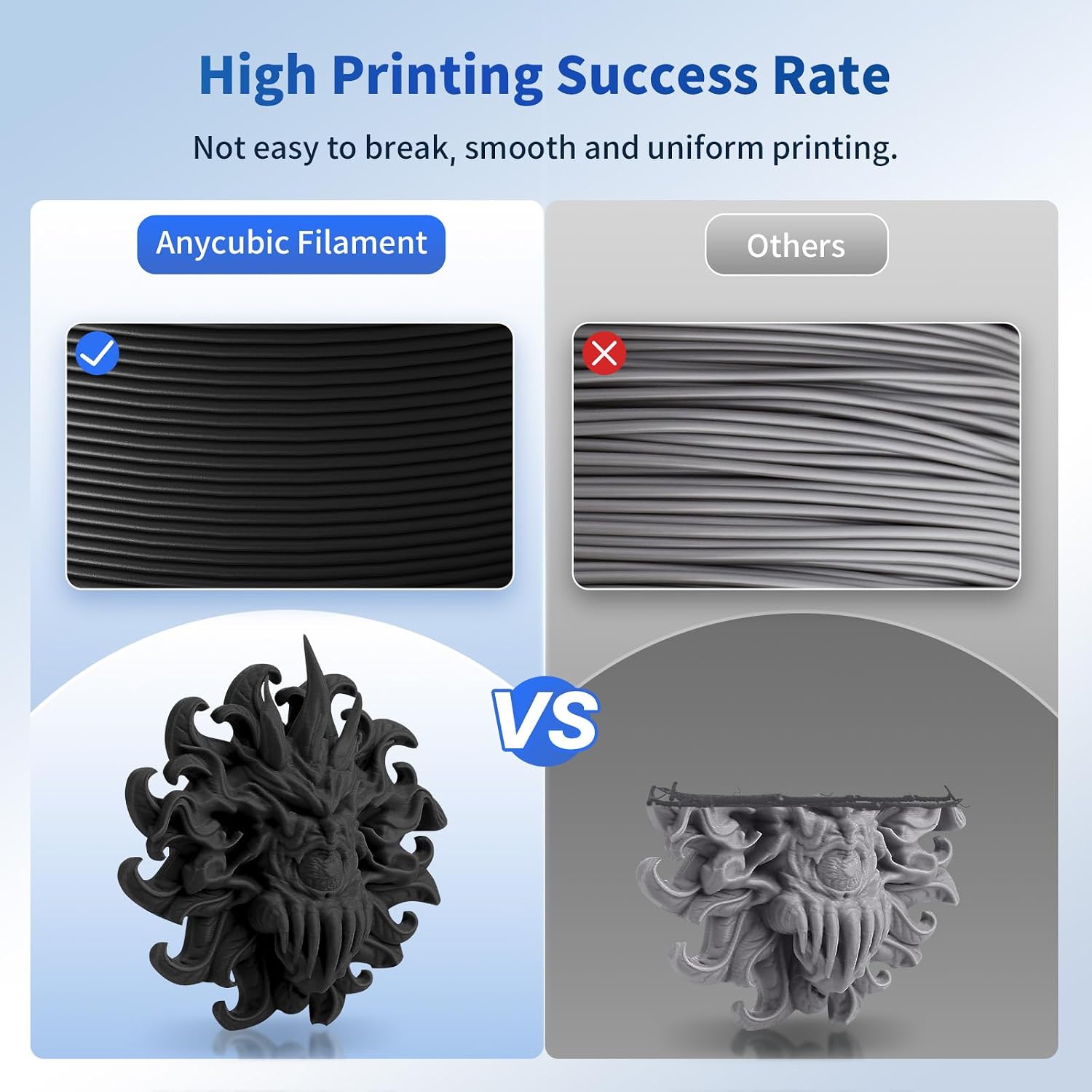
On the face of it, the filament claims a dimensional tolerance of +/- 0.02mm. In practice, that kind of precision translates to steadier flow through the nozzle and less drift in layer thickness, which can reduce the annoying need to compensate in slicer settings mid-print. The result should be smoother layer bonding and a cleaner surface finish, particularly when you’re pushing for bridging and overhangs. It also touts low shrinkage and stable print dimensions, which helps maintain consistent bridging and reduces the risk of surprises in taller prints.
What stands out and what may hold you back
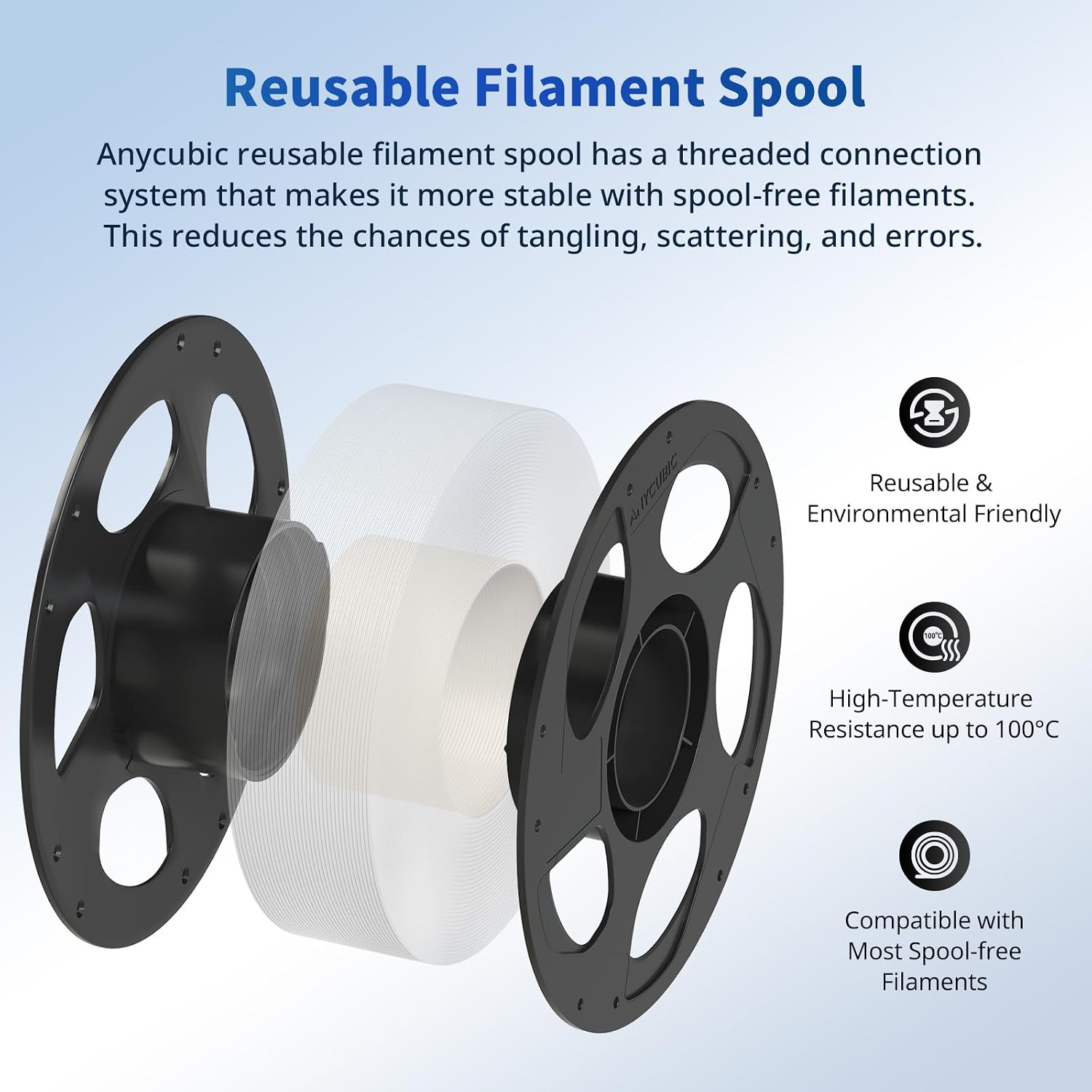
The spool presentation is described as neat, with the filament tending to unwind without tangling, which lowers the chances of feed stoppages and stringing caused by messy spools. A notable claim is that it produces the cleanest, least stringing prints among filaments you’ve used, while resisting warping and delivering a glossier finish. It’s important to keep expectations aligned here: results depend on printer calibration, ambient temperature, and print settings. If you’re after a perfect, drop-in replacement for a specific, high-end filament, be cautious—results can vary with different printers and environments.
Practical use and a typical user
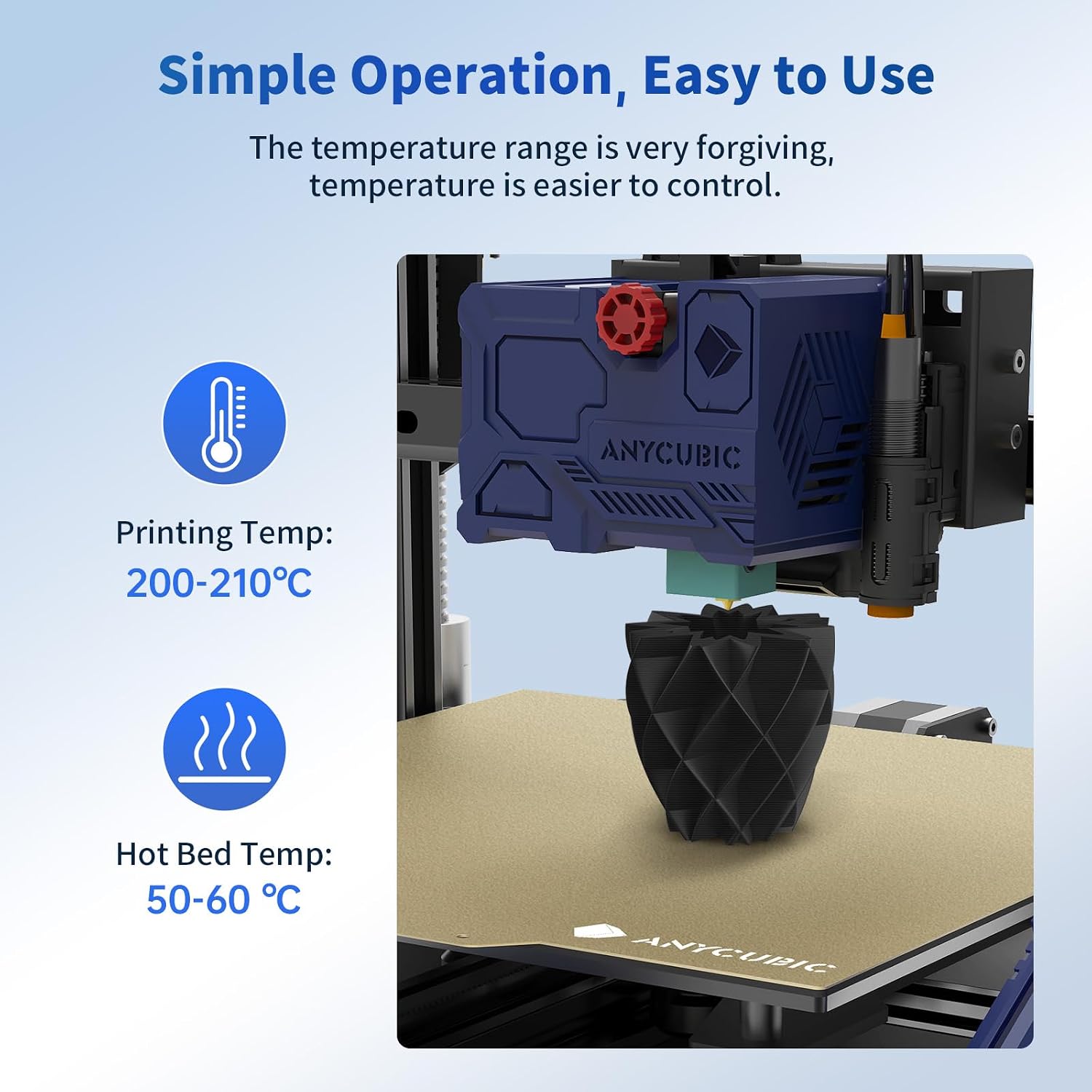
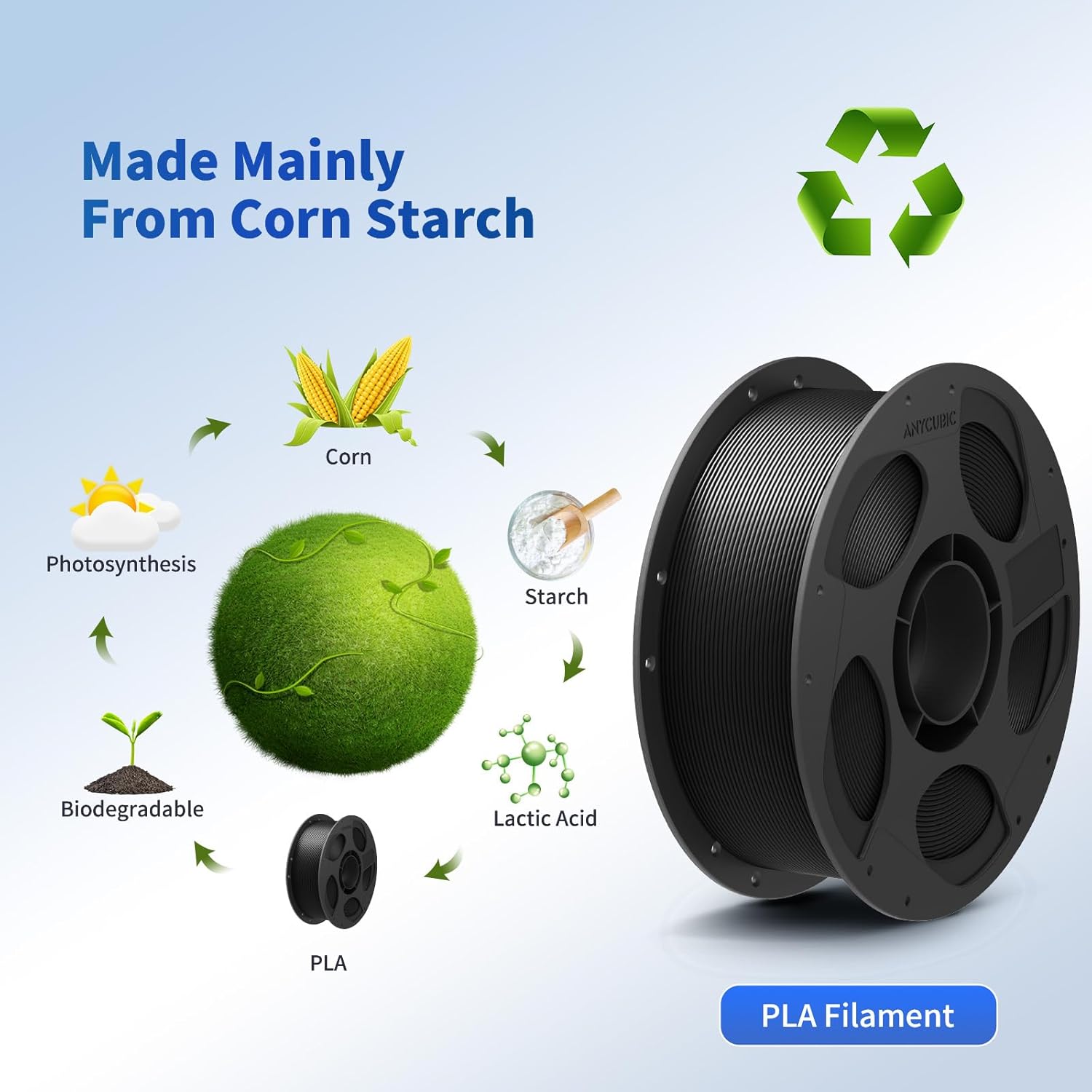
This PLA is generally suited to hobbyists, students, and makers who want a user-friendly material that doesn’t require a heated bed on many machines. The claim that PLA can print with lower ambient odour and non-toxic properties is attractive for classroom or home use where comfort matters. A practical workflow mentioned is to preheat the nozzle, trim the filament tip diagonally, and feed manually to the nozzle. One caveat: changing filaments still benefits from preheating the nozzle to reduce the risk of blockages, which is a small step some users forget.
Who it’s for and who might look elsewhere
If you’re new to 3D printing or you regularly print small-to-medium parts with good edge definition and a glossy finish, this material could be a sensible choice. It’s less ideal if you require extreme mechanical performance or high-temperature resistance—PLA in general isn’t the strongest thermally or in heat resistance compared with some other plastics. You may also prefer a different brand if you have an unusually crawly or inconsistent extruder design, or if your printer is extremely finicky about filament diameter.
What to review before you buy
- Confirm your printer uses 1.75mm filament and can handle PLA at reasonable print temperatures.
- Check that your bed level and retraction settings are tuned to minimise stringing, as even small changes can influence surface finish with PLA.
- Consider ambient conditions: PLA can behave differently with temperature fluctuations, which may affect dimensional stability slightly.
- Be mindful of storage after opening, the description mentions vacuum sealing with desiccants to keep dryness, which is useful for consistency.
How this compares to other approaches
Compared with a general-purpose filament, the emphasis here is on dimensional stability and a tidier spool, which can reduce maintenance during longer print sessions. If you prioritise absolute mechanical strength or heat resistance, you might look to alternatives that offer higher glass transition temperatures. For everyday projects—enclosures, figurines, or cosmetic parts—PLA remains a practical option, especially when you value ease of use and a clean aesthetic finish.
Quick decision guide
- When yes: you want a reliable, easy-to-handle PLA that prints cleanly with a gloss finish and minimal warping, on a wide range of FDM printers.
- When no: you need parts that endure high temperatures or require advanced mechanical properties beyond typical PLA performance.
- Who benefits: hobbyists, educators, and makers seeking straightforward, predictable results for general-purpose prints.
- Who should consider alternatives: users seeking high-heat performance, or specialised filaments with specific chemical or mechanical specs.
FAQ (practical notes)
- Is it compatible with most 1.75mm 3D printers? Yes, it is designed for that diameter and is widely compatible with common FDM printers.
- Does it require a heated bed? PLA commonly prints with or without a heated bed depending on the printer, this filament notes lower melting temperatures and broad compatibility, but always follow your printer’s PLA guidelines.
- What about warping and stringing? The claims suggest good resistance to warping and low stringing, though results will depend on calibration and settings.
- How should I store the filament? The packaging mentions vacuum sealing with desiccants to keep it dry, reuse of desiccants and proper storage is advisable.
Final buying decision
Is it worth it? It makes sense if you prioritise reliable, clean PLA prints with straightforward handling and a tidy spool experience. It’s a sensible option for everyday projects where ease of use and good surface finish are valued, provided you don’t need high-temperature performance or extreme mechanical strength.