

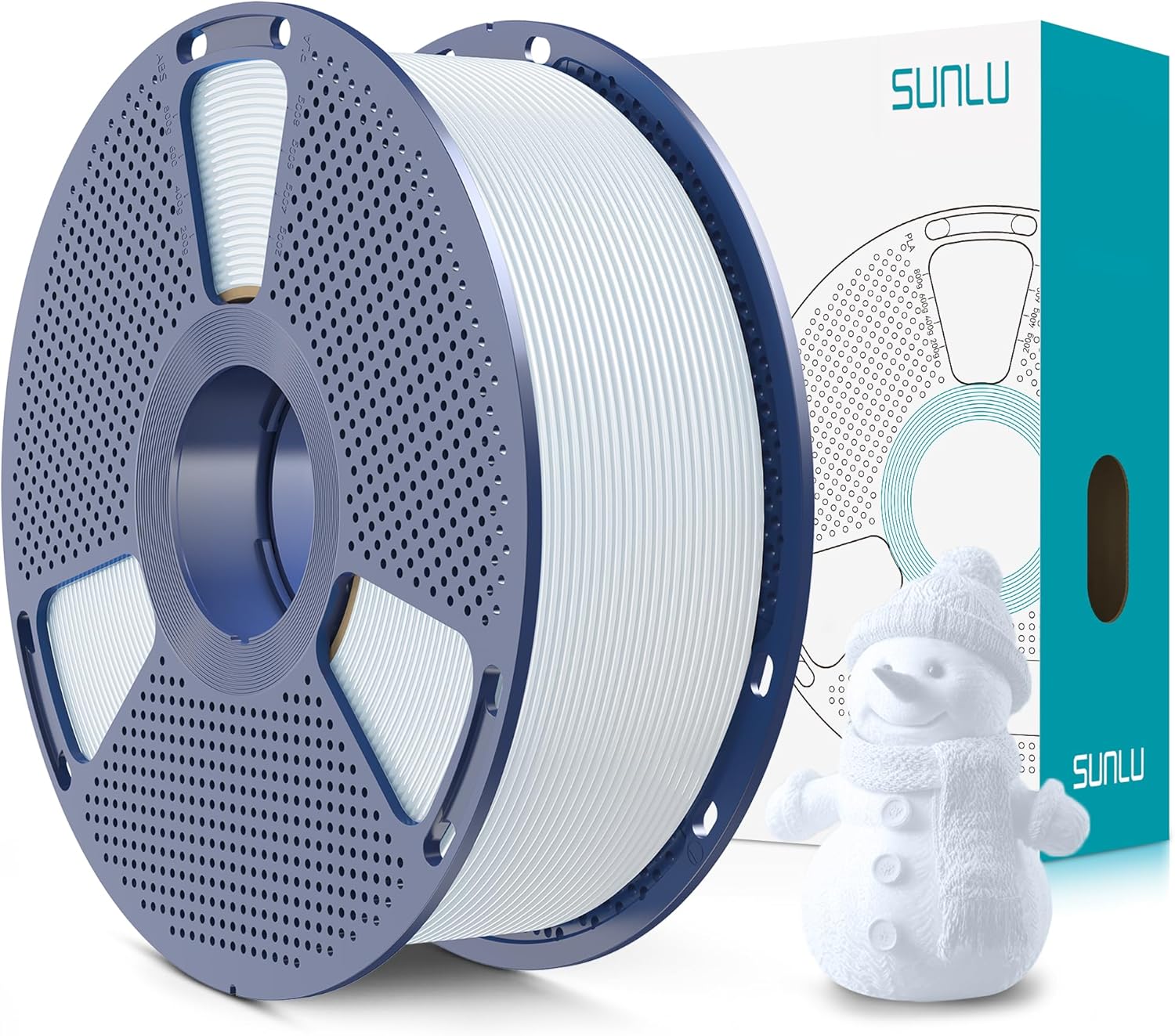
SUNLU PLA+2.0 Filament — 1.75mm, 1kg Spool, Ceramic White
Product description
What it is and what it’s for
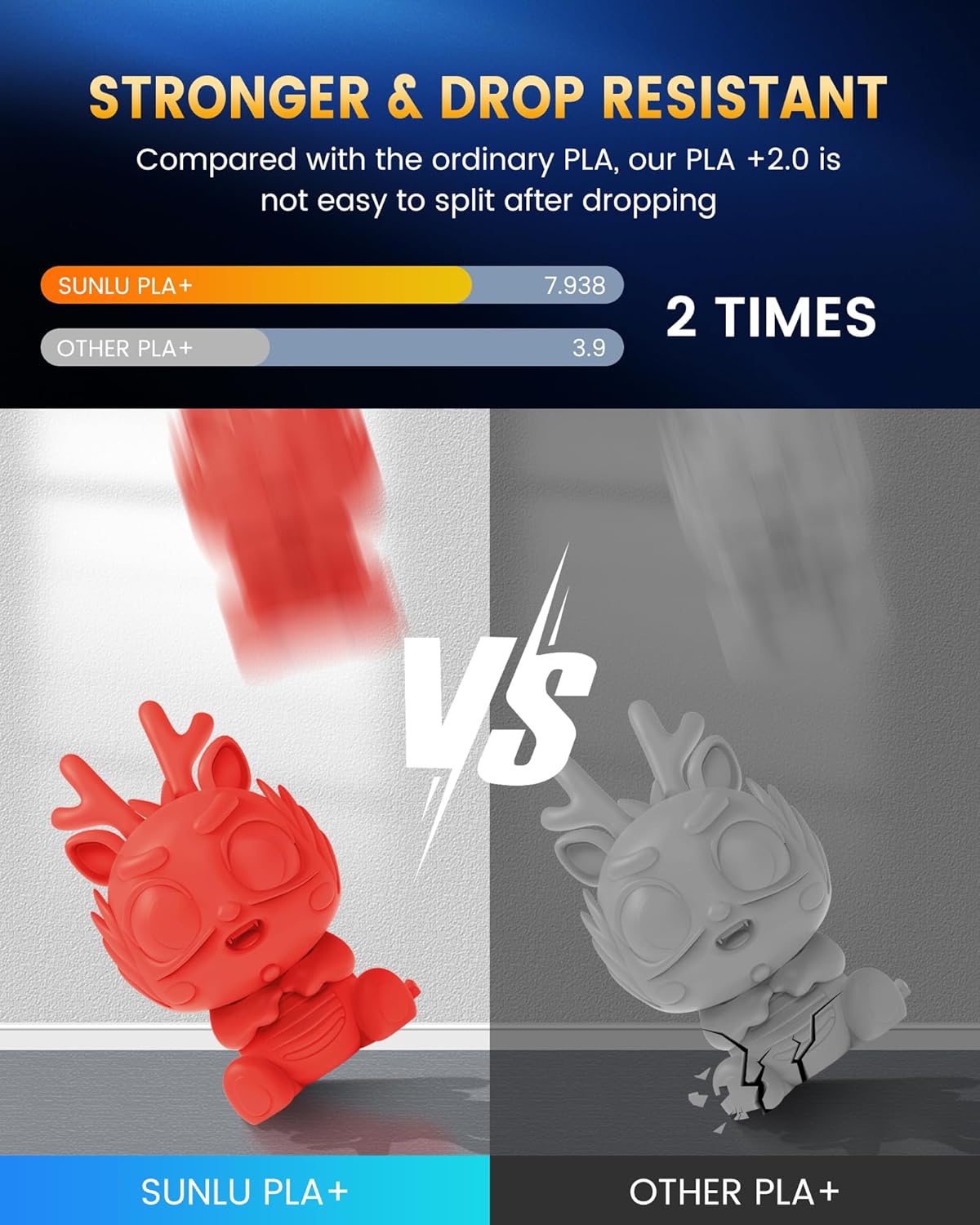
SUNLU PLA+2.0 is an upgraded 1.75mm PLA+ filament designed for FDM 3D printers. It’s pitched as tougher than standard PLA+, aiming to reduce brittleness and cracking while delivering stronger, more durable prints. With a 1kg spool, it’s suitable for a range of projects from high‑precision models to functional parts and decorative pieces.
How it performs in use
On paper, SUNLU emphasises fast printing thanks to improved flow, with speeds up to 300mm/s and recommended settings of 205–220°C nozzle temperature and 50–60°C bed temperature. The filament is said to melt quickly and flow smoothly, which can help you finish larger or more complex prints without excessive stringing or jams. A notable claim is the neatly wound design, intended to minimise tangling and reduce the risk of clogging during long print runs.
What stands out (pros)
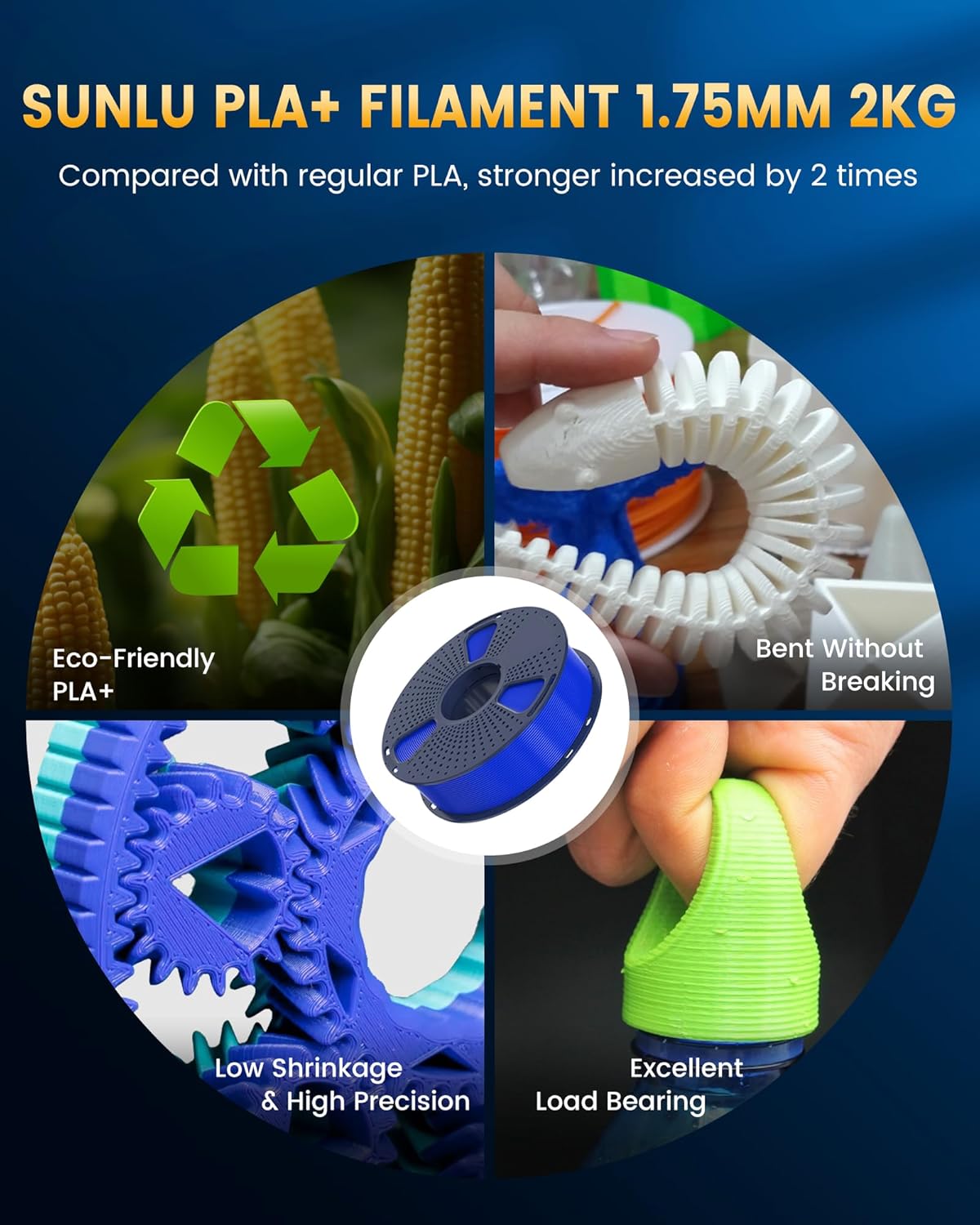
- Tougher than standard PLA+ with reduced brittleness and cracking, which can translate to sturdier end parts.
- Claims faster printing without compromising quality, which helps when you’re chasing throughput.
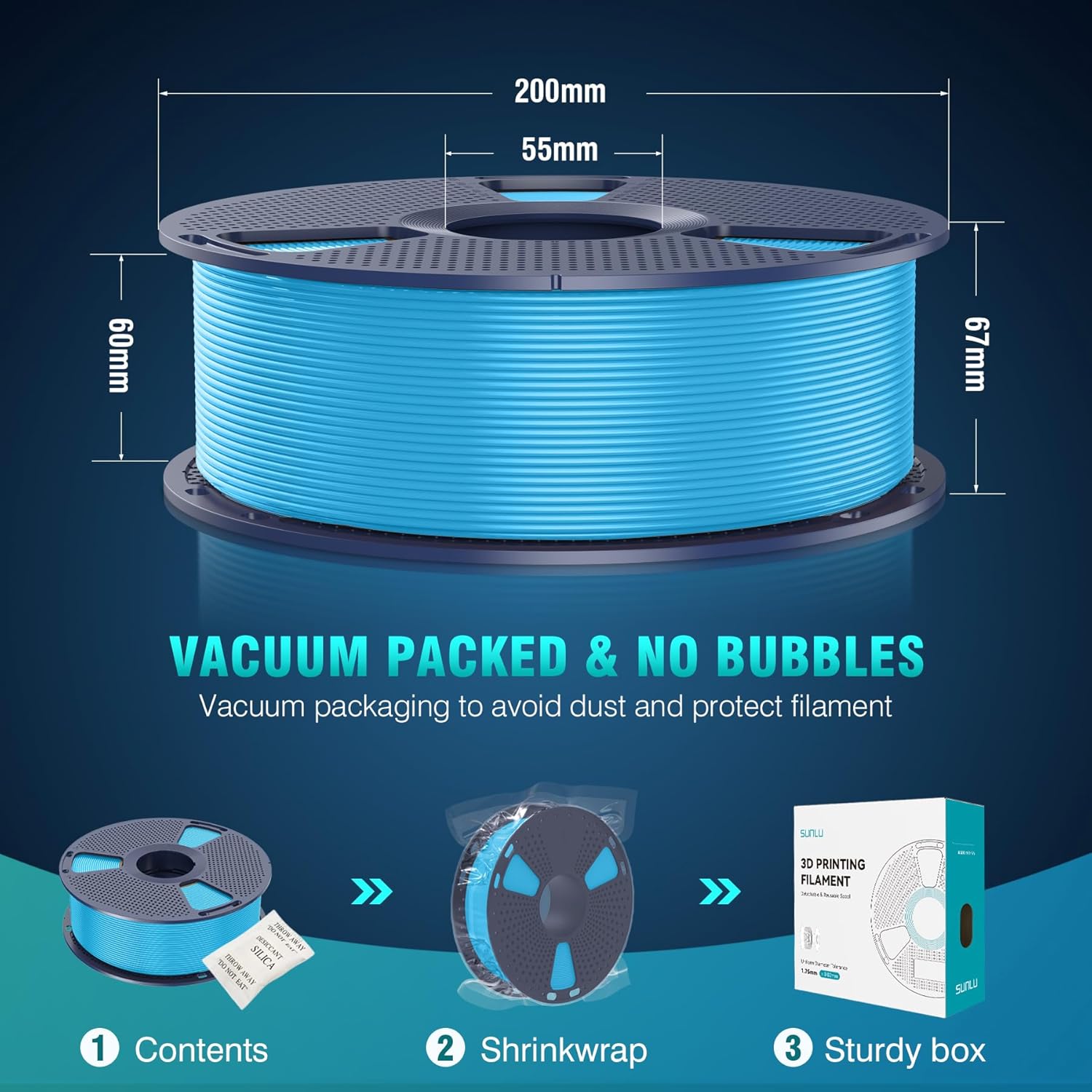
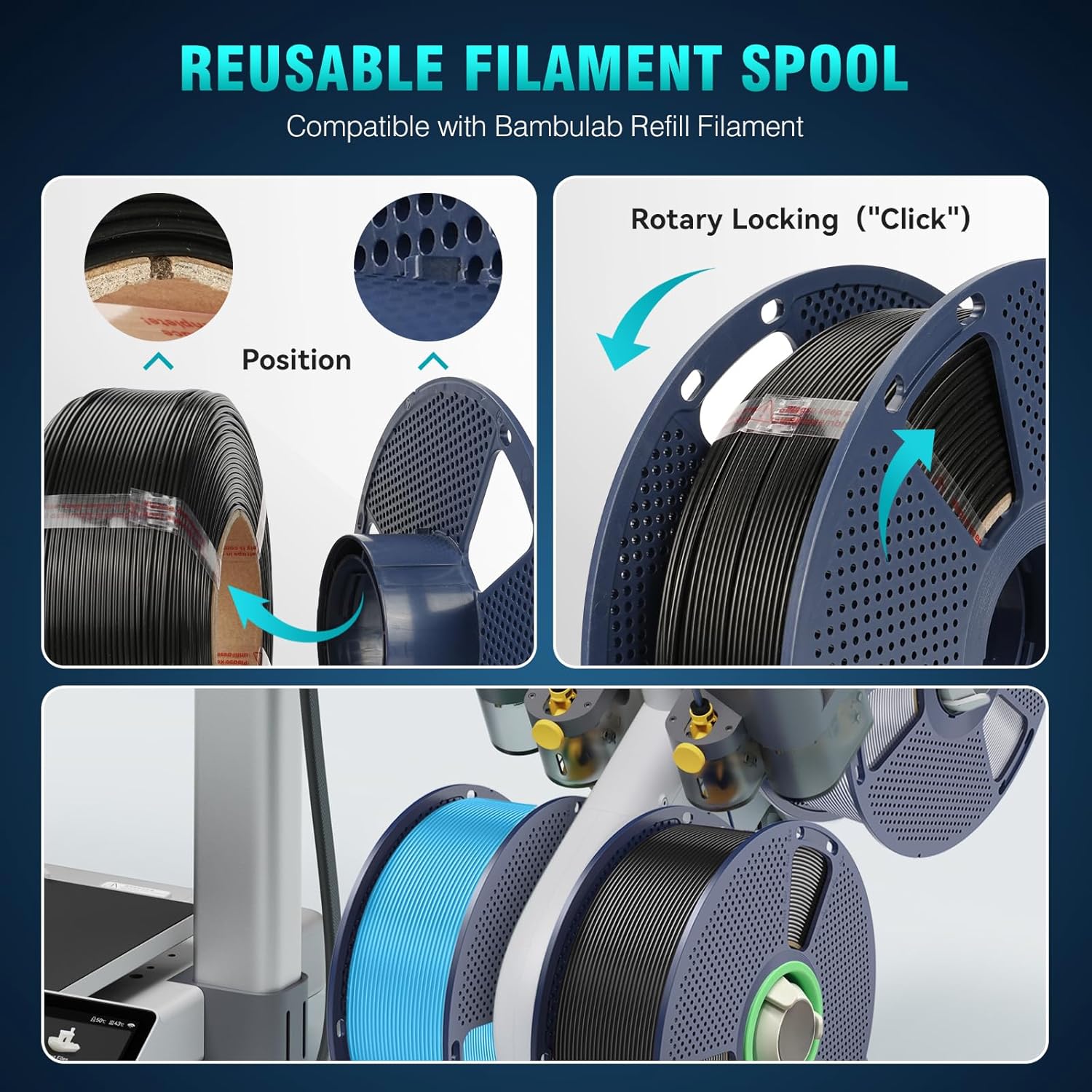
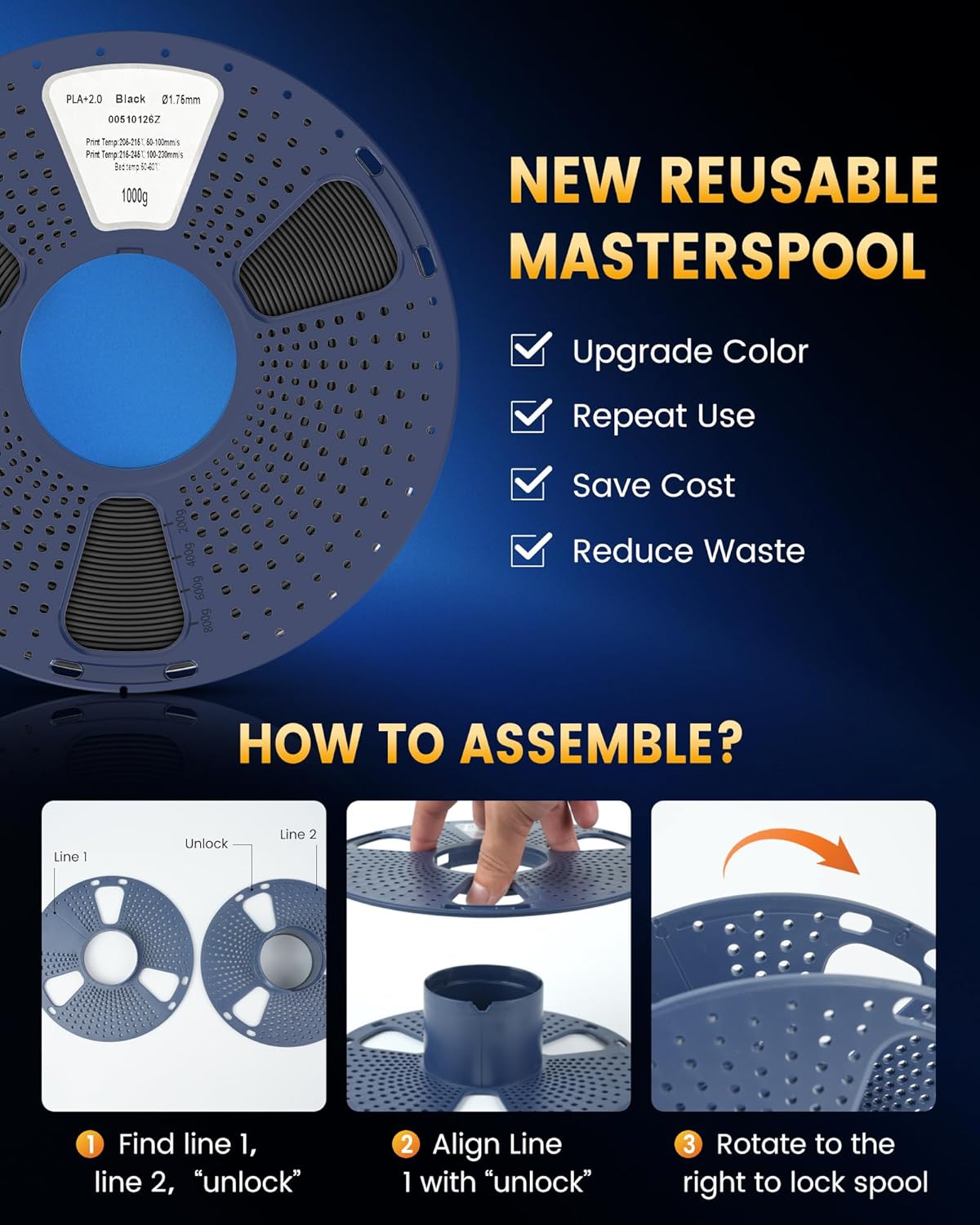
- Neatly wound spool design aims to improve feeding reliability and minimise jams.
- Tight dimensional accuracy stated at +/-0.02mm, potentially improving fit in assemblies.
- Broad applicability for high-precision models, functional parts, and decorative items.
Where it may fall short (cons)
- The improvement over regular PLA+ is stated on paper, real-world performance can vary with printers, hotends, and environmental factors.
- As with many PLA+ blends, performance can depend on calibration, pushing speeds toward the upper end (near 300mm/s) may require careful tuning.
- No data on moisture resistance or long-term durability beyond brittleness improvements, so expect typical PLA+ constraints in humid environments.
Who it’s for
This filament is likely suited to hobbyists and prosumers who want stronger PLA+ prints and faster job turnover without stepping up to more complex materials. If you print functional parts or assemblies that benefit from a bit more impact resistance, this could be a sensible choice.
Who may want to pass
If your prints demand high heat resistance, flexible or impact‑heavy parts, or you require materials with known chemical resistance, PLA+2.0 may not be the best fit. It’s also worth noting that the practical gains depend on printer setup, so absolute results can differ.
When it makes sense to buy
Consider SUNLU PLA+2.0 when you value a balance between ease of use and improved strength over standard PLA+. If you’re starting a project that requires sturdy parts but still want straightforward printing, this filament could be a good match.
What to check before purchasing
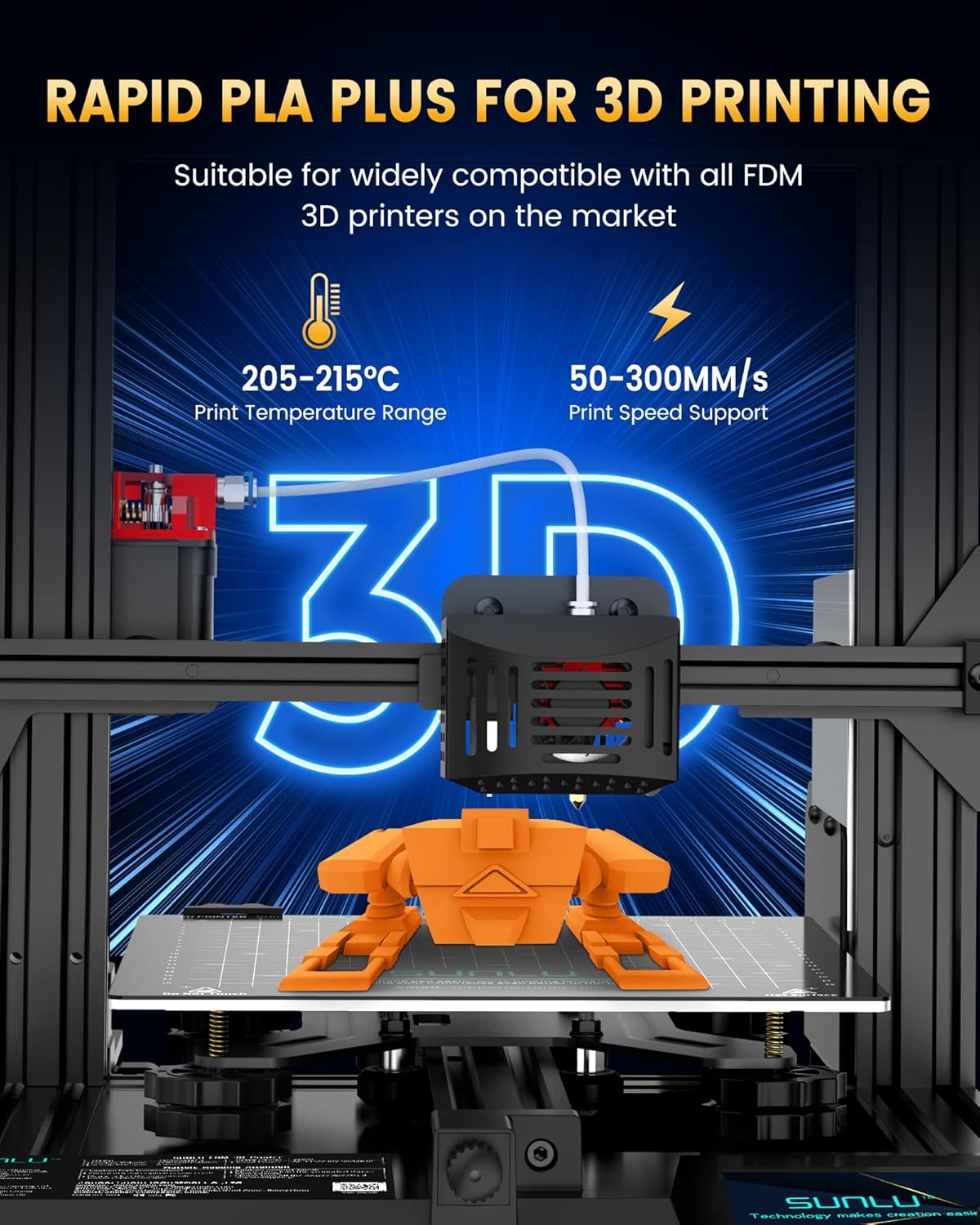
- Ensure your printer can handle 205–220°C nozzle temperatures and 50–60°C bed temperatures.
- Confirm your extrusion path operates smoothly at higher speeds if you plan to push toward the upper 300mm/s range.
- Factor in the 1kg spool size for your typical print volumes and storage conditions (keep dry, as with other PLA‑based materials).
Practical example in use
Imagine printing a lightweight yet sturdy enclosure or a tool handle that benefits from a bit more rigidity than standard PLA. With a neatly wound spool and a reliable feed, you might notice fewer pauses for re‑winding or clearing jams, allowing for a smoother print experience across several hours of work.
FAQ (brief)
- How fast can I print with SUNLU PLA+2.0? Up to 300mm/s is advertised, but real speeds depend on your nozzle size, cooling, and overall calibration.
- What temperature should I start with? A nozzle of 205–220°C and a bed of 50–60°C is recommended.
- Is this filament good for functional parts? Yes, it’s described as stronger and less brittle than standard PLA+, making it reasonable for functional components, subject to your design and printer setup.
Is it worth it?
Should you buy it? Worth considering if you prioritise stronger PLA+ performance and efficient printing without moving to more complex materials. It’s not the only option, but for straightforward upgrades in strength and reliability on 1.75mm printers, it represents a practical middle ground.