

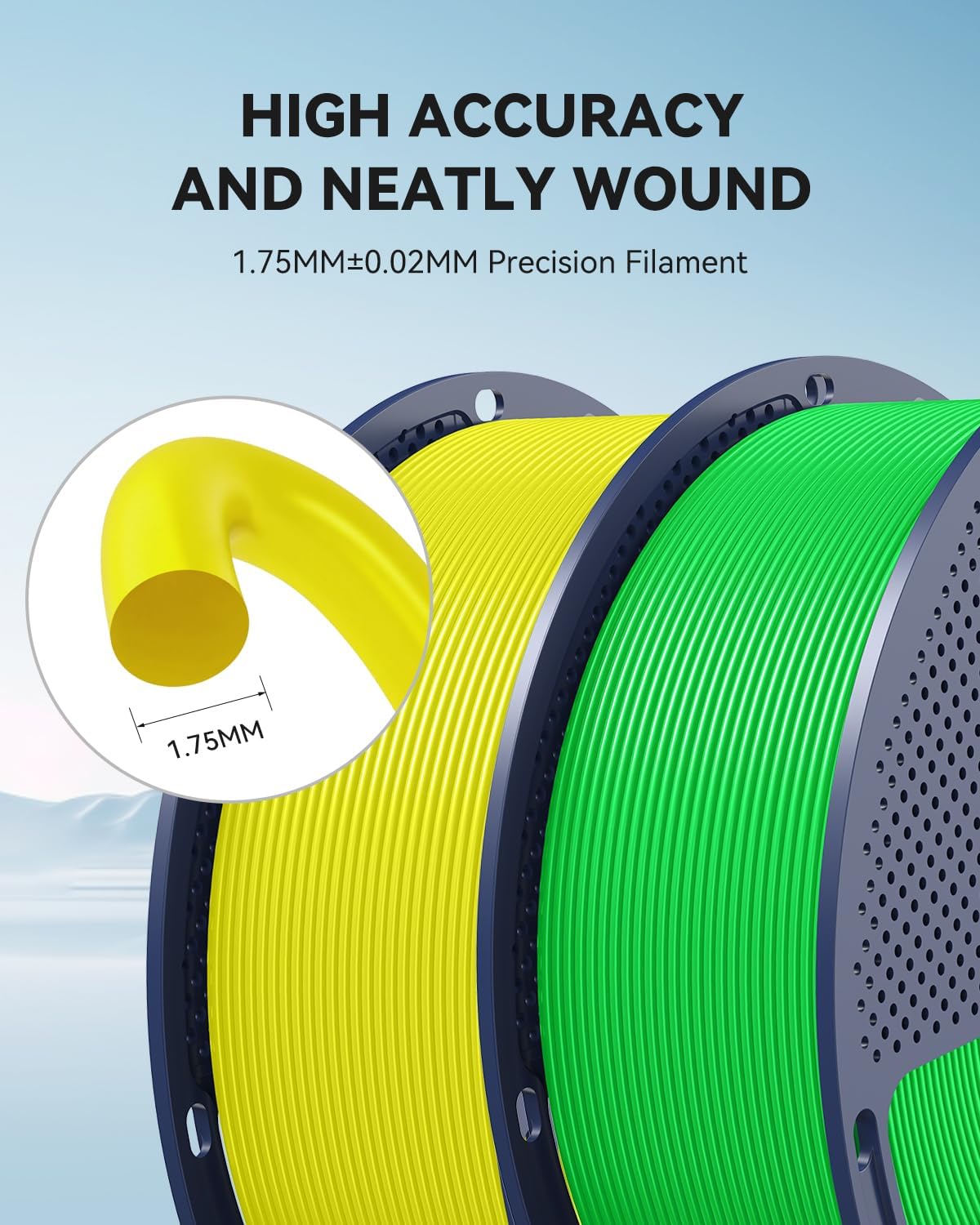
SUNLU Upgraded PLA+2.0 1.75mm Filament – 1kg Black, High Speed and Toughness
Product description
What it is
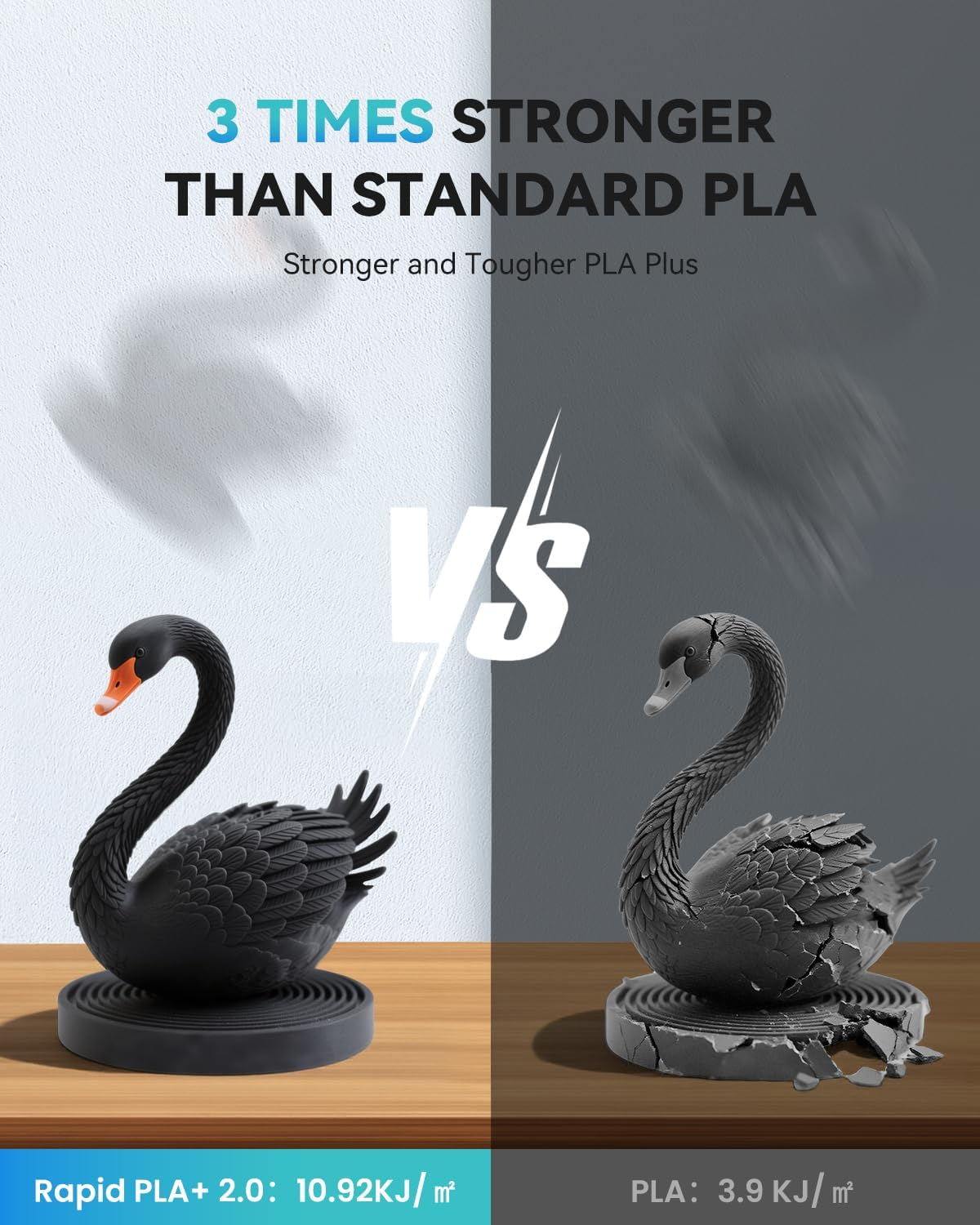
SUNLU Upgraded PLA+2.0 is a 1.75mm 3D printer filament designed to blend speed with stronger, more durable prints. Packaged on a 1kg spool in black, it aims to deliver better toughness than standard PLA+ while supporting higher print speeds. The product is marketed with a focus on high-speed printing, dimensional accuracy and a practical spool design that complements systems like the Bambu Lab X1 series.
How it is supposed to perform
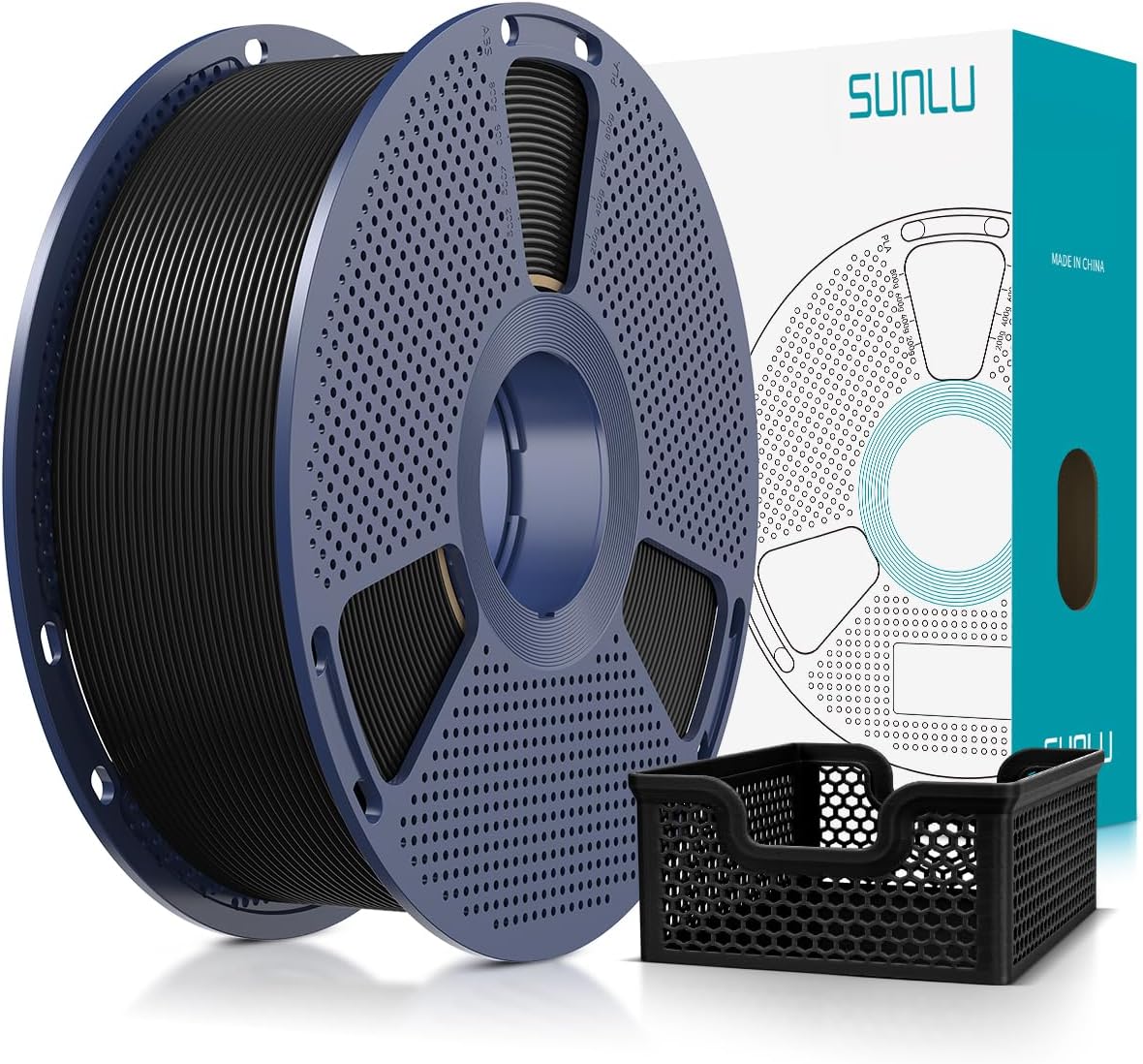
On paper, PLA+2.0 offers improved toughness—claimed as superior to standard PLA+—and a refined melt flow for faster extrusion. The filament is specified with a diameter tolerance of ±0.02mm, which is aimed at smoother surfaces and accurate part dimensions. The manufacturer emphasises a wide print range up to 600mm/s and low stringing, which, if realised, can translate to shorter print times for compatible printers. The vacuum-sealed packaging and included desiccant are meant to help resist moisture uptake, a common concern with hobby filaments.
What stands out
The upgraded formulation and tighter diameter tolerance address two common pain points: layer adhesion and dimensional accuracy in larger prints. The spool design is described as compatible with Bambu filament refills, featuring a removable inner core to simplify handling without re-spooling. This could reduce downtime between prints and improve workflow for users who swap materials frequently.
Potential limitations
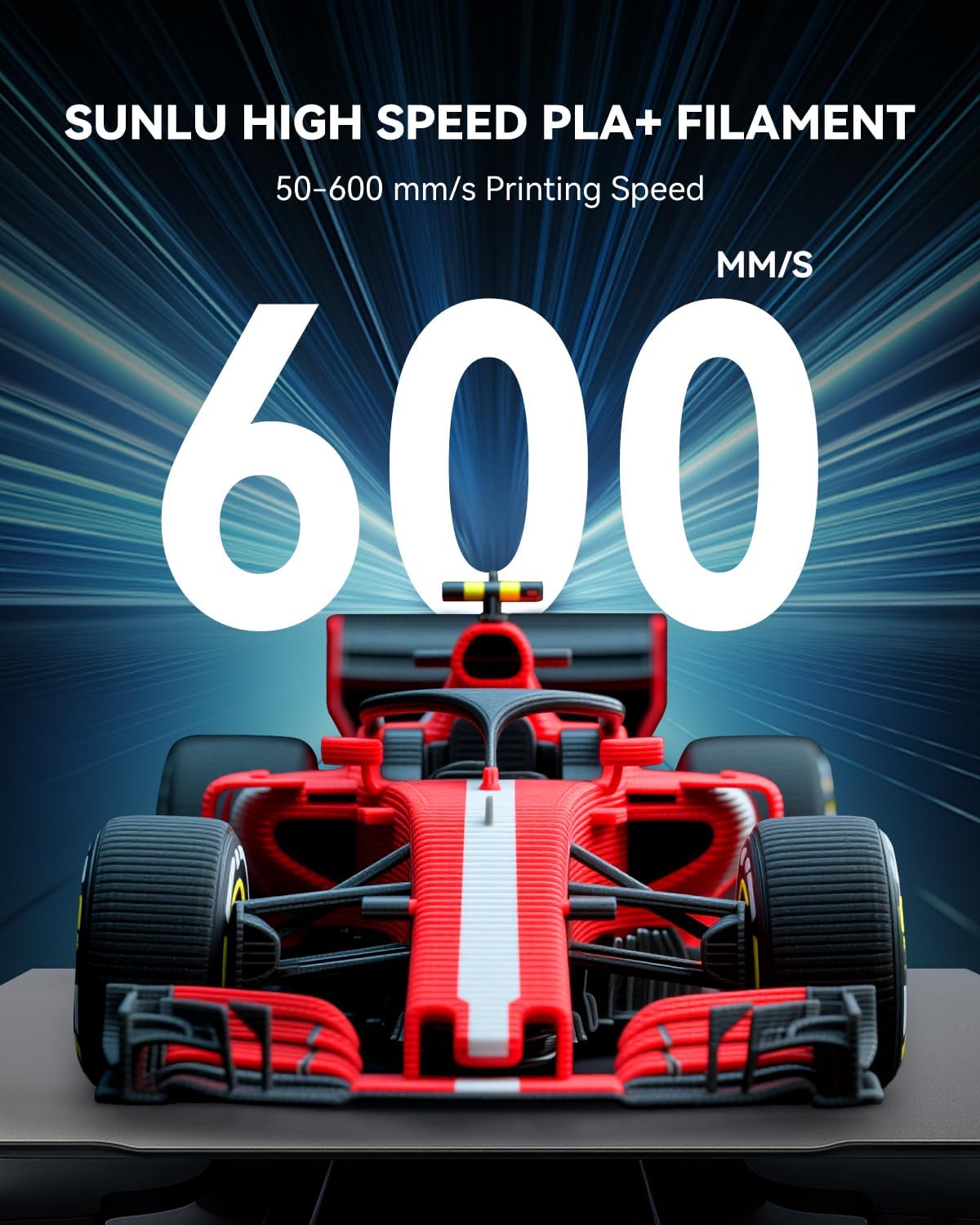
If you prioritise classic PLA printing at modest speeds, the benefits of PLA+2.0 may be less noticeable. Real-world results depend heavily on your printer’s extrusion system, temperature control and ambient conditions. The claim of performance up to 600mm/s is relevant for very specific high-speed setups, for typical desktop printers, the optimal speed will usually be much lower. Also, while toughened compared with standard PLA, PLA+2.0 is not a structural engineering material and is still a thermoplastic with more brittle tendencies compared to PETG or ABS in certain conditions.
Who it’s for
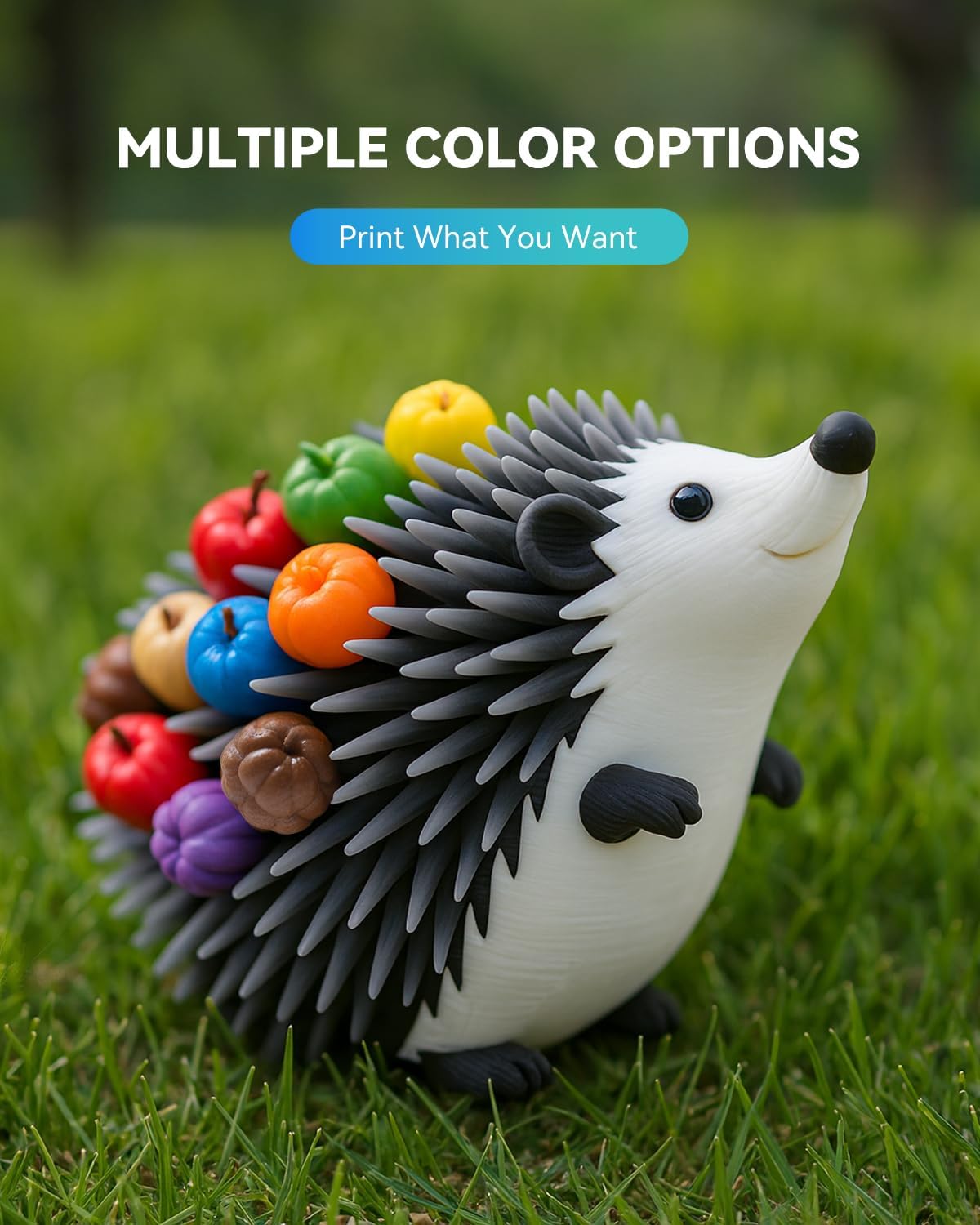
This filament seems suited to makers who want faster print jobs without sacrificing too much surface quality, and to users who print frequently with PLA+ on robust or larger parts. It may appeal to hobbyists and schools looking for reliable, easy-to-handle material that tolerates high-speed printing on capable machines.
Who it isn’t for
If your priority is maximum impact resistance, heat resistance, or the absolute best dimensional stability under load, this PLA+2.0 may not meet those specialised needs. Also, if your printer is not designed for high-speed extrusion, the purported benefits could be limited.
When it makes sense to buy
Consider SUNLU PLA+2.0 if you have a compatible high-speed setup and you want shorter print times without a heavy trade-off in surface finish. It’s reasonable to test on smaller prints first to gauge how it behaves with your particular nozzle, temperature, and cooling model.
Before you buy, check these points
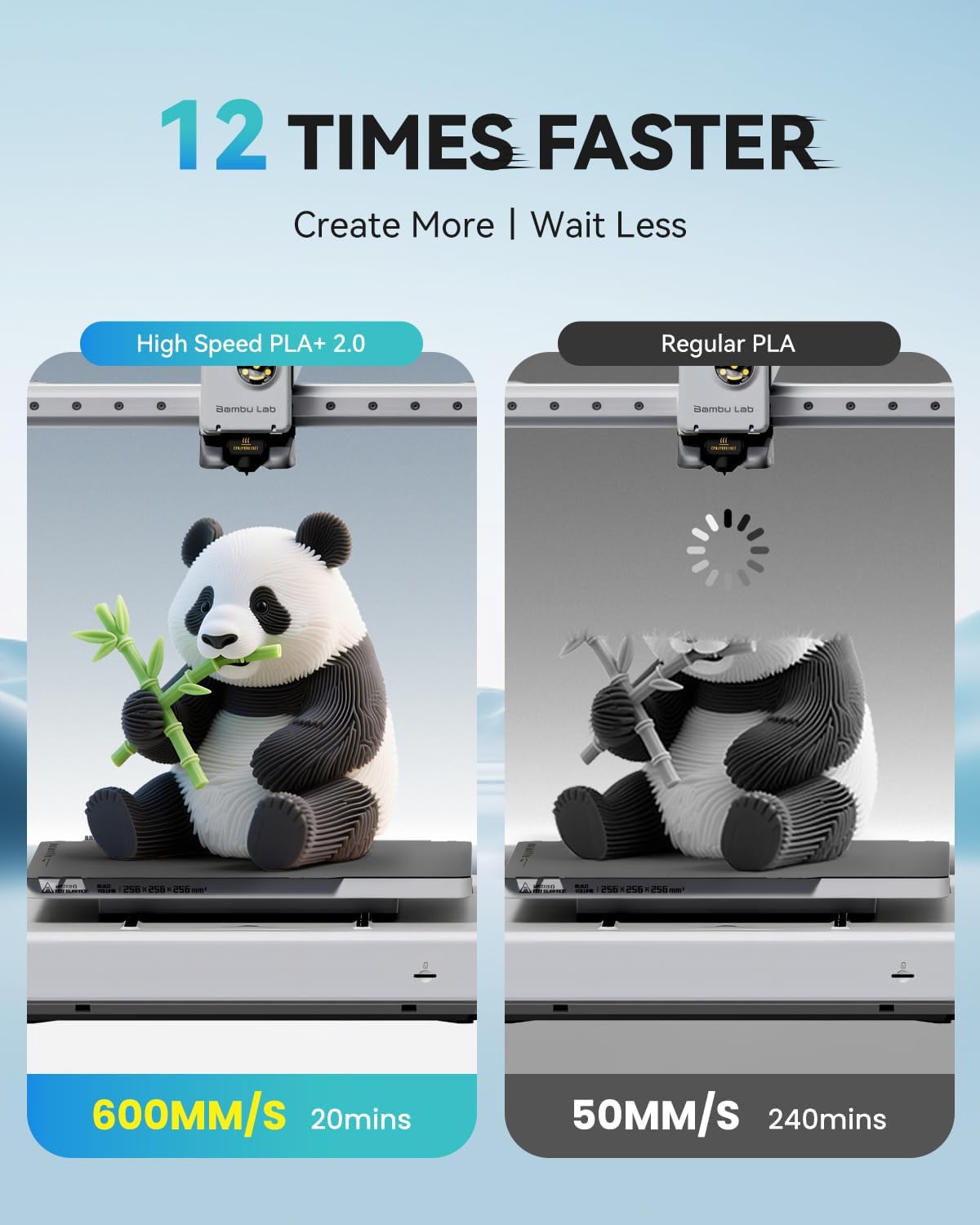
- Ensure your printer can comfortably operate at higher print speeds and maintain stable extrusion.
- Verify your slicer settings align with the filament’s diameter tolerance of ±0.02mm to maximise consistency.
- Keep the spool in a dry environment after opening, as with other PLA-based materials.
How it compares to simpler alternatives
If you mainly print standard-scale parts with routine tolerances, conventional PLA+ may be simpler and cheaper per kilogram. For users who routinely push print speeds, the PLA+2.0 variant claims a better balance of speed and toughness, which could reduce total print time for projects with forgiving geometries.
Practical usage note
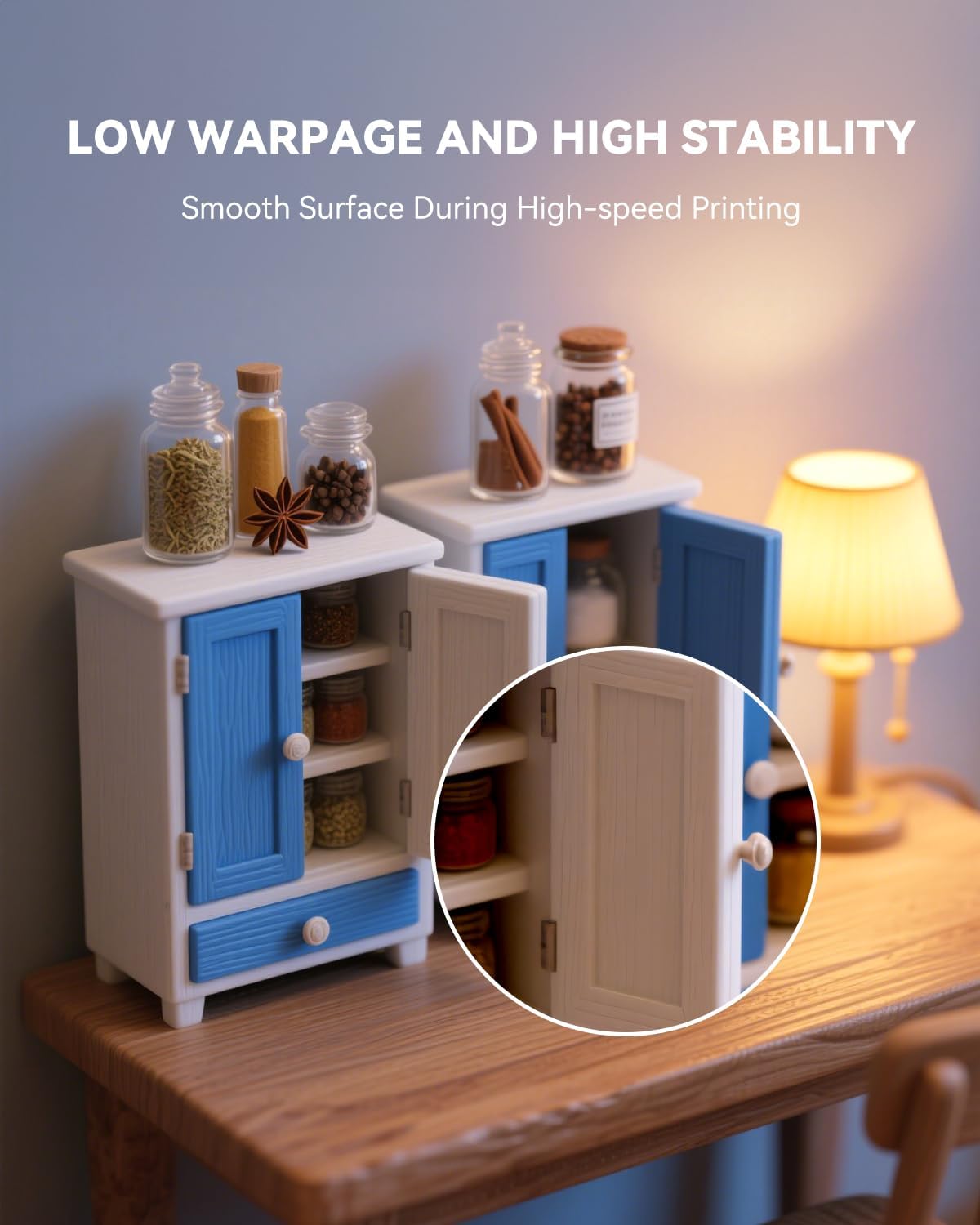
A typical use case could be rapid prototyping where you want to test fit and function quickly. Visuals might show smooth surfaces on larger faces with reduced visible artefacts at higher speeds, assuming the printer is tuned for such conditions. However, not every design will benefit equally, consider wall thickness and overhangs when deciding print speed.
Is it worth it?
- You’ll like it if you want to shave minutes off large PLA prints while maintaining decent surface quality.
- You may want to skip it if your setup prints mostly small parts at modest speeds, or if you require maximum heat resistance.
FAQ
- Will this work on all 1.75mm printers? It is designed with a tight diameter tolerance and high-speed emphasis, results vary by printer and settings.
- Does the spool design require special handling? The inner core is removable for refilling, no special tools are required beyond standard handling.
- Is moisture a concern after opening? The material is vacuum-sealed with a desiccant, store in a dry environment when not printing.
Final decision
Is it worth it? Consider it if your printer can exploit higher speeds with acceptable surface finish and you want better toughness than standard PLA+. If you prioritise simple, low-cost PLA+ printing at modest speeds, a standard option might be more economical.