

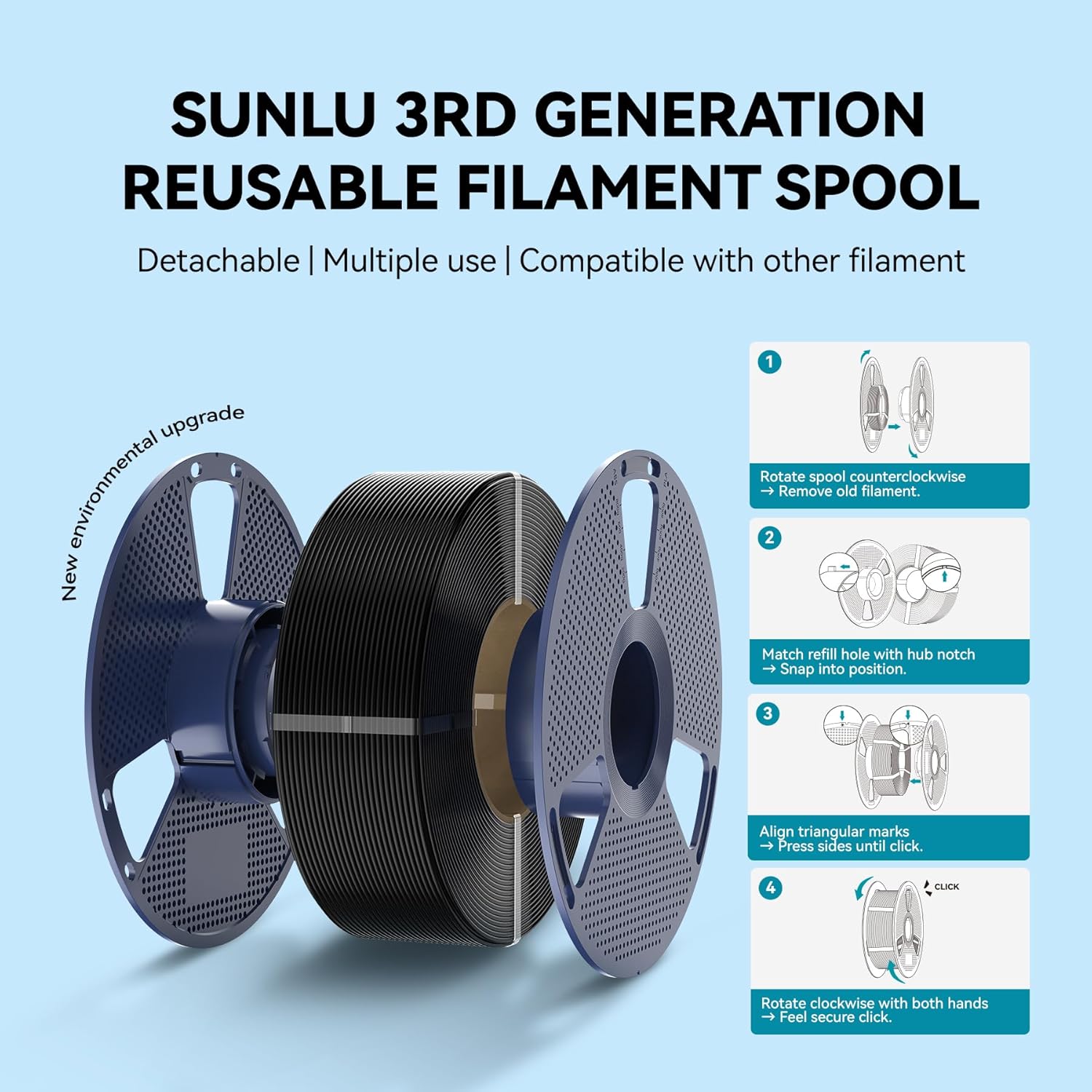
SUNLU PLA 1.75mm Filament, 1kg Neatly Wound PLA on a 19.5cm Spool
Product description
What is it and what problem does it solve
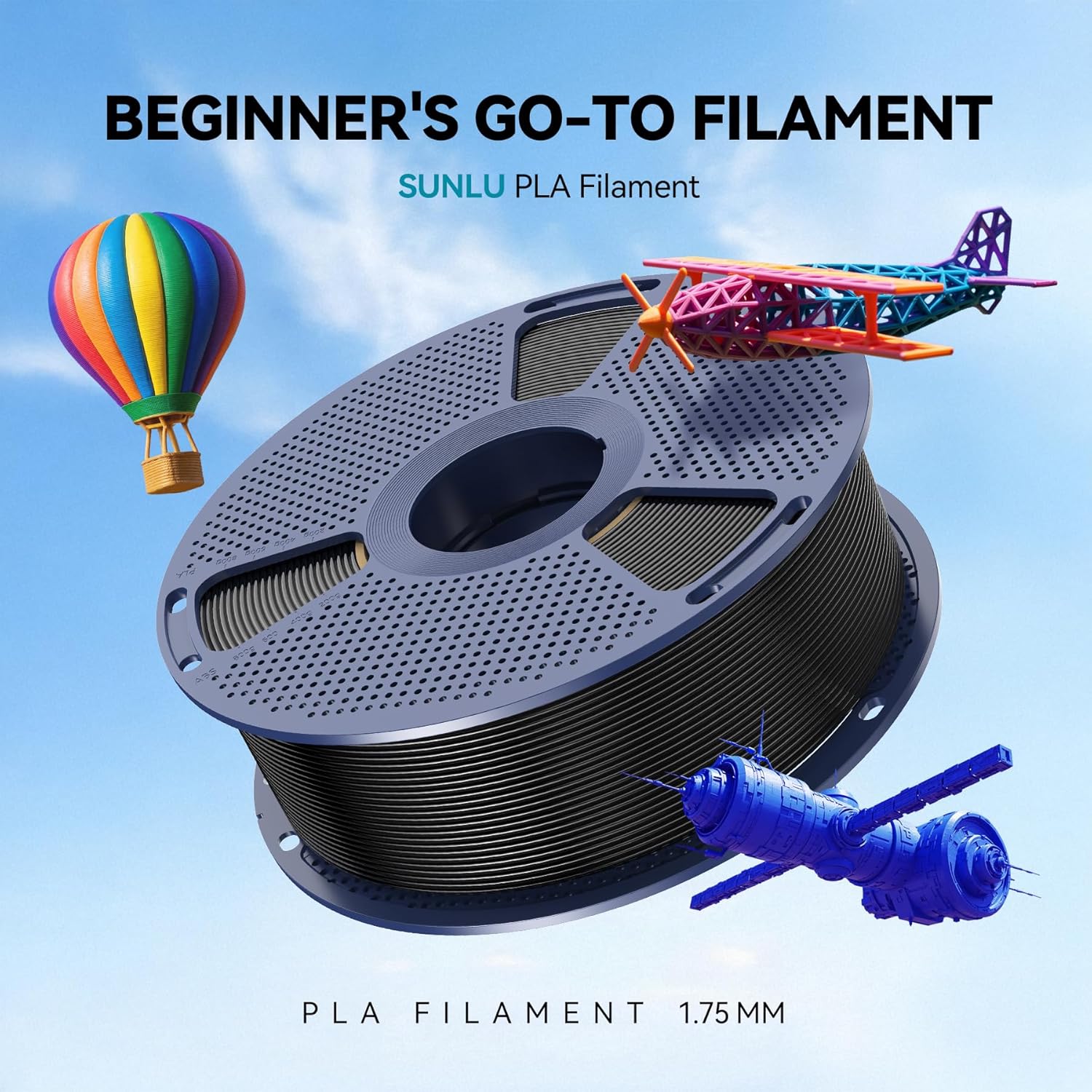
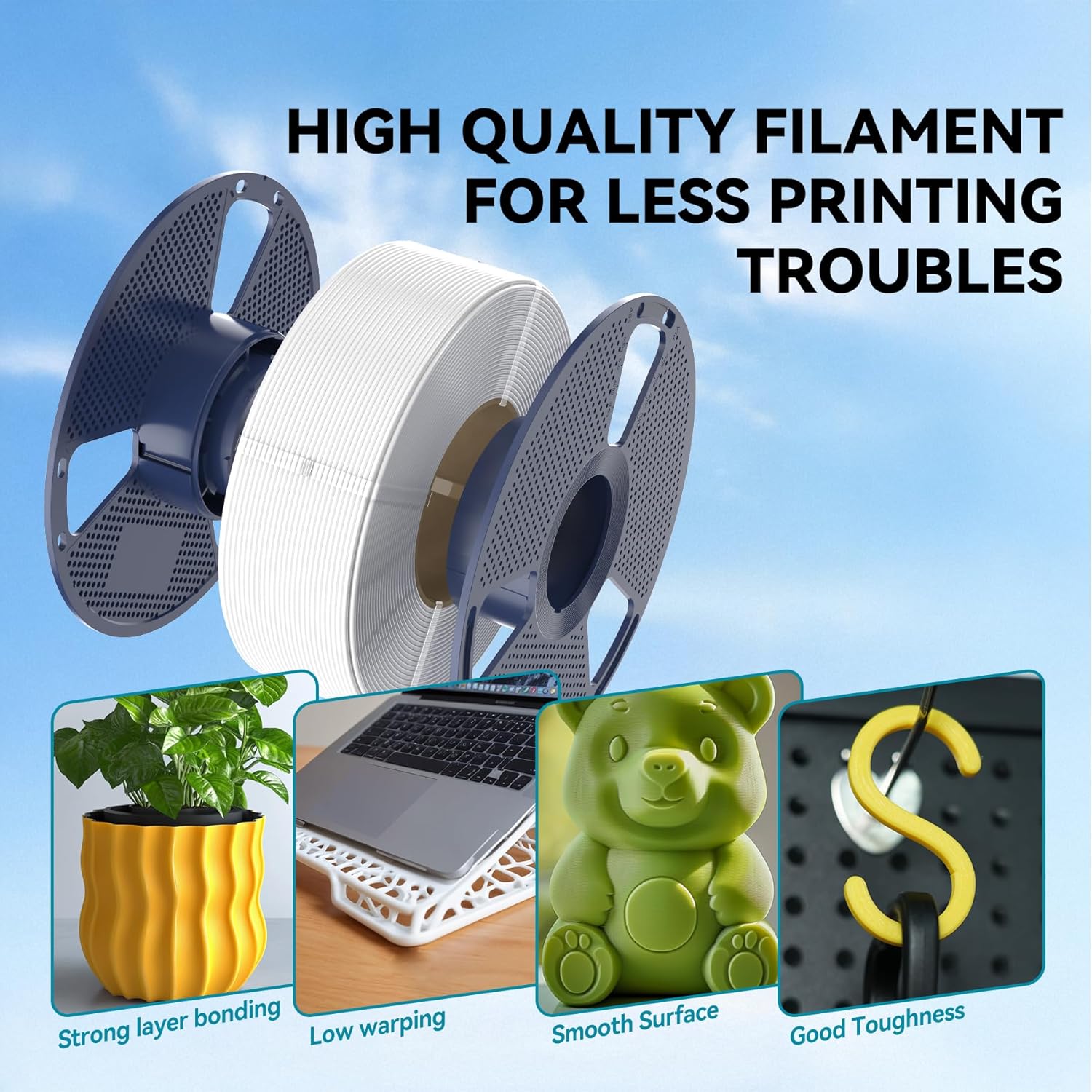
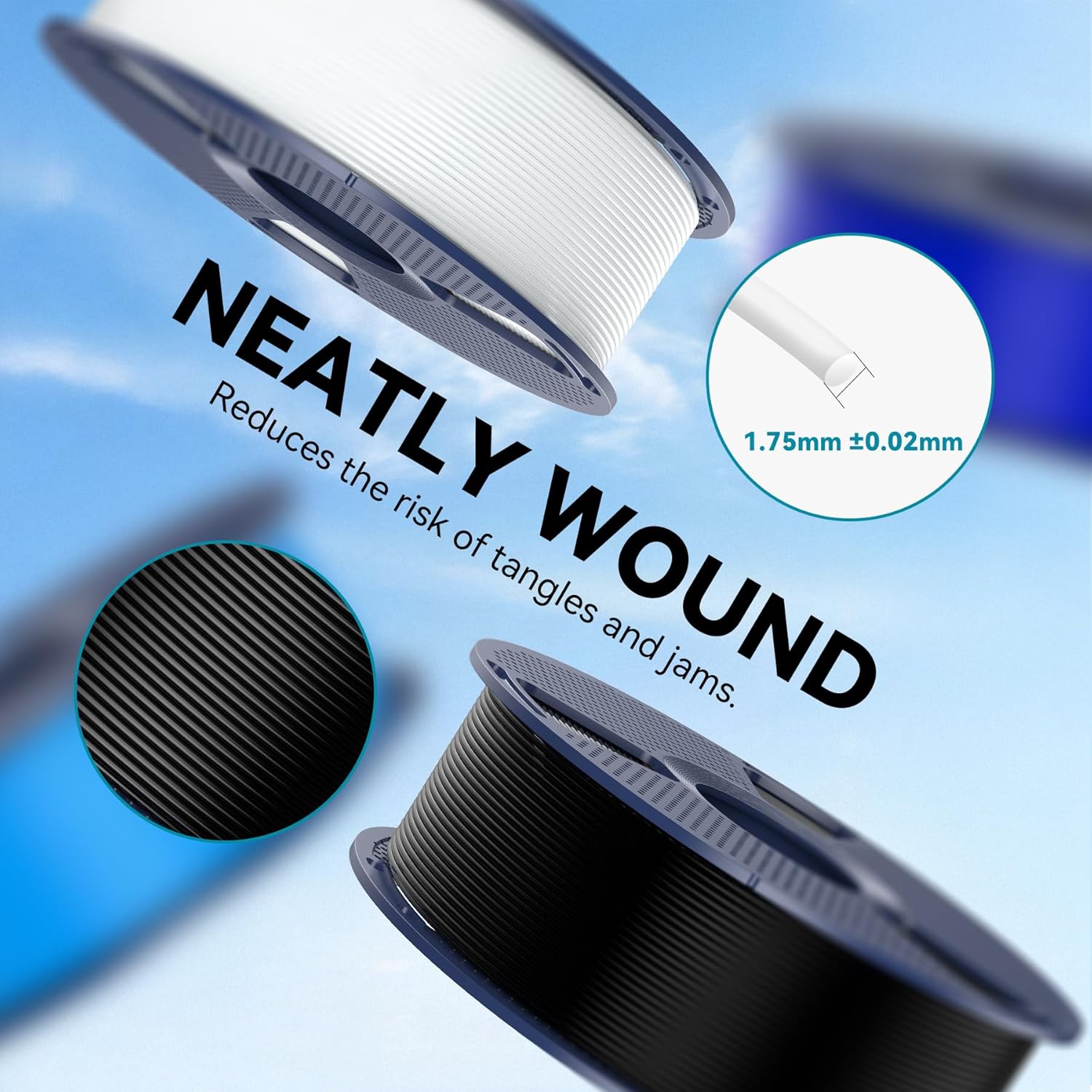
SUNLU PLA 3D printer filament is a PLA material designed for reliable, everyday printing. It combines high-purity PLA with a focus on low shrinkage and smooth melt flow to help minimise clogs and improve dimensional stability. The filament is precisely calibrated to 1.75 mm ±0.02 mm using an automated laser system, which aims to deliver consistent roundness and a stable diameter across the whole spool. A neatly wound coil helps prevent tangles, making the start of your print day smoother and reducing the risk of interruptions.
How it performs in practice
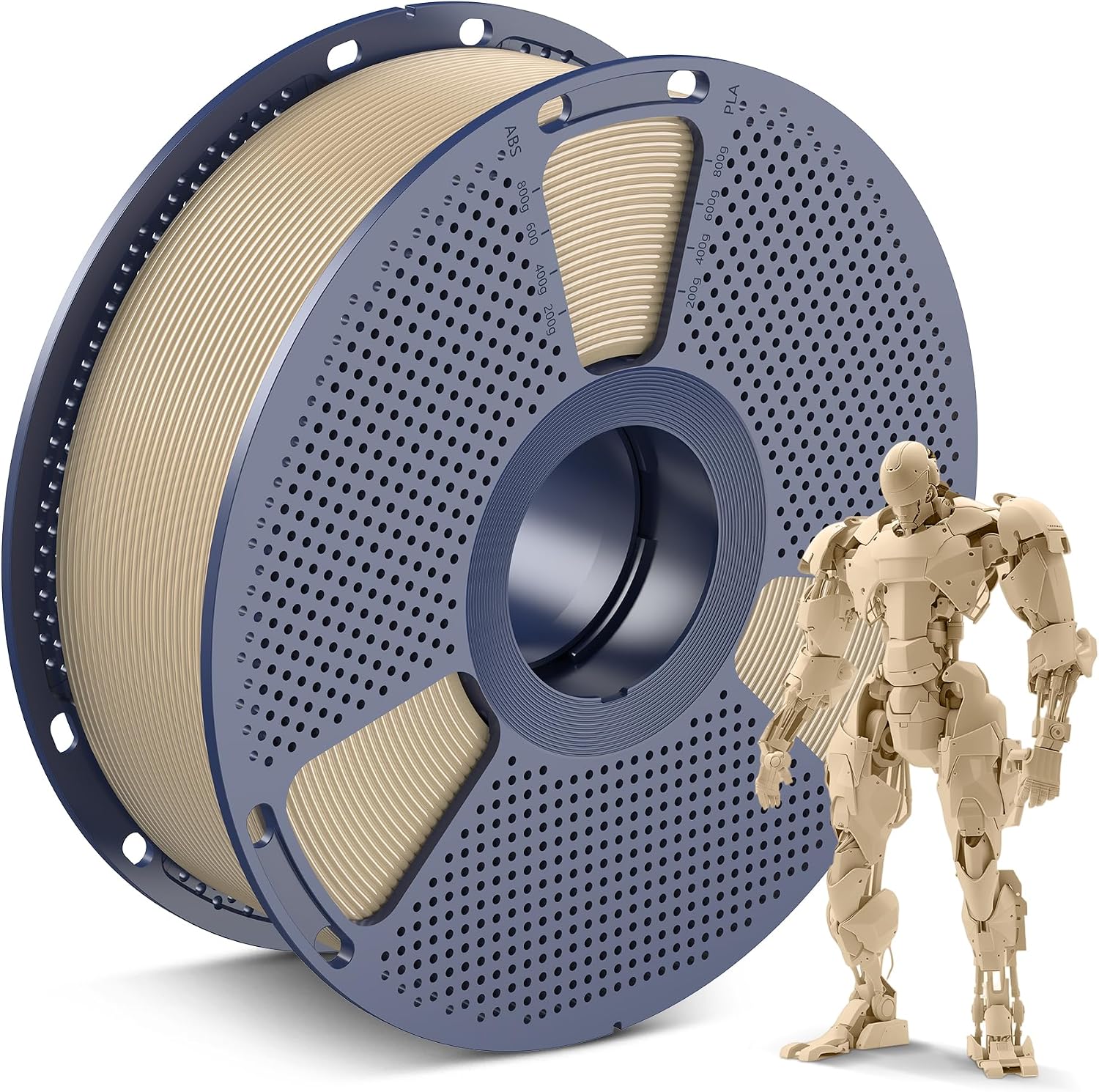
If you’re printing with standard FDM printers, you can expect straightforward extrusion at typical PLA temperatures, with a suggested range of 200–230°C for the nozzle and 50–65°C for the bed, and a print speed of 50–100 mm/s. This setup is intended to balance good layer adhesion with reasonable print speeds, suitable for a wide variety of everyday projects—from simple prototypes to small functional parts.
What stands out
The combination of low shrinkage and good melt flow is helpful for achieving dimensional stability, especially on parts that need a reasonable tolerance. The neatly wound design and reinforced edges reduce the chance of tangling during transport, so you can start printing soon after unboxing. The spool’s dimensions (19.5 cm diameter, 5.9 cm width, 6.3 cm hub) align with common printer stands, aiding stable operation.
Limitations and caveats
On paper, this filament targets reliable PLA printing, but real-world results can depend on your printer’s hotend, bed preparation, and ambient conditions. If you’re aiming for very tight tolerances or high-speed PLA printing, you may still need to optimise your slicer settings and bed adhesion techniques. Also, while the stated diameter tolerance is ±0.02 mm, slight variations can occur with different batches.
Who it’s for
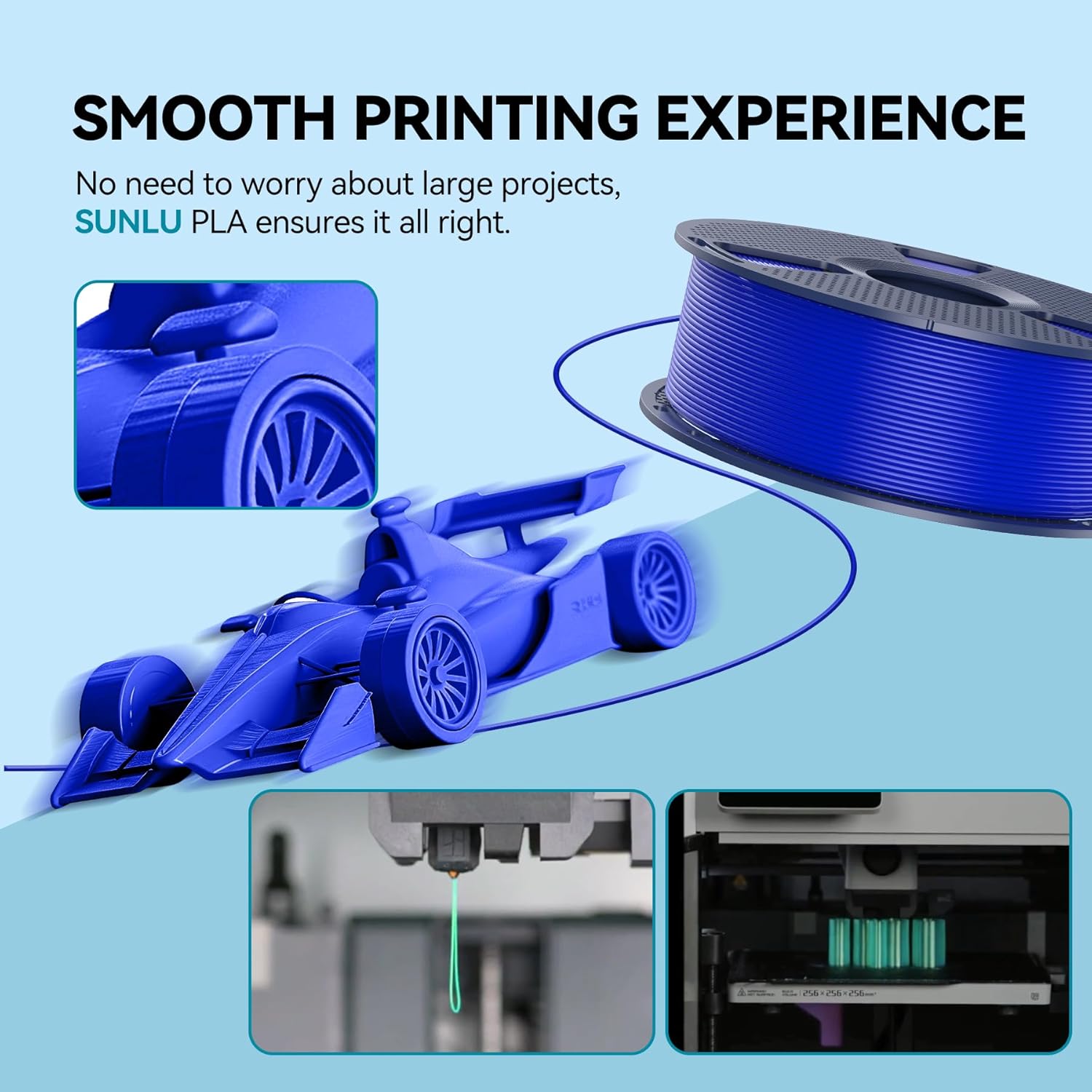
This filament tends to suit makers who want a low-maintenance PLA option that is easy to print straight from the box and that plays nicely with a range of common 3D printers. It’s a sensible choice for hobbyists, educators, and those who prioritise practical print reliability over flashy material properties.
Who it isn’t the best fit for
If your projects demand extreme mechanical properties, high-temperature resistance, or very precise tolerances, PLA—even with careful calibration—may not be the best fit compared with other materials. If you frequently push print speeds near the upper end of the range, you might need to optimise approach more carefully and possibly test a few settings variations.
When it makes sense to buy
If you’re starting out with PLA or need a dependable material for routine prints, this filament offers a balanced proposition: straightforward extrusion, consistent diameter, and clean winding that reduces setup hassles. It can also be a pragmatic choice for classrooms or workshops where reliability and simplicity are valued.
What to check before buying
- Confirm your printer can feed 1.75 mm filament and is compatible with PLA.
- Verify bed calibration and a clean build surface to optimise adhesion at 50–65°C.
- Prepare for straightforward post-processing if your project requires sanding or painting.
How it compares to common alternatives
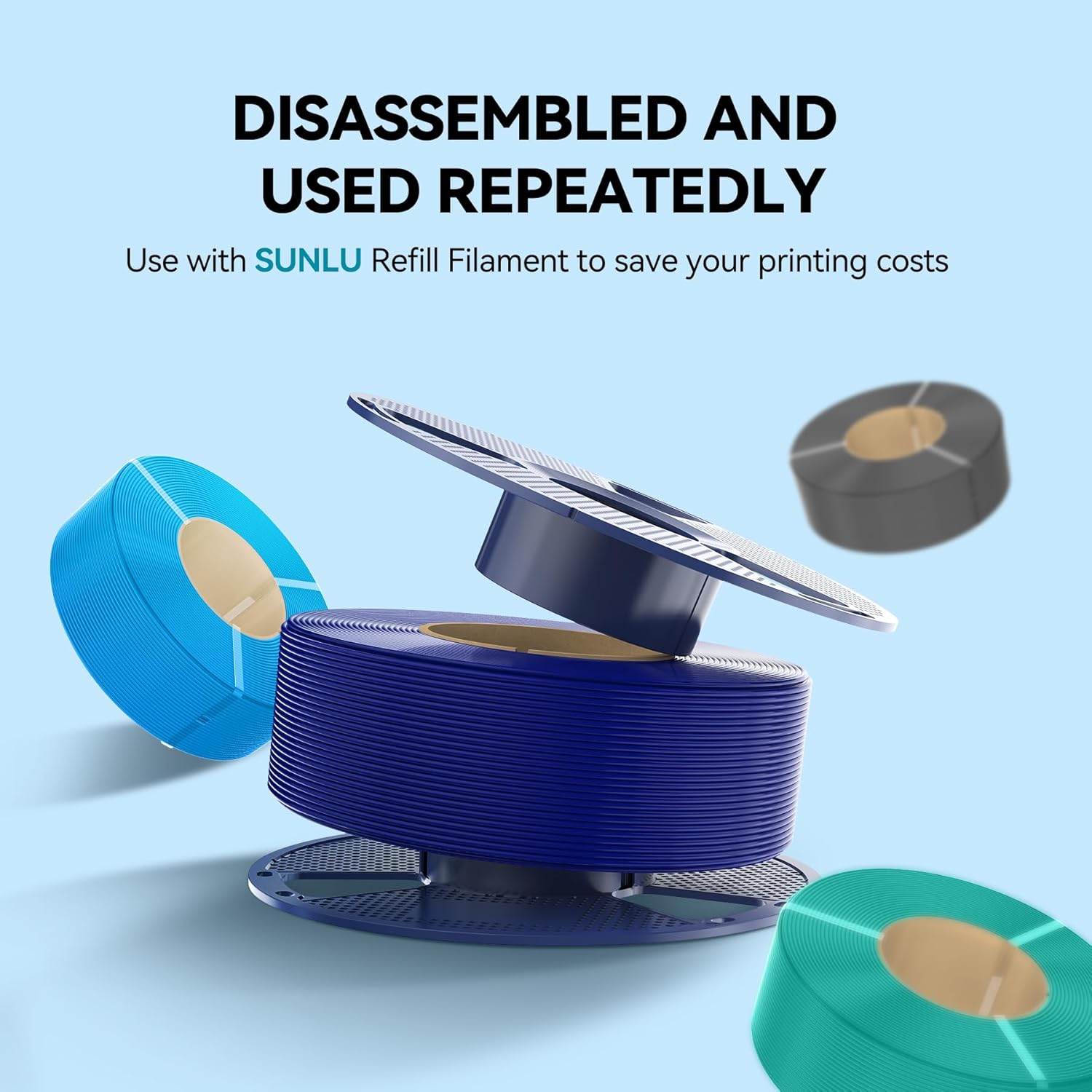
Compared with basic PLA options, SUNLU’s claimed dimensional stability and low shrinkage may reduce post-processing issues and print failures caused by warping. The neatly wound spool is a small but practical improvement over loosely wound filaments, particularly for users who swap filaments frequently.
Final decision
Is it worth it?
Worth considering if you prioritise consistent diameter, neat winding, and reliable PLA performance for everyday prints. It may not be the best choice if your priority is extreme speed, advanced mechanical properties, or specialised high-temperature applications.
FAQ
- Do you need special storage for this filament? Not specifically, standard dry storage is fine, but keeping it dry is advisable.
- Will it print without any calibration? It should, but minor adjustments to nozzle and bed temperatures may improve adhesion and surface finish depending on your printer.
- Can I use it for detailed models? Yes, PLA generally suits detailed prints, provided you optimise cooling and layer height for your printer.