

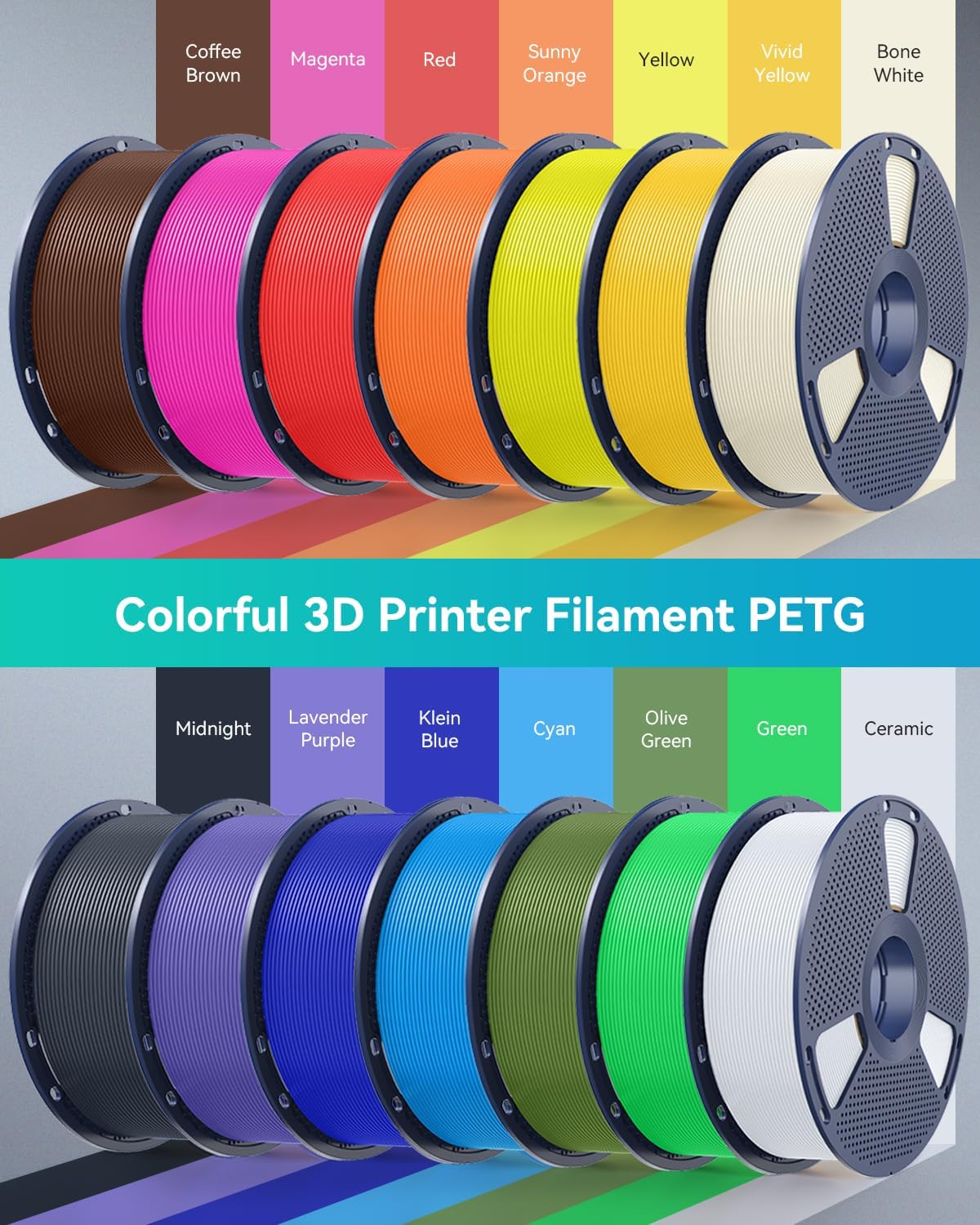
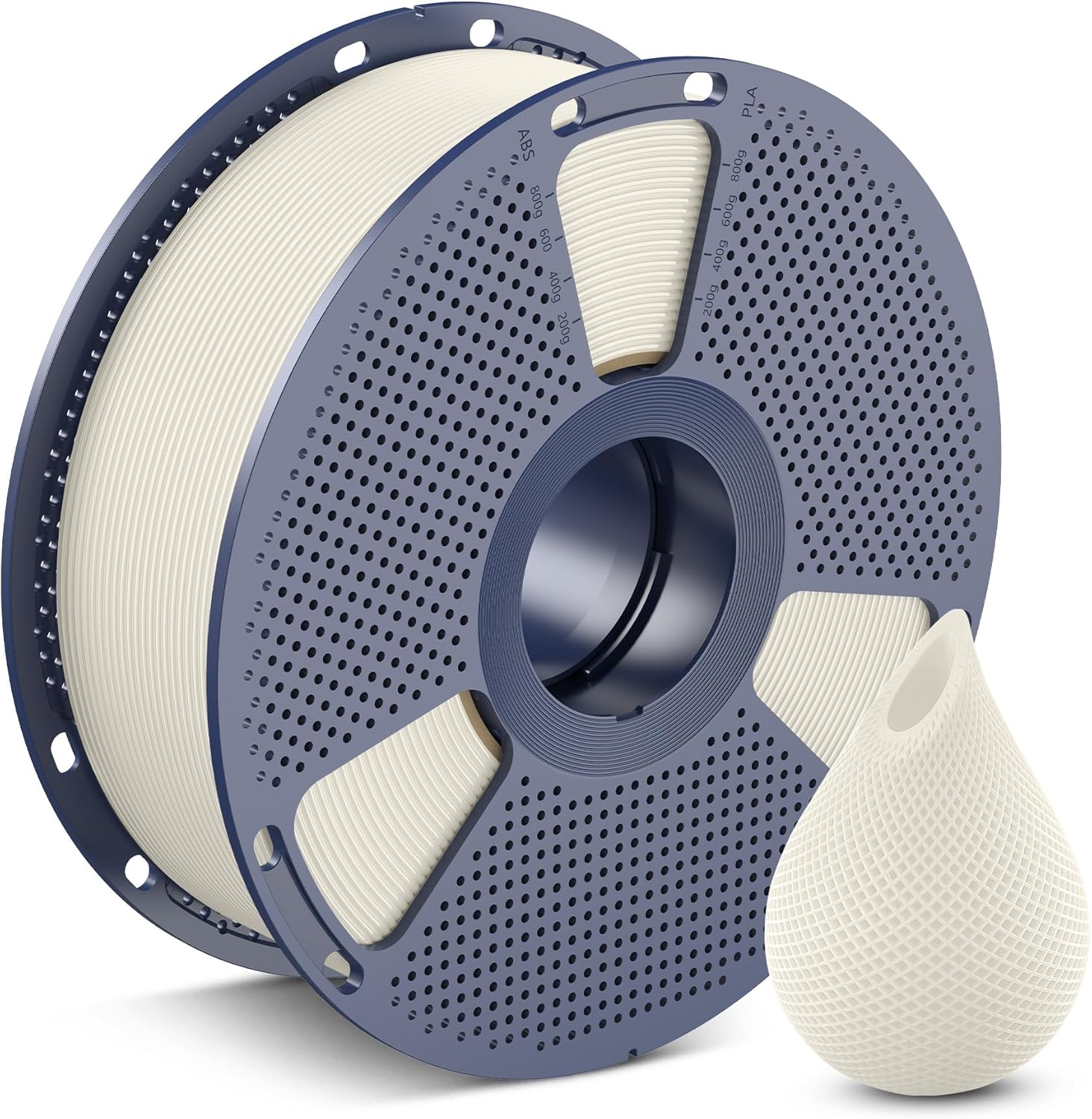
SUNLU PETG Filament 1.75mm in Bone White (1kg spool) for low stringing and strong layer adhesion
Product description
What it is and why people buy PETG
SUNLU’s PETG filament in 1.75mm format is a practical choice if you want something that’s generally easier to live with than “temperamental” materials, yet still aims to deliver sturdy, usable prints. PETG sits in that sweet spot on paper: it’s often talked about as combining the convenience people associate with PLA with the more durable feel you’d expect from tougher plastics.
In this pack you’re getting PETG filament in a Bone White colour, supplied on a 1kg spool. The headline claims focus on less stringing, good layer adhesion (so parts hold together), and toughness/impact resistance for items that should cope with knocks rather than just look good.
Key takeaways (the good, the “read the label”, and the limits)
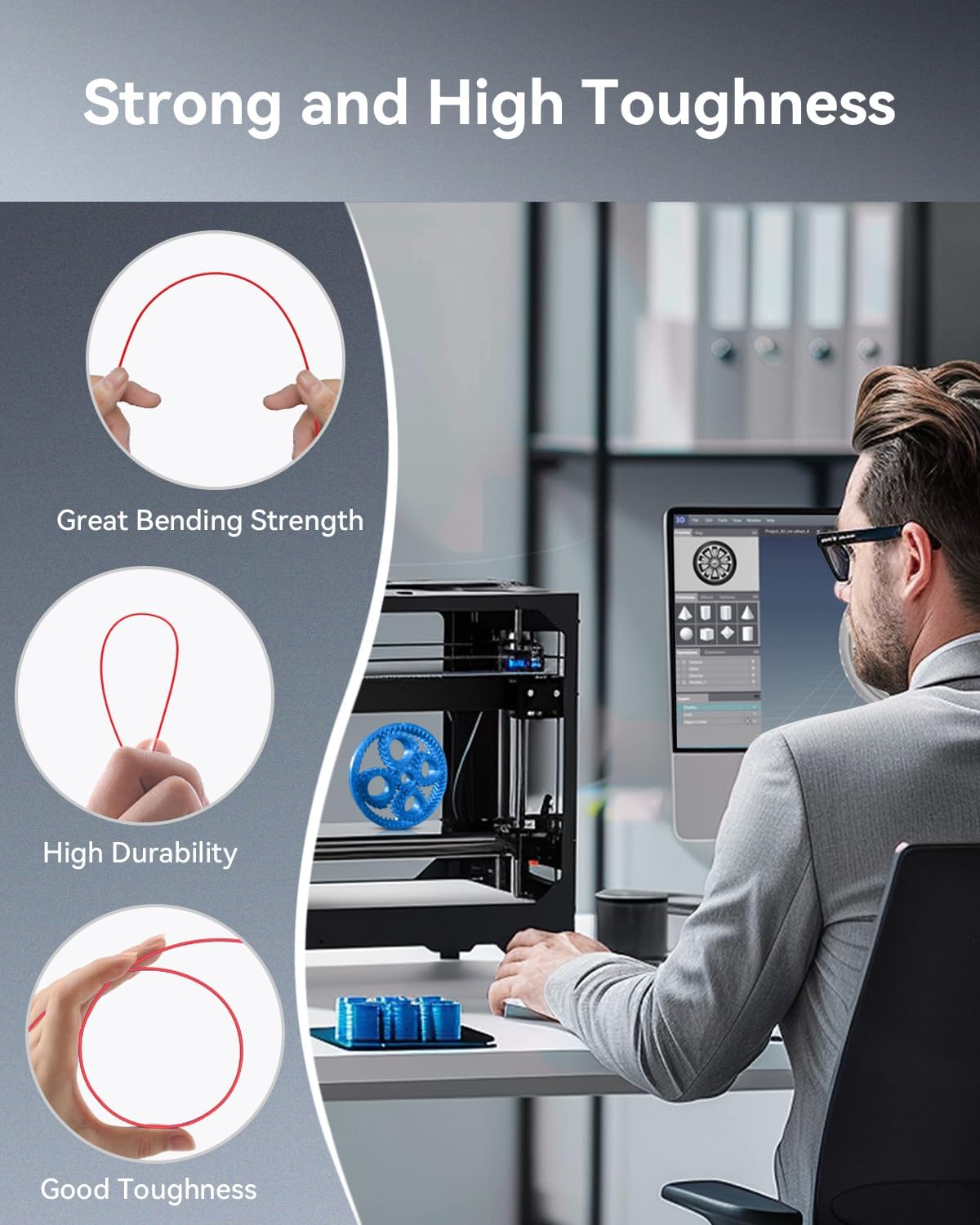
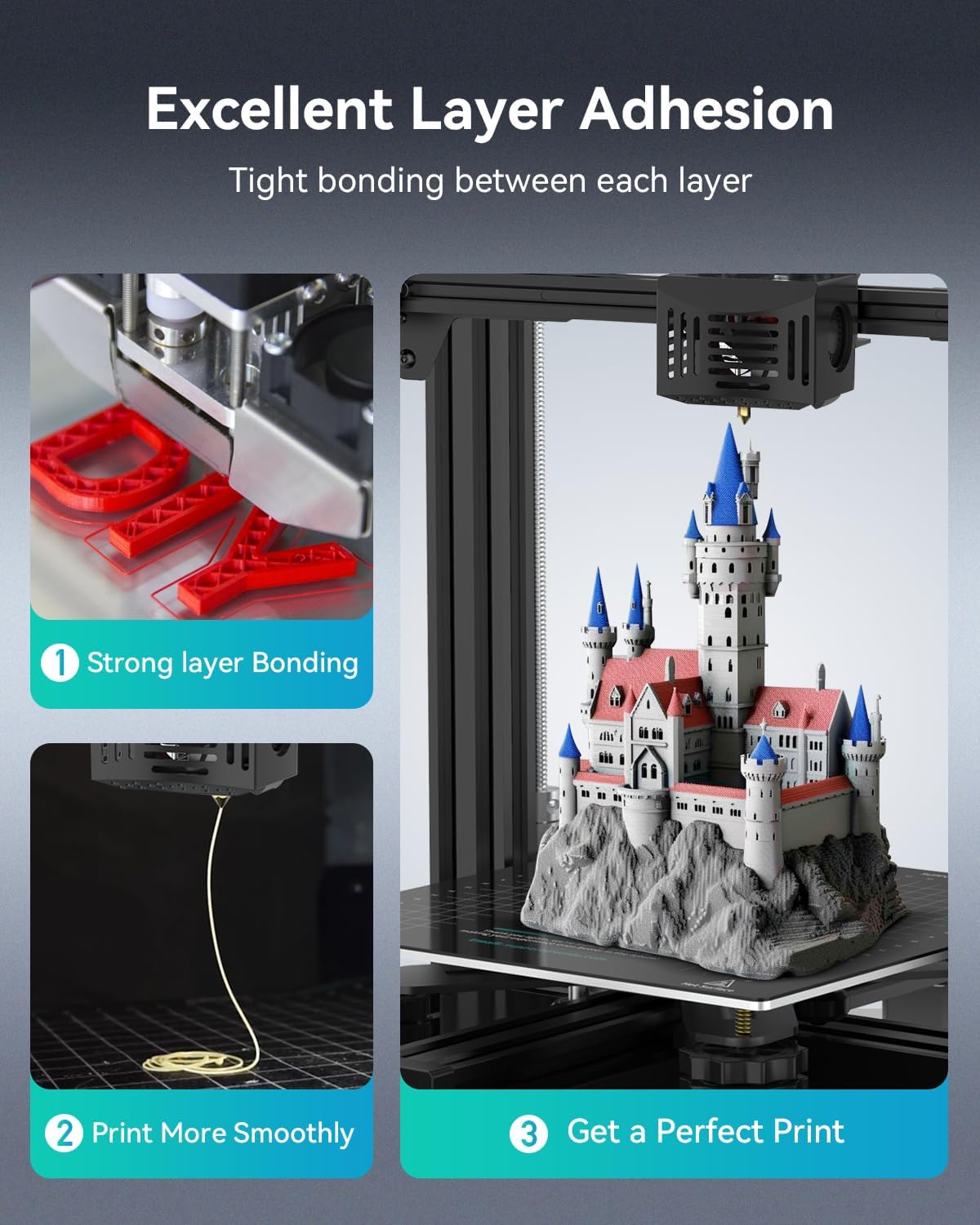
The strong selling points here are clear from the description: improved layer bonding helps reduce warping risk and supports smoother, more solid results, toughness and high impact strength are meant for parts that experience stress and day-to-day handling. If you’ve had prints that delaminate, or you’re trying to make functional parts rather than display-only models, this kind of filament is aimed at that purpose.
That said, it’s not a magic wand. “Less stringing” is a goal, not a guarantee, because stringing still depends on your printer, cooling setup, print speed, retraction settings and the geometry you’re printing. It may behave more predictably than some alternatives, but you may still need to dial in temperature and retraction if you’re coming from a different filament type.
What stands out in use: adhesion, toughness, and fewer headaches
On a typical practical print, layer adhesion is what you notice when you try to remove supports or handle the piece without it feeling fragile. With this PETG, the idea is that layers should bond strongly while reducing warping risks, which can be a big deal for taller parts or anything with sharper angles.
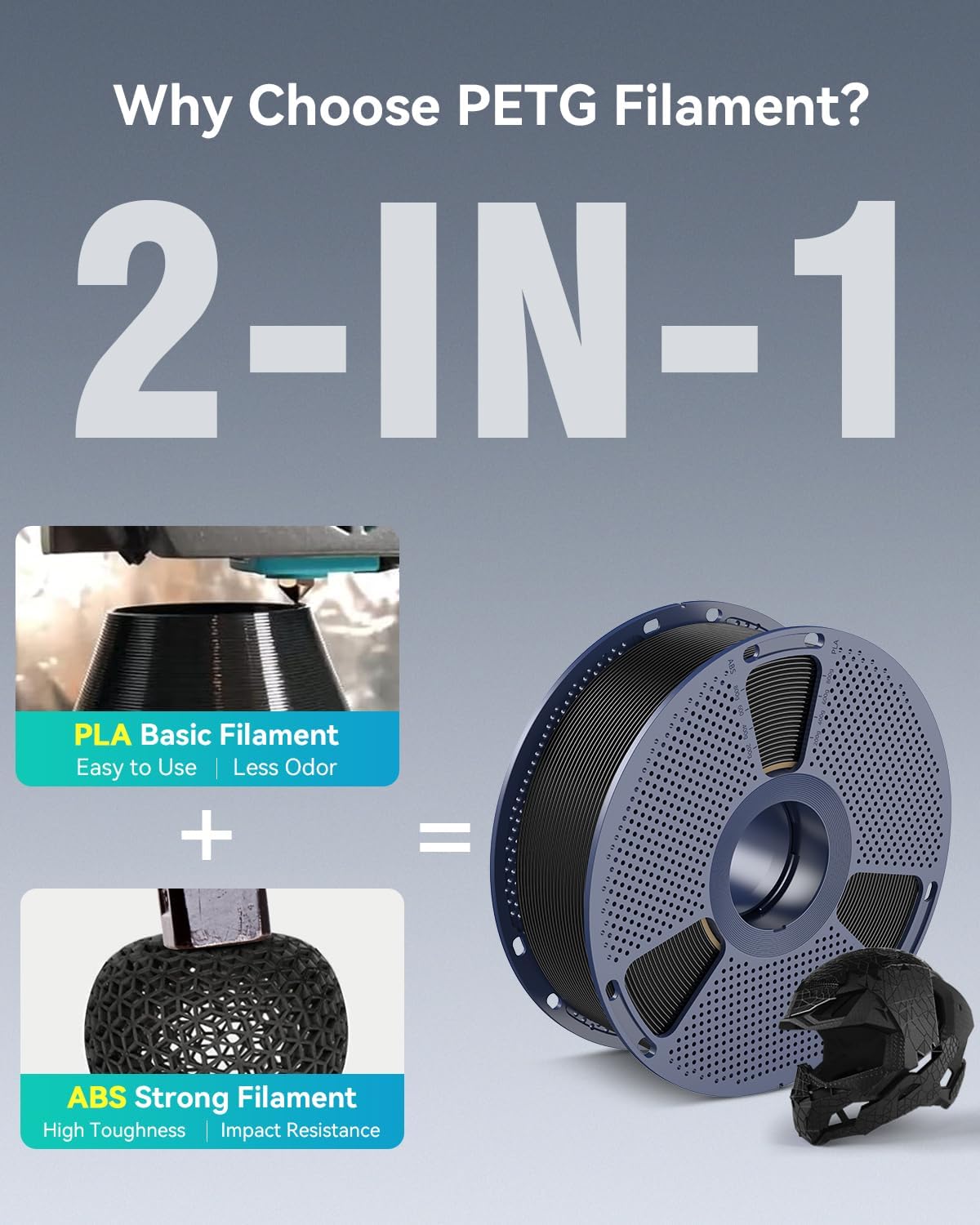
The toughness angle is more about “how the finished part feels later”. For items that get moved around—covers, brackets, holders, or components that see repeated contact—PETG’s promise is that it can stay resilient and resist cracks/breaks better than more brittle materials. If your use case involves bumps, drops or general stress, PETG tends to make sense.
And then there’s the stringing claim. If you’ve ever had fine wisps across small surfaces, wiping them off or re-printing becomes annoying. “Less stringing” is the kind of improvement that saves time, even if you still have some tuning to do.
Quick overview: where this PETG fits (and where it might not)
This SUNLU PETG looks best suited to people who want durable prints with good structural integrity and fewer warping surprises than you might see with some other approaches. It also leans towards users who prefer functional reliability over purely decorative prints.
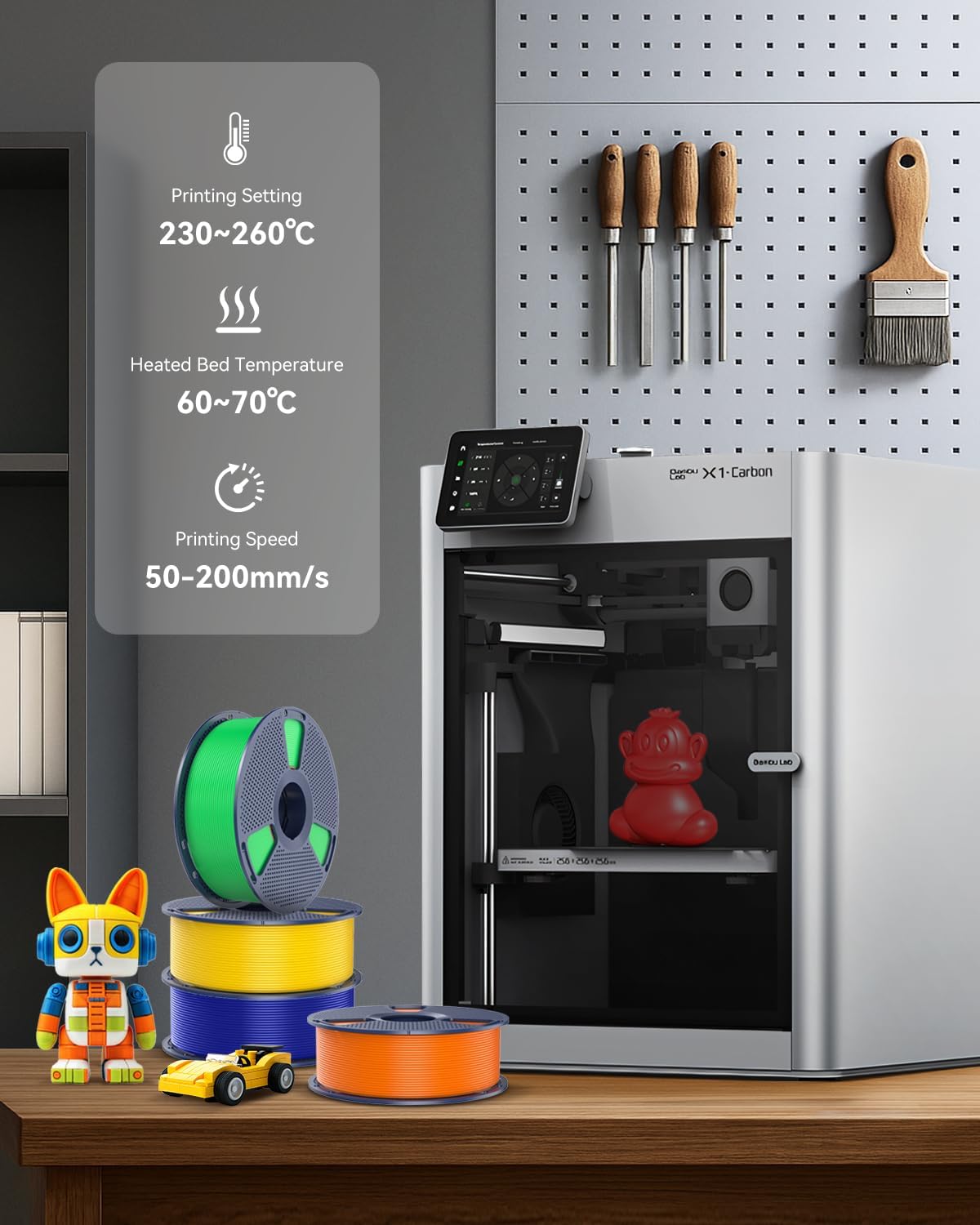
It might not be the best choice if you’re chasing the lowest-effort prints with absolutely minimal tuning, because any “good adhesion” material can still require sensible calibration (especially around temperature and cooling). It may also feel like more work if your project is very small-detail and you’re sensitive to surface artefacts—again, not because PETG can’t do it, but because stringing/finish behaviour is closely tied to your settings.
Tech specs
- Name: SUNLU PETG Filament 1.75mm Bone White
- Type: PETG 3D printer filament
- Format: 1.75mm (±0.02mm)
- Capacity: 1kg spool (2.2lbs)
- Colour: Bone White
Careful buying checklist before you commit
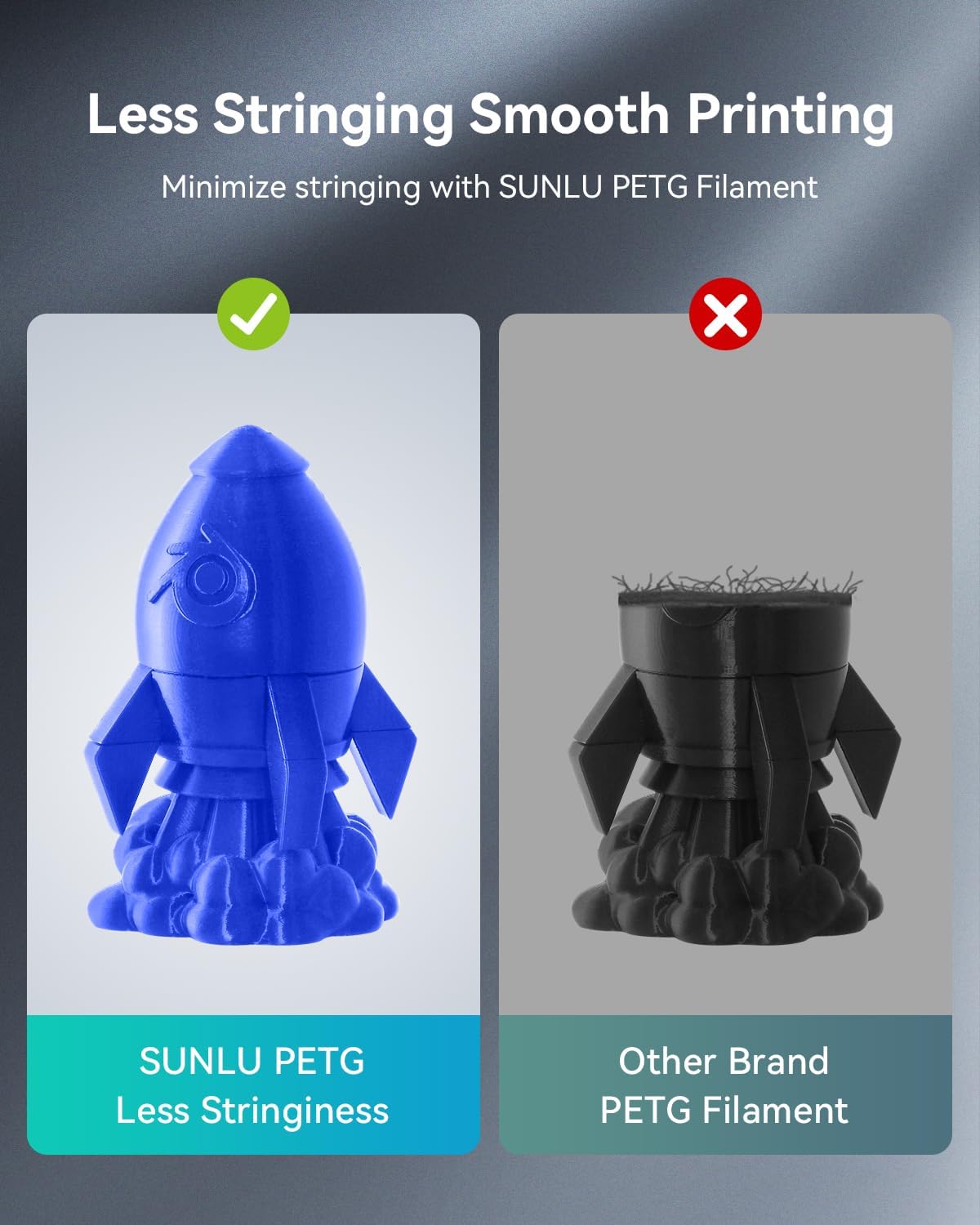
Before you buy, it helps to check a few practical things so you’re not disappointed: - Confirm you actually want PETG for your use case (toughness and impact resistance are the focus, not purely fast/cheap display prints). - Make sure you’re set up for 1.75mm filament and can run PETG in your printer. - Expect to fine-tune basic settings if you’re switching from a different material—stringing and surface finish are usually where the adjustment shows. - If weather resistance matters for you, PETG is described as suitable for indoor and outdoor applications where weather resistance is a necessity, but keep realistic expectations: material choice helps, design and post-processing still matter.
Should you buy it?
A solid pick if you want PETG filament in 1.75mm with the specific goals of strong layer adhesion, reduced warping risk (as described), and tougher prints that handle knocks and stress. It also suits you if “less stringing” would directly improve your day-to-day printing workflow.
You may want to skip it if your projects are extremely detail-sensitive and you’re expecting zero stringing without any tuning, or if you already know you only print in a way that strongly favours other materials for your exact finishing preferences.
If you’re after functional parts rather than fragile display models, this is the kind of PETG that tends to make sense.
Mini FAQ
Does PETG usually help with warping?
The description says it offers excellent layer adhesion and reduces the risks of warping. In practice, warping still depends on your printer and enclosure, but the intended direction is there.
Will it definitely be low stringing?
The goal is “less stringing”, but results depend on your settings and your print geometry, so it may still need adjustment.
What kind of prints is it aimed at?
It’s positioned for sturdy, resilient items with high impact resistance—parts that need to endure bumps, drops, stress, and general use.
Is Bone White suitable for outdoor use?
The description mentions indoor and outdoor applications where weather resistance is needed. It doesn’t provide extra finishing/coating details here, so for harsh conditions you may want to think about design and protection.
What does 1kg give you?
You get a 1kg spool (2.2lbs), which is typically enough for regular printing runs, especially if you’re not constantly using large volumes.