

RUIPRO 8K Detachable Full Fibre Optic HDMI 2.1 Cable (165FT) – 48Gbps, 8K@60Hz and 4K@120Hz with eARC
Reviews
Price
Product description
What it is and why people buy it
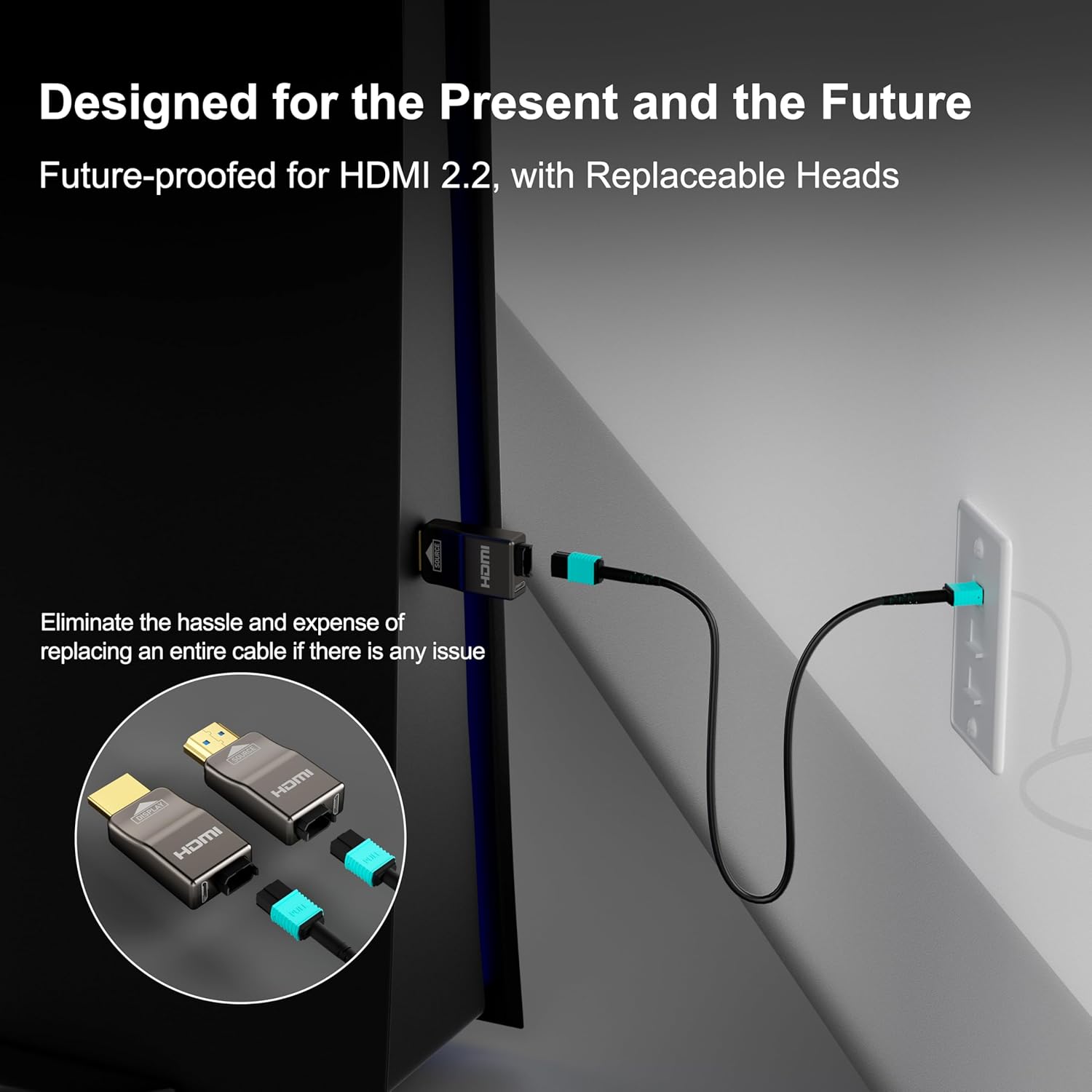
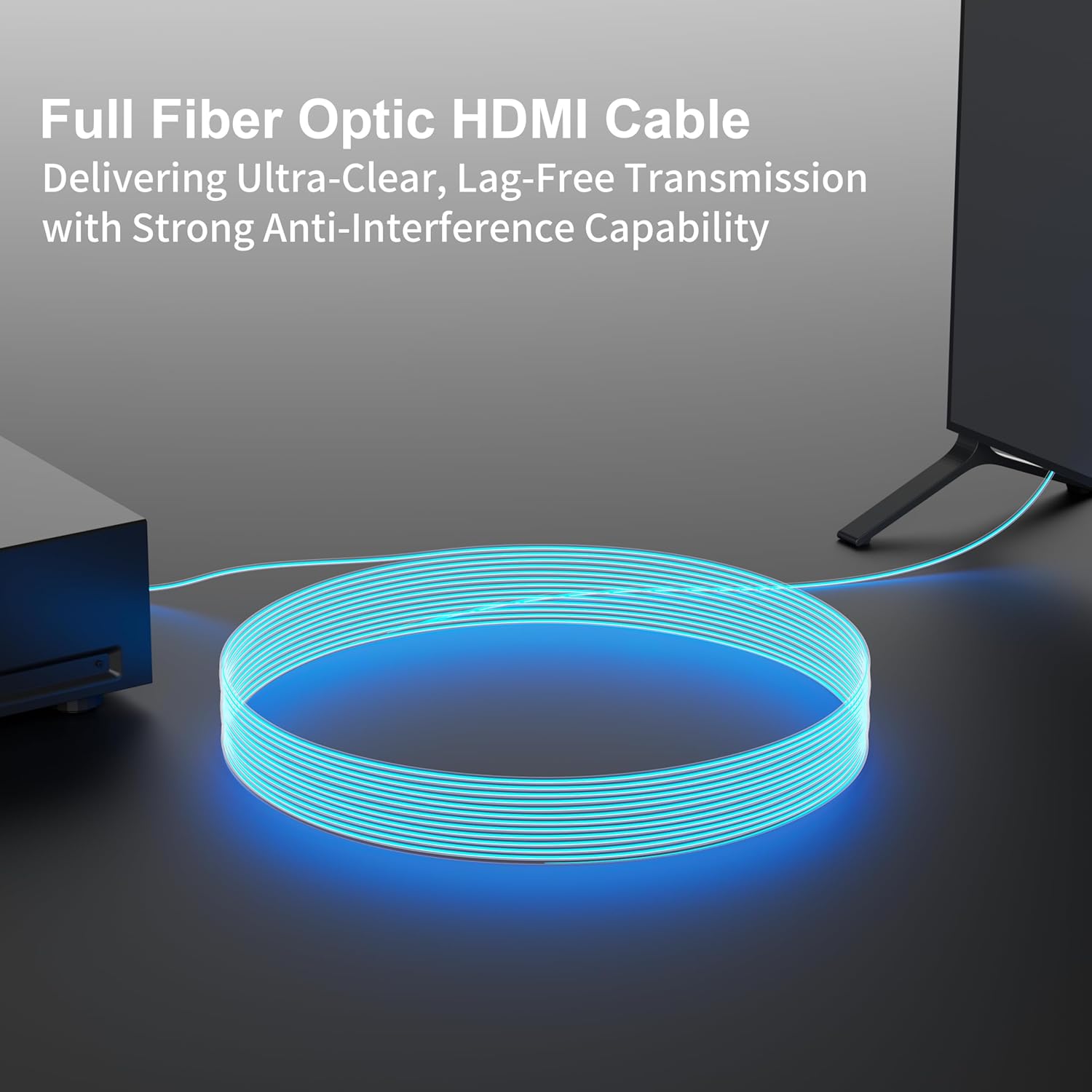
This RUIPRO HDMI 2.1 cable is built around a full fibre optic approach, aiming to push high-spec video signals (up to 48Gbps on paper) while reducing interference concerns compared with more traditional copper HDMI runs. It’s also “detachable”, meaning the connector ends can come off rather than forcing you to replace the entire cable if a connector end gets damaged during installation.
On top of that, the product is clearly positioned for modern HDMI 2.1 needs: dynamic HDR, eARC, and support for 8K at 60Hz and 4K at 120Hz (uncompressed, as stated). In day-to-day terms, that’s the sort of spec sheet you’d look for if you want a single HDMI cable that can keep up with a modern console or streaming/AV setup without bottlenecking the latest formats.
Key features that matter (not just the headline)
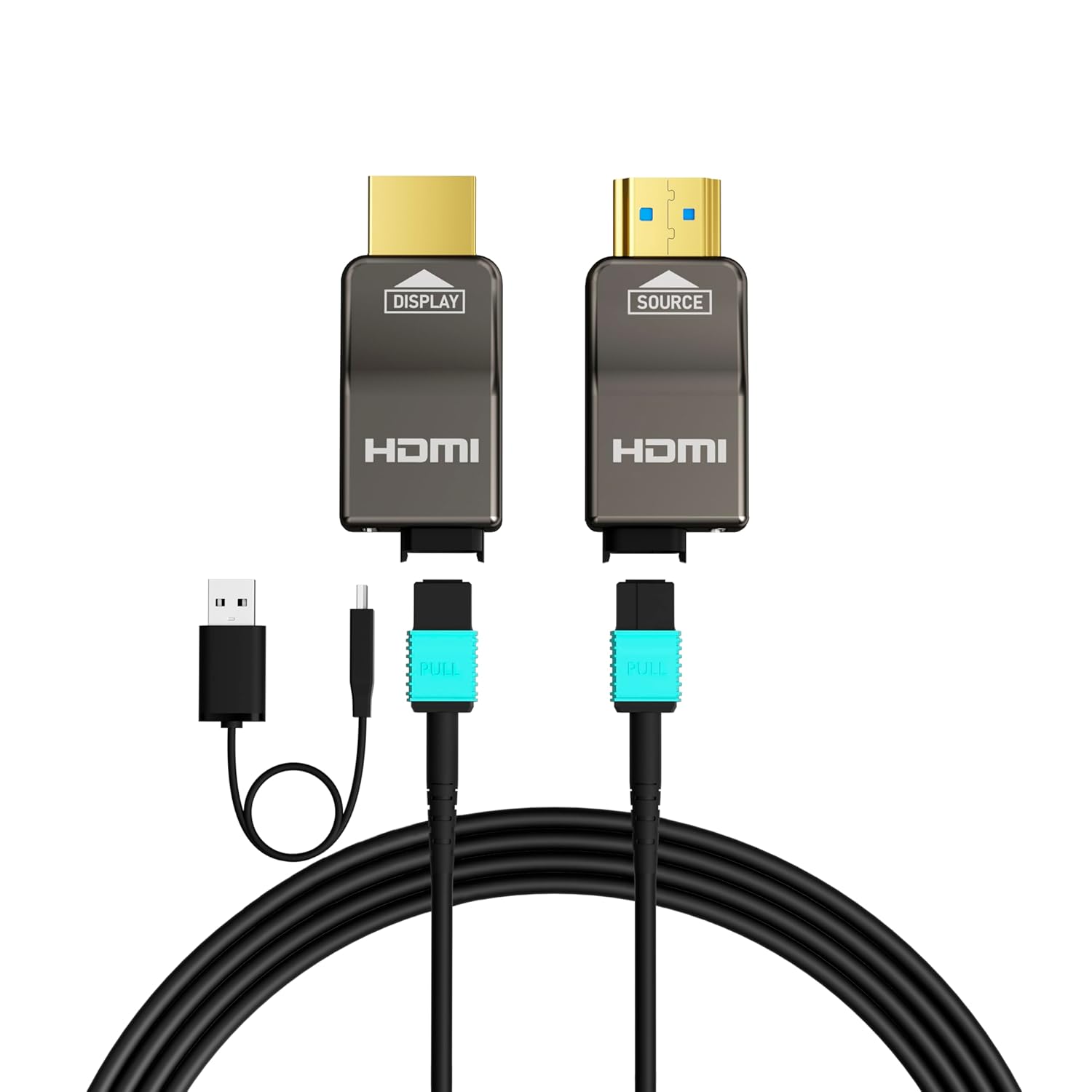
The two standout ideas here are the fibre optic construction and the detachable connector ends.
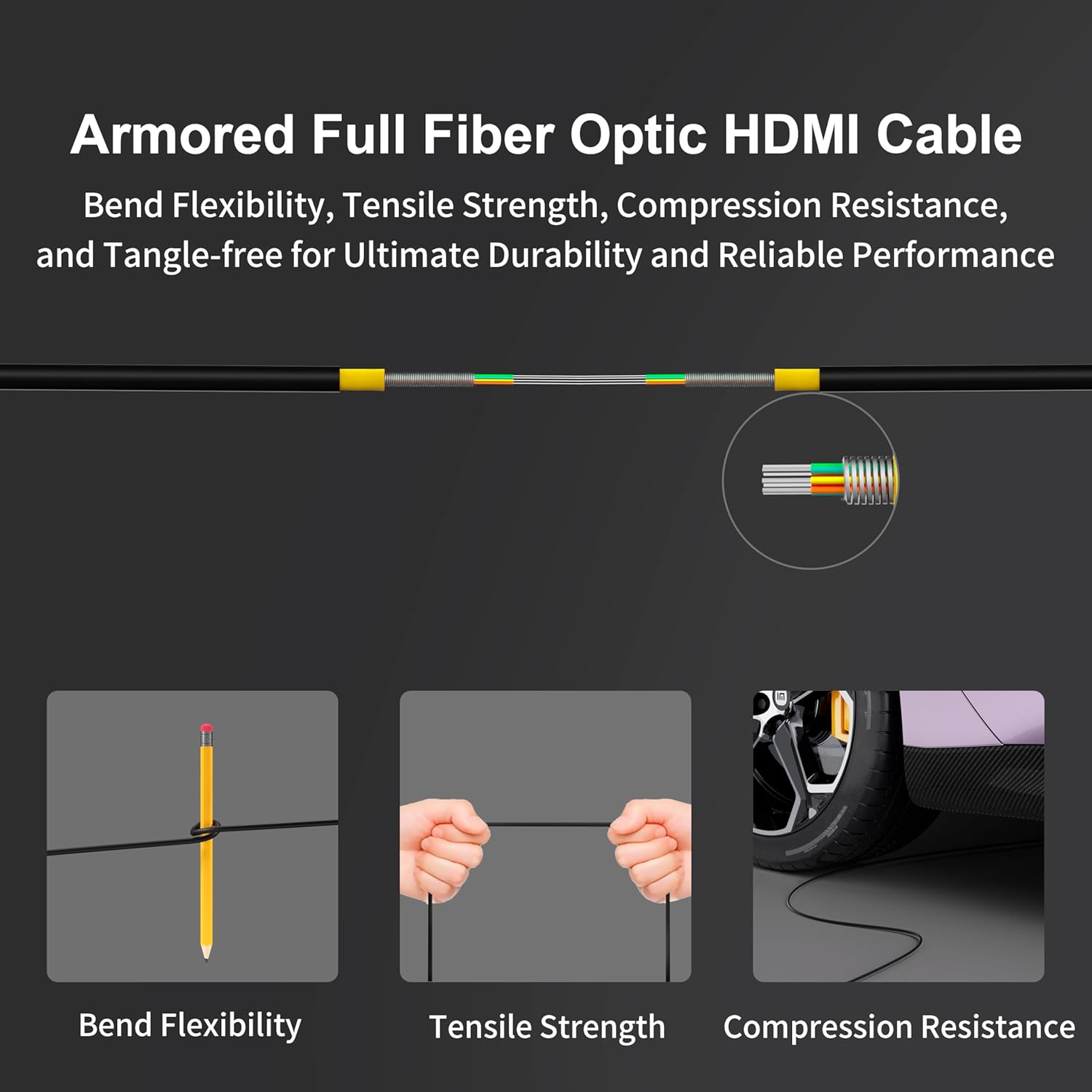
Fibre optic is mainly about how it behaves when signals travel over distance and around electrical noise. If you’re running a cable through a wall, loft, or a conduit where it’s awkward to route and you’d rather not redo everything later, a slim, flexible cable plus reduced interference risk can be a practical combination.
Detachable ends are where it becomes a bit more “real world”. If you’re installing in a place where you can’t easily replace the full run, having connector heads that can be swapped rather than replacing the entire cable can save time and hassle. That won’t fix every installation mistake, of course, but it reduces the pain of connector-end damage or issues after fitting.
Tech specs snapshot
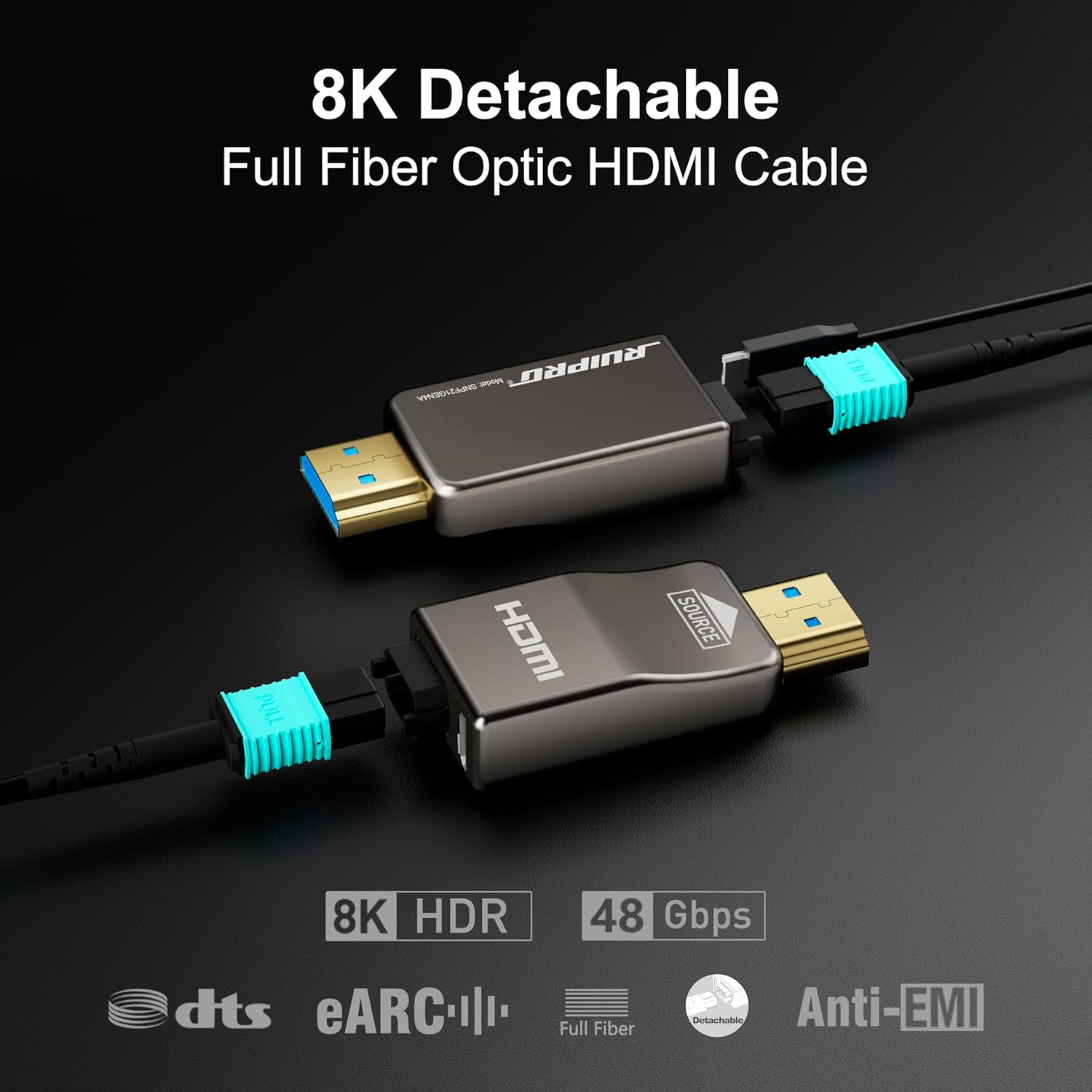
- Type: HDMI 2.1 fibre optic cable (detachable connector ends)
- Bandwidth: 48Gbps
- Video support (stated): 8K@60Hz, 4K@120Hz (uncompressed)
- HDR: Dynamic HDR
- Audio return: eARC
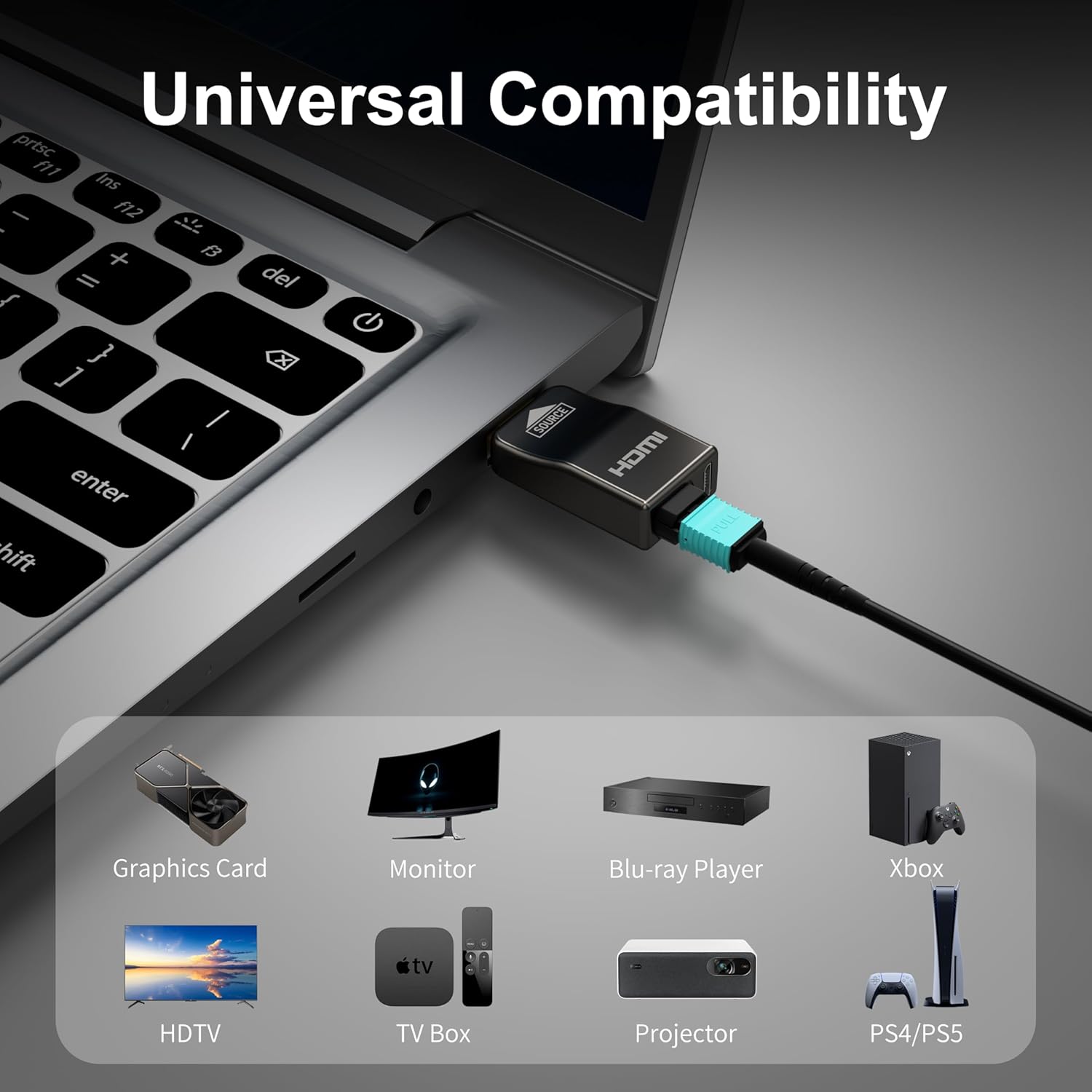
- Compatibility listed: TV, PS5, Xbox, Blu-ray, monitor, projector
Keep expectations sensible: HDMI performance also depends on what’s at both ends (TV/AV receiver/console) and the way your system is configured, so this cable is only part of the equation.
Where it shines in everyday setups
If you’re building a home cinema, gaming room, or a longer, less convenient cable run, the “fibre + detachable ends” concept is genuinely useful. For example, imagine you’re routing the cable behind a wall and you want to test your setup before permanently finishing the install. You pass the cable through the conduit, and once you’re ready, you connect the ends—so you’re not wrestling with chunky connectors at every step.
The product also calls out engineering-style installs, conference rooms, and even medical fields. That hints at the target buyer: people who value flexible routing and fewer interference headaches more than they value a bulky, simple cable.
Potential downsides and who should be cautious
It’s not a magic wand. A high-spec HDMI cable can still disappoint if your display or source doesn’t support the modes you’re aiming for, or if the rest of the chain isn’t configured to match. So if you’re buying this for a basic setup—say, a TV that doesn’t support the relevant HDMI 2.1 features—this may be more than you need.
Also, “detachable” is helpful, but it does mean you need to treat the connector ends carefully during fitting. If you frequently unplug and re-seat the cable as part of regular rearranging, you may find yourself being a bit more mindful than with a non-detachable design.
Getting the most from it before you buy
Before committing, it’s worth double-checking:
- Whether your TV/AV receiver/device supports the HDMI features you care about (like eARC and the higher refresh-rate/resolution modes mentioned).
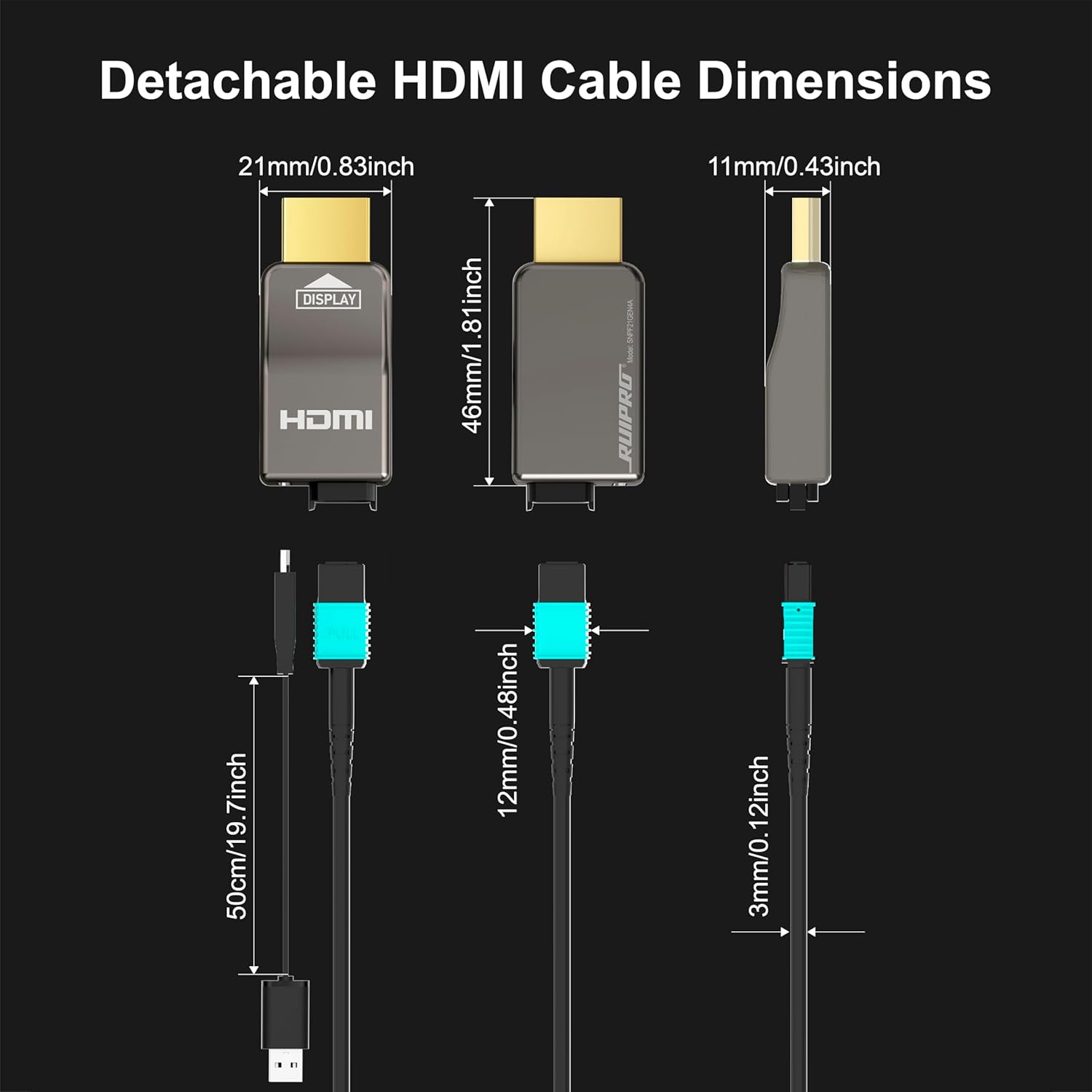
- How you’re planning to route it. The cable is described as thin, flexible and soft, which should suit conduit-style installs, but cramped spaces always add risk to connector handling.
- Your tolerance for setup time. Detachable ends can make installs easier in the long run, but you still need to connect the terminals properly once the cable run is in place.
Where a cheaper, simpler HDMI lead might work fine for short distances and older TV setups, this RUIPRO cable makes more sense if you’re specifically trying to future-proof an HDMI 2.1 capable setup or you’re installing in a way that makes future replacement annoying.
Final verdict
It’s a solid buy if you’re chasing modern HDMI 2.1 features (like 8K@60Hz, 4K@120Hz, dynamic HDR and eARC on the stated spec) and you want a fibre optic HDMI cable for a longer or more awkward installation. The detachable connector ends also bring a level of practical resilience if the cable is installed in a wall or conduit and you’d rather not replace the full run due to connector-end issues.
You may want to skip it if your devices don’t support the relevant HDMI 2.1 modes, or if you just need a basic short HDMI lead where interference risk is low and detachable ends won’t change much.
Mini FAQ
Is this HDMI 2.1 cable suitable for PS5 and Xbox?
The listing states compatibility with TV, PS5 and Xbox, alongside Blu-ray players, monitors and projectors. If your specific TV/display supports the same HDMI 2.1 features, that’s where you’ll benefit.
Does it support dynamic HDR and eARC?
Yes—dynamic HDR and eARC support are included in the stated features.
Why choose detachable connector ends?
It’s mainly about reducing replacement costs and effort if a connector end is damaged during installation or after a wiring job.
Will it automatically deliver 8K@60Hz or 4K@120Hz?
The cable supports those modes on paper, but the actual output depends on both source and display capabilities and how your devices are configured.
What kind of installations is it aimed at?
The description highlights home cinema, conference rooms, engineering installs and other environments where flexible cable routing and minimising interference concerns are useful.