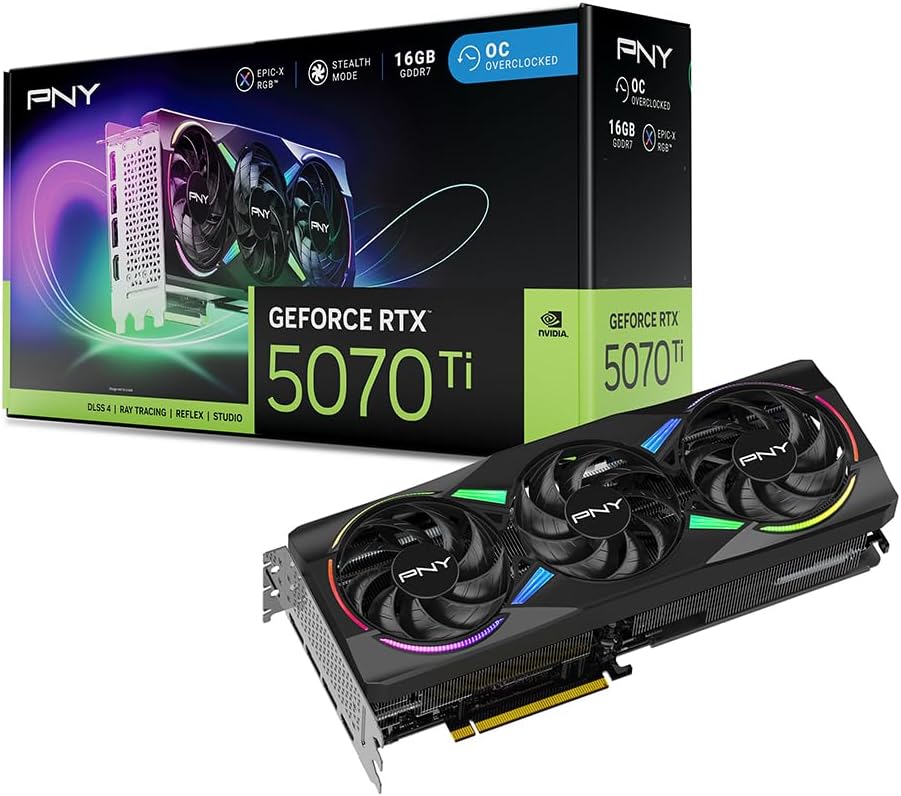
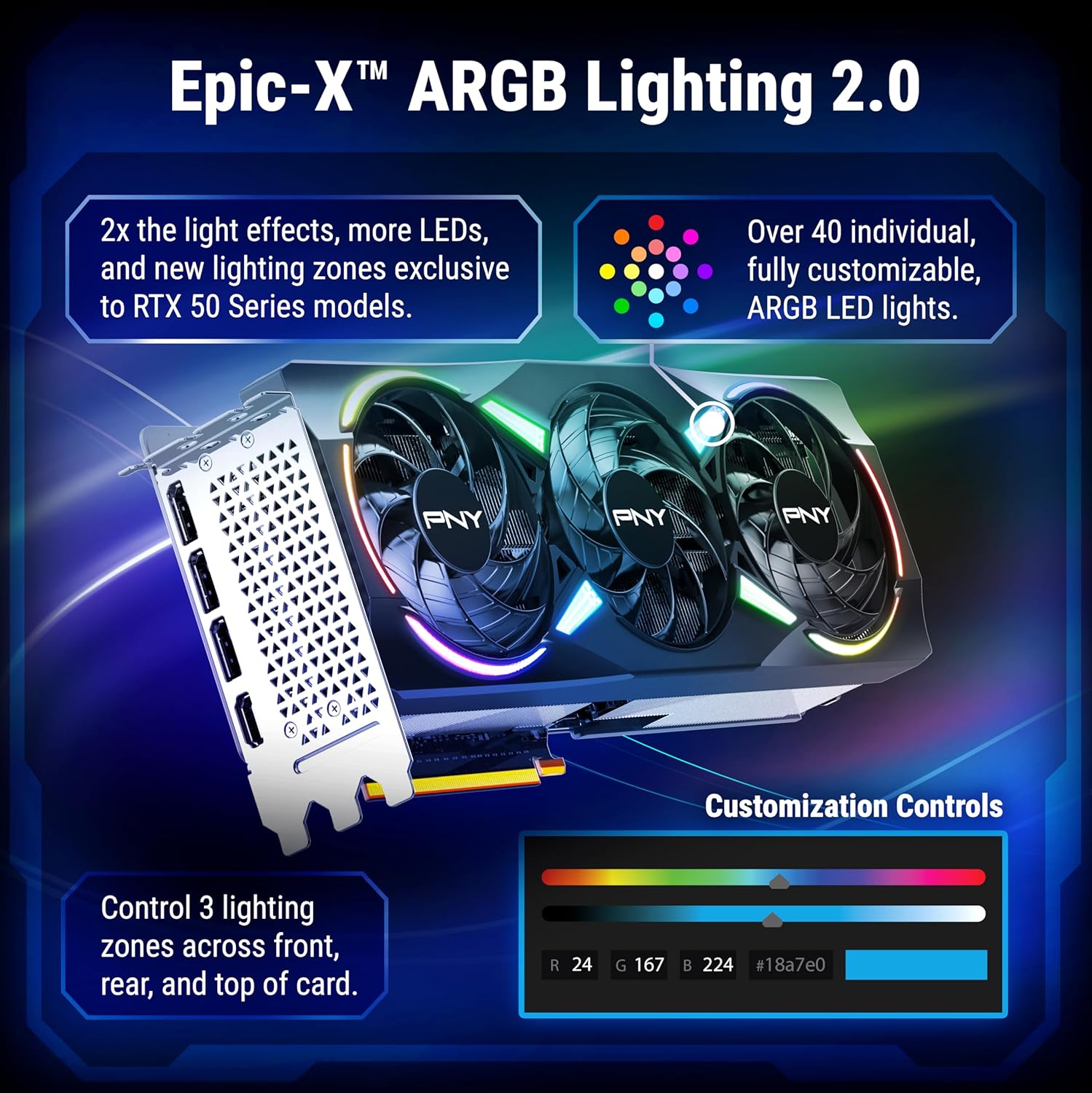
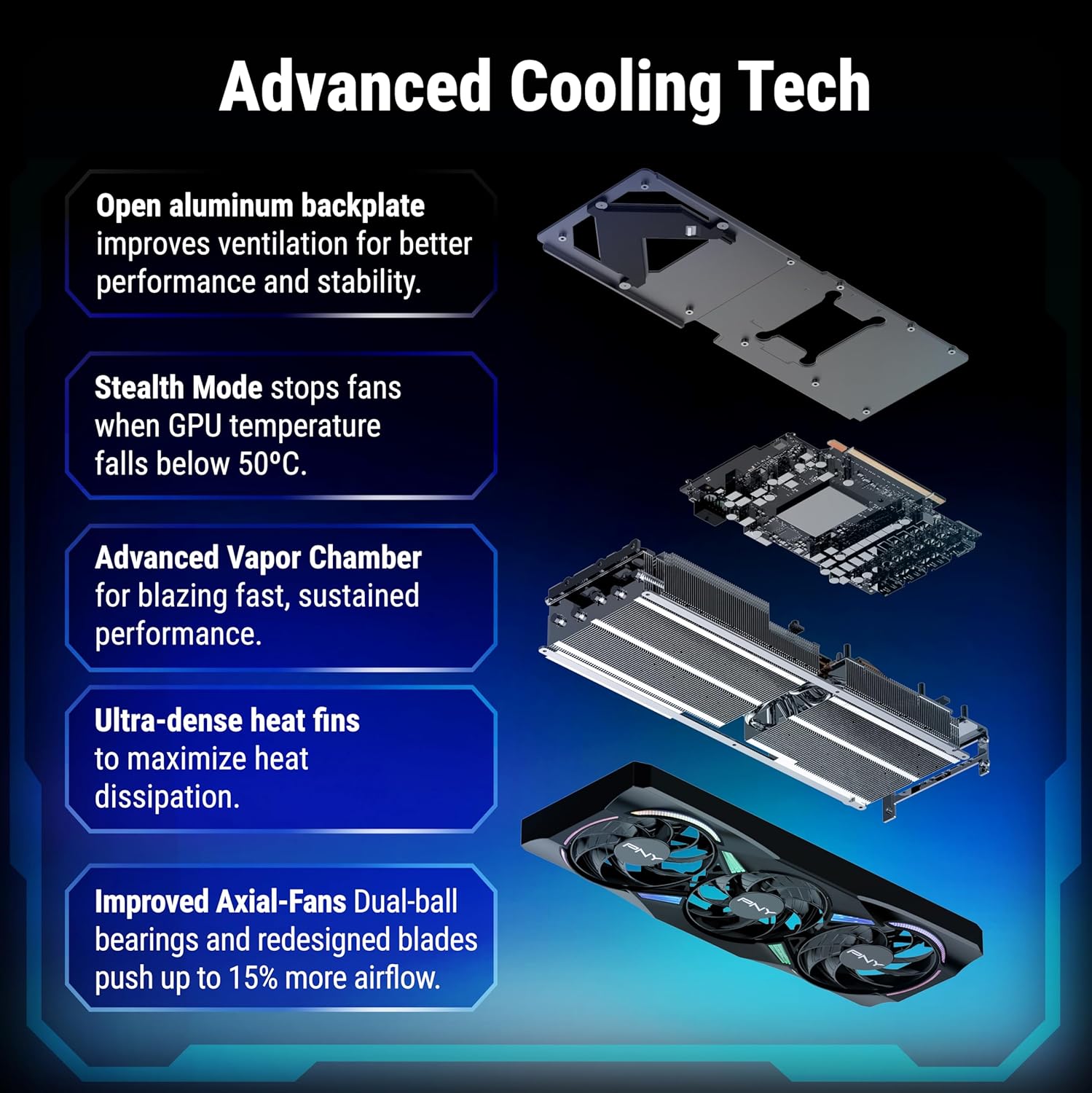
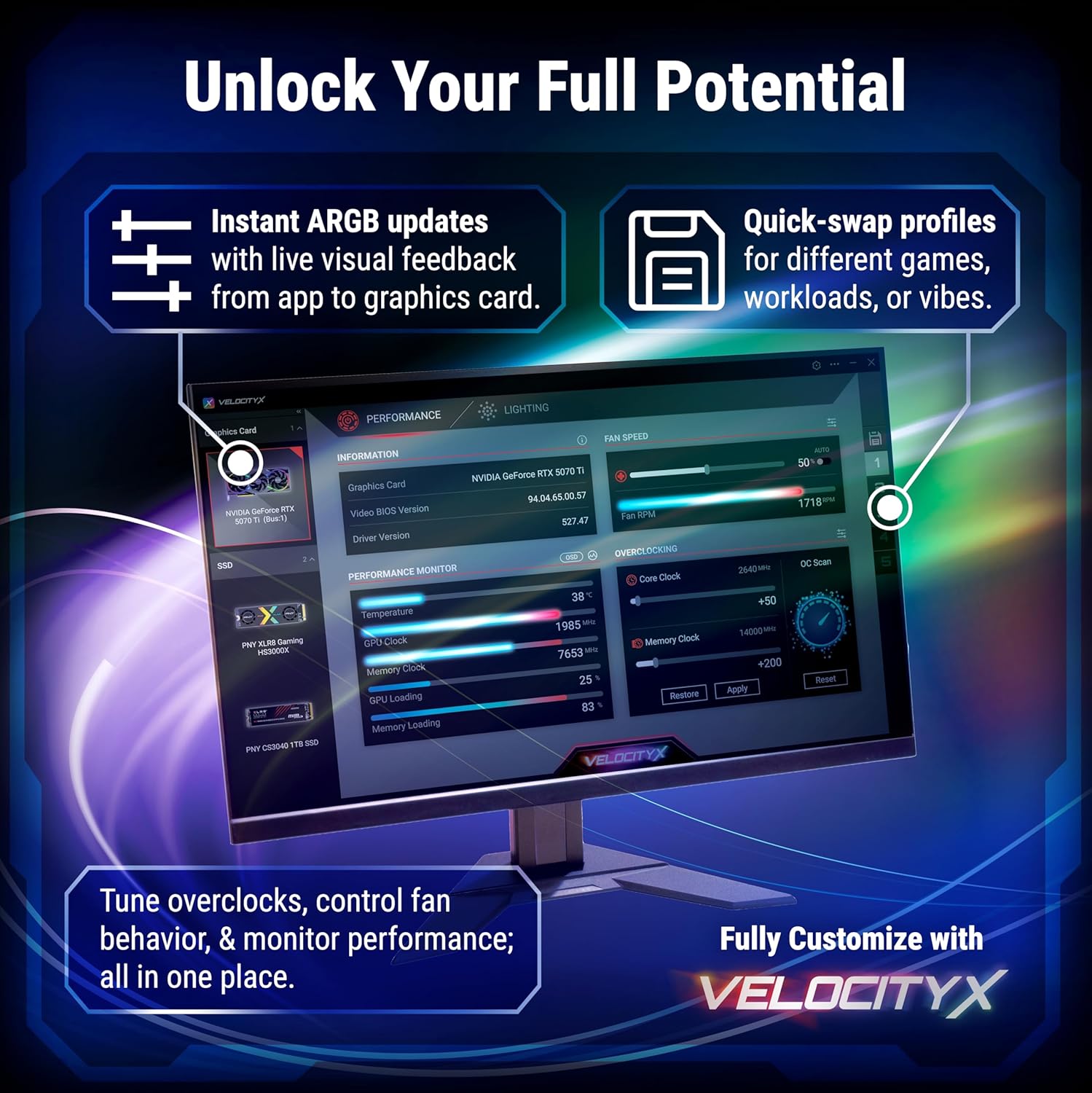
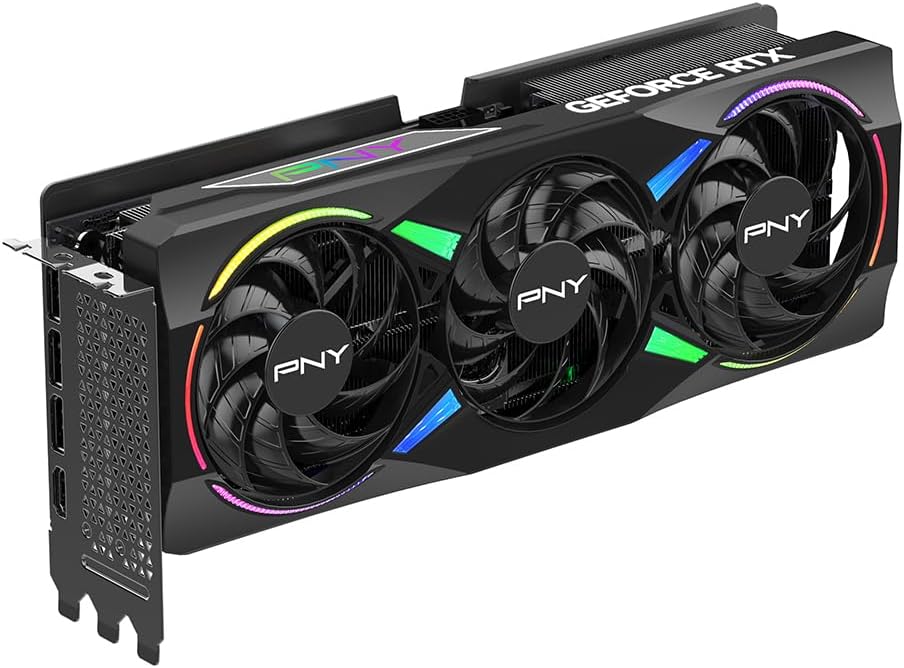
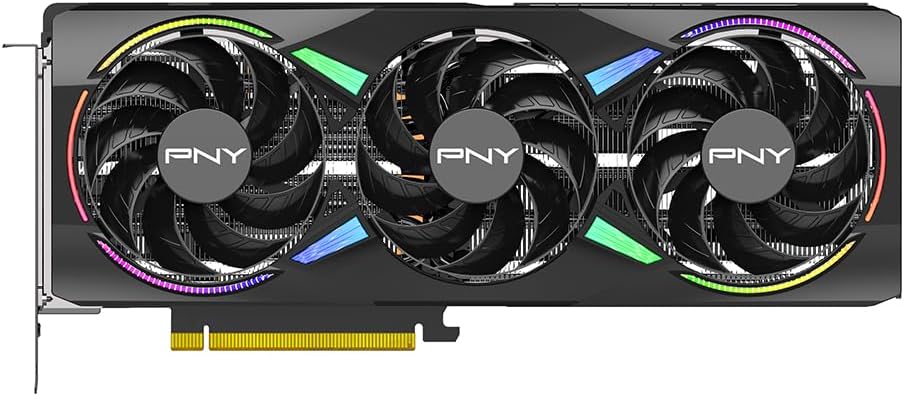
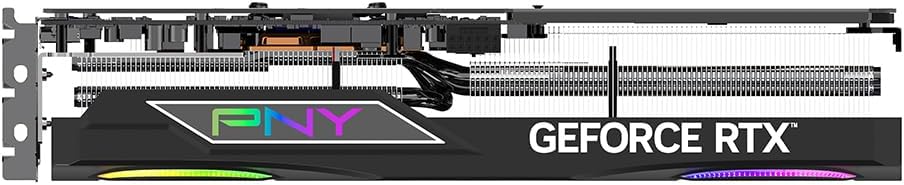
What it is and what it solves\nThe PNY GeForce RTX™ 5070Ti is a high-performance graphics card designed for demanding modern games. Built around NVIDIA DLSS 4 and the Blackwell architecture, it aims to balance image quality with frame rates, making it a practical choice for gamers who want solid visuals without chasing the absolute top-end price tag.\n\n## What stands out on paper\nThis card features 16GB of GDDR7 memory on a 256-bit bus, backed by 8960 CUDA cores and memory bandwidth up to 896GB/s. Core clocks sit around 2295MHz with a boost up to 2640MHz, and it supports PCIe 5.0 for compatibility with newer systems. The display outputs include DisplayPort and HDMI, giving you flexible multi-monitor options. The VelocityX software offers control over performance and RGB lighting, which can be convenient for tuning and aesthetics.\n\n## Strengths and limitations in use\nOn the plus side, the 16GB of VRAM helps with texture-heavy titles and future-proofing for higher resolutions. The triple-fan cooling design is aimed at maintaining thermals under sustained loads, which can translate to more stable performance in long gaming sessions. On the other hand, real-world gains depend on the rest of the system and the game’s demand, DLSS 4 performance can vary by title and quality settings. The 5070Ti sits in a mid-to-upper tier within its family, so it’s not a budget card, but it isn’t the absolute top of the line either.\n\n## Who it’s for\nThis card is suitable for gamers who want good 1440p—to some extent 4K—gaming, with a preference for higher VRAM and a visually rich experience. If you prioritise steady frame rates in modern titles with ray tracing, and you value customisation through RGB lighting, this model could be appealing.\n\n## Who it isn’t for\nIf you’re chasing the best possible performance at the lowest price, or if your monitor and game titles don’t utilise ray tracing or DLSS effectively, there might be more cost-efficient options. It may also be less attractive if your current system isn’t PCIe 5.0-ready or if your power supply isn’t up to the mark.\n\n## Before you buy: what to check\n- Ensure your case has adequate space for a triple-fan cooler and that your motherboard supports PCIe 5.0.\n- Verify power supply compatibility and any required connectors.\n- Consider your target resolution and typical game titles to gauge if 16GB VRAM is beneficial for you.\n- Factor in the rest of your system balance (CPU, RAM) to avoid bottlenecks.\n\n## Practical use case in mind\nImagine stepping into a current triple-A title at high settings, with ray tracing enabled, and enjoying smooth gameplay across multiple displays. The card’s clock speeds and memory bandwidth are pitched to sustain this, though actual experience will depend on the game and resolution you target.\n\n## Quick comparison mindset\nIf you’re deciding between this and a lower-spec card, consider whether you’ll gain meaningful frame-rate headroom and future-proofing through DLSS 4 and the 16GB VRAM. If not, a more modest model might represent better value. If you’re aiming for higher resolutions or more demanding titles, this card is positioned to perform well without stepping up to the very top tier.\n\n## Is it worth it?\nFinal verdict: Worth considering if you want a solid balance of memory, cooling performance, and DLSS 4 capabilities for contemporary titles, provided your system and budget align. It may not be the best option if you’re tightening spend or if your use case is light on ray tracing benefits.\n\n## FAQ (practical answers)\n- How much memory does it have? 16GB GDDR7.\n- Does it support PCIe 5.0? Yes.\n- Can I expect strong ray tracing performance? Yes, within the context of DLSS 4 and the Blackwell architecture, with results varying by title.