


KIWI design V3 Facial Interface Face Pad for Meta Quest 3 (Ventilated, light-blocking) — not for Quest 3S
Product description
What it is and why you’d bother
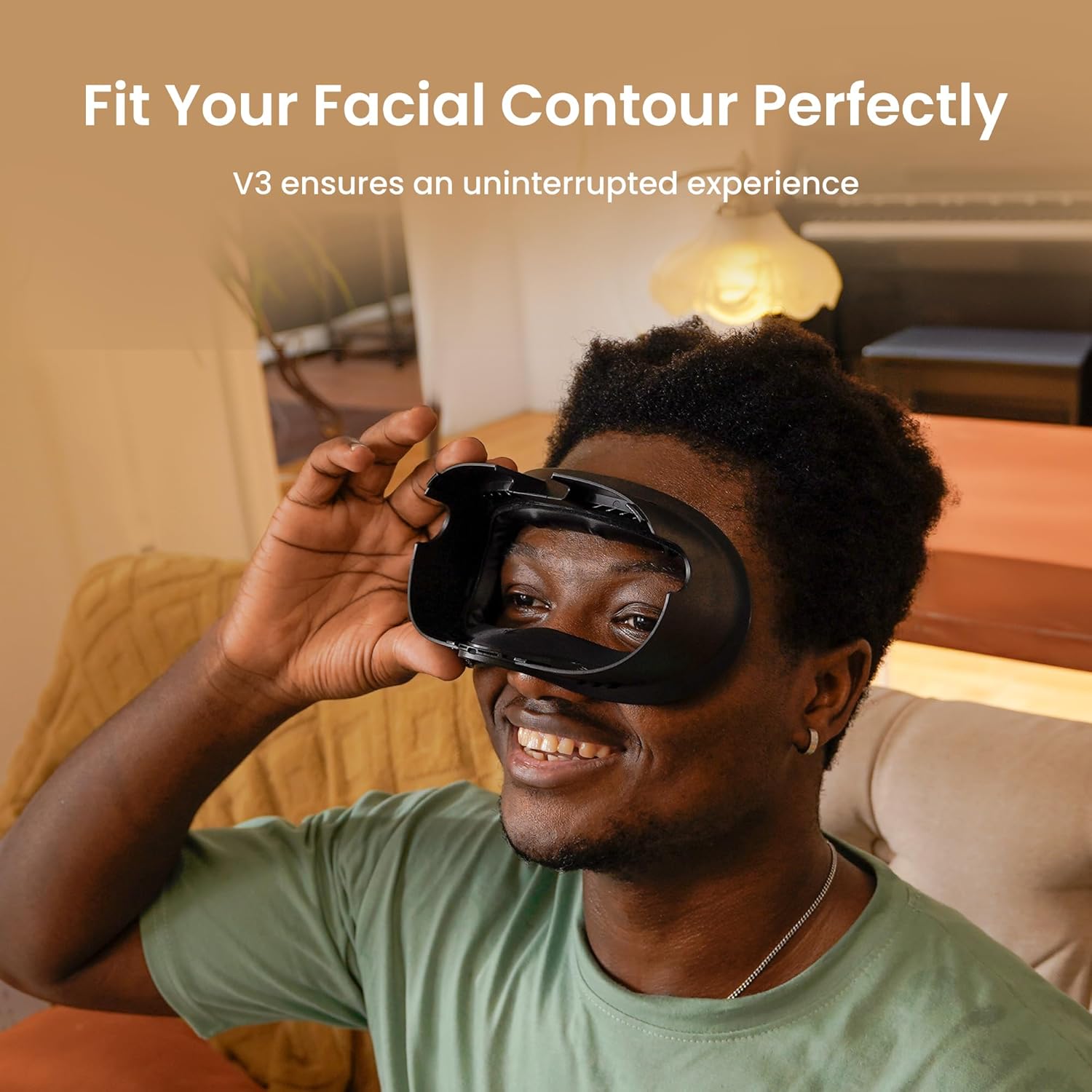
KIWI design V3 is a facial interface face pad made for Meta Quest 3 accessories, aiming to make longer play sessions feel less warm, less sweaty and more comfortable against the skin. It focuses on two practical issues people often notice with VR headsets: airflow around the face and light leakage through the nose/face area.
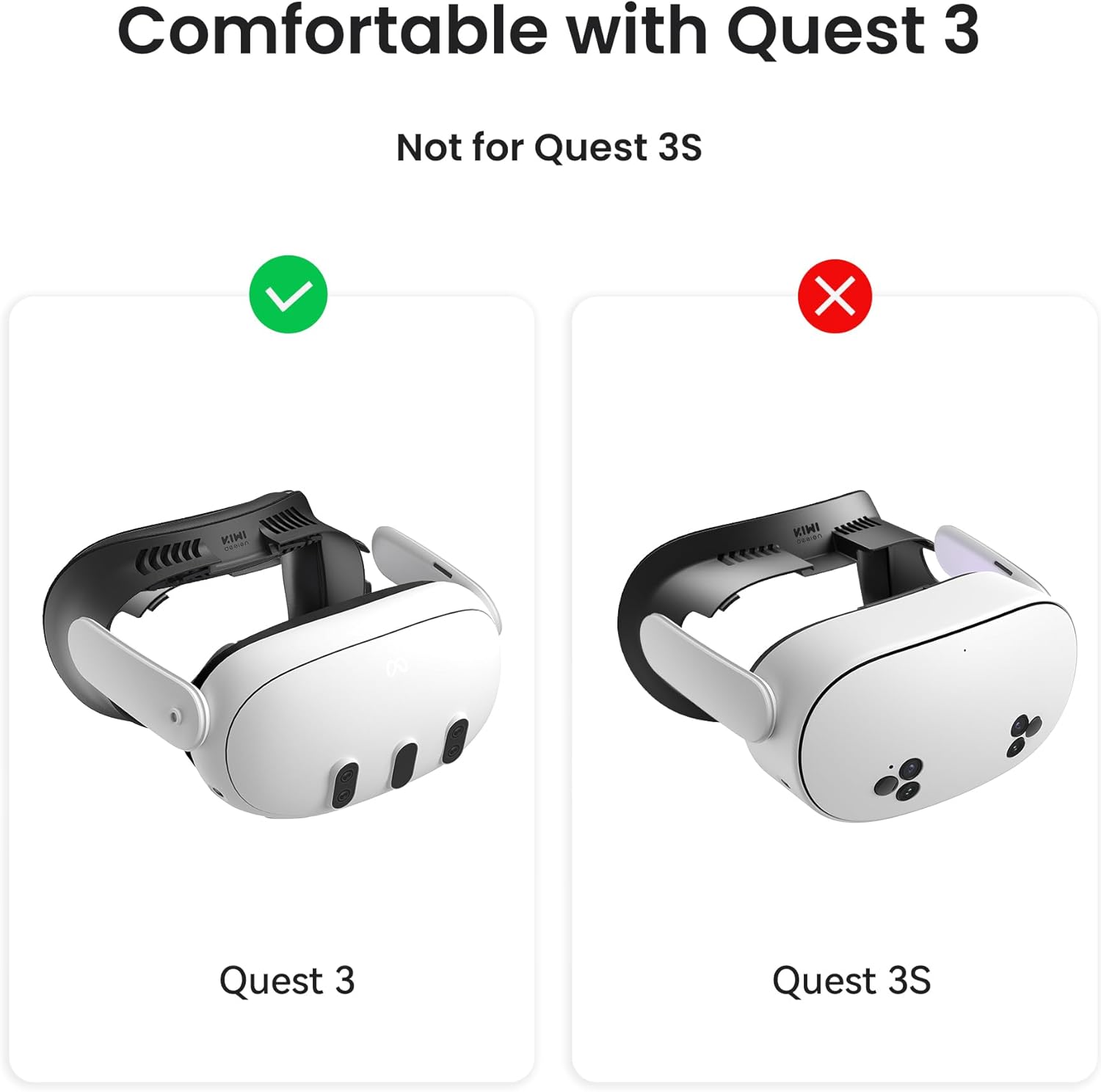
It’s also intentionally not a universal “fits everything” pad. The wording here is clear that it’s designed for Meta Quest 3 and not compatible with Quest 3S, so it’s worth double-checking your model before buying.
Key takeaways
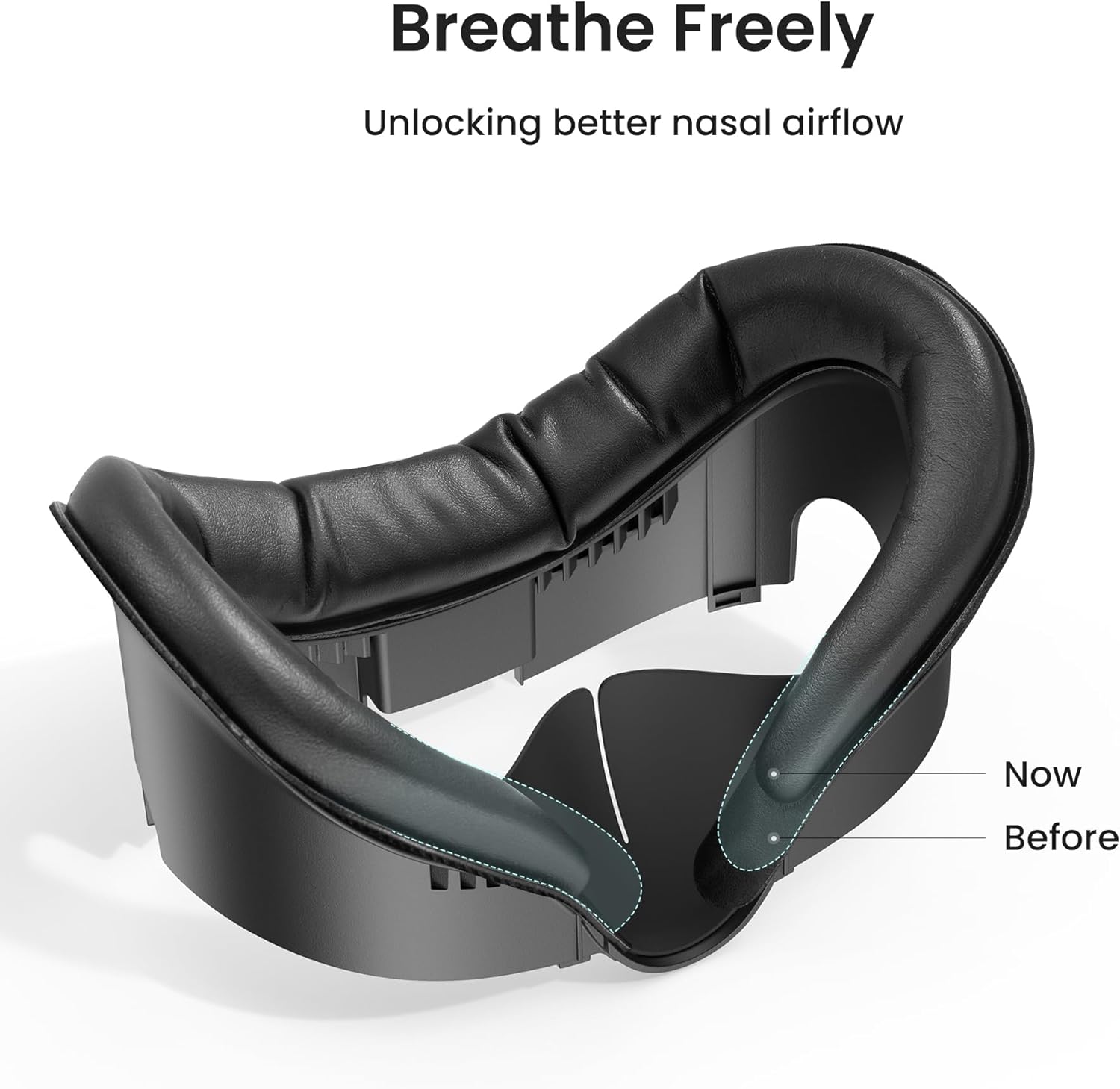
On paper, this face pad looks like the kind of upgrade you get for day-to-day comfort rather than raw performance—especially if you tend to play for longer stretches. You get a wide, soft cushion intended to wrap around your face with less pressure, plus a ventilation approach that’s meant to help keep things drier. There are also nose pieces and a light-blocking design choice intended to reduce stray light entering from the nose/face area.
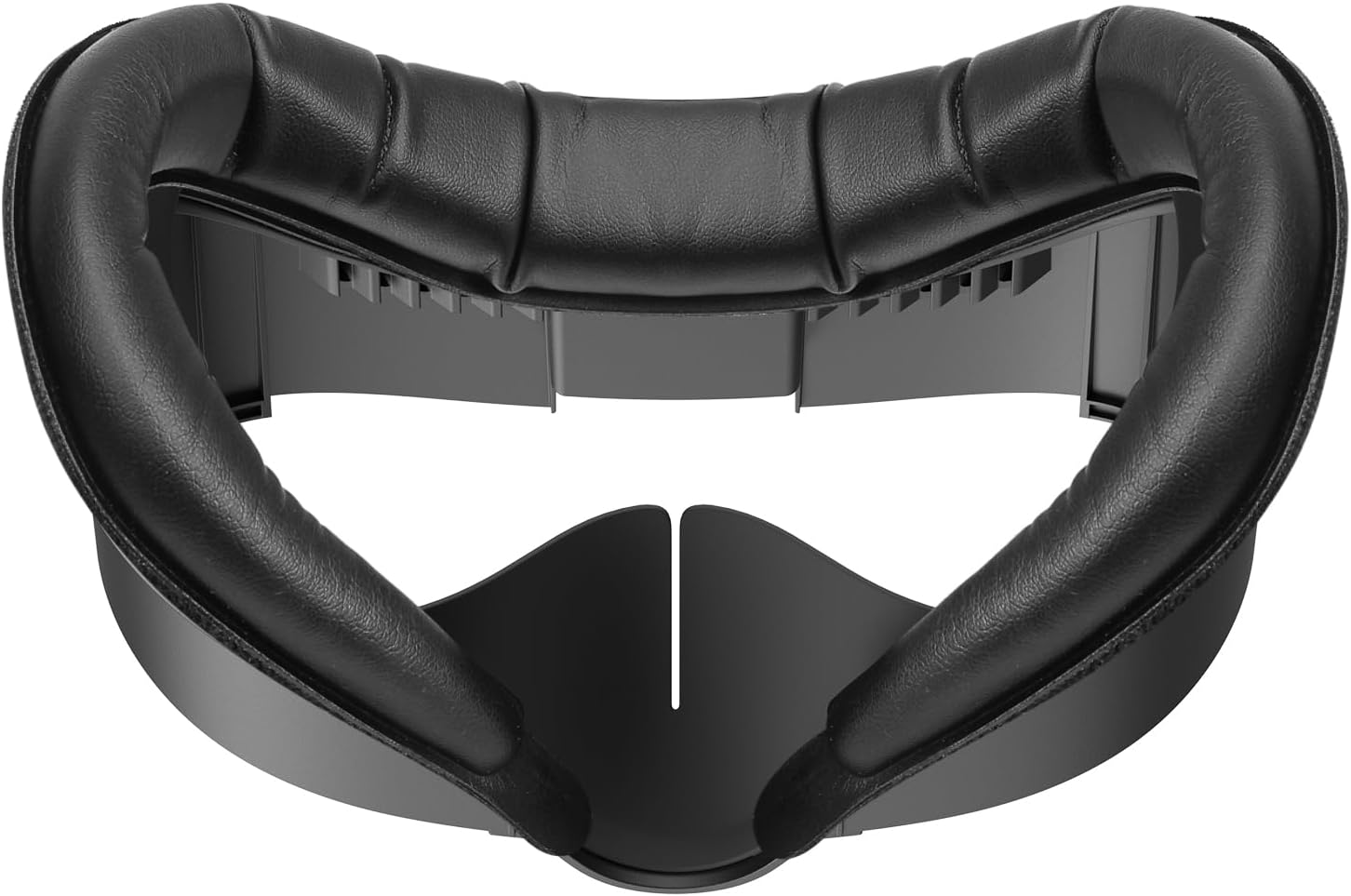
One small limitation to keep in mind: if your priority is a “hard” mod with lots of adjustability, this won’t necessarily scratch that itch based on the information given. It’s more about comfort and immersion, not fine-tuning every millimetre.
Where it shines in use
A good test for a facial interface is how it feels after 30–60 minutes—not just when you first put it on.
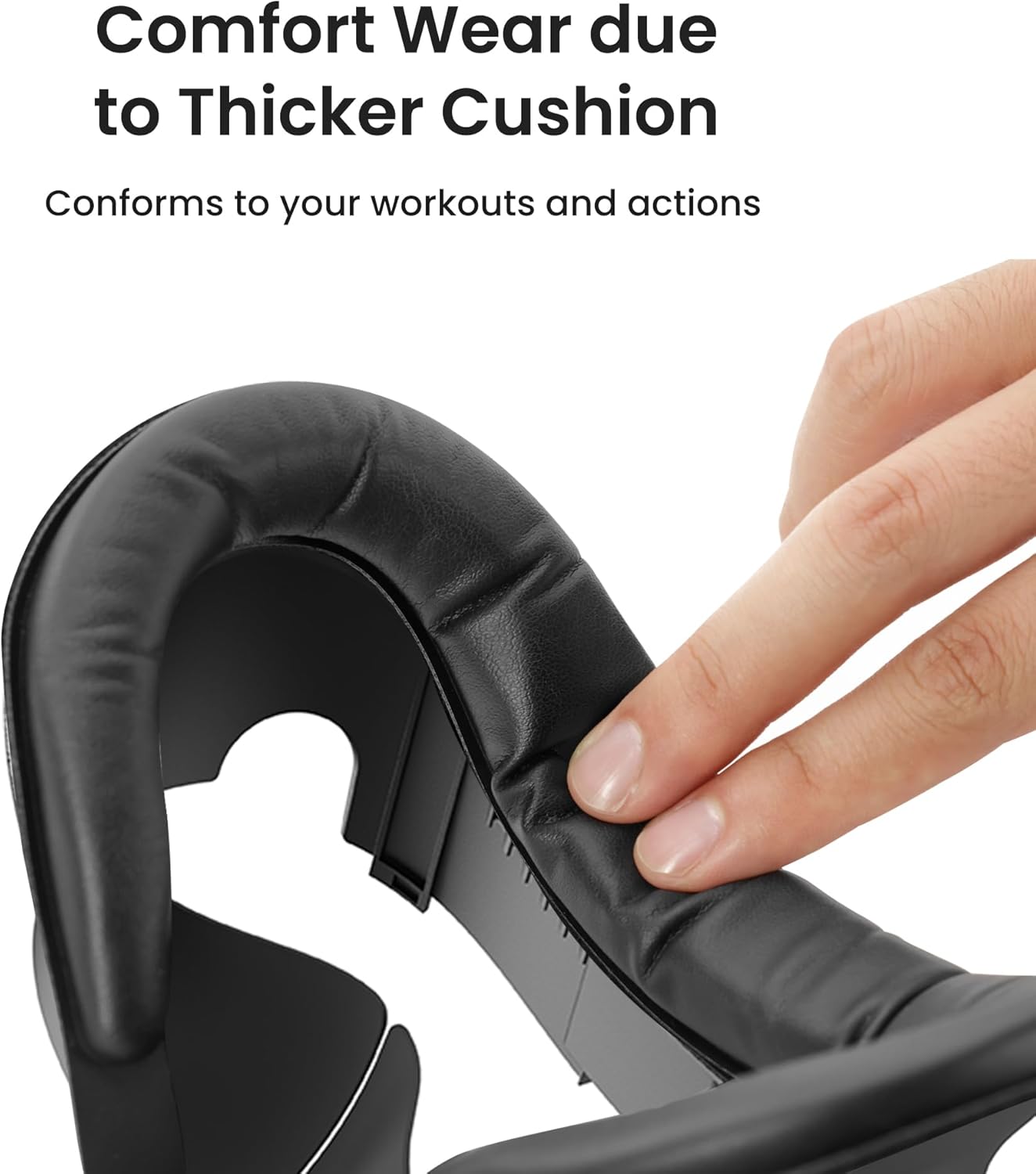
With this KIWI design V3, the wide cushion is meant to distribute contact around your face. The description highlights a thick and soft PU leather cushion, so you can press it down and feel little to no resistance. That matters if you’re the sort of player who has had to take breaks before because the headset starts to feel too tight or uncomfortable.
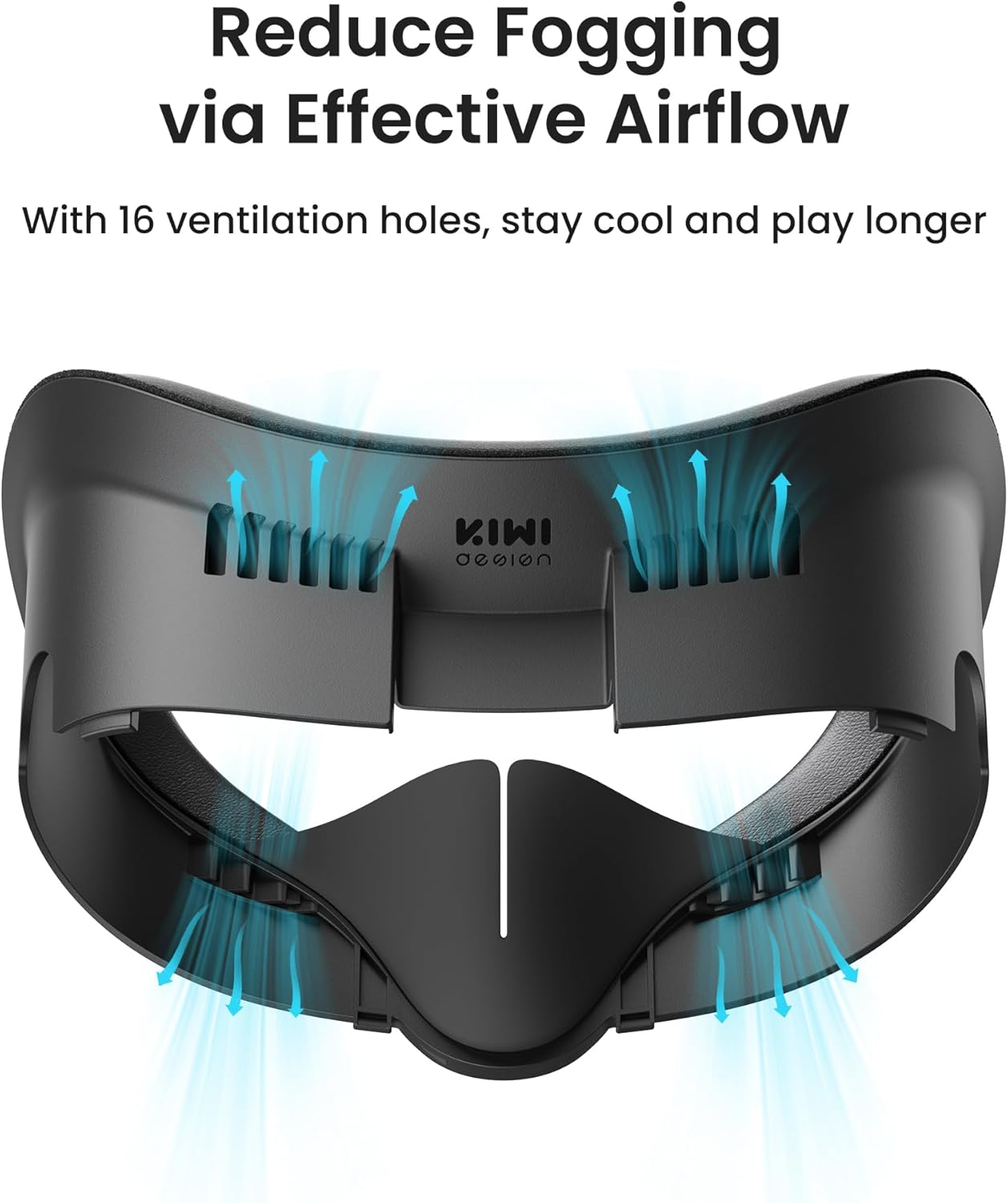
For ventilation, the L-shaped vent bracket design is the headline. The idea is to improve airflow without letting light through the vent area. In practice, that tends to be the kind of trade-off many people want in VR: less foggy, sweaty discomfort, while still keeping the experience visually immersive.
And on the immersion side, the two upgraded nose pieces are designed to prevent light from entering through the nose and face. If you’ve ever been distracted by a thin beam of light when the room lighting changes, that’s exactly the sort of annoyance this targets.
The essentials: light, comfort and cleaning
There are three comfort-and-experience themes here:
- Ventilation designed to reduce moisture build-up, with a bracket shape intended to avoid light leakage.
- Wider, softer face cushion coverage meant to feel comfortable for longer sessions.
- Skin-friendlier PU leather pads intended to help avoid creases and red marks.
Cleaning is also handled in a sensible, everyday way: the pads can be wiped clean with alcohol cotton pads or water after use. That’s useful if you share the headset around the house, or if you just want something you can refresh quickly between sessions.
Worth noting that “easy to wipe” is not the same as “no maintenance”, so if you play in a very sweaty environment, you’ll still likely want to clean consistently.
Tech summary
This accessory uses an integrated structural design intended to install quickly—stated as under 10 seconds. The underside includes 4 tabs for a secure fit to the Quest 3, and the bracket height is described as suitable for most people.
It’s explicitly made for Meta Quest 3 accessories and not compatible with Meta Quest 3S.
Who it’s for (and who should skip it)
It makes sense if you: - Want a face pad upgrade for Meta Quest 3 that prioritises comfort for longer sessions. - Care about ventilation and would like a drier-feeling face while playing. - Are bothered by light leakage around the nose/face area and want better immersion. - Prefer something that’s relatively straightforward to fit and can be wiped clean after use.
You may want to skip it if: - You own a Meta Quest 3S (this is not compatible). - You’re looking for a highly adjustable interface with lots of custom fit options—what’s described here sounds more like a comfort-focused pad than a precision fit system. - Your goal is purely performance-related, this is about comfort, airflow and light blocking, not processing power.
Should you buy it?
If you’ve been playing Meta Quest 3 and feel the headset gets uncomfortable, warm, or lets in unwanted light, KIWI design V3 is the sort of upgrade that can genuinely change the day-to-day feel. The ventilation bracket, wide soft cushion and nose pieces are all aimed at reducing discomfort and distraction.
However, don’t buy it if you’re on Quest 3S, because the information given is clear about incompatibility. And if you’re the type of buyer who expects lots of adjustment options, the described “under 10 seconds” fit and “suitable for most people” height may feel a bit limiting.
Mini FAQ (quick answers)
Quick FAQ
Is it compatible with Meta Quest 3S?
No. It’s designed for Meta Quest 3 and specifically states it’s not compatible with Quest 3S.
How fast does it install?
The description says it can be installed in less than 10 seconds.
Does it help with light leakage?
Yes, the design includes ventilation that’s intended not to let light through, plus two upgraded nose pieces intended to prevent light entering through the nose and face.
Can it be cleaned easily?
It can be wiped clean with alcohol cotton pads or water after use.
What kind of comfort improvement should I expect?
The pad is described as wide, thick and soft, with the cushion intended to feel low-resistance when pressed—aimed at reducing pressure and discomfort during longer sessions.