

JAYO PLA 1.75mm Pure Yellow Filament — 1.1kg for 3D Printing (UK Fit)
Product description
What it is and what it helps you do
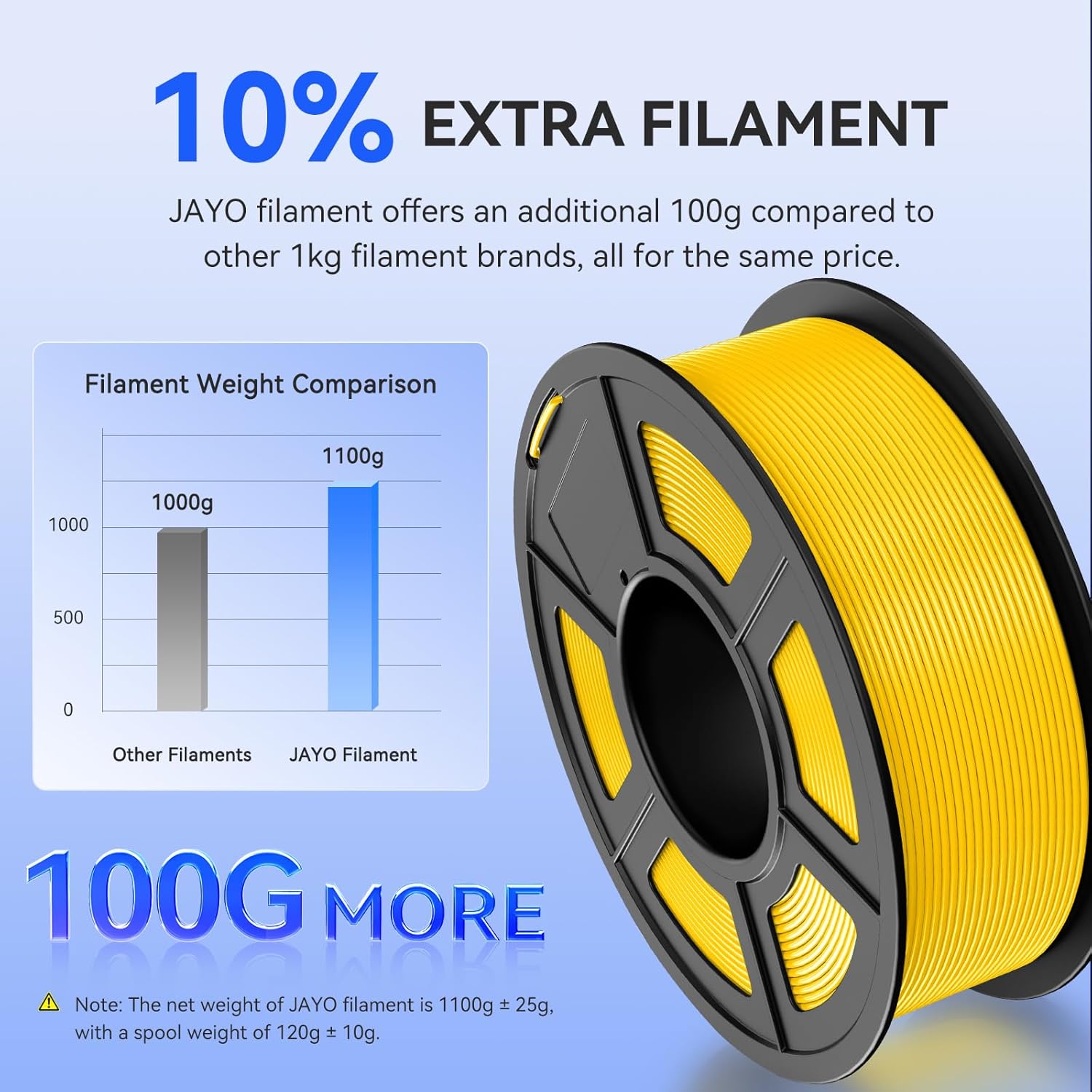
JAYO PLA 1.75mm Pure Yellow is a standard 1.75mm diameter 3D printer filament designed for FDM machines. It aims to deliver reliable, smooth prints with neat line alignment and good adhesion. This makes it a sensible choice if you’re building functional parts, small visual projects, or prototype models and want a straightforward material that’s beginner-friendly yet dependable for everyday use.
The essentials in one paragraph

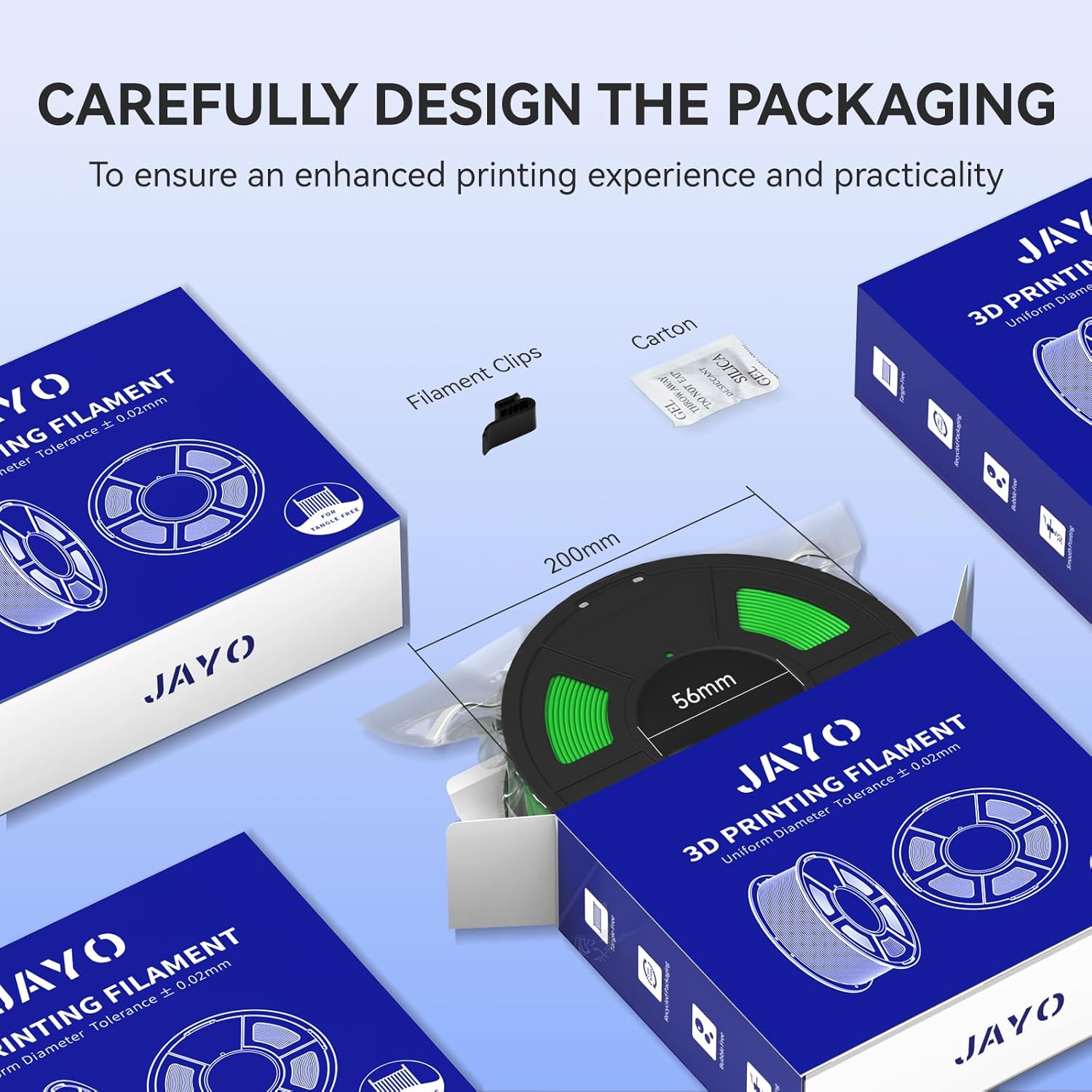
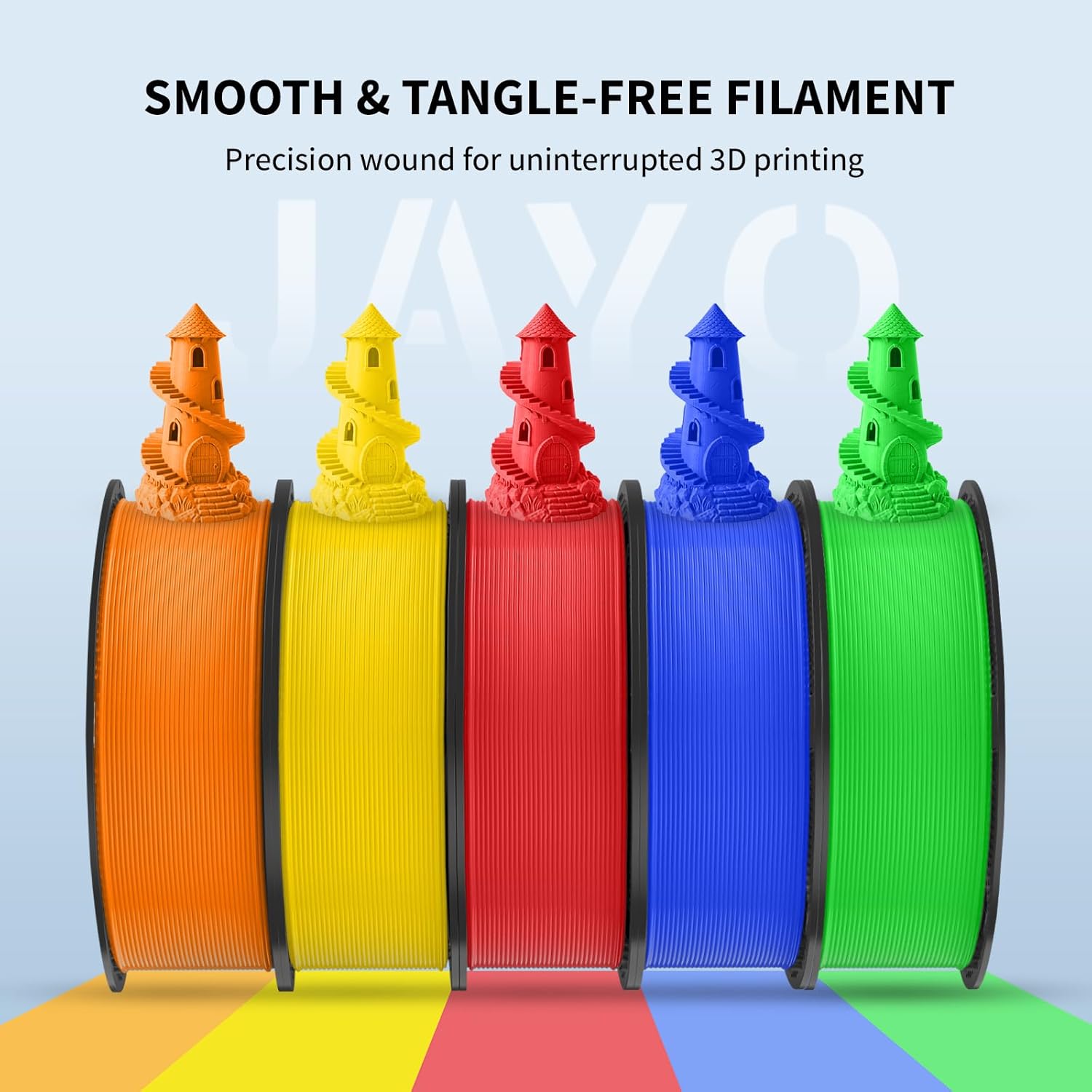
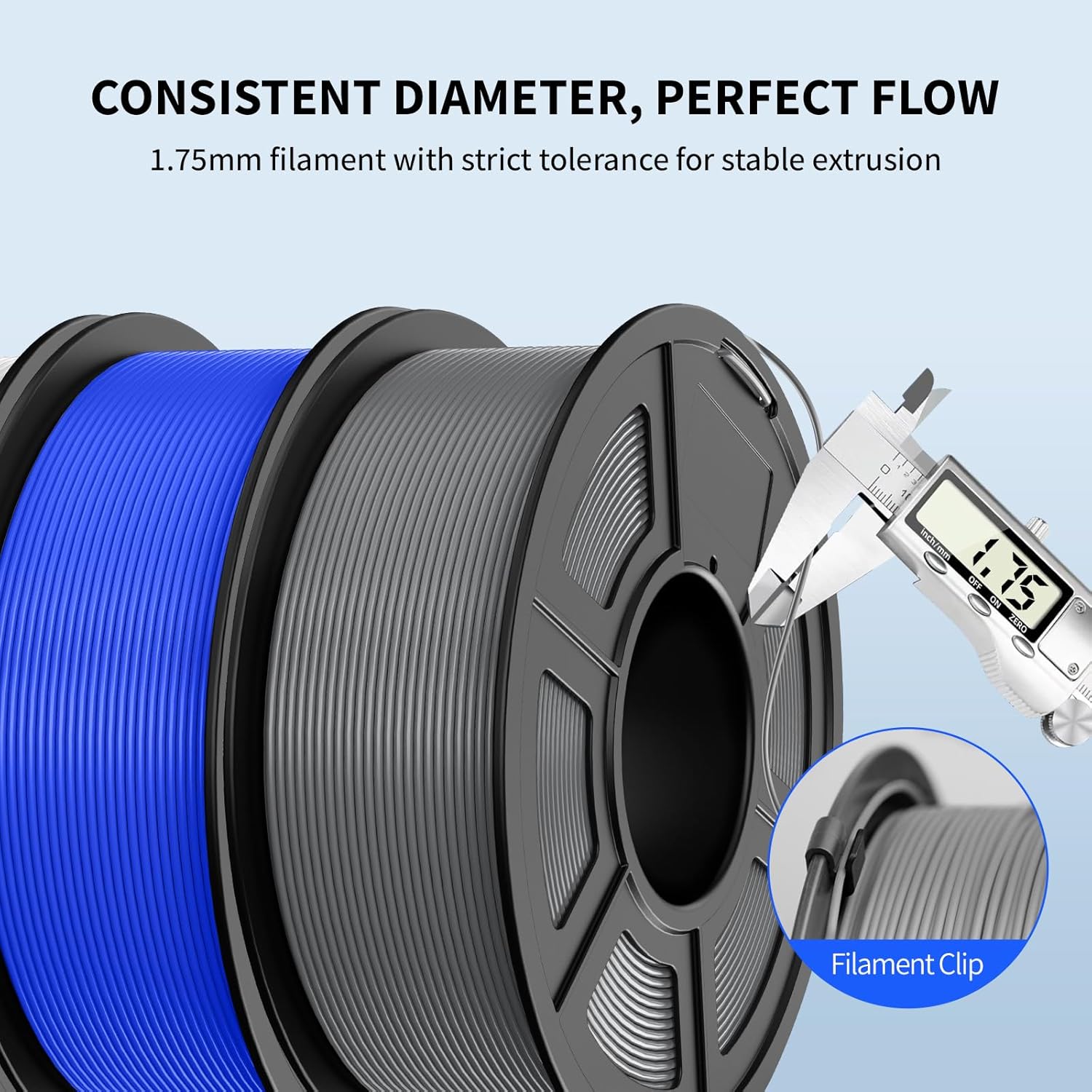
On the paper, the filament prioritises dimensional accuracy, with a stated tolerance of ±0.02 mm. It’s described as neatly wound to reduce tangling and breakage during printing, which should help minimise failed prints caused by snags or jams. The packaging includes moisture protection (plastic vacuum seal and desiccant), which is helpful because PLA can be moisture-sensitive. The recommended printing window is broad enough for typical home printers: nozzle 200–210°C, bed 50–65°C, speed 50–100 mm/s.
What stands out in use
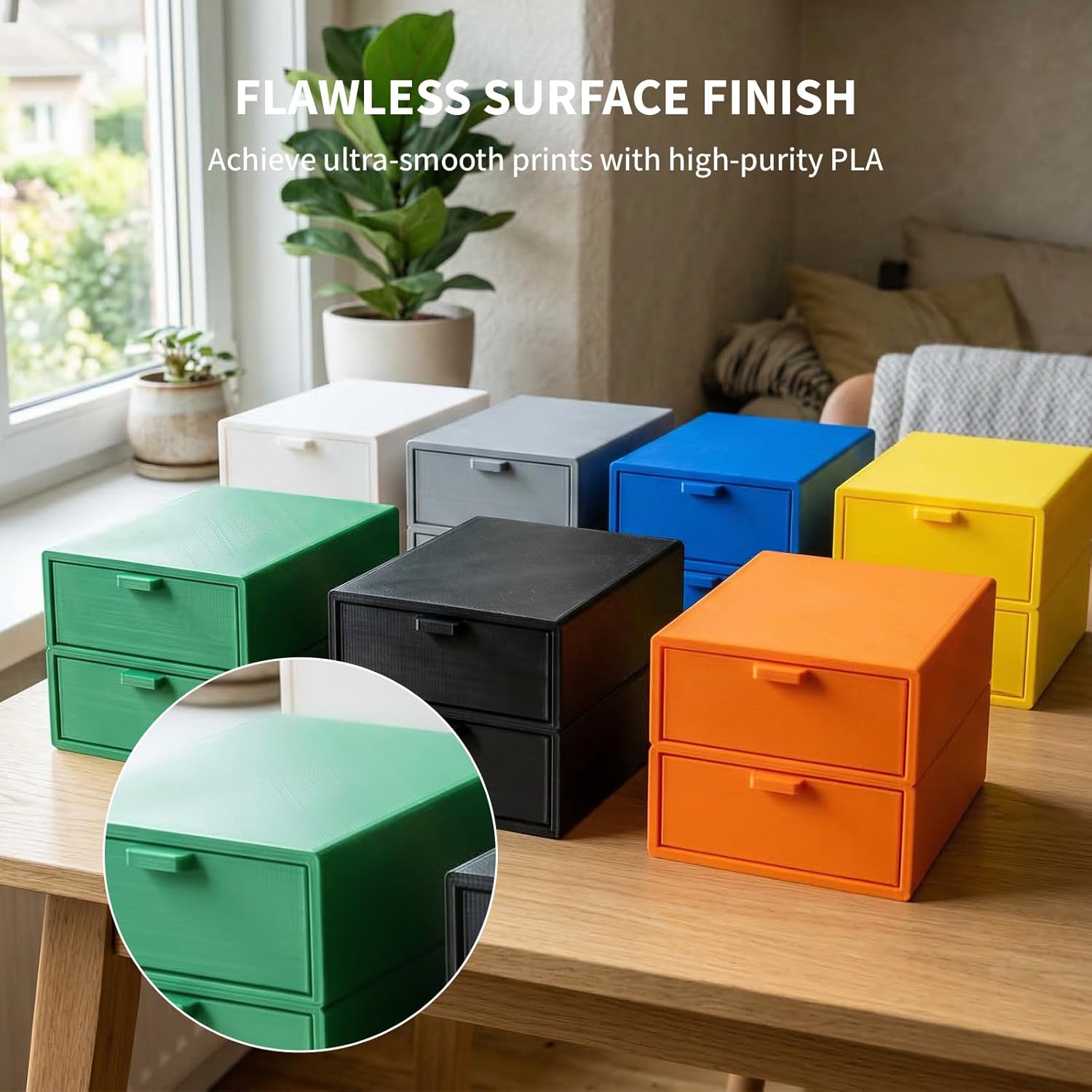
In practice, the emphasis on flow and reduced clogging is notable. Improved flow can mean fewer pauses to clear a blocked nozzle, and the lower tendency to bubble or clog can translate to cleaner surfaces and better layer adhesion. The colour option—Pure Yellow—gives a straightforward visual outcome for your prints without needing post-processing dyeing.
Pros and what to watch
- Pros: stable flow and good adhesion, modest moisture resistance thanks to desiccant packaging, precise diameter tolerance, neat winding reduces tangles.
- Limitations: while the guide temperatures are broad, real-world results can still vary with printer model, ambient humidity, and nozzle wear. It isn’t explicitly stated to be reinforced for high-temperature environments or specialised applications.
Who it’s for

If you’re new to 3D printing or you regularly print everyday objects that don’t demand advanced filaments, this PLA can be a sensible entry into colourful, easy-to-print parts. It suits hobbyists, educators, makers prototyping simple components, or students who want predictable performance without fiddling with material formulations.
Who it isn’t the best match for
Not ideal if you require high heat resistance, such as components close to hot surfaces or motors that generate significant heat. For projects demanding mechanical strength, impact resistance, or high-temperature stability, alternatives beyond PLA might be worth considering.
Before you buy: what to check
- Verify your printer’s compatibility with 1.75mm filament and confirm your typical nozzle temperature falls within 200–210°C.
- Consider your bed setup, PLA tends to print well on a warm bed but isn’t strictly mandatory to succeed.
- If you often print in humidity-prone environments, the desiccant packaging helps, but store the filament in a dry box after opening to maintain performance.
How this compares to other approaches
For basic parts and hobby projects, PLA like this offers a low barrier to entry versus more engineering plastics. If you’re choosing between colours, yellow can help with visibility in prototypes or educational models. For parts that see daylight or mechanical stress, you might look at materials with higher heat resistance or added durability, understanding this filament is aimed at straightforward printing rather than peak performance.
Practical usage example
Imagine you’re printing a set of functional brackets for a small workshop rack. The neat winding reduces the chance of a filament snag mid-print, and the stable flow helps you avoid inconsistent layer lines. With a print bed preheated to around 60°C, you can expect a clean finish on standard consumer printers, making it easy to assemble the final product without extra post-processing.
Is it worth it?
Should you buy it? If you prioritise reliable, easy printing with predictable results for hobby or educational projects in a bright, pure colour, this PLA stands up well on paper. It may not be the top pick if you need extreme strength, high temperature tolerance, or specialised mechanical properties. For everyday, cost-conscious printing with reasonable consistency, it’s a reasonable consideration.
FAQ (practical, no assumptions)
- How tolerant is the diameter? It’s stated as ±0.02 mm, which is within typical consumer PLA tolerances.
- Is it suitable for beginners? Yes, the combination of neat winding, good adhesion, and easy printing settings is friendlier for newcomers.
- Do I need a heated bed? The recommended bed temperature suggests a heated bed is beneficial, but PLA can also print on cooler beds with proper surface preparation.
Final thought to help your decision
If you’re after an approachable, colourful PLA that delivers straightforward results without a lot of tweaking, this filament offers a sensible balance of ease and reliability for standard home printers.