

Gikfun DIY 5A Range AC Current Transformer Module Pack (EK1344x5U) for Arduino — Practical Current Sensing for Beginners
Product description
What matters most
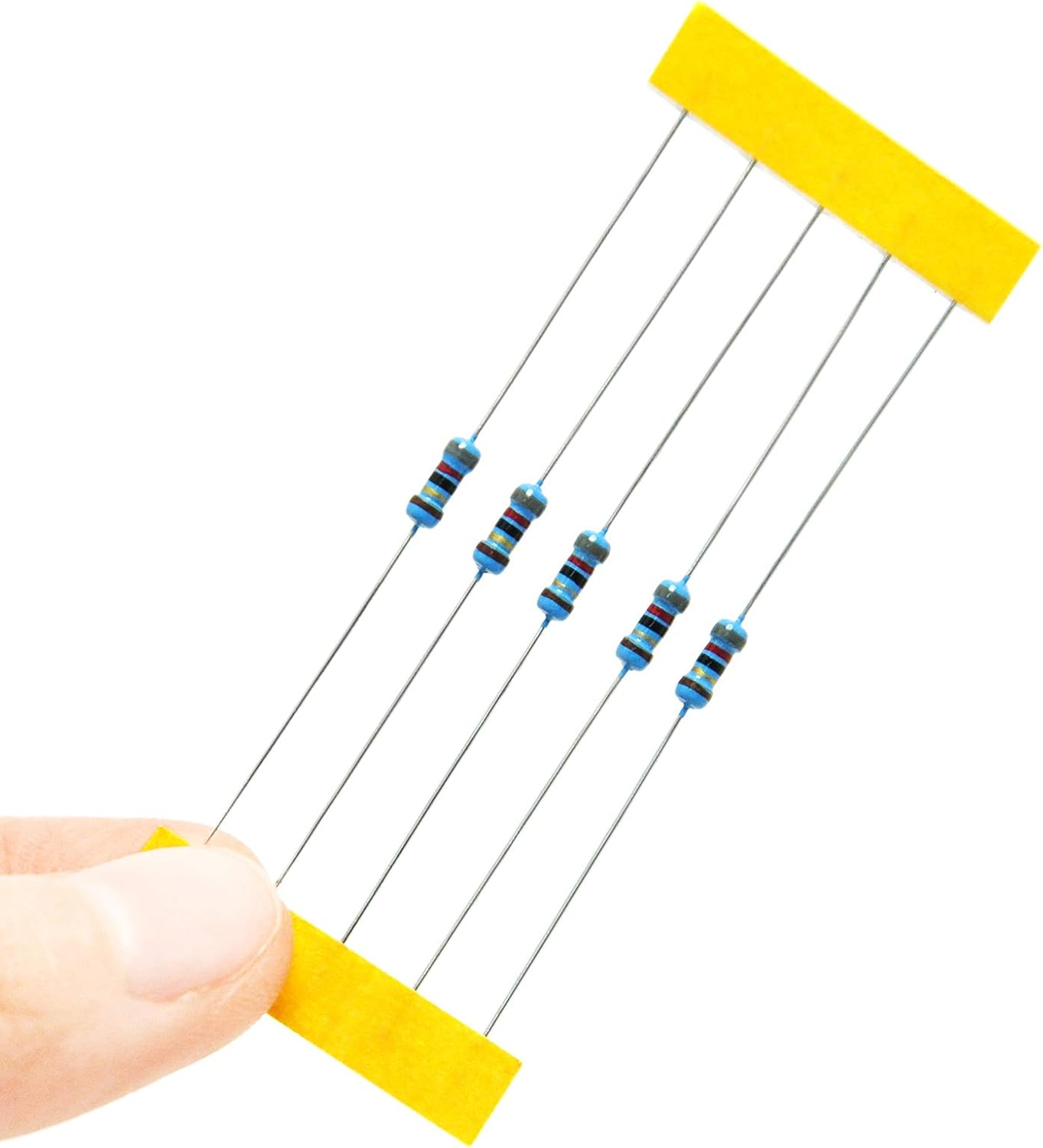
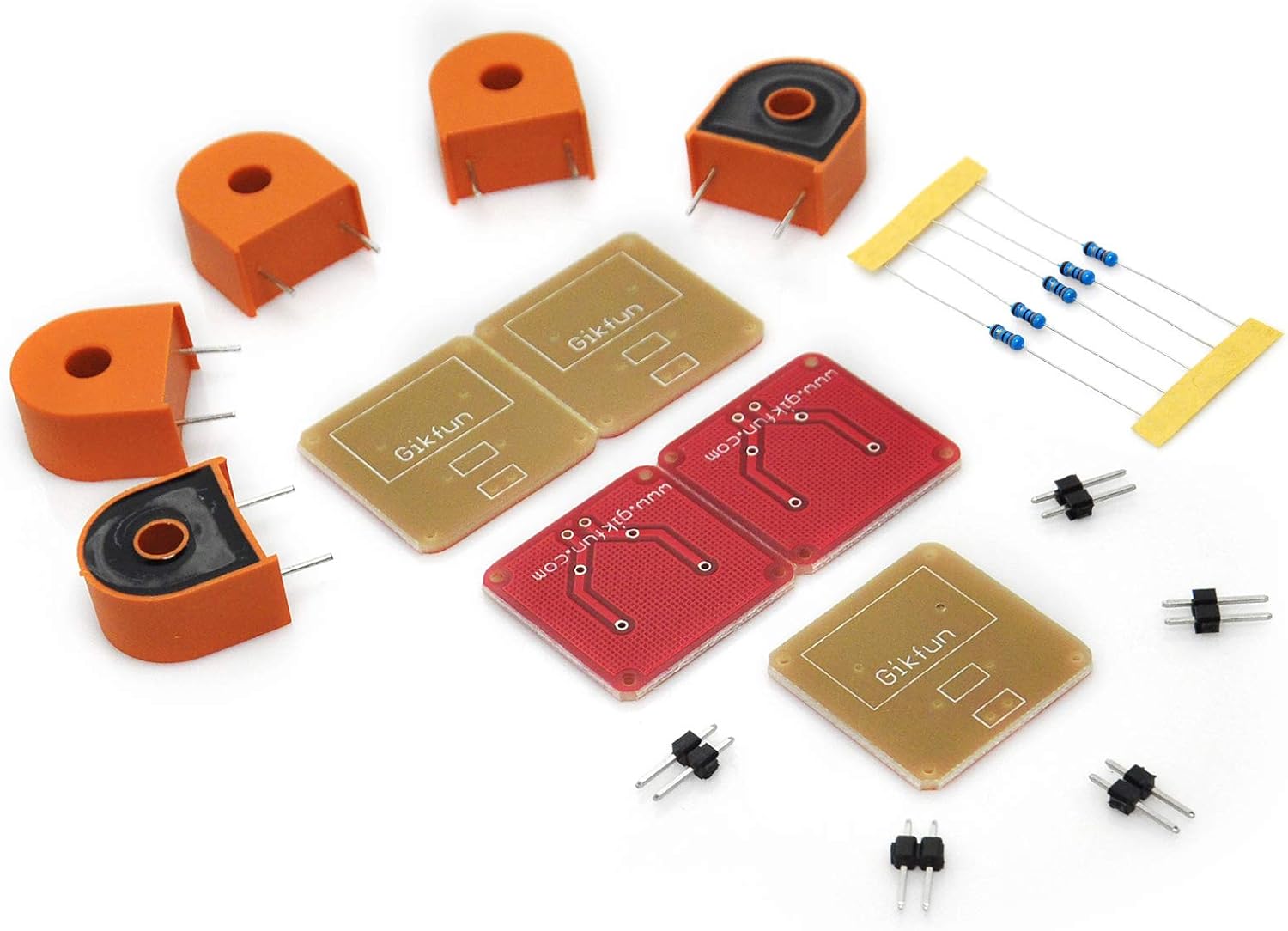
If you’re starting with Arduino or electronics tinkering, the Gikfun DIY 5A Range AC Current Transformer Module offers a hands-on way to sense AC current without expensive equipment. It’s designed as a solder-your-own kit, so you’ll need to assemble the board yourself. The core idea is straightforward: a precision micro current transformer on the board couples with a sampling resistor to convert AC current, up to 5A, into a proportional analog signal. The typical output is 5A/5mA, which makes it approachable for hobby projects and straightforward for experimenting with microcontrollers or data logging.
What it is and what it isn’t
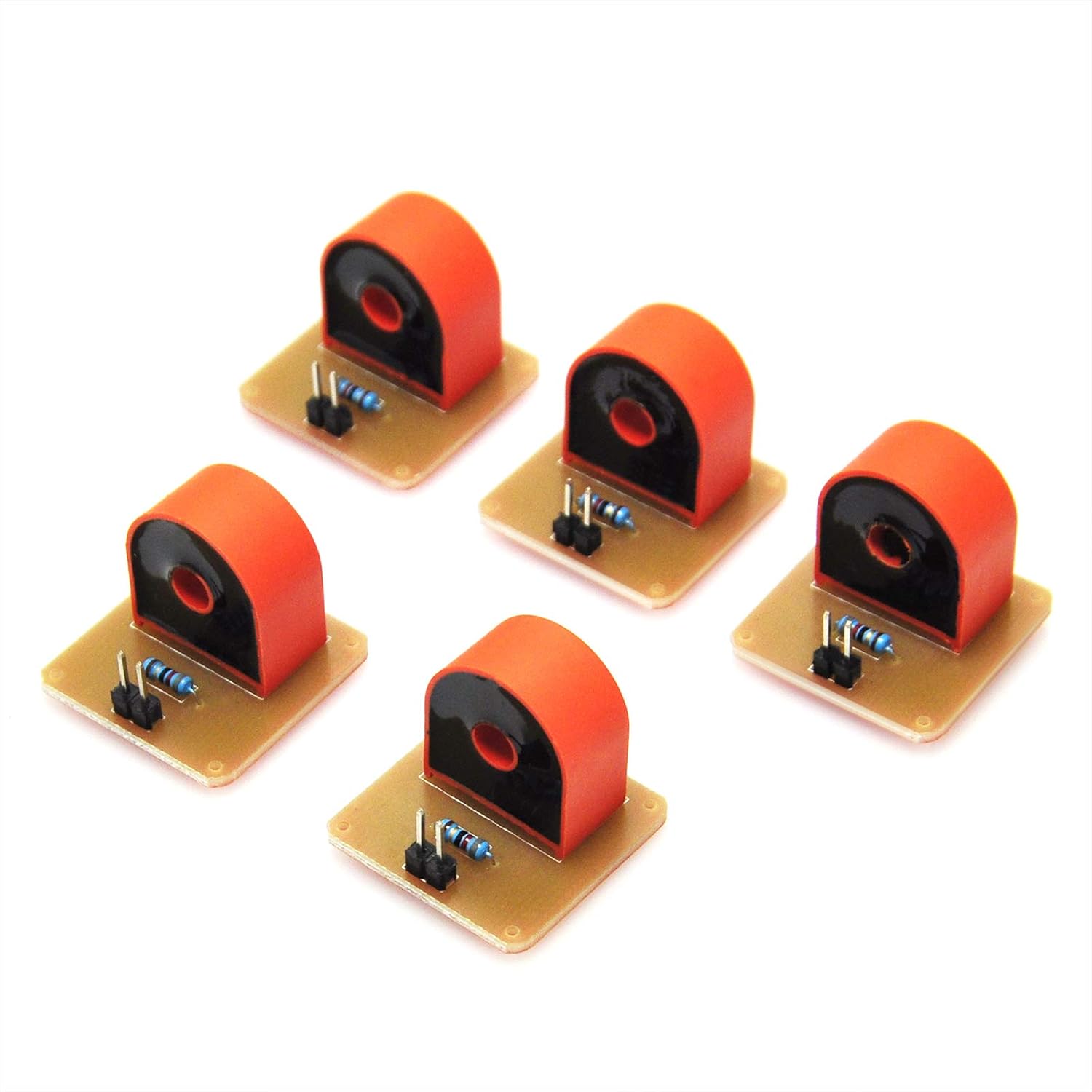
On paper, this is a compact current sensor module intended for low-current AC measurements. It’s not a plug-and-play device, you’ll solder components and possibly some headers to integrate it into a project. If you’re after a pre-assembled solution, this kit format can feel like extra work. That said, for a DIY learner, the combination of an onboard transformer and a demonstrable output helps demystify how current sensing translates to a voltage or current signal that a microcontroller can handle.
How it fits into your project
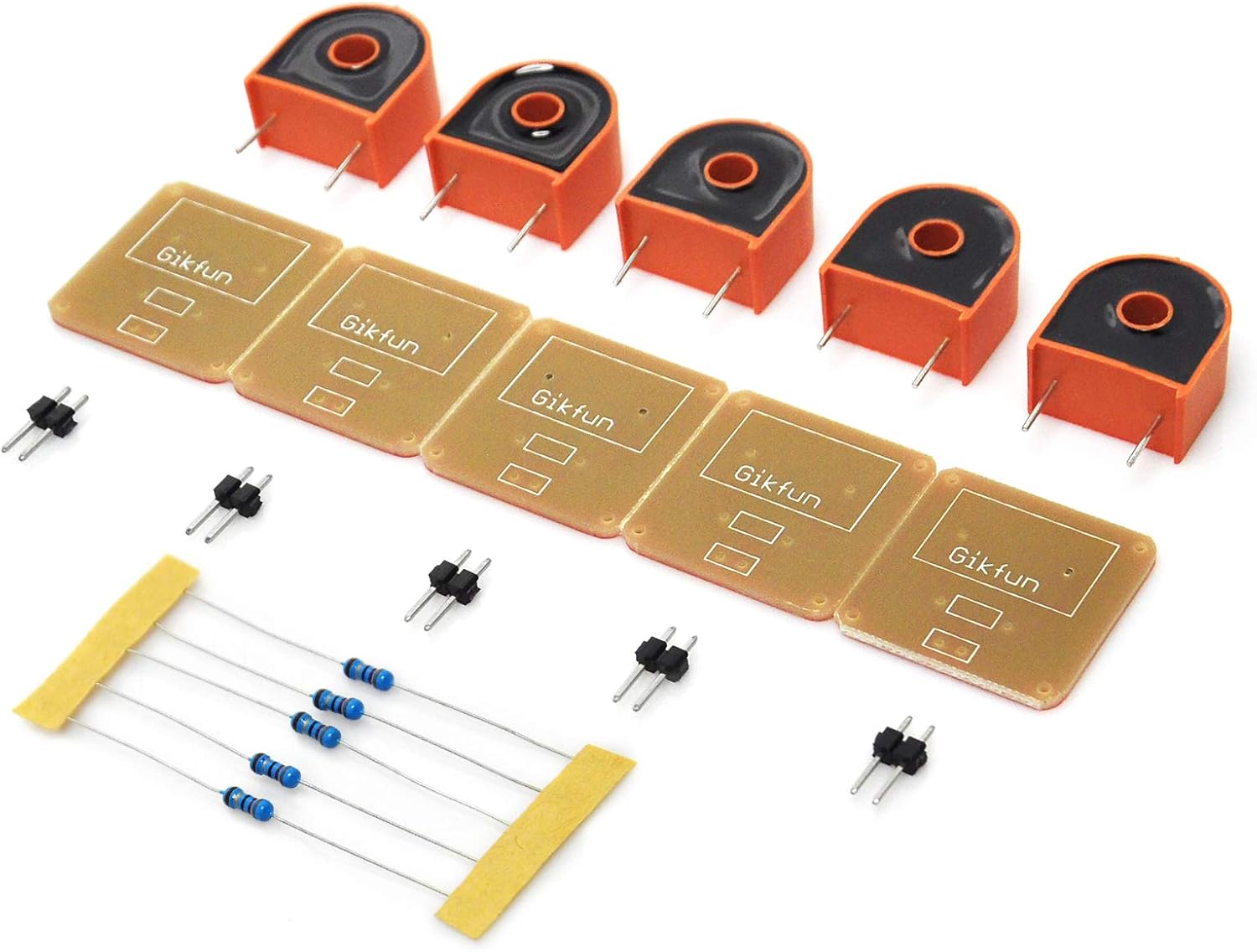
The module is suited to hobbyist experiments, classroom demonstrations, or early-stage prototypes where you want to measure AC current in a safe, small-scale context. It’s particularly useful when you’re exploring sensor interfacing with Arduino or similar platforms, provided you’re comfortable with building electronics and potentially calibrating the output to your needs. If you prioritise off-the-shelf convenience, this isn’t the ideal pick.
Strengths you’ll notice in use
- Simple concept with a straightforward output: AC current is transformed and presented as an analogue signal compatible with common microcontroller ADC inputs.
- Compact kit form: five sets in the pack offer flexibility for multiple experiments or parallel projects.
- Value for money for learning: you’re paying for a hands-on experience and a repeatable store of components rather than a single ready-to-use module.
- Low-current range is well-suited for beginners who don’t need to measure high amperage in early experiments.
Limitations and caveats
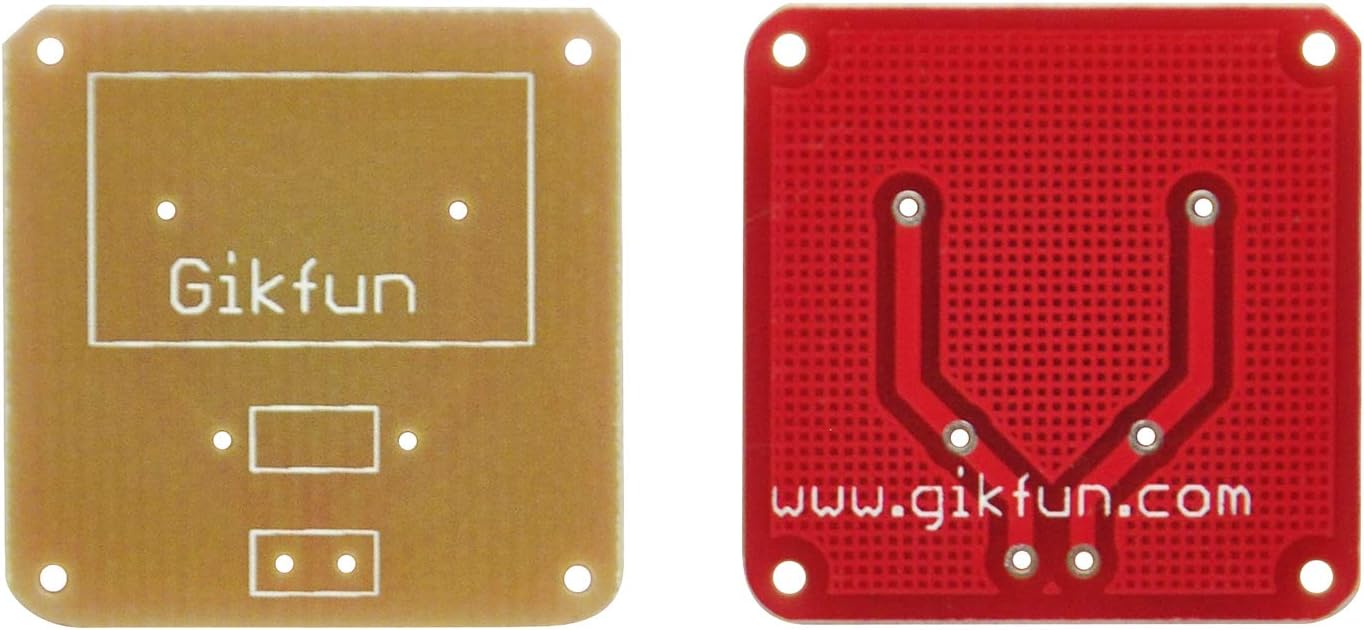
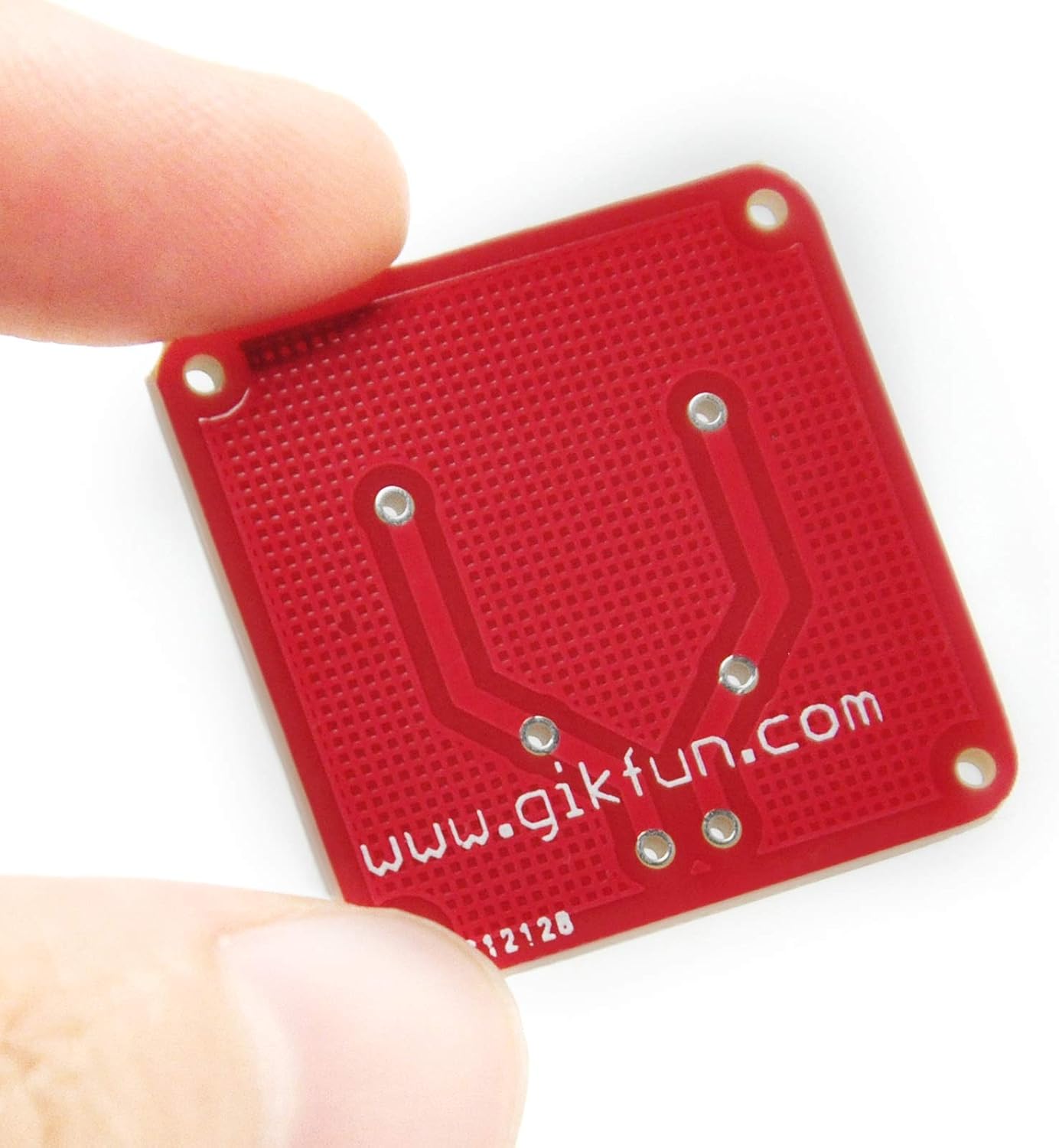
- It’s a solder-yourself kit, so success depends on your assembly skills and patience. If you’re after a plug-and-play sensor, this won’t be the best fit.
- The specification of “5A range” implies measurements within that limit, more demanding or high-precision applications may require a different sensor with tighter tolerances and calibration capabilities.
- The output is described as 5A/5mA, which may require careful mapping to your ADC range and appropriate calibration in software.
- There’s no mention of integrated calibration or temperature compensation, so consider adding a calibration routine in your code and potential environmental considerations in your setup.
Who it’s for
- Beginners who want to learn how current sensing works and how to interface sensors with microcontrollers.
- Makers who value a pack of identical kits for multiple experiments or learning sessions.
- Educators looking for an affordable, hands-on tool to demonstrate AC current measurement concepts in a classroom setting.
Who it isn’t ideal for
- Anyone needing a fully assembled, ready-to-use sensor without soldering or prior electronics experience.
- Projects requiring precise, high-resolution measurement or higher current ranges beyond 5A.
- Situations where installation reliability and quick deployment are critical, as assembly variability may influence results.
Before you buy: key checks
- Confirm you’re comfortable with soldering and basic electronics assembly.
- Plan how you’ll interface the analogue output with your microcontroller, accounting for any needed calibration and scale adjustments.
- Consider if you need multiple sensors in one project, the pack of five is convenient for concurrent experiments.
- Think about enclosure and safety when measuring AC currents, even at low ranges, to maintain a safe lab setup.
Practical example
Imagine you’re building a small energy monitor for a DIY power-strip project. You can attach this sensor to the live conductor of a low‑draw circuit, feed the analogue output into an Arduino, and log current variations over time. You’ll get a tangible sense of how changes in current flow correlate with what your code records, which is especially valuable for teaching or prototyping.
Decision time: Is it worth it?
Should you buy it? Worth considering if you want a hands-on introduction to AC current sensing, and you’re comfortable with soldering as part of your learning. It’s a sensible choice for a low-cost, multi-pack learning kit, but not the best option if you need plug‑and‑play reliability or high-precision measurements out of the box.
FAQ (practical prompts)
- Do I need any special tools to assemble? Yes, basic soldering gear and a steady hand are needed.
- Will it work with an Arduino? The board is designed for educational use with microcontroller projects, you’ll need to wire and calibrate it in software.
- Can I measure larger currents? The stated range is up to 5A, so for higher currents you’d require a sensor rated for that level.