

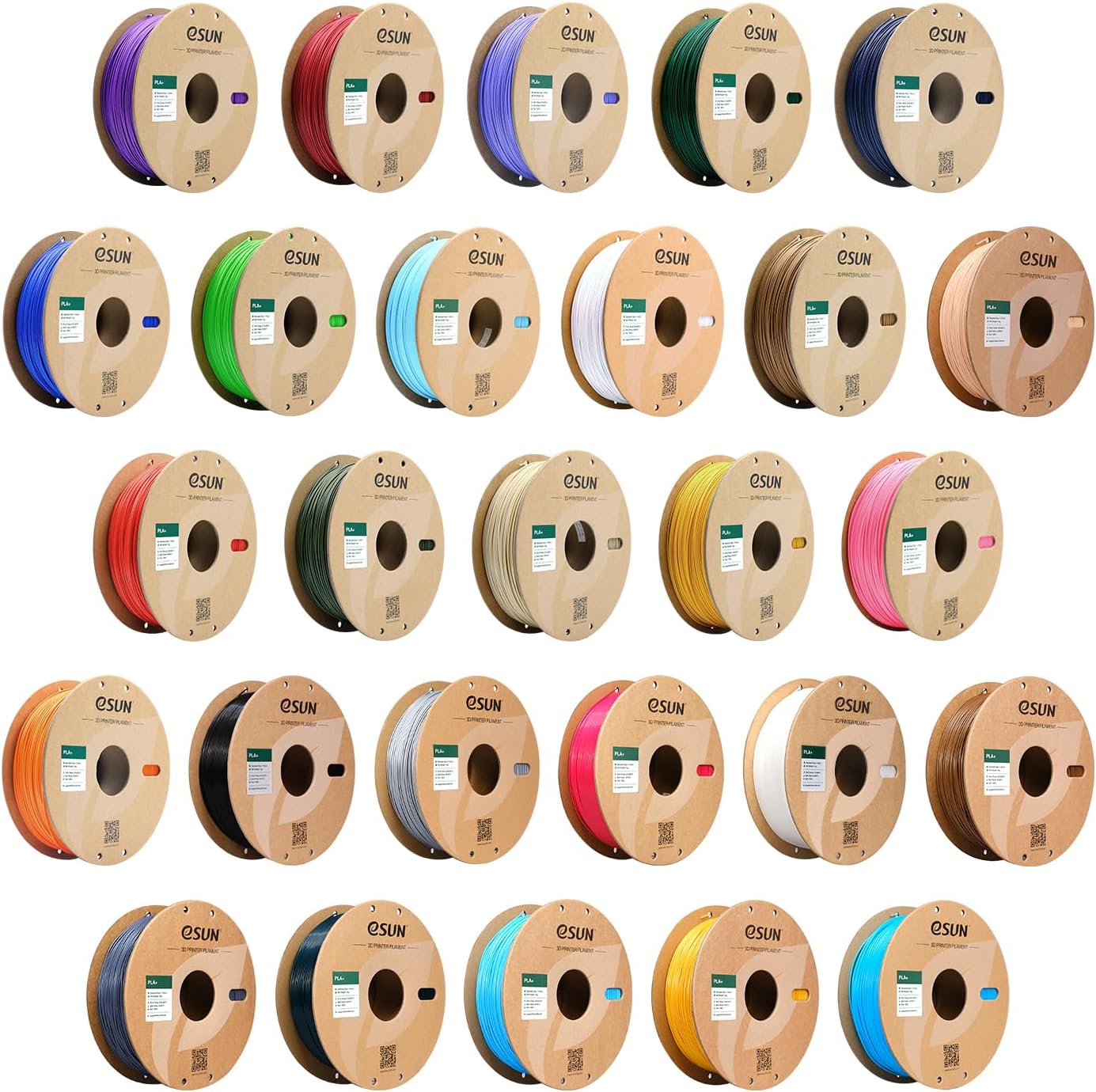
eSUN PLA+ Filament 1.75mm 1kg spool for 3D printing 🖨
Reviews
Price
Product description
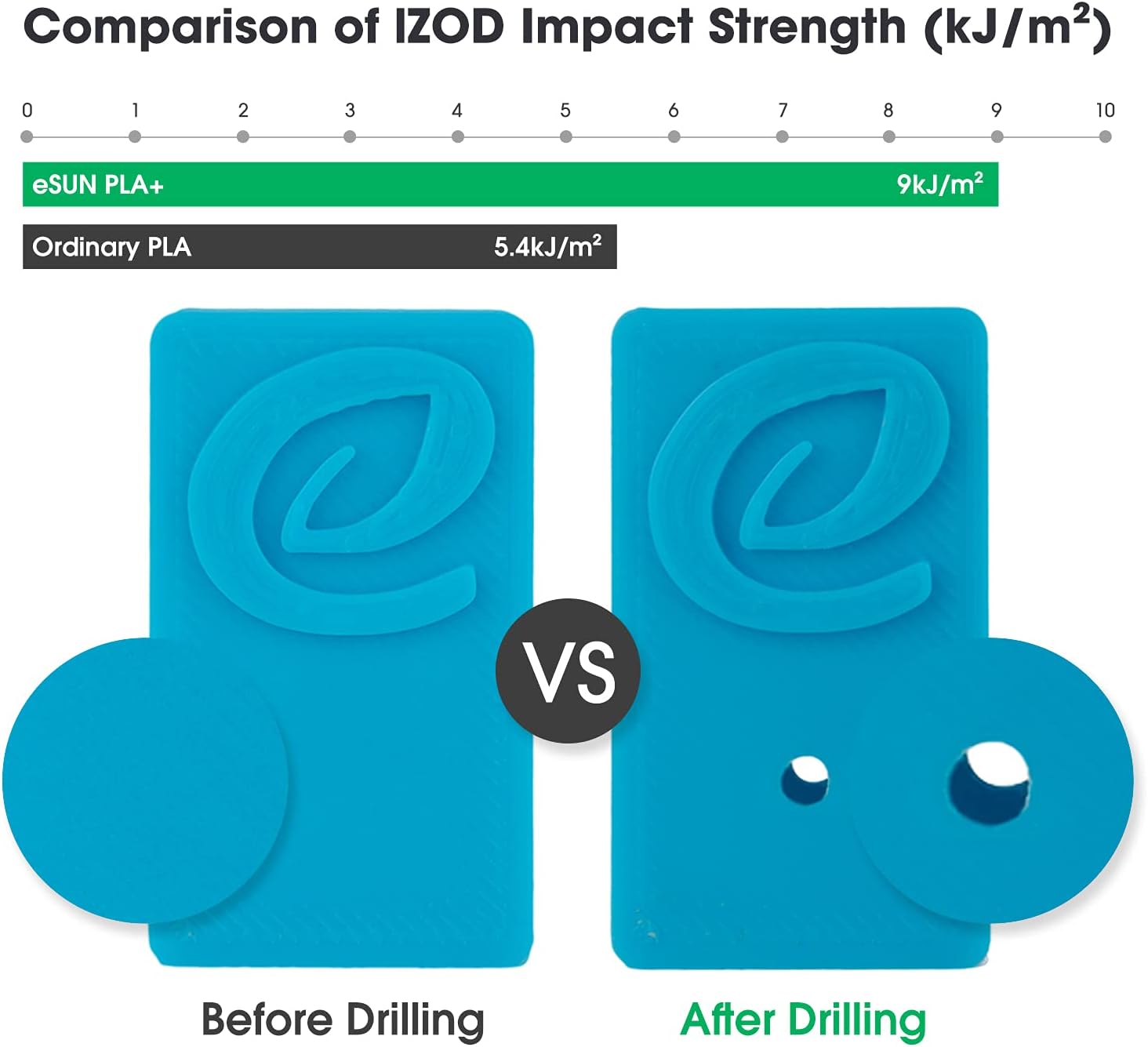
This PLA+ filament from eSUN offers increased toughness and stable feeding for everyday and functional 3D printing, making it suitable for prototypes and parts that need a bit more durability. It prints at higher speeds while keeping the familiar ease of regular PLA, so you can push throughput without losing dimensional control.
Key Points
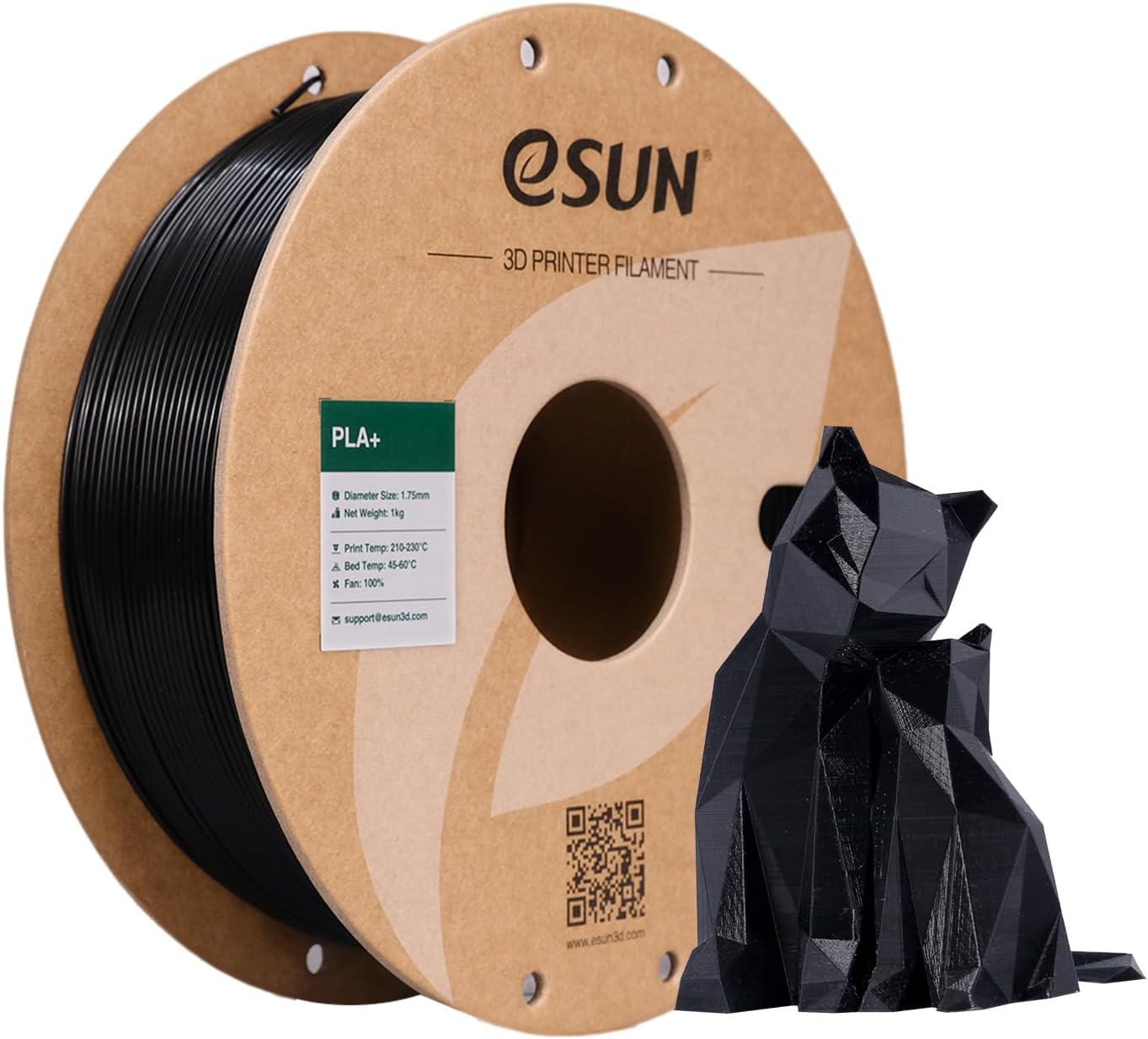
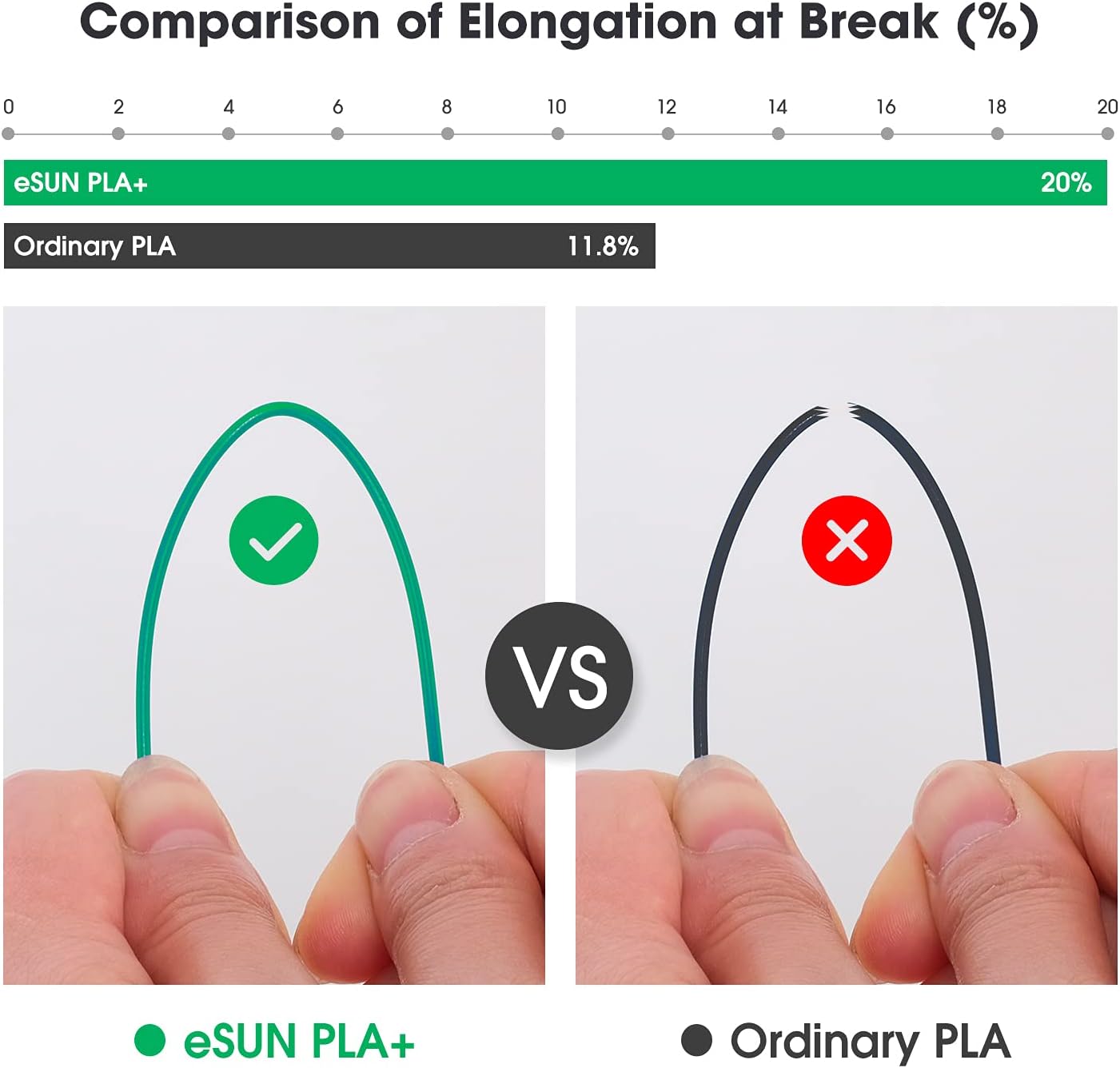
This 1.75 mm black filament comes on a 1 kg spool with a total length around 340–350 m according to the manufacturer. The material is an enhanced polylactic acid formulated from plant-derived starches, which keeps it non-toxic and more environmentally friendly than some petroleum-derived plastics. The improved toughness reduces brittle failures in printed parts while maintaining low warping and good layer adhesion.
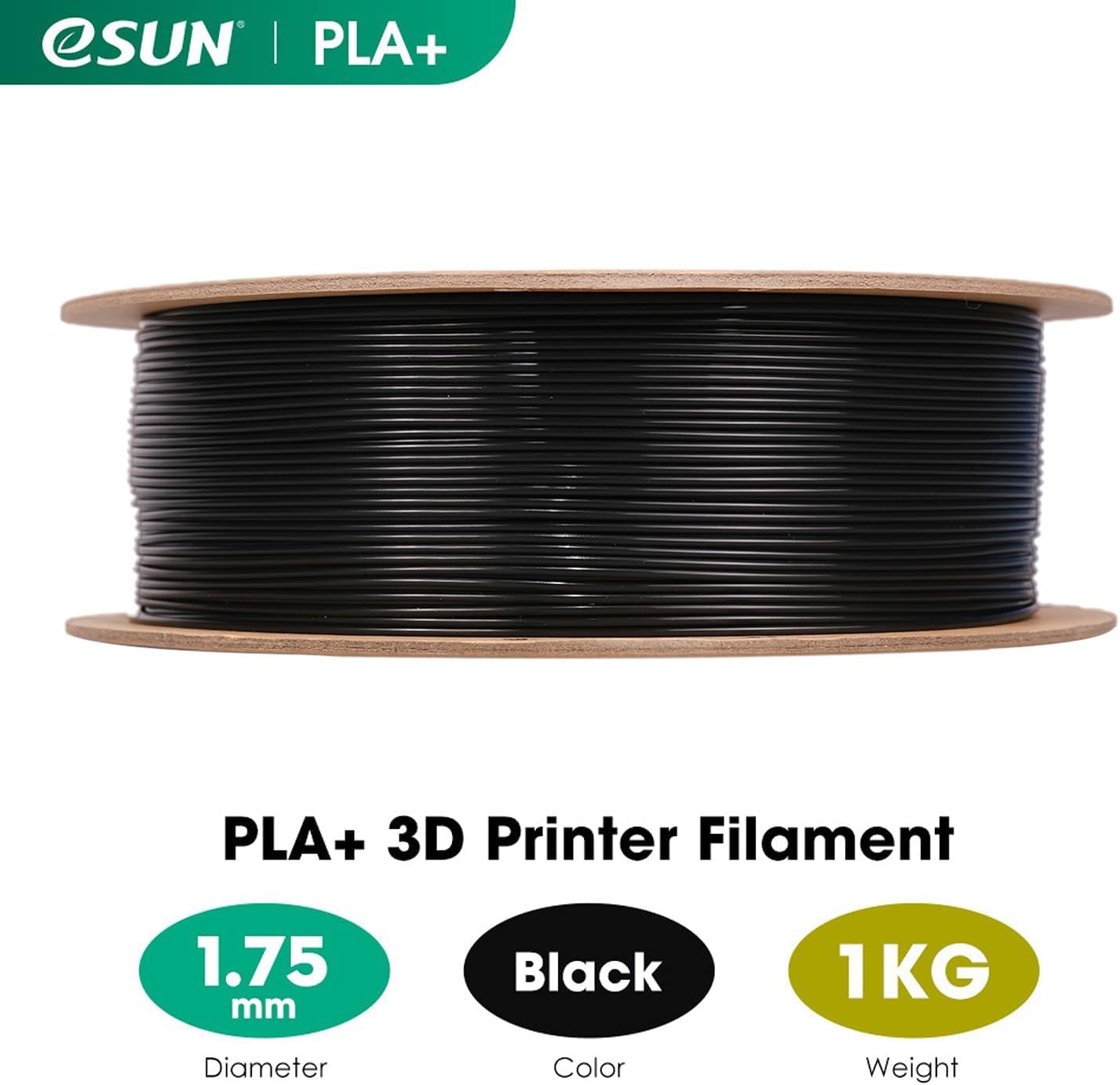
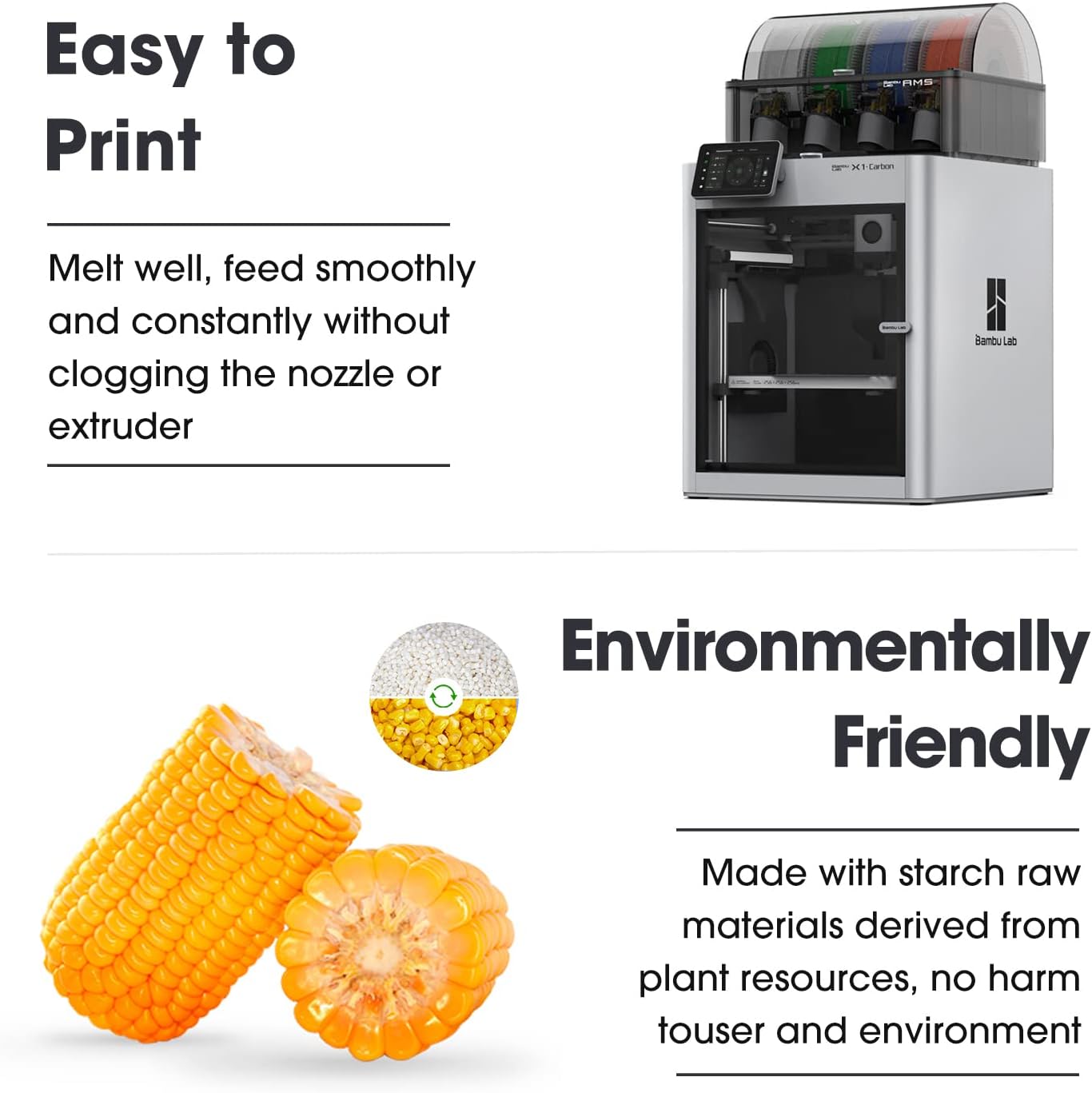
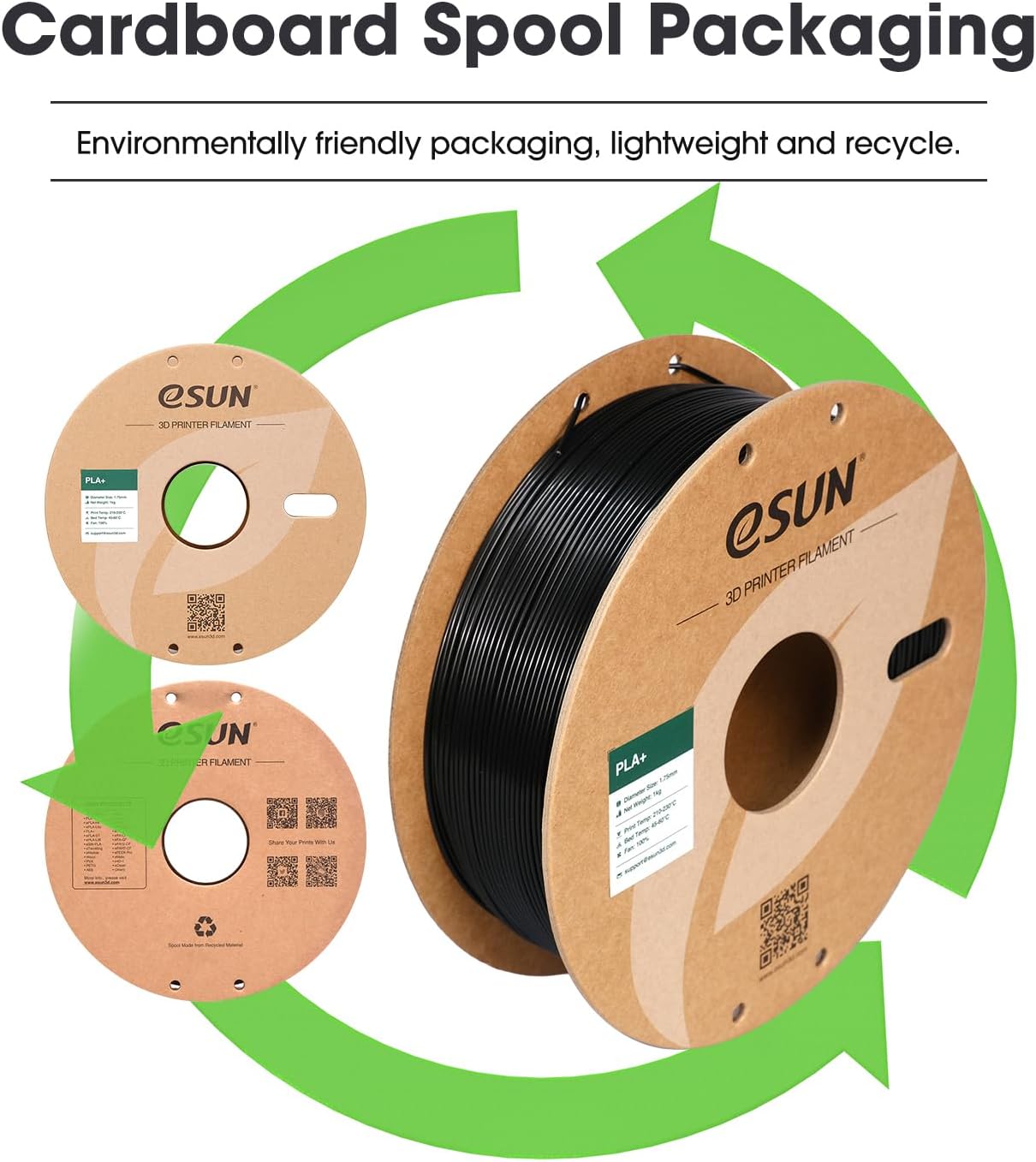
Prints benefit from smooth feeding and a consistent melt that helps to avoid nozzle clogs and under-extrusion. The spool is wound to prevent tangles and is supplied in vacuum-sealed packaging with a desiccant to limit moisture pick-up during storage. Note that eSUN may ship either a plastic or a new cardboard spool; packaging may vary between batches.
Technical Specifications
- Name: eSUN PLA+ Filament 1.75mm
- Diameter tolerance: +/- 0.03 mm
- Net weight: 1 kg (2.2 lbs)
- Colour: Black
- Length: 340–350 m
- Material: Polylactic Acid (PLA+) derived from plant starch
Advantages
PLA+ balances the printability of standard PLA with added mechanical resilience. Because it preserves low shrinkage and low odour, it is practical for desktop FDM machines and for prints in shared or domestic spaces. The tighter diameter tolerance helps produce repeatable extrusion and stable layer lines, which is useful when producing multiple copies of the same part or when dimensional accuracy matters.
Compatibility extends to a wide range of FDM printers including many popular consumer and prosumer models. The combination of good layer bonding and increased hardness makes this filament appropriate for cosmetic parts as well as some functional components that are not subject to high thermal or load extremes.
Usage Recommendations
Dry the spool if it has absorbed moisture, since PLA can become brittle or print poorly when damp. Use standard PLA temperature ranges and adjust retraction and cooling for smoother surfaces at higher speeds. For best results with demanding geometry, tune print speed and extrusion multiplier to match your printer and nozzle size. Consider a moderate print cooling fan setting to preserve fine detail while still maintaining strong interlayer adhesion.
Consider that PLA+ improves toughness but it is not a substitute for engineering plastics when heat resistance or heavy load-bearing is required. According to the manufacturer, tolerances are tighter than ordinary PLA which assists in consistent feeding and print stability.